Post Contents
- Genoa at a Glance and Why It Belongs on Your Italy Trip as an ultimate Genoa travel guide destination overview
- Top Things to Do in Genoa in the UNESCO Historic Centre for things to do in Genoa historic centre, caruggi, San Lorenzo
- Palazzi dei Rolli and Via Garibaldi A Private Palazzo World for Palazzi dei Rolli Via Garibaldi palazzo palace tour Genoa
- Old Port Wonders Aquarium Harbour Views and Palazzo Ducale
- Spianata Castelletto Corso Italia and Genoa Nervi for Sea Air
- Ligurian Flavours Pesto Seafood and an Aperitivo with a View of Ligurian Cuisine
- Design the Sea Day Private Yacht Touring the Ligurian Coast
- Two-day Genoa Itinerary: Where to Stay and Day Trips
- F.A.Qs: Genoa travel planning and practical tips
- What Stays With You After Genoa for Genoa reflections, travel moments
Genoa at a Glance and Why It Belongs on Your Italy Trip as an ultimate Genoa travel guide destination overview
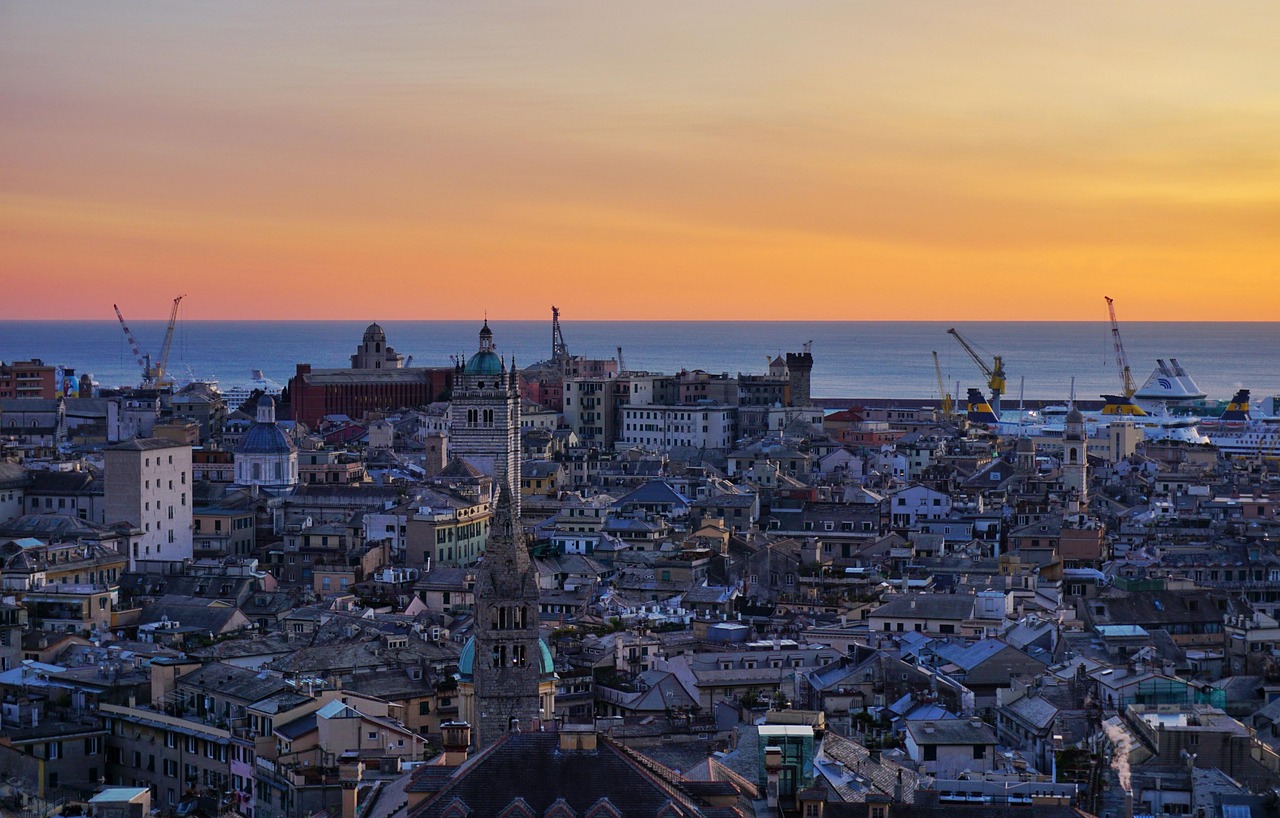
Genoa at a Glance and Why It Belongs on Your Italy Trip from a panoramic city viewpoint
If you’re searching for the ultimate Genoa travel guide destination overview, start with what makes Genoa feel so alive: it’s a maritime powerhouse with a layered identity, shaped by Genoa’s history from the 16th and 17th centuries and then reimagined by today’s design, food, and creative renaissance. The centre of Genoa can feel intense at first—narrow lanes, sudden piazzas, and a constant hum—but with the right pacing, it becomes beautifully intimate. Think of it as a city you don’t conquer; you uncover it.
To see what’s where, keep a simple mental map in your pocket. The Old Town and San Lorenzo area holds the medieval heart, while Piazza del Duomo is your elegant hinge between old and new. Via Garibaldi is the palazzo quarter—an open-air corridor of aristocratic ambition—while the Old Port and the Port of Genoa waterfront give you modern architecture, sea air, and that satisfying sense of arrival by water.
Design a calm day in Genoa with confidence
High-end travel in Genoa is less about squeezing in more and more and more about creating a seamless flow. Begin early, when the caruggi are freshly awake, and you can explore with space; then add a privately guided moment for depth and expert context, and keep late afternoon for a terrace pause. It’s astonishing how much calmer everything feels when you build in time for a slow espresso and an unhurried aperitivo with a view.
Imagine stepping into the caruggi and feeling the centuries shift around you—stone underfoot, laundry lines overhead, café tables already busy with local conversation. It’s a personal kind of wonder: not staged, not polished, just deeply real. Genoa, in general, offers that gift when you arrive with curiosity and care.
Arrivals made easy
Most travellers arrive via Genoa Cristoforo Colombo Airport, or choose Genoa by train via Genoa Piazza Principe station or Genoa Brignole for quick access to the city. Once you’re in, you’ll want to walk and use taxis—driving is rarely worth the stress in the historic lanes.
- Best first move: check in, drop bags, and take a short orientation walk to Piazza del Duomo.
- Early-start advantage: major streets and churches feel almost private before late morning.
- Mindset: your visit to Genoa will feel more luxurious when you choose fewer, better moments.




Top Things to Do in Genoa in the UNESCO Historic Centre for things to do in Genoa historic centre, caruggi, San Lorenzo
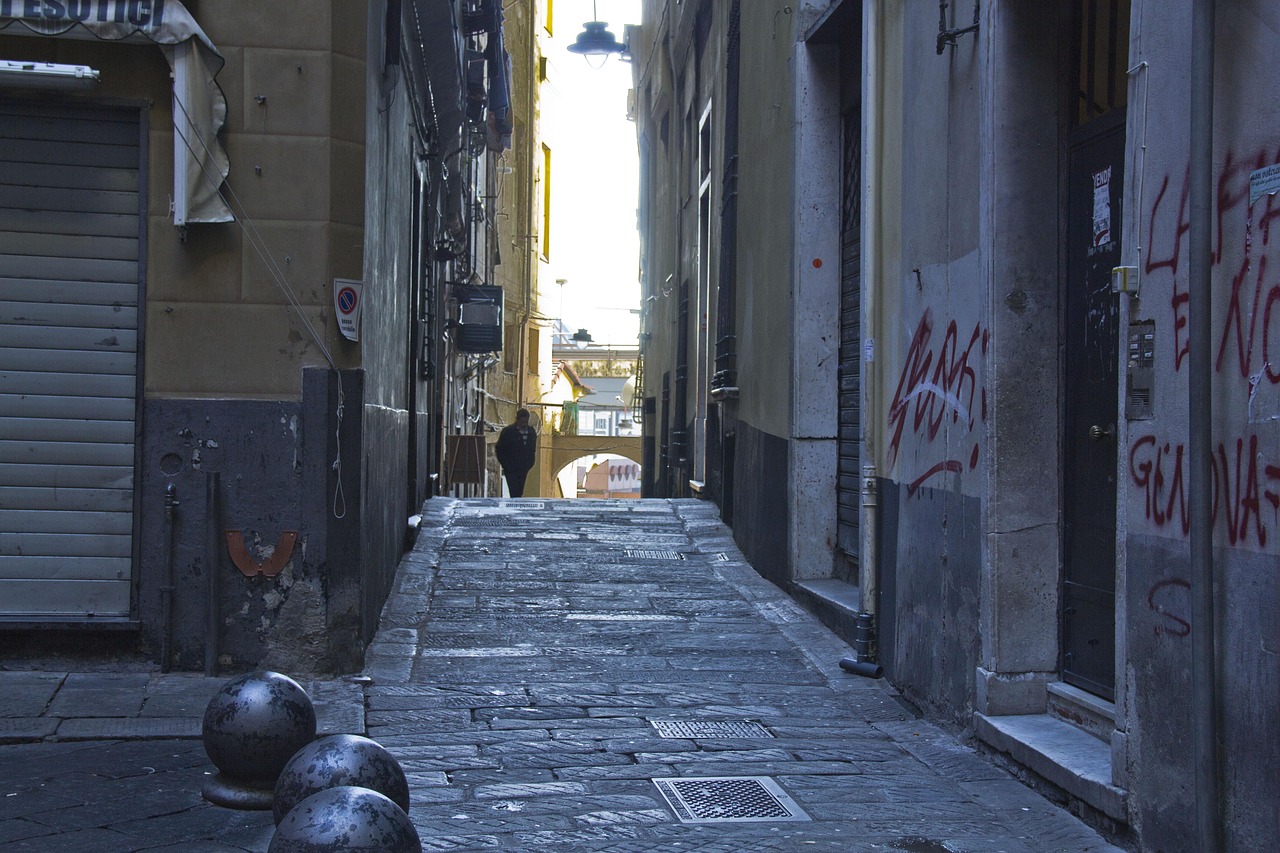
Top Things to Do in Genoa in the UNESCO Historic Centre exploring the caruggi lanes
For things to do in Genoa’s historic centre, the caruggi San Lorenzo, let the UNESCO-listed historic centre lead you. It’s one of Europe’s largest medieval towns, a living labyrinth of narrow caruggi, hidden courtyards, and sudden church façades that seem to reveal the city on purpose. This is where you understand Genoa not as a museum, but as a daily rhythm.
Start near San Lorenzo, where the Genoa Cathedral rises in striped stone and with an almost theatrical presence. From here, weave through lanes that shift from quiet to lively in a few steps—bakery scents, small artisan workshops, and the gentle choreography of locals moving through their morning. It’s the kind of place where you don’t need a strict route; you just need a good sense of direction and the confidence to take one more turn.
San Lorenzo to Porta Soprana for things to see
Begin with the cathedral and then drift outward, letting the streets pull you towards brighter squares. As you surface, you’ll reach Porta Soprana—an emblematic medieval gate that makes you pause and look up. Nearby, the Casa di Cristoforo Colombo offers a simple origin-story thread; Christopher Columbus becomes less of a textbook figure and more of a reminder that Genoa has always looked beyond itself.
To see Genoa well, alternate between “close” and “wide”: a tight lane, then a sunlit piazza; a hushed church interior, then a lively café. This breathing pattern is the secret to enjoying the city without feeling rushed.
Local etiquette that opens doors
Small gestures matter here, and they elevate your experience in a way that feels wonderfully human. Greet shopkeepers as you enter, try a few Italian phrases, and keep your tone warm and respectful. You’ll often find the local response is immediate—an extra recommendation, a smile, a quick story about what’s actually from Genoa and what’s been borrowed from elsewhere.
A traveller once told me their favourite memory wasn’t a landmark at all: it was wandering the lanes, feeling transported, noticing a craftsman repairing leather by hand, and following the perfume of focaccia to a tiny counter. The city gave them trust in their own curiosity—and that’s one of the most rewarding things to do in Genoa.
Palazzi dei Rolli and Via Garibaldi A Private Palazzo World for Palazzi dei Rolli Via Garibaldi palazzo palace tour Genoa
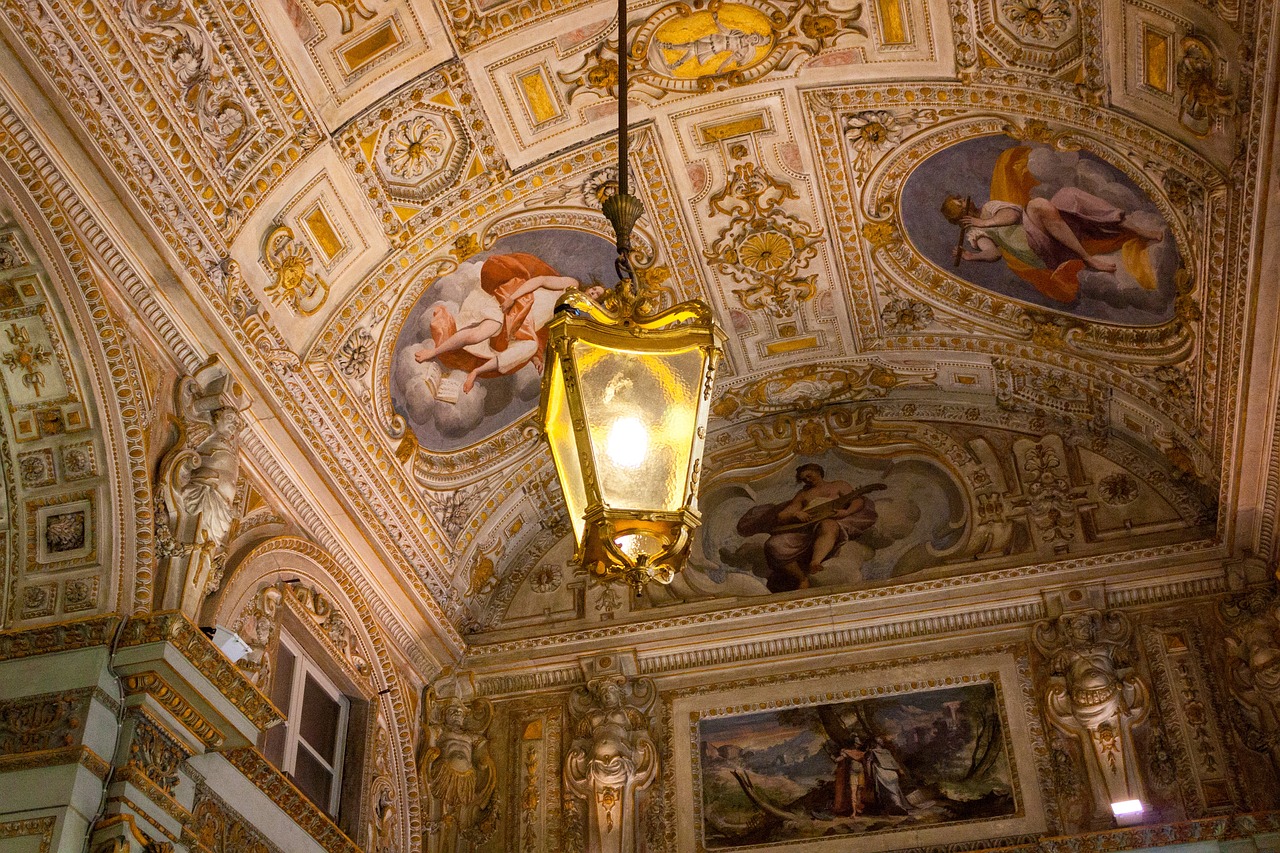
Palazzi dei Rolli and Via Garibaldi A Private Palazzo World in Genoa
For a Palazzi dei Rolli Via Garibaldi palace tour in Genoa, it helps to understand the concept first. The Palazzi dei Rolli were once part of an official system—“rolli” lists—that assigned grand residences to host visiting dignitaries on behalf of the Republic. It’s aristocratic hospitality formalised, expressed through architecture, art, and an unmistakable sense of power. Today, you’re not just entering a palace; you’re stepping into the city’s most refined self-portrait.
The luxury-forward way to visit is simple: book timed entry where possible and choose an expert, private guided tour that keeps the experience intimate. Via Garibaldi is compact, which means you can enjoy several palazzo façades without crossing the whole city. With the right guide, the details come alive—family symbols, political rivalries, and the way Genoa used stone and paint to speak to the world.
Via Garibaldi in Genoa as a palazzo corridor
Via Garibaldi has an almost cinematic rhythm: one grand doorway after another, each promising frescoed ceilings, sculpted staircases, and softly lit galleries. Inside, the mood is often quieter than you expect—cool stone, the hush of high rooms, and those moments when you look up and realise the ceiling is a universe of colour. It’s opulence, yes, but experienced best in a calm, personal way.
To avoid fatigue, keep your route crafted: choose a few interiors, then pause for a coffee nearby before continuing. High-end travel is about giving your attention room to land.
Rolli Days and planning for serenity
Rolli Days is a seasonal opportunity when rarely opened palaces welcome visitors. It’s a wonderful time to go, but it’s also when demand spikes—plan early if you want that seamless, unhurried feeling. If you’ve visited Genoa before, this is one of the most satisfying reasons to return, because it reveals rooms you may never have seen.
A luxury traveller once described being quietly amazed by an art collection they hadn’t expected—small details a guide pointed out with gentle insight. That’s the difference between simply seeing a palace and truly understanding one.
Old Port Wonders Aquarium Harbour Views and Palazzo Ducale
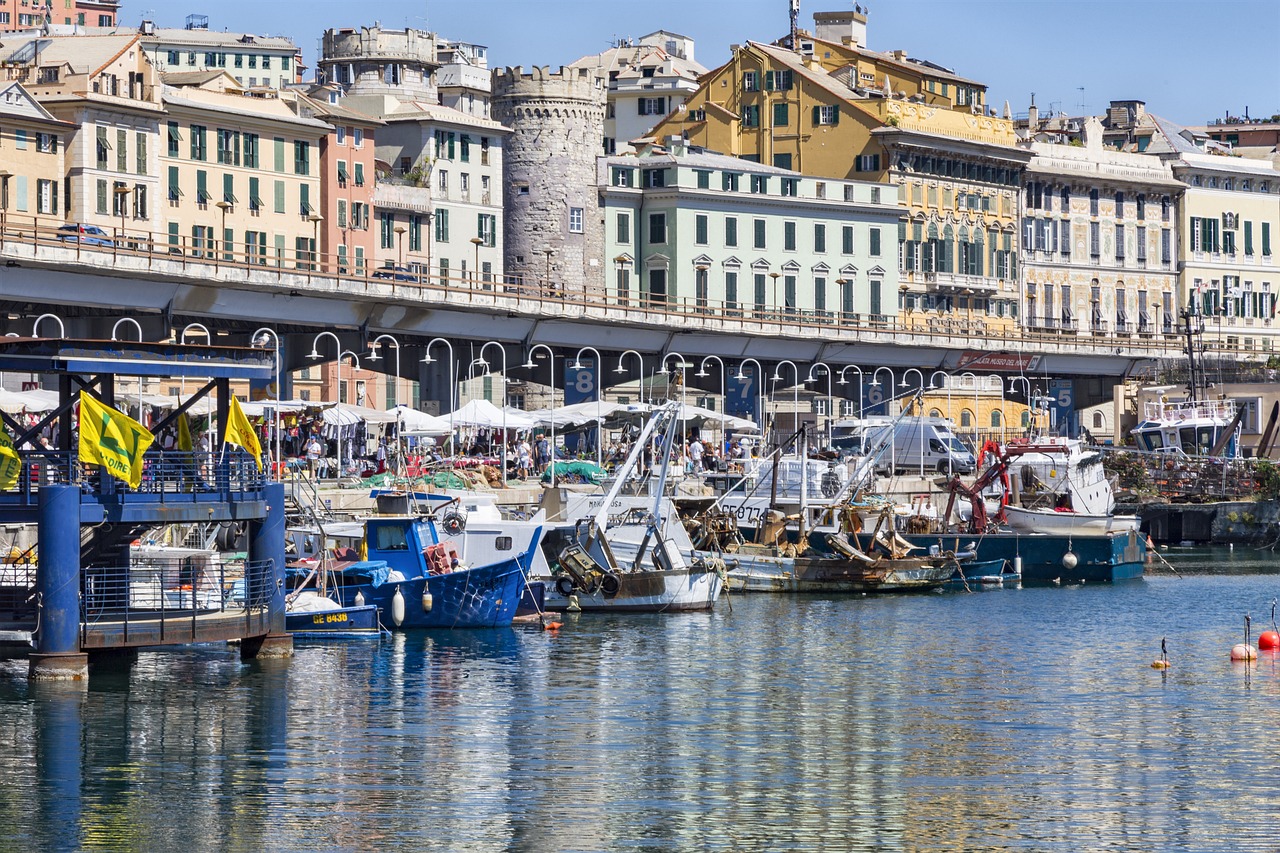
Old Port Wonders Aquarium Harbour Views and Palazzo Ducale along Genoa waterfront
If your shortlist includes Old Port Aquarium, Genoa harbour views, and Palazzo Ducale attraction, you can design this part of Genoa as a gentle waterfront sequence. The old port has been reimagined with a modern, design-led feel—open promenades, architectural statements, and plenty of benches for a pause. It’s family-friendly, yes, but it can also feel quietly elevated if you arrive early and move with intention.
The Aquarium of Genoa is a headline stop and one of Europe’s largest. The trick is to time it for the first entry slots, when the atmosphere is calmer, and the exhibits feel more immersive. With skip-the-line tickets and a curated plan—focusing on a few signature environments rather than every corridor—you keep the experience light, not draining.
A curated route for an elevated attraction
Begin at the aquarium, then step outside for fresh air and a slow stroll along the water. From there, angle back towards the centre for a cultured reset at Palazzo Ducale near Piazza del Duomo. Exhibitions here give you a different register of beauty—contemporary photography one month, historic collections the next—followed by a refined café stop that restores your energy.
As the afternoon settles, return to the water for harbour views that change with the light. Boats shift, the sea darkens into polished blue, and the city seems to soften around the edges.
Evening light and a care-first safety note
One visitor shared a memorable evening dining at a terrace restaurant overlooking the harbour, where gourmet flavours arrived with the shimmering nighttime sea as a backdrop. It’s a perfect Genoa scene: elegant, unforced, and quietly romantic.
In crowded areas, keep your confidence by staying alert—secure your bag, avoid distracted phone use, and opt for zipped cross-body styles. Genoa is generally safe, but a little care helps you stay present in the moment.
- Best timing: aquarium first entry, Palazzo Ducale mid-afternoon, waterfront at golden hour.
- Comfort tip: plan a short café pause between stops to keep your pace relaxed.
Spianata Castelletto Corso Italia and Genoa Nervi for Sea Air
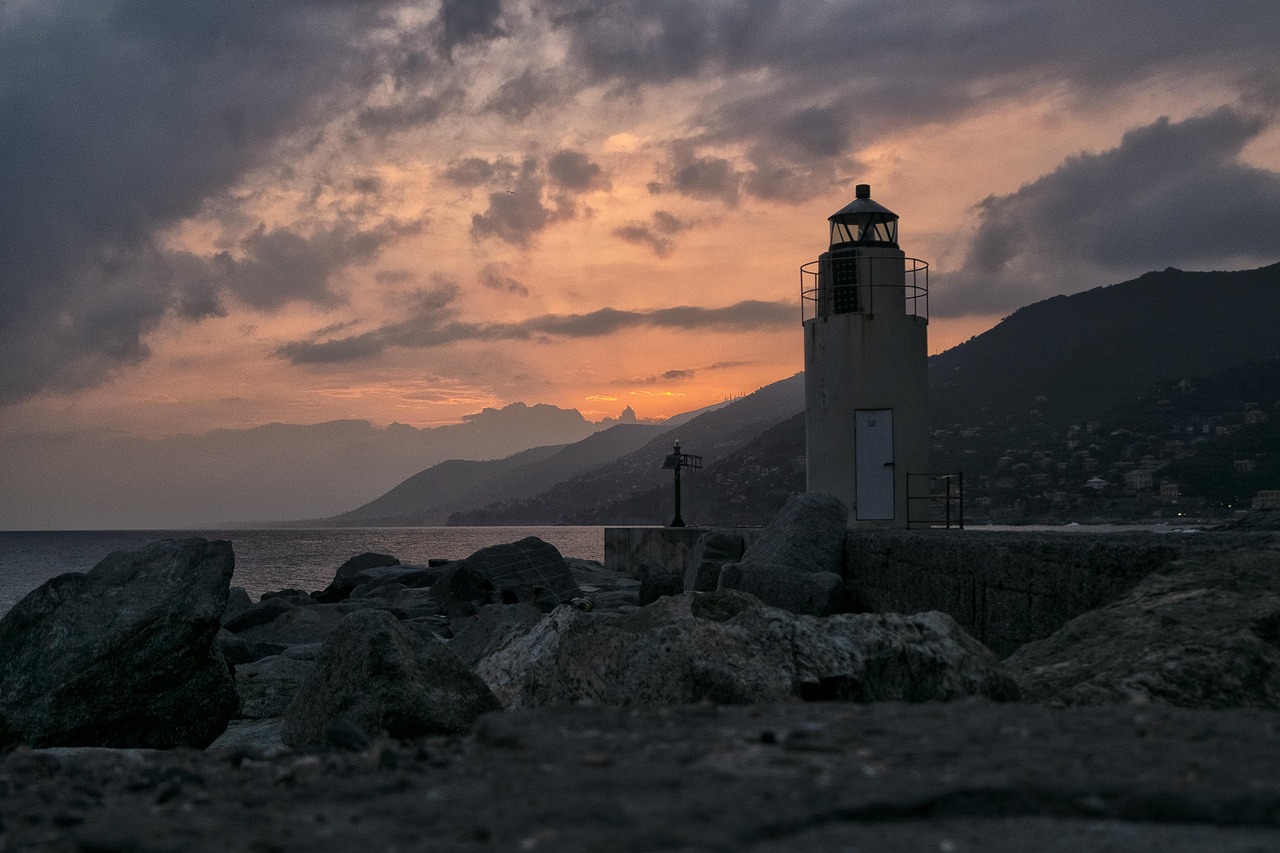
Spianata Castelletto Corso Italia and Genoa Nervi for Sea Air with Ligurian coastline views
For Spianata Castelletto Corso Italia Genoa Nervi, things to see, think of this chapter as your breathing space between monuments. Spianata Castelletto is a terrace viewpoint that delivers the city in one sweep: rooftops stacked like theatre seats, the port line beyond, and the Ligurian Sea holding everything together. Aim for golden hour if you can—the light makes Genoa feel almost weightless.
After the viewpoint, let the day shift from stone lanes to sea breezes. Corso Italia offers an elegant promenade mood, where you can stroll without an agenda, take an espresso, or simply watch the shoreline scenes unfold. It’s the kind of simple pleasure that makes a city feel liveable, not just visitable.
Genoa Nervi is a calm area of Genoa
For travellers who value quiet luxury, Genoa Nervi is a refined coastal pocket that rewards a slower pace. Think parks, cliffside paths, and a sense of space that contrasts beautifully with the medieval density of the centre. It’s also a wonderful option if you’re travelling in warmer months and want sea air without committing to a full day out.
This is where reassurance matters: there is much to see, but not all at once. Selecting fewer highlights—and letting them be truly restorative—keeps your time in Genoa feeling balanced and emotionally spacious.
Aperitivo as the city lights come on
There’s a particular moment when the city lights begin to glow, and you realise you’re no longer rushing. You’re simply present, holding a drink, letting the day settle. Enjoying that pause, rather than chasing one more stop, is often the most luxurious decision you’ll make here.
Ligurian Flavours Pesto Seafood and an Aperitivo with a View of Ligurian Cuisine 
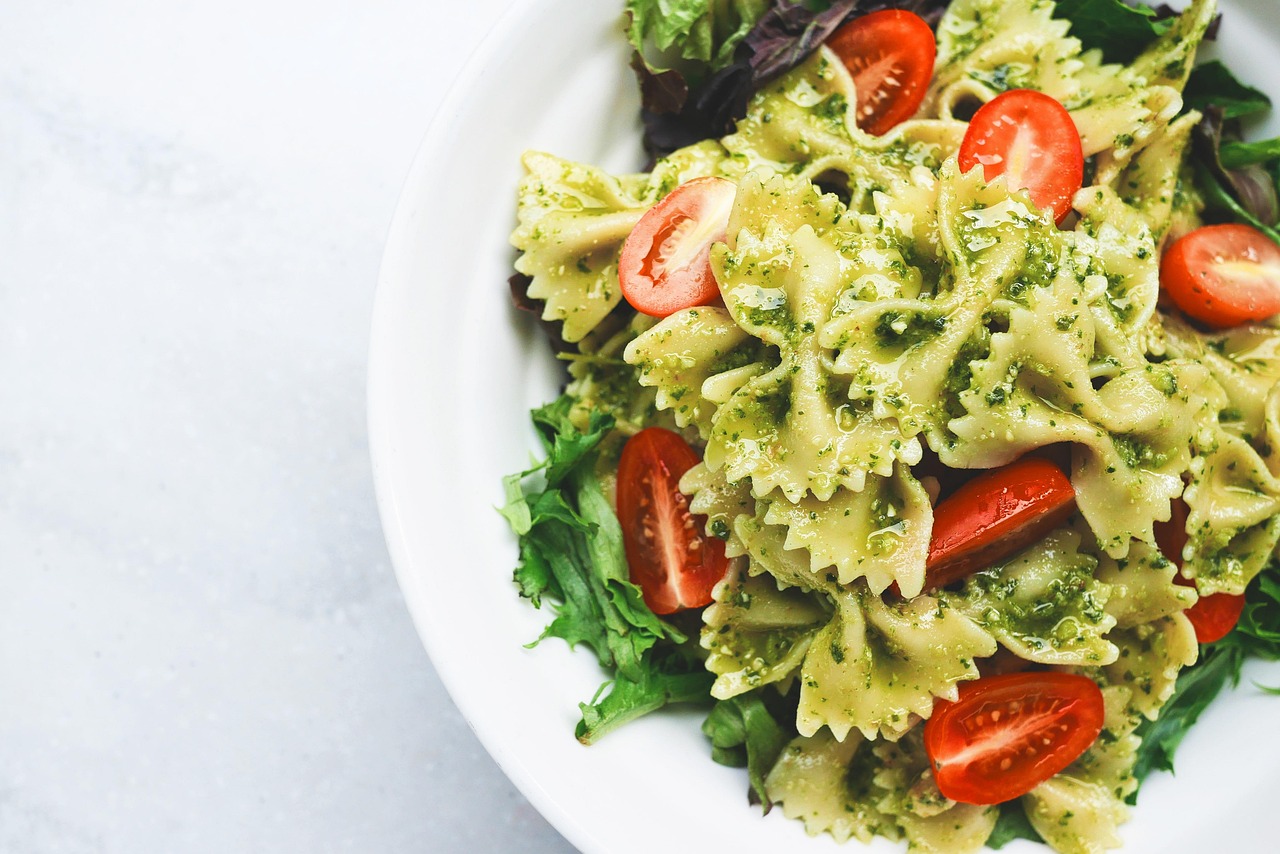
For Ligurian cuisine, pesto seafood enjoys an aperitivo in Genoa, beginning with the essentials and then following the season. Basil pesto here is aromatic and bright, often served with local pasta shapes that hold the sauce beautifully. Add just-caught seafood—simply grilled, delicately dressed—and you’ll understand why Genoa’s food feels both coastal and composed. Even focaccia becomes a small ritual, especially when it’s still warm.
To keep it high-end without feeling formal, plan lunch in central Genoa as a deliberate mid-day anchor. Choose a place with a short menu and a calm room, then let dinner on the day become the main event—ideally somewhere with a terrace and water nearby. Reservations are your friend in popular spots, especially from late spring to early autumn.
You don’t need a list of names to eat well; you need a few signals. Look for understated rooms, menus that change with the catch, and staff who can explain the day’s options with pride. Locals often choose places where the kitchen feels quietly confident rather than showy—where the wine list is thoughtful and the pacing is unhurried.
When you ask for the best table, do it with simple confidence: request something “quiet”, “on the terrace”, or “with a view” when you book. In Genoa, clarity reads as respect.
Dining timing and how to enjoy an aperitivo
Aperitivo hour is the city’s soft transition from day to evening. Arrive a little earlier than the rush, order something light, and let conversation stretch. Courses in Italy are meant to unfold, so allow time—your meal will feel more crafted, and you’ll leave with that warm sense of being properly looked after.
One evening, a traveller described dining above the harbour as the sea turned to ink and the lights shimmered below. The flavours were impeccable, but what stayed with them was the feeling: Genoa holding them gently, night settling in, everything finally quiet.
Design the Sea Day Private Yacht Touring the Ligurian Coast
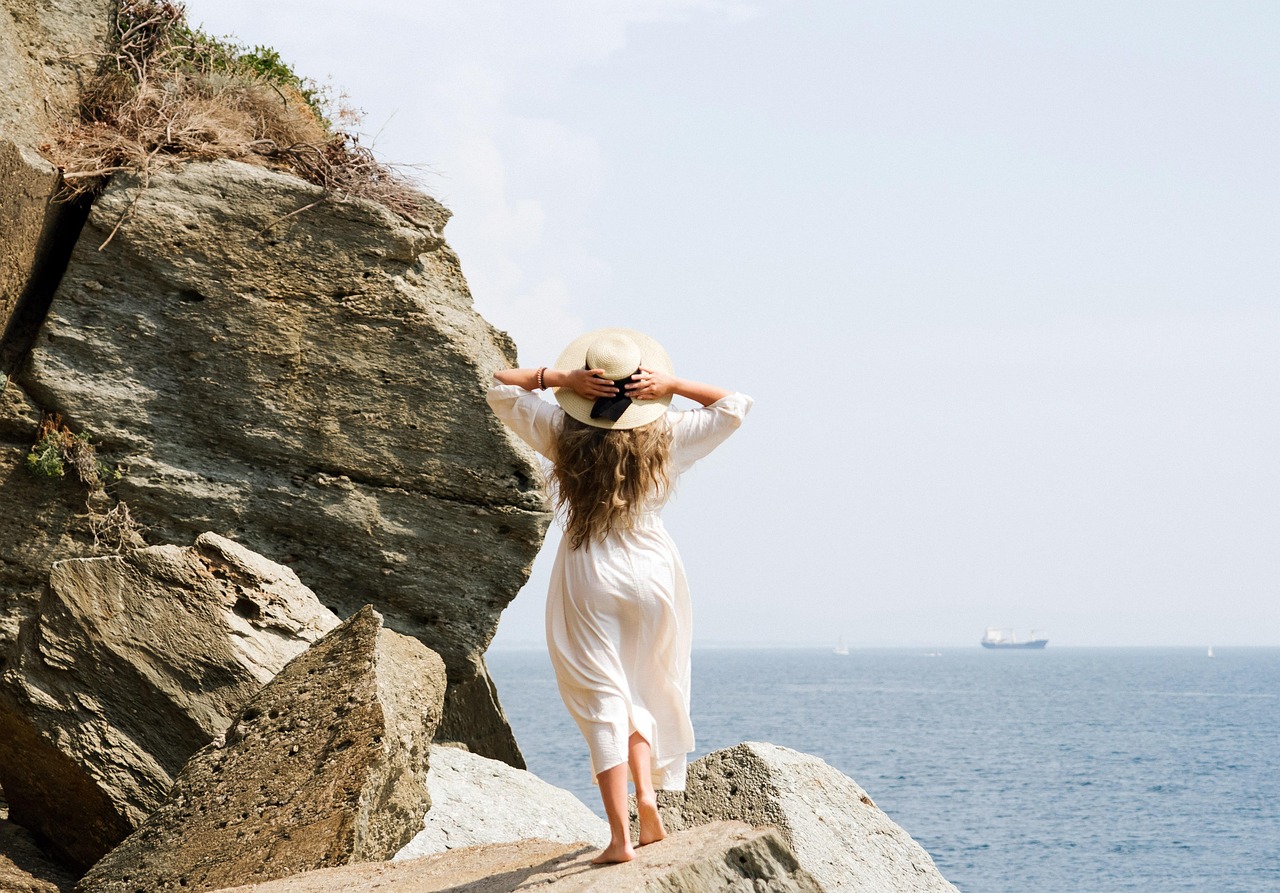
Design the Sea Day Private Yacht Touring the Ligurian Coast from Genoa
If you’re considering a private yacht tour of the Ligurian coast, a Genoa luxury experience, it’s one of the most seamless ways to feel the region’s beauty without the crowds. A half-day can mean a slow cruise, a swim stop, and a coastal viewpoint that’s impossible to access from land. A full day lets you settle into a bespoke rhythm—sun, sea, and lunch anchored in a quiet cove, with the city’s skyline waiting for you on the return.
What elevates the experience is how thoughtfully it’s designed. With the right skipper, you’ll hear coastal narratives that connect scenery to story—Genoa’s maritime heritage, trading routes, and the way the sea shaped local life. It turns a beautiful view into an insight you’ll carry home.
A crafted checklist for comfort and trust
- Skipper credentials: verify licensing, local knowledge, and clear safety briefings.
- Onboard comfort: shaded areas, towels, chilled water, and a simple playlist if you like.
- Sea conditions: ask about swell and wind; choose mornings for calmer water.
- What to pack: sun protection, light layers, swimwear, and a dry pouch for essentials.
- Seamless transfers: pre-book taxis to and from the marina to keep the day effortless.
Budgeting and value without the rush
A yacht day is worth it when you want privacy, flexibility, and time that feels genuinely yours. If your priority is calm, avoid rushed group tours and choose a charter that builds in stops and silence, not just speed. You’re not paying only for the boat; you’re paying for space, care, and the confidence that everything is taken care of.
A favourite way to pair the day is simple: morning on the water, late afternoon back in the caruggi, and then an aperitivo with a view. Together, it feels like Genoa has been designed around you rather than the other way round.
Two-day Genoa Itinerary: Where to Stay and Day Trips
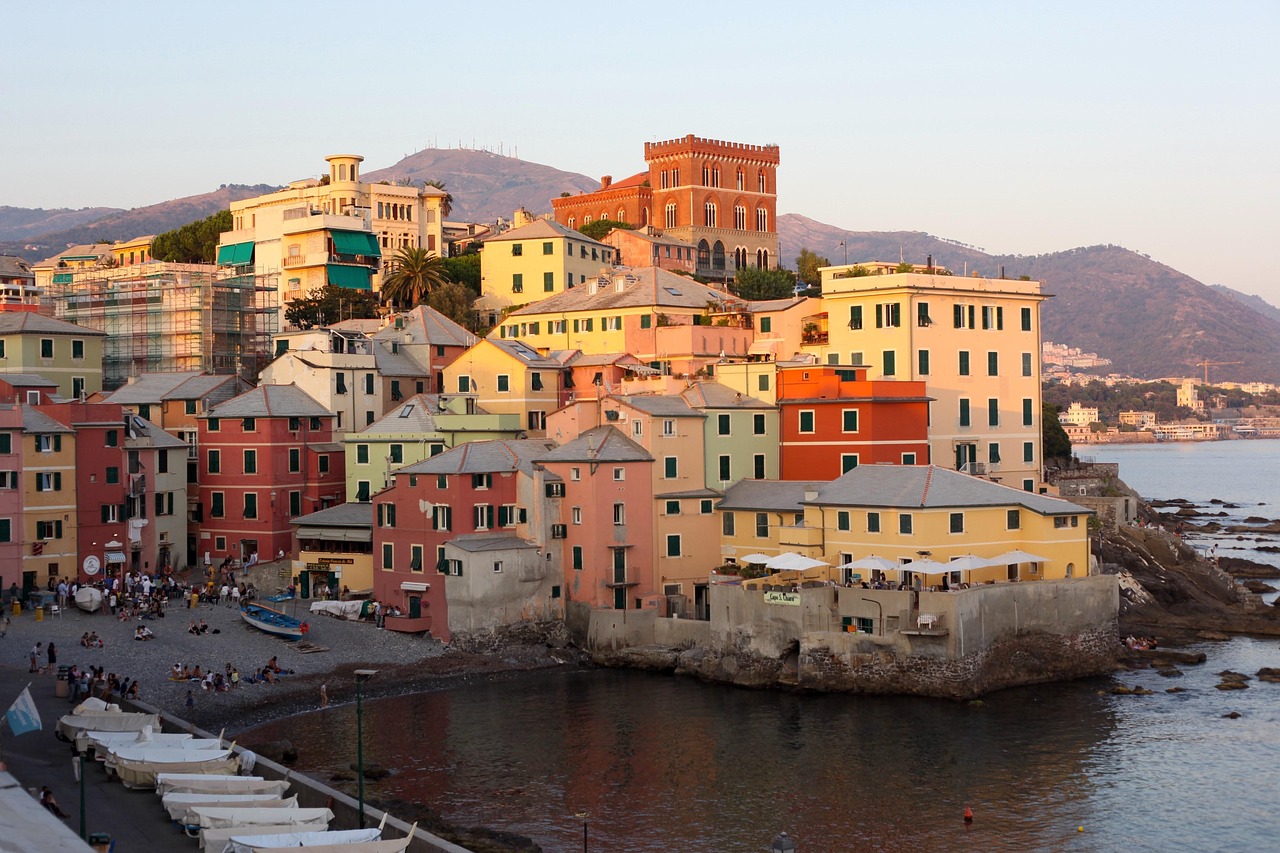
Two-day Genoa Itinerary Where to Stay and Day Trips with a seaside neighbourhood mood
If you want a two-day Genoa itinerary, stay in Genoa, take day trips to Cinque Terre, and plan a feel that’s luxurious rather than packed; this is the approach I recommend. It’s a Genoa itinerary that balances the historic core, the palazzo quarter, and sea-air escapes—while leaving room for long lunches and unplanned discoveries. If you have limited time in Genoa, two days are enough to feel the city’s character without rushing.
A two-day Genoa itinerary with options
Day 1 is for the city’s historic layers. Start early in the Old Town near San Lorenzo, then surface to Piazza del Duomo for a classic “city” moment. Continue to Via Garibaldi for your palazzo route and choose one or two palace interiors that truly speak to you. Keep late afternoon for Spianata Castelletto, then let evening be about food and atmosphere.
Day 2 is your waterfront and sea-breeze day. Begin at the old port and the aquarium at opening time, then pause at Palazzo Ducale if there’s an exhibition you love. In the afternoon, choose Corso Italia and a gentle shift back towards the coast, or plan a yacht morning and return to the city for a final wander.
Where to stay in Genoa for high-end travellers
To stay well in Genoa, decide what you want to feel when you step outside. If you value being central and walkable, choose a location near Piazza De Ferrari or the edge of the historic centre—close enough for spontaneity, but with quieter streets at night. If you prefer a calmer base, consider coastal pockets where mornings feel slower, and the sea air is part of the experience.
Boutique hotels suit travellers who want character and personal service; grand properties suit those who enjoy formal comfort and classic glamour. Either can be wonderful, as long as the location supports your pace.
Transport and timing with calm confidence
Arriving by train is wonderfully straightforward—especially if you’re connecting from other cities in Italy—and taxis from Genoa Piazza Principe or Genoa Brignole make hotel check-in feel effortless. Avoid driving in the historic centre: the lanes are narrow, many streets are pedestrian-only, and the stress rarely matches the reward.
For day trips, Cinque Terre is the classic choice by train. To keep it luxurious, depart early, choose one or two villages rather than all of them, and plan around peak crowds in high season. Late spring to early fall offers the best weather, but the key is always the same: visit major sights early, then let the rest of the day breathe. For more design-led inspiration, you can browse our Trip gallery and imagine how Genoa could fit into a wider Italy trip.
F.A.Qs: Genoa travel planning and practical tips
F.A.Qs: Genoa travel planning and practical tips with a view of the Old Port
Is Genoa worth visiting in Italy?
Yes—Genoa is worth visiting in Italy if you enjoy atmospheric historic cities with real local life. Its UNESCO World Heritage Site, palaces, and waterfront deliver depth without requiring a long stay. With early starts and a well-paced plan, Genoa feels intimate and luxurious rather than overwhelming.
What not to miss in Genoa?
Don’t miss the UNESCO old town lanes near the cathedral, the Palazzi dei Rolli on Via Garibaldi, and time at the Old Port. Add a viewpoint like Spianata Castelletto for a panorama, and build in a proper Ligurian meal—pesto and seafood are part of the city’s identity.
How to spend a day in Genoa?
Start early in the historic centre near the cathedral, then move to Piazza del Duomo and the Palazzo quarter on Via Garibaldi. After a calm lunch, choose either the Old Port and aquarium or a viewpoint and sea-breeze stroll. Keep the evening for a terrace dinner and a gentle aperitivo moment.
Where to avoid in Genova?
It’s best to avoid driving into the historic centre because lanes are narrow and many streets are pedestrian-only. As in any busy city, be cautious in crowded areas around major transport hubs and tourist attractions—keep bags secure and avoid distractions from your phone, especially at peak times.
What Stays With You After Genoa for Genoa reflections, travel moments
If you came looking for Genoa reflections travel moments, you’ll find they don’t arrive as a checklist. They come later, quietly, when you’re back home, and you remember the echo of footsteps in the caruggi, or the salt air near the waterline, or the sudden hush inside a palazzo as you look up at a ceiling painted centuries ago. Genoa’s stays with you because it doesn’t over-explain itself; it simply lets you feel it.
Often it’s the small personal details that linger most. A warm exchange at a market stall, a shared smile when you tried your Italian, the scent of basil that seemed to follow you for a whole afternoon. Even a brief stop near San Giorgio can become a private landmark in memory, not because it was famous, but because you were fully present when you passed.
There’s a particular kind of confidence that comes from a journey carefully designed. Not the loud confidence of having “done” a city, but the quieter kind—knowing you moved through it with trust in your own pace, and that you left space for the unexpected. Genoa gives that gift generously, and it tends to change how you move through other places, too.
And somewhere in the back of your mind, the city remains unfinished—in the best possible way. One more turning, one more doorway, one more evening light on the water, waiting patiently for whenever you feel drawn to wander again.