Post Contents
- Things to Do in Rome Travel Guide for a Seamless Luxury Stay and Places to Visit
- Best Things to See in Rome: Ancient Rome in Style and Attraction Highlights
- Top Attractions in Vatican City: A Morning of Museums and Masterpieces Travel Guide
- Favourite things to see in Rome: Piazzas, fountains, Trastevere evenings.
- F.A.Qs: Rome, Italy, sites to see and top attractions
- What Rome Leaves With You After Italy: The Best Things to See in Rome
Things to Do in Rome Travel Guide for a Seamless Luxury Stay and Places to Visit
Things to Do in Rome Travel Guide for a Seamless Luxury Stay and Places to Visit
This things-to-do-in-Rome travel guide to Italy is designed for the high-end traveller who wants a seamless itinerary—beautiful, efficient, and never rushed. The best way to see Rome isn’t to sprint between iconic sites; it’s to explore by neighbourhood, letting each day unfold with trust, care, and a calm sense of timing. Think of this as a crafted framework you can personalise, whether you’re here for a long weekend or an indulgent week.
Rome is at its most rewarding when you create “neighbourhood days”: the Centro Storico for fountains and piazzas, Vatican City for masterpieces, and Trastevere for local evenings and gourmet dining. This approach also helps you avoid long lines, reduce taxi hops, and keep your energy for the moments that matter—like stepping into the Colosseum with an expert before the crowds swell.
Design days by neighbourhood for the best things to do in Rome
Imagine starting in the Centro Storico, where many of the best sights in Rome are within easy walking distance of each other, with coffee stops along the way. The next day, dedicate your morning to the Vatican Museum, then drift along the river for lunch and a gentle reset. Save Trastevere for late afternoon into evening, when the streets glow, and the pace turns effortlessly social.
If you want a breath of green between appointments, Villa Borghese offers a graceful pause—an easy detour that feels like stepping out of Rome without leaving it. It’s also a thoughtful way to balance big-ticket attractions with quieter, restorative hours.
Timing, tickets, comfort, and support for a seamless visit to Rome
The best time for a visit is typically April to June or September to October, when the weather is pleasant, and the city feels more spacious. Early starts transform Rome: arriving at major sites when the light is soft and the streets are still waking can turn a popular tourist moment into something intimate.
Budgeting is clearer when you separate entry fees from experience. Tickets to the Colosseum are around €18 for standard entry, while the Vatican Museums are often around €17; a private guided tour costs more, but it can be one of the best things you do for pace, insight, and confidence. An audio guide can work well for smaller churches or a second visit, while a specialist guide shines at complex sites where stories and context bring stone and fresco to life.
For comfort, use Rome’s efficient metro for straightforward hops, then taxis or private transfers for door-to-door ease—especially after dinner. Wear truly comfortable shoes for cobblestones, keep valuables secure in crowded areas, and follow dress codes in religious spaces (cover shoulders and knees). If you’re staying somewhere with an excellent concierge, let them support you with timed entries, restaurant reservations, and a rhythm that feels personal rather than programmed.
- Best crowd strategy: book early-morning tickets or private access to the Colosseum and the Vatican; it’s the simplest way to avoid long lines.
- Dress code: carry a light wrap for churches—simple, elegant, and reassuring.
- Safety: Be vigilant around transport hubs and busy squares; pickpockets target distracted travellers.
- Style choice: stay near Piazza Navona or Piazza di Spagna for walkable glamour, or choose riverside calm for quieter nights.
For inspiration beyond this guide, you can explore our Trip gallery and imagine how Rome could pair with the Amalfi Coast, Tuscany, or a slow Italian lakes finale.




Best Things to See in Rome: Ancient Rome in Style and Attraction Highlights
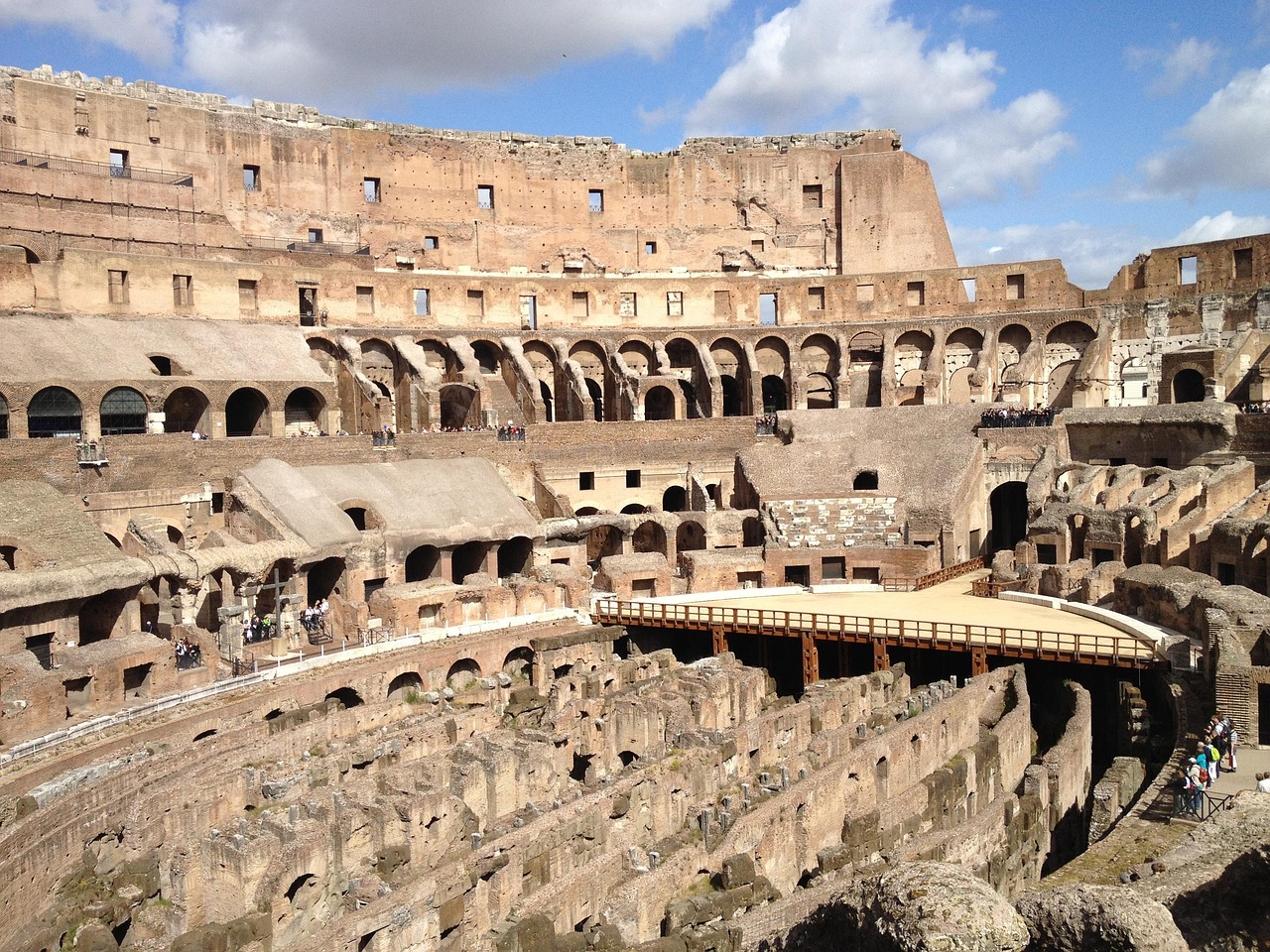
Best Things to See in Rome: Ancient Rome in Style and Attraction Highlights
If you’re searching for the best things to see in Rome, Italy, begin with the Colosseum and Roman Forum, then add Palatine Hill for perspective—ideally as a private tour that moves at your pace. This is where ancient Rome becomes tangible: not as a checklist, but as a living stage where you can uncover the city’s boldest stories with expert insight and steady reassurance.
Colosseum and Roman Forum with a private guided tour
The Colosseum is one of the most iconic sites on earth, and for many, it is an unforgettable gateway to the ancient world. On a private, expert-led experience, you can often access the arena floor for a gladiator ’s-eye view, then descend into the underground chambers where logistics, animals, and ambition once collided. The value isn’t just entry—it’s interpretation: a guide who can translate arches and corridors into human drama, without overwhelming you.
One traveller once told me about walking into the Colosseum at dawn, when the light traced the best-preserved ancient stonework and the air still felt cool. With fewer voices echoing, their awe had space to settle; the city seemed to hold its breath, and the arches felt less like ruins and more like a promise. It’s a beautiful reminder that timing is a kind of luxury—one of the best things you can design into your day.
After the tour of the Colosseum, step straight into the Roman Forum, once the heart of the Roman Empire. Pairing the Colosseum and the Roman Forum completes the narrative: the spectacle, then the civic pulse. Add Palatine Hill for the views, and you’ll see how power and geography intertwined—especially from the quieter viewpoints above the ruins.
Uncover refined detours and a sunset monument moment
To keep the day feeling crafted rather than crowded, weave in a couple of overlooked treasures. San Pietro in Vincoli is worth a visit for Michelangelo’s Moses—serene, intense, and quietly moving in the dim church light. Nearby, Santa Maria del Popolo offers art and atmosphere without the crush, a gentle counterpoint to the grand amphitheatre.
As evening approaches, the Victor Emmanuel II Monument—built to honour the first king of Italy—delivers some of the best views over the buildings in Rome. Treat it as your sunset punctuation before dinner. I still think about a couple who celebrated their anniversary with a private table overlooking the Roman Forum; by night, the columns felt like silhouettes in a theatre set, and history seemed vividly alive, as if the city were performing just for them.
Top Attractions in Vatican City: A Morning of Museums and Masterpieces Travel Guide
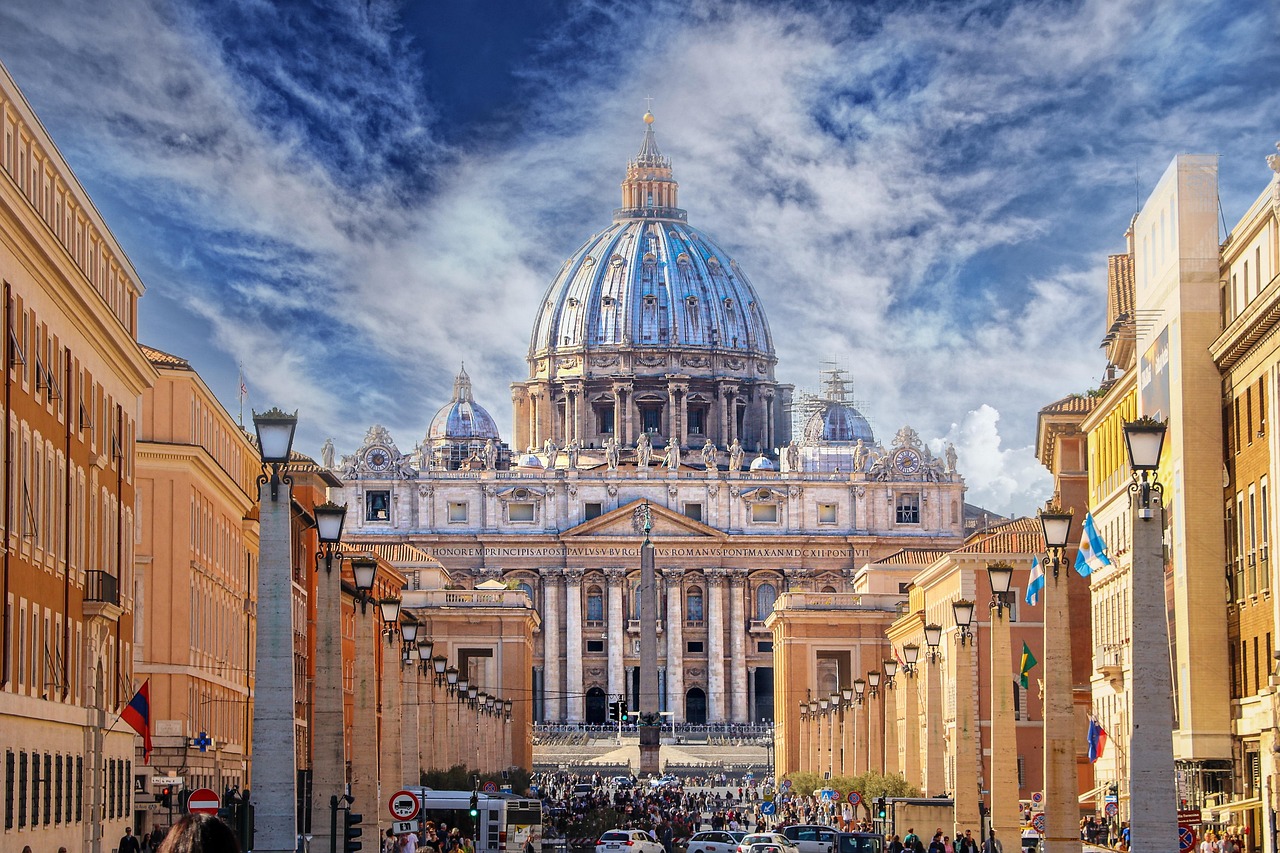
Top Attractions in Vatican City: A Morning of Museums and Masterpieces Travel Guide
For Vatican City’s top attractions, the most elegant strategy is an early-access, small-group morning tour—especially if the Vatican Museum, the Sistine Chapel, and St Peter’s Basilica are high on your list. This is one of those Rome-to-book moments: a little planning creates a calmer way to move through a world-class museum with confidence, supported by an expert who knows how to keep the pace unhurried.
Vatican Museum highlights and Raphael rooms without overwhelm
The Vatican Museum is vast, and that’s exactly why curation matters. A great guide will design a route around your interests—ancient Roman sculpture, tapestries, or Renaissance painting—so you don’t feel pulled in ten directions. The Raphael Rooms are a perfect “museum within a museum” pause point: step closer, let your eyes settle, and allow the detail to reveal itself slowly.
If you prefer to explore independently, a well-produced audio guide can be sufficient for a second visit or a quieter afternoon. But for a first-time morning, expert insight helps you discover what’s worth lingering on—and what you can simply admire and move on from, without regret.
Sistine Chapel and St Peter’s Basilica with dome views
The pairing of the Sistine Chapel and St Peter’s Basilica is unforgettable, but it can be intense at peak times. Dress codes are strictly enforced here, so cover shoulders and knees; it’s a small act of respect that also keeps you comfortable and confident. Inside the Sistine Chapel, notice the scale, the hush, the colour—then give yourself permission to stand still for a moment, even if only for a few breaths.
In peter’s basilica—or, more formally, the Basilica di San Pietro—the emotional impact can be surprising. Look for Bernini’s shaping of space and light, and consider the dome climb if you want the city laid out beneath you like a map. In the quiet after, a seamless transition to lunch near the river feels like care made practical—especially when your guide or hotel can handle the timing and the taxi call.
- Timing tip: aim for the earliest entry to avoid long lines and to enjoy the museum before it fills.
- Photography etiquette: follow staff guidance; be especially discreet in sacred spaces.
- When private helps most: a tour of the Vatican is invaluable if you’re short on time or want a calmer route through the crowds.
Favourite things to see in Rome: Piazzas, fountains, Trastevere evenings.
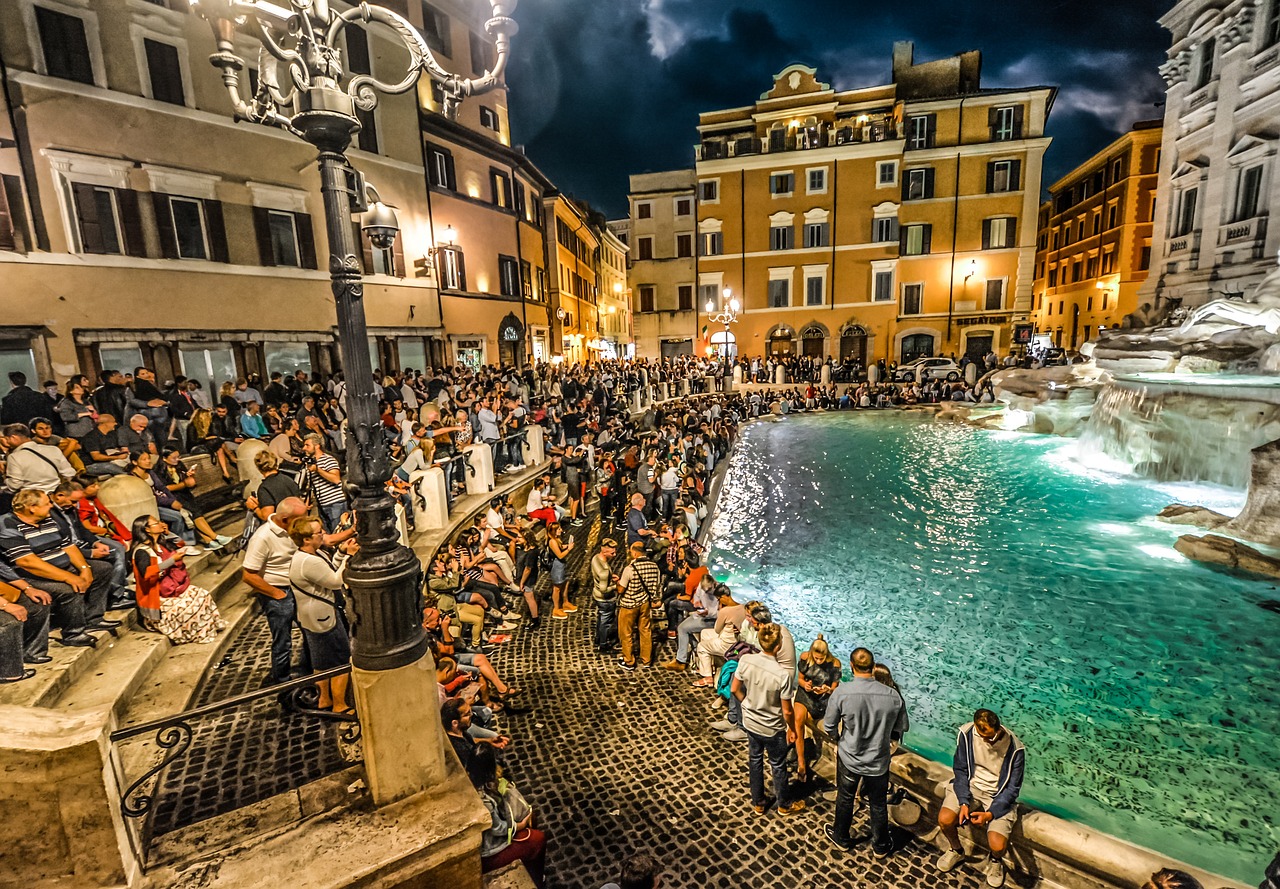
Favourite Things in Rome: Piazzas, Fountains, and Trastevere Evenings See in Rome
For favourite things to do in Rome, Italy, your most luxurious tool is your own pace—especially around the Trevi Fountain, the Pantheon, the Spanish Steps, and Trastevere, with the option of a gentle food tour. These are the places to visit that shape Rome’s feeling: water and stone, sunlight and shadow, conversations drifting across a piazza. If Ancient Rome is the city’s spine, this is its heartbeat.
Start with the Trevi Fountain early, before the square becomes a sea of phones. Join the tradition to throw a coin over your shoulder, not as superstition, but as a playful ritual—one of those free things that turns a moment into a memory. It’s a famous fountain for good reason: the choreography of water, sculpture, and sound feels almost cinematic.
From there, stroll to the Pantheon, where the oculus edits the day into a circle of light. Continue to Piazza Navona, letting Bernini guide the narrative thread: the Fontana dei Quattro Fiumi is both art and atmosphere, a masterpiece that rewards a slower look. This route is a quiet reminder that the best things in Rome often happen between the headline attractions.
Spanish Steps to Trastevere with gelato and a crafted evening
Later, make your way to Piazza di Spagna and the Spanish Steps at golden hour. The top of the steps is a perfect place to pause with gelato and people-watch without rushing; even a short stop can feel wonderfully personal. As one traveller joked to me, “Rome is the Spanish Steps”—their shorthand for how iconic this corner feels once you’re actually standing there.
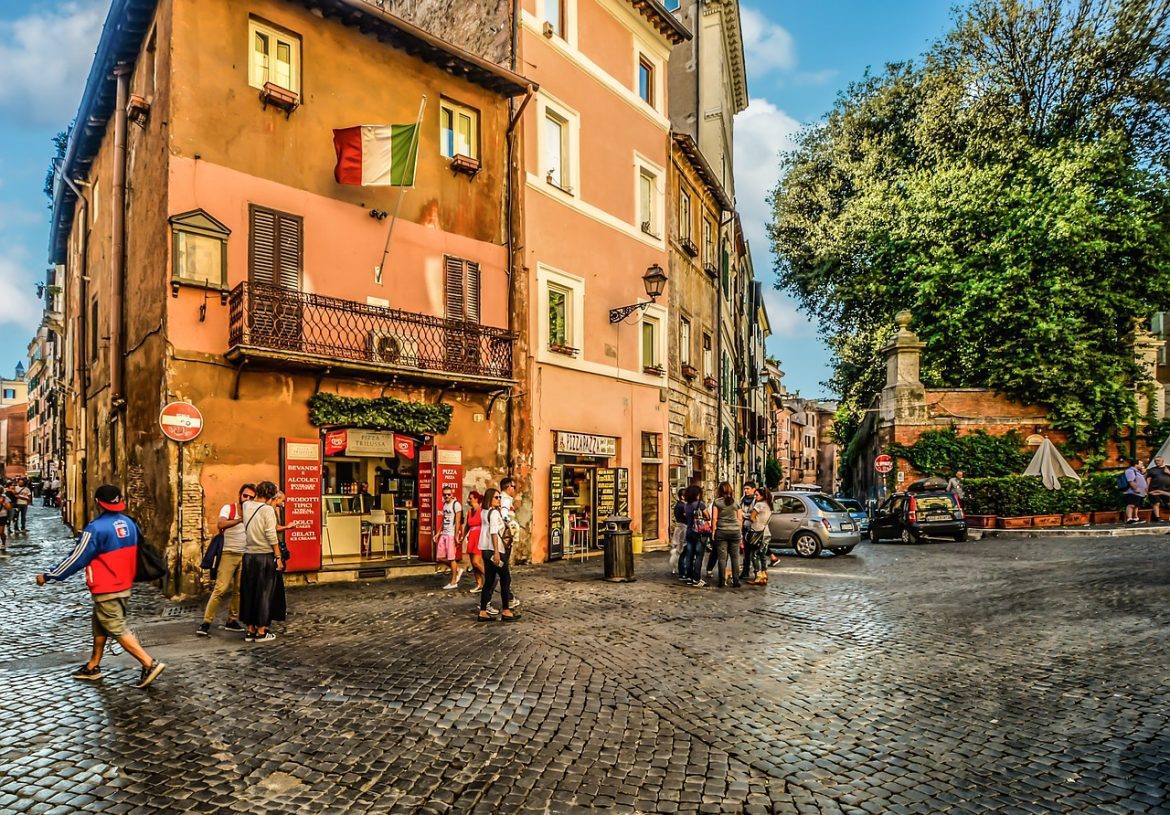
Then cross into Trastevere, best explored on foot in the late afternoon and evening when the local energy becomes irresistible. Pop into Santa Maria in Trastevere, browse artisan boutiques, and let dinner be the main event—crafted, intimate, and easy. If you’d rather be guided, a relaxed food tour can introduce you to classic Roman flavours without decision fatigue.
A solo traveller once shared how a cooking class in Trastevere changed their whole trip: learning Roman cuisine created friendships with locals and fellow travellers, and the city suddenly felt like a community rather than a stage set. That’s the quiet gift of Rome—when you slow down, you discover you’re not just visiting; you’re joining in, if only for an evening.
If romance is part of your design, begin with an aperitivo with views, then return to the Roman Forum for a private anniversary-style dinner. Rome makes it easy to create small rituals: a second scoop of gelato, a last walk across the river, a toast softened by lamplight.
F.A.Qs: Rome, Italy, sites to see and top attractions
What shouldn’t you miss in Rome?
You shouldn’t miss the Colosseum and Roman Forum for the city’s ancient scale, an early Vatican Museum visit for the Sistine Chapel and St Peter’s Basilica, and an evening in Trastevere for local atmosphere. Add a simple Centro Storico walk—Trevi Fountain, Pantheon, and Piazza Navona—to feel Rome’s everyday beauty. If you value comfort, book ahead and start early so these iconic sites feel calm rather than crowded.
What are the top five attractions in Rome?
Many travellers rank the Colosseum, Roman Forum and Palatine Hill, the Vatican Museum, the Sistine Chapel, and St Peter’s Basilica among the top five. In the historic centre, the Trevi Fountain and Pantheon often follow closely, alongside Piazza Navona. The “top” choices depend on your style: art lovers may prioritise museums, while romantics may prefer piazzas, viewpoints, and evening walks with gelato.
What not to do in Italy as an American?
Don’t underestimate dress codes in churches—cover shoulders and knees at places like St Peter’s Basilica. Avoid eating right beside major attractions where menus can be tourist-focused; walk a few streets away for better quality. Don’t leave valuables loose in crowded areas, and don’t assume you can buy tickets on the day for the biggest sites without delays. Finally, don’t rush: in Italy, pace is part of the pleasure.
Is there a 7th wonder in Rome?
There isn’t an official “Seven Wonders” list that universally names a Roman site, but the Colosseum is widely recognised as one of the New7Wonders of the World. Standing inside, especially with an expert guide, makes it clear why: the engineering, the scale, and the human stories are extraordinary. If you want the moment to feel special, choose an early entry or a private experience so the space can speak for itself.
What Rome Leaves With You After Italy: The Best Things to See in Rome
Rome, Italy, personal reflections after visiting Rome often arrive later, when you’re home and unpacking, and a scent or a shaft of light brings it all back. It isn’t only the attraction in Rome you photographed, or the list of the best things you ticked off. It’s the texture of warm stone under your hand, incense lingering in a side chapel, and laughter slipping out of a Trastevere doorway as you pass.
Time in Rome has a way of settling into you gently. You remember how confidence grows when the journey feels seamless—when someone you trust has thought through the timing, and you’re free to wander and notice. Together, those two energies—expert support and personal space—create something rare: a holiday that feels both held and open.
And perhaps that is why this ancient city remains so alive. Rome invites you to uncover who you are when you slow down, and to carry that quieter version of yourself into whatever comes next. Long after you’ve visited Rome, you may find you already know the way back—at least in memory, and in the simple desire to return to Rome one day, when the light is just right.