Post Contents
- When to Visit South Korea – time to visit South Korea at a glance for luxury travellers (weather, crowds, festivals)
- Time to visit South Korea in spring: South Korea in April, cherry blossom moments, and Seoul at its prettiest
- Times to visit South Korea in autumn: South Korea in October, festival evenings, and mountain colour
- Visiting South Korea in summer: summer in South Korea, rainy season planning, Busan, and Jeju
- Best time to visit South Korea in winter: South Korea in January, ski planning, and clear city days
- After South Korea: what stayed with me from visiting South Korea (Seoul, Jeju, and the DMZ)
- F.A.Qs: when to visit South Korea, weather, rules, and value
When to Visit South Korea – time to visit South Korea at a glance for luxury travellers (weather, crowds, festivals)
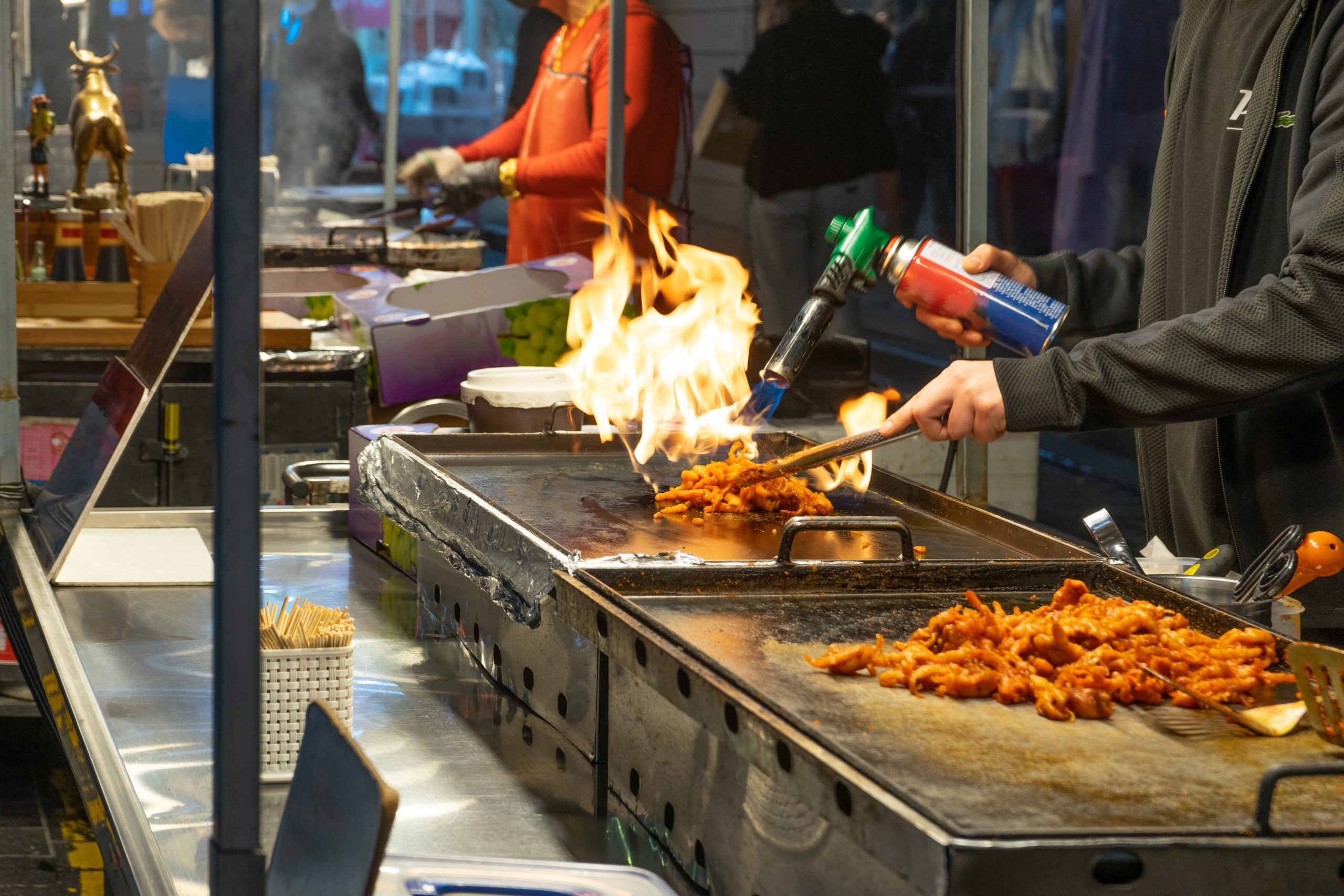
Best times to visit South Korea at a glance with Myeongdong energy.
If you are deciding when to visit South Korea, start with three luxury-friendly filters: temperatures and weather conditions, your tolerance for a busy time versus quieter weeks, and the festival calendar that shapes each month of the year. In other words, the time of the year you choose is really about rhythm: photogenic mornings, unhurried lunches, and evenings that feel effortless. This is also where South Korea travel planning becomes simple, because you can match your preferred pace to the season and land on the right times to visit with confidence.
This North Asian country has four distinct seasons, and each one changes the texture of the trip. Spring and autumn often bring pleasant temperatures and bright days that suit long walks and gallery-hopping—especially in the capital. By contrast, the summer months can feel very warm, with higher humidity and heavier rainfall, while winters in South Korea bring crisp air and occasional snowfall, making indoor rituals feel even more inviting. It is the contrast between spring and autumn, and the extremes of summer and winter, that makes choosing the right time to travel feel so personal.
Time to visit South Korea by season: best months to visit, key festivals, and what to expect
If you want a clean starting point for the time to visit South Korea, the best months for many travellers are April to June and September to November. Those are popular months to visit because you often get pleasant weather for outdoor activities, plus a strong line-up of seasonal festival events without the intensity of midsummer. Still, the best time of year is not a single answer: one of the best times might be summer on the coastal edge of the country for seafood and sea views, or winter for mountain escapes and restorative spa rituals. Think of this as your shortlist of months to visit, then refine it by interests, budget, and crowd levels.
- Spring (March to May): arrival of spring, cherry blossom season, and evenings that glow with lantern traditions, art, and food celebrations.
- Summer (June to August): beach energy in Busan and Jeju, plus Korea’s wettest stretch and the monsoon season to plan around.
- Autumn (September to November): autumn foliage, a national park escape, and some of the year’s most comfortable city sightseeing.
- Winter (December to February): chilly nights, café culture in the capital, and snowy mountain breaks for slow, cosy afternoons.
There are also year-round anchors that make visiting South Korea rewarding in any season. In Seoul, you can explore Gyeongbokgung Palace and time your visit to coincide with the changing of the guard ceremony, then build an afternoon around curated skincare boutiques and modern galleries. Myeongdong and Gangnam deliver luxury shopping and people-watching with effortless variety, while an expert-led DMZ tour offers rare insight into Korean history and tensions—best enjoyed with exclusive guided access that feels measured and respectful.
For inspiration before you travel to South Korea, browse our Trip gallery to see how the year to visit South Korea can look completely different depending on the weather, your interests, and your preferred pace.
Mini planning note for peak season: during prime blossom weeks and peak autumn weekends, book suites, private guides, and sought-after restaurants well in advance. That single habit keeps service smooth, protects your preferred visit times, and lets the trip feel calm from arrival to checkout—especially when the festival calendar is at its fullest, and the city is at its most photogenic.
Time to visit South Korea in spring: South Korea in April, cherry blossom moments, and Seoul at its prettiest
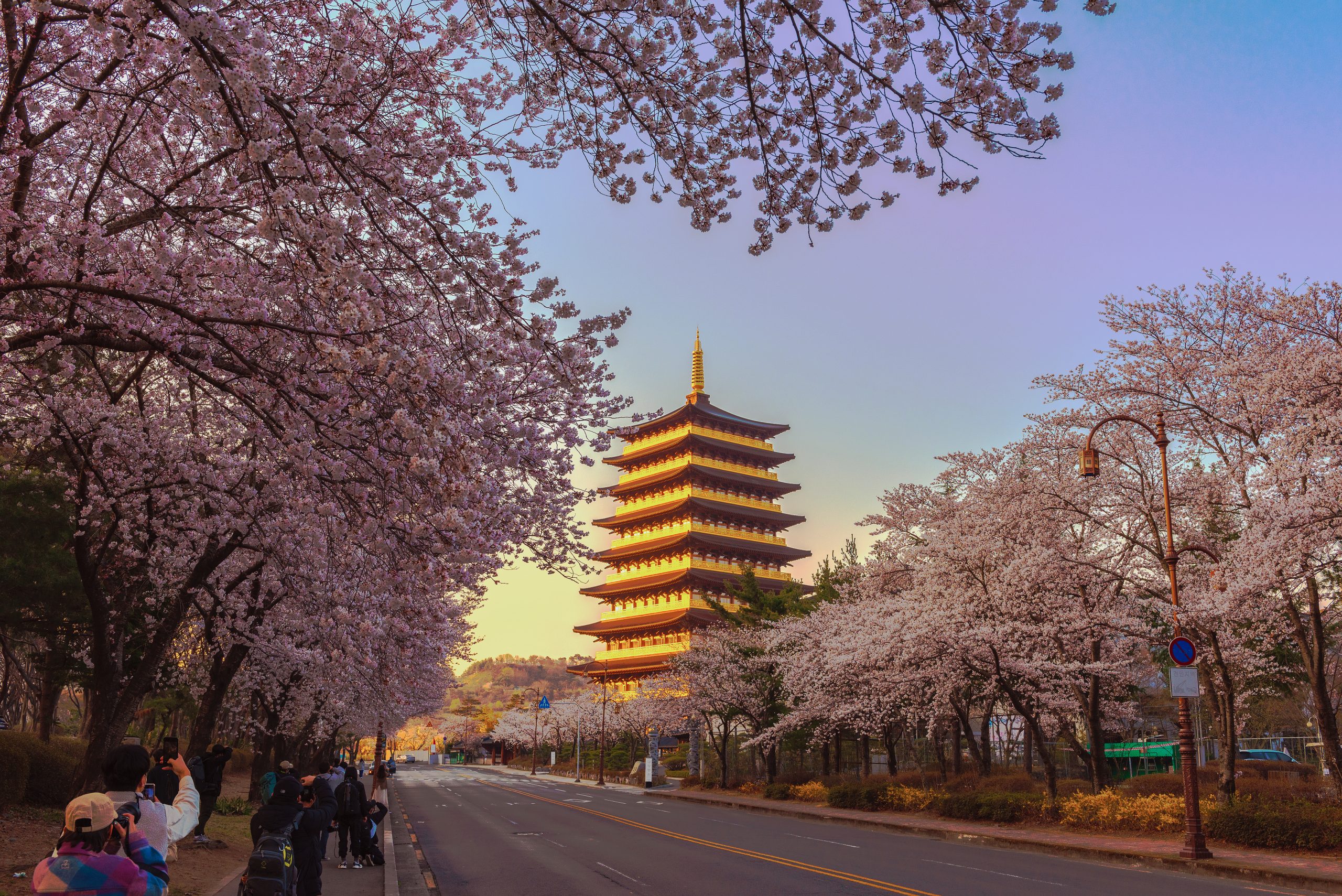
Time to visit South Korea in spring with blossoms and city elegance.
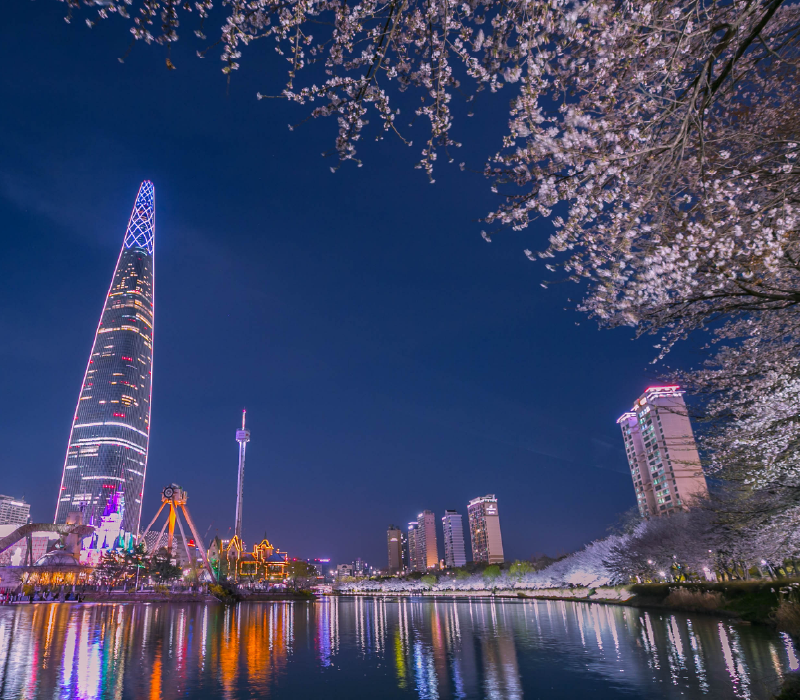
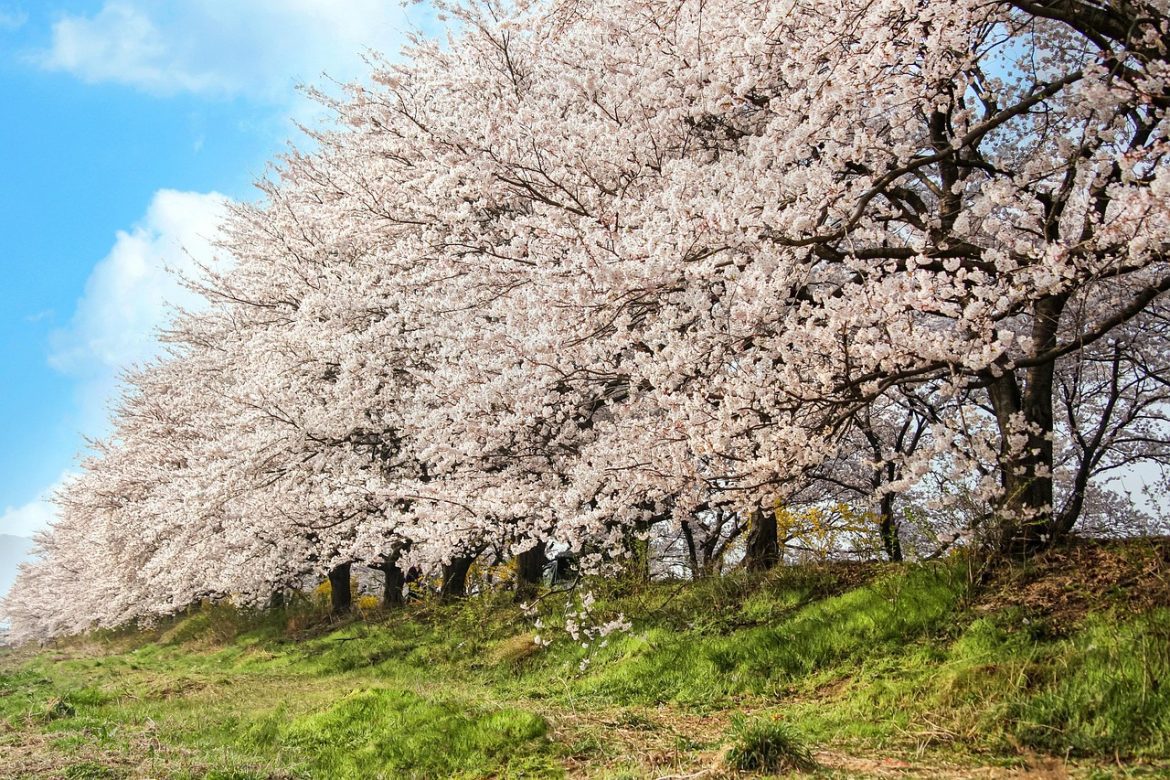
If you are weighing when to visit South Korea for romance, colour, and gentle warmth, spring is when this destination quietly astonishes. South Korea is at its most photogenic during spring: it often starts in March, when the season begins, and the air softens—South Korea starts to feel lighter on the streets and along the rivers. It then builds in South Korea in April as cherry blossoms bloom and the riverside of Yeouido Park turns luminous. If you are choosing the best time to visit the south for soft light and long walks, this is frequently considered the best time for first-timers and repeat travellers alike.
Seoul mornings in South Korea in April: clear skies, palaces, and cherry blossom views
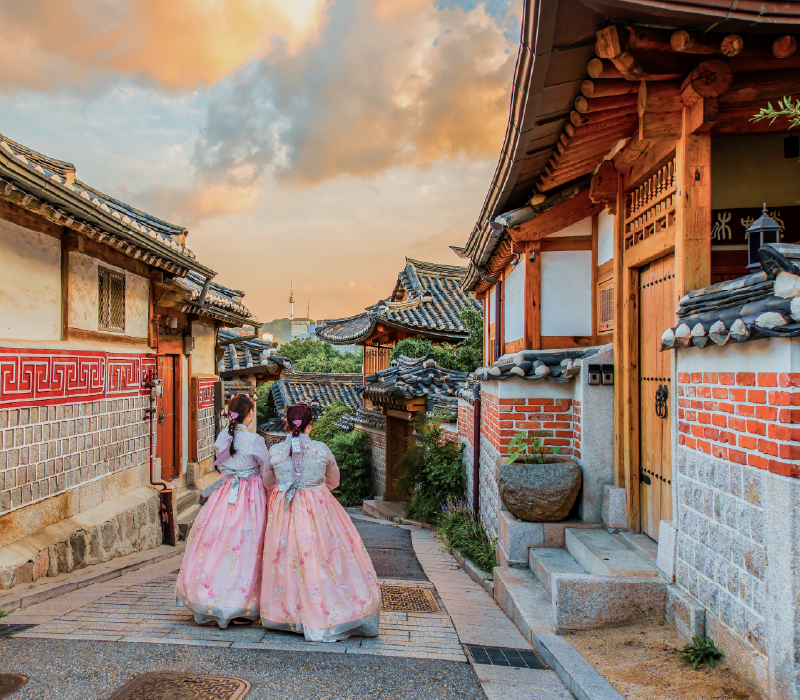
In Seoul, I like to design a spring day that feels both rooted and contemporary. Begin with Gyeongbokgung Palace in the clear skies of early morning, and stay for the changing of the guard ceremony—an elegant ritual that feels like living theatre. From there, slip into a crafted lunch reservation and an afternoon of modern design: quiet concept stores, a gallery stop, then a gentle return to the river as the cherry blossom canopy glows.
One traveller told us that seeing cherry blossom framed by traditional palaces created an unexpected emotional connection—history felt intimate, not distant. To keep the experience unhurried, ask your concierge about early slots and alternative viewpoints; those small changes reduce peak-week crowds while keeping the day smooth, discreet, and stylish.
Spring festival planning and travel tips: lantern nights, etiquette, and timing by part of the month
Spring is a festival-rich season, with lantern displays, arts events, and food celebrations adding warmth to the evenings. Timing shifts depending on the weather, so if you are chasing peak bloom, consider how the beginning of the month versus the end of the month can change what you will see and how the city feels. If your dates are flexible, choose a quieter part of the month midweek for a calmer river walk and better dinner reservations.
To keep your arrival effortless, fly into Incheon International Airport and use premium lounges before a private transfer into the city. A few Korean phrases go a long way—simple greetings and thank-yous invite local warmth—and understanding South Korean etiquette, such as polite bowing and removing shoes indoors, signals care. For formal meetings, present business cards with both hands; small details like this create confidence in new rooms.
Times to visit South Korea in autumn: South Korea in October, festival evenings, and mountain colour
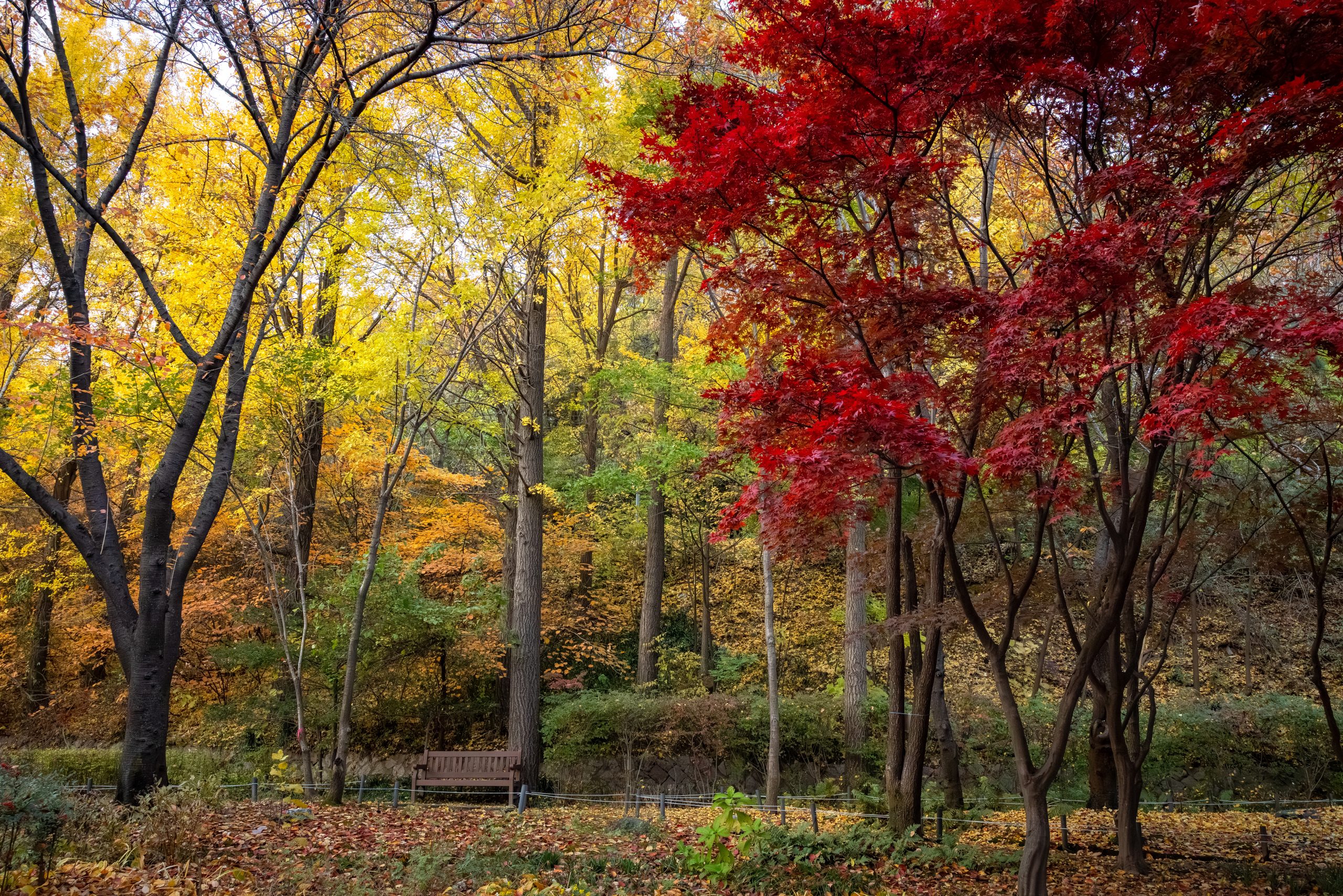
Times to visit South Korea in autumn with the mountain colour at sunrise.
For travellers seeking crisp light and a calmer, more contemplative beauty, the best times to visit in autumn are hard to surpass—especially the September to November stretch. These times to visit often come with mild weather, bright afternoons, and an excellent time for outdoor dining and long walks between neighbourhoods. If you prefer shoulder dates, September and November can feel particularly balanced—still vibrant, often less compressed—while the season remains a standout for culture and scenery.
Dawn hikes in a South Korean national park: quiet trails, mountainous views, and private guides
A luxury-friendly mountain day begins before the city fully wakes. A couple once described hiking at dawn and finding a tranquillity they did not expect so close to the capital—mountainous silhouettes, soft footsteps, and sunrise photos that did not need filters. This is where South Korea’s national parks shine, and Seoraksan is a beautiful example: with an expert guide and a private driver, the experience feels curated rather than rushed, and you can reach a national park lookout before day-trippers arrive.
Pack lightly: a warm layer for the first hour, comfortable boots, and space for a thermos of coffee that feels like a private ritual. It is not about conquering the trail; it is about the time to enjoy the quiet, together, while autumn foliage moves like a slow wave across the ridgelines.
South Korea in October: autumn foliage, Seoul Lantern Festival, and cultural festival highlights
South Korea in October is the classic autumn foliage window, and it can be a peak season and a popular time—especially on weekends—so it helps to plan with intention. To avoid feeling swept into the crowd, ask your guide to uncover less obvious viewpoints and adjust your day by an hour either way. Even when the city is at its busiest, small timing changes can transform the mood.
Back in Seoul, cool evenings suit the Seoul Lantern Festival, when lantern light softens the city’s edges and makes river walks feel cinematic. This is where South Korea during October becomes more than scenery: it becomes atmosphere, a festival glow that encourages slower conversations and a gentler pace.
Comfort logistics: KTX high-speed rail makes it easy to stitch regions into a single itinerary, while private drivers keep transitions smooth and door-to-door. Build in time for travel, and protect your evenings back in the city—spa appointments, a chef’s table, or simply a late-night tea in a quiet lounge.
Visiting South Korea in summer: summer in South Korea, rainy season planning, Busan, and Jeju
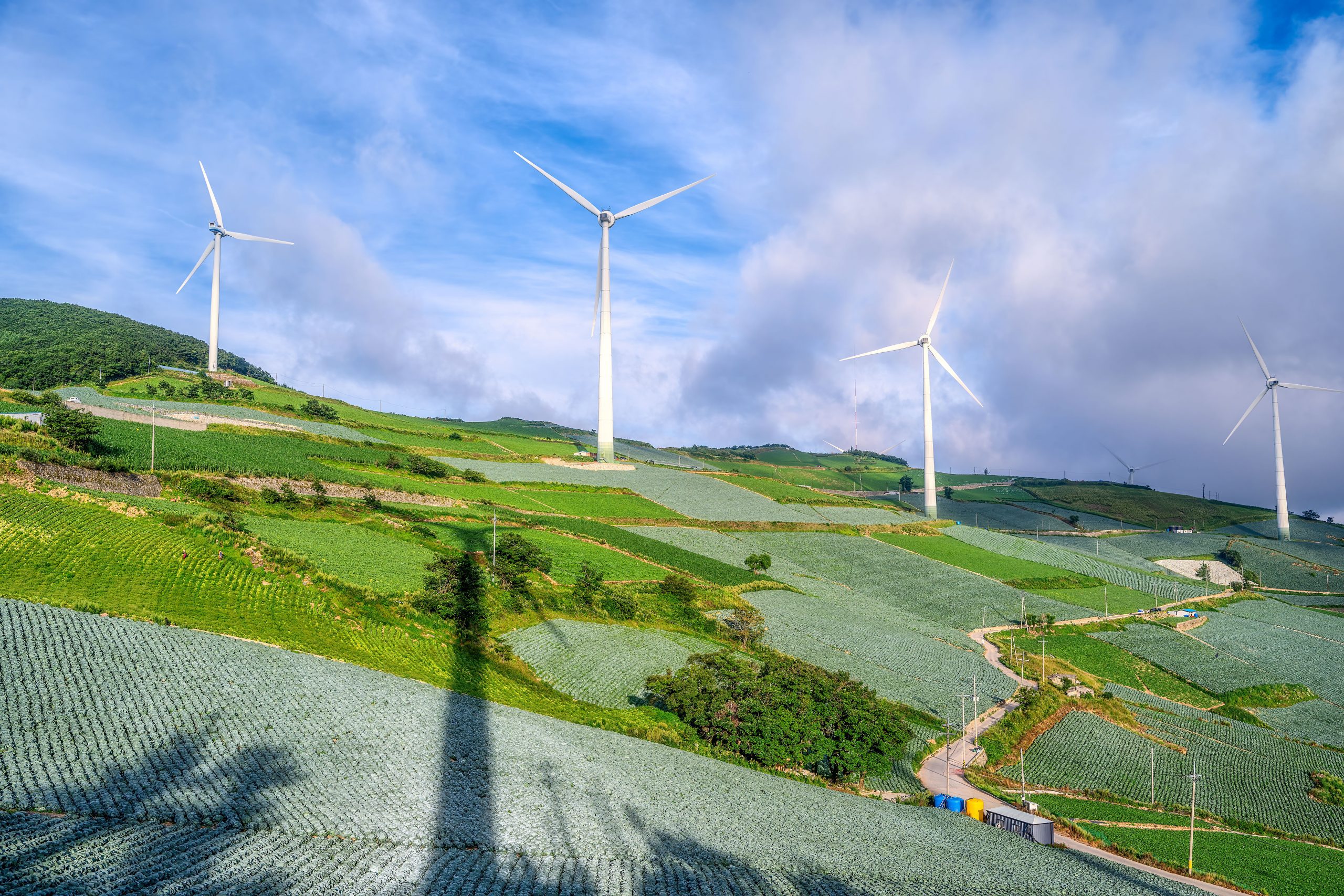
Visiting South Korea in the summer with coastal Busan and Jeju sea views.
Visiting South Korea in summer can be deeply rewarding, as long as expectations are set with care. July and August are typically the hottest periods; it can be hot and humid, and the combination of high humidity and changing levels can affect how you plan your days. The rainy season usually arrives in early to mid-summer; Korea’s rainy season (also known as the monsoon) and the peak monsoon season can bring sudden downpours that lift rainfall totals and change outdoor plans quickly. For comfort, treat this as a time to travel with later starts, stronger hotel bases, and more pre-booked indoor highlights.
The key is to design the journey like a well-cut suit: structured enough to feel secure, flexible enough to move. When the month goes stormy, you will be glad your itinerary includes indoor comforts—museums, spas, chef’s tables, and art-forward cafés—that still feel special and local. This is also an easy season to add a high-end festival evening, such as a ticketed performance or a gallery opening, when showers roll through.
Busan and coastal escapes on the south coast: beach days, markets, and smart pacing
Start with the south coast and let Busan set the tone for the trip. Beach time can be glamorous rather than chaotic—think a polished beach club, seafood lunches, and late afternoons by the water when the sun eases. In the city, explore markets with a private guide for crafted tastings that spotlight local favourites without the overwhelm, then retreat to air-conditioned design hotels when humidity peaks.
In Seoul and Busan, summer season travel is also ideal for contemporary exhibitions and spa circuits that provide a calm counterpoint to the daytime heat. If you love street-food culture, go early in the evening or later at night to avoid the busiest temperatures, and keep it curated: a planned route, a handful of signature bites, and a comfortable car waiting nearby.
- Smart timing: choose shaded walks and indoor galleries in the afternoon, then return to the outdoors after sunset, when temperatures soften.
- Rain-ready comfort: light layers, a compact umbrella, and footwear that tolerates rainfall without compromising style.
- Seamless support: keep one floating evening for rescheduling if monsoon conditions shift during the monsoon season.
Jeju as a summer respite: domestic travel, resorts, and quiet outdoor moments
Jeju is often the summer antidote: volcanic landscapes, ocean views, and resorts that treat rest as an art form. With smooth domestic travel connections—short flights and pre-arranged transfers—you can arrive and feel the tempo drop immediately. Book a room with a view, schedule a massage for the first afternoon, and plan short outdoor activities in the cooler hours to make the most of the day.
With the right planning, these midsummer visits become less about avoiding the weather and more about moving with it—confidently, comfortably, and with room for small surprises.
Best time to visit South Korea in winter: South Korea in January, ski planning, and clear city days
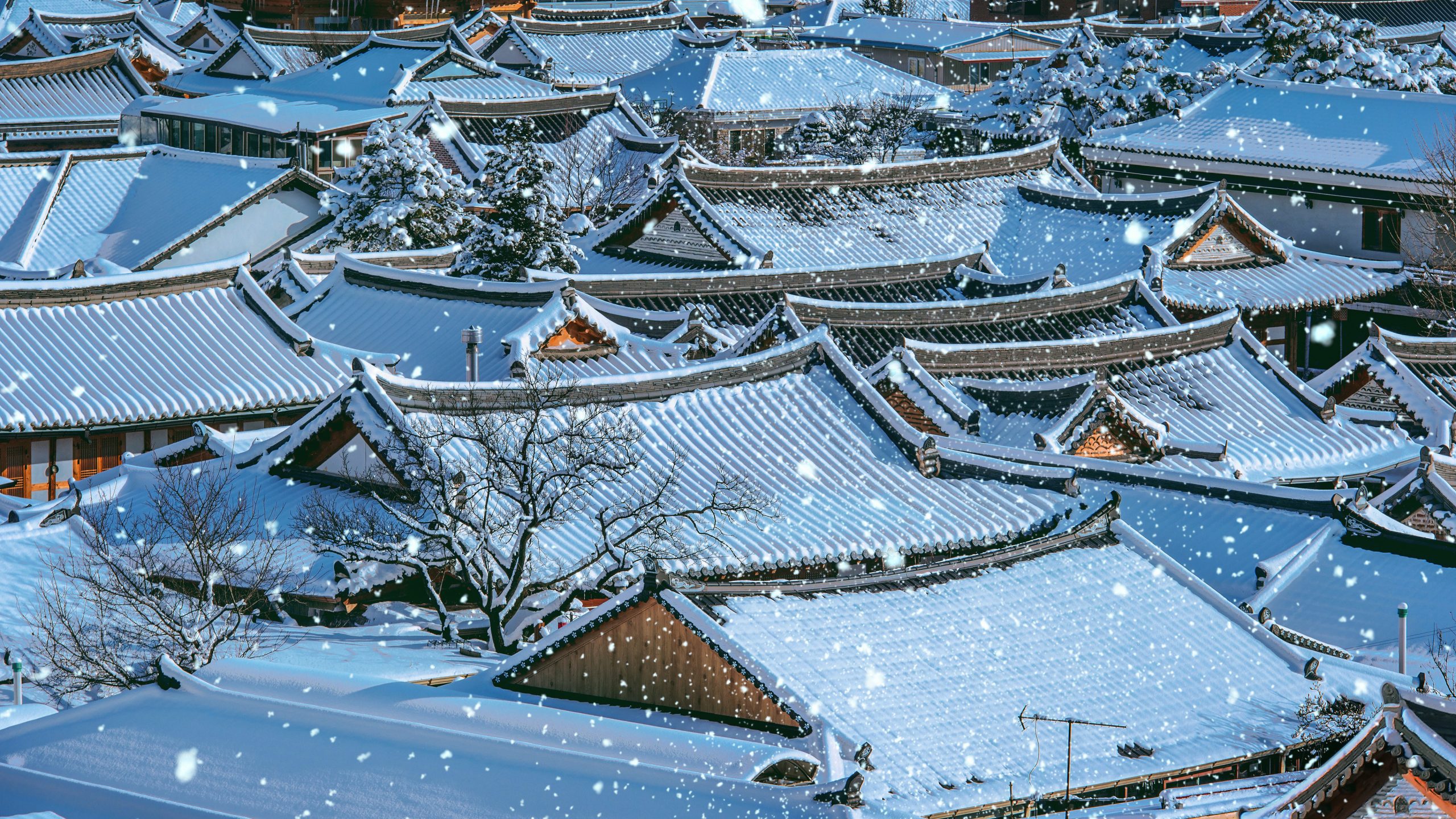
Best time to visit South Korea in winter with city lights and mountain escapes.
For travellers who love crisp air, warm interiors, and fashion-forward city days, winter can be surprisingly stylish. South Korea in January is often the coldest point of the year—January is the coldest month for many regions—so expect chilly mornings and nights, and plan layers that look as good as they perform. On the brightest days, cold air and clear skies can make Seoul feel especially sharp, while a light dusting of snow can turn evening streets cinematic.
Ski days and winter sports: private mountain escapes and slow indoor rituals for travel in Asia
Winter is your invitation to combine mountain time with slow, restorative evenings. A ski day trip can be arranged with private transport and premium rentals, ensuring a seamless experience. Then you return to the city for warm design hotels, saunas, and late-night dining that feels like a reward rather than a routine.
There is something quietly luxurious about travel in Asia in winter when done well: calm efficiency, the glow of interiors, and the sense that the city takes care of you. Build your days with intention—shorter outdoor bursts, longer indoor pleasures—and you will quickly see why this can be one of the best times to visit for shoppers, food lovers, and spa devotees.
Seoul shopping in Gangnam and Myeongdong: seasonal festivals, Lunar New Year, and cultural timing
In Seoul, winter is ideal for bespoke shopping in Gangnam and Myeongdong: fashion, skincare consultations, and beautifully lit department stores that double as design spaces. Cosy cafés become anchors between appointments, especially when temperatures drop, and you want a soft landing after a full day of walking.
Seasonal cultural moments add meaning, too. Lunar New Year and Korean New Year celebrations (dates vary by year in the calendar) can shape opening hours and create a festive hush in some areas as families travel. With a little forward planning, you can explore respectfully—observing, not intruding—while still catching a winter festival atmosphere where it fits your schedule.
Peace-of-mind note: The capital is widely considered safe, though it is wise to stay aware in crowded areas. Continue the etiquette that earns quiet appreciation—removing shoes indoors, speaking softly on public transport, and offering a small bow when greeting.
After South Korea: what stayed with me from visiting South Korea (Seoul, Jeju, and the DMZ)
After visiting South Korea, personal reflections do not return like a slideshow of highlights; they come back as textures. I remember the quiet precision of service—how a hotel team seemed to anticipate needs without ever making it feel performative. I remember warmth, too: the gentle patience when you hesitate over a menu, the small kindness of being guided with care rather than corrected, and how attention to detail can feel like a kind of respect.
Seoul comes back as a feeling more than a skyline. There is lantern light on cool evenings, palace courtyards that hold the day’s last hush, and the hum of local streets where modern design sits gently beside tradition. It is a city that invites you to explore, then reassures you when you slow down—one reason visiting South Korea works so well at different times.
DMZ insight held with respect
A solo visitor once described the DMZ as unexpectedly emotional—an insight shaped by both conflict and hope. The experience did not need spectacle; it asked for stillness. In that quiet, you sense the complexity of a place that has learned to live with tension, while continuing to create, build, and welcome.
F.A.Qs: when to visit South Korea, weather, rules, and value
Which month is best to visit South Korea for the weather and festivals?
For many travellers, April is a favourite for cherry blossom and comfortable days, while October is prized for autumn colour and clearer conditions. If you want fewer crowds with similar weather, consider late September or early November. The best choice depends on whether your priority is blossoms, hiking, a festival itinerary, or beach time.
What is the 52-hour rule in Korea, and does it affect travellers?
The “52-hour rule” refers to South Korea’s labour standard, which limits the working week to 52 hours (typically 40 regular hours plus up to 12 hours of overtime). For visitors, it can subtly influence business hours and service staffing patterns, but it will not generally affect tourism plans beyond normal operating schedules.
What is the 3-day rule for travellers in Korea?
People use “3-day rule” in different contexts, but in travel it often informally refers to allowing three days to adjust: recovering from long-haul travel, settling into a new time zone, and learning local etiquette and transport. In practice, it is a helpful way to build a calm start in the capital before day trips and later evenings.
What is the cheapest month to go to Korea for luxury travel?
Cheaper months are often in winter, outside the holiday period, particularly in February (after Lunar New Year) and sometimes in early December. You may find better flight and hotel pricing, though you will need to plan for colder weather. Always compare dates around major holidays and school breaks, as prices can rise.
Jeju offers tranquillity and the indulgence of attentive care.
And then there is Jeju: a different kind of memory, wide and ocean-bright. A high-end traveller spoke of their resort stay where personalised service met volcanic landscapes and salt air—breakfast timed to their rhythm, a room that felt like a sanctuary, and the rare luxury of truly exhaling.
Long after you have unpacked, the country remains in the way you notice things: a door held open, a detail perfected, a night walk that feels safe enough to be unplanned. Perhaps that is the real answer to the time of year to visit and the question of when you should go—choose the season that honours how you want to travel, the experiences you want to prioritise, and the people you want beside you as the next quiet curiosity begins to form. For many, this is also the best time to visit the south in a broader sense: not a date on a calendar, but the right fit.