Post Contents
- How to Choose the Best City to Visit in Italy for Luxury Travellers Among Cities in Italy
- Why Rome Is the Beautiful City That Wins for High-End Travel in Italy
- Ancient Rome Icons Visit Rome Colosseum Roman Forum Private Tour Italy
- Vatican City in Serenity Vatican Museums After Hours Tour Italy and St Peter’s Basilica
- Rome’s Museum Moments Borghese Gallery Museum Experience Rome Italy
- Local Roman Flavours Best Food Rome Luxury Dining Italy Carbonara Cacio e Pepe
- Where to Stay and How to Travel in Italy Through Rome with Ease in the City Centre
- Rome as your base for day trips to Venice, Florence, Milan, Naples, and Bologna.
- F.A.Qs: Best city in Italy for planning
- After Italy What Rome leave in you as the Best City in Italy
How to Choose the Best City to Visit in Italy for Luxury Travellers Among Cities in Italy
How to Choose the Best City to Visit in Italy with a Luxury-First Lens
When clients ask for the best city in Italy for luxury travellers across cities in Italy, we begin with one reassuring truth: you don’t need to see everything to know about Italy. Italy is a country of strong identities—each destination has its own rhythm, aesthetic, and flavour. Your perfect choice is the one that matches what you want to explore: ancient history, Renaissance masterpieces, fashion, food, or a slower drift through small towns and coastline escapes.
Start by noticing what makes you lean forward. If you’re a history buff, Rome will feel like an open-air archive; if you’re drawn to Renaissance art, Florence may call first; if romance and water define your dream, Venice might be your opening scene. For contemporary taste, Milan brings polish and design-led energy. This isn’t about a headline—it’s about the city that feels you want to live inside.
Quick “city feels” across Italian cities
Some large cities reward you with layers—grand monuments, neighbourhood warmth, and restaurants where the maître d’ remembers your name by night two. A small city can feel immediately intimate, but may offer fewer options for last-minute changes or private guiding. Consider these snapshots as a starting point:
- Rome: bold history, beautiful churches, and quiet courtyards hiding behind busy streets.
- Florence: a concentrated art world, walkable elegance, and the Duomo as a daily compass.
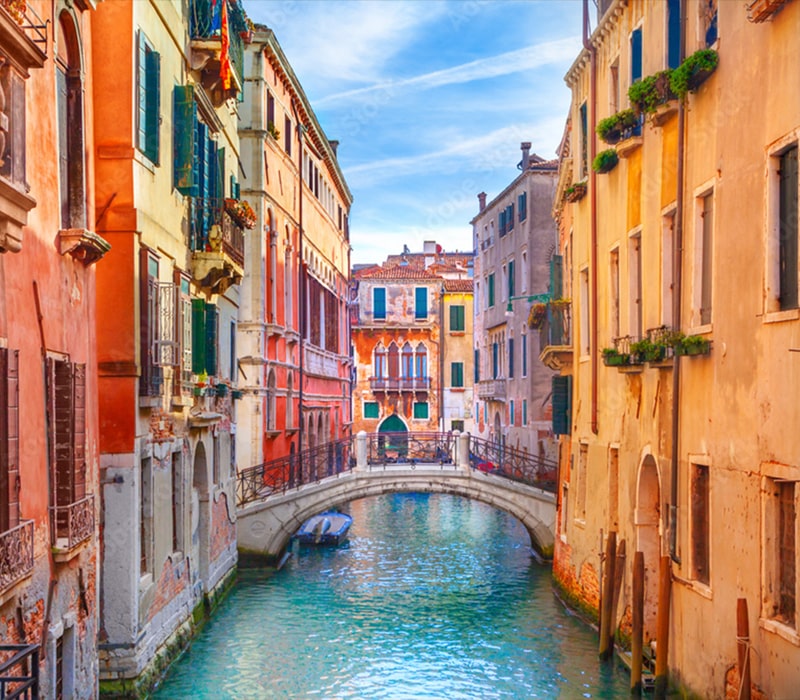
- Venice: cinematic waterways, hushed mornings, and evenings that feel like theatre.
- Milan: the fashion capital with modern galleries, aperitivo culture, and sharp architecture in Italy.
A high-end planning lens for a city to visit in Italy
For premium travel, luxury is often less about “more” and more about crafted timing. Think: shoulder-season light, museum reservations secured early, expert-led walks that uncover meaning, and a hotel that supports genuine rest. If you can design one calm hour into every day—coffee, a shaded stroll, a massage—you create space for wonder without rush.
Our stance is simple and experience-led: Rome is the capital of Italy and, by population, the largest city—yet it can still feel profoundly personal when your days are thoughtfully designed. With the right support, you’ll discover a Rome that fits you, not the crowd.




Why Rome Is the Beautiful City That Wins for High-End Travel in Italy
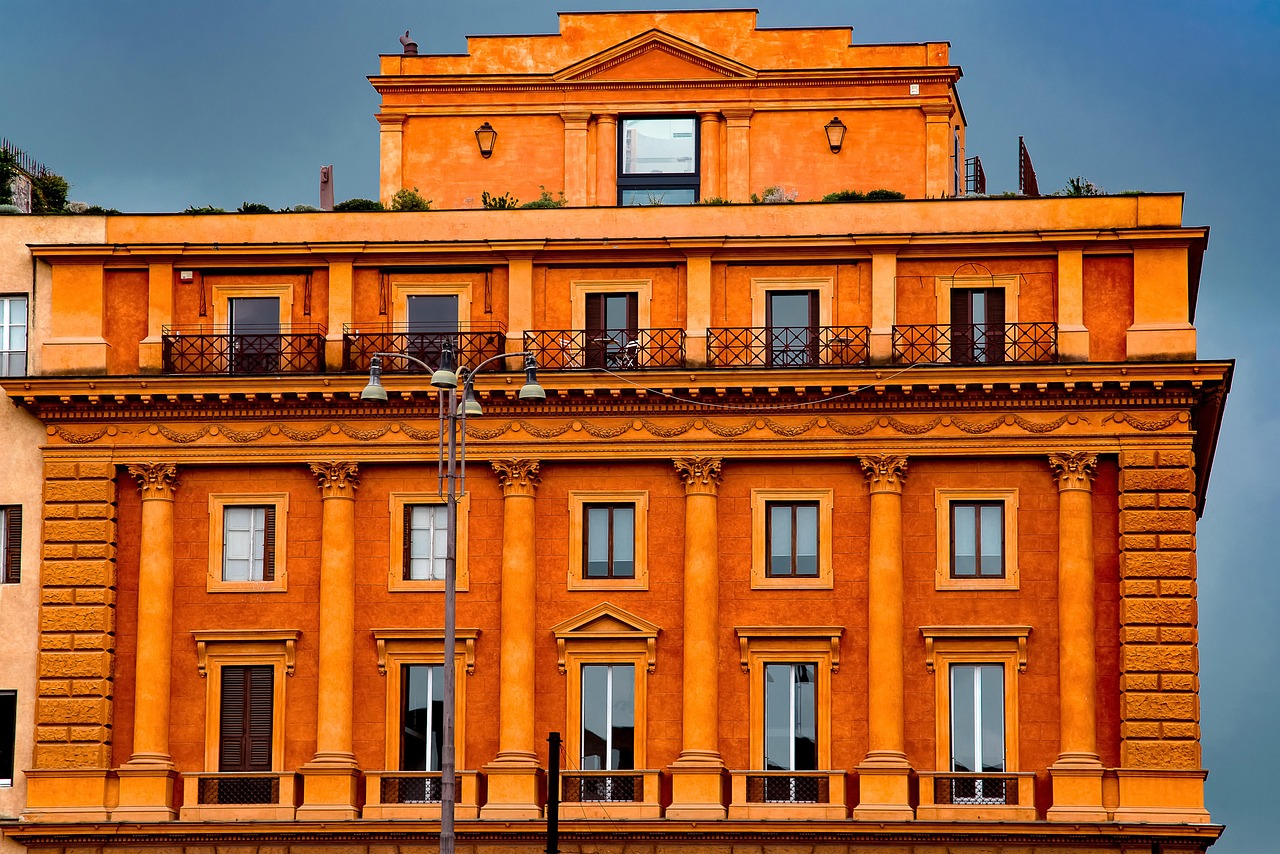
Why Rome is a beautiful city that wins for high-end travel
If you’re weighing Rome as the best city in Italy versus other options, it helps to name what Rome does uniquely well. As the eternal city, it’s a city of contrasts: monumental avenues leading to silent cloisters, high design behind modest doorways, and neighbourhood trattorias where warmth matters as much as wine. Rome can be one of the most beautiful experiences you’ll take home from a first trip to Italy—especially when paced with care.
In Rome, high-end travel is often about access and rhythm. Early entries, after-hours openings, and an expert who can turn a corner into an insight—these are the details that transform intensity into ease. You explore more deeply while walking less frantically, and you can create pauses that keep the day seamless.
Rome or Florence, and where Venice and Milan shine
For art lovers, the question “Rome or Florence?” is real. Florence concentrates Renaissance brilliance into a walkable jewel box; Rome spreads its treasures across time, from empire to baroque to contemporary. Venice is unmatched for romance and waterbound atmosphere, while Milan brings a crisp, modern edge and is a natural add-on for those who love design, galleries, and shopping.
Still, Rome often feels like the perfect city for a first visit because it teaches you how to look: up, down, and behind. It’s the kind of place where visiting the city becomes a gentle practice—notice a carved doorway, a fountain’s sound, a courtyard’s quiet—and suddenly the scale feels human.
Reassurance for first-timers
Rome can be intense, and that’s exactly why planning matters. With skip-the-line tickets, timed museum entries, and a private driver when needed, the city is perfect in the way luxury should be: confidence-building. You’ll feel supported by experts who anticipate pressure points and design around them with trust and care.
Ancient Rome Icons Visit Rome Colosseum Roman Forum Private Tour Italy
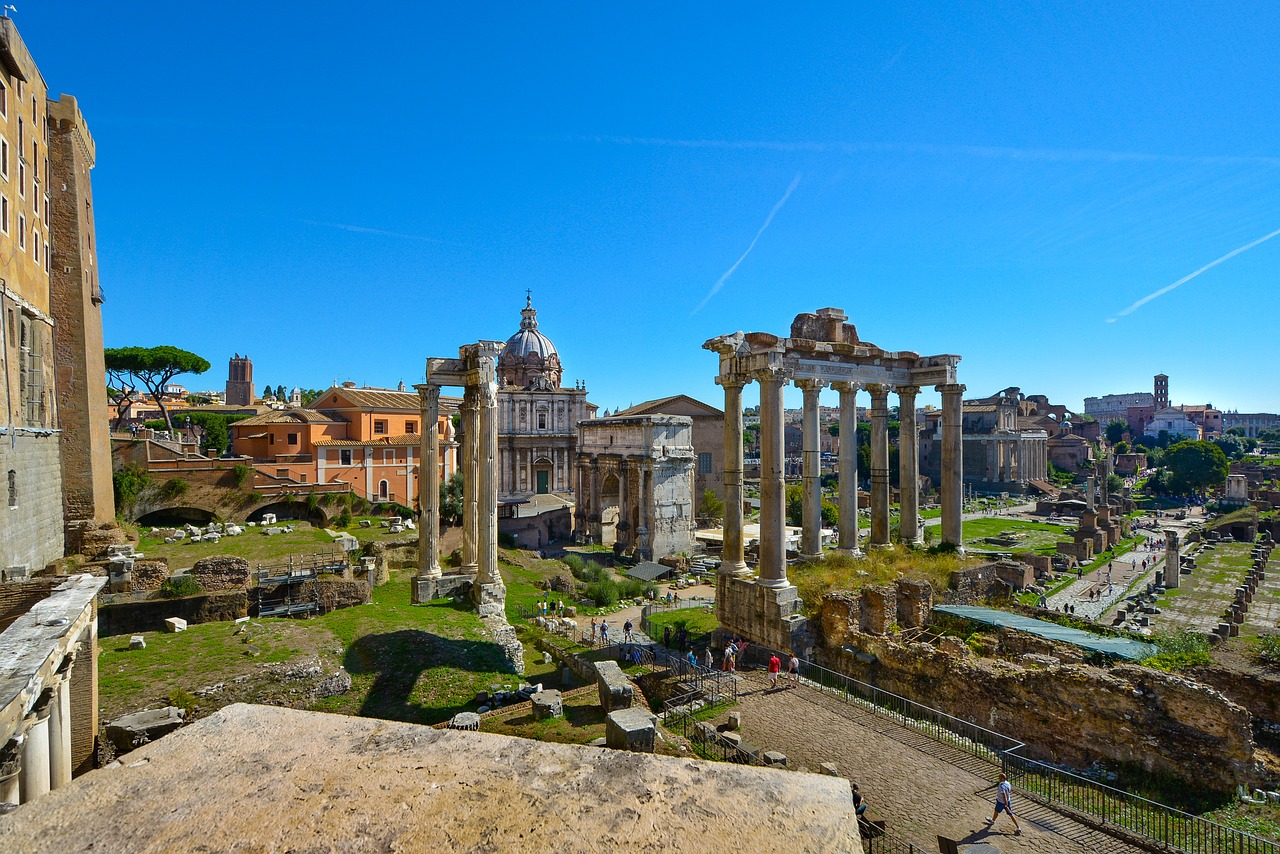
Ancient Rome icons at the Colosseum and Roman Forum with private touring
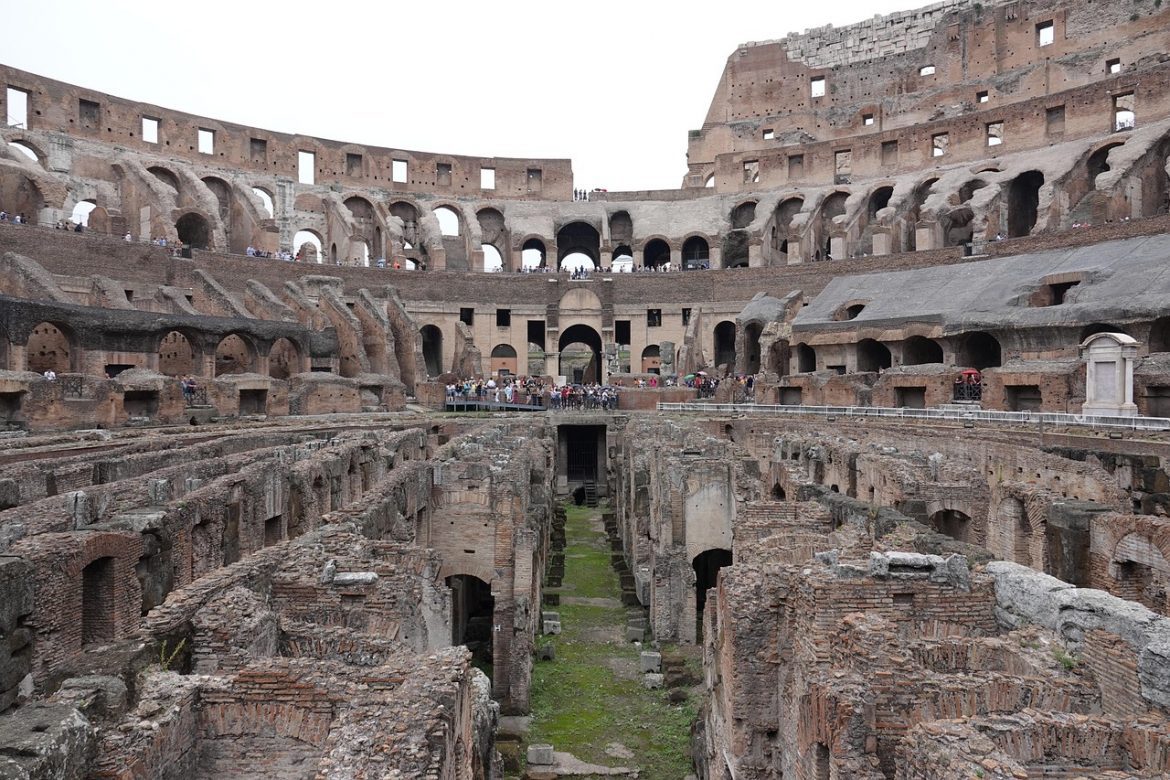
To visit the Rome Colosseum and the Roman Forum on a private tour in Italy is to step into a living story, not a checklist. The Colosseum and the Roman Forum are the essential anchors for any history buff, but the real magic comes from interpretation: how power was performed, how crowds moved, how daily life once sounded. With an expert guide, ruins become scenes—politics, devotion, commerce—each layered over the next.
For high-end travellers, the most valuable upgrade is not just skipping a queue; it’s changing your relationship with the site. Private or very small-group access gives you the emotional space to absorb scale, imagine the past, and ask the questions that make it personal.
Whenever possible, choose a tour that includes underground areas or restricted sections. It’s a discreet kind of privilege: fewer people, better acoustics, and the chance to uncover details most visitors never notice. A favourite hidden gem moment is a curated viewpoint that offers a panoramic view of the Forum—suddenly, Rome’s ancient logistics make sense.
- Best entry times: early morning for cooler air and softer light.
- Seamless logistics: pre-booked timed entry and a guide who manages the pace.
- Calm rhythm: a shaded pause in a nearby piazza before the next stop.
What a great guide points out that others miss
The most revealing insights are often at street level: reused stone in later buildings, tiny “clues” embedded in walls, and sightlines designed to impress. An expert will show you how Rome recycled itself—empire pieces stitched into medieval and baroque layers—so you understand not only what you’re seeing, but why it survived.
Vatican City in Serenity Vatican Museums After Hours Tour Italy and St Peter’s Basilica
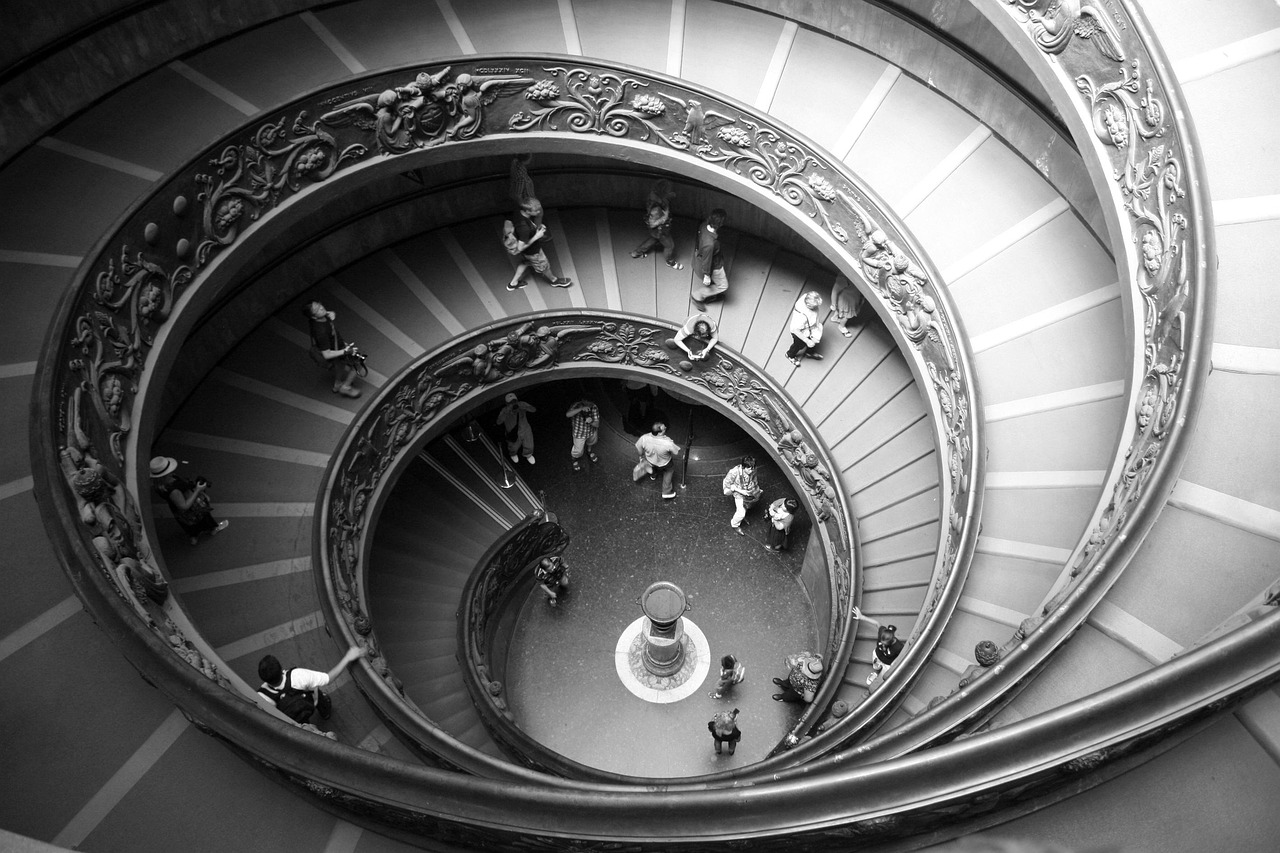
Vatican City in serenity with St Peter’s Basilica and the Sistine Chapel
A Vatican Museums after hours tour Italy St Peter’s Basilica experience can be the most moving part of a trip to italy—because it carries you from grandeur into stillness. In Vatican City, St. Peter’s Basilica is not only vast; it’s intimate in its detail, where light and marble seem to hold their breath. The Sistine Chapel can feel overwhelming in daytime crowds, yet in quieter conditions it becomes contemplative, almost tender.
One luxury traveller shared their experience of a private, after-hours visit: corridors suddenly felt spacious, footsteps softened, and each gallery became a room for reflection rather than a rush. They described the serenity as the real exclusivity—space to look slowly, to listen, to let the art meet you where you are.
Etiquette that feels natural, not stressful
Dress modestly for religious sites—covered shoulders and longer hemlines—and you’ll feel comfortable anywhere. A simple buon giorno or buona sera goes a long way with locals, especially when you’re asking a small kindness like directions or a table recommendation. These tiny gestures create a sense of trust and warmth that makes the day feel effortless.
A seamless day pairing for calm and confidence
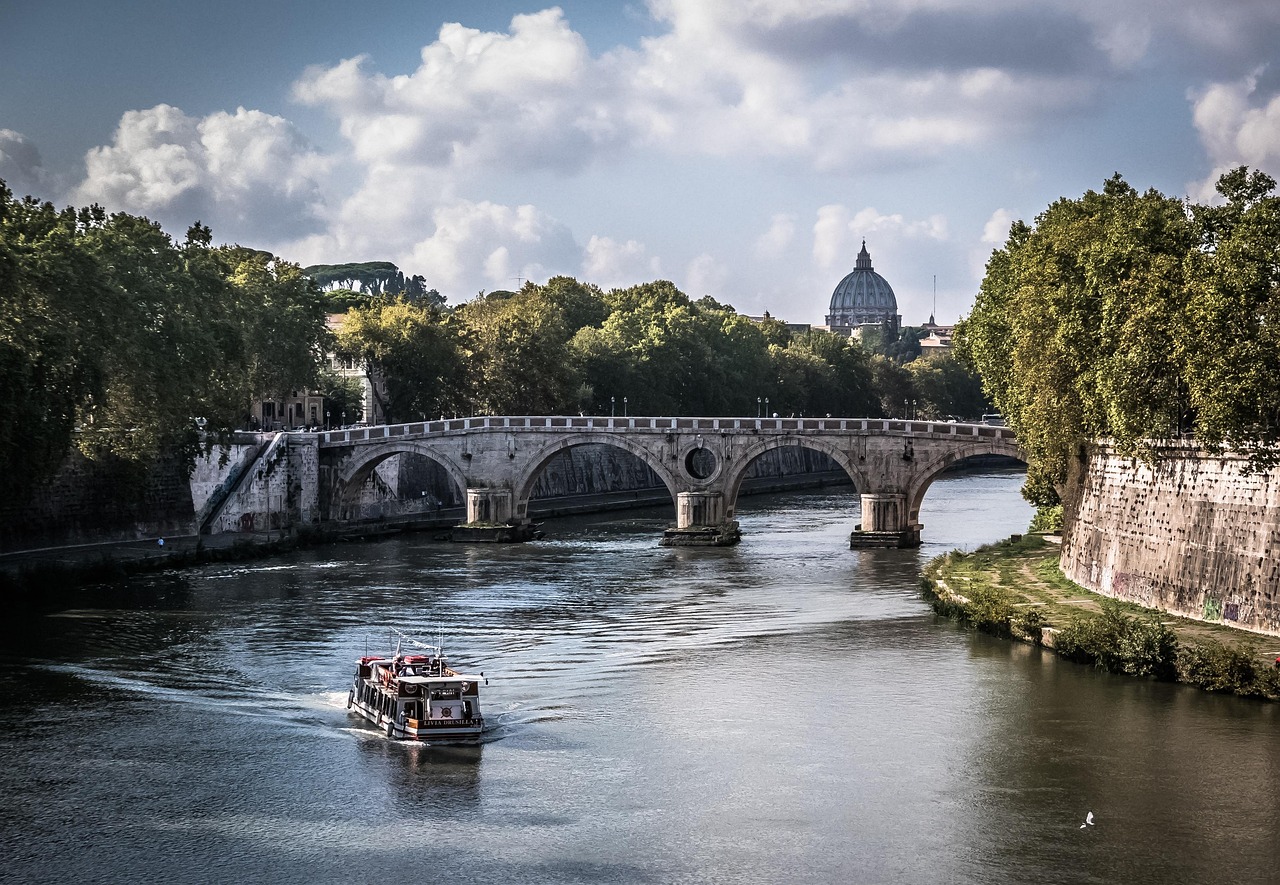
For a smooth flow, start early at the Vatican, then design a slow afternoon: a gentle stroll along the river, a quiet coffee, perhaps a boutique stop. Keep the evening unhurried with a dinner reservation you can settle into—no racing, no second-guessing—just the quiet confidence of a plan built with care.
Rome’s Museum Moments Borghese Gallery Museum Experience Rome Italy
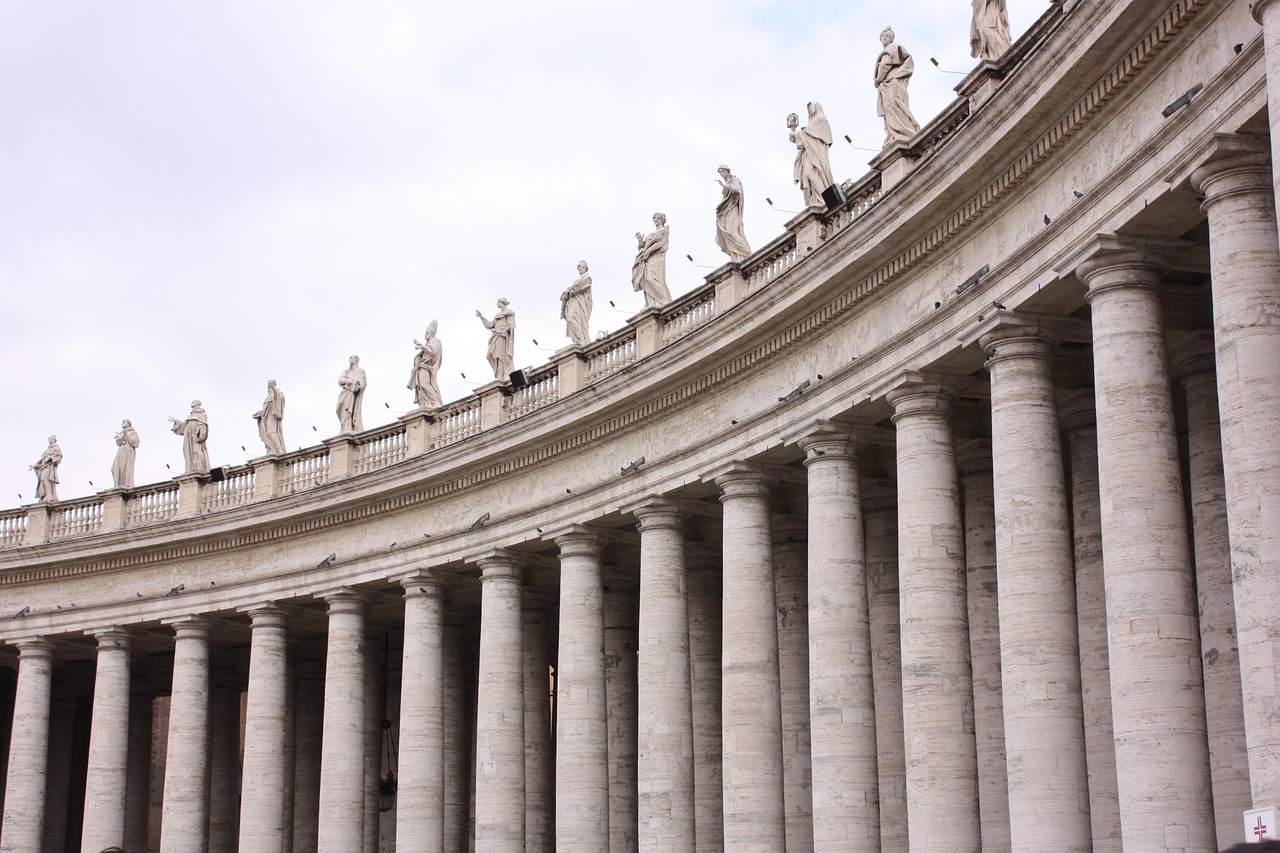
Rome’s museum moments at Borghese Gallery and Villa Borghese
For many travellers, the Borghese Gallery museum experience in Rome, Italy, becomes the most intimate museum memory of the journey. Unlike sprawling collections, this is close viewing—rooms that invite quiet focus, where an expert guide can help you discover how artists shaped emotion through stone and light. It’s also where time feels beautifully contained, which is a luxury in itself.
An art enthusiast once described standing before Bernini’s sculptures and feeling profoundly moved—partly by the work, and partly by the setting. With limited entry and a guide who knew exactly where to stand, the experience felt personal, as if the museum had been opened just for them.
Villa Borghese gardens as a restorative pause
Step outside into Villa Borghese and everything softens. The gardens offer space to breathe, a beautiful view from the terraces, and the kind of calm that resets you for the next chapter of the day. If you want a slower moment, simply sit, people-watch, and let Rome come to you.
Art and architecture routes that deepen the city
To widen your lens beyond a single museum, weave in small stops across the centre: beautiful mosaics in lesser-visited chapels, beautiful churches with surprising masterpieces, and one beautiful square where you can watch the city’s theatre unfold. If your itinerary later extends to Florence, keep a thoughtful visit to the Duomo in mind—seeing it after Rome’s basilicas creates a rich comparison across centuries of art and architecture.
- Crafted access matters: timed tickets and strict entry windows are real.
- Concierge support: helps secure high-demand slots and adjusts when plans change.
- Pacing: pair art with a garden stroll to balance the day.
Local Roman Flavours Best Food Rome Luxury Dining Italy Carbonara Cacio e Pepe
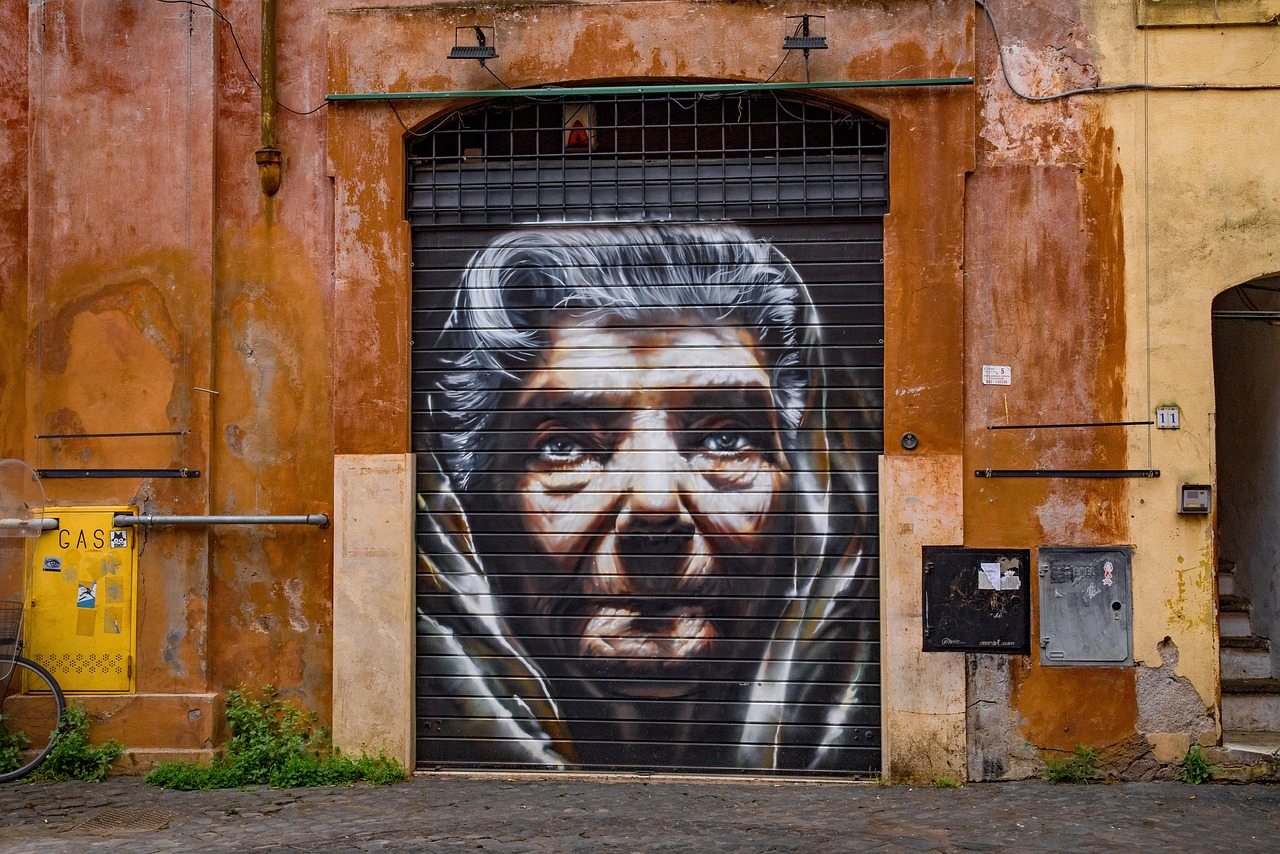
Local Roman flavours and a Trastevere evening with upscale trattorias
When you’re searching for the best food in Rome, luxury dining in Italy, carbonara, and cacio e pepe, think beyond the dish and into the ritual. In Rome, pasta is identity—carbonara with its silky richness, cacio e pepe with its peppery simplicity—and an upscale trattoria elevates the experience with confident service, thoughtful wine pairing, and ambience that feels genuinely local rather than staged.
One traveller recalls a magical evening dining in Trastevere, where candlelit tables and local musicians created an unforgettable atmosphere. The story wasn’t about spectacle; it was about ease—being looked after, laughing softly, and feeling, for a few hours, that you belonged to the neighbourhood’s rhythm.
Cost, reservations, and the luxury of not rushing
For high-end travellers, transparent expectations help everything feel seamless. Upscale dining typically ranges from €70 to €150 per person, depending on wine and courses, and reservations are essential—especially on weekends. If you want to add something more hands-on, a private cooking class can be a beautiful way to connect with Rome’s culinary traditions without losing comfort.
Create your night with confidence
A Roman evening is best designed in gentle layers. Start with an aperitivo, then settle into dinner, and end with a slow walk where the city feels softer. If it suits your pace, pass the Trevi Fountain when the crowds thin, then return to your hotel with that quiet sense of trust: the night held you, and you moved through it with confidence and care.
Where to Stay and How to Travel in Italy Through Rome with Ease in the City Centre
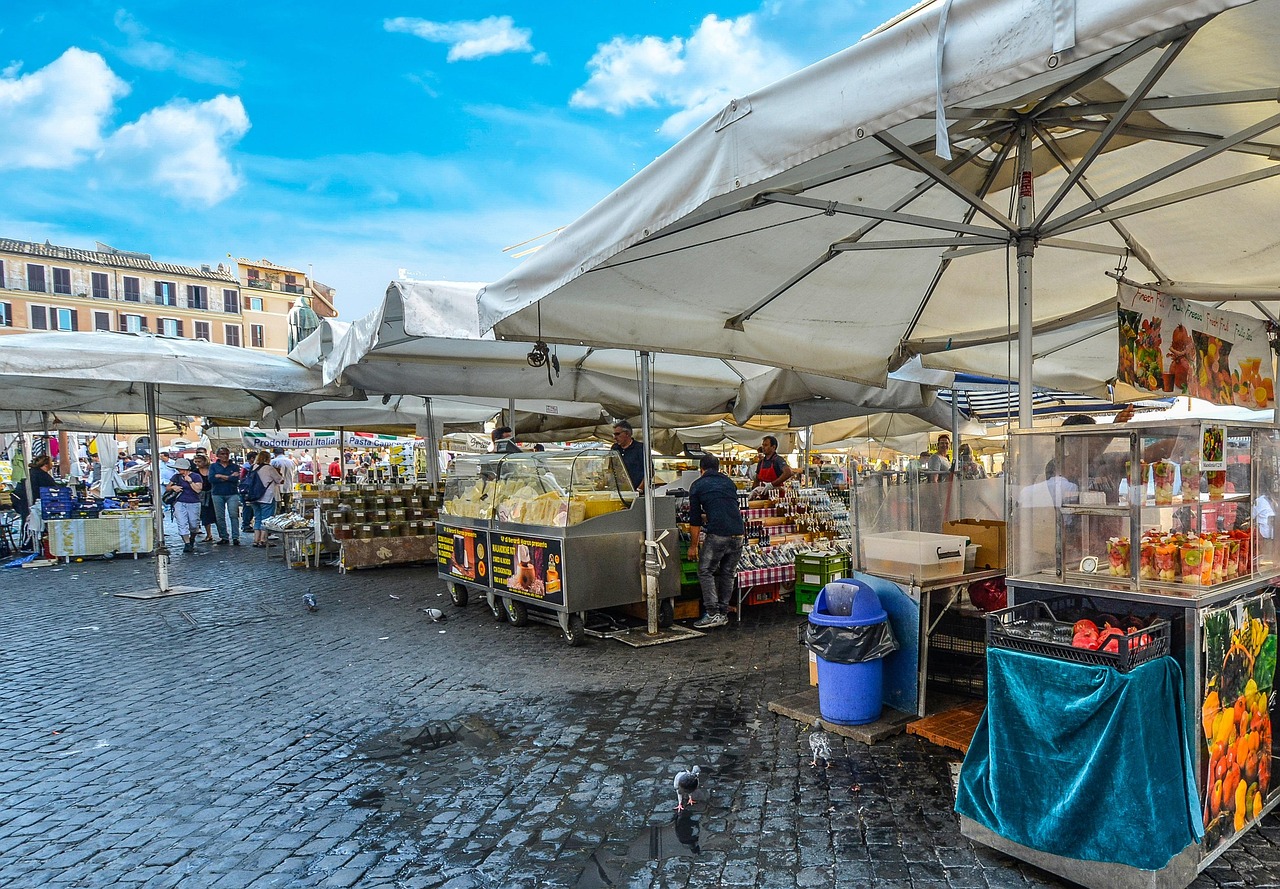
Where to stay in Rome with luxury hotels in Prati and Campo de’ Fiori
Choosing Rome luxury hotels, Prati, Campo de’ Fiori, city centre transfers, Italy is ultimately about the atmosphere you want at the end of the day. Prati offers quiet elegance, broad streets, and an easy relationship with the Vatican area; Campo de’ Fiori is livelier, with restaurants and evening energy right outside your door. Both can feel safe and walkable when you select well-reviewed properties and keep your routine simple.
We often suggest staying central so you can return for a rest between major sights—this is how you keep Rome feeling personal rather than relentless. A good hotel team also becomes your behind-the-scenes support: taxis called promptly, museum times confirmed, dinner moved by 30 minutes without fuss.
Arriving smoothly and booking flights with a timing that suits you
Arrive via Leonardo da Vinci International Airport and choose your transfer style: a standard taxi is straightforward, while a private car service adds calm, especially after a premium-cabin arrival. If you plan to book flights to Italy with comfort in mind, aim for arrival times that allow a gentle first afternoon—check-in, a shower, and a sunset walk before dinner.
Best seasons, and how to keep days calm
The best seasons to visit Rome are spring (April to June) and autumn (September to October), when the light is flattering, and crowds are more manageable. Keep the days calm with skip-the-line tickets, private tours, and occasional drivers—particularly when crossing the city. For a curated look at what’s possible, explore our Trip gallery and imagine the kind of seamless pace that lets you enjoy Rome with genuine trust.
Rome as your base for day trips to Venice, Florence, Milan, Naples, and Bologna.
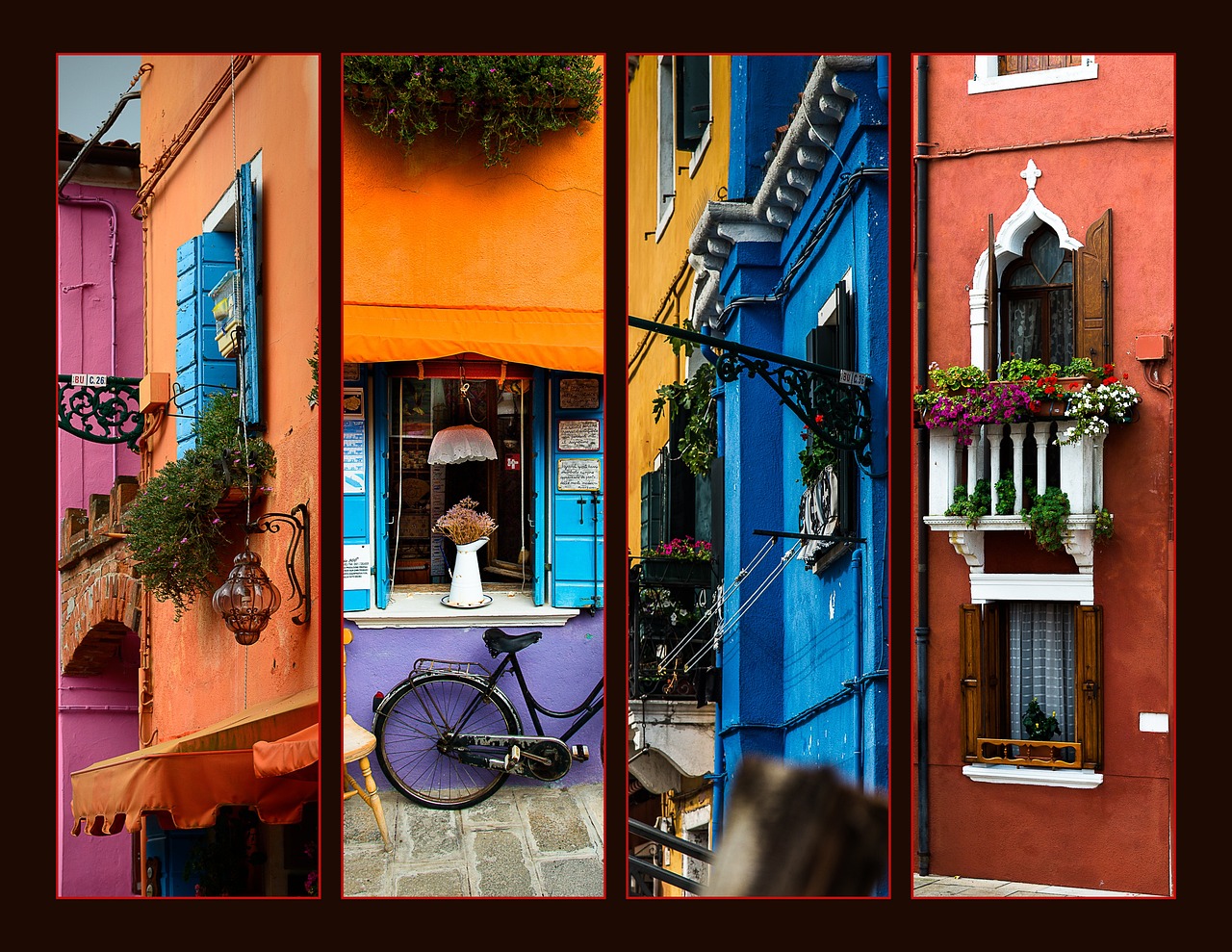
Day trips and other beautiful cities in Italy from Rome as an anchor
With Rome as your base, a day trip from Rome to other cities in Italy, Venice, Florence, Milan, Naples, and Bologna, conversation becomes wonderfully practical. Rome gives you depth; the add-ons give you contrast. This is where you can compare Italy’s most beautiful cities without turning the journey into a blur, choosing destinations in Italy that match your taste and energy.
For romance, Venice is the classic dream: Piazza San Marco, the Grand Canal, and a colour-saturated stop in Burano. For Renaissance focus, Florence offers galleries, craftsmanship, and streets that feel like an atlas of ideas. For modern flair, Milan is sleek, confident, and design-forward—perfect when you want art, shopping, and the pulse of a contemporary city.
Beautiful cities in Italy are compared, with a refined extension list
Beyond the big names, you can see in Italy places that shift the texture of your trip. Naples brings energy and bold flavour; Bologna offers slow food and the charm of a city where education shaped Europe; and Verona is a lovely city for a softer pace. In northern Italy, you’ll often feel a different light and cadence—excellent for travellers who like crisp mornings and clean-lined design.
Curated day trip ideas with a luxury angle
To keep the experience seamless, choose day trips that respect travel time and your need for ease. These work beautifully from Rome:
- Tivoli villas: a refined day trip for gardens, fountains, and a sense of aristocratic calm.
- High-comfort rail day to Florence: early train, curated museum time, and a late return—Florence can be effortless when designed well.
- Venice as an overnight: Venice is worth a visit, but it breathes best when you sleep there and enjoy early mornings.
- Cinque Terre or Positano: both are better handled as an overnight rather than a rushed dash; Cinque Terre rewards a slower pace, and Positano is at its best when you linger.
For repeat visitors who want a lesser-known city with real energy, consider Sicily’s largest city, Palermo—markets, churches, and layered history with an elegance that surprises people who thought they’d “done” Italy already. And a planning truth we say with care: small towns can be picturesque, but the city is perfect only when you allow time. Even a month in Italy can blend Rome with beautiful small towns and a town in Italy for restoration, without ever feeling hurried.
From Florence, the leaning tower is a classic add-on; the leaning tower of Pisa is most satisfying when you go early and keep expectations light. If you’re already rich in landmarks, it can be the first thing you gently skip in favour of a long lunch and a quieter afternoon.
And if you’re thinking about Venice, note how it changes depending on the season: Venice in winter can be intimate and moody, while Venice in summer is vivid but busier. Venice rewards early starts, and Venice evenings can be unexpectedly calm once day-trippers leave. If you love Italy for atmosphere, Venice gives you an entirely different kind of silence—Venice feels like it was built for slow looking.
F.A.Qs: Best city in Italy for planning
Which is the most beautiful city in Italy?
Beauty is personal, but many high-end travellers name Rome for its layered history, extraordinary art, and the way quiet courtyards balance grand monuments. With private access and a well-paced plan, Rome can feel both iconic and intimate—especially in spring or early autumn.
What are the top 5 cities to visit in Italy?
A classic top five is Rome, Venice, Florence, Milan, and Naples. Together, they cover ancient history, waterways and romance, Renaissance masterpieces, contemporary design, and bold southern character. Your ideal mix depends on pace—some trips shine with two cities done deeply rather than five done quickly.
What is the Big 3 of Italy?
The “Big 3” usually refers to Rome, Venice, and Florence. They’re popular because each offers a distinct emotional experience: Rome for timeless grandeur, Venice for atmosphere on the water, and Florence for concentrated Renaissance art. Travel feels most luxurious when you build in breathing space between them.
What is the prettiest part of Italy?
Many consider the Amalfi Coast, Tuscany, and the Italian Lakes among the prettiest parts of Italy, alongside places like Cinque Terre. The most beautiful places often depend on season and pacing—coastal areas can feel best as overnights, while cities offer depth, museums, and elegant dining year-round.
After Italy What Rome leave in you as the Best City in Italy
After you leave, what lingers isn’t the list of monuments—it’s the feeling of moving through a beautiful country with a steadier heart. Rome stays with you in contrasts: the hush of a side street after a grand basilica, the warmth of a local greeting, the way ancient stone makes modern life feel temporary and precious. You remember not only what you saw, but how you learned to slow down enough to see it.
Somewhere between a museum room and a simple coffee, you may notice what you trusted—your instincts, your pace, the people who supported you. You might discover that you don’t need to rush to love Italy; you simply need to choose what matters, and let the rest fall away. When it comes to Italy, that choice becomes a quiet kind of confidence: you can be in a great city, and still protect your peace.
In the end, anywhere else in Italy can feel richer because Rome taught you how to look at detail, at light, at your own attention. And perhaps that is why, long after the suitcase is put away, you may still find yourself imagining another corner, another season, another small moment waiting, whenever you want to visit again.