Post Contents
- Baia and Baiae in Campi Flegrei – why this coast feels unreal for the underwater archaeological park in Italy
- Exploring the Archaeological Park of Baia on land – villas, views, and archaeological details
- The sunken city of Baia – underwater villas, mosaics, and the underwater park in Italy
- Thermal baths and mud baths in Baia – hot springs, volcanic landscapes, and spa-style recovery
- Modern Baia Naples day trip – transport, seafood, and planning your Italy itinerary
- F.A.Qs: Baia Naples, Italy, essentials for the archaeological park and underwater visits
- What Baia leaves with you after Italy – underwater ruins, memory, and reflection
Baia and Baiae in Campi Flegrei – why this coast feels unreal for the underwater archaeological park in Italy
Baia and Baiae in Campi Flegrei: Why This Coast Feels Unreal
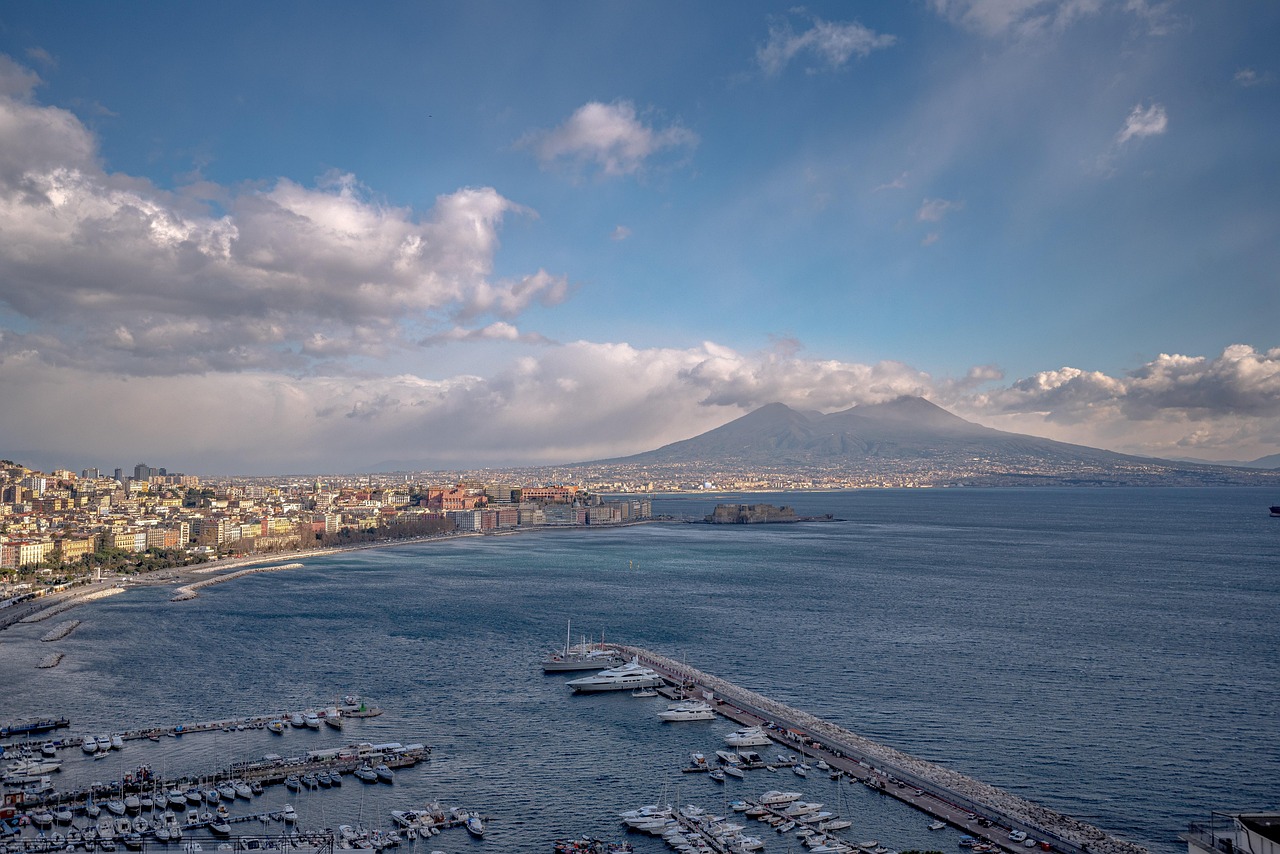
The city of Baia sits in Campania, just beyond Naples and close to Pozzuoli, inside the Campi Flegrei caldera. If you’re researching Baia Naples, Italy, you’re already sensing the twist: this coastline can submerge and re-emerge because of bradyseism, the slow lifting and sinking of land over centuries. The result is an extraordinary archaeological site with two levels—one on the cliffs, and one under the sea.
Arriving here feels quietly theatrical. The Phlegraean Fields are shaped by molten rock far below, and the landscape carries it in mineral air and occasional fumaroles. Long before the Roman empire reached its full sweep, the republican era drew wealthy patrons here; by the 1st century BC, Baiae had become a designed escape for the Roman elite, part of an ancient Roman resort culture that shaped the ancient world.
That reputation only sharpened with power. Julius is part of the local legend, Augustus chose the region for prestige and proximity, and later Nero’s appetite for spectacle echoed around these shores—stories sometimes summed up as Caesar and Nero in one breath. Luxury wasn’t only marble and views; it was engineered comfort—harbours, halls, and a bath culture built into volcanic activity. In the 1st century, when the shoreline kept shifting, the town adapted; by the 8th century, parts of the old waterfront were already becoming a memory beneath the waves.
Campi Flegrei map: what to see on land vs underwater in Baia
For adventure seekers, Baia is unusually “choose-your-own pace”. You can create an itinerary that moves from panoramic terraces to shallow waters where columns and mosaic floors glint in sunlight. The area also rewards a cultural eye: small details, clear interpretation, and a sense of place that feels crafted rather than staged.
To keep your day seamless, hold a simple mental map. “On land” is the archaeological park, where you walk through vaulted rooms and viewpoints above the bay. “Underwater” is a protected underwater archaeological park, where guided routes help you explore submerged villas at around 3–6 meter depth, so even first-timers can read the shapes with confidence.
Why the adventure feels close to Naples, not remote
This isn’t a remote expedition; it’s an expert-led encounter that fits beautifully into the province of Naples. In clear conditions, you’ll look across the gulf of Naples and understand why emperors chose this edge of Italy. And when you later float over a ruin, you’ll feel time become personal—history and sea life moving together, quietly, above stone.




Exploring the Archaeological Park of Baia on land – villas, views, and archaeological details
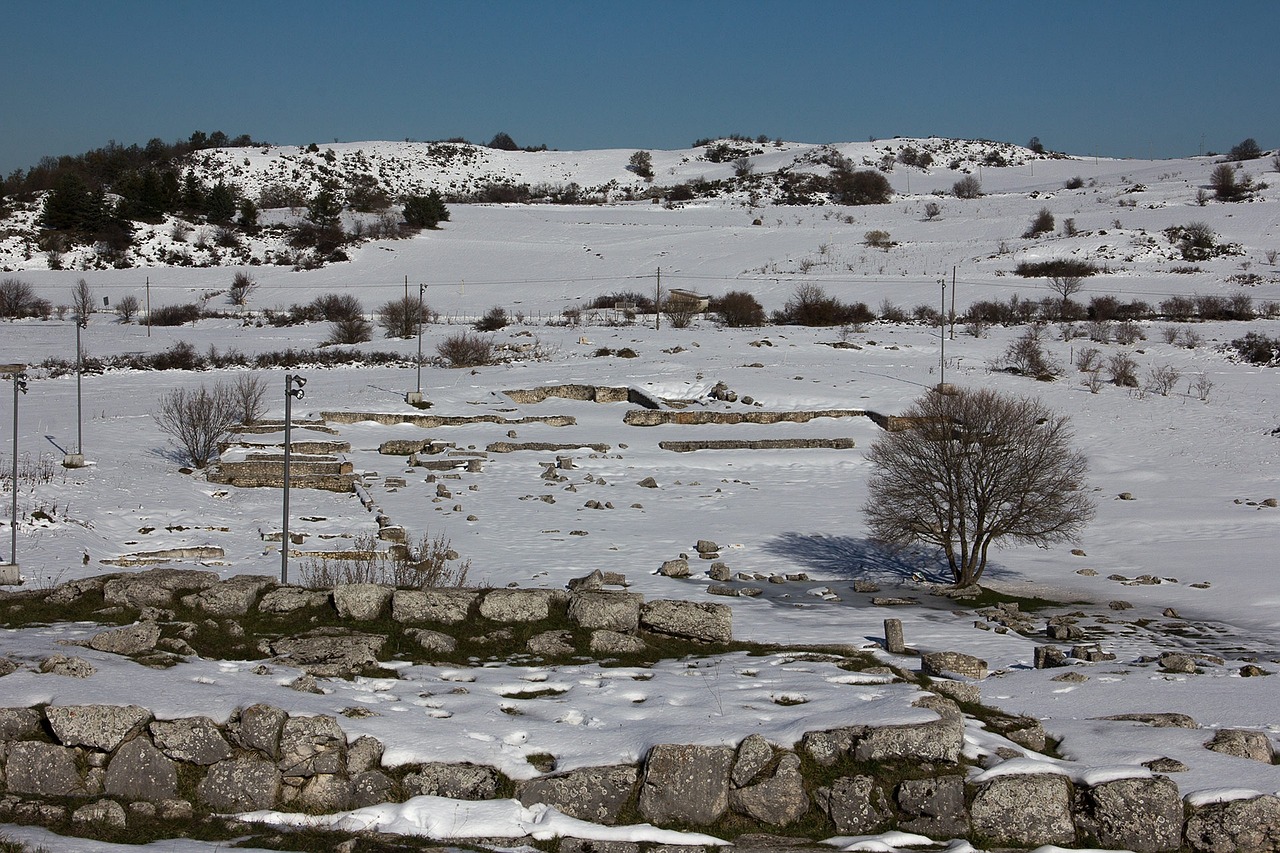
Exploring the Archaeological Park of Baia, on land, baths, villas, and archaeological views
If you’re planning the “archaeological park of Baia” first, that’s the right instinct. The Archaeological Park of Baia is an above-sea gateway that helps you trust what you’ll see later underwater. You walk through a vast complex of Roman spaces—vaulted halls, terraces, and rooms once warmed by the earth itself—where each ruin still reads as architecture rather than rubble.
The views alone feel like a gentle archaeological lesson. From higher points, you can frame Vesuvius in the distance, with the bay spread wide below. It’s a reminder that this was never a hidden outpost; it was a stage set for politics, leisure, and status.
Bathrooms, villa fragments, and a relaxed walking route
Move slowly and let the stone do the storytelling. You’ll pass bath chambers and corridors where light pools in curves, then step out to panoramic terraces where vegetation softens the edges of the site. Fragments of a villa layout appear as a floor plan sketched into the hillside—enough to picture daily life without needing a textbook.
For non-specialists, this is where context matters. Panels and clear routes help you recognise how water, heat, and social ritual were designed together. Later, when you spot a marble threshold underwater, you’ll know it was once part of a lived environment in the Roman city of Baia.
Archaeological museum context: objects that connect land and sea
Near Baia, the archaeological museum layer is invaluable: the archeologico dei campi flegrei (Museo Archeologico dei Campi Flegrei) anchors the story in objects, portraits, and place. The park of Baia was created to protect and interpret these remains, and you can feel that care in the way the site guides you from viewpoint to chamber.
- Design your visit: arrive earlier or late afternoon for softer light and fewer crowds.
- Build confidence: do the land route first, so underwater shapes make sense later.
- Look for clues: curved vaults, water channels, and changes in stone colour often mark heat and humidity zones.
A personal moment I always remember: late-afternoon light sliding across the walls, warming the space as if the baths were still breathing. You don’t need to be an academic to feel it—just present, curious, and willing to explore at your own tempo.
The sunken city of Baia – underwater villas, mosaics, and the underwater park in Italy
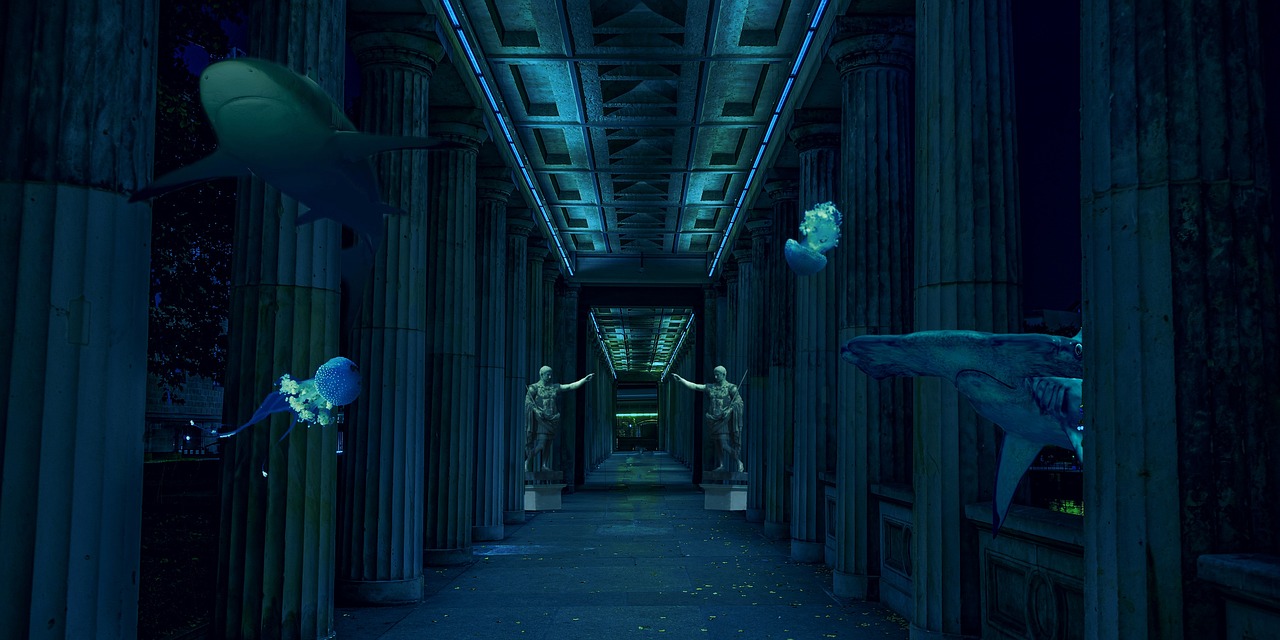
The Sunken City of Baia, Underwater Villas Mosaics and the Underwater Park
Type “sunken city of Baiae” and you’ll find the experience that makes Baiae singular. Here, bradyseism didn’t erase the ancient city; it lowered parts of it into calm, shallow waters. With a guide, you can explore the underwater park like a living gallery, where fish drift past architecture and time feels close enough to touch.
You have three main options, each designed for a different comfort level. A glass-bottom boat is gentle and surprisingly moving, especially on a clear day. A guided snorkel is suited to confident swimmers who want that first rush of hovering above a mosaic. And scuba is for certified divers who want slower, closer observation with an expert by their side—a calm, diver-led rhythm rather than a rushed swim.
What you may see in Baia underwater: ruins, marble, and villa outlines
Expect courtyards, column bases, marble paving, and villa outlines resting a few meters below the surface. In the right light, a mosaic can look freshly set, even as sea grass ripples around it. It’s a ruin, yes—but it doesn’t feel abandoned; it feels inhabited by nature, which is why people describe Baia underwater as both a history lesson and an open-water meditation.
Keep an ear out for the Grotto of Neptune, an underwater cave that adds drama to the story with natural formations shaped by volcanic forces. It’s also a reminder that these are protected underwater sites, where buoy lines and route markers are in place for conservation as much as for visitor safety.
The Nymphaeum of Baiae – statues, ritual space, and an underwater archaeological museum mood
The nymphaeum is the emotional centrepiece for many visitors: a ritual space once staged with Roman statues and decorative statuary. Even when you’re seeing replicas in situ and originals preserved elsewhere, the atmosphere reads clearly—Roman theatre built for water and power, with the occasional statue base still visible among the stones.
Guiding matters here. The Centro Sub Campi Flegrei supports conservation with permits, buoy lines, and defined routes, so the underwater archaeological park isn’t damaged by fins or careless hands. Think of it as the archaeological marine park of Baia: a managed, research-led experience that protects fragile surfaces and helps you explore responsibly.
One traveller described snorkel time among sunken columns and a mosaic panel as “a surreal blend of ancient Romans and sea life”. That’s exactly it—wonder without chaos. With the right team, it’s accessible, crafted, and deeply personal.
Thermal baths and mud baths in Baia – hot springs, volcanic landscapes, and spa-style recovery
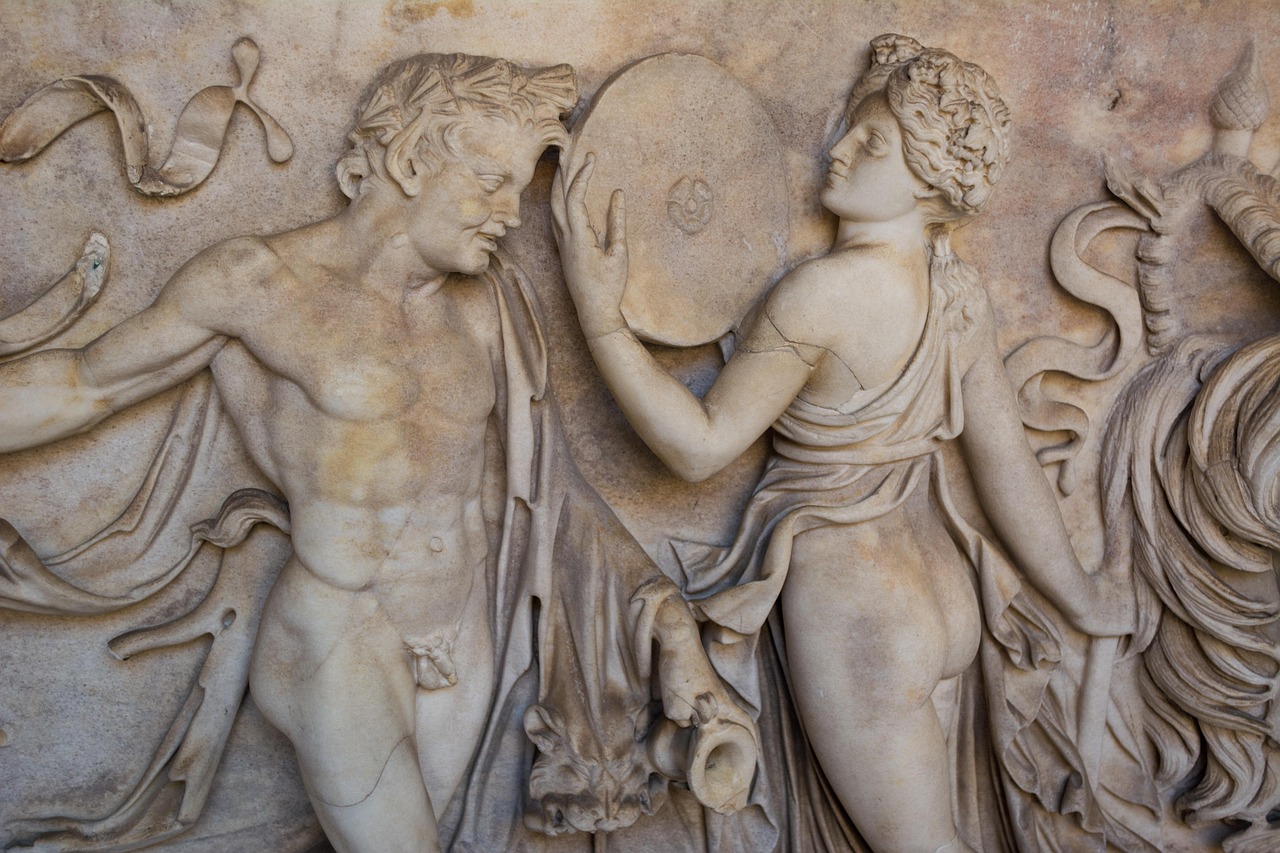
Thermal Baths, Mud and Hot Springs Wellness in Volcanic Baia
Search “Baia thermal baths, mud baths, hot springs, volcanic Italy”, and you’ll see how wellbeing is woven into the landscape. In this phlegraean environment, heat is not an abstract concept—it rises as mineral scent and warmth, a reminder that the Roman republic turned geology into ritual. Long before modern spa culture, people came for thermal springs and restorative rest, powered by ongoing volcanic change beneath the ground.
This is where your adventure day softens into care. After the underwater experience, a bath soak can feel like a reset: warmth on the skin, slow breathing, and the sense that time has widened. It’s not adrenaline; it’s recovery, and it belongs in a high-end itinerary.
How to soak comfortably and safely in a volcanic area
Go prepared, and you’ll feel instantly more at ease. Wear swimwear you can move in, and bring water shoes for uneven ground. Keep your pace gentle: heat can be intense, and the mineral smell is normal in a volcanic zone.
- Bring: a towel, water, and a change of clothes for after your soak.
- Wear: swimwear and water shoes for grip and comfort.
- Respect: quiet voices and any protected areas; these environments are sensitive.
Listen to your body. Start with shorter immersions, then gradually build time, especially if you’re new to mineral heat. If you feel light-headed, step out, drink water, and rest—wellness works best when it’s unhurried.
Sunset mud, the Phlegraean coastline, and the ancient world feeling
One visitor shared an unforgettable moment: soaking in thermal mud as the sky shifted to gold over Baia, feeling connected to heritage without needing words. In that light, the ancient world doesn’t feel distant; it feels human. It’s easy to imagine how senators and emperors crafted leisure here, designing pleasure around heat, water, and view.
Modern Baia Naples day trip – transport, seafood, and planning your Italy itinerary
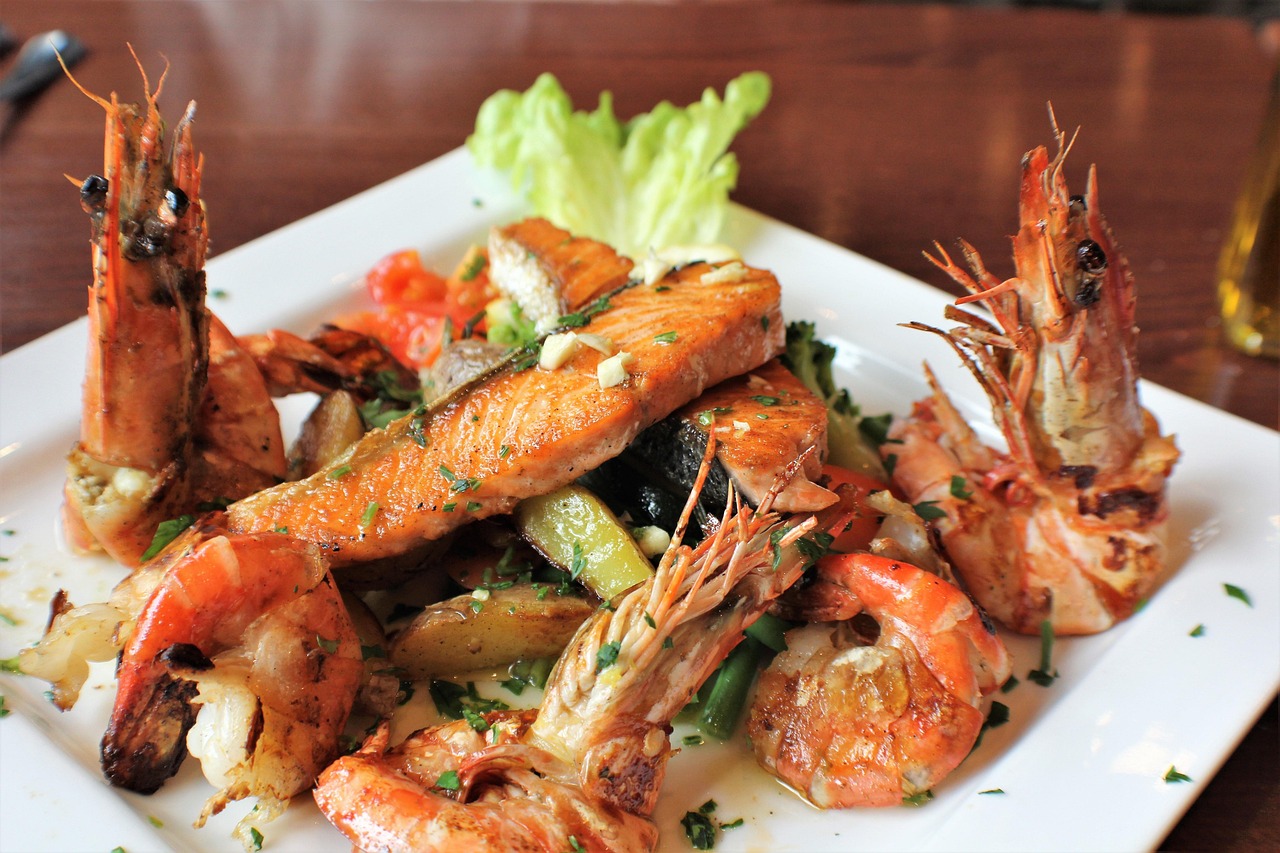
Modern Baia Local Seafood Promenades and a Seamless Naples Base Plan
For “Baia Naples day trip transport local seafood waterfront Italy”, the good news is that logistics can be genuinely seamless. Fly into Naples International Airport, then take a short drive or a taxi to Pozzuoli and Baia; ferries and local buses also connect to the Phlegrean coast. With a little design up front, you can explore without feeling rushed or overplanned.
Late spring to early autumn is the sweet spot: pleasant weather, calmer seas, and better visibility over underwater remains. If you want a glass-bottom boat or a guided scuba tour, book in advance—especially on weekends—so your day runs smoothly.
Timing, tickets, and small details that make the day easier
Entry to the archaeological park requires a ticket, with discounts for EU citizens under 25 and occasional free-entry days. Plan your underwater session around the quietest sea conditions, then build in time for a slow promenade. For extra inspiration while you plan, browse our Trip gallery and imagine how Baiae fits into a wider Italy journey.
- Best time: late spring to early autumn for calmer water and clearer views.
- Book ahead: guided routes in the protected park, especially if you want scuba.
- Pack smart: swimwear and a light layer for the evening breeze.
Adventure-minded etiquette is simple, and it’s part of the trust between visitors and the place. Follow the instructions, keep the fins under control, and never touch a province of Naples. In clear conditions, you’ll look across the gulf of Naples and understand why emperors chose this edge of Italy. And when you later float over a ruin fragment or marine life. Small acts of care protect fragile surfaces so future travellers can discover them too.
Seafood evenings, Miseno stories, and the Roman harbour network
Modern Baia has a relaxed seaside charm: seafood restaurants, waterfront tables, and that gentle Italian rhythm where dinner starts later than many travellers expect. Take a stroll after your meal—salt in the air, lights on the harbour, the day settling into memory.
Local guides often bring Baiae to life with storytelling. You’ll hear about Julius Caesar, Augustus, Hadrian, and court intrigue around Agrippina—plus sharper gossip through Cicero and Seneca. The setting makes it plausible, because just along the coast lie Miseno and the port of Miseno, once a military port for the military fleet, with Puteoli (today’s Pozzuoli) as a powerhouse of trade.
It’s a reminder that this wasn’t only leisure: it was a strategic shoreline beside the machinery of empire. Yet it still felt like an escape—crafted, beautiful, and oddly tender.
F.A.Qs: Baia Naples, Italy, essentials for the archaeological park and underwater visits
Is Baia worth visiting?
Yes—Baia is worth visiting if you want culture with a sense of adventure. You can explore the Archaeological Park of Baia on land, then discover underwater remains by glass-bottom boat, snorkel, or scuba. Add thermal mud and sea-view dining, and it becomes a high-impact day trip from Naples that still feels calm and carefully designed.
What is Baia known for?
Baia is known for Baiae, a Roman resort area shaped by volcanic heat, grand baths, and luxury villa districts—many of which are now partially underwater. It’s famous for the protected park where mosaic floors, marble features, and statue displays can be seen beneath the sea, as well as hot-soak traditions and a lively modern waterfront.
What caused Baia to sink?
Parts of Baia sank due to bradyseism in the Campi Flegrei, where the ground slowly rises and falls as pressure beneath the earth changes. Over centuries, this movement lowered sections of the ancient coastline, causing some structures to submerge. That geological shift is why you can now explore portions of the Roman city underwater.
What Baia leaves with you after Italy – underwater ruins, memory, and reflection
When you leave Baia, you don’t just take photos of a ruin; you carry a changed sense of how history survives. The shoreline here has learned to move—bradyseism quietly negotiating between land and sea—so the past feels present rather than sealed behind glass. You might remember the first time you recognised a villa outline, not in a book, but in water, with sunlight wavering above it.
What stays, often, are the small textures: salt on skin after an underwater drift, warm mineral air after a soak, and the hush that falls when you realise the sea has become a roof for human craft. There’s adventure in that discovery, but also softness—an invitation to slow down and let the place meet you halfway.
And perhaps that’s Baiae’s quiet gift. It lets you feel brave without being hurried, and it lets culture feel intimate rather than distant. You can return in another season and uncover different details—new light, new tides, a new story—waiting patiently in the shallows.