Post Contents
- September in South Korea: Is it the best time to visit?
- Seoul in September: festivals in Korea, riverside views, and relaxed nightlife
- Seoraksan National Park in September: autumn walks, early foliage, and fall foliage viewpoints
- Seoul heritage in September: Bukchon Hanok Village walks, hanbok photos, and cultural heritage streets
- Busan in September: beach days, Busan’s beaches, and a relaxed coastal-city contrast
- Jeju in September: calm route planning with nature, coast time, and quiet touring
- Chuseok in September: national holiday planning, autumn festival atmosphere, and local rhythm
- September in South Korea travel tips: itinerary planning, Incheon transfers, and heritage day trips
- F.A.Qs: September in South Korea
- After September in South Korea: what the season leaves with you
September in South Korea: Is it the best time to visit?
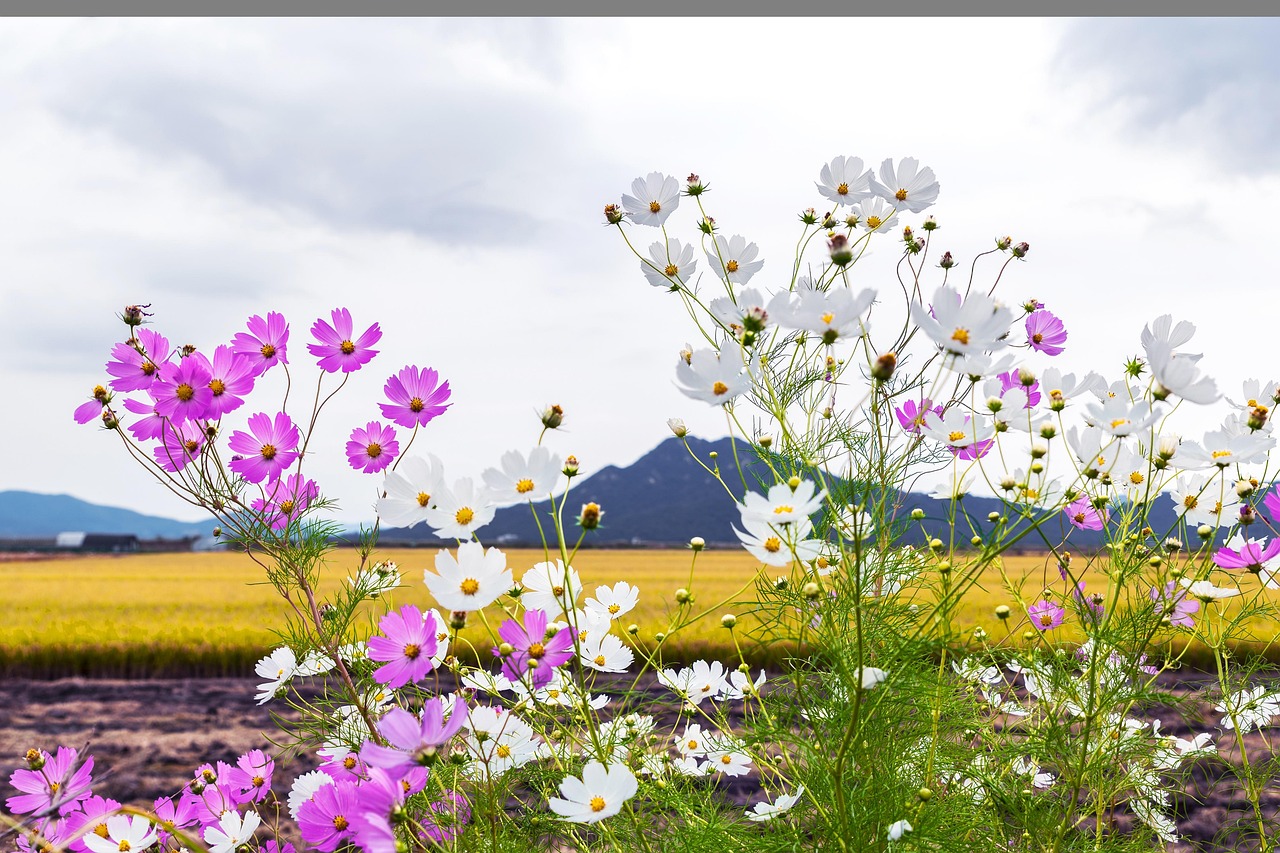
September here—early-autumn calm, gentle light, and an easy rhythm that can feel like the best time
For many travellers, September in South Korea is a beautifully balanced window for culture, nature, and comfort. In fact, South Korea in September often feels like the sweet spot of the year to visit: the rainy season starts to fade, the September weather becomes more predictable, and you can explore without the intensity of midsummer. You’ll still see occasional humidity and showers, plus the odd storm system—so a calm plan (and real-time advice) matters. It’s the time of the year when the season in South Korea shifts toward cooler evenings, and that rewards thoughtful pacing, especially when you’d rather travel well than rush between every attraction.
September weather in South Korea: humidity, rainfall, and the fading wet pattern
Expect weather conditions to evolve as the month progresses. The beginning of September—often the beginning of the month—can still feel like the summer months in major cities, with lingering summer heat and the occasional 30°c afternoon. Average daily temperatures are generally warm and comfortable, ranging from around 26 °C during the day to about 20 °C after sunset. By later weeks and towards the end of September, evenings can dip to about 17°c, so a light jacket quickly becomes essential for rooftop drinks or riverside strolls.
Make September feel effortless by keeping a little flexibility: a relaxed museum visit in Seoul if a shower passes, or a longer lunch if the air turns warm and still. While the rainy pattern is easing, you may still encounter a few rainy days, so build in indoor alternatives and keep an umbrella in your day bag. This is also when early hints of foliage begin to appear in mountainous regions—an elegant preview before the stronger autumn colour and fall foliage of October and November.
Luxury planning for South Korea: fewer crowds, smoother logistics, and better value
In South Korea, a luxury approach is rarely about doing more—it’s about doing it better. If you prefer fewer crowds, choose early starts for walks and day tours, then let your concierge coordinate timed entries, dining reservations, and transfers. You can also find the latest offers at top hotels in this shoulder season between late summer and peak autumn, especially with a clear plan rather than last-minute compromises. For many guests, this is the best time to slow down, sightsee with intention, and enjoy pleasant weather without feeling pushed along.
From here, we’ll explore the capital’s glow after dark first, then move into landscapes and heritage—designed together with trust, care, and a reassuring sense of support across South Korea.
Seoul in September: festivals in Korea, riverside views, and relaxed nightlife
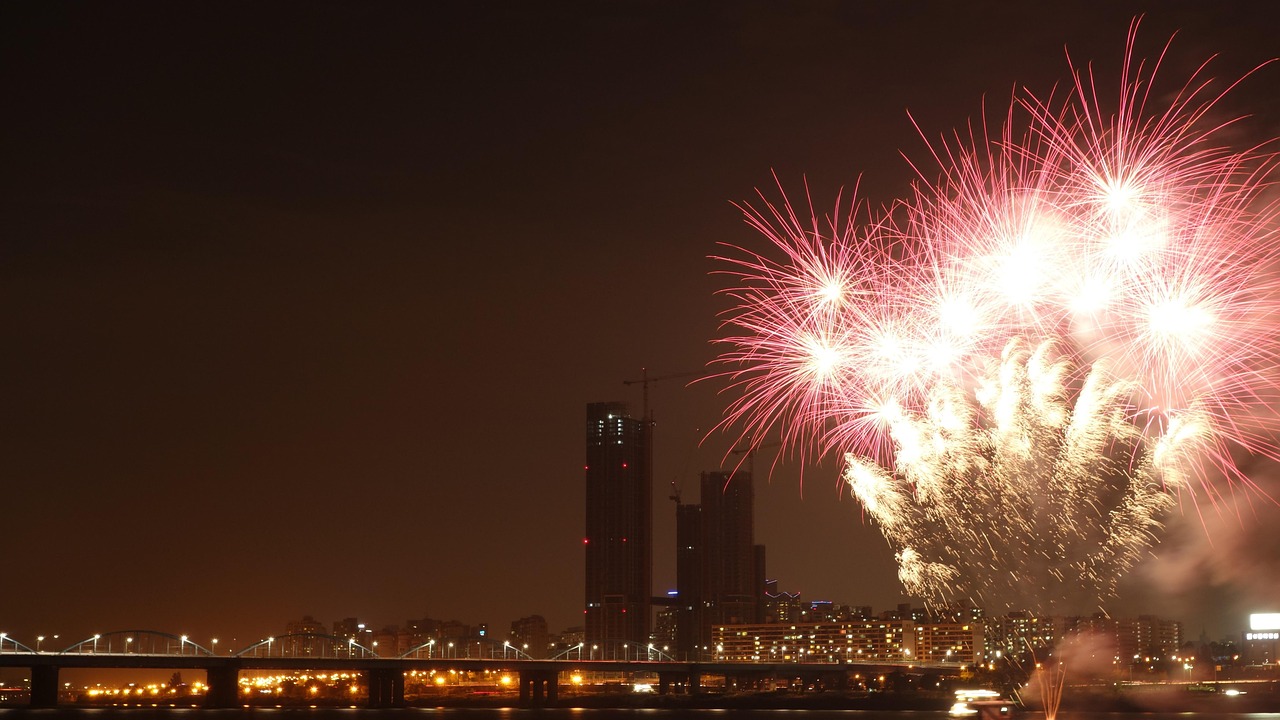
Seoul in September—lantern-lit nights, artful installations, and cinematic views by the river
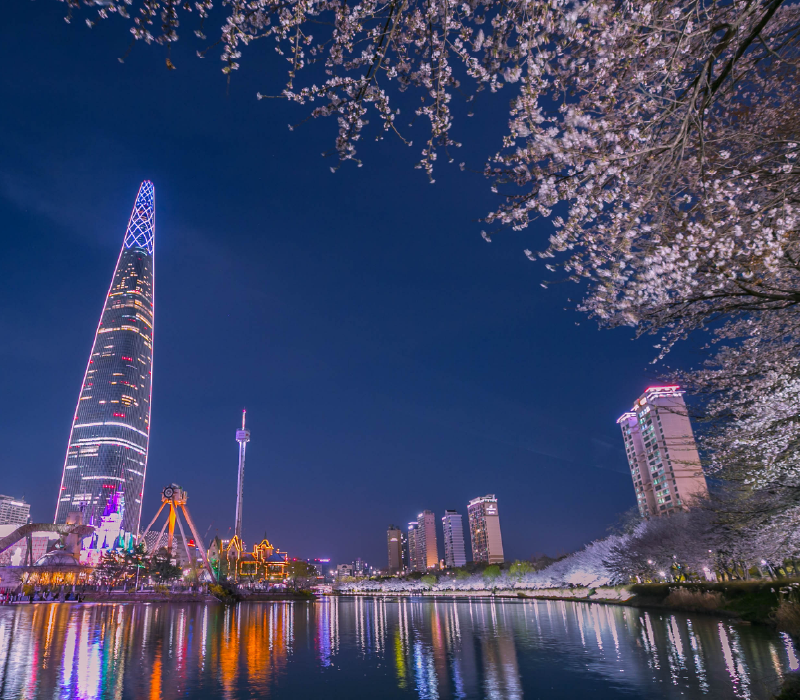
Seoul in September can feel like the city is gently exhaling—still vibrant, yet more comfortable to explore after dark. If you’re looking for an evening festival scene moment, this is when the Seoul Lantern Festival mood can be especially memorable: light installations across the city, a relaxed riverside buzz, and a sense of space that makes the night feel cinematic rather than chaotic. It’s a beautifully modern attraction to add to your stay, and an easy way to experience the capital’s creative side without sacrificing calm.
Lantern-lit nights across the city and along the river: timing, pacing, and photo-friendly viewpoints
Arrive just before dusk, when colours deepen, and the crowd energy becomes more like a shared hush than a rush. A couple we know designed a romantic picnic with a simple blanket, beautifully wrapped local snacks, and a bottle of sparkling tea. Their favourite detail wasn’t the food—it was the way thousands of lanterns shimmered on the water, each reflection creating its own quiet story beneath the night air.
For high-end travellers, these evenings are even better when you plan the edges: arrive by private car, linger without checking the time, and leave knowing your return is seamless. A gentle Gangnam night stroll afterwards can be surprisingly grounding—cutting-edge storefronts, soft music spilling from cafés, and just enough city glow to feel alive without feeling busy.
When it typically takes place, what to reserve, and how to keep your schedule elegant
Because it typically takes place during the early-autumn period, demand can rise quickly for premium viewing spots and timed experiences. Reserve special seating zones, private photo moments, or curated tasting menus in advance, especially if you’re travelling with a tightly timed schedule. If you’d like a subtle nod to K-pop culture, a guided stop at a flagship entertainment district can be woven in without losing focus on atmosphere and heritage. It’s also a smart moment to add one lantern festival night to your plan, then keep the rest of your evenings unhurried.
Next, we leave the city’s lights behind for a morning in a national park, where crisp air does the talking.
Seoraksan National Park in September: autumn walks, early foliage, and fall foliage viewpoints

Seoraksan National Park—early autumn walks with fall foliage details and space to breathe
For nature lovers, Seoraksan is a must-see national park where the first hints of foliage start to show, often in soft shades of red and gold. On crisp mornings, the air can feel newly washed, and the views reward unhurried steps. If you’re choosing a time to visit South Korea for restorative outdoor activities, this mountain day can be the definition of luxury: space, silence, and time.
Early autumn in Seoraksan: soft light, clear skies, and quiet trails
A high-end traveller once shared their most treasured Seoraksan moment: a serene hike on quieter trails, where the fresh air made the whole day feel like a reset. They described the forest as “quiet enough to hear your own thoughts again”, with occasional breaks for water and a slow gaze up at the sky. Plan for soft light by starting early, when paths are calmer and the chance of clear skies is at its best.
Entry fees, private guides, and comfort details for a smoother hike
Seoraksan National Park entry fees apply, and they’re worth it—but the real upgrade is hiring a private guide for personalised exploration. With expert insight, you can choose routes that match your pace, avoid bottlenecks, and learn the subtleties of the landscape without relying on signage. Stay hydrated, wear supportive footwear, and pack for temperature drops to keep the experience comfortable rather than challenging.
To round out the day with care, consider a post-hike spa ritual or a refined local meal—simple, warming flavours that feel crafted for recovery in cooler evenings.
Seoul heritage in September: Bukchon Hanok Village walks, hanbok photos, and cultural heritage streets

Seoul heritage—an elegant hanok village stroll and a hanbok photo session in Bukchon
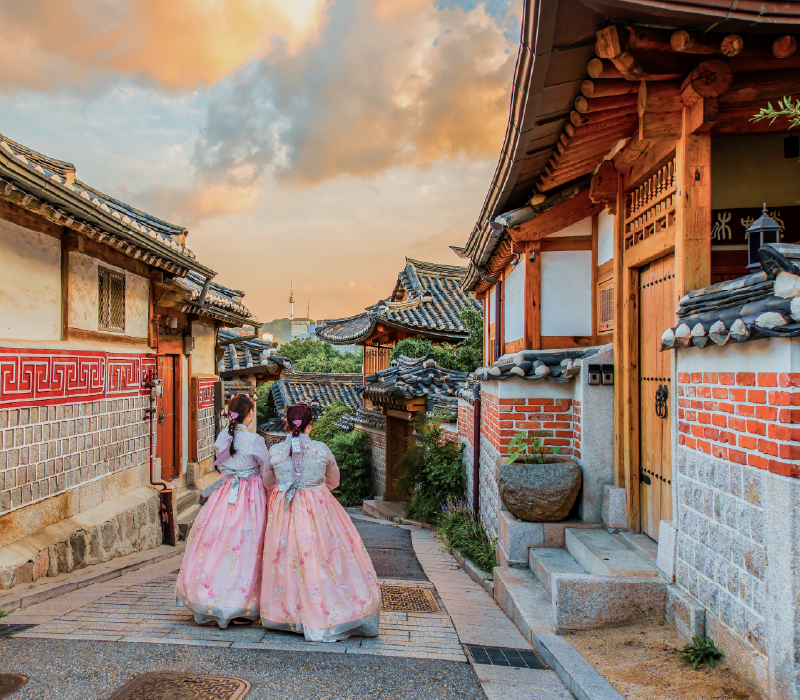
If you’re drawn to cultural heritage, a Bukchon hanok village walk paired with a hanbok photo session is one of the most elegant ways to connect with Seoul. This neighbourhood is living history: traditional rooflines, quiet lanes, and early-autumn light that feels especially gentle in the morning. In the capital, it’s the kind of experience where you don’t just sightsee—you slow down enough to notice textures, courtyards, and the way light settles on wood and stone.
Hanbok styling, private guiding, and a deeper personal connection
An art enthusiast once described their private guided tour here as “wearing the story, not just learning it”. They chose a custom-tailored hanbok with understated fabric, then walked with a guide who offered warm support and thoughtful interpretation, making each courtyard feel personal rather than performative. That blend of beauty and context is what makes this experience feel designed, not staged—and it’s a highlight for visitors exploring beyond the obvious.
Palaces and temples nearby: Gyeongbokgung Palace, Changdeokgung Palace, and the gentle etiquette
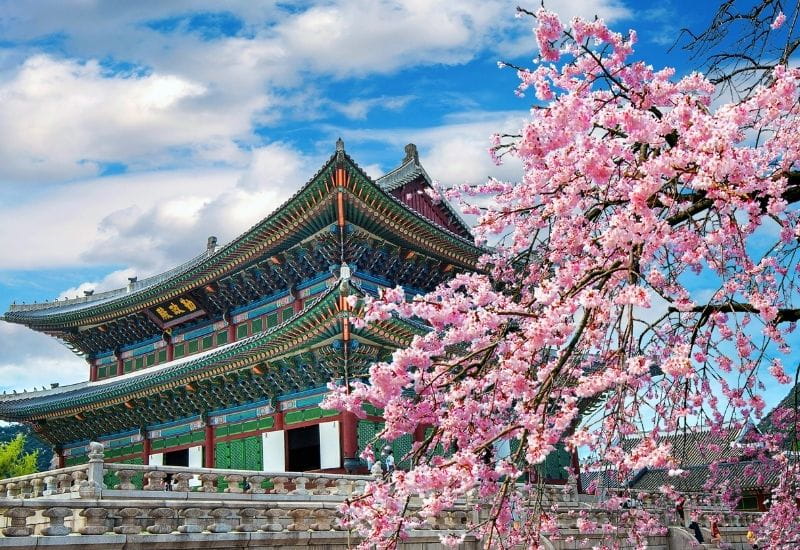
Pair Bukchon with nearby palaces and temples for depth: Gyeongbokgung Palace for grandeur, and Changdeokgung Palace for a quieter, refined atmosphere. As you explore, a few local gestures go a long way—bowing greetings when appropriate, and removing shoes indoors when entering traditional spaces. With a well-crafted route and early timing, you can avoid peak crowds, leave room to simply linger, and still return to your hotel feeling calm.
Reserve hanbok rentals and a photographer in advance; the most seamless sessions are those that feel gently held, not hurried—especially in September, when demand can rise in popular areas.
Busan in September: beach days, Busan’s beaches, and a relaxed coastal-city contrast
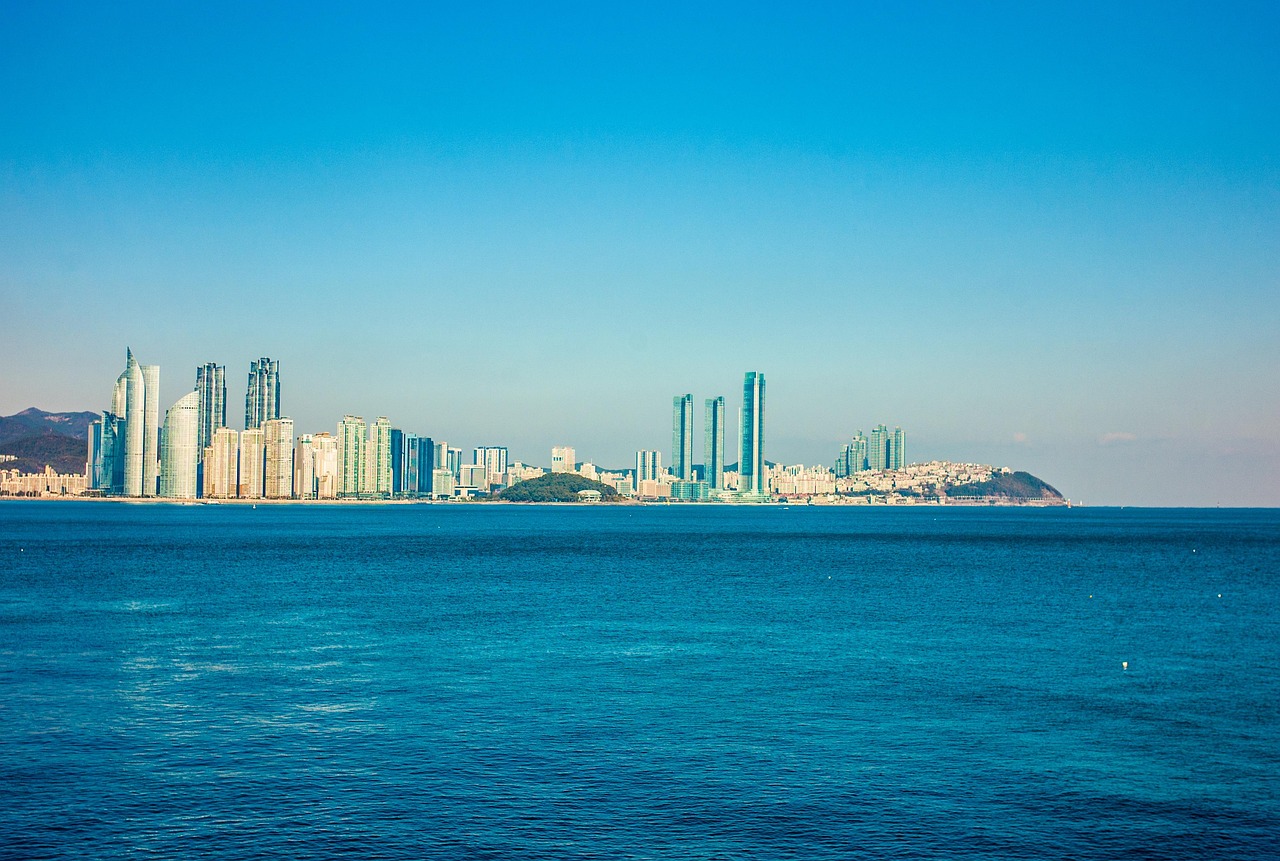
Busan in September—seafood, coastal walks, and festival sparkle for a relaxed seaside escape
For contrast, Busan brings sea air, open horizons, and a pace that feels naturally slower. Busan is South Korea’s coastal counterpoint to Seoul—ideal when you want city energy in smaller doses and afternoons designed around the beach. For many high-end travellers, Busan’s beaches offer a soft landing between cultural days and nature escapes, especially when paired with a comfortable waterfront stay in the country.
Busan coastal viewpoints, refined seafood, and sunset strolling
Design a day that flows: late morning coastal viewpoints, a refined seafood lunch with seasonal banchan, then a slow walk as the sun drops. Songdo is an easy coastal stop for panoramas and photos, particularly if you enjoy clean lines in your travel imagery and a broad ocean horizon. If you’re travelling together as a couple, this is where quiet conversation can stretch out without interruption.
Seasonal festival nights, international fireworks, and flexible comfort planning
If dates align, the international fireworks festival can add a glittering punctuation mark to your evening, with the shoreline becoming a shared theatre of light. September can still carry lingering warmth, and sea breezes help—though humidity may rise on some days. Keep plans flexible for rainy spells: swap a long waterfront afternoon for a gallery visit, then head back out when the air clears.
- Comfort cue: bring a light layer for evening sea wind and keep hydration close during warm afternoons.
- Luxury ease: choose a hotel that can arrange car service so dinner and returns feel effortless.
Jeju in September: calm route planning with nature, coast time, and quiet touring

Jeju in September-quiet luxury, a gentle coastal break, and volcanic landscapes
A Jeju route in September is where you go to exhale. On Jeju Island, the island of Jeju feels crafted for soft adventure: coastal drives, volcanic landscapes, and boutique stays that prioritise design, privacy, and genuine care. Jeju is an easy add-on when you want nature without the intensity of a full hiking schedule—and when you’d like your time to feel less like tourism and more like restoration.
Quiet luxury touring: private driver, self-drive freedom, and when to rent a car
For high-end comfort, you can rent a car for freedom, or arrange a private driver for a more seamless rhythm—especially if you’d rather focus on scenery than navigation. Include one beach stop for calm water and sky views, then drift inland for viewpoints and short, scenic walks. If you want a greener escape, consider a half-day on Hallasan’s gentler trails for panoramic lookouts and fresh air.
Local flavour beyond the obvious, plus September warmth and small attractions
Jeju rewards curiosity: green tea tastings, artisan cafés, and small galleries where you can explore contemporary craft alongside tradition. In many areas, September warmth can linger around 23°c during the day, with cooler evenings that invite layered outfits and slower dinners. Add one low-key attraction each day, and keep your afternoons unhurried—this is where the island’s calm really settles in.
Chuseok in September: national holiday planning, autumn festival atmosphere, and local rhythm
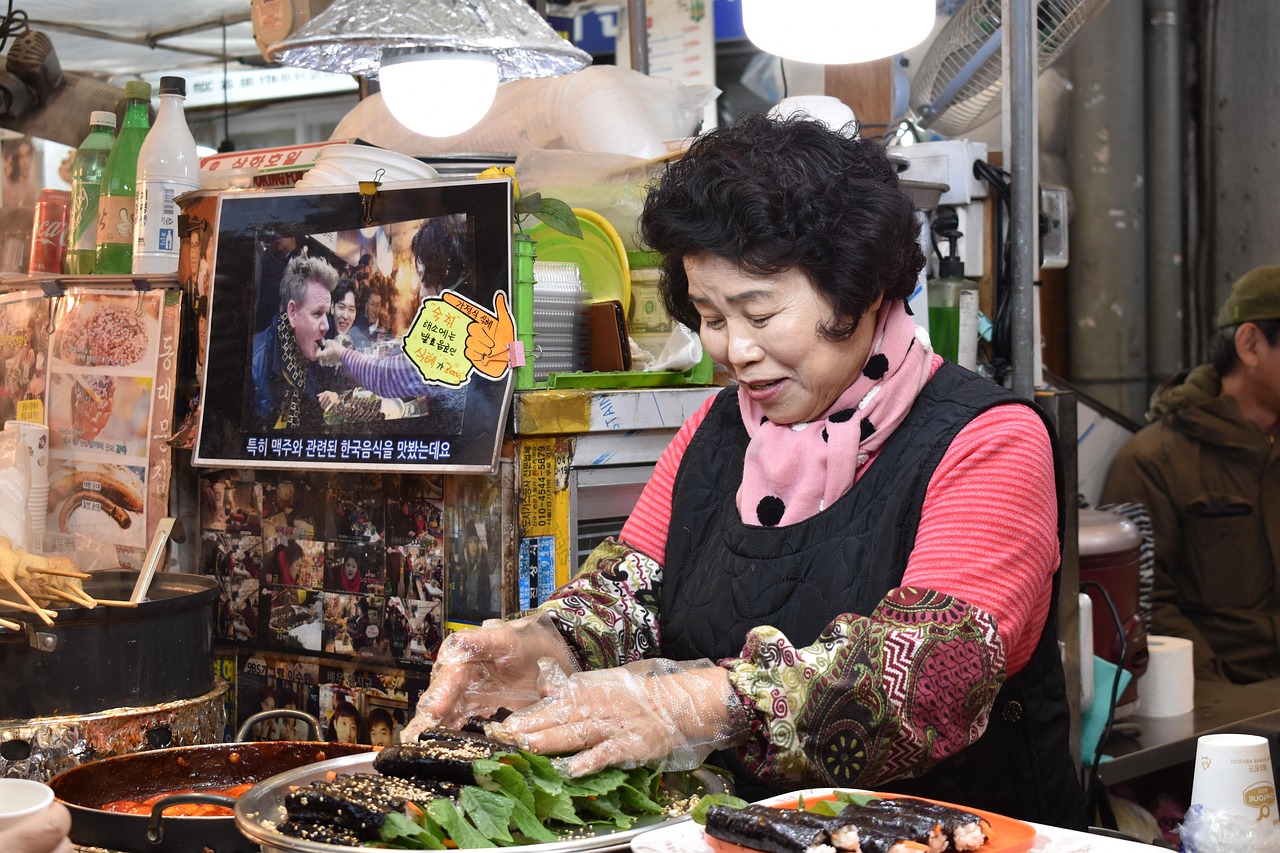
Chuseok in South Korea—an autumn season with a respectful, family-focused atmosphere
chuseok can shape your trip more than any single attraction. It’s a major national holiday and harvest festival when Koreans return to their hometowns, spend time with family, and give thanks. For visitors, it can be deeply beautiful to witness—while also requiring thoughtful planning so your journey stays calm and supported, especially if you’re moving between regions in South Korea.
Planning around the holiday: buffers, private transfers, and cross-country movement
During this national holiday, transport and hotels can fill quickly, especially for cross-country routes. Booking early is the simplest way to protect your comfort, and private transfers can reduce friction when stations are busy. If you need to move between Seoul, Busan, and regional areas, build in extra buffer time and let an expert handle changes with confidence if schedules shift.
Festival ideas beyond Seoul: Muju Firefly Festival, Hyoseok fields, and buckwheat bloom
Beyond the capital, you can uncover festivals that feel intimate rather than overwhelming. The Muju Firefly Festival is a gentle cultural festival: soft firefly lights in the dark, and a pace that encourages stillness. For countryside romance, seek out the hyoseok-linked landscapes near Bongpyeong when buckwheat flowers bloom, turning fields into pale, floating textures under the late-season autumn light.
Observe local customs with care, and be prepared for some closures; luxury concierges are invaluable here, quietly reshaping plans so your days still feel personal and unforced in South Korea.
September in South Korea travel tips: itinerary planning, Incheon transfers, and heritage day trips
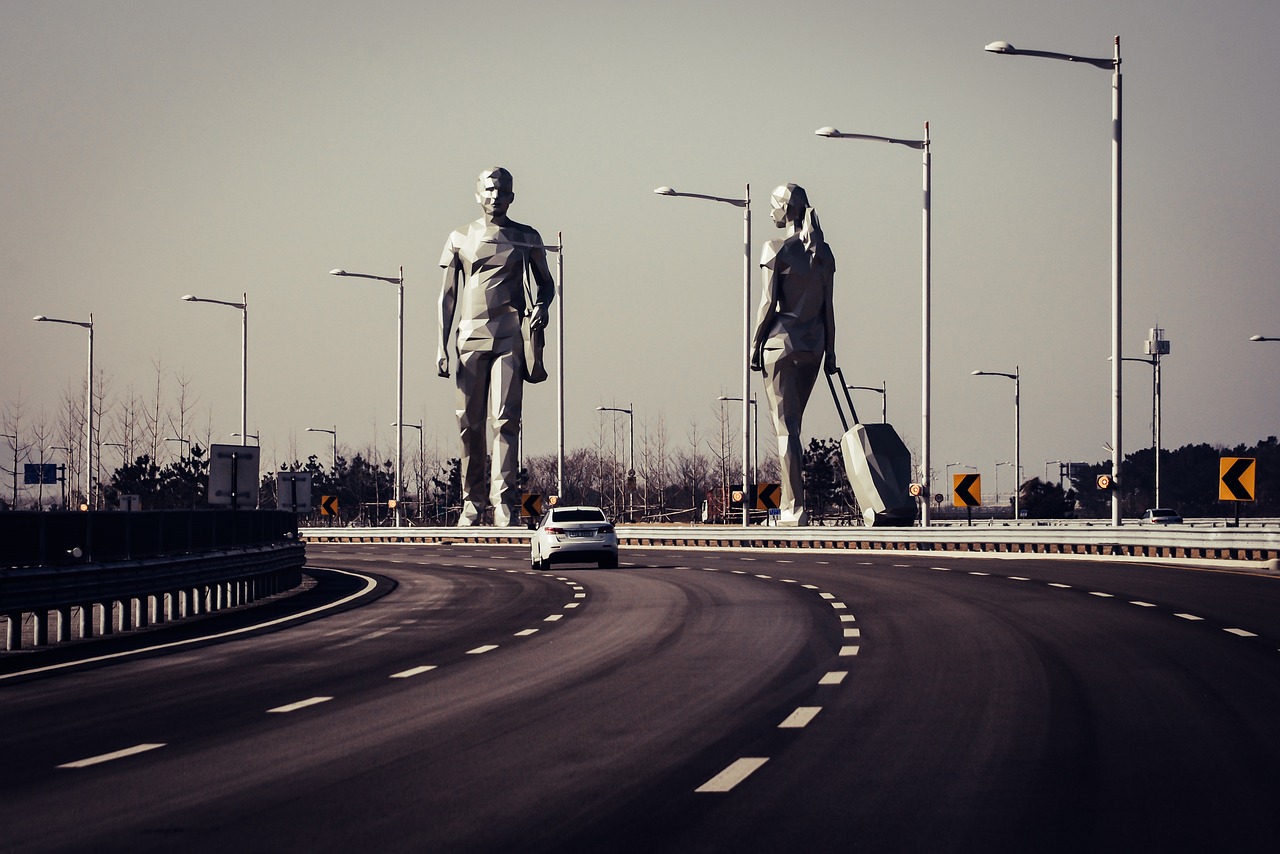
Travel tips for a seamless September plan—from Incheon to the capital, heritage day trips, and nature escapes
When you’re building a September plan, the details matter most. Arrive at Incheon International Airport, then arrange a luxury transfer to the capital so your first hours feel calm, not transactional. In South Korea, mixing rail for longer hops with a private car day to day is often the most seamless way to travel—comfortable, efficient, and reassuring. For a polished itinerary, set forecast alerts for rain and wind updates so you can adjust quickly without stress.
A high-end itinerary spine: day escapes, mountain walks, and the DMZ with context
If you want a simple plan that still feels crafted, base yourself in Seoul and design a few day escapes. One day, head to Bukhansan for fresh air; another day, choose the Bukhansan national park routes that match your pace and avoid peak trails. For a powerful perspective, consider a DMZ day with a vetted guide; visiting the demilitarised zone is most meaningful when it’s handled with sensitivity, context, and care.
Heritage beyond the capital: Suwon, Hwaseong Fortress, and packing for changeable conditions
For an elegant cultural add-on, plan a heritage day to Suwon and Hwaseong Fortress, where ramparts and city views create a quieter counterpoint to palace crowds. Keep water with you, plan for temperature swings, and watch local advisories if a typhoon alert is issued—this is where trust in your on-the-ground support matters. The fortress is recognised by UNESCO, and an expert guide can help you read the details rather than just photograph them. If you’d like to see how a designer-led journey can come together, explore our Trip gallery for curated inspiration.
- Pack smart: breathable daytime layers, plus one light jacket for evenings and air-conditioned interiors.
- Reserve early: hanbok sessions, private guides, and any festival experiences that have timed entry.
- Move with ease: pre-book drivers for nights out so late returns feel safe and effortless.
F.A.Qs: September in South Korea
Is September a good time to visit South Korea?
Yes—September is often a very comfortable time to visit South Korea, especially from mid to late September when the air feels lighter and early autumn begins in mountainous areas. You’ll still want a flexible plan for occasional showers, but it’s a rewarding month for a city break in Seoul, coastal time in Busan, and nature with fewer crowds than peak periods.
What clothes should you wear in Korea in September?
Pack breathable layers for warm days and a light jacket for cooler evenings. In Seoul and other areas, early September can still feel summery, while later in the month can be noticeably cooler at night. Comfortable walking shoes are essential for palace visits, neighbourhood strolls, and longer trail walks.
What is the weather in South Korea in September?
The weather in September is transitional: warm days, cooler nights, and gradually decreasing humidity as the month goes on. Early September can reach near 30°c on some days, while evenings later in the month can feel fresh. Short periods of rain can occur, so keep an umbrella and a flexible day plan.
What is the cheapest month to go to Korea?
Prices vary by route and events, but the cheapest month to go to Korea is often during the quieter winter period outside major holidays, when demand dips. September can be a good value compared with peak spring blossom and late-autumn foliage, but festival dates and holiday travel can increase costs, so booking early helps.
After September in South Korea: what the season leaves with you
After September in South Korea, what stays with you is rarely the headline moment. It’s the quiet of a forest path where your footsteps softened, the cooled air that made breathing feel cleaner, and the lantern-glow on water that turned an ordinary evening into something gently luminous. The country’s early autumn doesn’t demand attention; it offers it slowly, and you find yourself meeting it with the same steadiness.
There’s a particular comfort in travelling with confidence—supported by expert planning, yet still open to local surprises. You remember the small acts of care: a driver waiting without fuss, a guide who read the room, a warm drink placed in your hands just as the temperature dropped. And you realise the trip was never a checklist, but a feeling of being looked after, together.
Later, when you picture it again, it comes back as light on the Han River, distant mountains holding their shape against the horizon, and the first hints of fall foliage appearing along ridgelines. It’s enough to leave you quietly curious about october and november—not as a rush to return, but as a gentle question of what else might reveal itself when the season deepens in South Korea.