Post Contents
- Weather in Seoul, Korea in August at a Glance: temperature, humidity & rainfall
- When to Visit Seoul and South Korea in August: weather, crowds & comfort
- Palaces and Hanok Beauty in Steamy August Seoul: Gyeongbokgung and Bukchon
- Design Nights, Markets and August Festival Energy in Seoul
- Seoul August Travel Tips for a Seamless High-End Stay in South Korea
- F.A.Qs: Seoul and South Korea in August
- After Seoul: What the August Light Leaves Behind
Weather in Seoul, Korea in August at a Glance: temperature, humidity & rainfall
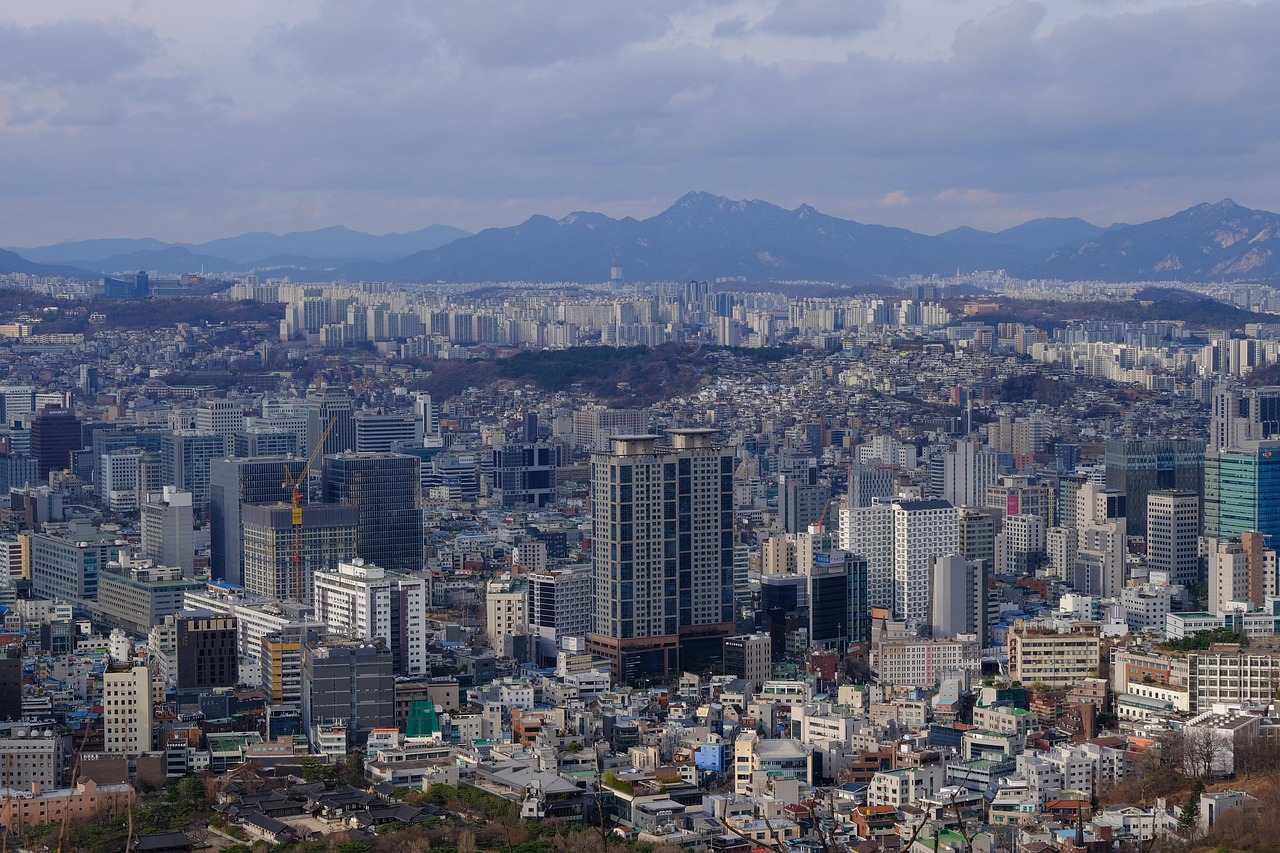
When clients ask about the weather in Seoul, Korea, in August, I describe Seoul as luminous, lively, and undeniably hot and humid. Summer is in full swing, and the city’s heat and humidity can feel stronger between tall buildings, traffic, and sun-warmed pavement. The good news: this destination is built for comfort, with air-conditioned cafés, elegant hotel lounges, and museums that let you explore without rushing.
Weather in Seoul in August at a Glance with temperature humidity rainfall
Average temperature range in August and why it can feel warmer
The average high sits close to 28°c, while the average low is often near 20°c, especially later at night when you finally feel the city exhale. In daylight, high humidity can make the same temperature feel heavier—like warm air that clings after a short walk. This is where expert pacing matters: start early, pause well, and let evenings be your main stage.
Afternoons can turn cloudy, which many photographers secretly appreciate—the light becomes softer and less glaring across stone courtyards and palace walls. After a quick shower passes through, Seoul can look freshly polished, with reflections on pavements and a calmer mood for an hour or two.
Rainfall patterns, monsoon season and what to plan for
August is part of the Korean summer pattern, and monsoon rains can still appear—often as punchy bursts rather than day-long drizzle. Typically, the beginning of the month can feel a touch steadier for outdoor plans, while the end of the month may carry a higher chance of heavier rainfall. It’s not a promise either way, but it’s a useful lens when you’re choosing dates and deciding which experiences must be outside.
For a day-by-day view, I like using AccuWeather or a similar tool, but don’t just glance at the temperature. Check the hourly forecast, look at humidity levels, wind, and the chance of showers—those details help you design a day that feels seamless rather than reactive.
High-end comfort notes: plan hydration like you plan museum tickets, schedule air-conditioned breaks between outdoor stops, and keep one or two culture-first options ready so you can pivot with confidence. Even small details—like a chilled towel on return to your hotel—add up to a trip that feels considered and cared for.
- Best outdoor windows: palace opening time and after sunset.
- Most comfortable pacing: 60–90 minutes outdoors, then a cool, shaded pause.
- Quiet luxury move: book a car for midday transfers to avoid heat spikes and arrive unruffled.
When to Visit Seoul and South Korea in August: weather, crowds & comfort
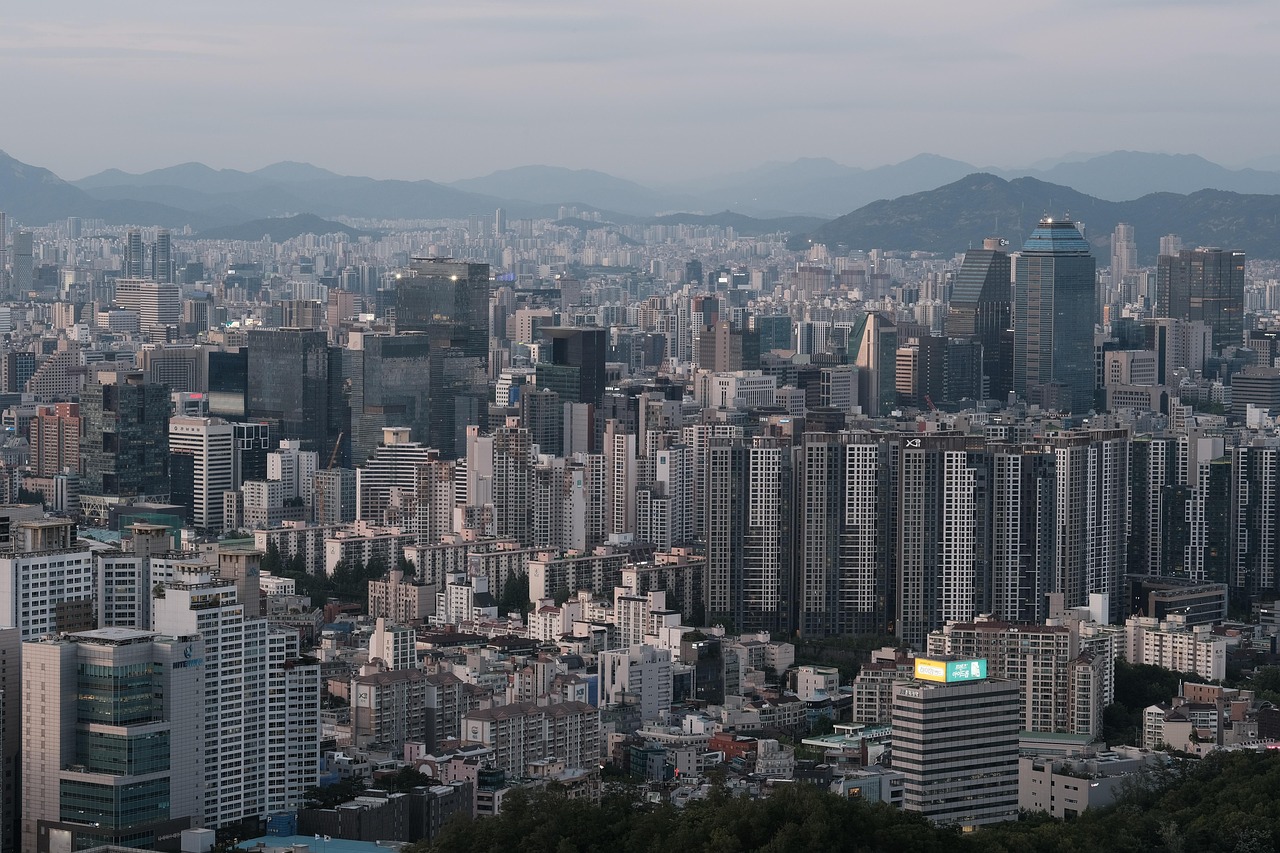
If you’re weighing the best time to visit Seoul in August, the honest answer is this: it isn’t the coolest month, but it can be a brilliant season for long evenings, seasonal celebrations, and a city that stays open late. The key is setting expectations and designing your days with gentle realism—so you feel supported, not surprised. With smart timing and plenty of air-con breaks, the experience can feel polished even in peak heat.
Best Time to Visit Seoul and South Korea for August Style and time to visit
Early August versus towards the end: what changes for travellers
In early August, Seoul can feel energetic and crisp in its own summer way—busy streets, late dining, and a strong rhythm of events. As you approach the end, the chance of wet weather can rise, which is where flexible reservations and a well-briefed concierge become your quiet superpower. Private transfers, adaptable touring hours, and a back-up plan with indoor galleries make the whole experience feel effortless.
To choose dates with confidence, it helps to compare August to the months of july and September. July can be wetter, September can be calmer with clearer skies, and August sits between them as the heart of peak summer. This is also a time when tourism is high—so the most desirable rooms and suites often sell quickly.
Pairing Seoul with Busan beach time or Jeju Island landscapes
For travellers who want variety, consider pairing Seoul with Busan for an east coast break: an easy way to add a beach day and a different rhythm without leaving the country’s cultural thread behind. Or choose Jeju Island for a softer landscape and fresh sea air—especially lovely when you want space, ocean views, and slower mornings.
A quick risk-aware note: August overlaps with typhoon season, which can influence flight and ferry schedules. South Korea isn’t a hurricane climate, but storms can still disrupt plans, so a little buffer time and solid travel insurance are part of travelling with trust.
Palaces and Hanok Beauty in Steamy August Seoul: Gyeongbokgung and Bukchon
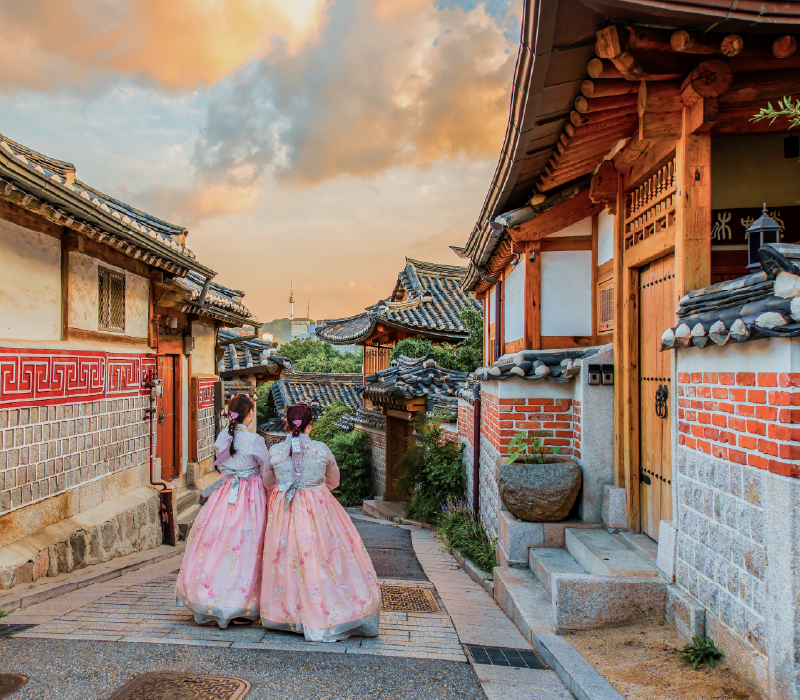
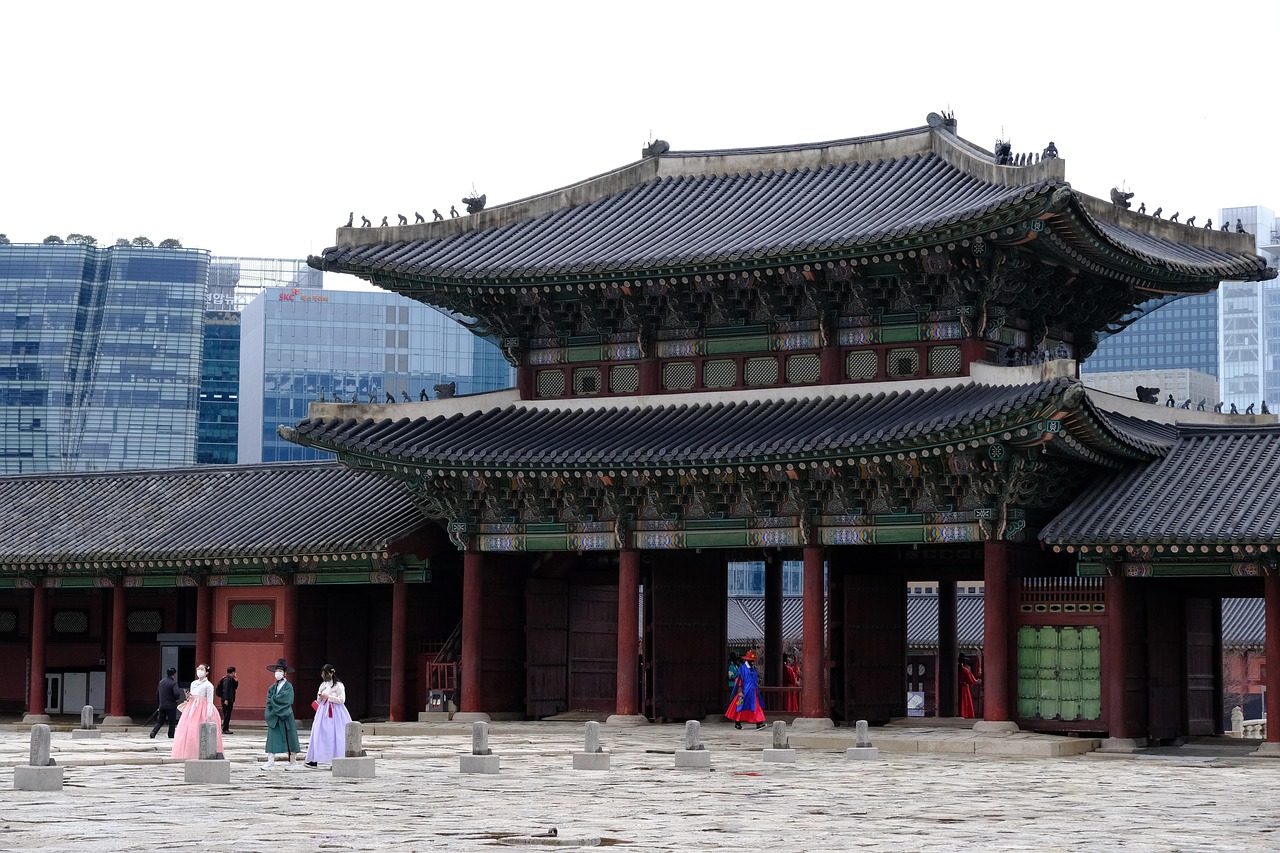
For palace lovers, the magic is in timing and tempo. Seoul’s palace grounds and hanok lanes are iconic, but in August they reward those who begin gently at opening time. You’ll explore in cooler air, with fewer crowds, and you’ll feel the city’s history before the day’s heat fully arrives.
Palaces and Hanok Beauty in Humid August Seoul with Gyeongbokgung Bukchon
Gyeongbokgung Palace: softer light, ceremony, and smart shade breaks
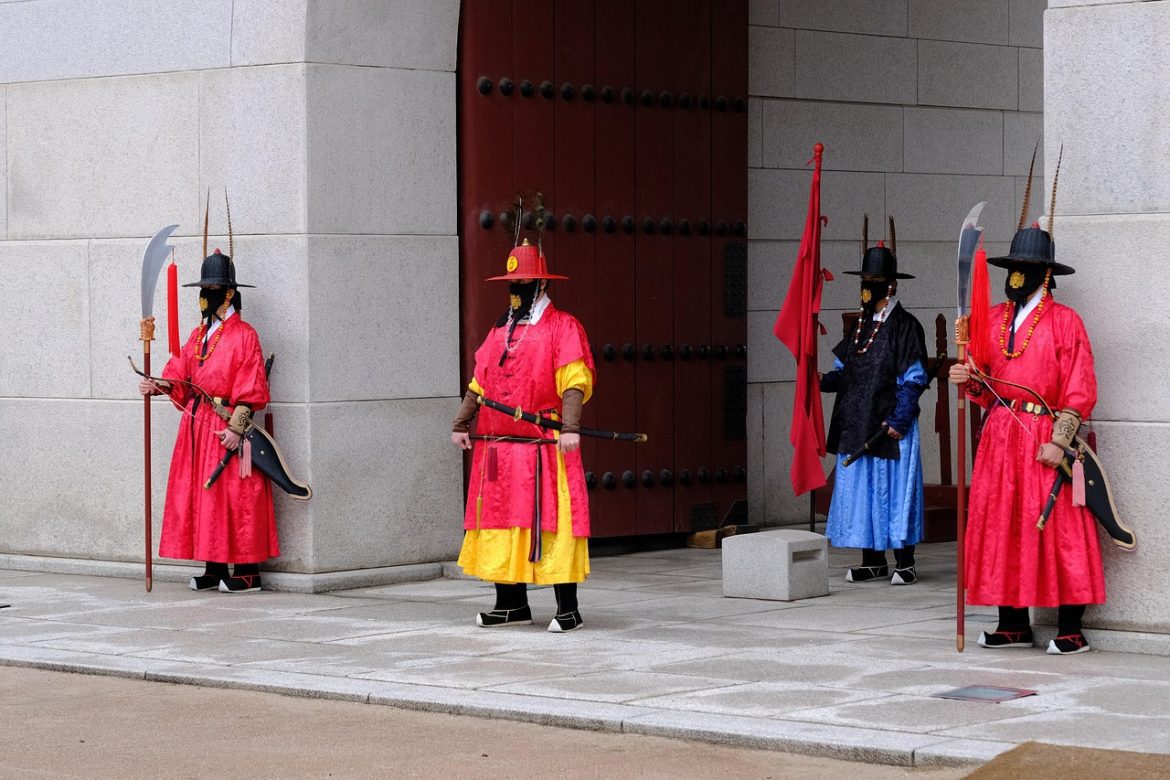
Arrive early at Gyeongbokgung Palace, and you’ll often catch the gardens while they still feel hushed. The traditional changing of the guard ceremony becomes more than a photo moment—it’s a crafted ritual against summer greenery, with light that flatters both architecture and portraits. If you’re sensitive to high temperatures, aim for the earliest possible entry, then slip into nearby museum spaces when the sun climbs.
One refined approach is to design a “palace morning” that includes a short guided section for context—dynasties, symbolism, and layout—followed by unhurried self-led wandering. A private guide can gently manage pacing and shade stops, while still leaving space for personal discovery.
Bukchon Hanok Village: artisan craft, quiet lanes, and respectful etiquette
In Bukchon Hanok Village, the pleasure is in what you uncover between the lanes: artisan studios, small galleries, and quiet courtyards that feel like a pause button. This is a residential area, so your care matters—speak softly, keep to marked routes, and remember that behind those beautiful wooden doors are local lives. That kind of respect builds trust, and it changes the atmosphere for everyone.
A luxury traveller once described their serene early morning at Changdeokgung Palace’s Secret Garden: stepping into green shade at opening time, they felt the humidity ease into something almost tender. The Secret Garden is exactly that—an elegant retreat where history and nature meet, and where Seoul feels unexpectedly intimate.
Photographer’s notes for August: lens fog can happen when you move from air-con to outdoor humidity—give your camera a minute to acclimatise. After rain, colours deepen, shadows soften, and the city looks freshly washed, making it a surprisingly beautiful time to shoot.
Design Nights, Markets and August Festival Energy in Seoul
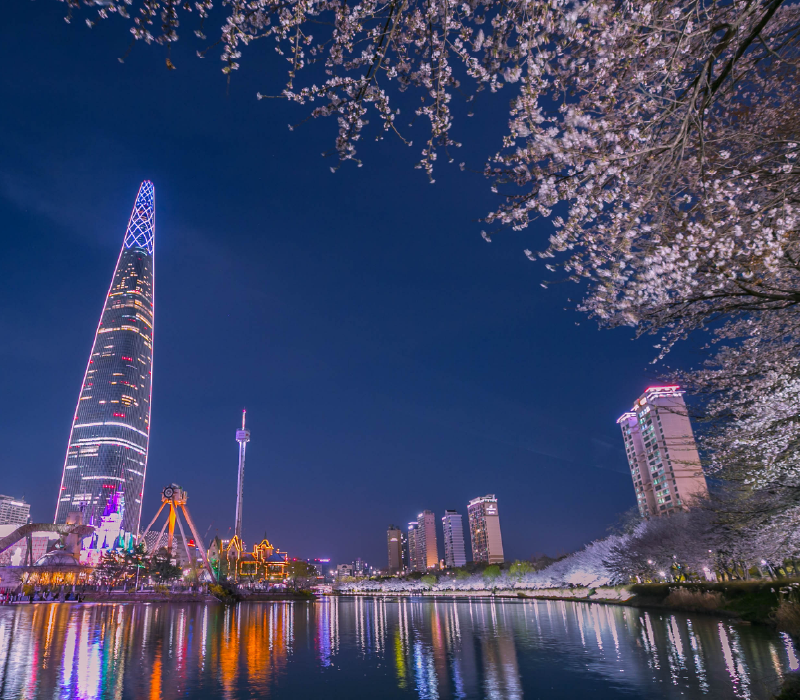
For August in Seoul, think of this season as the city’s evening chapter. When the sun dips, the streets turn glossy and inviting—cooler air, brighter lights, and a street rhythm that feels made for strolling. This is where you can explore design culture, night markets, and more than one festival-style pop-up without battling midday heat.
Design Nights Markets and August Festival Energy in Seoul
Dongdaemun Design Plaza: exhibitions first, then the night market flow
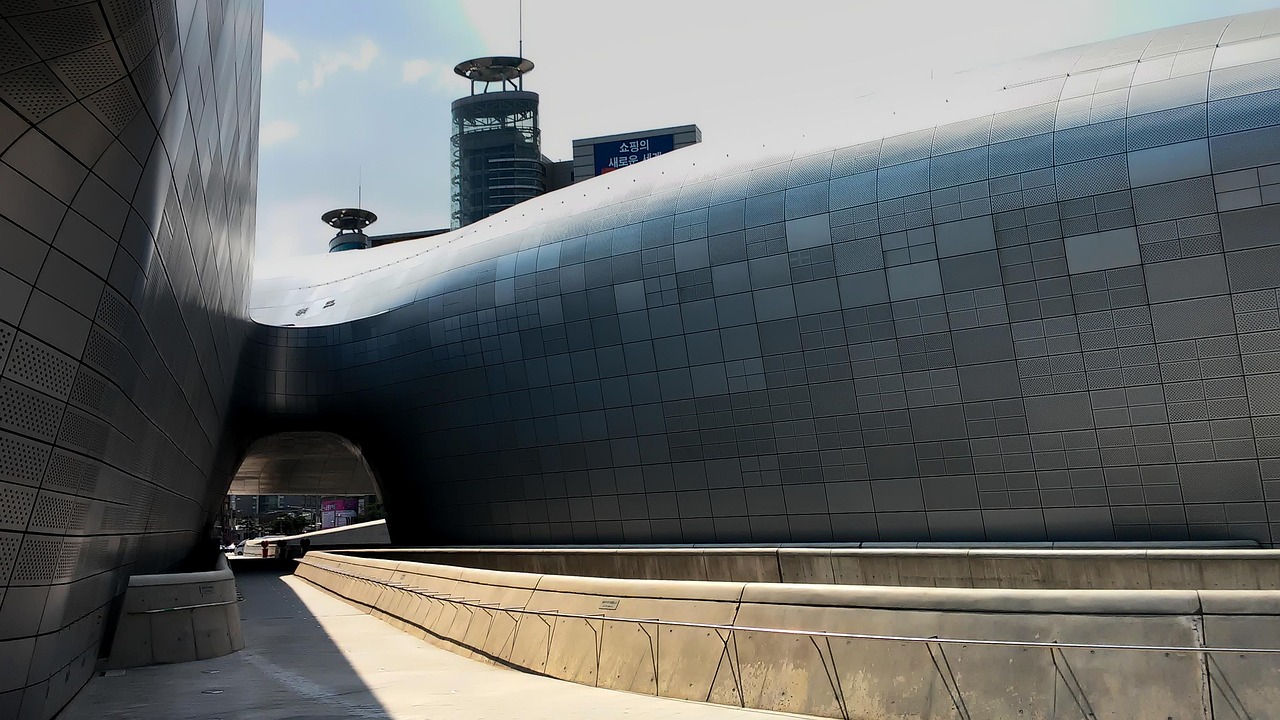
Start at Dongdaemun Design Plaza, where contemporary curves and exhibition spaces offer an air-conditioned reset before you drift into the night market atmosphere nearby. The pleasure here is contrast: cool interiors, then warm outdoor energy, then a late dessert or a beautifully brewed coffee. It’s also a smart way to manage temperatures and humidity—late starts, inside interludes, and short outdoor bursts.
Throughout the month, keep an eye on what’s happening locally—Seoul often layers pop-ups, music, and seasonal programming into its neighbourhoods. If you’re visiting late August, you may catch lantern installations along Cheonggyecheon Stream (exact dates vary year to year), turning a simple walk into a gentle, glowing celebration.
Shower-cooled evenings and Korean fine dining in Itaewon
One visitor told me about stepping into Korean fine dining in Itaewon just after a summer shower cooled the day. The shift was instant: streets steamed lightly, the air felt cleaner, and the meal became a small ritual of relief—beautiful plating, calm service, and a sense that the city was taking care of them. Moments like that are why I don’t see passing weather as “ruined plans”; with the right mindset, it adds texture.
For elevated shopping, focus on contemporary boutiques and concept cafés where the design is part of the experience. Seoul is impressively cashless, but it’s worth carrying a little card-friendly flexibility for markets; queues can be brisk, and hotel concierge support can smooth reservations and transfers so your evenings feel seamless.
- Best evening flow: DDP exhibition first, then markets, then a booked dinner.
- Comfort trick: keep a light layer for aggressively air-conditioned venues.
- Small luxury: let your hotel arrange pick-up so you arrive polished, even after a shower.
Seoul August Travel Tips for a Seamless High-End Stay in South Korea
For a high-comfort August stay, the goal is simple: create days that feel calm, curated, and quietly resilient. Seoul can be fast-moving, but with the right choices, you’ll travel with confidence—supported by excellent transport, thoughtful hotels, and a city that runs late into the night.
Travel Tips for a Seamless High End August Stay in Seoul South Korea
Subway, taxis, and moving around Seoul with ease
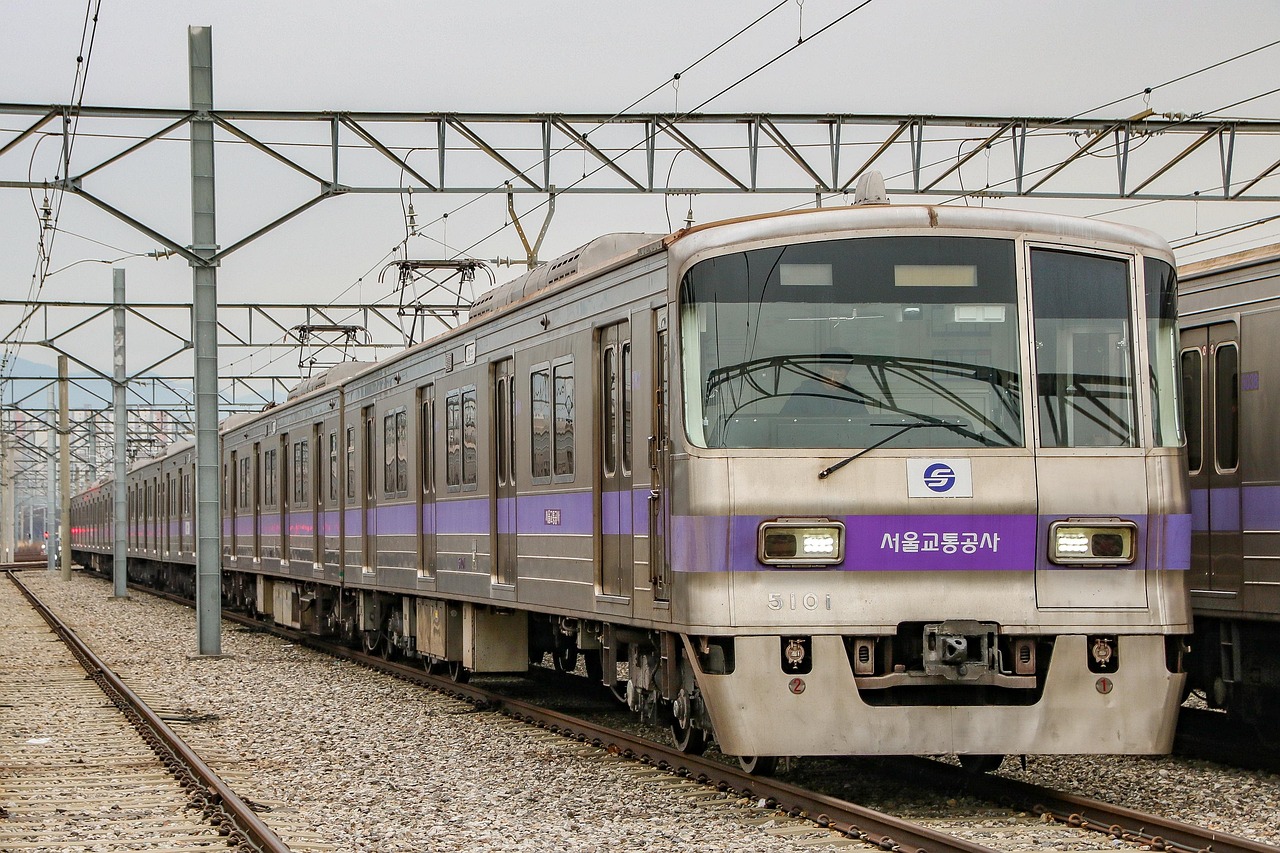
The subway is efficient, cool, and often the quickest way between major sights—especially when traffic thickens. Taxis are plentiful too; if you use them, politely ask the driver to use the meter, and keep your destination written in Korean if possible. For high-end travellers, a pre-arranged car makes the hottest part of the day feel like a private intermission rather than a test of patience.
For a little extra inspiration while planning, you can browse our Trip gallery and imagine how your own days might be designed—palaces early, galleries midday, skyline at night.
Packing for heat, humidity and polished comfort
Pack lightweight, breathable clothing that still feels elegant—linen, crisp cotton, and easy silhouettes that move with you. Bring an umbrella for sudden showers, and treat hydration like a routine rather than a reaction. If you’re sensitive to the sun, invest in a high-quality sunscreen and plan short indoor pauses; Seoul makes this easy with cafés, department stores, and museums.
- Daily essentials: umbrella, sunscreen, refillable water bottle, blotting papers, and comfortable footwear.
- Hotel comfort: request strong air-con, blackout curtains, and a quiet room away from lift banks.
- Health detail: check air quality on very hot days, particularly if you’re prone to sensitivity.
Heavy rainfall, typhoon advisories, and staying steady
On days of heavier rainfall, streets can turn slick, and you’ll want to slow your pace—especially on tiled palace paths and stairways. If you’re heading to steeper routes like Seoraksan National Park, take local guidance seriously; rare but real landslide risk can apply after heavy rain. Keep an eye on typhoon advisories, and let your hotel support you with route changes, dining reservations, or indoor alternative plans.
Where to stay during peak summer: neighbourhood choices depend on your style—Jung-gu for central convenience, Gangnam for sleek modernity, and areas near the Han River for a sense of space. Book well in advance; August demand is real, and the most crafted suites often disappear first.
Finally, a note on local customs: remove shoes when entering traditional homes, and speak softly in temples. Small choices like these show care, and that care is usually returned—many high-end tourists mention how local kindness helped them navigate busy markets and cultural sites, making Seoul feel welcoming rather than overwhelming.
F.A.Qs: Seoul and South Korea in August
Is August a good time to travel to South Korea?
Yes—August can be a wonderful time to visit South Korea if you plan around heat, humidity, and the possibility of monsoon weather. Seoul is hot and energetic, evenings are long, and many experiences run late. For comfort, start early, use air-conditioned stops at midday, and keep plans flexible in case of heavier downpours later in August.
What clothes should I wear in Korea in August?
Choose lightweight, breathable clothing such as linen or cotton, and prioritise comfort in humidity. Pack comfortable walking shoes, a compact umbrella for sudden showers, and a light layer for strongly air-conditioned restaurants and shopping centres. High-end travellers often prefer polished, loose silhouettes that stay elegant while keeping you cool.
How rainy is Seoul in August?
Seoul can see meaningful rainfall in August, often as short, heavy bursts rather than constant drizzle. Monsoon patterns are part of the Korean summer, and late August can feel wetter than early August. Checking an hourly outlook and planning alternatives helps you stay relaxed even on wet days.
Which month is the hottest in Seoul, Korea?
In Seoul, the hottest stretch is typically mid-to-late summer, and August often feels especially intense due to humidity. Daytime temperatures commonly sit in the upper 20s°C, and the “feels like” level can be higher. The most comfortable strategy is to sightsee early, rest in air-conditioning midday, and enjoy the city after sunset.
After Seoul: What the August Light Leaves Behind
For a Seoul August travel reflection, it’s rarely the headline moments that stay with you—though they matter. It’s the warm air after a shower, the way palace stones deepen in colour, and the hush of gardens at opening time before the city fully wakes. Even the humidity becomes part of the memory, because it teaches you to slow down, to take shade seriously, and to notice how the city cares for people in small, practical ways.
A frequent traveller once shared how a Han River cruise at sunset became their most personal scene: a soft breeze, a cooled drink, and the skyline turning on like a quiet performance. Seoul’s illuminated skyscrapers looked almost weightless against the water, and for a while, everything felt balanced—ancient history behind them, modern brilliance ahead, and a sense of being held safely in the middle.
Then there are the human details. A local vendor gestures to you to the right queue without impatience. A stranger offering a quick word of support when you look lost in a station. The small kindness of being guided, together, through a busy place—until it no longer feels like navigation, but belonging.
When you leave, you might not remember every temperature reading or every turn you took. You’ll remember softened light after a shower, the calm of a shaded path, and the steady confidence that comes from a thoughtfully designed journey. And somewhere in the back of your mind, Seoul will wait—ready to be rediscovered in another season, when the city tells the same story in a different voice.