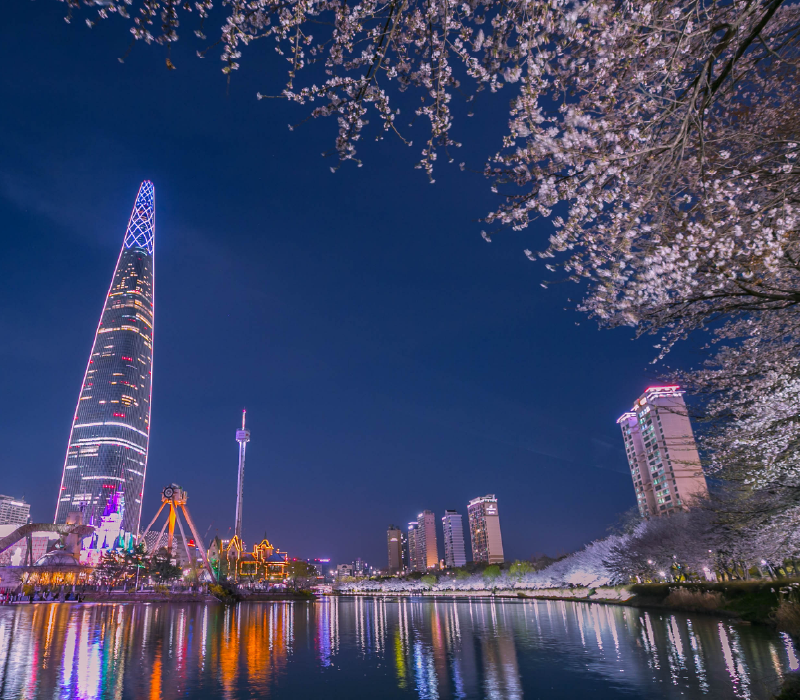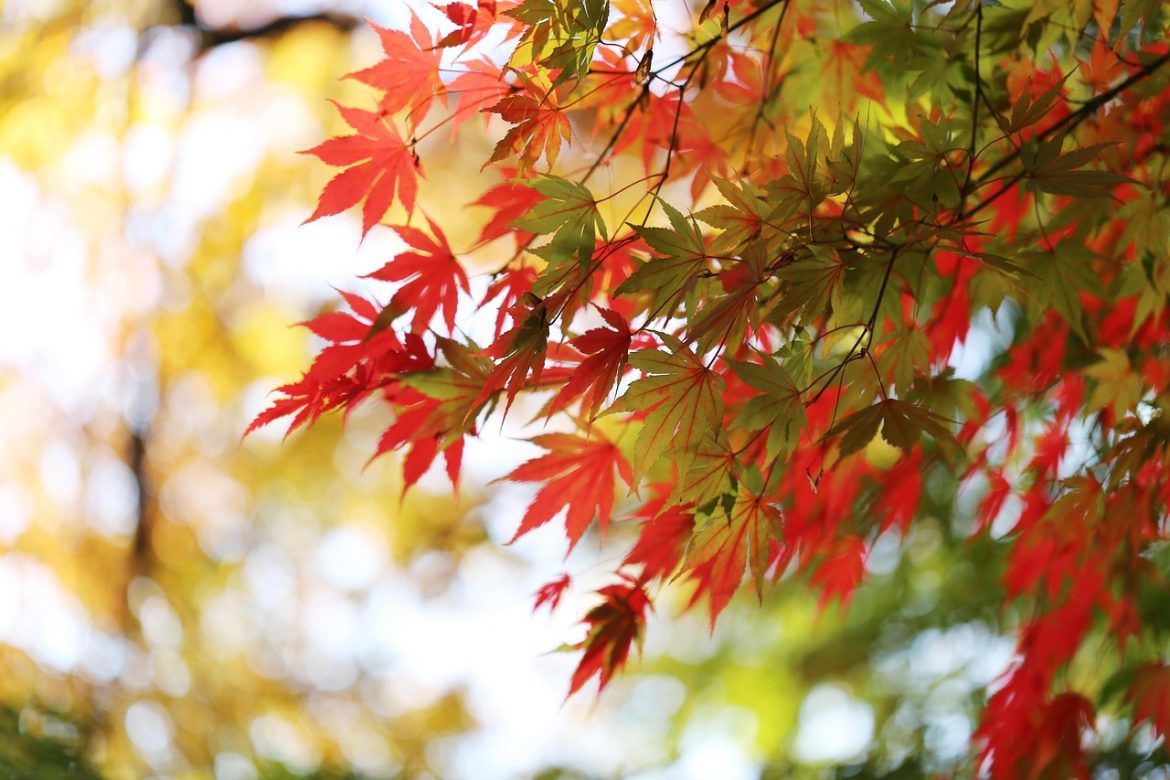
If you’re asking what season it is in Korea in November, you’re already close to one of South Korea’s most elegant travel windows. Korea in November is in late autumn, with cool temperatures, relatively dry weather and many clear days. Seoul weather in November averages 11.9°C (53°F) during the day and 3.5°C (38°F) at night, with around 51mm of precipitation across the month. Autumn foliage reaches its final peak in Seoul in early November, while colour lasts a little longer in parts of southern Korea.
The timing of your visit makes a difference. Early November offers golden ginkgo trees and red maples, while the final weeks are colder and better suited to city sightseeing. For couples and families interested in Korean culture, outdoor walks and private touring, November can be a rewarding time to discover South Korea.
Post Contents
- November at a glance
- Is November a good time to visit South Korea?
- Seoul weather in November
- Korea weather in November: Seoul vs Busan vs Jeju
- Where to see autumn leaves
- Festivals and events in Korea in November 2026
- Things to do in Seoul in November
- What to wear in Korea in November
- A 7-day November route: follow the leaves south
- November vs October vs December in Korea
- Korea in November FAQs
- Plan your private November trip to South Korea
November at a glance
| What to expect | November 2026 |
|---|---|
| Seoul temperatures | Average high 11.9°C (53°F); low 3.5°C (38°F) |
| Rainfall | 51.1mm; around nine days with precipitation |
| Daylight | Sunset at 5.34 pm on 1 November and 5.14 pm on 30 November |
| Autumn foliage | Seoul in early November; some southern areas remain colourful into mid-November |
| Crowds and prices | Busy at popular foliage spots early in the month; generally quieter later |
| Key events | Busan Fireworks Festival on 7 November; Pepero Day on 11 November; Suneung exam on 19 November |
Weather averages are based on the Korea Meteorological Administration’s 1991–2020 climate normals. Event details were checked in October 2026.
Is November a good time to visit South Korea?
Yes, November is a good time to visit South Korea, particularly if you enjoy cooler weather and sightseeing on foot. The first half of the month offers the last of the autumn foliage, while the second half is generally quieter. However, cold evenings and shorter daylight hours require some planning.
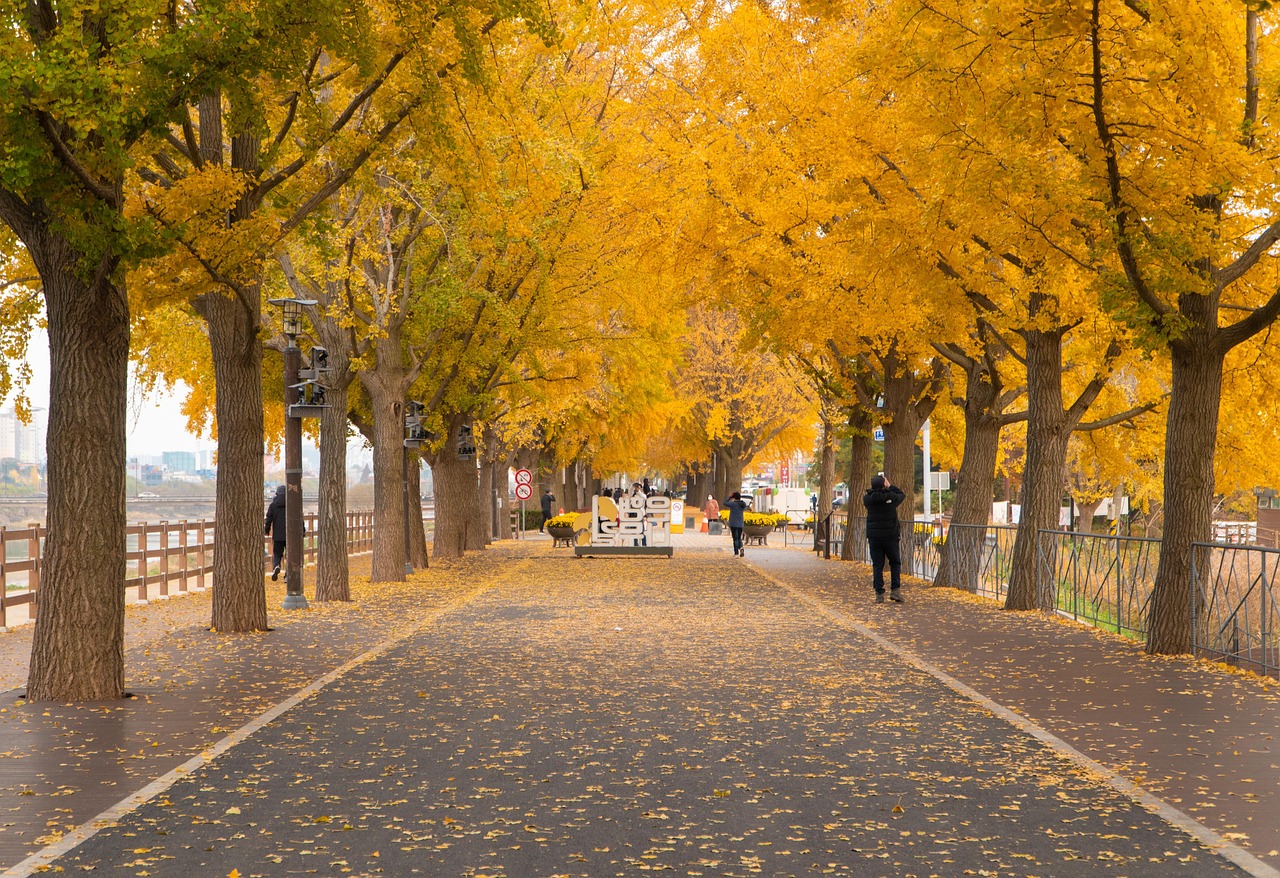
What season is it in Korea in November with late autumn colour in South Korea
There are several advantages to travelling in November:
- Clearer skies and lower rainfall than during the summer monsoon, making outdoor sightseeing easier to plan.
- Autumn colours in Seoul’s palace grounds and parks, followed by later foliage in southern regions.
- Fewer visitors at many popular attractions after the main autumn foliage period.
There are also trade-offs:
- Temperatures can approach freezing at night towards the end of November.
- Most mountain foliage has passed its peak by mid-November, especially in northern Korea.
Seoul in November is particularly suitable for travellers who want to combine palace visits with museums, traditional neighbourhoods and evenings in local restaurants.
For mountain scenery and autumn photography, choosing the right week is more important than simply choosing November.
Seoul weather in November
Seoul weather in November changes considerably from the beginning to the end of the month. An afternoon that feels comfortable in a light jacket during the first week can be much colder three weeks later.
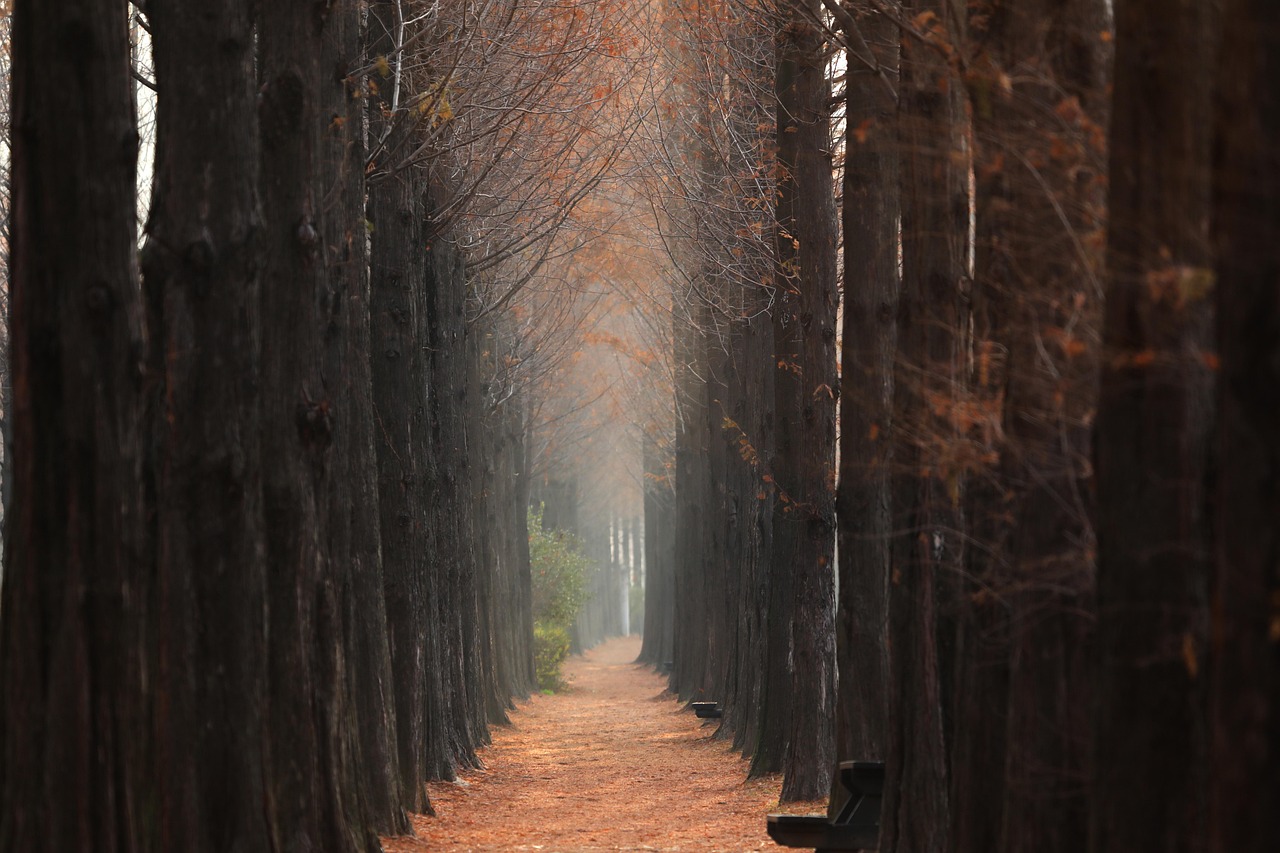
Korea weather in November in Seoul with a crisp morning skyline
According to the Korea Meteorological Administration, the city’s 1991–2020 November climate averages are:
- Average daily high: 11.9°C (53°F)
- Average daily low: 3.5°C (38°F)
- Average temperature: 7.5°C (46°F)
- Monthly precipitation: 51.1mm
- Average days with precipitation: 8.8
These figures describe historical conditions rather than the forecast for November 2026.
Early, mid and late November temperatures
| Weather | Early November (1–10) | Mid-November (11–20) | Late November (21–30) |
|---|---|---|---|
| Average high | 15.3°C (60°F) | 11.4°C (53°F) | 9°C (48°F) |
| Average low | 6.3°C (43°F) | 3.3°C (38°F) | 1.1°C (34°F) |
| What it feels like | Cool mornings, milder afternoons | Cold mornings and evenings | Winter-like mornings, especially in the wind |
| What to wear | Long sleeves, knitwear and a light coat | Warm layers and a wool coat | Padded jacket, warm base layers and gloves |
During early November, afternoon temperatures may be comfortable for walking around Gyeongbokgung Palace or exploring the gardens near Namsan. A light coat over knitwear is generally suitable.
By mid-November, mornings feel noticeably colder. You’ll probably want a scarf for an evening walk or dinner outdoors.
Late November calls for a warmer jacket, particularly if you’re visiting elevated viewpoints or spending several hours outside. Temperatures can fall below the historical average during cold spells.
Does it snow in Seoul in November?
Yes, snow sometimes falls in Seoul in November, particularly during the second half of the month. The Korea Meteorological Administration’s historical average date for Seoul’s first snow is around 20 November.
However, snowfall doesn’t guarantee a white city. Snow may melt quickly, and lasting snow cover is less common than during winter.
For a greater chance of seeing early snow, consider the mountains of Gangwon Province, where temperatures are lower than in central Seoul.
Rain, sunshine and air quality
November is relatively dry in Seoul, with an average of 51.1mm of precipitation and approximately 157 hours of sunshine during the month. Long periods of summer-style rain are uncommon.
Daylight becomes more limited as November progresses. Sunset moves from approximately 5.34 pm at the beginning of the month to 5.14 pm by the end.
Plan outdoor activities earlier in the day, particularly palace visits and photography.
Fine-dust pollution can also occur during late autumn. Check the air quality forecast before planning a long walk or hike, especially if you’re travelling with children or have respiratory sensitivities.
Korea weather in November: Seoul vs Busan vs Jeju
Korea weather in November varies considerably by region. Inland Seoul experiences colder mornings, while the southern coast and Jeju generally have milder conditions.
| Region | November temperatures | What to expect |
|---|---|---|
| Seoul | High 11.9°C (53°F); low 3.5°C (38°F) | Cool days and cold evenings |
| Gangwon Province | Regional high 11.2°C (52°F); low 0.7°C (33°F) | Colder mountain conditions and possible early snow |
| Gyeongju | Cool days and colder inland nights | Suitable for cultural sightseeing with warm layers |
| Busan | High 16.6°C (62°F); low 8.3°C (47°F) | Milder coastal weather; wind can make waterfront walks feel cooler |
| Jeju | High 16.4°C (62°F); low 10.4°C (51°F) | Milder nights, with more precipitation than Seoul |
These figures use KMA 1991–2020 monthly normals. Gangwon temperatures are regional averages, rather than readings from Seoraksan’s higher elevations. Conditions in Gyeongju vary locally, so check the forecast for your travel dates.
Busan’s milder temperatures make it a practical addition to a late-autumn itinerary. You can spend time along the coast without facing the colder evenings typical of northern Korea, although a windproof jacket is useful.
For a more detailed packing guide, see our article on Busan weather in November.
Jeju offers a different experience, with volcanic scenery, coastal drives and opportunities for slower days. The island also receives more rain than Seoul in November, so keeping some flexibility in your plans is sensible.
Where to see autumn leaves
The most useful approach to Korea’s autumn foliage in November is to follow the colour south.
Autumn begins earlier in Korea’s northern mountains, then moves south to the southern provinces. By the time November arrives, famous mountain locations such as Seoraksan have generally passed their peak.
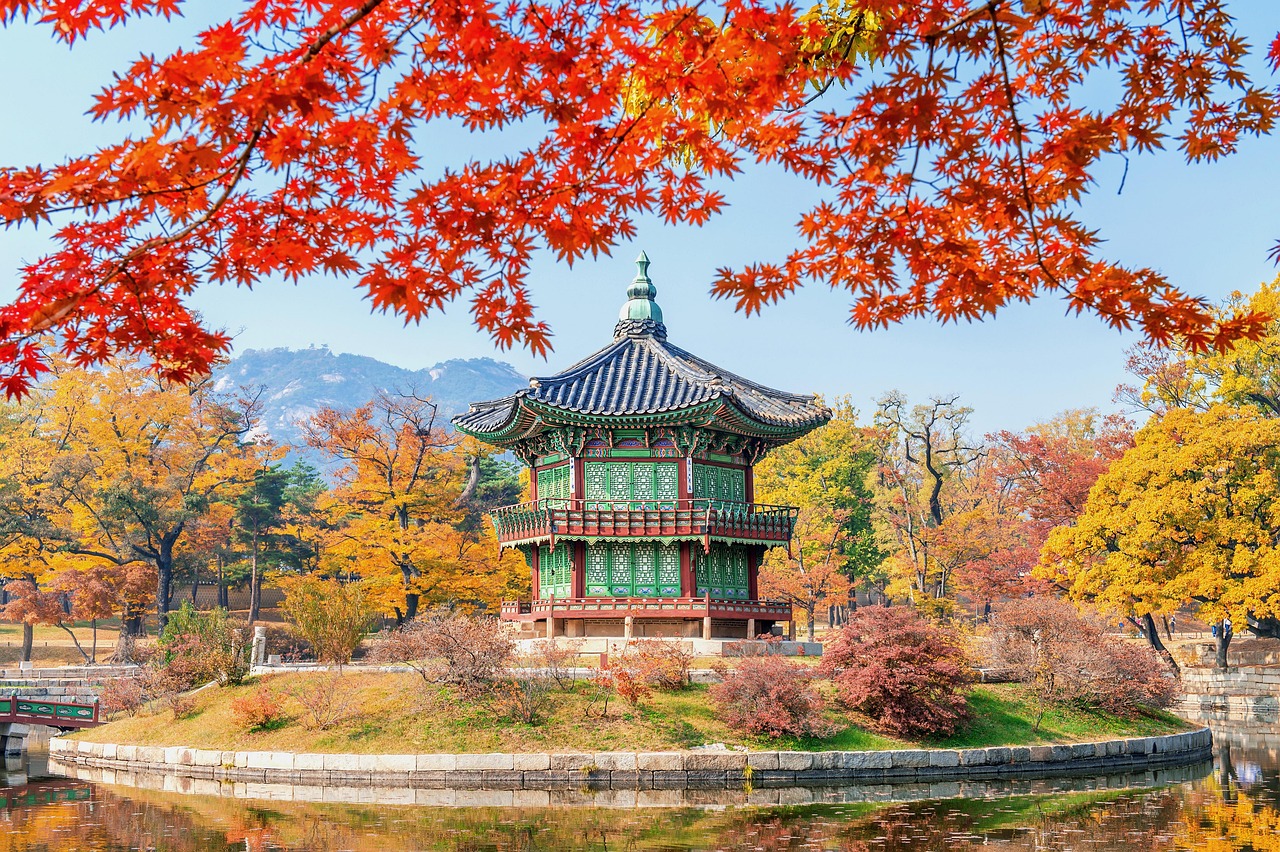
Autumn foliage escapes from Nami Island to Seoraksan in Gangwon-do province
For visitors hoping to see autumn’s vibrant foliage, the first week of November offers the strongest opportunities. Seoul’s palace grounds and parks may still have colourful trees, while parts of Jeolla and Jeju remain in their autumn season.
The Korea Forest Service’s 2026 foliage forecast places the peak of maple colour at Seoraksan around 20 October, Naejangsan around 4 November and Hallasan around 6 November.
These are forecast dates rather than guarantees. They refer to the Forest Service’s definition of peak colour, when approximately half the leaves of the relevant tree species have changed.
Where to find November foliage
| Location | Region | Typical foliage timing | Suitable for |
|---|---|---|---|
| Gyeongbokgung Palace, Namsan and Seoul Forest | Seoul | Late October to early November, with some colour lasting longer | City sightseeing and photography |
| Nami Island | Gangwon | Late October to early November | Day trips from Seoul |
| Bulguksa Temple and Gyeongju | North Gyeongsang | Early November, depending on weather | Temple visits and cultural sightseeing |
| Naejangsan National Park | North Jeolla | Around 4 November in the 2026 KFS maple forecast | Maple forests and walking trails |
| Beomeosa Temple | Busan | Early to mid-November in a typical year | Combining coastal travel with autumn scenery |
| Hallasan | Jeju | Around 6 November in the 2026 KFS maple forecast | Mountain scenery and an island extension |
Dates for individual city parks and temples vary. The Korea Forest Service has not issued a separate 2026 peak date for every location in this table.
Seoul’s palace gardens and ginkgo trees
In early November, look for the yellow ginkgo trees around Gyeongbokgung Palace and the changing leaves in Seoul Forest.
Namsan also provides views across Seoul, with walking routes through wooded areas below N Seoul Tower.
The first week is generally more promising for foliage photography than the final week. Wind and rain can bring down leaves quickly once the trees have changed colour.
Gyeongbokgung Palace is open from 9 am to 5 pm during November, with last admission one hour before closing. It is normally closed on Tuesdays.
Adult admission is KRW 3,000, with free entry available for visitors wearing qualifying traditional Korean clothing.
Nami Island and Gyeongju
Nami Island is a popular day-trip destination from Seoul, known for its tree-lined walking paths.
Its ginkgo and metasequoia avenues generally change colour before or around the beginning of November. If the island is a priority, plan to visit early in the month rather than relying on leaves remaining in late November.
Gyeongju is another option for travellers heading south. Bulguksa Temple provides an opportunity to combine autumn scenery with a visit to one of Korea’s historic Buddhist temple complexes.
You can reach Gyeongju by rail from Seoul, making it a practical next stop on a longer journey.
Naejangsan and the southern foliage
Naejangsan National Park is one of the places to consider during the first week of November.
The Korea Forest Service forecasts the park’s 2026 maple peak for approximately 4 November. Its maple-lined walking routes can be crowded during the busiest foliage days, particularly at weekends.
If Naejangsan is central to your trip, consider staying nearby rather than treating it as a rushed excursion from Seoul.
Travellers who prefer a private itinerary can arrange a driver and build a flexible day around the changing weather and foliage conditions.
Is Seoraksan worth visiting in November?
Seoraksan remains an option for mountain scenery in November, but its autumn foliage usually peaks earlier.
The 2026 Korea Forest Service forecast places Seoraksan’s maple peak around 20 October. By November, many of the colourful leaves at higher elevations will already have fallen.
A visit can still include granite mountain views, short walking routes and the Seoraksan cable car, subject to operating conditions.
Higher trails may be cold, windy or affected by early snow. Check national park notices before setting out.
For a more comfortable foliage trip in Korea in November:
- Choose weekdays instead of the busiest autumn weekends.
- Start excursions to Nami Island or Naejangsan early, ideally before 8 am.
- Consider a private driver when travelling with family or combining locations that require several transfers.
Festivals and events in Korea in November 2026
November brings cultural performances and seasonal celebrations across Korea. It is also the period when Korean households traditionally prepare kimchi for winter, a practice known as kimjang.
Several events have confirmed dates for 2026, while others still require an official announcement.
| Event | 2026 dates | Location | Status |
|---|---|---|---|
| Seoul Autumn Festa | 18 September–29 November | Venues across Seoul | Confirmed |
| Busan Fireworks Festival | 7 November | Gwangalli Beach and surrounding areas | Confirmed |
| Pepero Day | 11 November | Nationwide | Fixed annual date |
| Suneung college entrance exam | 19 November | Nationwide | Confirmed |
| Seoul Kimchi Festival | No 2026 dates announced | Previously held at Seoul Plaza | TBC |
| Seoul Lantern Festival | December; exact dates not announced | Cheonggyecheon Stream | December programme, TBC |
Seoul Autumn Festa
Seoul Autumn Festa runs until 29 November 2026, bringing performing arts programmes to venues across the city.
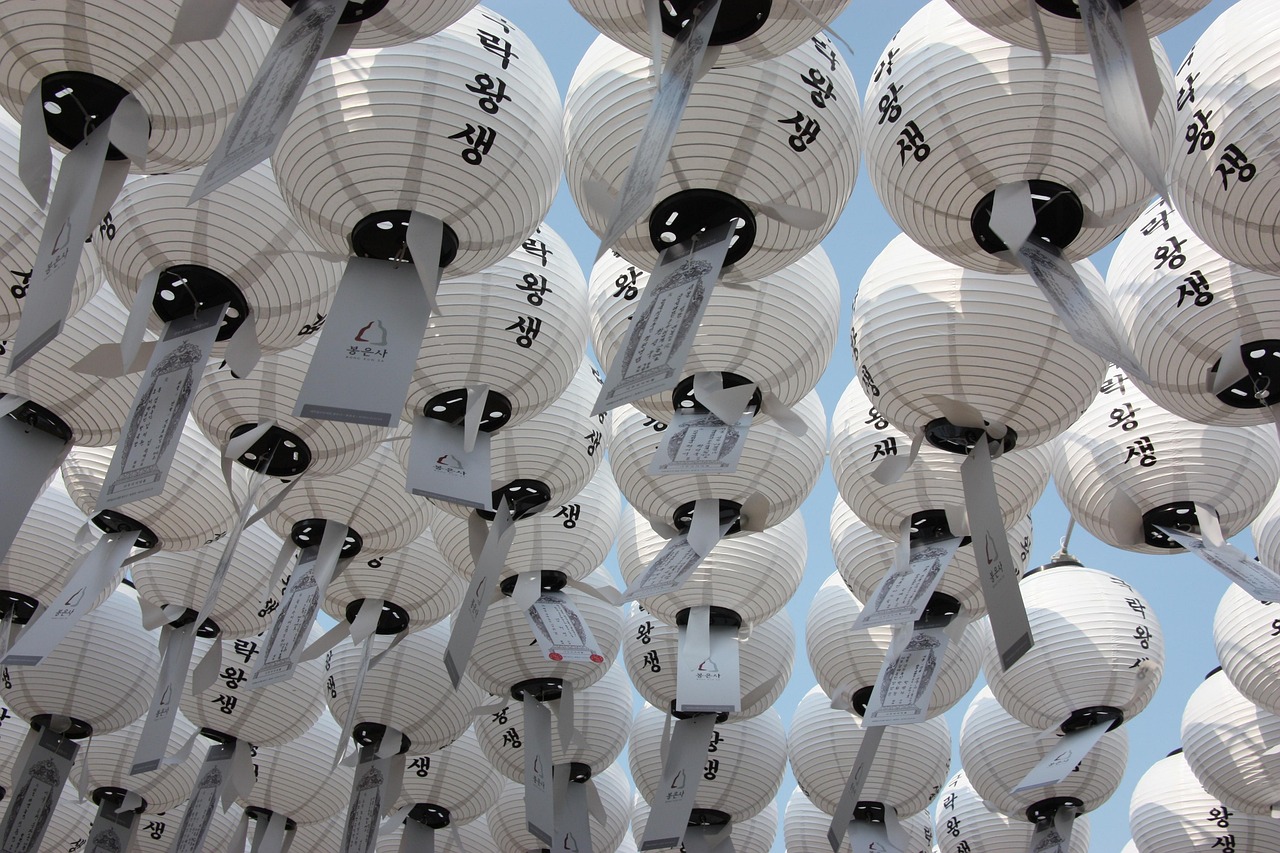
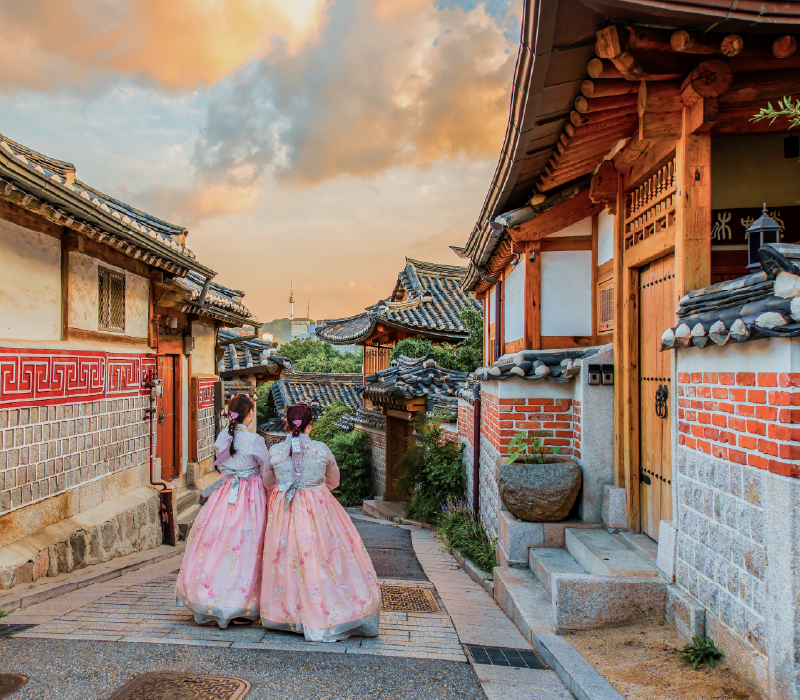
Seoul in autumn culture with Bukchon Hanok Village and lantern light
Its programme includes activities in established performance districts such as Daehangno. Check the Seoul Metropolitan Government’s cultural calendar for individual performances, venues and ticket information.
Busan Fireworks Festival
The Busan Fireworks Festival takes place on 7 November 2026, with displays centred on Gwangalli Beach.
This is a major event on Busan’s calendar, so allow for large crowds and transport delays around the waterfront. Reserved seating is available through official ticket channels.
Check the festival website for booking information.
Pepero Day and kimjang season
On 11 November, shops across Korea sell Pepero, chocolate-coated biscuit sticks often exchanged as small gifts.
November is also the traditional season for making kimchi for winter. Travellers interested in Korean food can look for cooking workshops or seasonal food programmes.
Seoul has hosted kimchi-making festivals in previous years, but the 2026 dates for the Seoul Kimchi Festival have not been confirmed.
Suneung exam day: 19 November
South Korea’s national college entrance exam, Suneung, will take place on Thursday 19 November 2026.
Morning traffic patterns change as students travel to examination centres. Aircraft movements are also restricted during the English listening examination, with exact operating arrangements announced closer to the date.
If you’re flying or arranging a long transfer that day, allow additional flexibility.
What about the Seoul Lantern Festival?
The Seoul Lantern Festival was previously associated with November, but Seoul’s official 2026 festival calendar now lists it as a December event.
Visitors travelling exclusively in November should not plan around the lantern displays at Cheonggyecheon Stream.
Check the official Seoul festival calendar for the final 2026 dates.
Event information updated October 2026. Always confirm the final schedule with the organiser before booking travel around a specific festival.
Things to do in Seoul in November
Seoul in November offers opportunities to explore the city’s historical neighbourhoods and indoor cultural attractions without the heat and humidity of summer.
Visiting Bukchon Hanok Village respectfully
Bukchon Hanok Village contains traditional Korean houses, known as hanok, along residential streets between Seoul’s royal palaces.
Visitors should remember that people live in these homes.
In the designated residential red zone around Bukchon-ro 11-gil, tourist visits are permitted only between 10 am and 5 pm. Visiting outside those hours can result in a KRW 100,000 fine.
Keep voices low, avoid blocking residential entrances and do not photograph inside private homes.
The Seoul Metropolitan Government provides details of the restricted areas.
Early evenings and winter street food
November evenings arrive quickly, making an early dinner a practical choice after a day outside.
Myeongdong’s shopping streets offer opportunities to try seasonal snacks such as roasted chestnuts and hotteok, Korean pancakes with sweet fillings.
For a walk after dinner, consider the illuminated streets around central Seoul or the Cheonggyecheon area.
Remember that the official Seoul Lantern Festival is scheduled for December rather than November 2026.
Warm-up ideas for cold days
A traditional Korean jjimjilbang, or heated bathhouse and sauna complex, is an indoor option when temperatures fall.
You can also spend time at the royal palaces while wearing hanbok. Visitors who meet the official clothing requirements are eligible for free palace admission.
For a slower afternoon, consider the tea houses and craft shops around Insadong.
These indoor activities can also provide flexibility if November brings an unexpectedly cold or wet day.
What to wear in Korea in November
What to wear in Korea in November depends on your travel dates and whether you’re visiting cities or mountains.
The easiest approach is to pack layers that can be removed indoors and added again before an evening walk.
Early November packing checklist
- Long-sleeved shirts and lightweight knitwear
- A trench coat, wool jacket or similar outer layer
- Comfortable walking shoes with good grip
- A scarf for cool mornings
- A compact umbrella for occasional rain
Late November packing checklist
- A padded coat or warm wool coat
- Thermal base layers for longer outdoor days
- Knitwear or a fleece mid-layer
- Gloves and a warm scarf
- Weather-resistant walking shoes
If you’re visiting Seoraksan or other mountain areas, bring additional warm clothing and check the forecast before hiking.
For city stays, choose footwear that remains comfortable on steps, stone paths and long walks between attractions.
A 7-day November route: follow the leaves south
A seven-day itinerary can begin in Seoul and gradually move south, following the areas where autumn foliage may remain later in the season.
This route is most suitable for travel during the first half of November. By the final week, the same itinerary works better as a cultural adventure than a foliage-focused trip.
Days 1–3: Seoul
Start with three days in Seoul.
Visit Gyeongbokgung Palace, explore Insadong and spend time in the city’s parks while the early-November leaves remain.
Nami Island can be added as a day trip if the foliage forecast is favourable.
Keep one afternoon flexible for a museum or traditional tea house if the weather changes.
Day 4: Gyeongju
Travel south to Gyeongju by KTX and local transfer.
Visit Bulguksa Temple and explore the city’s historic areas. Allow enough time to visit the temple grounds without rushing between attractions.
Days 5–6: Naejangsan or Busan
Choose the next stop according to your travel dates and interests.
For an early-November foliage trip, Naejangsan is an option, with its maple peak forecast around 4 November.
However, travelling there from Gyeongju requires a substantial detour. It is more practical to place Naejangsan between Seoul and Gyeongju if autumn leaves are your main priority.
For a simpler southbound journey, continue to Busan. Visit the Beomeosa Temple area and spend time along the coast.
If you’re travelling on 7 November, consider the Busan Fireworks Festival, with accommodation and transport arranged in advance.
Day 7: Departure or Jeju extension
Finish your trip in Busan, departing from Gimhae International Airport if suitable flights are available.
If you have more time, add two nights on Jeju. The island offers coastal drives and walking routes, with milder nights than Seoul.
Hallasan’s 2026 maple peak is forecast for around 6 November, making the beginning of the month more suitable for an autumn-focused visit.
November vs October vs December in Korea
The best month for your trip depends on whether you prioritise warmer weather, autumn foliage or winter activities.
| Month | Weather | Foliage | Crowds | Best for |
|---|---|---|---|---|
| October | Milder autumn weather | Peak season for northern mountains and many forests | Busy during popular foliage weekends | Hiking and autumn scenery |
| November | Cool, becoming colder towards December | Early-month colour in Seoul and southern Korea | Often quieter after the first week | City sightseeing and late autumn travel |
| December | Cold winter conditions | Most leaves have fallen | Busy around major holiday attractions | Winter experiences and seasonal lights |
Choose October if mountain foliage is your main reason for visiting Korea.
November is a useful compromise for travellers who prefer cooler days and want to combine Seoul with southern destinations.
December is more suitable if you want winter festivals and the possibility of snow.
For a broader comparison, read our guide to the best time to visit Seoul and South Korea by season, or explore our articles on Korea in October and Korea in January.
Korea in November FAQs
Is it cold in Korea in November?
Yes, especially towards the end of the month. Seoul’s average November high is 11.9°C (53°F), while the average low is 3.5°C (38°F).
Early November is usually comfortable with layers, but late-November mornings can approach freezing. Busan and Jeju are generally milder, particularly at night.
Does it snow in Korea in November?
Snow is possible in November, especially in Seoul and the northern mountains. Seoul’s historical average first-snow date is around 20 November, although the timing changes from year to year.
Snow is more likely at higher elevations in Gangwon Province. If you’re hoping for settled snow, December or January generally offers better opportunities.
Is November peak season in Korea?
Early November can be busy at popular foliage destinations, particularly on weekends when autumn colours remain.
Visitor numbers generally ease later in the month, although major events can increase demand in specific cities.
Accommodation prices vary by destination and event date. Compare rates for your travel week rather than assuming November is uniformly cheaper.
What is the 3-day rule in Korea?
The term often refers to the submission window for South Korea’s electronic arrival card.
Travellers who need an e-Arrival card can complete the form within three days before entering the country. The process is free through the official e-Arrival card website.
This is an entry-declaration rule, not a three-day limit on your stay.
Plan your private November trip to South Korea
November offers an opportunity to explore Seoul’s historical districts before continuing south for the final autumn colours. Choosing the right dates and route can make a difference, particularly if foliage or seasonal events are central to your plans.
Designer Journeys’ Local Designers can help you create a private itinerary around your interests, travel dates and preferred pace.
Explore our customisable trips:
Or design your own private South Korea journey with a Local Designer.