Post Contents
- Designing Your Arrival and First Day in Venice
- Piazza San Marco Icons and the Best Things to See
- Canal Elegance on the Grand Canal and a Sunset Gondola
- Murano Craft and Uncovering the Lagoon’s Creative Soul
- Eat in Venice and an Evening at Teatro La Fenice
- What Stays With You After Venice
- F.A.Qs: Things to do in venice italy
Designing Your Arrival and First Day in Venice
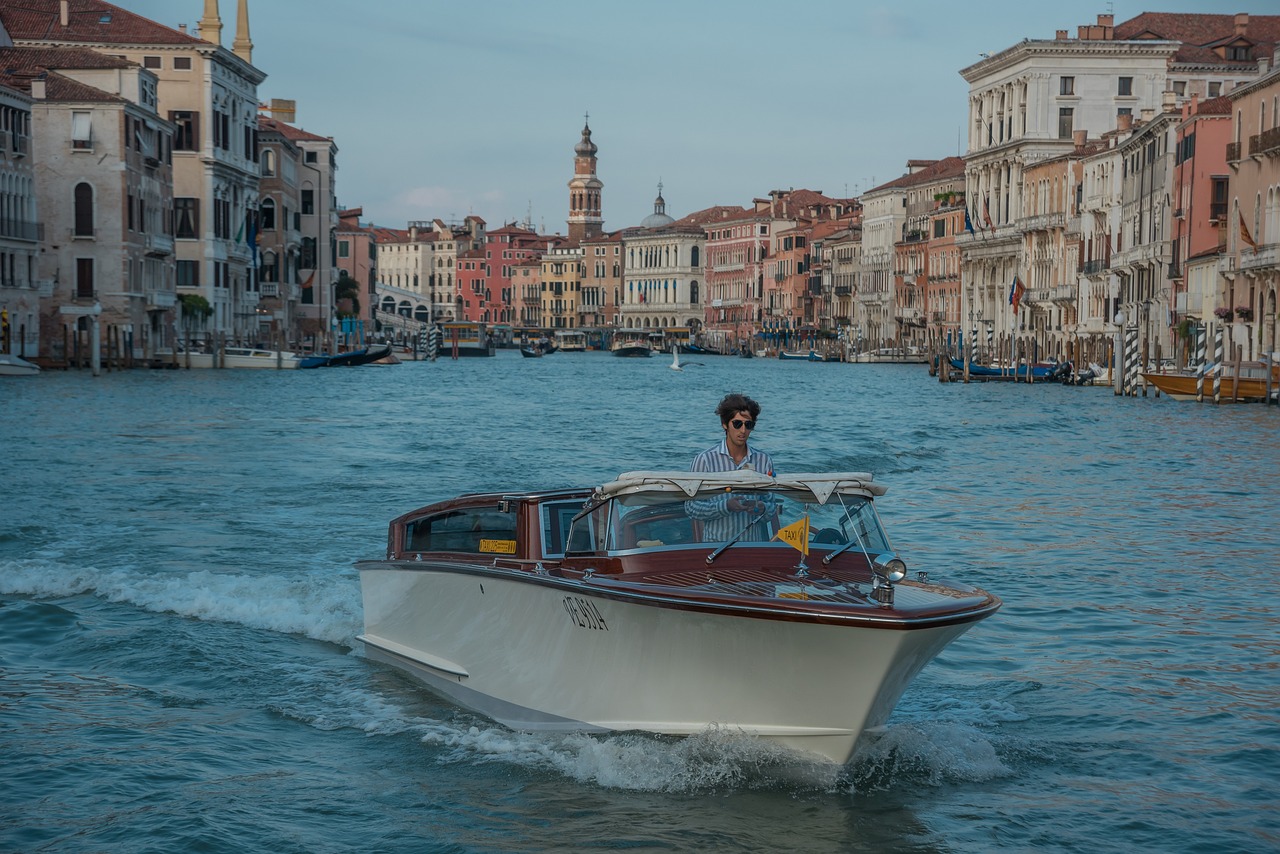
Designing Your Arrival and First Day in Venice with a private water taxi on a quiet canal
To get to Venice, Italy, with a luxury arrival, nothing feels more seamless than a private water taxi from Venice Marco Polo Airport—your first real taste of the canal city before you even reach your hotel. The ride from Venice airport glides across the lagoon, and the skyline of domes and bell towers in Italy appears almost theatrically, as if the city is being revealed for you alone. This is where Venice is one of the most beautiful entrances in Europe: water, light, and a gentle sense that you’re already on holiday.
Get to Venice by water with confidence
After landing, a meet-and-greet service can support you from arrivals to the pier, handling luggage so you can simply breathe and take in Venice from the water. If your hotel has a private dock (many palazzi and boutique stays do), your driver can bring you right to the door—no dragging cases across bridges and no guessing which ponte to cross first. Venice proper is car-free, and that’s part of its charm: the city of Venice is designed for walking, boats, and unhurried discovery.
For travellers who prefer a lighter start, you can also take a vaporetto from the airport area or Piazzale Roma, but after a flight, the private boat option offers a calm, crafted welcome. If you’ve ever wondered whether to go to Venice when you like ease and comfort, this is the answer: plan your arrival well, and the whole stay feels reassuring.
A gentle first itinerary along the Grand Canal
If you’re in Venice for a short time, resist the urge to rush. A beautifully simple first plan is a vaporetto journey along the Grand Canal to orient yourself: palazzos, stone facades, and small, everyday moments playing out at the water’s edge. It’s a soft “hello” to the heart of Venice, and it helps you understand how the city connects before you step into the lanes.
From the boat, you’ll see Venice as Venetians have always seen it—by water—then arrive at your hotel with an easy, elegant sense of place. If you’re staying centrally, you can settle in, freshen up, and take a short stroll to a nearby square in Venice for an early aperitivo, letting the city come to you.
Practical booking guidance for high-end travellers can make your first day in Venice feel effortless:
- Booking private transfers and key experiences 30 days in advance is wise for April–June and September–October, when demand is high.
- Ask your hotel to arrange porters if your route includes multiple bridges; it’s a small detail that protects your energy.
- Choose a boutique hotel or a historic palazzo in Venice, close to the main attractions, so you can slip out early and return for rest.
- To sidestep day trippers, begin earlier, pause during the busiest afternoon hours, and savour evenings when the lanes soften again.
If you’re pairing Venice with a longer week in Italy itinerary through northern Italy, an expert planner can also sequence trains, private drivers, and boat transfers so your time in Italy feels cohesive. For inspiration, browse our Trip gallery and imagine how each detail could be designed around you.




Piazza San Marco Icons and the Best Things to See
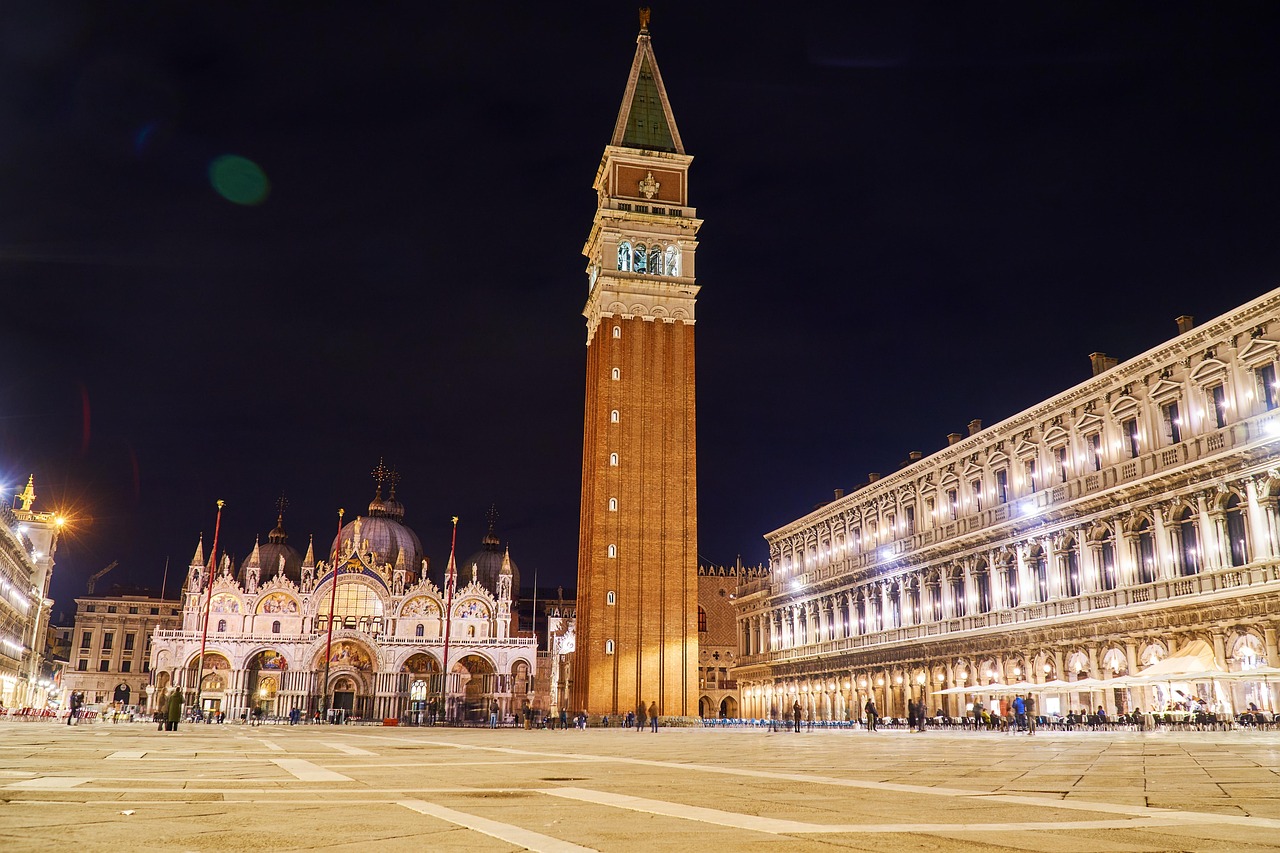
Piazza San Marco Icons and the Best Things to See at St Mark’s Basilica and Doge’s Palace
When travellers ask for the most iconic things to do in Venice, Piazza San Marco is the classic starting point—and the secret is timing. Arrive early in the morning, and the square feels like a held breath: arcades still quiet, the basilica catching first light, and only a few footsteps crossing the stone. Venice without the midday noise reveals its true elegance, and you can explore with calm confidence.
A quick, caring note: local regulations ask visitors to avoid touching or feeding pigeons in this part of the city. It’s not about scolding—it’s about preservation, cleanliness, and ensuring this symbol of Venice stays beautiful for everyone.
St Mark’s Basilica visit strategy for a refined experience
For St Mark’s Basilica, dress elegantly yet comfortably: shoulders and knees covered, shoes you can walk in, and a light layer for cool interiors. The basilica rewards a slower pace—gold mosaics, shadowed corners, and the sense that devotion and craftsmanship were always meant to be experienced, not hurried.
Consider a guided entry to avoid queues and to reveal the story behind the basilica complex with insight. It’s also the most reassuring way to experience a church in Venice: respectful context, clear etiquette, and a gentle flow through the spaces.
Doge’s Palace, the Republic of Venice, and the Bridge of Sighs
Next door, Doge’s Palace brings the history of Venice to life with political theatre and Venetian Gothic detail—filigree stonework, grand staircases, and rooms that once shaped a maritime empire. You’ll hear about the Republic of Venice, a city-state built on trade, diplomacy, and a fierce belief in its own destiny; suddenly, the decorative choices feel like statements of power.
The Bridge of Sighs is more than a photo stop: pause, let your eyes adjust, and frame the cityscape with intention. If you want that classic moment, step slightly aside, take your time, and let others pass—your photograph will feel unforced. For a higher perspective, add the Bell Tower (Campanile). From the bell tower, the views of Venice stretch across rooftops and water, and it’s one of the most beautiful ways to understand how each part of Venice fits together.
Canal Elegance on the Grand Canal and a Sunset Gondola
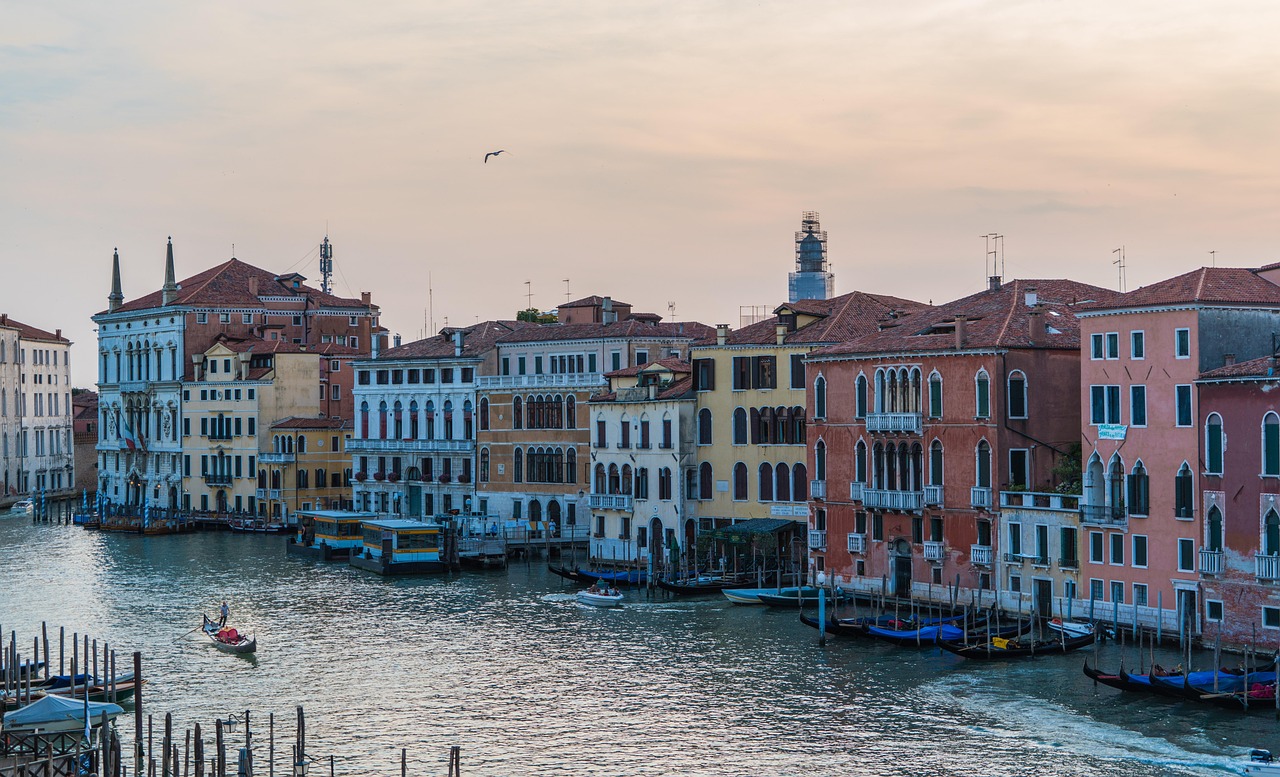
Canal Elegance on the Grand Canal with a sunset gondola ride near Rialto Bridge
For many high-end travellers, a Grand Canal Venice gondola ride at sunset is the dream—romantic, cinematic, and surprisingly calming when designed well. A private gondola experience typically includes your gondolier, a set duration, and a route that can favour smaller waterways or busier viewpoints. To plan with confidence, expect a private gondola ride to range from roughly €150–€300 depending on timing, duration, and whether you request specific stretches of canal.
Sunset gondola routes and what to book
Routes matter. Some focus on intimate back canals where palazzos feel close enough to touch; others weave out for a dramatic sweep with the Grand Canal behind you. If your priority is atmosphere over spectacle, ask to begin on quieter waterways and end with a short reveal of the Grand Canal as the light turns rose-gold.
One traveller once shared how a serene dawn gondola transformed their entire trip—Venice without crowds, just the sound of water against wood and the occasional echo beneath a ponte. That quiet version of the city felt “more real,” they said, as if Venice was letting them in before the day began.
Grand Canal highlights by boat from Rialto Bridge to Salute
Whether by private boat or vaporetto, the Grand Canal is the city’s living gallery. The Rialto Bridge—often described as the oldest bridge in Venice in spirit, even as earlier versions existed in wood—remains the great stage set, busy and beautiful. Pause for photographs from the water if you can: it’s the most flattering angle and keeps the experience seamless.
As you glide past palazzos, look for subtle differences in stonework and window shapes—Venetian design is a language of status, taste, and maritime wealth. If you’re tempted by a small, personal detour, this is also a lovely moment to note a bookstore in Venice like Libreria Acqua Alta for another day; it’s whimsical, local, and deeply photogenic.
Near Santa Maria della Salute, the view opens into a wider basin, and the city feels like it’s floating. This is a natural photo stop—unhurried, with space to breathe—and an ideal place to simply watch the canal traffic move like a choreographed dance.
To close the afternoon, consider a rooftop aperitivo. One high-end traveller described their favourite memory as a sunset toast on a terrace overlooking the Grand Canal: the water shifting colour, gondolas threading through light, and the sense of being held inside the city’s romance. For the best view, book ahead and arrive 20–30 minutes before the golden hour—enough time to settle in, order with care, and let the moment unfold naturally.
Murano Craft and Uncovering the Lagoon’s Creative Soul
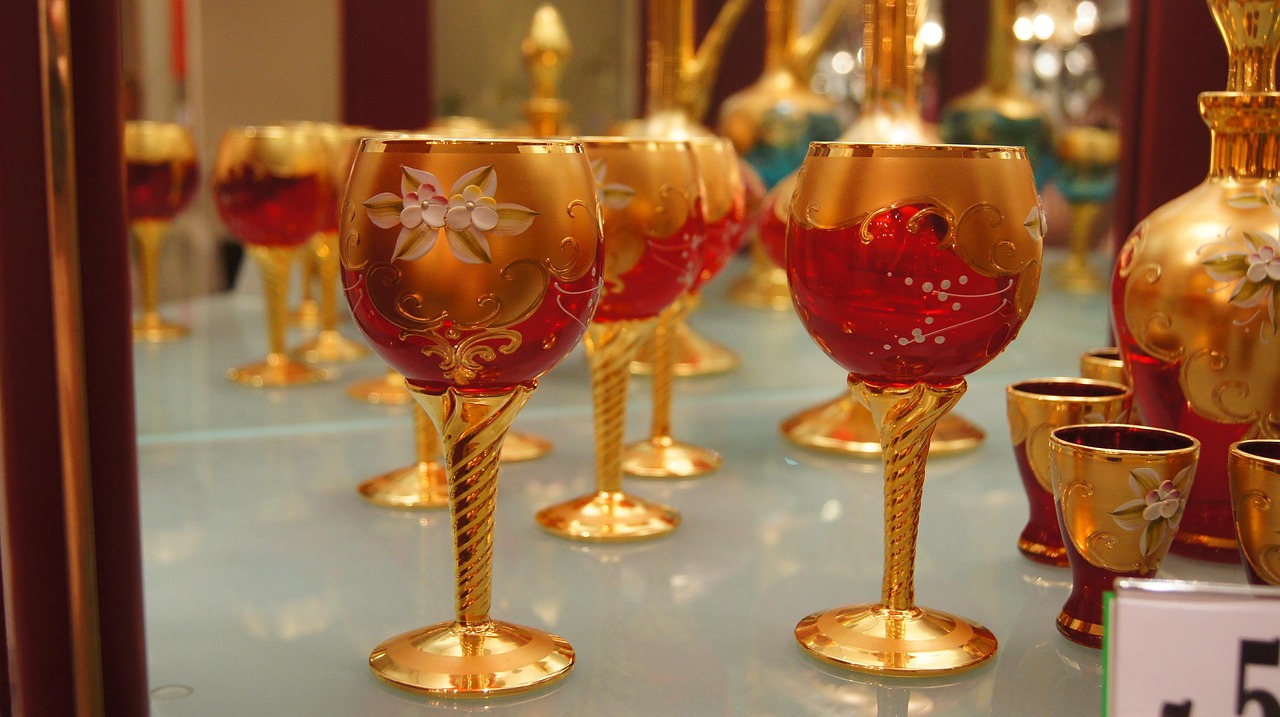
Murano Craft and Uncovering the Lagoon’s Creative Soul with a Murano glassmaking masterclass
A Murano, Italy glassmaking tour is one of the most rewarding things for travellers who love craft, design, and heritage. On Murano, you can arrange exclusive visits to studios and even a private masterclass—an intimate way to discover how technique, heat, and breath become something luminous. The island is close, yet it feels like a distinct part of Venice: quieter, more focused, and proudly creative.
Murano glass studios with ethical buying and expert insight
An art lover once reminisced about a private viewing where artisans shaped molten glass with astonishing calm. What stayed with them wasn’t only the finished object, but the skill: the timing, the tools, the tradition passed through generations. If you want to buy with trust, ask a few gentle questions—where the piece was made, whether it’s signed, and what techniques were used—so your purchase feels personal and ethically grounded.
Look for consistency in quality: clean joins, balanced weight, and colours that feel deliberate rather than loud. Reputable studios will welcome curiosity, share insight, and provide certification if relevant. This is the difference between a tourist trinket and a crafted object you’ll treasure for years.
San Giorgio Maggiore as a calm lagoon pairing
To broaden your day around Venice, pair Murano with a short private boat crossing to San Giorgio Maggiore. The church is a serene counterpoint to the bustle near Piazza San Marco, and the open space outside offers views over Venice that feel both grand and restful. If you visit the bell tower area here, the city’s geometry becomes clear—domes, waterlines, and the Grand Canal threading through it all.
This pairing is also a gentle reminder that the lagoon is not a backdrop; it’s the city’s lifeblood. Even a short pause on the water between islands can reset your energy, so your time in Venice stays joyful rather than rushed.
Practicalities for luxury travellers keep the experience seamless:
- Booking a private boat offers comfort and control over timing; a vaporetto is excellent if you’re happy to travel like a local and keep it simple.
- Visit Murano earlier or later in the day to avoid the busiest tour groups and enjoy more meaningful studio time.
- Keep purchases secure and ask your hotel about insured shipping—peace of mind is part of luxury.
Eat in Venice and an Evening at Teatro La Fenice
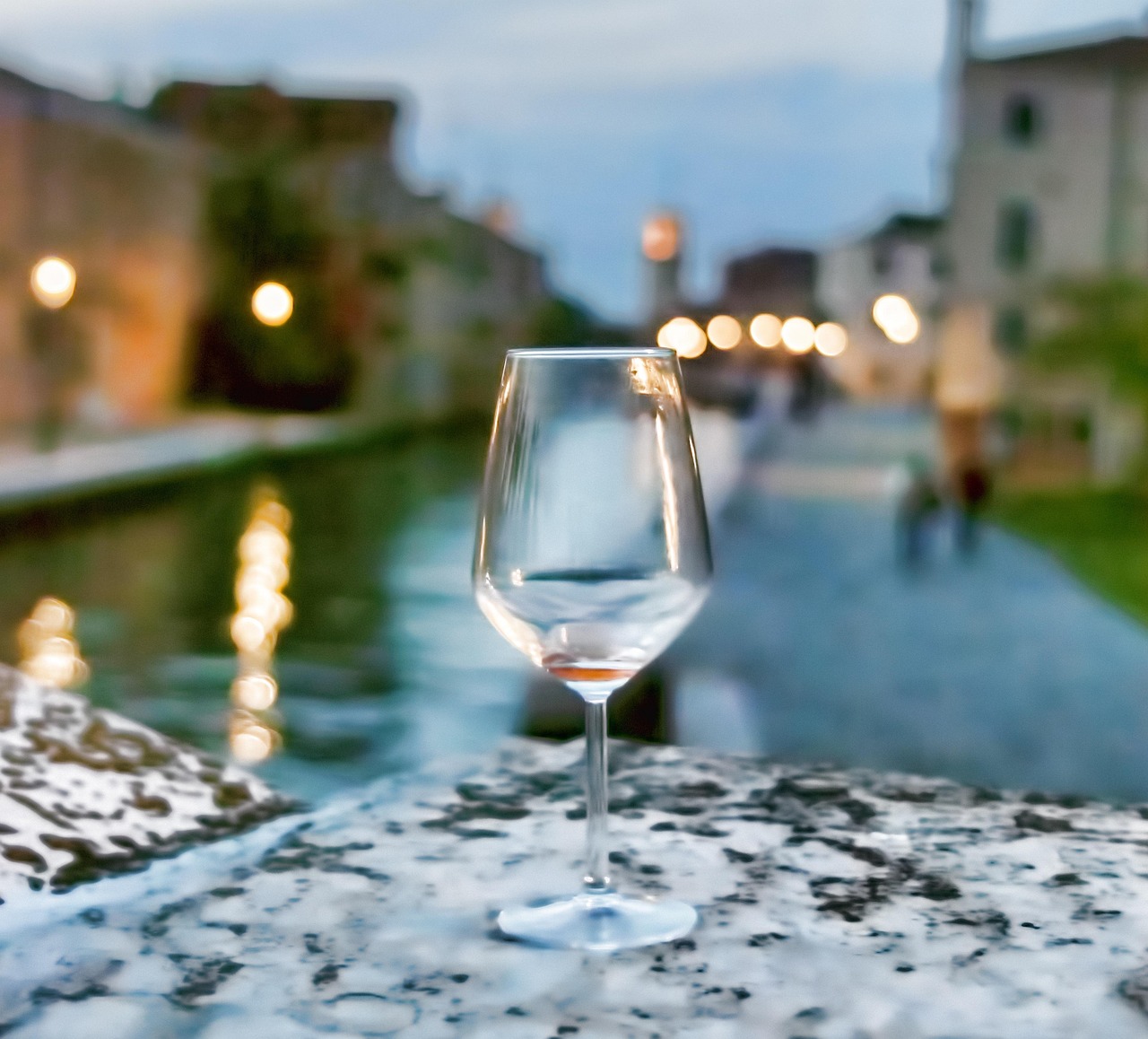
Eat in Venice and an Evening at Teatro La Fenice with cicchetti and a classic performance
To eat in Venice well is to let the city guide you by appetite and neighbourhood. A private seafood tasting tour is the most delicious kind of support: you’ll learn cicchetti etiquette, discover a place to eat in different sestieri, and move at a pace that suits you. The food scene in Venice is quietly confident—think briny flavours, seasonal produce, and local wines that pair beautifully with the lagoon’s catch.
A private cicchetti progression designed for your palate
Cicchetti are small bites—Venetian bar culture in miniature—and the pleasure is in the progression. A thoughtful guide will design a sequence: perhaps delicate baccalà, a fried seafood cone, then something richer, finished with a sweet note or a final glass of wine. It’s a tour in Venice that feels social yet intimate, with room to pause and watch life pass at the edge of a canal.
For a polished experience, choose earlier evening tastings when bars feel lively but not crowded. And yes, there are wonderful restaurants in Venice too—especially when you prioritise seasonal menus and book the tables locals love.
An anniversary evening with wine, then Teatro La Fenice
One couple celebrated their anniversary with a bespoke Venetian cuisine experience—private, candlelit, and expertly paired with local wines. What they loved most was how the intimacy brought them together: unhurried courses, a guide who understood their preferences, and the feeling that the evening was created just for them.
After dinner, step into Teatro La Fenice for a concert or opera. A visitor once described being moved not only by the music, but by the impeccable acoustics and historic ambience—an almost once-in-a-lifetime cultural encounter. Dress refined but comfortable: a smart jacket, an elegant dress, and shoes you can walk in over stone.
For booking, secure seats as soon as your dates are confirmed, particularly in peak season. If you’re building this into a broader northern Italy route, it becomes an unforgettable evening that balances the city’s visual beauty with sound and story.
If you have more time in Venice, consider two optional cultural add-ons that fit beautifully into a week in Italy itinerary:
- A gallery-led art stroll with local insight, focusing on small collections and quiet spaces rather than crowds.
- Aligning your time to visit Venice with the Venice Film Festival for a touch of glamour—especially compelling if you’re travelling through northern Italy in late summer.
What Stays With You After Venice
Leaving Venice rarely feels like ticking off the final attraction. It’s more like noticing—perhaps for the first time—how the city holds itself: the soft lap of a canal, the hush of footsteps over a ponte, and the way morning light finds its way into narrow lanes. In that last glimpse of Venice, beauty feels both fragile and enduring, as if the city is asking to be handled with care.
The personal threads you carry home
What stays is personal. It might be the weight of a Murano piece in your hand—proof of fire, breath, and human skill—resting on a shelf at home like a small anchor to another world. It might be a melody from La Fenice that returns unexpectedly, or the memory of shared plates and quiet laughter after a long walk beside a canal. These are the details that unfold over time, long after you leave the part of the city everyone photographs.
A gentle idea of return
Venice is a great teacher of seasons. Come in spring, and the air feels bright; return in autumn, and the city seems to deepen, more reflective, more intimate. You may find yourself thinking of coming back to Venice when the time is right—not to repeat, but to uncover something new with quiet confidence, as if the city has been waiting patiently for you to notice another layer. And that is perhaps Venice’s most lasting gift: the feeling that, somewhere, just beyond the next bridge in Venice, discovery continues.
F.A.Qs: Things to do in venice italy
What shouldn’t you miss in Venice?
Don’t miss Piazza San Marco at a quieter hour, the mosaics of St Mark’s Basilica, and Doge’s Palace with the Bridge of Sighs. For atmosphere, add a gondola on a smaller canal, and for craft, Murano studios. Balance icons with one slow moment—an aperitivo by the Grand Canal or a calm church visit—so you truly experience Venice.
What time of year does Venice smell?
Venice can smell strongest during hot, still summer days, especially in late July and August when low tide and heat concentrate odours in some canals. Many areas remain perfectly pleasant, and breezier months (April–June, September–October) tend to feel fresher. Choosing a well-located hotel and planning mornings and evenings out can help you stay comfortable.
How many days do you really need in Venice?
Three nights is ideal for a high-end trip to Venice: one day for Piazza San Marco icons, one for the Grand Canal and neighbourhood wandering, and one for Murano or lagoon islands, plus an evening at Teatro La Fenice. Two nights can work if you plan carefully, but a little extra time gives you Venice without rushing—especially at dawn or after day trippers leave.
Do and don’ts in Venice, Italy?
Dress respectfully in churches, book gondola rides and key tours in advance, and greet with a polite “Buongiorno”. Do use vaporetto or private boats, and stay central for easier walking. Don’t feed pigeons in Piazza San Marco, don’t expect cars in Venice proper, and don’t overpack—bridges and cobbles are part of the city’s rhythm. Tip guides and service staff for exceptional care.