Post Contents
- Why Ischia Is the Italian Island Adventure Seekers Miss – Ischia Island Italy Travel Guide & Best Things to Do
- Naples to Ischia: Ways to Get There by Ferry, Where to Stay, and How to Get Around the Island
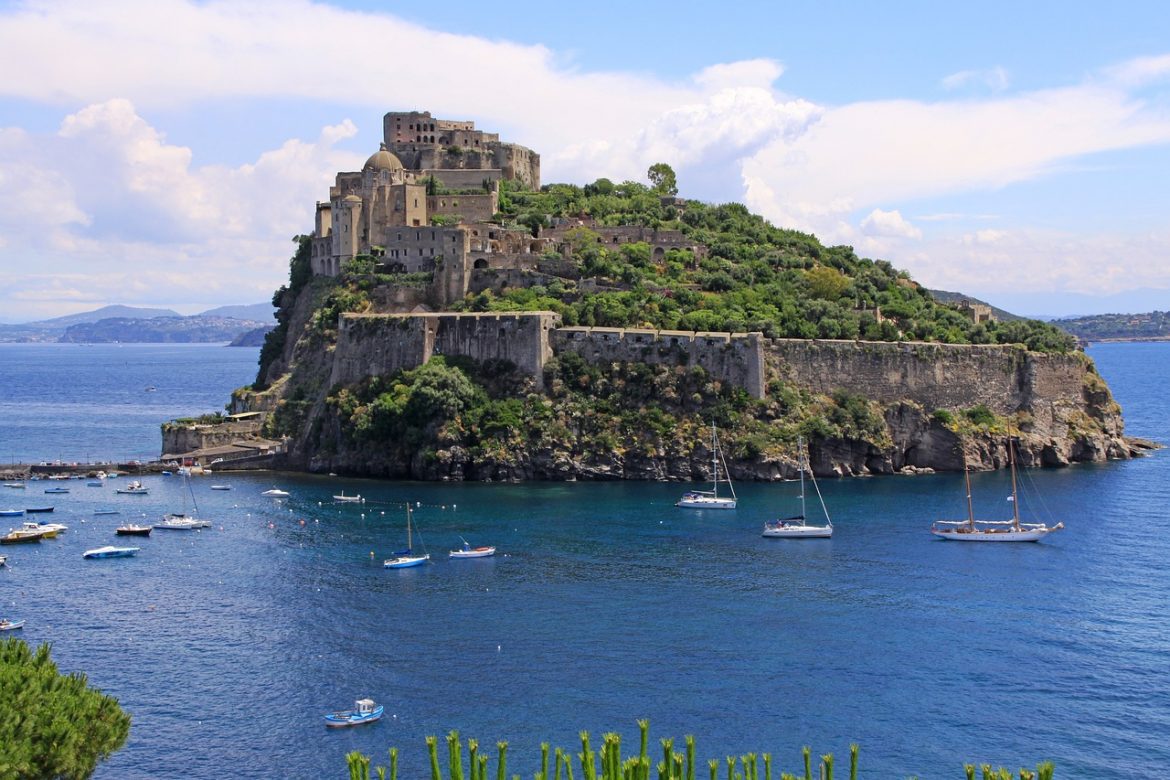
- Castello Aragonese in Ischia Ponte – Sunset History and Attractions on the Castle Walk
- Thermal Ischia: Giardini Poseidon, Thermal Baths, and Natural Thermal Wellness Rituals
- Things to Do in Ischia Beyond the Thermal Baths – Mount Epomeo, Beaches, and Village Life
- F.A.Qs: Ischia island Italy travel planning
- What Stayed With Me After Ischia – Reflection on a Beautiful Italian Island
Why Ischia Is the Italian Island Adventure Seekers Miss – Ischia Island Italy Travel Guide & Best Things to Do
Why Ischia Is the Italian Island Adventure Seekers Miss on Ischia Island Italy
Think of this as your guide to Ischia—a practical, story-led Ischia island Italy travel guide to the best things to do, not a rushed checklist. Ischia is a small island in the Gulf of Naples, with vine-covered slopes, cliff paths, and a beach culture that feels genuinely local. As a volcanic island, it’s shaped by dramatic contours and restorative hot springs, making it an Italian island where adventure and recovery naturally go hand in hand.
Capri is dazzling—no question—and it often gets the spotlight in the Bay of Naples. But if you want an Italian island that invites you to explore rather than perform, Ischia offers a calmer, more lived-in rhythm. The island off the coast has room for spontaneous turns: a hidden viewpoint, a family-run café, or a bus ride across the island that becomes its own little story.
Ischia, the green island in Southern Italy – landscapes, villages, and sea air
From the water, Ischia looks amazing in an almost painterly way: layered hills, citrus gardens, and pale buildings tucked into folds of land. Imagine arriving in Ischia with salt in the air and the first warm light catching the shoreline—your cue that time on the island can be slower and richer. This is Southern Italy at its most quietly confident: less about the “must-do,” more about what you discover when you give a place space.
It also helps that Ischia sits close to other characters on the same watery stage. Capri is the glamorous neighbour; Procida is the colourful, intimate contrast. You can design a trip that touches all three, yet keep the island of Ischia as the anchor—because it holds your days with ease and variety, around the island and beyond.
The best things to prioritise when days in Ischia are limited
If you only have a couple of days in Ischia, focus on five experiences that cover history, wellness, and wild beauty without overreaching. One of the top things is the Castello Aragonese for unforgettable views of Ischia and a sense of the island’s past under your feet. Then give yourself a full thermal day at a proper thermal park, hike Mount Epomeo for the island’s volcanic heart, wander Sant’Angelo for charm and seafood restaurants, and slow down in La Mortella Gardens for colour and calm.
And here’s the Designer Journeys promise: we don’t just recommend Ischia—we design a route around Ischia that feels seamless, local, and unhurried, with pacing that supports adventure and recovery in equal measure. When you’re ready for more inspiration, you can browse our Trip gallery and imagine what we could create together.




Naples to Ischia: Ways to Get There by Ferry, Where to Stay, and How to Get Around the Island
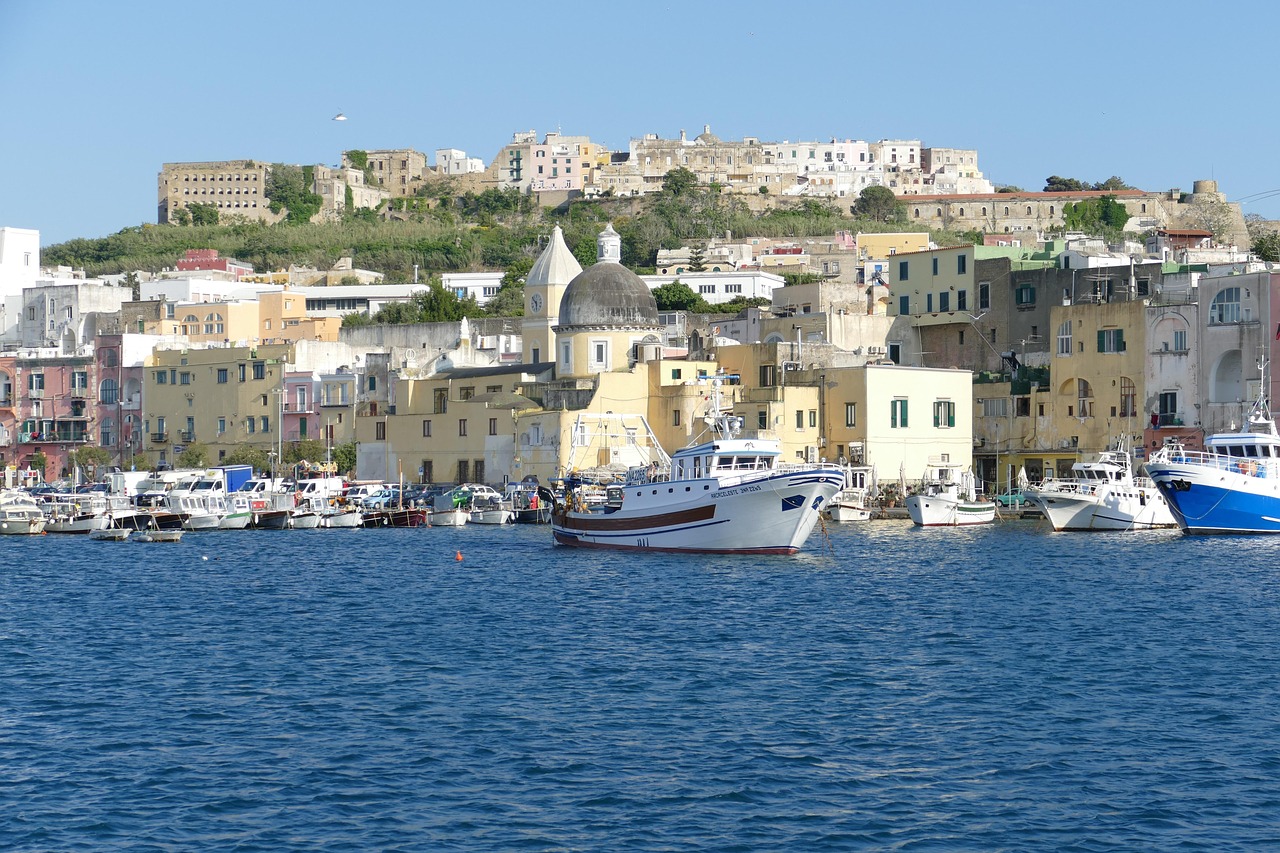
Naples to Ischia Made Seamless: ferries and island connections in the Bay of Naples
To get to Ischia with confidence, start with what matters most: timing, ports, and how to get yourself set up for a smooth arrival. The simplest option is the ferry from Naples (or from Pozzuoli), with crossings typically around an hour depending on the service. Naples to Ischia feels like a small transition ritual—city edge to open water—until the port of Ischia appears and the island’s pace begins to soften.
There are different services (fast hydrofoils and slower ferry boats), and both can work beautifully depending on luggage, seas, and timing. If you like a steadier, spacious ride—especially for a trip to the island with beach gear—choose the standard ferry. If you’re tight on time, a fast crossing can be a neat shortcut for an easy day trip or a quick start to your stay.
Arriving in Ischia Porto – choosing a base in Ischia Porto or Ischia Ponte
Ischia from Naples is straightforward: you step off into Ischia Porto, where the waterfront promenade, taxis, and buses make the first moves simple. Ischia Porto suits travellers who want easy connections, shopping, and quick onward transfers. It’s also a practical hub if you’re planning a day trip to the nearby island of Capri or an extra splash of colour on the island of Procida.
For a more atmospheric place to stay, consider Ischia Ponte. It’s closer to the old-town feel and sits within easy reach of the castle causeway, so you can enjoy early-morning walks before the crowds. Think coffee with fishermen mending nets, then a quiet stroll to sea views and warm stone.
Different parts of Ischia fit different rhythms. The north and east (around Ischia Porto and Ischia Ponte) are convenient and lively, while the south—near Sant’Angelo—feels slower and more retreat-like. There’s no single “best” answer—just the right place to stay for how you want to feel when you wake up.
How to get around the island – buses, scooters, taxis, and the best way to get around
The way to get around Ischia depends on your appetite for freedom versus simplicity. Local buses are reliable and budget-friendly, and they let you experience daily life—windows open, sea flashing between buildings as you get around the island. A scooter brings extra independence, but parking can be limited in popular areas and some roads are narrow, especially in peak summer.
For a short, high-end stay, the easiest approach is often a blend: choose the right base, use buses to get around the island, and take a taxi when you want door-to-door ease (especially after a long beach afternoon or a thermal soak). If you do drive, plan your stops and avoid peak hours around Ischia Port and the end of the island near the busiest viewpoints.
When choosing a hotel in Ischia, look for three confidence-builders: on-site thermal access or a partnership with a spa, walkability to dinner, and strong bus links for early starts. The best place to stay in Ischia is the one that supports your natural tempo—whether that’s dawn hikes, sunset swims, or slow evenings.
- Quick booking compass: choose Ischia Porto for transport ease, Ischia Ponte for character, or the south for a quieter stay in Ischia.
- Pack for movement: comfortable shoes, a light layer for breezy ferry decks, and a day bag for beach time and trails.
- Local manners: a warm “Buongiorno” opens doors; at restaurants, a calm pace and a “per favore” signals trust and respect.
These small courtesies and smart logistics create something that feels surprisingly luxurious: the confidence to explore without friction, and the care of feeling looked after by your own plan—whether it’s a long weekend or a longer stay in Ischia.
Castello Aragonese in Ischia Ponte – Sunset History and Attractions on the Castle Walk
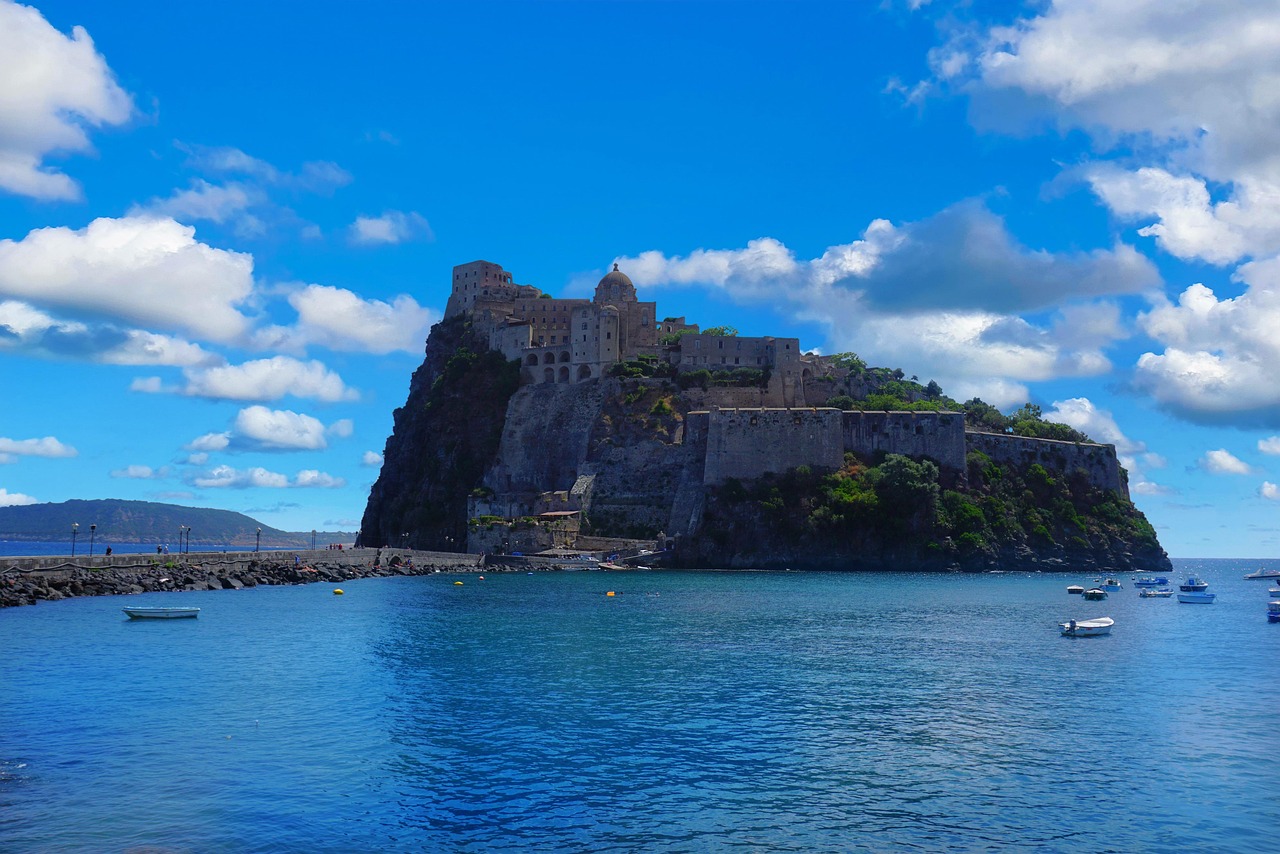
Castello Aragonese and Ischia Ponte sunset walk to the Aragonese Castle
Castello Aragonese in Ischia Ponte could be a whole book on its own, yet the joy is how approachable it feels once you step onto the causeway. The Castello Aragonese sits on a rocky islet, tethered to Ischia Ponte by a stone walkway, and that transition is part of the experience. You can almost feel the island changing beneath you—town sounds fading, sea air sharpening, history rising up in warm-coloured stone.
Give yourself time here. This isn’t a sprint to the viewpoint; it’s a slow climb that rewards curiosity and quiet attention. Pause for the small details that make Ischia feel intimate: the texture of walls, the way light hits the arches, and the sound of footsteps on uneven ground.
Exploring Castello Aragonese – a medieval fortress with a clear route
The castle matters because it’s a living lens on Ischia’s layered story—defence, faith, and community, all compressed into one dramatic perch. As you explore, look for the interplay between built space and natural drama: terraces that frame the Tyrrhenian Sea, sheltered corners where the wind softens, and gardens that quietly echo the island’s “green island” identity. It’s one of the most rewarding things to see if you want history that still feels alive.
To uncover more than the obvious photo spots, follow a simple rhythm: climb early, linger at mid-level panoramas, then end at a quiet vantage where you can watch boats stitch across the horizon. Even if you’re not a “history person,” the emotional impact lands. The island’s past isn’t behind glass; it’s under your shoes.
Sunset at Castello Aragonese – timing, photos, and a quieter corner
Many travellers talk about a magical sunset from the Castello Aragonese, and it’s easy to understand why. As the light drops, the fortress becomes a silhouette, the sea turns metallic, and Ischia Ponte begins to glow. It’s an unforgettable blend of history and natural beauty—one of those moments that makes you trust your decision to visit Ischia rather than rushing through a more crowded neighbour like Capri.
A few practical notes on adventure help you enjoy it fully. The grounds are uneven, so wear shoes with grip; carry water, especially in summer; and aim to arrive outside midday crowds. Late afternoon is ideal: you avoid the hottest hours and still catch golden light.
Then, gently, create something personal. Choose one quiet corner, sit for five minutes, and listen—wind, waves, distant voices. It’s a powerful way to let Ischia slow you down, and to feel supported by the place rather than pushed by it.
Thermal Ischia: Giardini Poseidon, Thermal Baths, and Natural Thermal Wellness Rituals
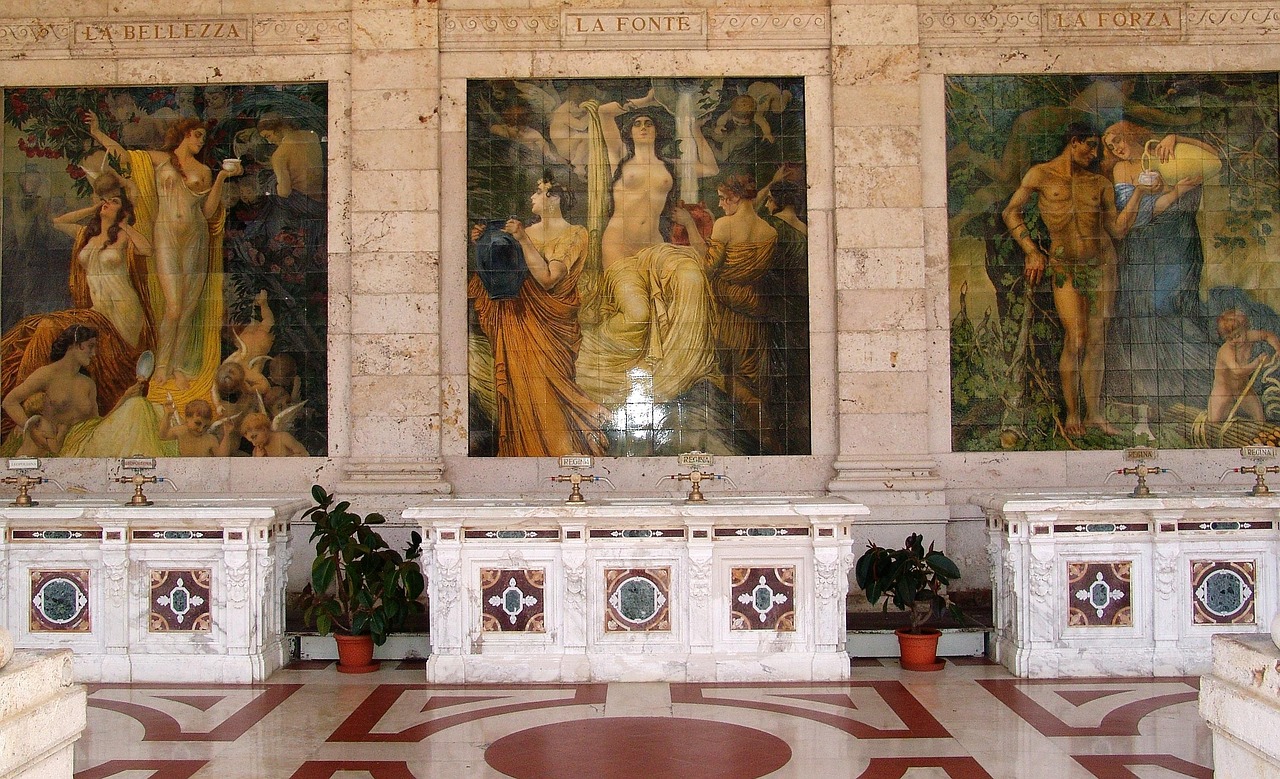
Thermal Ischia day at Giardini Poseidon Thermal Park and its gardens
Thermal time on Ischia isn’t just a trend—it’s the reason many people fall for this volcanic landscape. Ischia is famous for its natural thermal culture, shaped by underground heat and mineral-rich springs; you’ll hear locals talk about the benefits of the thermal waters as casually as the weather. The difference here is how grounded it feels: wellness isn’t a rare indulgence, it’s woven into everyday life.
For adventure seekers, that matters. Ischia lets you hike, swim, explore, and then recover properly—so you can keep going with confidence instead of burning out. The island’s hot springs, thermal baths, and simple sea-air calm offer the kind of quiet care that’s easy to underestimate until you feel it.
Giardini Poseidon Thermal Park – what to expect from a thermal park day
Giardini Poseidon Thermal Park is one of the best ways to experience this side of Ischia. It’s beautifully landscaped, with lush gardens, sea views, and a variety of pools at different temperatures, including relaxing thermal pools with gentle heat rather than overwhelming heat. You move through it at your own pace—warmth, cool, rest—until your shoulders drop and your breathing changes.
Bring a book if you like, but don’t feel you must “do” anything. A simple plan works best: rotate between the pools, take breaks in the shade, and finish with a gentle swim if you’re near the sea. If you’re new to a thermal spa routine, start with shorter sessions and let your body set the pace.
Travel fatigue, hydration, and a spa approach that feels unhurried
A visitor once shared how soaking eased their travel fatigue on day one—jetlag and city noise dissolving into calm. It’s a lovely reminder that wellness here isn’t performative; it’s supportive, especially after a ferry ride or a big day exploring around the island. Hydrate well, eat lightly, and give yourself recovery time between heat and sun.
Budget-wise, Ischia stays approachable even for high-end travellers. Plan roughly 15–25 euros per day for entry to thermal parks and gardens, then add lunch and optional spa treatments if you wish. The luxury is less about price and more about the unhurried design of your day, with nature doing much of the work.
- What to bring: swimwear, sandals, a hat, sun protection, and a refillable bottle.
- Best time: early morning or late afternoon for a calmer spa atmosphere.
- How to spend a full day: alternate heat with rest, and keep your schedule light afterwards.
If you want to enjoy Ischia at its most replenishing, treat your thermal day as a cornerstone rather than a gap-filler. It supports everything else you choose to explore—whether that’s a long beach session, villages, or the mountain.
Things to Do in Ischia Beyond the Thermal Baths – Mount Epomeo, Beaches, and Village Life
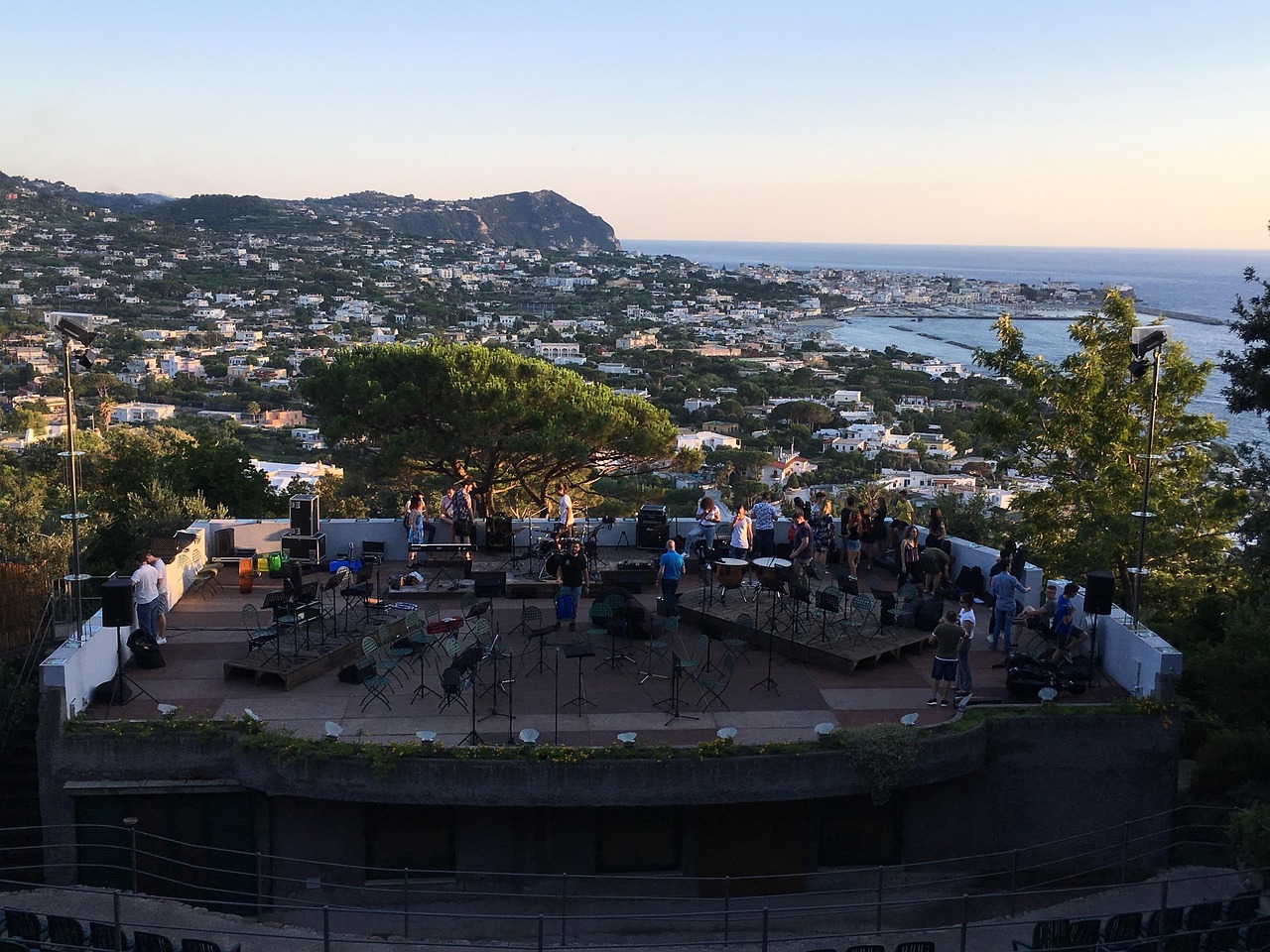
Things to Do in Ischia beyond the baths from Mount Epomeo to beach villages
Things to do in Ischia show the destination’s range. Yes, Ischia is rich in thermal culture, but it’s also an adventure-friendly landscape of trails, coves, and villages that invite you to slow down and look more closely. If Capri feels like a polished stage, Ischia feels like a place you can actually live in for a while—mud on your trainers, salt on your skin, and a new favourite café by day three.
This chapter is about designing an outdoor-and-culture rhythm: climb, swim, wander, taste. It’s how you explore without exhausting yourself, and how you keep your trip to Ischia feeling personal rather than programmed.
Mount Epomeo hike – sunrise views on Ischia’s volcanic island peak
Mount Epomeo is the highest peak on Ischia, and the climb is one of the best things you can do if you like your landscapes earned. Start early so the air is cooler, and the light is soft; the reward is the Tyrrhenian Sea opening out as the sun arrives, with the island in the gulf spread below like a green map. On a clear day, you can even pick out Naples in the distance.
The trail blends nature and history in a way that feels distinctly Ischian. You’ll pass chestnut woods and volcanic rock formations, with occasional glimpses toward the coastline and the entire island’s changing shapes. Bring water, take your time, and hold a minute of stillness at the summit before you head back down.
Best beaches and beach planning – from Maronti Beach to a beach club lunch
After a hike, the right beach feels like a reward. Ischia has coves, pebbled stretches, and genuinely sandy beaches; choose based on your mood and the wind. For a long, relaxed shoreline, Maronti Beach is the standout and the largest on the island, with plenty of space to settle in and swim at your own pace.
If you want something more curated, a beach club day can feel wonderfully restorative—shade, a proper lunch, and the comfort of knowing your spot is taken care of. This is where high-end travel can be simple: you’re not trying to do more, you’re choosing better, and you still have energy for the evening.
Sant’Angelo and La Mortella Gardens – slow evenings, seafood, and calm
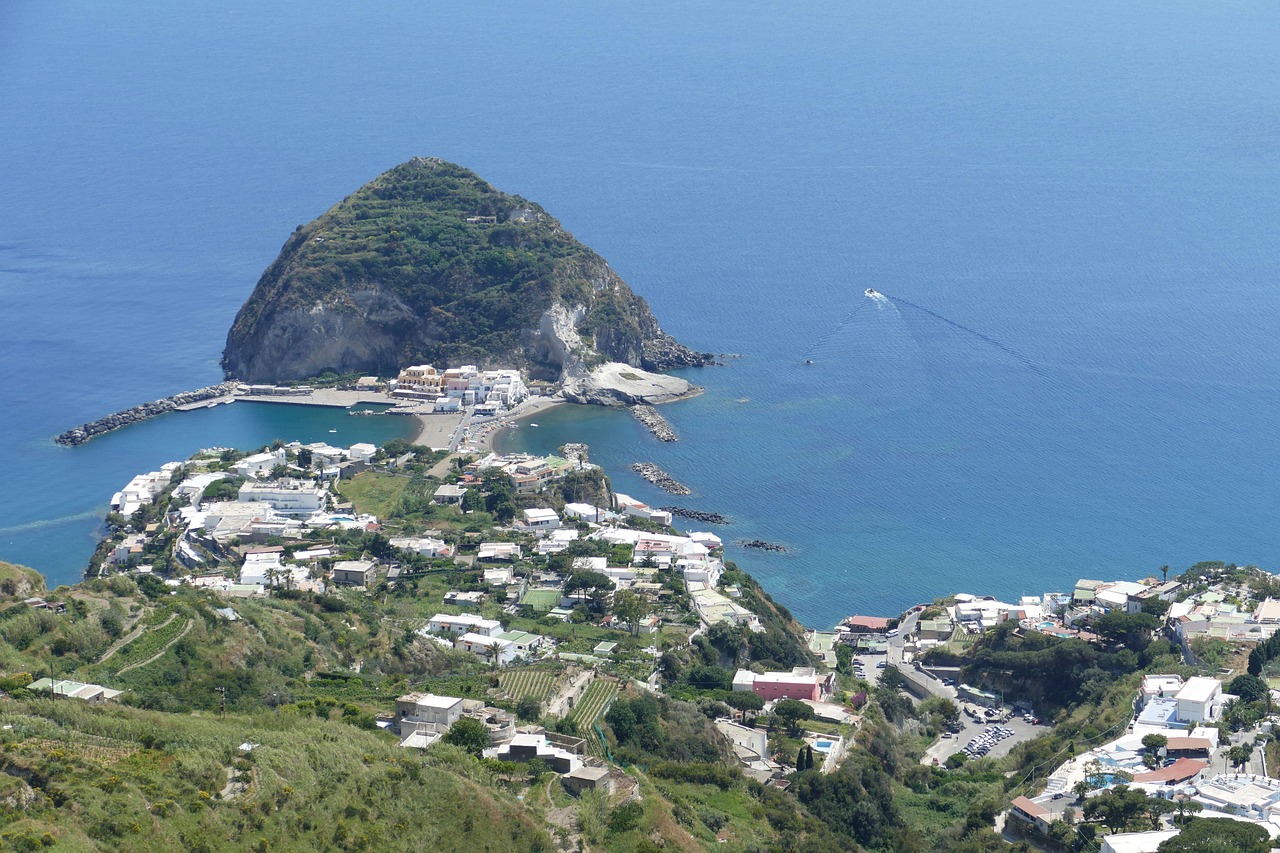
Sant’Angelo is the colourful fishing village that many people carry home in their memory. Its charming streets and boutique shops make it feel cinematic, yet it stays grounded in local life—boats bobbing, neighbours greeting, plates arriving with pride in the best seafood restaurants. If you’re choosing between Capri and Ischia for an evening atmosphere, Sant’Angelo is a persuasive reason to stay on Ischia.
For a different kind of beauty, La Mortella Gardens offers tranquillity and vibrant colours—a peaceful retreat from busier corners. Created by Lady Susana Walton, it blends exotic plants with Mediterranean flora, and it rewards respectful, unhurried visiting. Walk slowly, keep voices low, and let the garden reset your attention.
If your adventurous rhythm has space for more, consider a boat trip around the island. A boat tour around the island is one of the best ways to reframe Ischia from the water, showing cliffs, coves, and quiet swimming spots you’d never notice from the road. And if you’re based well, you can weave in a half-day trip to Capri—then return gratefully to Ischia’s calmer evenings (check the ferry from Ischia schedules in season).
- Safety basics: Ischia is generally safe, but keep standard precautions in crowded markets and tourist areas.
- What to pack: layers for breezy nights, sun protection for beach days, and sturdy shoes for trails and castle stones.
- Authentic tastes: try rabbit stew, sip a chilled Ischia Bianco, and order what’s fresh rather than what’s flashy.
With a well-crafted plan, you can explore the whole island with less stress—supported by local insight, smart pacing, and the confidence to leave room for spontaneity in every experience on Ischia.
F.A.Qs: Ischia island Italy travel planning
Is it worth going to Ischia, Italy?
Yes—Ischia is the perfect place if you want an Italian island with real culture, a strong local feel, and outdoor variety. On the island of Ischia, you can explore the Castello Aragonese, recover in thermal baths and a classic spa setting, hike Mount Epomeo, and still make time for a relaxed beach afternoon. It’s especially worth it if you like a quieter, more spacious alternative to Capri without losing beauty or comfort.
Is Ischia expensive for tourists?
Ischia can be an excellent value compared with Capri, especially for longer stays. You can choose high-end hotels and private transfers, but everyday costs like meals and local buses are often reasonable, even when you travel from Naples. Many signature experiences are affordable too—thermal parks and gardens commonly cost around 15–25 euros per day—so you can design a luxurious trip without constant premium pricing.
What is Ischia, Italy, best known for?
Ischia is best known for its natural thermal springs and spa culture, powered by the island’s volcanic energy, famous for its natural wellness traditions as much as its scenery. It’s also known for the Castello Aragonese, best beaches like Maronti Beach, and the green slopes leading up to Mount Epomeo. Add village life in Sant’Angelo and the tranquillity of La Mortella Gardens, and you have a stunning island that balances wellbeing with adventure.
Which is nicer, Ischia or Capri?
It depends on what you mean by “nicer”. Capri is iconic and glamorous, but it can feel busy and curated, especially in peak season. Ischia offers more space, more variety, and a more local rhythm, with hiking, thermal spa days, and villages that feel lived-in; many travellers enjoy Capri as a day trip and prefer returning to Ischia for calmer evenings. If you’re comparing the two from Naples, consider doing both: a short Capri visit, then settle into Ischia for deeper exploration.
What Stayed With Me After Ischia – Reflection on a Beautiful Italian Island
Visit Ischia is the closest I can get to the feeling that lingers—because the truth is, what stays isn’t a list. It’s the salt air after a beach afternoon, when your skin still tastes of the sea and your hair dries into soft waves as you walk back through town. It’s the warmth of stone at the Castello Aragonese, holding the day’s sunlight a little longer than you expect.
It’s also the hush of thermal steam at dusk, when the world narrows to breath and water and the faint sound of evening plates being set down somewhere nearby. Ischia offers care through simplicity, and that steady ease builds a quiet confidence you can take into future journeys—anywhere in Italy or far beyond. Ischia is one of those places that resets your sense of time without asking you to try.
What I remember most clearly are the human moments that made the destination feel held together by kindness. A shared “Buongiorno” that turned into a small conversation; a waiter explaining a dish with pride; a bus driver’s patience as someone found the right stop. Ischia also has that rare balance of beauty and normality: it welcomes visitors while still feeling like itself.
Even now, when I think back, I don’t picture rushing around the island. I picture choosing one quiet corner—by the water, in a garden, on a stone step—and letting the light change. And I find myself imagining not a return to tick off more, but a return to uncover new corners at a slower pace, with curiosity leading the way.