Post Contents
- Milan at First Light: Piazza del Duomo and the Duomo Rooftop for Milan Things to Do in Milan
- City of Fashion Via Montenapoleone and Galleria Vittorio Emanuele II for Milan Fashion Capital Shopping
- Music and Masterpieces at Teatro alla Scala, Brera, and Santa Maria in Milan.
- Modern Milano Fondazione Prada and Leonardo da Vinci National Museum of Science and Technology
- Navigli After Dark Navigli District Canal Nightlife and a Seamless Visit Milan Plan
- F.A.Qs: Milan, Italy things to do
- What Stayed With Us After Milan
Milan at First Light: Piazza del Duomo and the Duomo Rooftop for Milan Things to Do in Milan
Milan at First Light Piazza del Duomo and the Duomo Rooftop
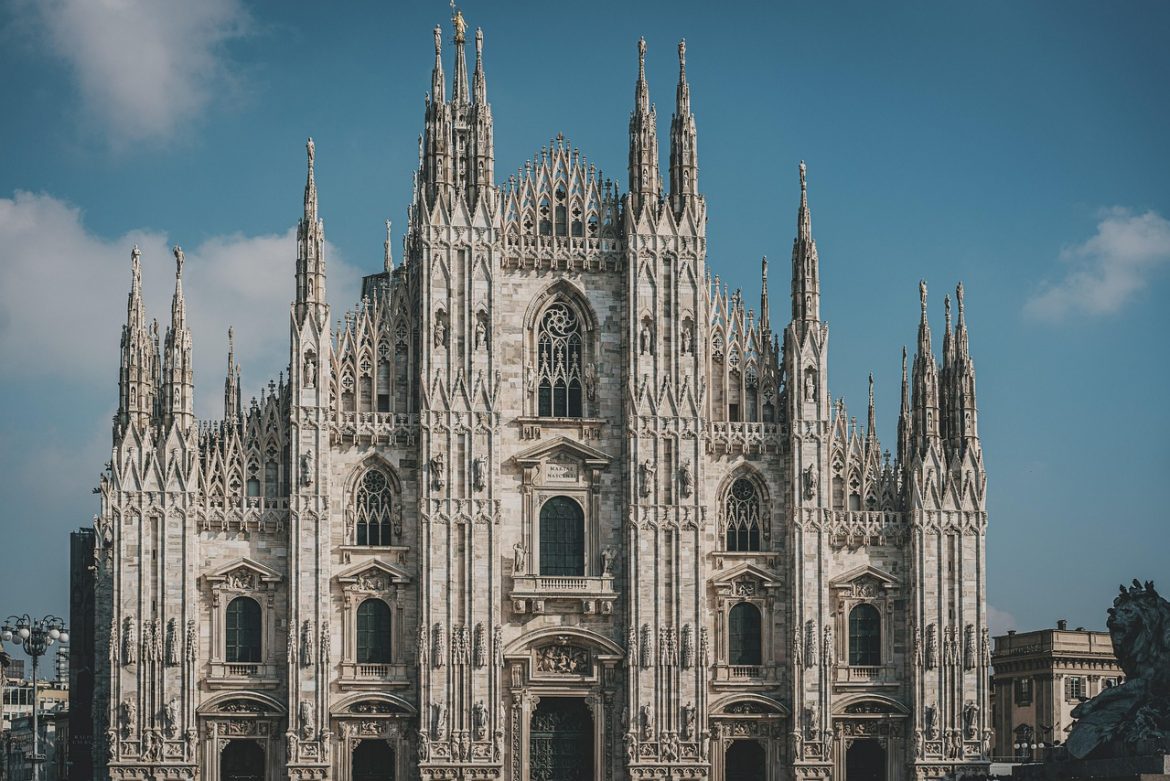
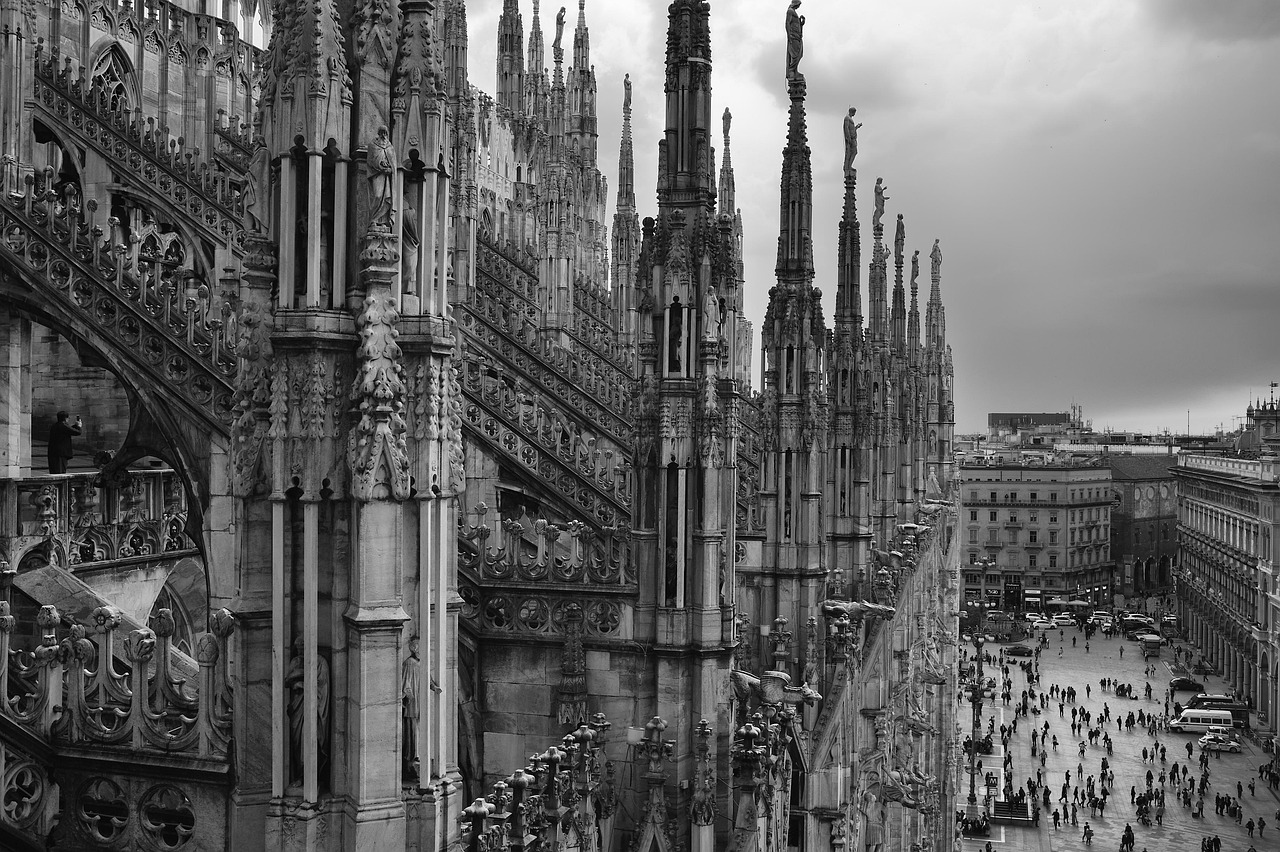
If you’re deciding on Milan things to do in Milan, start where the city’s confidence quietly begins: Piazza del Duomo. The Duomo is not only a cathedral but also a living emblem of Milano—stone lacework, Gothic spires, and stained-glass windows that soften the light in the nave. Stand still for a moment and you’ll feel the heart of Milan beating under the marble: commuters, cameras, and a hush of reverence all at once.
For high-end travellers, timing is the difference between “seeing” and truly experiencing. Pre-book Duomo di Milano rooftop access with the lift option so you arrive composed, not breathless. Early morning is beautifully calm, yet many travellers fall in love with Milan at sunset—one recent guest told us the Duomo rooftop felt magical when the city lights begin to sparkle, turning Lombardy’s skyline into a slow, shimmering reveal.
Duomo etiquette with warm reassurance for churches in Italy
Inside the Milan cathedral, it helps to dress thoughtfully: shoulders covered, hemlines respectful, and voices soft. A polite buongiorno at the entrance sets a gentle tone, and it’s perfectly fine to take your time—care is part of the experience. The Duomo is the cathedral of Santa Maria, and that sacred atmosphere is what makes the visit feel so grounding amid the city’s style.
An unhurried walking tour from Piazza del Duomo
Rather than rushing through the main attractions, imagine a mini walking tour designed for awe—three stops, all close, with space to breathe. This is a simple way to see Milan without turning your morning into a checklist:
- Piazza del Duomo: take wide-angle photos first, then switch to detail shots of the spires and carvings.
- Cathedral interior: pause beneath the columns and look back towards the doors to catch the changing light.
- A nearby cafe: choose a smart table, order an espresso, and let the morning settle before you continue.
From here, Milan opens up naturally—one elegant neighbourhood at a time.




City of Fashion Via Montenapoleone and Galleria Vittorio Emanuele II for Milan Fashion Capital Shopping
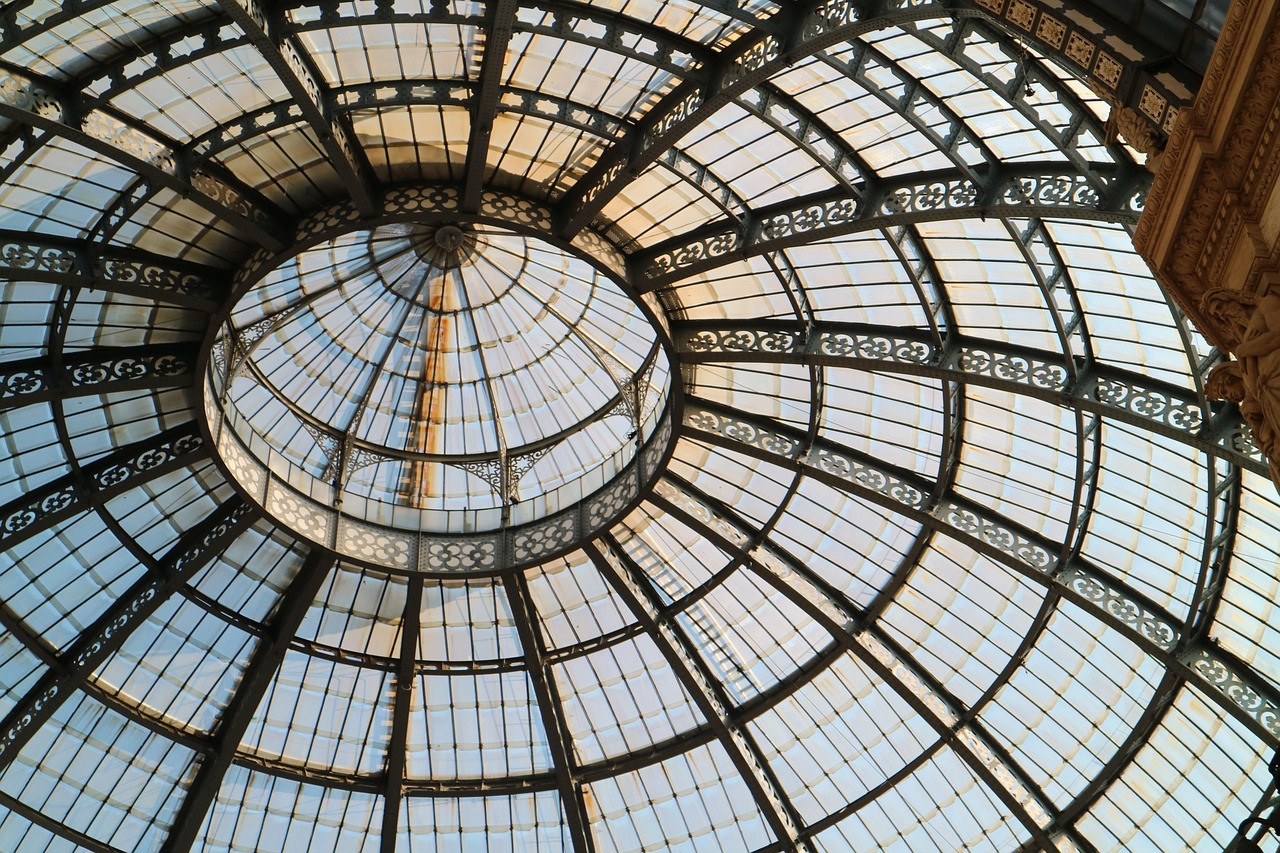
City of Fashion Via Montenapoleone and Galleria Vittorio Emanuele II
In the Milan fashion capital, Via Montenapoleone in the Quadrilatero della Moda is the shopping street you’ve heard about—and it still exceeds expectations in person. When you explore with a designer lens, you begin to notice the subtler layer: discreet entrances, appointment-only salons, and heritage fashion houses that don’t need loud window displays to be unforgettable.
One high-end traveller recently shared the thrill of quietly uncovering a rare vintage Armani piece while browsing—an experience that felt equal parts discovery and personal triumph. If that kind of moment matters to you, we suggest arranging a private appointment or a stylist-led boutique itinerary. It adds confidence, helps you navigate sizing and archival pieces, and turns shopping into something crafted rather than chaotic.
Galleria Vittorio Emanuele II shopping for atmosphere and a chic pause
From Via Montenapoleone, make a curated detour through the Galleria Vittorio Emanuele—Milan’s living room of mosaics, glass, and soft echoes. The Galleria Vittorio Emanuele II shopping scene is as much about people-watching as it is about purchases, and the Vittorio Emanuele II shopping arcade is the perfect place to pause for a chic espresso without losing your rhythm for the day.
Keep your look polished but comfortable. Milan style isn’t about being loud; it’s about being considered, as if your outfit has been designed for the city rather than borrowed from it.
For a more accessible alternative that still feels local, head to Corso Buenos Aires for variety and ease. It’s a helpful balance if you’re travelling with family or you want options beyond the most exclusive boutique addresses—without sacrificing quality or comfort.
Music and Masterpieces at Teatro alla Scala, Brera, and Santa Maria in Milan.
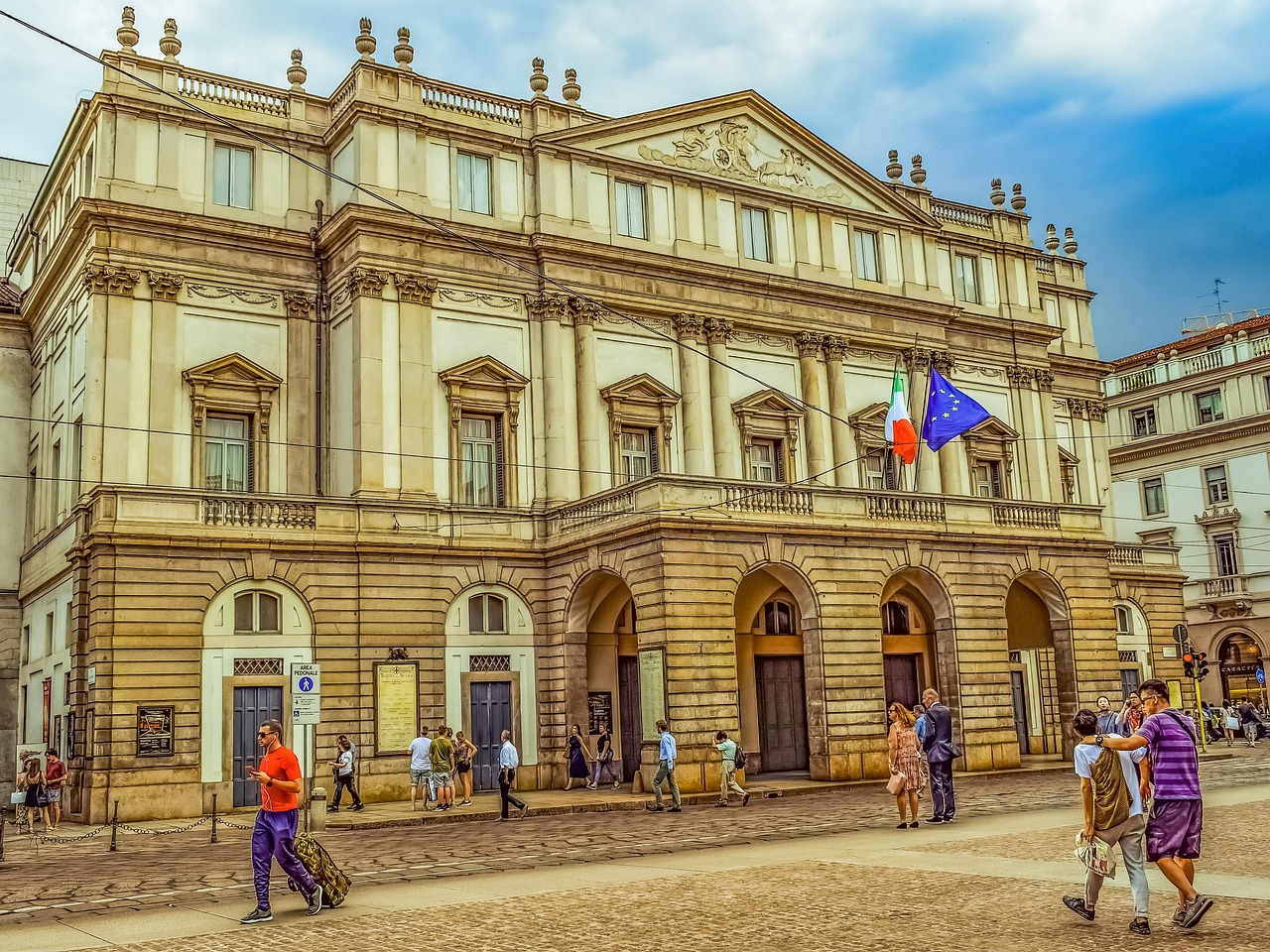
Music and Masterpieces Teatro alla Scala Brera and Santa Maria
For classic things to do in Milan, few experiences are as transporting as a visit to Teatro alla Scala. The La Scala opera house has a particular kind of glamour—quiet, precise, and deeply Italian. Secure tickets in advance, especially for a premiere, and you’ll step into the evening with trust in your plan rather than last-minute stress.
What to wear? Think chic yet elegant: a tailored jacket, a refined dress, polished shoes. It’s less about formality and more about joining Milan’s unspoken agreement that beauty deserves respect. Consider a pre-show dinner nearby, planned with enough time to arrive unhurried, so your night feels seamless.
Brera and the Pinacoteca di Brera as a cultured afternoon
After the music, let Brera shift your pace. The Pinacoteca is your anchor here, and the Pinacoteca di Brera offers a calm, luminous way to understand Milan beyond fashion. We love pairing the Brera art gallery atmosphere with a small contemporary art gallery stop nearby—an intentional contrast that keeps your eye awake.
- Start in Brera with the Pinacoteca highlights that speak to you, rather than trying to see everything.
- Step outside for a quiet street wander—Brera rewards slow looking.
- Finish with a short pause at a gallery or a refined aperitivo, depending on your energy.
Santa Maria delle Grazie and Sforzesco for sacred art and history
For Leonardo da Vinci’s legacy, Santa Maria delle Grazie is a key thread—especially when you approach it with context and care. The Basilica di Santa Maria delle Grazie links Milan to the 15th century, when art, power, and devotion were woven tightly together. Where available, a guided tour can offer reassurance around timing and access, so the experience stays calm and meaningful.
History lovers can then turn towards Sforzesco: Castello Sforzesco, shaped by Francesco Sforza, the duke of Milan. The courtyard is ideal for a quiet reset, and the museum of ancient art adds depth without demanding hours. If you want one focused highlight, seek out the Sala delle Asse—an intimate detail that lingers in memory.
Modern Milano Fondazione Prada and Leonardo da Vinci National Museum of Science and Technology
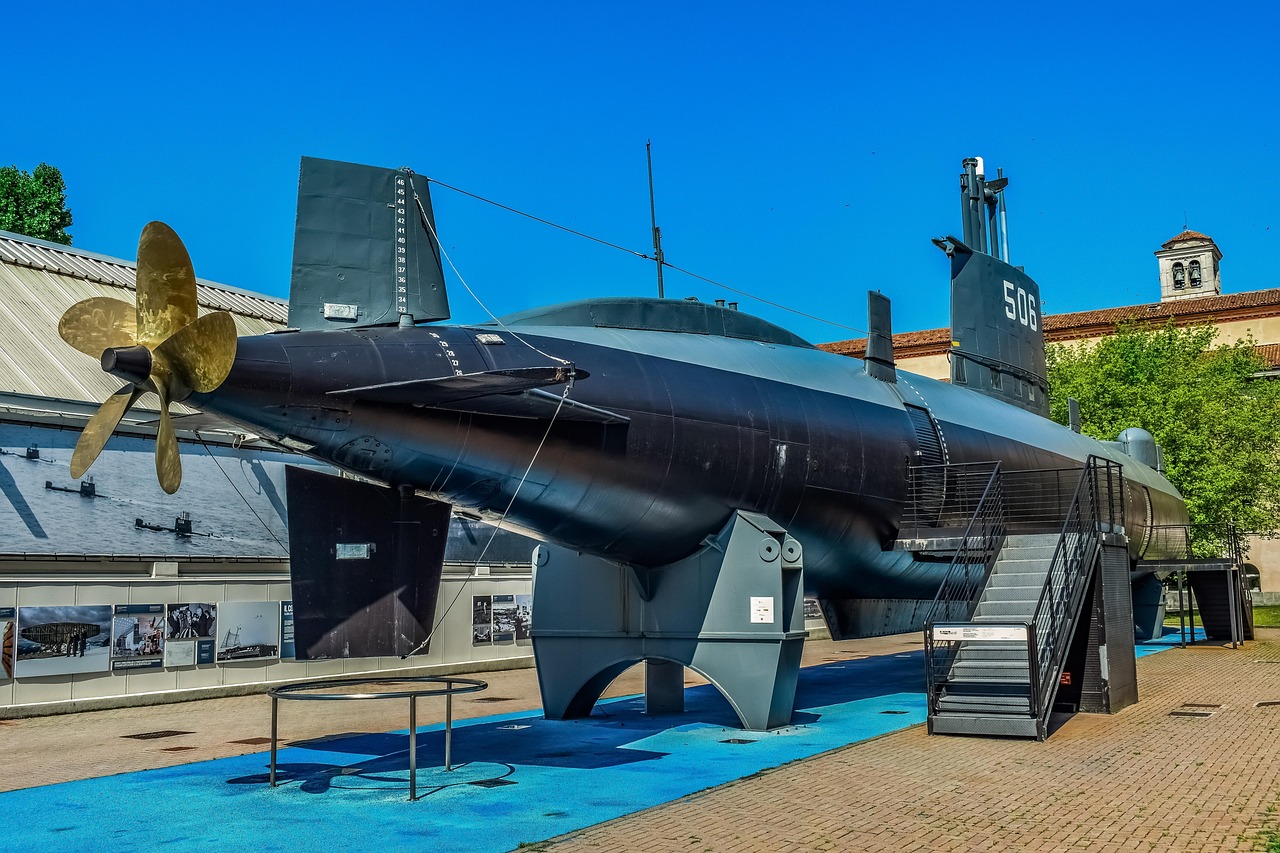
Modern Milano Prada and Leonardo da Vinci National Museum
Modern Milan is a conversation between tradition and experimentation, and the Fondazione Prada makes that dialogue feel vivid. For travellers seeking something more personal than a standard museum stroll, this is where a private visit changes everything. Book ahead and let an expert set the pace—so you can uncover meaning instead of simply moving from room to room.
One art lover told us they were profoundly moved by an intimate, private guided tour at the Prada Foundation, which offered insight they couldn’t have found on their own. That kind of interpretation creates confidence: you stop second-guessing what you “should” feel and begin noticing what you genuinely respond to. Prada becomes less of a name and more of an experience that meets you where you are.
Leonardo da Vinci National Museum as a science and technology interlude
Pair your art with curiosity at the Leonardo da Vinci National Museum of Science and Technology. You may see it written as the Leonardo da Vinci National Museum of Science and Technology, the vinci national museum of science, or simply the museum of science and technology—but the feeling is the same: a refreshing shift into invention and imagination. It’s a graceful reminder that Milan designs not only ideas but also wardrobes.
A gentle note for a weekend in Milan
For a weekend in Milan, less can be more. Choose one major gallery experience, one design-forward neighbourhood, and one generous pocket of downtime—perhaps an unplanned coffee or a long lunch. When you design your days this way, you’ll move through Milano with ease, and the city will meet you with the same quiet sophistication.
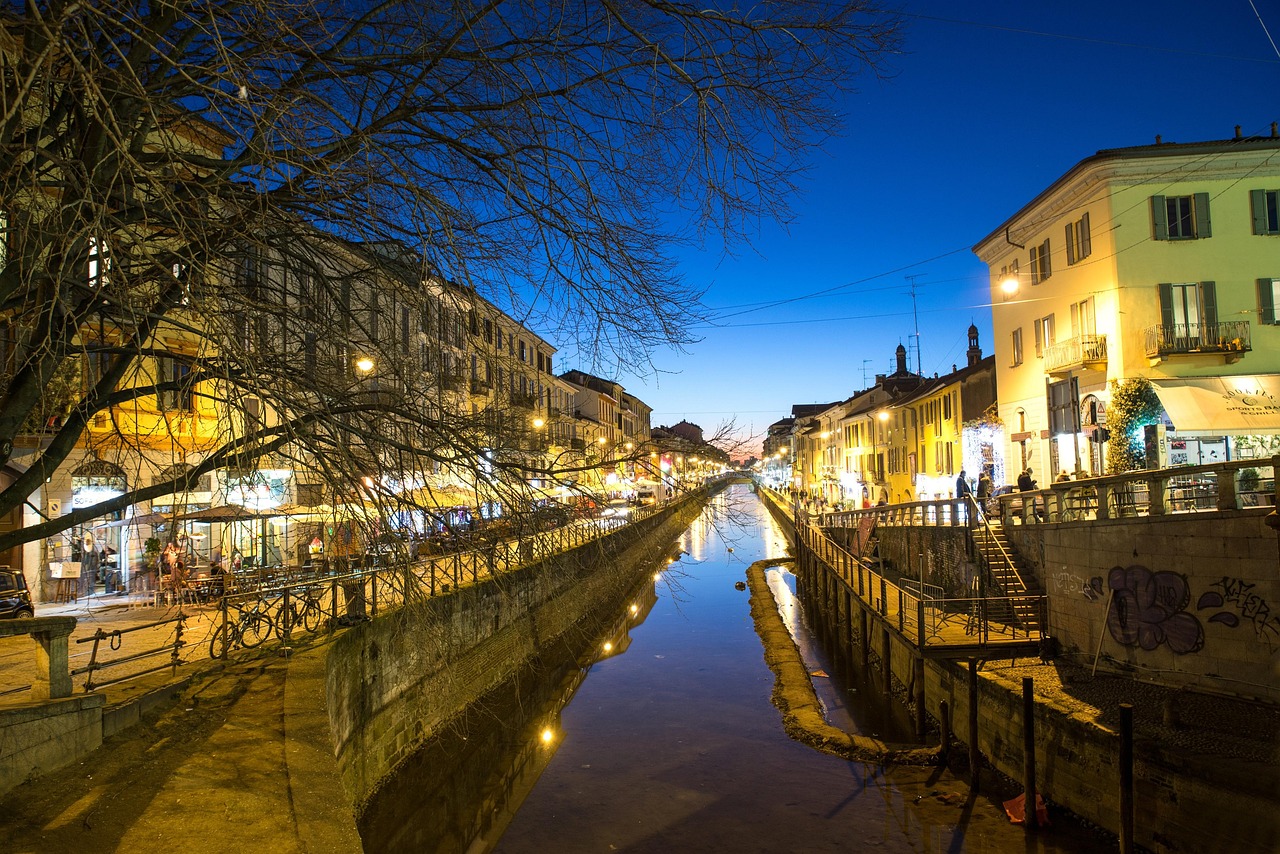
Navigli After Dark Canals Aperitivo and a Seamless Visit Milan Plan
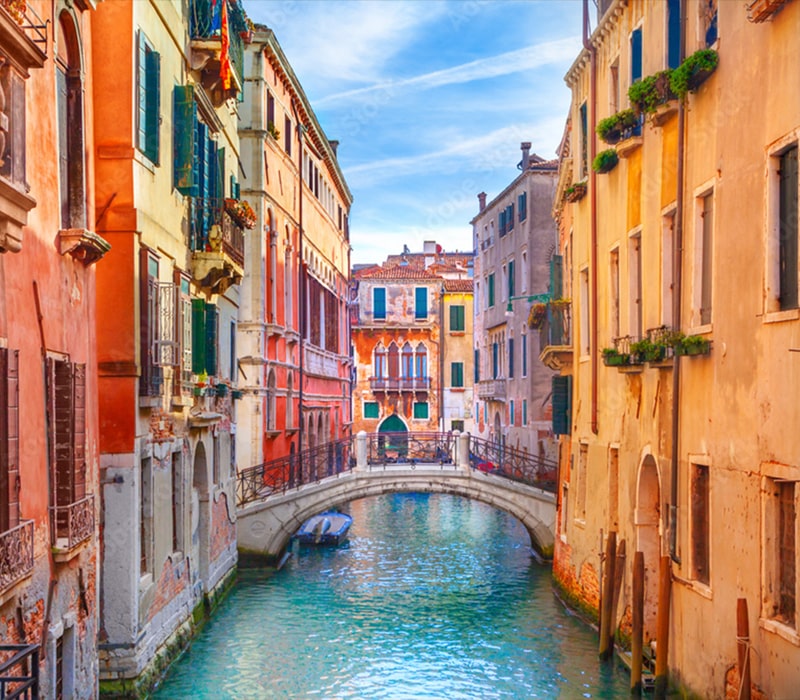
When evening arrives, the Navigli district offers a softer, more intimate Milan—water, conversation, and the gentle ritual of aperitivo. For canal nightlife in the Navigli district, the best approach is relaxed rather than hurried: choose waterside tables, order something crisp, and let the city come to you. Milan can feel very local here, especially when you’re not trying to do too much at once.
If a private gondola ride is on your wish list, it’s worth framing it thoughtfully. Milan isn’t Venice, yet a private canal boat experience—gondola-style, where offered—can be deeply romantic. Imagine drifting along the canal as lights ripple, hearing the city without needing to chase it. It’s a different angle on Milan, and sometimes that’s where the most personal memories are made.
Luxury logistics for a day exploring Milan
Arriving well sets the tone. Many luxury travellers fly into Malpensa airport and choose a private transfer, which immediately makes the trip feel supported. In the city, taxis and chauffeured car services keep things efficient and safe, particularly if you’re moving between galleries, dining, and evening plans.
- Airport arrival: Malpensa airport to central Milan by private transfer for comfort and confidence.
- City navigation: use a driver in the evenings so you can enjoy Navigli without worrying about routes.
- Timing: build in small buffers—Milan rewards travellers who don’t rush.
Italian food, Italian gelato, and Milan are also a gateway
End the night with excellent Italian food in a calm setting, then seek out Italian gelato away from the busiest corners—your hotel concierge can often point you to quality without queues. And if you have an extra day, Milan is also a beautiful gateway to nearby Italian cities and lakes: Lake Como for cinematic views, or Lake Maggiore for a quieter elegance. If you’re already thinking about Milan next, that’s the city doing what it does best—leaving just enough unsaid to draw you back.
If you’d like us to craft the wider Italy pairing, you can browse our Trip gallery for inspiration that feels seamless and deeply considered.
F.A.Qs: Milan, Italy things to do
What is Milan, Italy, best known for?
Milan is best known for fashion, design, and culture—think the Duomo, the fashion district, and world-class performances at Teatro alla Scala. It’s also admired for museums, contemporary art, and a refined dining scene that feels both local and sophisticated.
What should you not miss in Milan?
Don’t miss the Duomo and its rooftop views, a stroll through Galleria Vittorio Emanuele II, and an evening plan that includes either La Scala or Navigli aperitivo. If you love modern culture, add Fondazione Prada; for history, consider Santa Maria delle Grazie.
Is Milan very expensive?
Milan can be expensive, especially in the fashion and historic centre, but it’s flexible. You can balance luxury experiences—private transfers, premium tickets, and fine dining—with simple pleasures like neighbourhood cafes, galleries, and aperitivo, which can feel high-end without constant splurging.
Can I wear jeans in Milan?
Yes, jeans are absolutely acceptable in Milan, particularly if they’re well-fitted and styled thoughtfully. Pair them with smart shoes and a tailored jacket for an effortless look. For churches and La Scala evenings, aim for a more polished, respectful outfit.
What Stayed With Us After Milan
What stayed with us wasn’t a checklist, but a series of small, luminous impressions: the glow of stone at dusk, the quiet click of shoes on old pavements, the way a well-dressed city can still feel gentle. Milan has a talent for being grand without being cold—like a beautifully tailored coat that happens to be warm. Even when you remember the cathedral and its height, what lingers is the feeling of being held by the space, not overwhelmed by it.
There’s a particular kind of trust you carry home from Milano when you’ve travelled with care. You learn that confidence can be soft, that style can be generous, that a city known for design can also be personal. And perhaps that’s why people fall in love with Milan: it offers beauty, yes, but it also offers permission—to slow down, to look closely, and to let meaning arrive in its own time.
Later, you might recall an unexpected hush in a courtyard, or the sound of evening on the water, and realise the trip changed your pace in a way you didn’t notice at the time. Milan remains there, quietly doing what it does—waiting for you to return in a different season, and to discover a new layer when you’re ready.