Post Contents
- Designing your Italy itinerary: must-see places in Italy for Italy for the first time
- Italy itinerary framework for 7, 10 and 14 days (built around fast trains)
- When to visit Italy: why shoulder season and off-season feel luxurious
- Northern Italy vs southern Italy: choosing the right part of Italy and the mainland Italy mood
- High-end planning essentials for calm confidence (without over-scheduling)
- Rome & the Vatican – a bucket list place in Italy for things to do in Rome
- Venice canal evenings: Grand Canal glow and how to visit Venice in style
- Florence: the beautiful city’s energy, things to do in Florence, and how to visit the Duomo
- Tuscany, Cinque Terre & Naples: coastline escapes including the Amalfi Coast
- F.A.Qs: must-see places in Italy
- After Italy: what stayed with me (and why you may want to go back to Italy)
Designing your Italy itinerary: must-see places in Italy for Italy for the first time
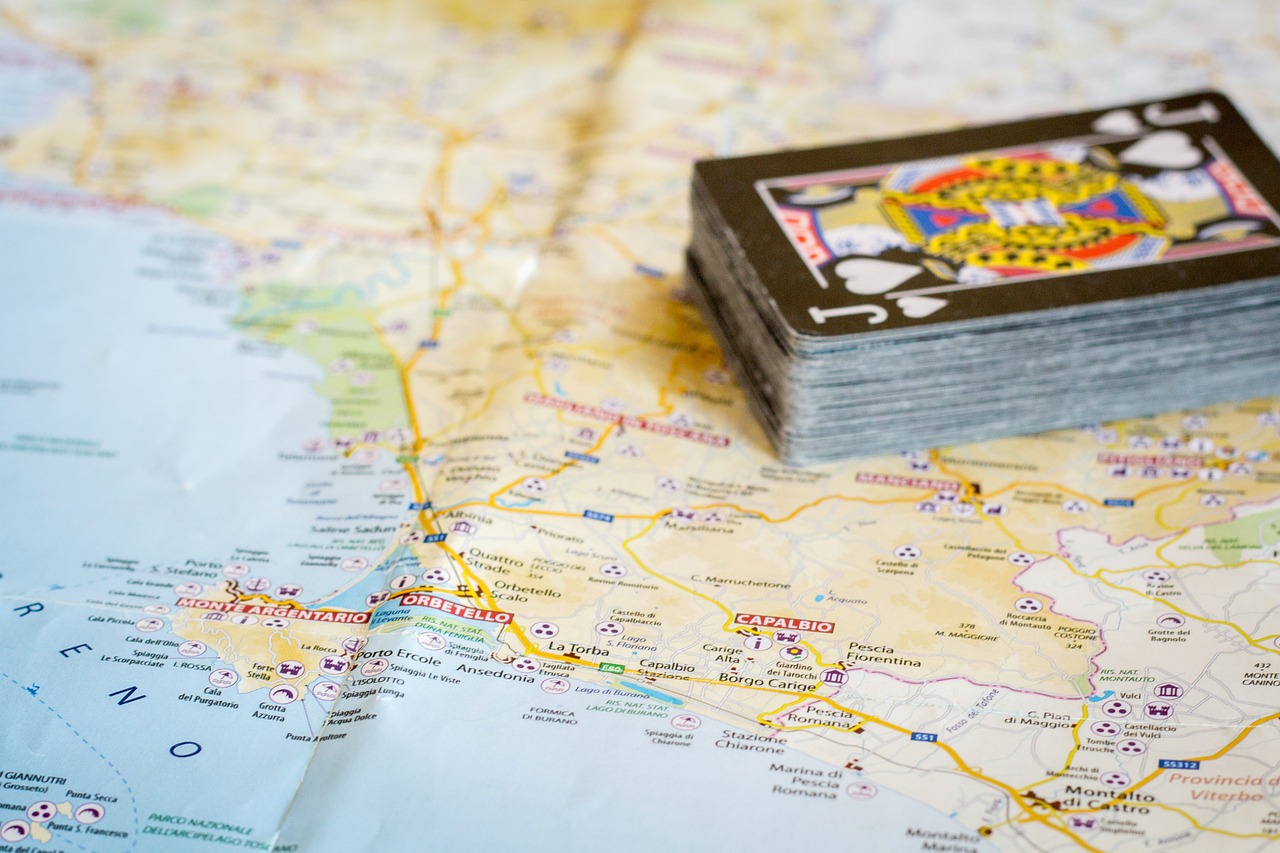
A calm route design that links iconic bases with comfortable travel days—so each stop feels unhurried.
If you’re mapping out Italy for the first time, the luxury approach is simple: choose fewer bases, connect them smoothly, and let each destination breathe. Italy is one of the countries to visit when you want culture, style, and comfort together, and this travel guide mindset keeps you from sprinting from sight to sight. For first-timers who want to visit the classics without friction, pair Rome, Florence, and Venice, then add Tuscany or a coastal finish for contrast on your trip to Italy.
Below is a clear list of places to visit in Italy that balances bucket-list grandeur with human pacing, so there’s still space for long lunches and quiet evenings. Think of it as places to see in Italy that you can actually enjoy: Rome and the Vatican, Venice, Florence, Tuscany’s wine country, and the Amalfi Coast—each a distinct mood, each worth your time when you’re exploring Italy. If you have extra days, Milan and Lake Como create a polished northern flourish that many travellers want to visit.
Italy itinerary framework for 7, 10 and 14 days (built around fast trains)
The secret to a seamless first trip to Italy is letting fast trains do the heavy lifting, then using a private driver where rail stops aren’t convenient. A city in Italy, like Rome, links to Florence and Venice by high-speed rail, and you arrive in the historic centre rather than at an airport edge. For a countryside day trip, a driver turns logistics into leisure—especially in Tuscany, where the best roads are made for scenic detours, not rushing.
7 days: Rome (4) + Florence (3). You’ll have time for the Colosseum, the Vatican Museums, and a crafted art day in Florence, plus one short countryside escape if you’re efficient with bookings.
10 days: Rome (4) + Florence (3) + Venice (3). This classic Rome-and-Venice pairing, with Florence as the elegant hinge, delivers history, art, and waterborne romance in one arc.
14 days: Rome (4) + Florence (3) + Venice (2) + Tuscany (2) + the coast (3). This feels generous: you’ll explore, rest, and still have that “I could stay longer” glow. It also gives you choices: you can swap the coast for Cinque Terre, or add Milan for fashion and design.
When to visit Italy: why shoulder season and off-season feel luxurious
Visit Italy in spring (April to June) or early autumn (September to October) for milder weather and a more local, intimate feeling. If you can visit in the off-season, you’ll often find quieter galleries, easier restaurant reservations, and better hotel availability—particularly in Florence and Venice, where peak summer can feel intense. Heat matters, too: Rome’s ancient stone is glorious, but it retains heat, so shoulder-season days make long walks feel kinder.
High-end travel is rarely about doing more; it’s about experiencing the best at the right time with the right support. Think: timed museum entries, private transfers when they protect your energy, and a pace that leaves room for a long lunch without watching the clock.
Northern Italy vs southern Italy: choosing the right part of Italy and the mainland Italy mood
Choosing between Northern Italy and Southern Italy is really choosing a mood. Northern Italy leans towards crisp lakes, polished design-forward Italian cities, and contemporary culture; southern Italy is sunlit, expressive, and deliciously unhurried. Mainland Italy, in between, gives you that satisfying mix of marble cathedrals, hill towns, and small streets where the best moment of the day might be a coffee and a smile.
If you plan to visit Milan for fashion houses, galleries, and aperitivo culture, pair it with Lake Como for lakeside calm. You can also use Milan as an arrival or departure anchor, which can make long-haul flights feel easier—and it’s a smart chance to visit a different side of the country without adding extra travel stress.
High-end planning essentials for calm confidence (without over-scheduling)
To experience the best without over-scheduling, set priorities early: the key sites that need reservations, the restaurants you genuinely care about, and one or two personal splurges (a private guide, a boat, a winery host). Then build the trip around those anchors so everything else feels flexible rather than fragile—and so there’s still much to see without feeling “managed” every hour.
- Reserve early: private tours and skip-the-line tickets for major sites like the Colosseum and Uffizi.
- Design transfers: trains for city-to-city travel, drivers for countryside day trips, and door-to-door ease.
- Choose hotels thoughtfully: location beats square metres; the right address gives you time back.
- Keep one pocket of spontaneity: a slow evening, a market wander, a detour that becomes your hidden gem.
If you’d like support that feels human, calm and expert, Designer Journeys can create and design a tailored route, manage reservations, and stay alongside you while you travel, so you can simply enjoy Italy with trust. For inspiration, browse our Trip gallery—it’s a curated destination in Italy collection that helps you refine your priorities.
With the bones of your route in place, let’s begin where history feels closest to the surface.




Rome & the Vatican – a bucket list place in Italy for things to do in Rome
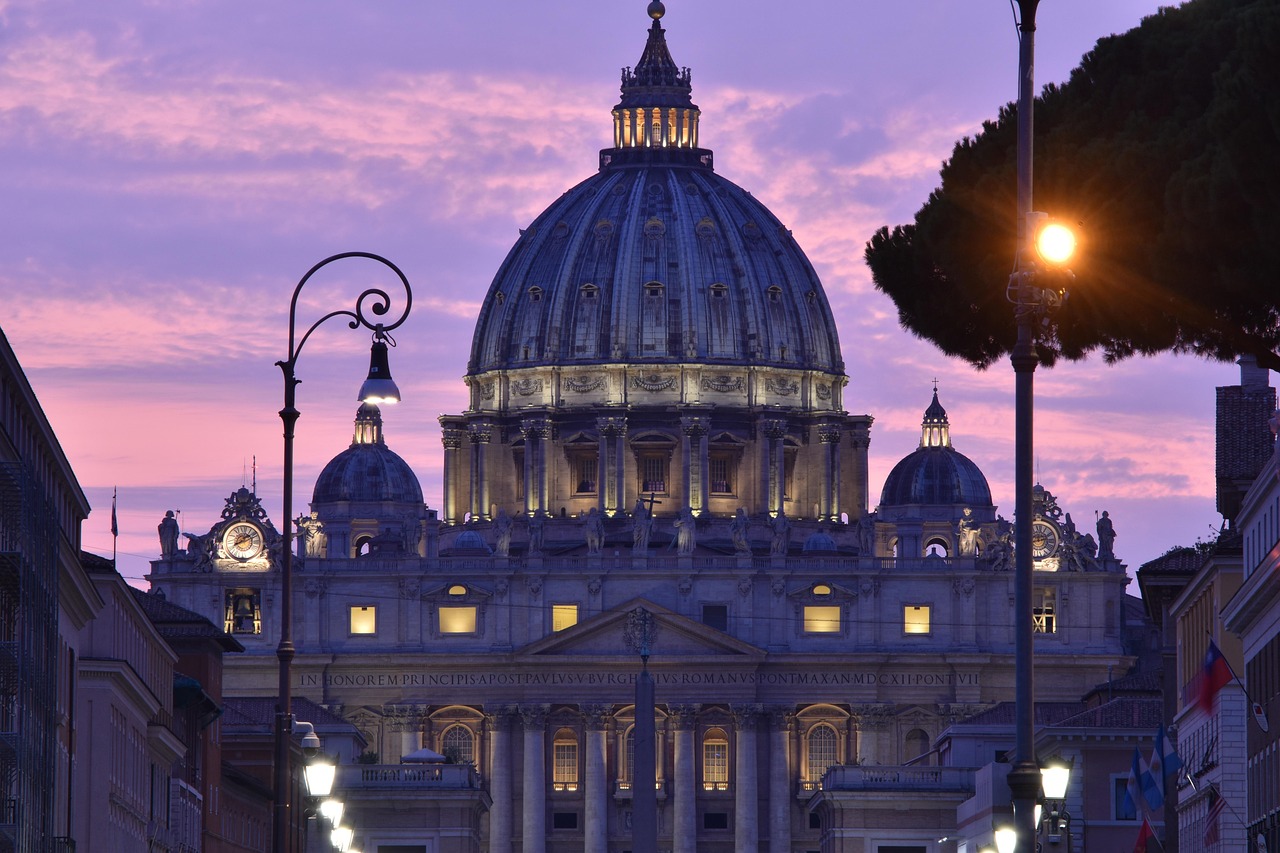
Rome at sunrise: the city feels quieter, cooler, and more personal when you time the icons well.
In Rome, the real luxury is timing it right. One traveller told me their sunrise visit to the colosseum felt like stepping back in time: fewer voices, cooler air, and honeyed light catching on ancient stone. It was the kind of morning that makes you want to go back before you’ve even left—because you realise Rome isn’t a checklist, it’s a feeling.
Rome is a bucket list classic, but it’s also surprisingly intimate when you move with intention. With an expert guide and a designed route, you can uncover depth rather than crowds, and let the city meet you at your pace—so what you see in Italy feels connected, not rushed.
Colosseum + Roman Forum: a high-end guided route that avoids top tourist pinch-points
Pair the highlights properly: start with the Colosseum, then continue into the Roman Forum while your mind is still in the story. A specialist archaeologist guide turns stones into lived experience—politics, rituals, daily life—so you don’t just look, you understand. Skip-the-line tickets matter here not for status, but for comfort: they keep you out of the tight top tourist pinch-points that can drain energy early in the day.
A practical rhythm: begin as early as your tickets allow, keep water with you, and plan a calm mid-morning pause—Rome rewards those who don’t push through fatigue. In warmer months, schedule outdoor sites before midday, then retreat to shade for lunch and a slower afternoon.
Museum moments done well, including the Sistine Chapel
This is one of those beautiful places where the right order changes everything. Timed entry, a clear route through the Vatican Museums, and a steady pace can make the experience feel reverent rather than rushed. When you reach the Sistine Chapel, you’ll want the headspace to take it in—quietly, completely—so pre-arranged timings and a guide who knows when to linger are invaluable.
Dressing modestly guidance is simple but important, especially for church visits: shoulders covered, knees covered, and a light layer in your day bag. It’s a small detail, yet it helps you feel comfortable rather than self-conscious.
A personal, high-end rhythm for Rome (beyond the big sights)
Rome’s glamour is often found between the “big” moments. Imagine an aperitivo where the light turns amber on a side street, then a tailored culinary evening with a chef who understands elegance without performance. In Rome, local courtesies are a kind of key: a warm “Buongiorno”, a few Italian phrases, and a willingness to pause rather than push forward.
If you’re wondering whether to visit Rome with a guide every day, the answer is no—just on the days when insight is the difference between seeing and understanding. On other days, let yourself wander with confidence: choose one neighbourhood, one church, one gelato, and let the city reveal its softer edges.
Practicalities for a seamless Rome day (timings, transfers, and comfort)
Private transfers are most useful when you’re moving early, returning late, or managing heat—especially if you’re dressed for a refined dinner and don’t want to negotiate taxis. Start times matter: dawn for the Colosseum area, late afternoon for fountains and streets, and evenings for dining when the air cools. This is how you explore Rome without feeling rushed, and how a grand day remains gentle.
Next, we trade stone for water—and a city that changes with the light.
Venice canal evenings: Grand Canal glow and how to visit Venice in style
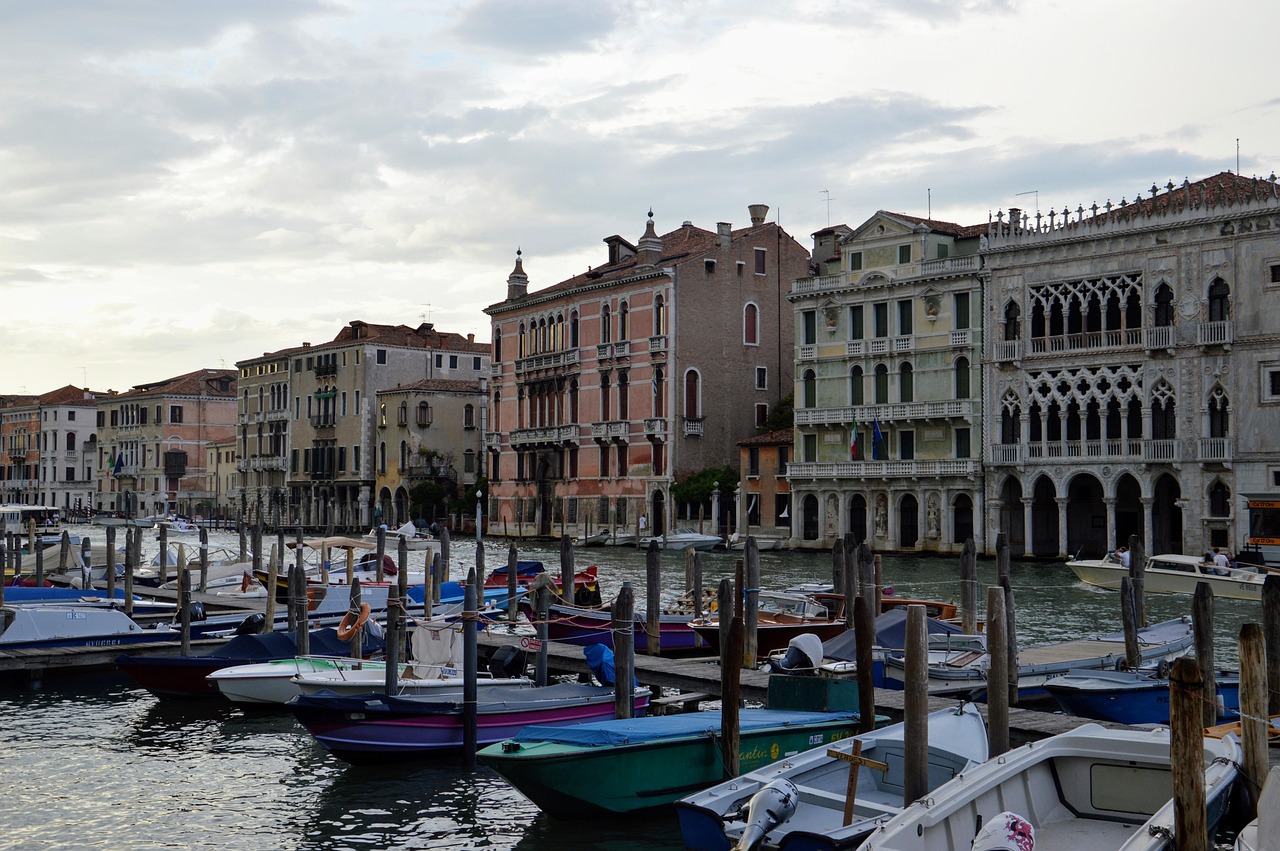
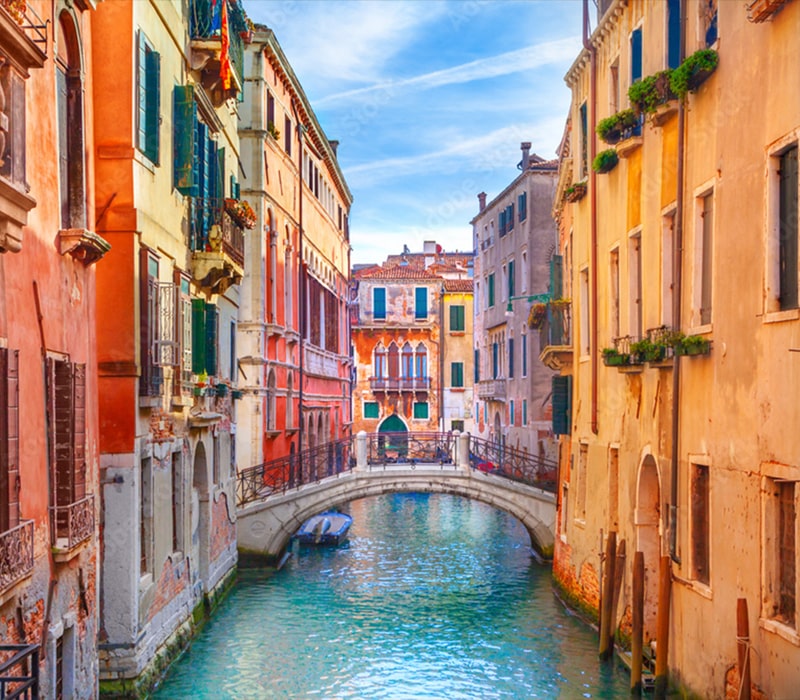
Sunset in Venice: warm façades, quiet water, and a gentle pace after the day crowds drift away.
The most romantic answer is also the most practical: go when the city softens. Discover Venice at sunset on a private gondola, with Renaissance façades gliding past in warm light and the Grand Canal turning copper beneath bridges. This lagoon city can feel theatrical at midday, but in the evening it becomes quietly sincere—more whisper than spectacle.
It’s also one of the most beautiful places to stay overnight when you want the sensation of being inside a painting. The trick is to design your timings so you feel the poetry without the pressure, and so this gem of a city never feels like a crowd-management exercise.
A private gondola ride that becomes a personal memory
One traveller described a magical ride where their gondolier serenaded them, not as a show, but as something offered in the moment. The pace was unhurried, the water nearly still, and the song carried along the canal like a secret. It’s the kind of experience that feels crafted just for you—proof that luxury is often about intimacy rather than extravagance.
If you’d like that same sense of ease, book ahead and ask for a route that includes quieter side waterways as well as one iconic view. You’ll see more texture: laundry lines, lantern light, small courtyards—Venice as a living city, not only a postcard.
Timing and crowd strategy, plus quieter sestieri to explore
Gondola rides peak in summer; evenings and early mornings are best for a peaceful experience. In the early morning, Venice feels almost private, and the first coffee of the day can be one of the most beautiful moments of the trip. In the evening, day visitors thin out, and you can walk without having to navigate constant bottlenecks.
For a gem-like detour, explore quieter sestieri away from the most photographed lanes. You don’t need to “do” every landmark—choose a neighbourhood, follow the light, and let yourself be curious. This is how you uncover a hidden gem café or a tiny gallery that feels like it was waiting for you.
Where to stay for a high-end, seamless stay on the water
Where you stay changes Venice entirely. The best hotel near the water offers a calmer arrival and a sense of belonging to the city rather than just visiting it. Ask for luggage support and pre-arrange a water taxi transfer—this is what seamless looks like in a place built on water. Arriving by boat, you understand immediately why the city is so adored: it reveals itself from the water, not from a road.
And if you’re debating Rome or Venice, know that the right design makes both work. The lagoon city is best in small doses for many travellers; Rome rewards longer stays. Together, they feel complete.
From the water’s hush, we move to Florence—where beauty is made by hand and held in paint.
Florence: the beautiful city’s energy, things to do in Florence, and how to visit the Duomo
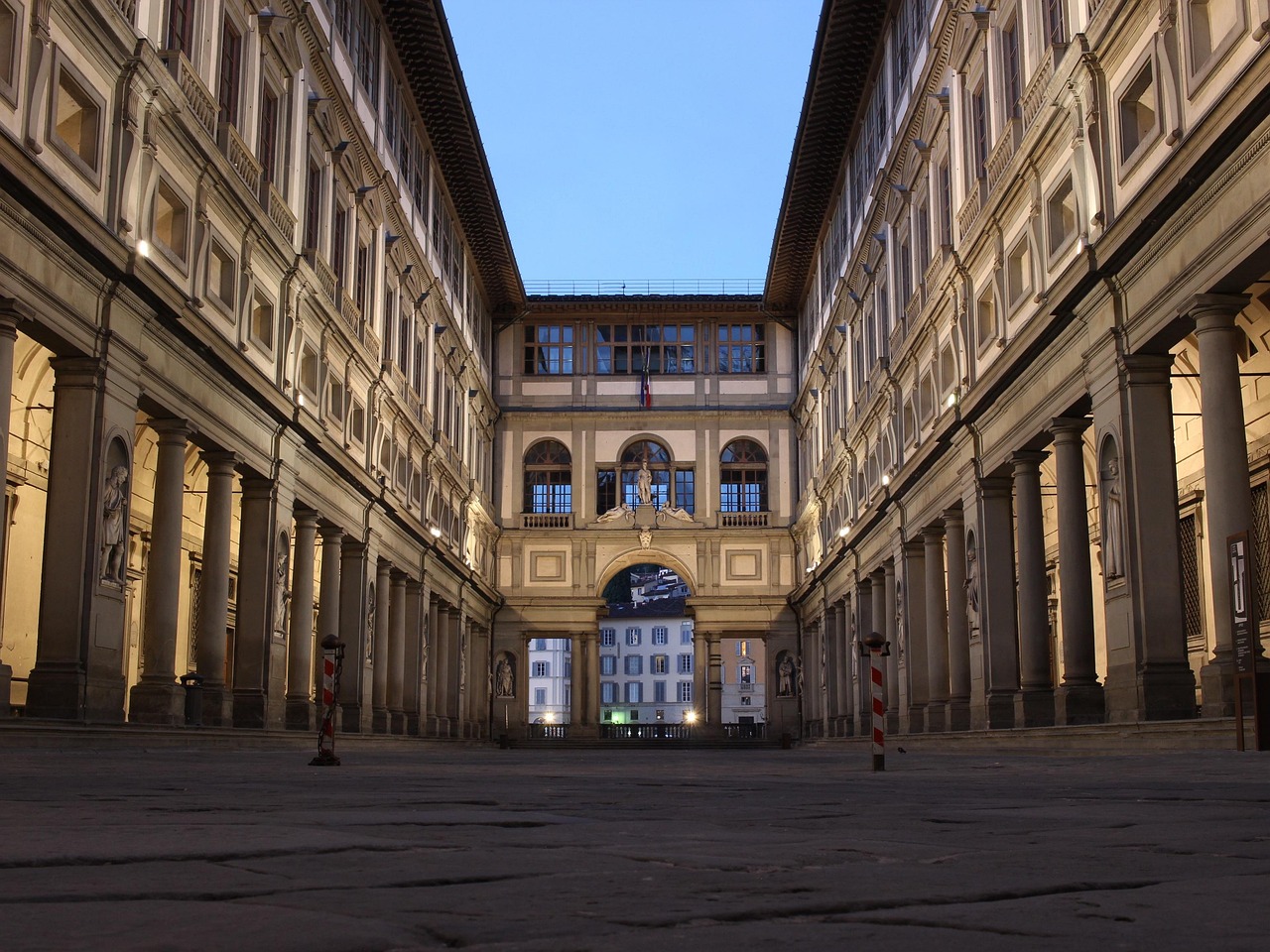
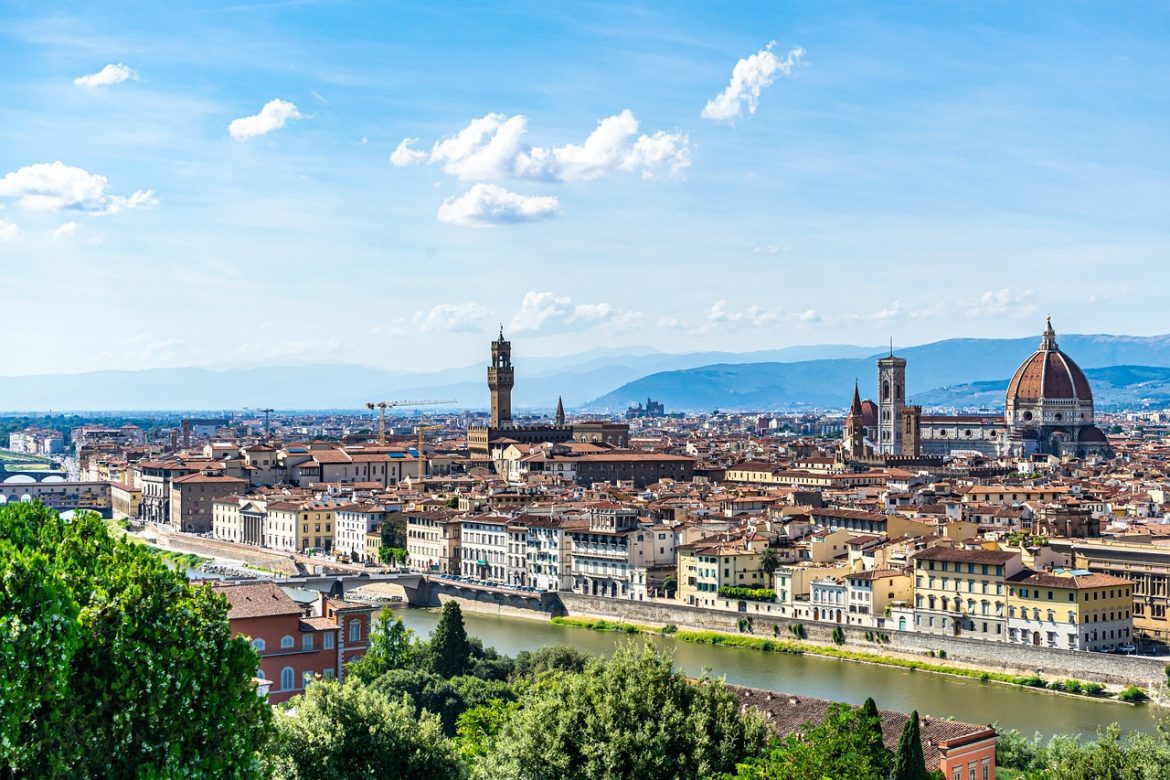
Florence up close: Renaissance details, artisan craft, and the Duomo’s presence in everyday city life.
Start by giving art the respect of time and space. Florence is compact, walkable, and intensely rewarding for travellers who prefer depth over haste, and it’s one of those beautiful cities that feels proportioned—stone, light, and human scale working together. If you can visit Florence with early entries and a calm plan, the city feels refined rather than busy.
Florence can be lively, but it doesn’t have to feel crowded. With thoughtful bookings and a few local rituals—coffee at the bar, an evening passeggiata—you can enjoy it with confidence.
Uffizi Gallery deep-dive: Botticelli, quiet rooms, and incredible to see details
An art enthusiast once told me that the moment they saw Botticelli’s The Birth of Venus up close at the Uffizi Gallery, they were stunned by the detail: the softness of the colour, the emotion in the faces, the way the painting held them. It wasn’t just incredible to see; it felt personal, like the work had waited centuries for this exact encounter.
Private early entry is the difference between being pressed through rooms and being able to stand still. If you can arrange it, do: you’ll uncover brushwork, symbolism, and the quiet power of Renaissance composition without the crush. This is one of the best places for meaningful looking, not just looking.
Duomo insight and a calm plan for Florence’s architectural heart
Book ahead and go with a guide who can translate architecture into a story. The Duomo is astonishing from every angle, but understanding why it was built the way it was—and how it reshaped the city—adds a layer of wonder. If you plan to climb, choose a morning slot for cooler air and clearer light, and don’t stack another “big” site immediately after.
Florence rewards an unhurried approach: one major museum, one major architectural moment, then time for lunch and wandering. The most refined day often has fewer appointments and more breathing room.
Design-led Florence beyond museums: ateliers, craft, and taste
Florence is also about what’s made now. Explore ateliers where artisans shape leather, paper, or jewellery with techniques passed down and quietly evolved. If fragrance intrigues you, seek out small perfume houses where scent becomes a souvenir more intimate than any object.
A local food walk can be wonderful when it’s crafted with care—seasonal tastes, a market stop, and a guide who understands that luxury travellers want authenticity without theatrics. Let it be a conversation, not a performance.
Logistics that matter: train station access, plus Pisa as a half-day option
The train station sits close enough to the historic centre that hotel choice can be strategic: stay within an easy walk, and you’ll save time on arrivals and departures. Florence is best explored on foot, with a driver reserved only when you’re heading beyond the city—perhaps for a Tuscan winery day or a countryside lunch.
If you have a spare half-day, Pisa is worth a visit. The leaning tower of Pisa is a classic photo, yes, but seeing the leaning tower in person has a playful charm that photographs miss.
Now we widen the lens: vineyards, cliff roads, and the coastline that turns a holiday into a love story.
Tuscany, Cinque Terre & Naples: coastline escapes including the Amalfi Coast
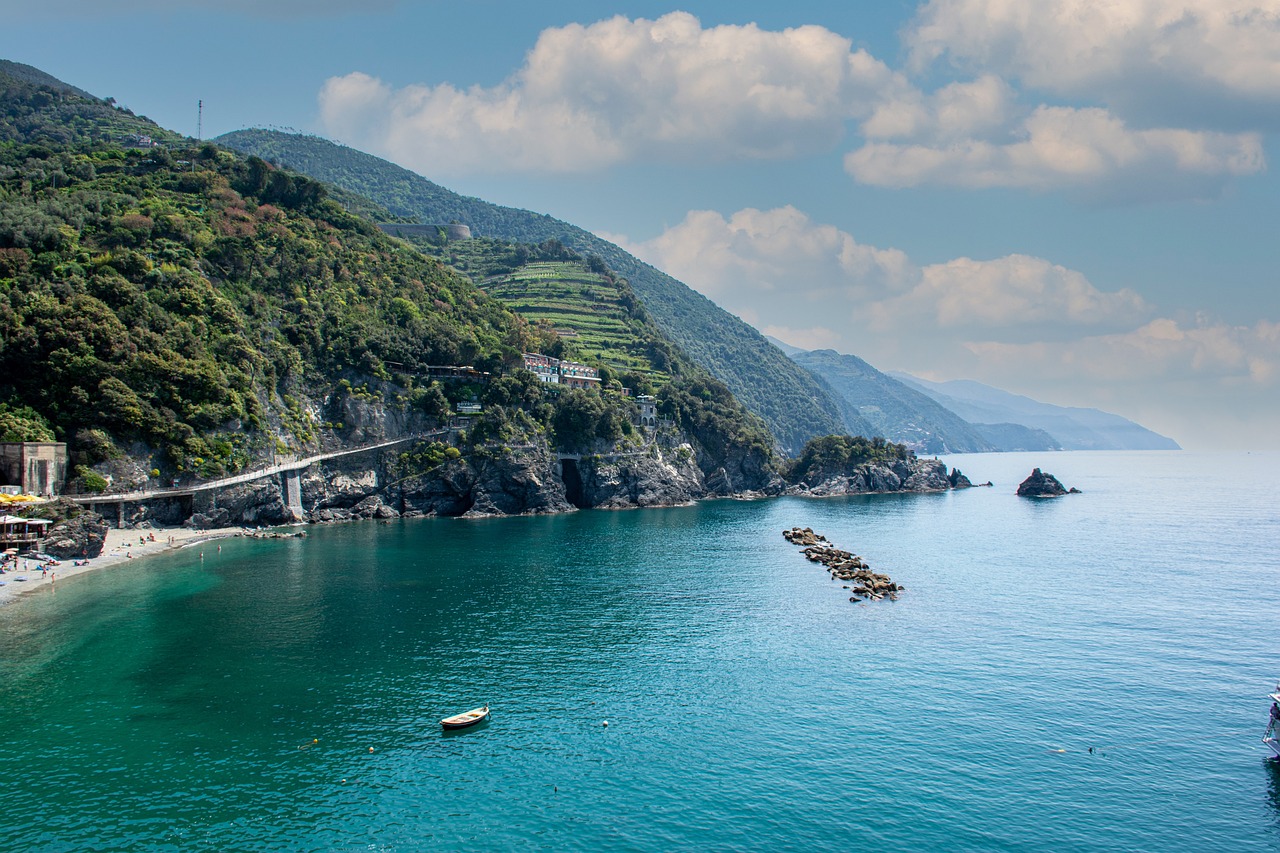
From vineyard hills to sea cliffs: Tuscany, Cinque Terre, Naples, and a coastal finale with shimmering views.
This stretch is where Italy becomes both indulgent and elemental. You move from vines to sea, from hilltop stone to bright water, and each shift feels like a new chapter of the same story. It’s also the part of Italy where a private driver or boat charter can transform the day from “logistics” into pure pleasure, especially when you’re following the coastline at an unhurried pace.
This is where high-end travel shines: curated access, comfortable pacing, and experiences that feel personal rather than mass-produced—some of the amazing places to visit when you want variety without chaos.
Tuscany indulgence with confidence: wineries, hill towns, and San Gimignano
Tuscany is the dream of rolling vineyards, cypress-lined roads, and long lunches that turn into late afternoons. An avid wine lover once described an exclusive Tuscan winery tour where the vintner personally guided them through the winemaking process, followed by a private cellar tasting. It wasn’t just about prestige bottles; it was about insight, generosity, and the feeling of being welcomed behind the scenes.
Use Florence as a base for Tuscany and plan a flexible day trip with a rental car or, better, a private driver. That way, you can create a route around your preferences—bold reds, boutique estates, or a chef-led lunch—without worrying about directions or timing. If you can, stop in San Gimignano for its medieval skyline, then continue to a winery where the view is as memorable as the glass—an easy gem to add without overcomplicating the day.
Cinque Terre done elegantly: hiking, trains, and the national park villages
Cinque Terre is famously picturesque, and it’s even more rewarding when you design the practical details. To visit Cinque Terre without friction, use the train as your backbone, choose one base town, and arrange baggage support so you can move lightly. The five villages sit within a national park, and the magic is in combining short, beautiful walking segments with relaxed seaside stops—rather than trying to conquer everything at once.
A smart strategy is to focus on 2 or 3 of the 5 towns, then choose the best walking section based on the weather and your energy. Cinque Terre is at its best when you leave space for a swim, a glass of wine, and the simple pleasure of watching boats come and go. If you only have a single day, keep plans loose and let Cinque Terre be one of the best places for slow looking.
For many travellers, Cinque Terre is ideal on a second loop through Italy, when you already trust your rhythm. But it can also fit a first itinerary beautifully if you’re willing to slow down—and if you plan to visit Cinque Terre with a clear rail plan and realistic walking goals.
Naples: bold flavour, street energy, and a smooth gateway south
Naples is bold, soulful, and full of flavour—an ideal gateway if you’re heading to the Amalfi Coast with ease. Keep the plan focused: one or two neighbourhoods, a short walk for atmosphere, and a meal designed around the best food rather than the fanciest address. Naples is where you go for the best pizza, served hot and unapologetically simple.
If you prefer a smoother arrival, a private transfer from Naples to the coast is a gift to yourself. It’s less about luxury signalling and more about care: you arrive calm, not frayed, ready to enjoy the sea.
Amalfi Coast in peak style: a private yacht day and coves beyond the road
The Amalfi Coast is one of those stunning places that feels almost unreal—cliffs, lemon groves, and water that shifts colour by the hour. A traveller described their Amalfi Coast yacht experience as a perfect blend of adventure and luxury, with exploration of hidden coves, secluded beaches, and gourmet meals onboard. For them, it was reason enough to visit, and I understand why—a few days feel so complete, and it can be incredibly beautiful from the water.
Private yacht charters along the Amalfi Coast can be expensive, but they offer unmatched comfort and a sense of space. If you choose this splurge, you’re buying more than a boat: you’re buying timing, quieter anchor points, and the ability to slip away from busy harbours. It’s well worth a visit for travellers who want the sea at its most relaxed, and it often becomes one of the best places to remember long after you’ve left.
To keep it seamless, start earlier than you think, bring sun protection, and ask your skipper to design a route based on wind and sea conditions. The sea gives you more when you cooperate with nature rather than forcing a schedule.
By now, you’ve likely started planning your Italy in your head—imagining what you’d do differently next time, and where you’d linger. These regions can be the best places to visit on your next visit to Italy, and you may find yourself thinking of Italy in seasons rather than dates.
F.A.Qs: must-see places in Italy
What is the most beautiful part of Italy?
The most beautiful part of Italy depends on what moves you: art and proportion in Florence, cinematic waterlight in Venice, or the Amalfi Coast for dramatic cliffs and sea views. Many high-end travellers find the Amalfi Coast unforgettable because you can experience it from the water, away from road traffic, with hidden coves and calm luxury.
What can you not miss in Italy?
If you only choose a few essentials, don’t miss Rome’s ancient heart (including the Colosseum and Roman Forum), the Vatican Museums and the Sistine Chapel, and Florence’s Uffizi Gallery. Add one slow, sensual region—Tuscany for wine and countryside elegance, or a coastal escape for sea-air glamour—to balance cities with breathing space.
What are the top 15 destinations in Italy?
Rather than racing through 15 stops, most luxury itineraries focus on a smaller set of stops done well. A strong “top” mix includes Rome, the Vatican, Venice, Florence, Tuscany, and the Amalfi Coast, with optional additions like Naples, Cinque Terre, Milan, and Lake Como. The best list is the one designed around your pace, season, and comfort.
Where should my first trip to Italy be?
For a first trip, a classic route is Rome, Florence, and Venice, connected by fast trains and anchored by pre-booked timed entries. Add Tuscany as a day trip from Florence for vineyards and gourmet dining, or choose the Amalfi Coast if you want a high-end seaside finish. This approach keeps travel seamless while giving you variety and depth.
After Italy: what stayed with me (and why you may want to go back to Italy)
After a trip through Italy, what returns to you isn’t the list you ticked off; it’s the texture of a day as it quietens. The hush that falls over a piazza when the last tour group drifts away, the way stone holds warmth into the evening, and the faint clink of glasses from a window above a narrow lane. You remember beautiful locations not as monuments, but as places where you felt present—unhurried, looked after, and quietly changed.
I think of the contrast that beautiful Italy holds so effortlessly: cathedrals and side streets, water and stone, grandeur and smallness. It takes care to travel well—trust in the details that keep you comfortable, and space for spontaneity to do its work. The best journeys are crafted, yes, but they’re also allowed to breathe.
What lingers most, though, is connection. A waiter who remembers your preference without fuss, a stranger offering directions with a kind seriousness, a shared meal that stretches longer than planned. Art follows you home too—colours that reappear in your mind when you least expect them, a face in a painting that feels oddly familiar, a sense that beauty can be both ordinary and profound.
And then there are the sounds: water tapping gently against steps, a distant bell, the soft roll of a suitcase over cobblestones at dawn. Somewhere in that mix is a smile you can’t quite explain, and the comforting sense that there are still places to see.