Post Contents
- Blue Grotto Capri: The Legend Behind the Glow, Cultural Insight, and Blue Light
- Capri Island Arrivals: How to Reach the Blue Grotto in Capri from Marina Grande
- Inside the Blue Grotto: Rowboat Ritual, Cave Entrance, and Cavern Atmosphere
- Best Time to Visit the Blue Grotto in Capri: Time to Visit, and When the Grotto Is Closed
- Blue Grotto Entrance Fee: Tickets to Enter the Blue, Entrance to the Blue Grotto, and Booking Tips
- Boat Tour Around Capri: Faraglioni Views, Private Boat Tour Options, and Stops Beyond the Blue Grotto
- Anacapri After the Blue Grotto: Local Culture, Viewpoints, and a Slower Side of Capri
- F.A.Qs: Blue Cave, Italy, and the Blue Grotto on Capri
- After Capri: Grotta Azzurra Reflections and Blue Grotto Memories You’ll Carry Home
Blue Grotto Capri: The Legend Behind the Glow, Cultural Insight, and Blue Light
Blue Grotto Capri: the legend behind the glow and blue light on the island of Capri
The first time you hear the phrase blue cave, Italy, it can sound like a postcard promise—until you’re actually approaching the Blue Grotto. Your boat slows, the coastline quietens, and a small opening in the rock makes you wonder if you can truly enter the cave at all. Then the water turns into a glowing blue wash of light that feels less like colour and more like something you could reach out and hold.
This is the Grotta Azzurra, a famous sight on Capri with a rich history tied to seafarers, fishermen, and the island’s long relationship with the sea. Old stories once painted this cavern as mysterious, even feared; later, boatmen helped travellers uncover its beauty with steady hands and local pride. Those traditions still shape the Blue Grotto today: the respectful hush, the gentle humour, and the small rituals that make it feel personal rather than performative.
Why the Blue Grotto glows inside a natural sea cave
The azure blue light appears because sunlight enters through an underwater opening and refracts upward, illuminating the water from below. As your eyes adjust inside the cave, you’ll notice the cave walls seem to soften, while the surface of the sea turns into a brilliant blue mirror. That singular blue light effect is why this sea cave is celebrated worldwide—yet it remains entirely natural.
Set expectations for this cavern visit—and why it still feels like a secret
Even though the blue grotto remains one of the most talked-about highlights, the visit inside the grotto is short, often just a few minutes. The scale is intimate, the echoes are close, and the stillness can make strangers feel connected in a way that’s unexpectedly calm. It’s also why the grotto is a must-see: not for how long you stay, but for how deeply it lands.




Capri Island Arrivals: How to Reach the Blue Grotto in Capri from Marina Grande
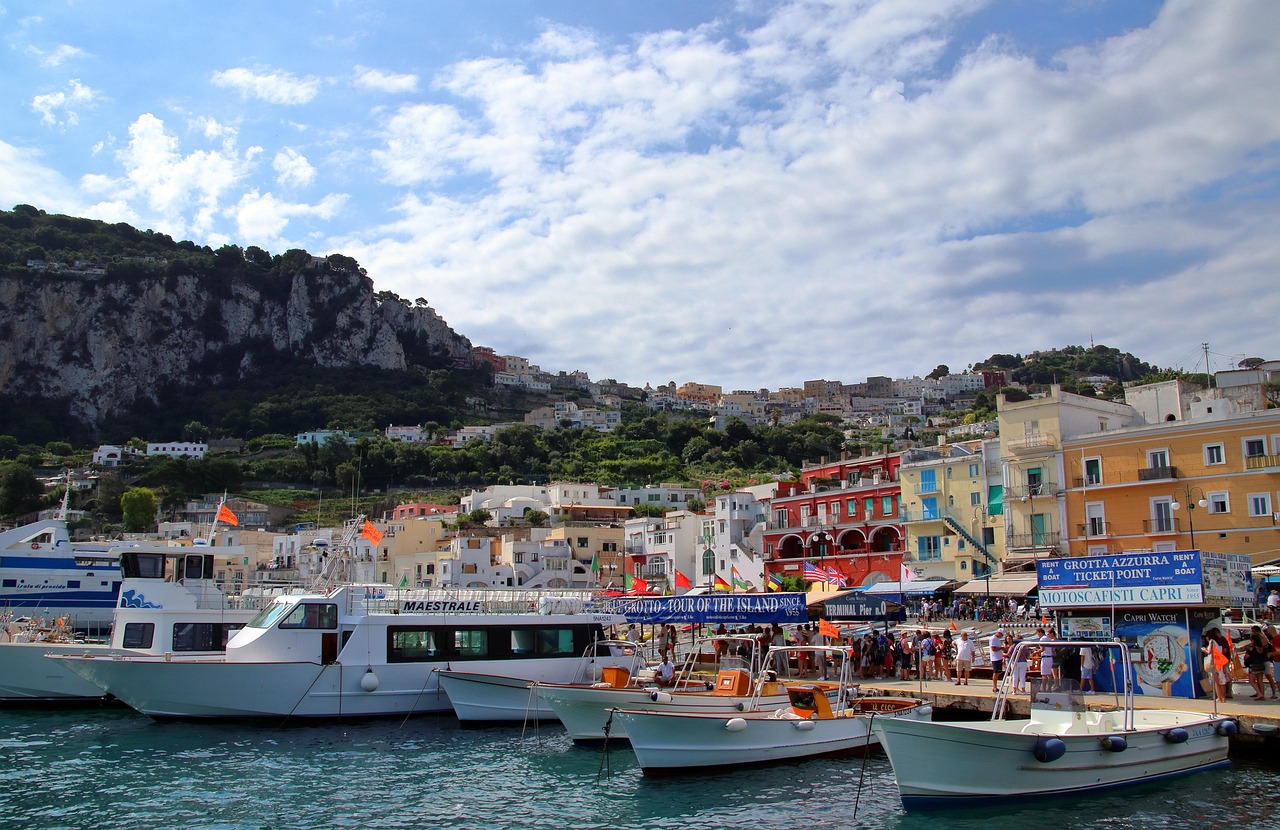
Capri Island arrivals: Marina Grande logistics to reach the Blue Grotto in Capri
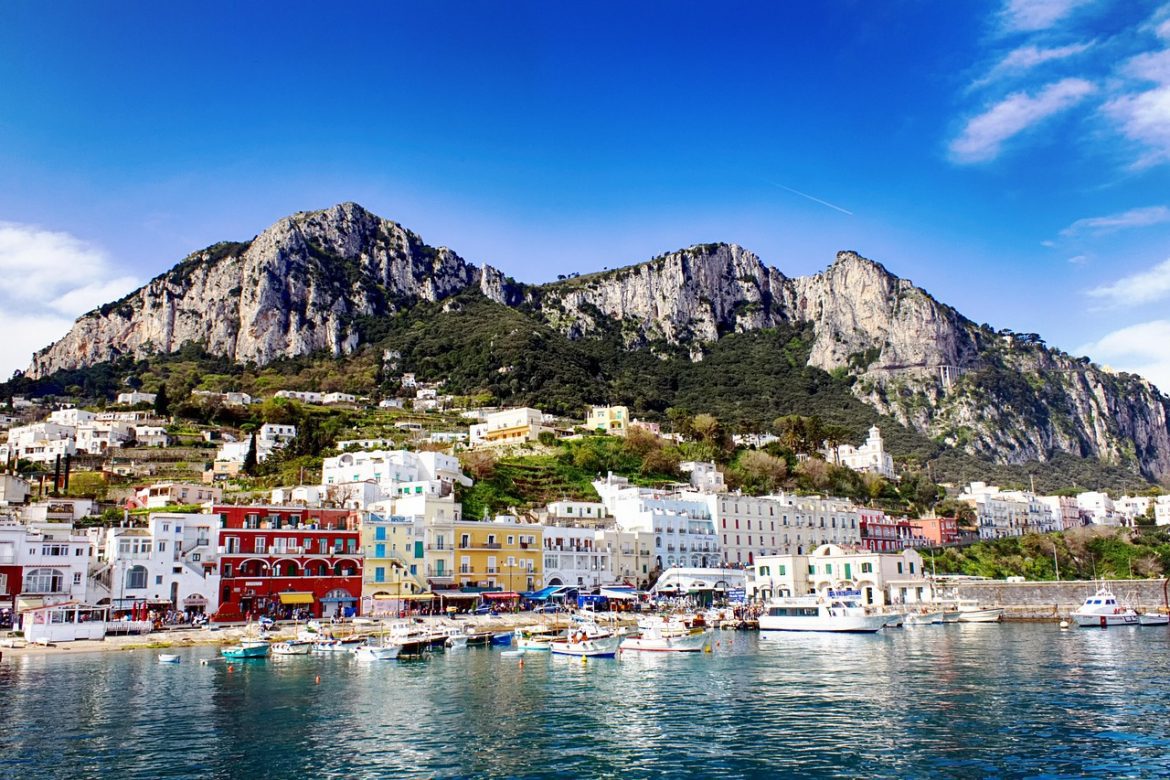
Think of planning your visit as your first act of calm. Most travellers arrive by ferry to Capri, stepping off at Marina Grande, where the energy is bright and slightly thrilling. From here, you can reach the blue grotto by sea (a boat from Marina Grande) or by land (towards a lookout above the cave entrance), depending on the day’s weather and sea conditions.
By sea, the Marina Grande to the blue route gives you a front-row view of cliffs, villas, and turquoise water—an unforgettable way to experience Capri Island as an island by sea. By land, you’ll take the road via Grotta Azzurra, then join the queue near the entrance of the grotto area to board a rowboat for the final approach.
Two main routes to visit the Blue Grotto on Capri with confidence
- Direct by sea: join a tour boat or charter that makes a stop at the Blue Grotto, often paired with a tour of the island coastline.
- By land, then rowboat: go overland from Marina Grande, then take the short transfer to the cave entrance where local rowboat teams operate.
Whichever you choose, build in time buffers. The grotto can easily create bottlenecks because only a few boats can enter the cave at once, and the decision to open or close it is always based on sea conditions.
If you’re visiting Capri for a single day, a full island tour can be the most seamless option—someone else manages timing, queues, and whether the Blue Grotto will be open. If you prefer independence, going directly can feel more crafted, but be ready to pivot if conditions shift. For inspiration as you shape your trip to Capri, you can browse our Trip gallery and imagine the day that fits your pace.
Inside the Blue Grotto: Rowboat Ritual, Cave Entrance, and Cavern Atmosphere
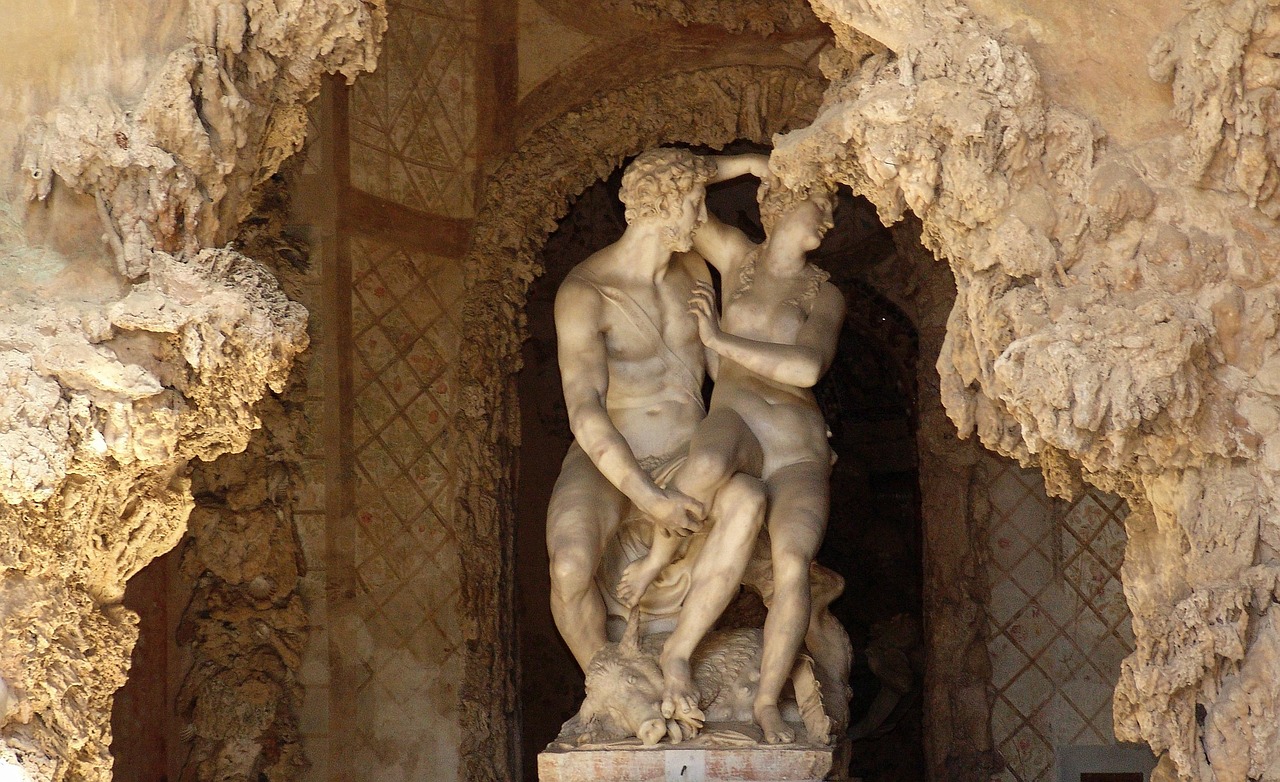
Inside the Blue Grotto: the rowboat ritual through the cave entrance into a hidden cavern
There’s a particular anticipation inside the blue grotto—the moment you’re close enough to see the low cave mouth and realise how narrow the passage is. You wait, you listen, and then your turn arrives. At the entrance of the blue grotto, you step into a small rowboat and feel the world shrink to water, stone, and a boatman’s assured rhythm.
The grotto entrance mechanics: how you enter the Blue Grotto safely
The approach is precise at the grotto entrance. The boatman positions the bow and, when the sea allows, uses an opening using a metal chain—often a chain attached to the cave—to guide the rowboat at the right angle. Because the mouth of the cave is only a few meters wide, passengers may be asked to lie back at the bottom of the boat for a few seconds. It can feel dramatic, but it’s controlled, practised, and rooted in generations of trust.
Then you slip through the cave entrance, and the noise of Capri falls away.
What it feels like inside the cave—sound, scale, and that blue glow
Inside the blue grotto, sound turns soft: quiet echoes, a faint drip, and the gentle knock of wood on water. This cavern is often described as 60 meters long, yet it feels larger because the colour expands your sense of space. Faces glow, hands look luminous beneath the surface, and the sea becomes a living lantern.
Many travellers describe the magical moment as the rowboat glides in—no rush, just a shared pause. If you’re hoping for photos, keep movements small and steady, and let your eyes settle first. The best images usually come after the initial awe, when you’ve found your balance, and you’re simply present inside the cave.
Comfort and care note: wear something you don’t mind brushing against damp rock, keep a light layer for shade, and hold your phone with two hands. This is a delicate place; create space for others, and don’t touch areas attached to the cave walls or splash to “test” the colour.
Best Time to Visit the Blue Grotto in Capri: Time to Visit, and When the Grotto Is Closed
Best time to visit the Blue Grotto in Capri, and when the grotto is closed
If you’re weighing the best time to visit the Blue Grotto, start with one reassuring truth: you can plan beautifully and still let the sea set the pace. The best window is often early morning, when queues are lighter and the time to visit the blue tends to align with calmer water. If you want to visit the Blue Grotto with a more intimate feel, aim for the first departures from Marina Grande.
Weather and sea conditions: why the grotto is closed at short notice
Rough seas can make the entrance unsafe; even moderate swell can push water through the opening at the wrong angle. That’s why the grotto is closed when there are rough seas or high winds, even on a bright day. The Blue Grotto may close quickly, and if the grotto is closed, it isn’t a disappointment—it’s care in action, guided by local expertise.
How to check whether the Blue Grotto is open today (open or closed)
- Ask your operator early in the morning whether the Blue Grotto is open and whether the cave is open for safe entry—some days it is open only for short windows.
- At Marina Grande, staff and skippers usually know the latest status; conditions can flip from open or closed within an hour.
- Build a flexible Plan B (Faraglioni, Anacapri, a coastal swim stop) so your day still feels crafted.
Seasonally, April to October brings the most reliable access for a second chance to visit the blue grotto if your first attempt doesn’t work. Winter can be beautiful, but the Blue Grotto is more frequently closed to visitors due to swell. Also note holiday closures: it’s typically closed on December 25th and January 1st.
Blue Grotto Entrance Fee: Tickets to Enter the Blue, Entrance to the Blue Grotto, and Booking Tips
Blue Grotto entrance fee, tickets to enter the blue, and booking confidence in Capri
For the Blue Grotto entrance fee and tickets to enter the Blue, it helps to separate three layers: the entry ticket itself, your transport to the Blue Grotto, and any organised tour. Typically, pricing ranges from 15 to 30 euros, depending on official updates; transport and guiding are often an additional cost. In other words, the blue grotto must be purchased as an on-site entry, but getting there may incur a separate cost.
How the entrance of the grotto works at the Blue Grotto entrance
At the entrance to the blue grotto, you’ll queue and pay, then wait for a rowboat rotation. The blue grotto entrance process can vary: on calm days, it flows; on busy afternoons, it can feel slow. If your goal is to enter the blue grotto with minimal friction, arrive earlier and keep your schedule light around it.
A calm booking strategy for a seamless day on the island
- Peak season: book in advance where possible, especially for a private boat transfer or timed island connections from Marina Grande.
- Bring flexibility: if you’ve pre-booked and the grotto is closed, ask your operator how they’ll support alternatives or refunds.
- Payment readiness: carry some cash; card acceptance can be inconsistent at small coastal points.
For peace of mind, choose reputable operators with clear, transparent pricing. Well-known local groups such as motoscafisti and laser capri are often recommended, and you may also see references to laser capri around Marina Grande. Look for operators who explain what’s included, what’s an addition to tickets, and how they decide if the grotto will be open—because entering the blue grotto must only happen when conditions are safe.
Boat Tour Around Capri: Faraglioni Views, Private Boat Tour Options, and Stops Beyond the Blue Grotto
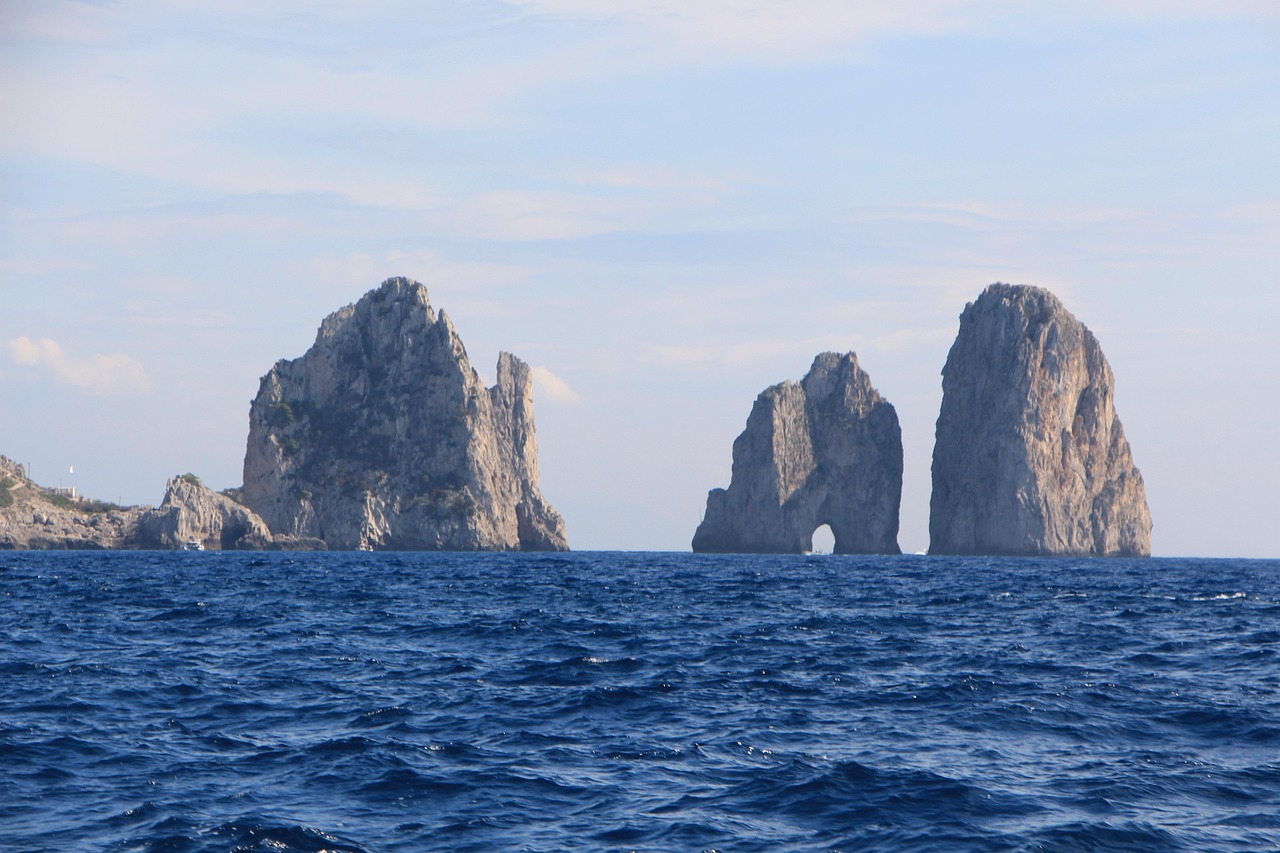
Boat tour around Capri: Faraglioni, sea-cave stops, and time beyond the Blue Grotto
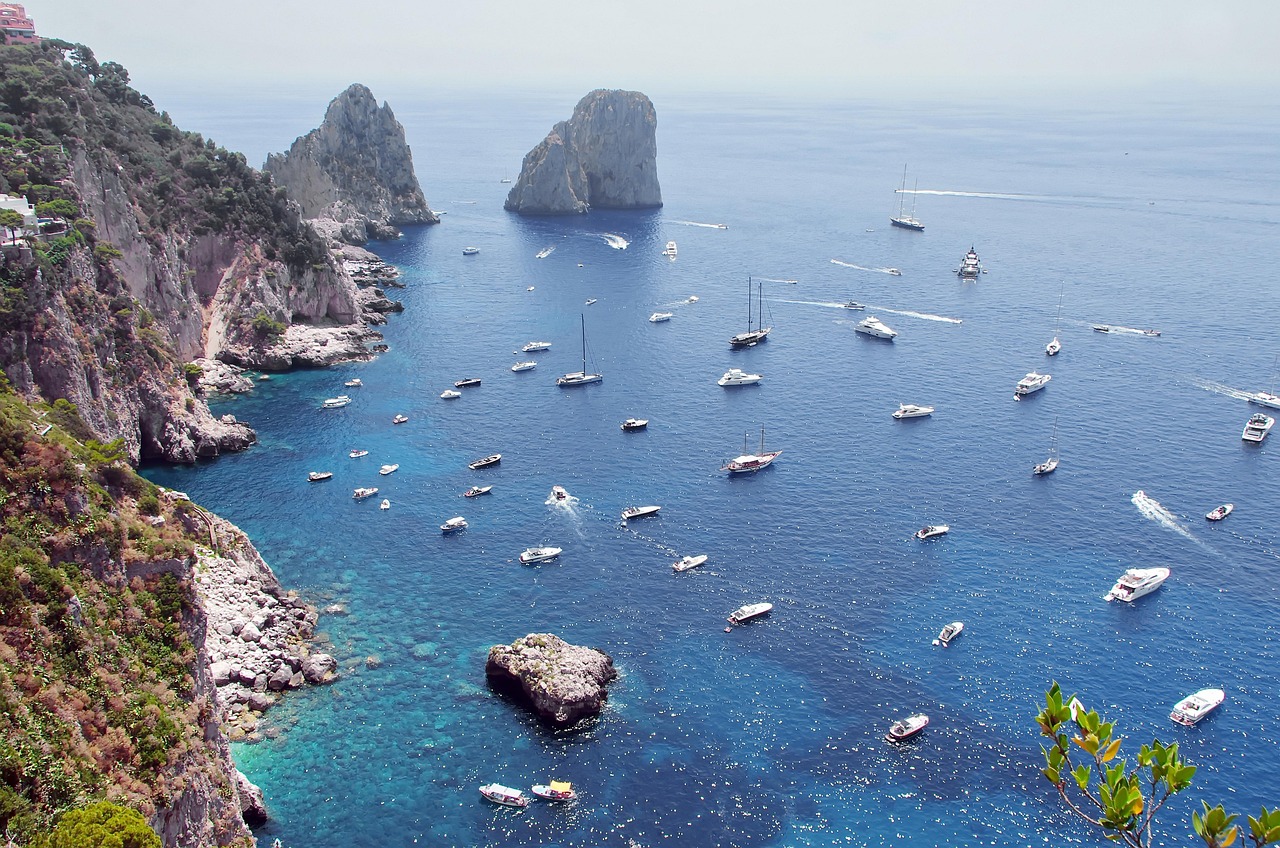
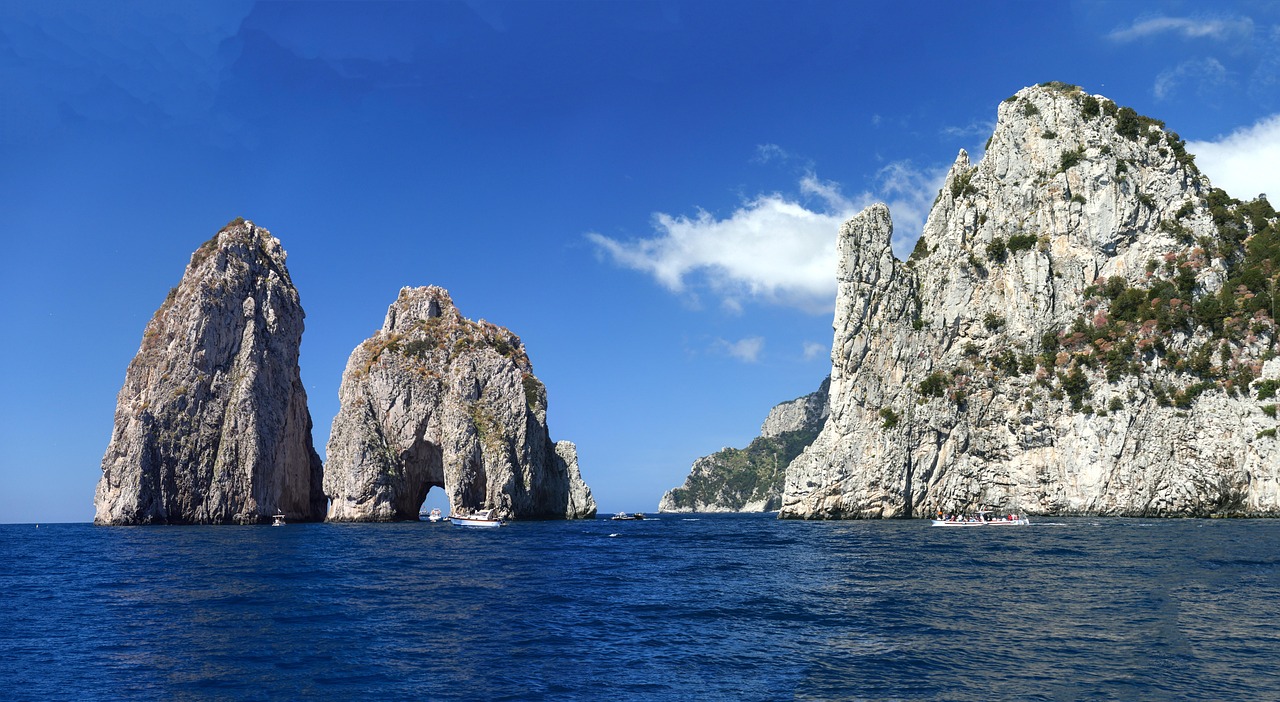
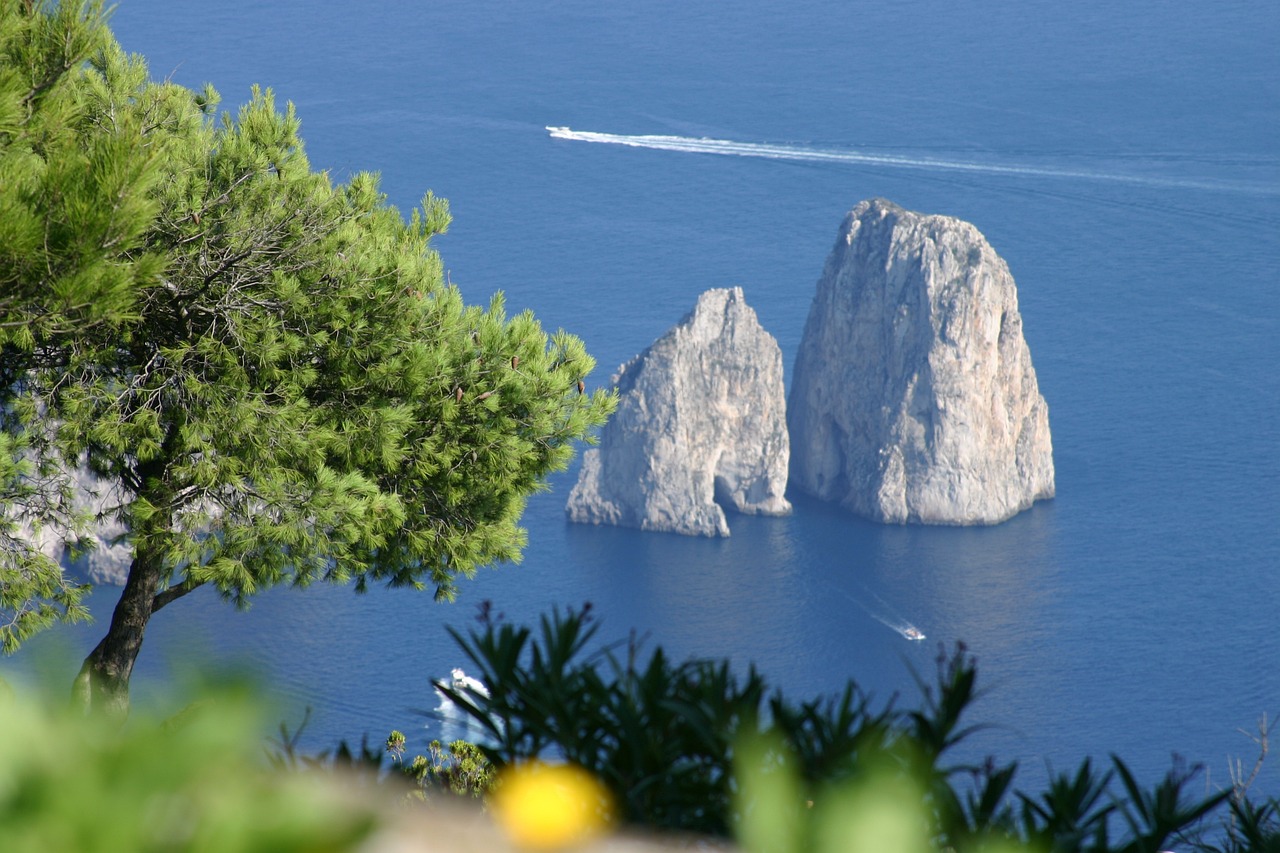
An adventure-minded route built around a boat tour is where your day begins to feel truly designed. Start with a stop at the blue early if possible, then continue around Capri to let the coast open out: rugged cliffs, hidden inlets, and the dramatic Faraglioni rising from the sea like a sculpture. Many travellers pair the Blue Grotto experience with a boat tour around the coastline to see more of this iconic stretch of southern Italy.
If you’re choosing between a shared boat tour and a private boat tour, think about what you want to feel. Shared outings offer ease and value; a private boat with a skipper for a tour offers quiet, control, and the freedom to linger when a view makes you catch your breath. It’s also a great option if you want to time your Blue Grotto attempt for the calmest window.
Swim plans near the grotto: what’s allowed and how to choose a safe spot
- You usually cannot swim inside the Blue Grotto itself; rules protect safety in the tight cavern and keep the experience orderly for the rowboat flow.
- You may be able to swim near the grotto in clear water, depending on currents and local guidance—ask your skipper to cave and evaluate the safest spot.
- Use reef-safe sunscreen, avoid touching rock or sea life, and leave no trace behind.
For colour contrast, consider other sea-cave stops: the white grotto, the green grotto, and—if you’re adding a mainland day—Italy’s emerald grotto. It’s a thoughtful way to explore a broader natural sea cave story, especially if you love places like the Blue Grotto but want to spread your time across the coastline.
One visitor described renting a private boat, finding crystal-clear water near the entrance, and slipping in for a quiet swim—like a secret escape. It’s a reminder that luxury isn’t always about excess; sometimes it’s simply time, space, and the feeling that the day was crafted just for you.
Anacapri After the Blue Grotto: Local Culture, Viewpoints, and a Slower Side of Capri
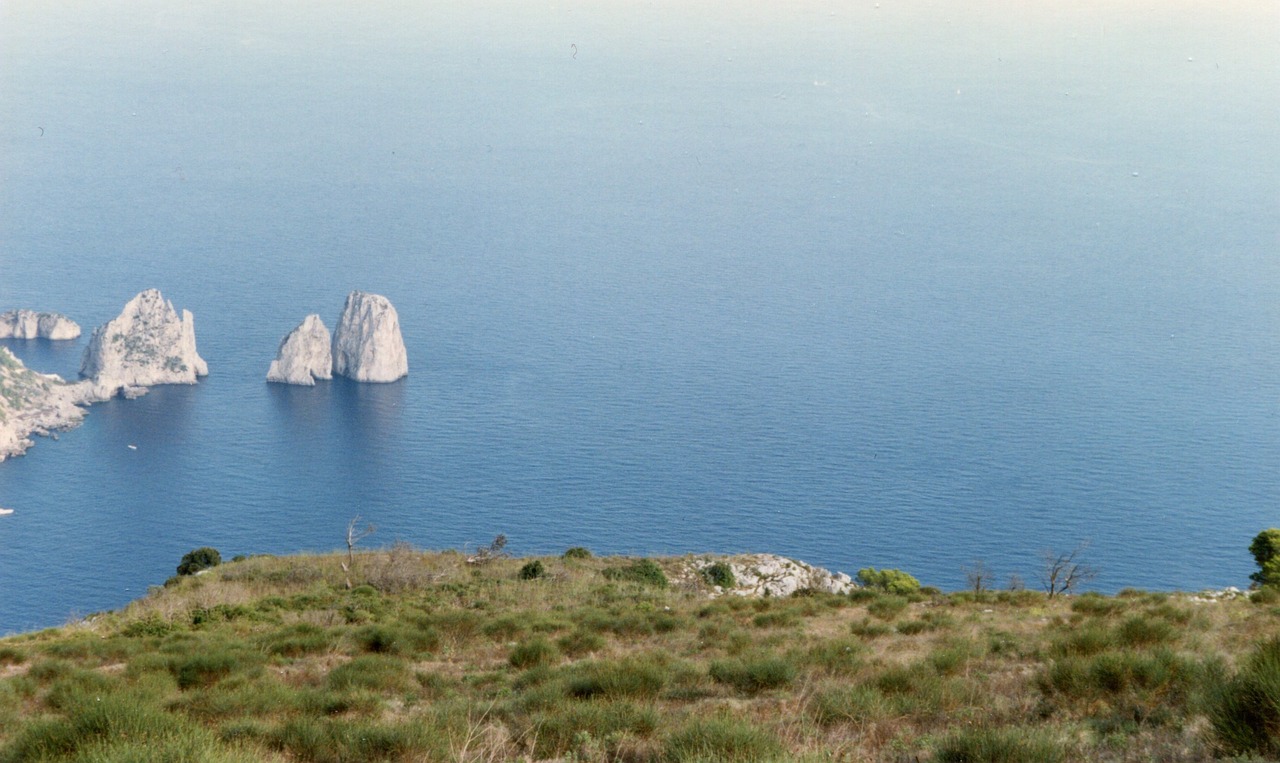
Anacapri: local culture, viewpoints, and calm detours after the Blue Grotto
After the Blue Grotto, your senses often crave a different tempo. Anacapri offers that quieter charm: fewer crowds, softer streets, and a more local rhythm that helps you unwind without losing the island’s spark. It’s the perfect counterpoint to the adrenaline of the cave entry, especially if the harbour around Marina Grande feels busy.
Local insight in Anacapri without feeling staged
Wander artisan shops and small cafés with curiosity and care. Ask a simple question about a handmade piece, listen to the story, and support the crafts that keep Capri’s identity alive. This is cultural travel at its best: warm, human, and unforced—expert guidance not required, just presence and respect.
Viewpoints that create a breathe-it-in moment on Capri Island
- Choose one panoramic viewpoint and stay long enough for the landscape to shift with the light.
- Carry water and comfortable shoes; the best views often reward a little effort.
- Keep your timing gentle so you can return towards Marina Grande without rushing.
As late afternoon arrives, transition back towards the port with a calmer heart rate and a renewed sense of confidence. Anacapri is a beautiful reminder that Capri Island is as much about quiet moments as it is about famous landmarks—especially when you experience it in balance.
F.A.Qs: Blue Cave, Italy, and the Blue Grotto on Capri
Where is the Blue Grotto in Italy?
The Blue Grotto is on the island of Capri, off the coast of southern Italy, near Naples. It’s a sea cave on the north-west side of the island, reached either by joining a boat from the port or by travelling overland to the entrance of the blue grotto area and boarding a rowboat. Many visitors start at Marina Grande, then follow the best route for the day’s sea conditions.
Why can’t you swim in the Blue Grotto?
Swimming is generally not allowed inside the Blue Grotto because the space is narrow, boats are constantly manoeuvring, and water movement at the entrance can be unpredictable. These rules also help protect the cave environment, keeping the experience safe and respectful for everyone—even when the grotto is often busy during peak season.
Why is the Blue Grotto so famous?
The Blue Grotto is famous for its intense blue glow, created when sunlight passes through an underwater opening and lights the water from below. Combined with local boatman traditions, the dramatic low entry, and the feeling of being inside the blue grotto, it becomes a rare, almost theatrical moment of nature and culture together in one unforgettable cavern.
Why is the Blue Grotto closed?
The Blue Grotto closes when sea conditions make entry unsafe—especially rough seas, swell, or strong winds that push water through the low entrance. Operators decide day by day, and closures can happen at short notice even when the weather on land seems fine. If you want to visit the Blue Grotto in Capri, plan a flexible schedule and prioritise safety.
After Capri: Grotta Azzurra Reflections and Blue Grotto Memories You’ll Carry Home
Long after the photos fade, Grotta Azzurra memories return in quieter ways. You might remember the way colour behaved differently—how water became light, how silence became a kind of sound. The Blue Grotto doesn’t stay with you because it was loud or long; it stays because it asked you to slow down and accept wonder on the sea’s terms.
There’s often a specific fragment that lingers: the moment the rowboat steadied, the shared stillness, the soft trust you placed in a stranger who knew the rock and tide by heart. In that brief crossing, the blue grotto Capri experience can feel like a shared secret—something you don’t fully explain, you simply remember.
And perhaps that’s the gift of Capri: it reminds you that creativity isn’t only something we make—it’s something we notice. In places that feel almost unreal, we learn a tender form of care: for fragile environments, for local lives, and for our own capacity to be moved.
When you think back to Italy, you may find your mind drifting not to a checklist, but to a single shade of blue—and to the thought that somewhere along the coast, another small doorway in the rock is waiting, patient and unhurried, for whoever arrives with quiet curiosity.