Post Contents
- Places to Visit in China: Luxury First-Trip Itinerary Design & Best Time to Visit
- Beijing: A classic place in China for imperial grandeur and private guiding
- Great Wall day trips from Beijing: private tours, quieter sections and iconic views
- Xi’an: Ancient city atmosphere and the Terracotta Army at dawn
- Shanghai: modern glamour, luxury hotels and the Bund after dark
- Suzhou and Hangzhou: garden design, West Lake views and refined day trips
- Guilin and Yangshuo: scenic days along the Li River and luxury cruises
- Longji rice terraces: rural China walks, layered views and quiet villages
- Zhangjiajie National Forest: sandstone pillars, misty scenery and cinematic viewpoints
- Beyond the icons: places in China to visit, places in China to see & tailored add-ons
- F.A.Qs: places to visit in China, planning essentials
- After China: what stayed with you
Places to Visit in China: Luxury First-Trip Itinerary Design & Best Time to Visit
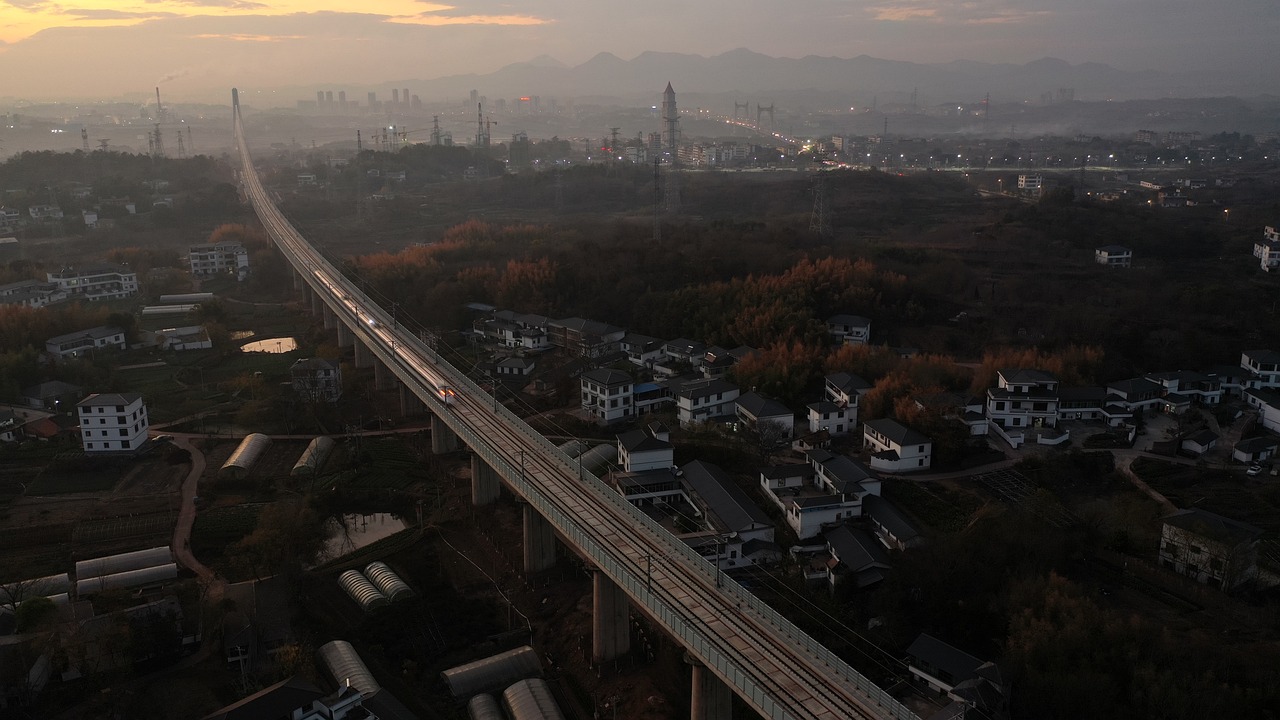
Luxury first-trip planning for China: seamless routing, calm pacing, and signature highlights
If you’re planning to visit China for the first time, it helps to start with a simple truth: there are many beautiful places in China, but they shine most when the route is paced for ease rather than speed. This guide is a curated starting point—less a checklist, more a design-led way to connect the best places to visit with how you actually like to travel. Expect a mix of iconic highlights, quieter nature, and the kind of comfort that keeps the experience feeling personal.
The best time to visit is typically spring and autumn—April to May and September to October—when days feel comfortably bright, and crowds are easier to manage. Shoulder season can also suit high-end travellers: late May and early June bring lush scenery in the south, while November can feel quietly elegant in major cities with crisp evenings and fewer tour groups. For weather-sensitive travellers, a well-timed itinerary is as valuable as the hotel itself.
Visit China with confidence: spring and autumn travel windows
Getting to and around the country is wonderfully straightforward when you plan around the main gateways—international airports in Shanghai, Xi’an and Guilin—then stitch the journey together via the high-speed rail network. Trains are often the most seamless way to travel around China: city-centre to city-centre, minimal friction, and easy upgrades to first class. Keep transfers short, avoid backtracking, and you’ll arrive with energy instead of exhaustion.
To protect the feeling of ease, the VIP’s practicalities matter. Private transfers, lounge access, and booking luxury accommodation early give you support end to end—especially in peak periods and for timed-entry landmarks. If you’d like to browse the style of journeys we design, start with our Trip gallery.
Elegant etiquette: small gestures that show care
China is welcoming, and small gestures of respect go a long way—speaking softly in historic temples, and removing shoes at some traditional sites. When you’re guided by an expert who understands local rhythms, you’ll feel reassured: less effort, more presence. It’s the simplest way to turn “seeing” into a genuine connection.
- Design for flow: pair two major “wow” days with one softer day.
- Book early: private guides and top rooms sell out first.
- Choose calm arrivals: arrive a day before big sights to settle in.
- Build in stillness: early starts unlock the most personal moments.


Beijing: A classic place in China for imperial grandeur and private guiding
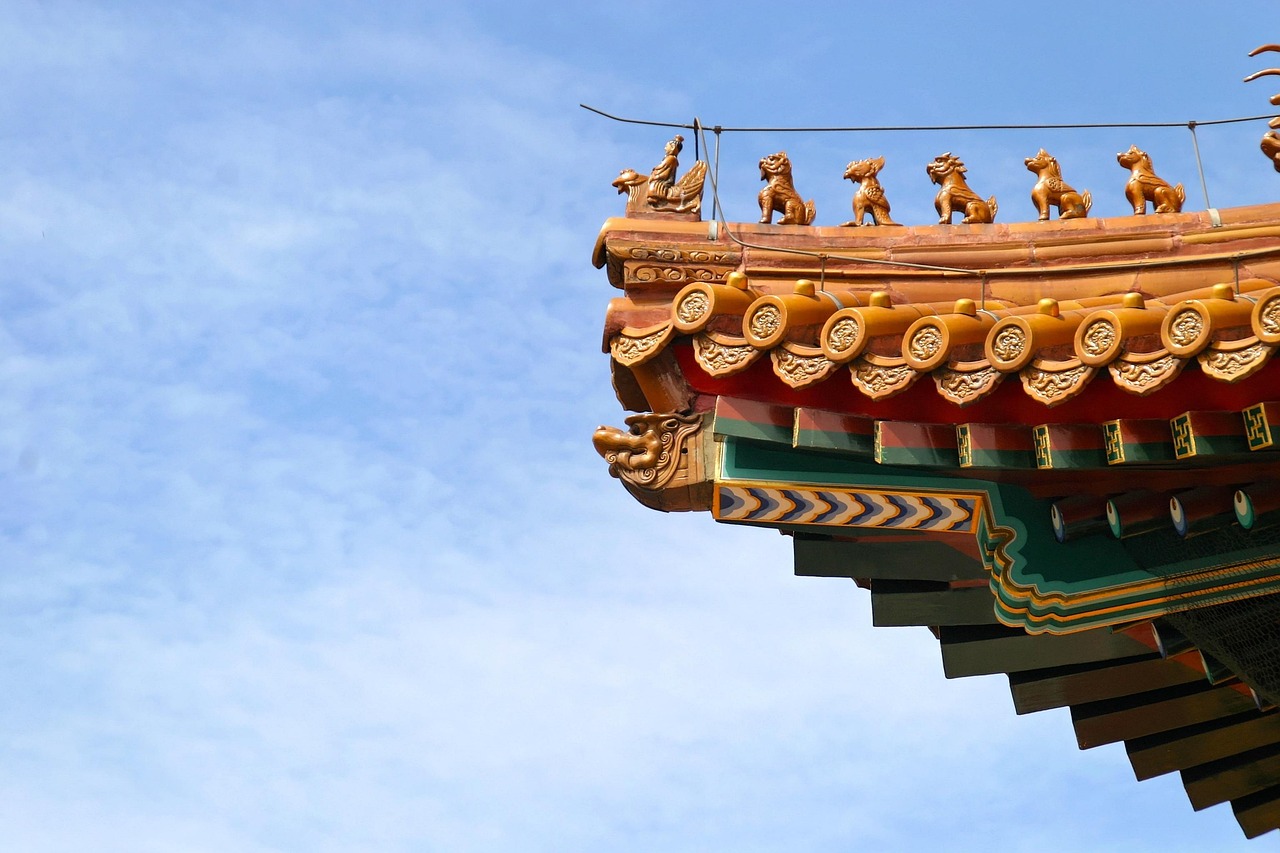
Imperial Beijing, designed for calm: palace symbolism, gardens, and expert-led routes
For many first-time visitors, Beijing is the place in China where the story begins—and the chapter most elevated by expert guiding. With the right pacing, you can move along the imperial axis with clarity, context, and comfort, without feeling rushed between ticket windows and security lines. A private guide adds the nuance that turns grand courtyards into a living narrative.
Forbidden City: symbolism, Palace Museum routes & timed entry
In the Forbidden City, a museum-style private guide turns courtyards into meaning: the choreography of gates, the hierarchy of halls, and the symbolism embedded in colour and roofline. Timed entry is standard, so we recommend an early arrival window to glide past the busiest lines and enjoy softer light for photography. It isn’t a castle in the European sense, but it carries the same stirring sense of power and craft—only scaled to imperial China.
One traveller described a moment of tranquillity in the Imperial Garden: a small pocket of stillness where wind stirred the cypress trees, and the city’s pace fell away. With fewer voices around you, it’s surprisingly easy to feel transported—less like you’re “seeing a sight”, more like you’ve stepped into a preserved atmosphere.
Summer Palace: lakeside calm after Tiananmen Square
The vast central square is best approached with a calm, factual lens—your guide can set the context while keeping you, the traveller, first and reassured. From there, balance the day with the Summer Palace: lakeside promenades, pavilions, and gentle viewpoints that invite you to slow down. If you prefer a softer rhythm, build in a long, unhurried walk rather than trying to “do it all”.
High-end touchpoints are simple but powerful: a private route designed to avoid pinch-points, an elegant lunch nearby, and respectful photography cues so you feel confident in heritage spaces.
Great Wall day trips from Beijing: private tours, quieter sections and iconic views
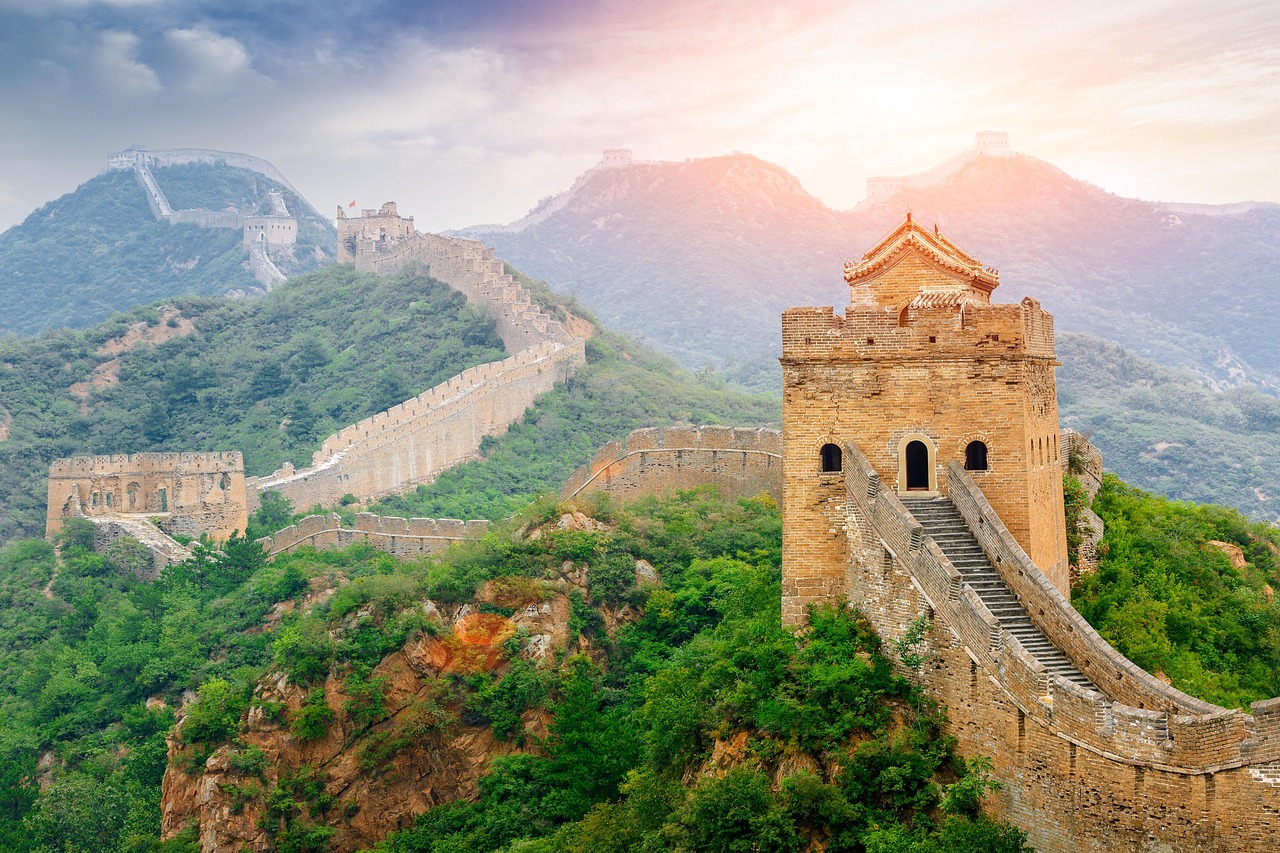
Great Wall day trips with comfort: the right section, the right timing, the right pace
The Great Wall is a once-in-a-lifetime attraction and one of the best places to visit for first-timers, yet the experience depends on choosing the right section. Think about mobility, crowd tolerance, and how wild you want the scenery to feel—restored and photogenic, or rugged and quiet. With private support, the day becomes less about logistics and more about awe.
Great Wall sections: comfort, crowd levels and a cable car option
A high-end day is designed for ease: early departure, a private car, and a guide who offers insight without narrating over the silence. Some sections offer a cable car, which can be a comfort-forward option if you’d rather save your energy for a gentle ridgeline walk. Operations are weather-dependent, so build flexibility into your timing and keep expectations relaxed.
There’s a moment most travellers remember: reaching a mountain for a panoramic view, then pausing as the stone line threads across the hills. It’s a scale you can feel in your chest, and it’s worth giving yourself space to simply breathe it in.
What to wear on the Great Wall in spring and autumn
In spring and autumn, layers matter: mornings can be crisp, midday can warm quickly, and the wind can surprise you along exposed steps. With a thoughtful guide, you’ll also find quieter angles for photographs—even on popular days—so the day still feels calm and curated.
- Comfortable trainers with grip; avoid slick soles.
- A light down or blazer-style layer for early starts.
- Water and a small snack for unhurried breaks.
- Sun protection even on hazy days.
Xi’an: Ancient city atmosphere and the Terracotta Army at dawn
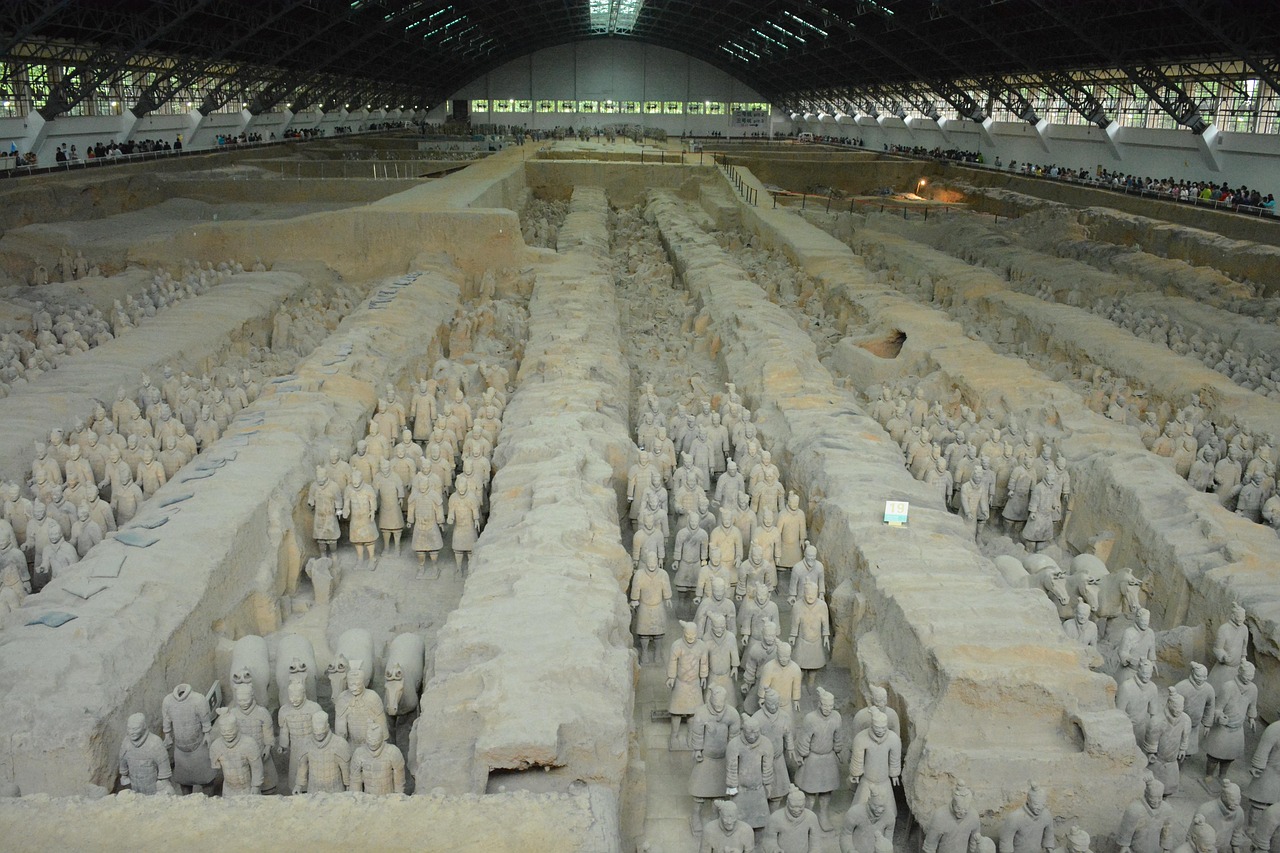
Dawn at the Terracotta Army: quieter galleries, deeper context, and unhurried discovery
For depth of history, few places to visit feel as intimate as an early morning in the ancient capital—especially if you design the day for calm. Dawn entry creates a softer rhythm, reduces the sense of crowding, and lets the archaeology speak before the peak groups arrive. With expert interpretation, it becomes a story of people, power, and extraordinary workmanship rather than just a photo stop.
Terracotta Warriors: Qin history and craft in the morning hush
One traveller recalled standing before the Terracotta Warriors in near silence, hearing only distant footsteps and the low murmur of a guide. The scale is vast—thousands of figures—yet the connection feels personal, as if time briefly folds and you’re allowed to witness devotion and labour at human height. It’s one of those rare moments where luxury means space and quiet, not excess.
Your guide can anchor the story: terracotta craft techniques, the organisation of ranks, and the purpose behind the guardianship. This is the legacy of Emperor Qin Shi Huang, tied to the Qin court and the tomb complex that still holds mysteries. When you understand the intent—protection, order, permanence—the artistry becomes even more moving.
City Wall: perspective, Tang dynasty context and the Silk Road
After the museum halls, the city wall offers an open-air contrast—fresh light, big skies, and a sense of the old city’s geometry. Consider a private cycle at a gentle pace, or a guided walk that prioritises views and context over speed, with pauses built in for photographs.
To enrich meaning without overload, let your guide layer in the Tang dynasty and the Silk Road: trade, ideas and faith moving east and west. It’s history you feel underfoot rather than a lecture you endure.
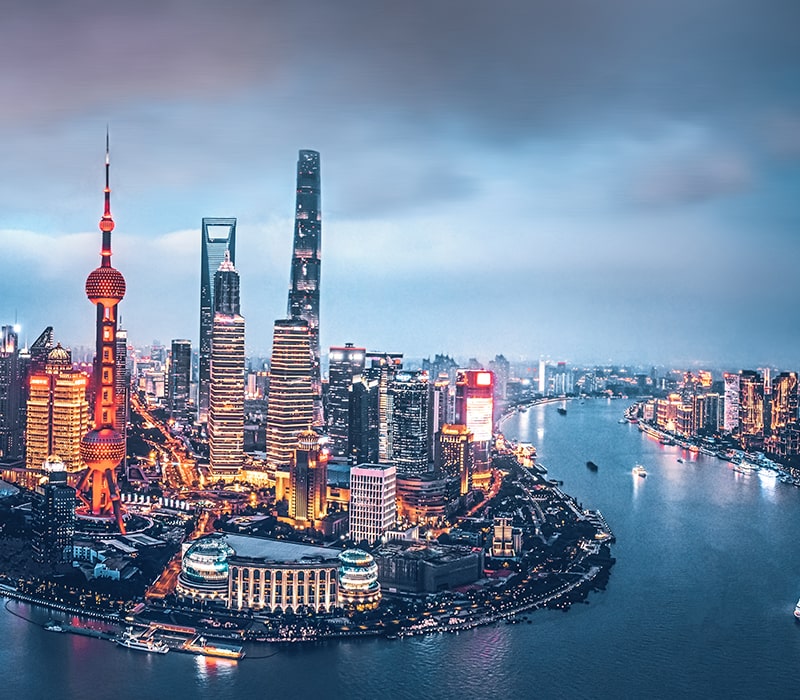
Shanghai: modern glamour, luxury hotels and the Bund after dark
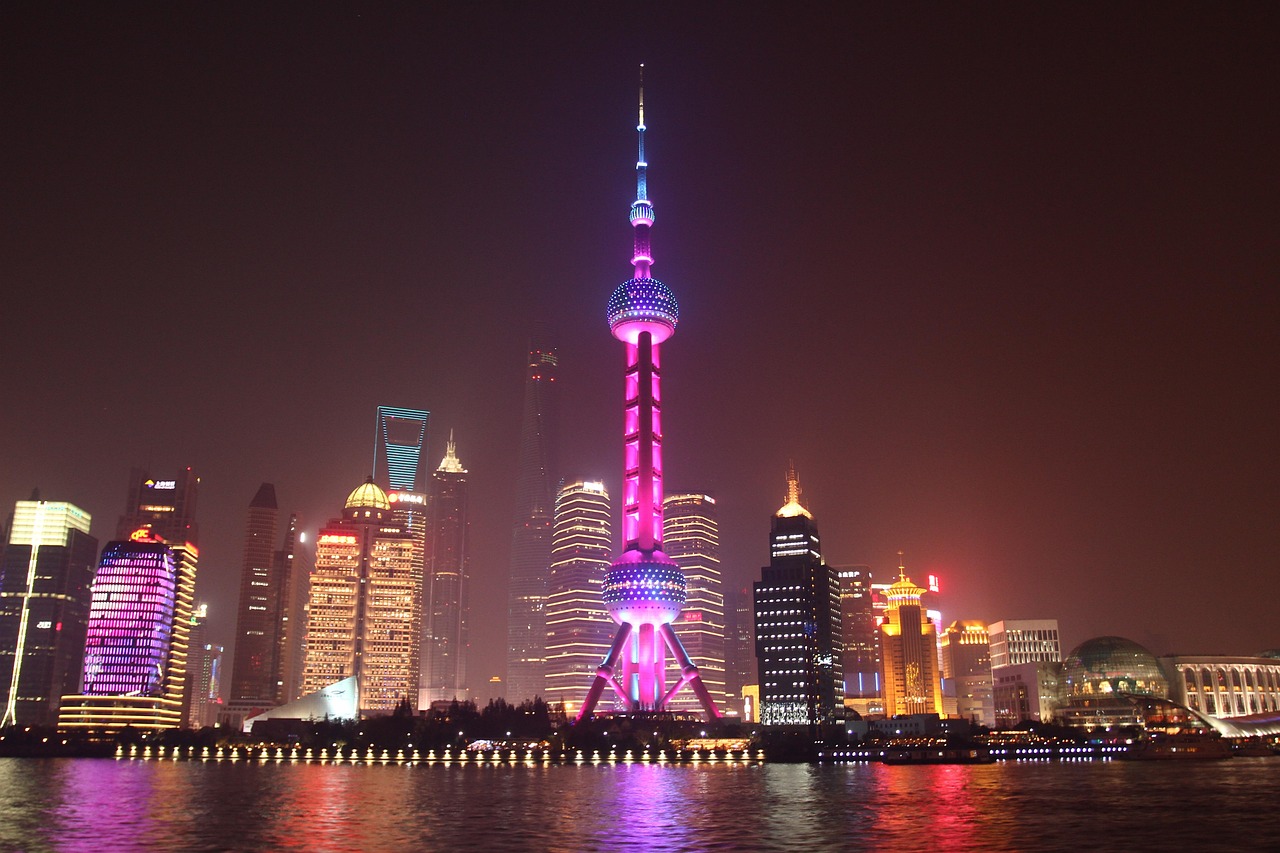
Shanghai style, day to night: skyline energy, luxury stays, and riverfront elegance
After imperial chapters, Shanghai is a sleek counterpoint—a place in China where design, art and skyline energy create a thoroughly modern mood. Build a stylish arrival, then let the city unfold in layers: riverside light, gallery streets, and an evening that feels polished rather than packed. With thoughtful timing, it’s easy to enjoy the atmosphere without spending your day in traffic.
The Bund: best timing for photos and comfort
The Bund rewards two very different moments. At sunrise, you can stroll with quieter pavements and gentle light for calm images; after dark, the same waterfront becomes a dressed-up scene for cocktails and people-watching. Choose one or both, but keep your schedule light so the ambience doesn’t feel rushed.
Fly to Shanghai: seamless arrivals and stylish city layers
If you fly to Shanghai, pre-arranged support makes the difference between “arriving” and “landing well”: meet-and-greet, a private transfer, and a hotel check-in that feels effortless. From there, a private art walk can reveal emerging galleries alongside icons, and a rooftop view adds a sense of theatre without the crowds. If you’re sensitive to jet lag, plan one gentle highlight, then an early night.
- Evening: skyline aperitif, then a refined tasting menu.
- Next morning: coffee and a slow riverfront walk for quiet photos.
- Afternoon: a local tasting that complements fine dining rather than competes with it.
With extra time, Shanghai also connects neatly by rail to Suzhou and Hangzhou—easy additions that keep the route seamless.
Suzhou and Hangzhou: garden design, West Lake views and refined day trips
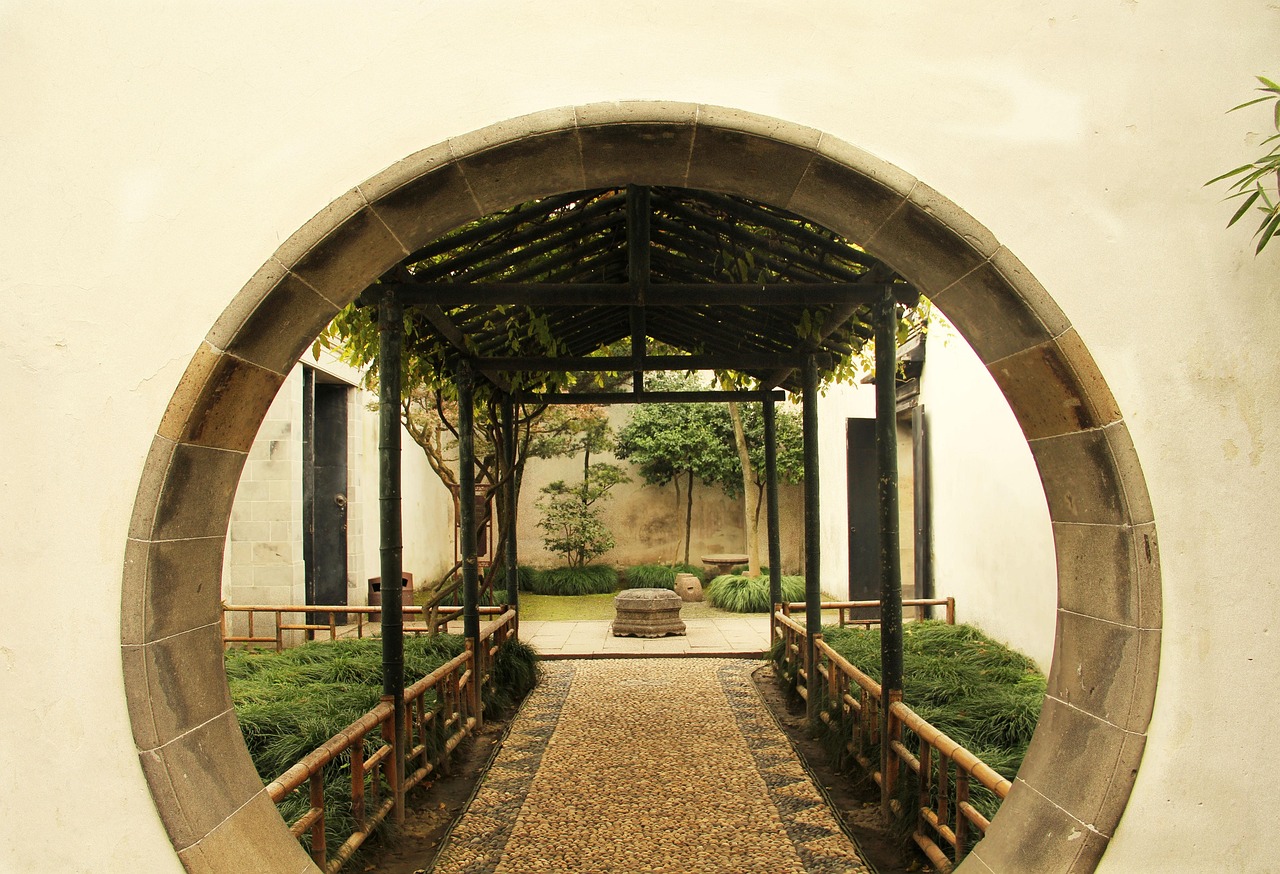
Suzhou and Hangzhou day trips: classical gardens, canal light, and West Lake calm
For travellers who love detail, Suzhou and Hangzhou bring crafted elegance—classical composition, water reflections, and a pace that feels intentionally designed. Keep the day refined rather than full, with one hero garden, one canal moment, and a quiet pause that lets the scenery sink in. These two cities are ideal when you want beauty without long-haul travel.
Suzhou gardens and canal mornings for quiet beauty
Suzhou is best in the morning, when garden paths feel quieter, and the light is kinder on carved windows and pale stone. A guide can offer insight into framing and symbolism—why a doorway is positioned here, why a rock is chosen there—so the experience becomes more than pretty views. If you enjoy photography, ask for slower pacing and fewer stops, but longer time in each space.
Hangzhou West Lake ease: boats, tastings and tea culture
In Hangzhou, let the afternoon breathe around West Lake-style views: a gentle boat ride, lakeside strolling, then a thoughtful pause in teahouses. Ordering can feel unfamiliar, so it helps to ask for a simple tasting—one green, one oolong—and notice texture, aroma, and the patience of the pour. Speak softly, follow your host’s lead, and it becomes a calm cultural exchange rather than a performance.
For luxury logistics, choose whichever feels more seamless: a private driver for door-to-door ease, or rail connections for swift, city-centre transitions. Either way, watch for designer details—seasonal colour, silk-like reflections on canal water, and the way late light warms white walls to honey.
Guilin and Yangshuo: scenic days along the Li River and luxury cruises
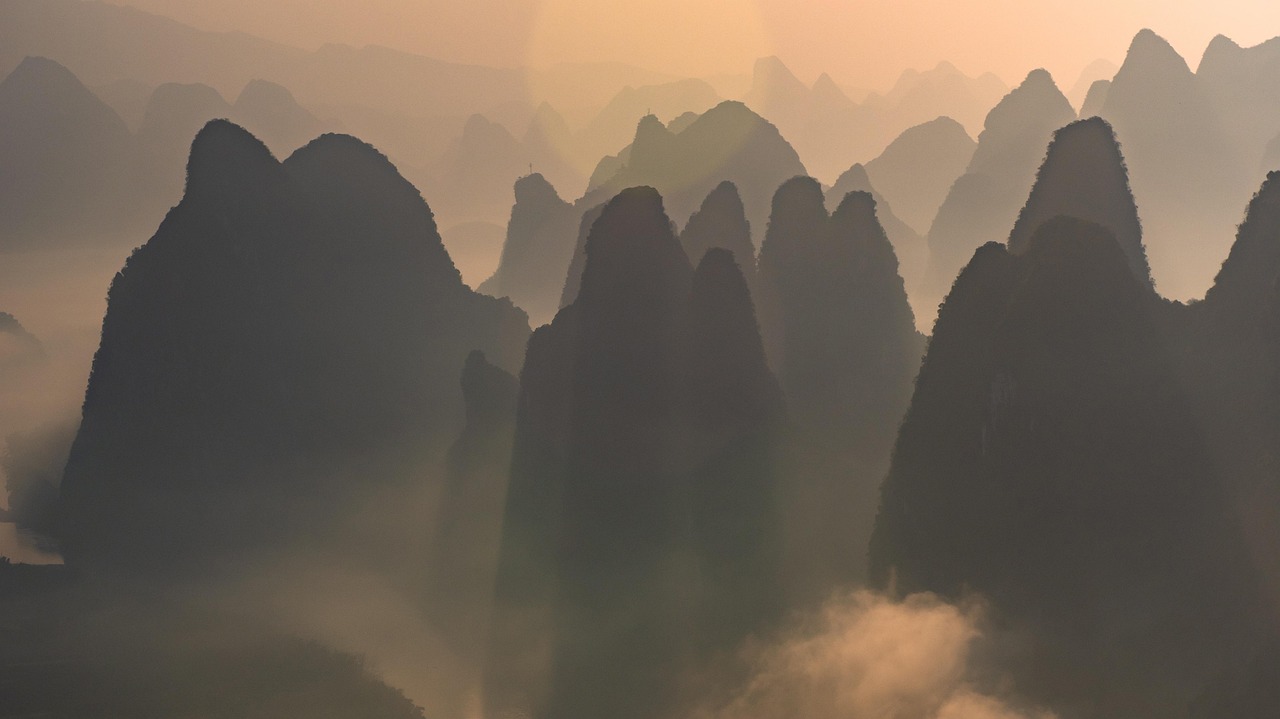
Guilin and Yangshuo are designed for calm: river cruising, karst silhouettes, and slow mornings
If you’re craving natural poetry, Guilin and Yangshuo deliver some of the country’s most recognisable scenery. Think of Guilin as the gateway and Yangshuo as the slower exhale—where days are built around light, water and unhurried views. It’s one of the best places to visit when you want softness, not intensity.
Along the Li River: choosing a luxury cruise and the best viewpoints
The Li River is best experienced as an effortless glide: a luxury river cruise with space to settle, service that anticipates what you need, and curated viewpoints so you’re not constantly deciding what’s next. For high-end travellers, comfort is not a bonus—it’s what allows you to stay present with the landscape. If you’re celebrating something, ask for the most panoramic seating rather than the busiest deck.
One guest described their cruise as the most seamless day of the trip: attentive staff who seemed to appear exactly when a tea refill was wanted, exquisite local cuisine served with quiet pride, and karst peaks rising like ink-wash brushstrokes outside the windows. It’s a scenic chapter where you can simply sit, look, and let the pace soften.
Guangxi planning: what to pack for mist, humidity and calm decks
Guangxi is the wider region, and it’s worth choosing your cruise class carefully—some boats offer a private deck or upgraded cabin layouts that make photography and relaxation easier. Weather can shift quickly, so pack a light layer for river breezes and keep a rain cover accessible in peak season. A little preparation keeps the day feeling luxurious rather than improvised.
- Light jacket or wrap for air-conditioned cabins and river wind.
- Comfortable flats for deck time and short shore walks.
- Lens cloths for humidity and misty conditions.
- A flexible mindset—clouds can make the scenery even more dramatic.
Longji rice terraces: rural China walks, layered views and quiet villages
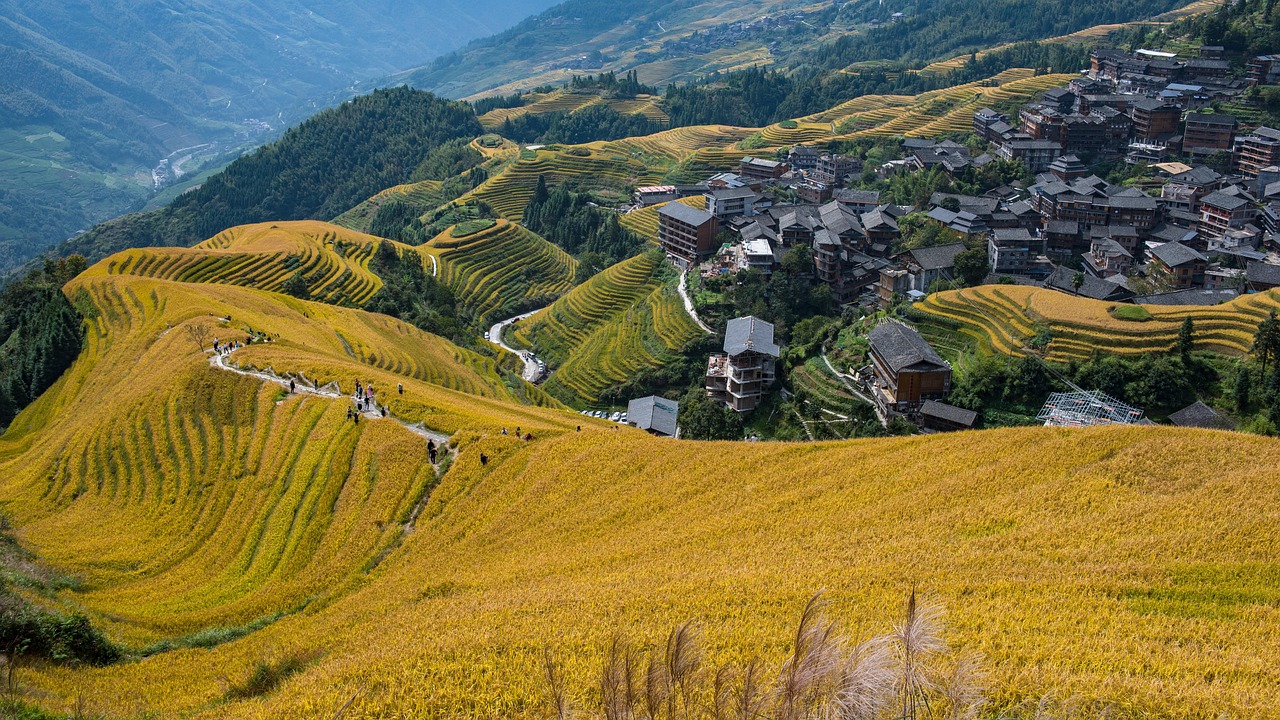
Longji’s layered fields: slow walking routes, village calm, and misty morning light
For a rural China counterpoint, Longji is a gentle reset: quiet paths, layered lines, and mornings made for unhurried observation. This is the kind of landscape that whispers rather than calls out, and it pairs beautifully with Guilin for travellers who want nature with comfort. Plan fewer stops, and give yourself time to linger on viewpoints.
Through the seasons: planting mirrors to harvest gold
The landscape changes character with the calendar—water-mirror planting season reflecting sky, then deep green growth, then gold at harvest. Each phase alters the geometry, the light, and the walk’s feeling. It’s a place in China where the land looks designed, yet it’s entirely practical: cultivation shaped into art over centuries.
Comfort-forward planning for steps, weather and silence
Plan for uneven stone and steps underfoot: pack footwear with grip, keep luggage light, and consider a private guide for pacing and local insight. The most memorable moments can be small—wind moving across young rice, a pause where you hear only birds and distant voices, and the calm satisfaction of simply noticing.
If it feels right, add a gentle village encounter: a market visit or a home-cooked meal arranged respectfully, with your guide helping you understand customs without turning people into a spectacle.
Zhangjiajie National Forest: sandstone pillars, misty scenery and cinematic viewpoints
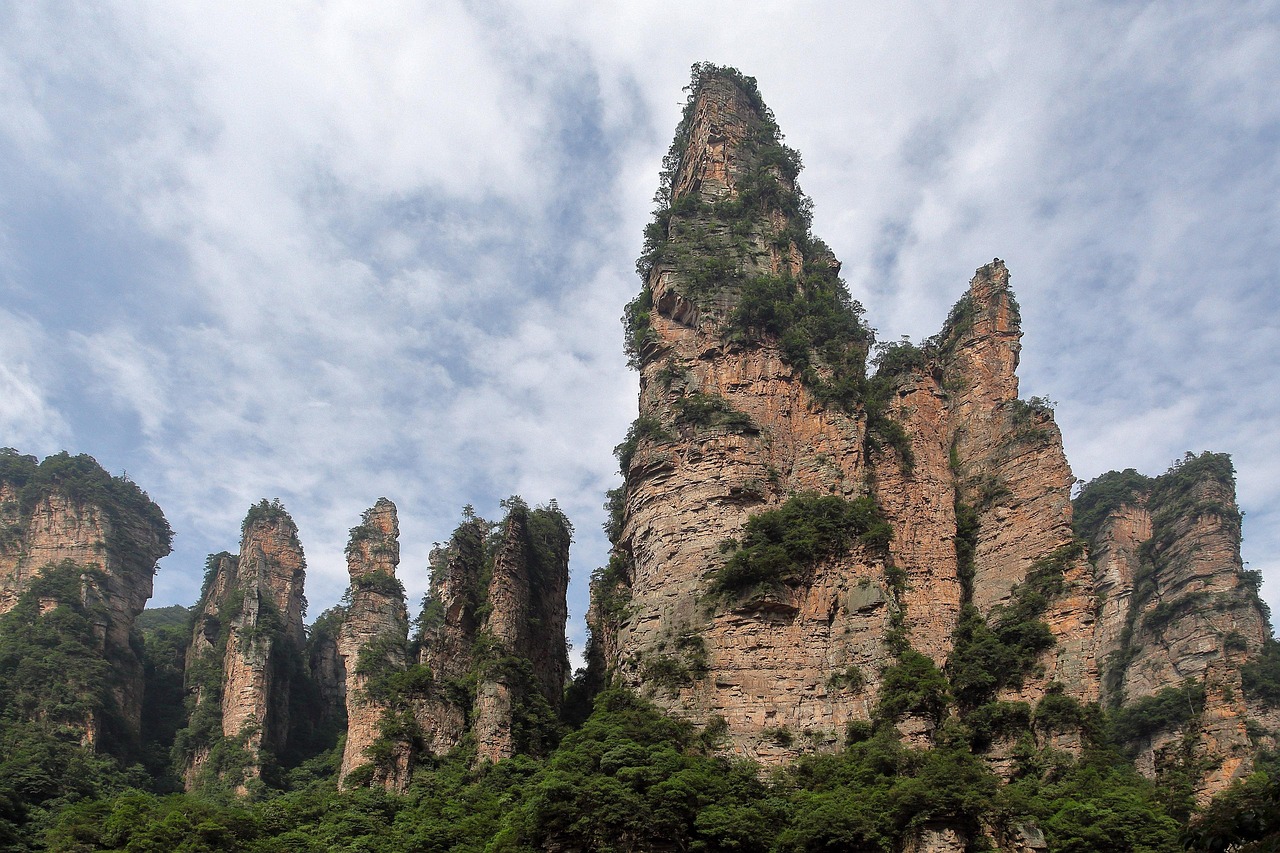
Zhangjiajie’s dramatic landscape: mist, cliffs, and iconic pillar formations
When you want drama in the landscape, Zhangjiajie offers natural scenery that feels almost imagined: sandstone pillars rising through mist, and valleys that shift mood hour by hour. Protect the experience with smart logistics and a little patience, and it becomes one of the most rewarding places to visit for travellers who love grand scale. Give yourself permission to slow down—this is a destination that reveals itself between the viewpoints.
Zhangjiajie National Forest’s early starts and crowd strategy
This area rewards early starts and private transfers—arrive before the busiest tour groups, and you’ll have more space to absorb the scale with confidence. Light changes quickly across cliffs, so allow time to pause rather than racing between lookouts. A good guide knows when to move and when to wait for the mist to lift.
Tianmen Mountain National Park: cable car timing and high-altitude care
Tianmen is a highlight, and the cable car journey is an experience in itself—gliding above forests and ridges as the world drops away. Aim for clearer parts of the day where possible, but keep plans flexible if the weather rolls in. At higher altitudes, take it slowly: hydrate, rest when needed, and give your body time to adjust if you’re sensitive to high-altitude symptoms.
- Start early for calmer queues and softer light.
- Keep water handy and pace steps on steep sections.
- Choose layered clothing—conditions can change quickly.
Beyond the icons: places in China to visit, places in China to see & tailored add-ons
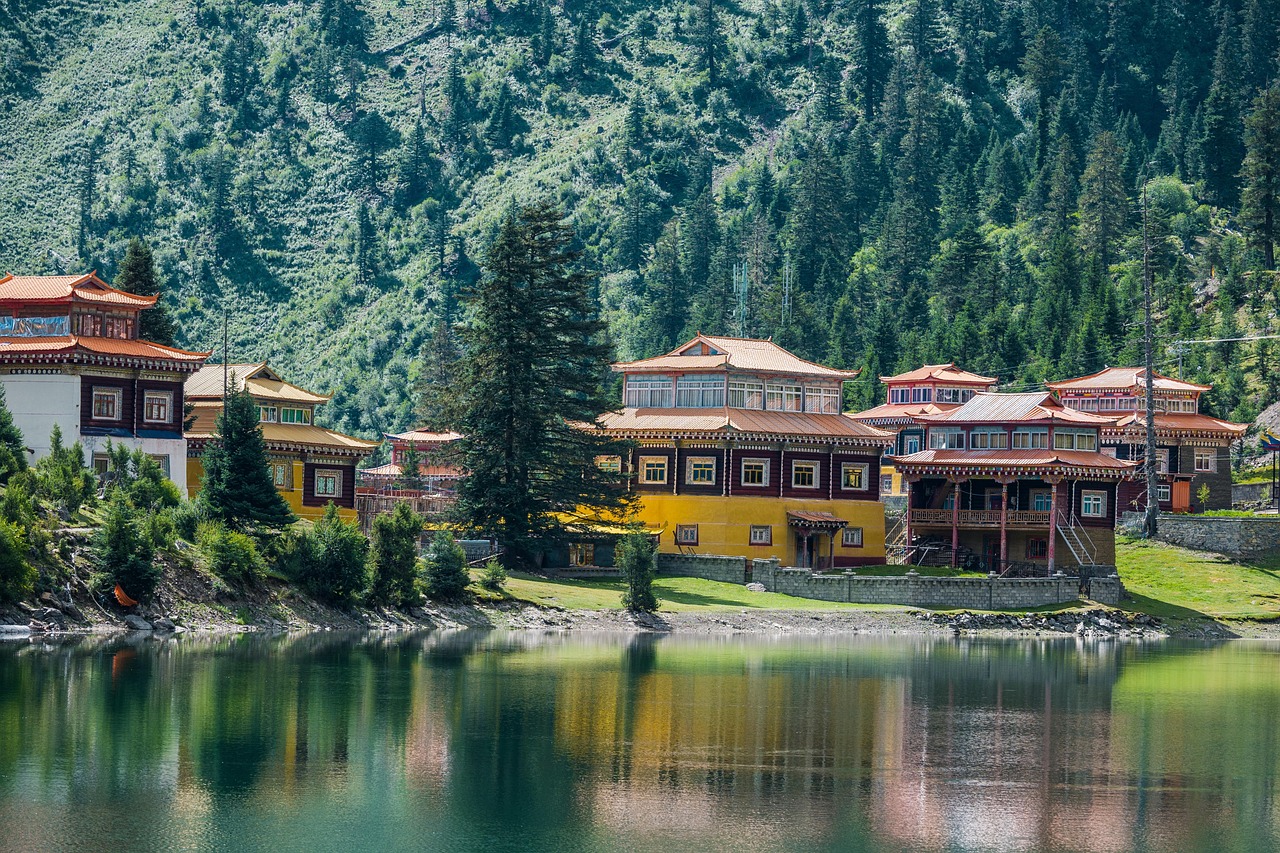
Beyond the classics: add-on destinations for culture, landscapes, and quieter pacing
If you have extra days, consider this a curated shortlist of places to see in China—options, not a checklist—based on what you want to feel. Use your interests to guide the choices, then design the route around flow and comfort, with clean connections and the right amount of downtime. The goal is to add depth without adding stress.
Chengdu and Leshan: a gentle culture-and-nature pairing
Chengdu is wonderfully unforced: slow tea-house rhythms, thoughtful food, and easy day trips. Pair it with Leshan for a calm culture-and-nature day, best done privately with an expert guide so you can arrive early and keep the experience unhurried. If you love a slower pace, this pairing is an elegant contrast to the bigger cities.
Guangzhou dim sum and Chongqing nights
In Guangzhou, begin with dim sum as a local breakfast ritual—warm tea, little plates, and the pleasure of choosing by sight. If ordering feels daunting, ask your host to suggest a balanced spread and follow their etiquette cues; it’s an easy way to feel looked after. Build in time to linger—this is a meal that suits calm mornings.
For contrast, Chongqing is layered and luminous at night: riverfront strolls, hillside streets, and a mood that can feel off-the-beaten-path compared with coastal hubs. It’s a bold, modern place in China that still leaves room for relaxed wandering between viewpoints and small neighbourhoods.
Big-sky additions: Yunnan, Huangshan and Dunhuang
For big landscapes, Yunnan’s Tiger Leaping Gorge is unforgettable—just plan carefully for high-altitude conditions and choose lodging that supports rest. Huangshan is beloved for mountain viewpoints and, if you choose well, hot springs that soften the day’s exertion. Dunhuang brings Silk Road atmosphere—desert edges, cave art, and a sense of history that feels carried on the wind.
If you’re seeking one globally recognised stop, choose an itinerary that includes a UNESCO World Heritage Site, woven in lightly so the label adds context rather than pressure. And if you travel in winter, the Harbin Ice and Snow Festival can be magical when designed with warm transfers and the right hotel.
To say you’ve truly been able to see in China is less about quantity, more about choosing chapters that suit you.
F.A.Qs: places to visit in China, planning essentials
FAQs for a first luxury trip: timing, budgets, and how to choose regions
Which part of China is best to go to on a first luxury trip?
For a first trip, many high-end travellers start with Beijing and Shanghai for history and modern design, then add the ancient capital for archaeology or Guilin for softer landscapes. The “best” region depends on whether you want culture, scenery, or a crafted mix with minimal travel time between stops.
Is $1000 USD a lot for travellers in China?
$1000 USD can feel substantial for day-to-day spending, but for luxury travel, it may cover only a portion of costs such as premium hotels, private guides, and flights. China offers excellent value in high-end dining and services, especially when planned well and booked in advance.
What are the top cities to visit in China for a well-paced itinerary?
Popular choices include Beijing, Shanghai, Guangzhou, Chongqing, Chengdu, Guilin, Hangzhou, Suzhou, Kunming and Harbin. Your ideal list should match your pace: it’s often better to choose fewer stops and experience each with calm, private support.
Where is the prettiest place in China for scenery?
“Prettiest” is personal, but Guilin and Yangshuo are renowned for karst landscapes and river scenery, while Huangshan is celebrated for mountain views and shifting mist. If you love softer beauty, Suzhou’s gardens and Longji’s layered fields can feel quietly extraordinary.
After China: what stayed with you
Long after you’ve left, it’s often the smallest moments that return without warning: the sound of footsteps in a courtyard, the patience of stone worn smooth by centuries, the hush of early mornings that made even famous places feel personal. You may remember the capital not as a city of scale, but as a quiet garden corner where time seemed to slow, or the way the Great Wall held the horizon like a steady line.
There’s a particular comfort in feeling supported by the right people—guides who speak with warmth and clarity, drivers who anticipate pauses, hosts who offer care without fuss. In a vast country, that kind of trust makes distances feel shorter, and each place in China feels more intimate, as though the journey was designed just for you.
And perhaps that is what lingers most: a subtle shift in what you notice. Light on water. Craft in everyday objects. The way a landscape can be both grand and gentle. China doesn’t always call you back loudly; sometimes it simply leaves a door slightly open in your imagination, waiting for whenever you feel ready to uncover the next quiet chapter.