Post Contents
- Best times to plan: the best time of year to visit China and the year to visit China
- Spring shoulder season in Beijing – time to visit Beijing and a private Great Wall of China day
- Autumn best time to visit China – Jiuzhaigou National Park, Yunnan, Guilin and Longji
- Late-winter lights: visit China for festivals, Chinese New Year, and Shanghai nights
- Summer in China: the best time to travel to southern China and Hong Kong with comfort
- River cruises on the Yangtze River – luxury cruise timing and comfort
- Beijing and Shanghai logistics: high-speed train comfort with a private guide
- FAQs: best times to visit China (quick answers)
- Best times to visit China: a personal journey reflection on great times
Best times to plan: the best time of year to visit China and the year to visit China
Best times for a high-end, unhurried rhythm—when comfort, access, and calm align
When travellers ask about the best times to visit China, they’re often seeking a feeling: calm, comfort, and meaningful access. The best times to visit China are those that match your personal rhythm—slow mornings, a crafted itinerary, and space to enjoy each major attraction without being rushed.
For most luxury journeys, spring or autumn is the classic sweet spot: pleasant temperatures, dry weather, and a great time to visit while the country feels open and breathable. Still, winter can hold quieter magic, and summer can work beautifully with the right pacing and support.
Best times to visit China by travel style – culture, scenery, festivals, and slow travel
Different travel styles favour different times to visit China. Culture-led trips shine when cities feel calmer; nature-led itineraries are at their best when visibility is crisp, and walks are comfortable; and festival travel is about atmosphere—sometimes worth a little cold or bustle for the emotional reward.
- Culture and museums: Shoulder seasons for softer light and fewer crowds at key tourist sites.
- Scenery and photography: Autumn for colour and clarity; spring for blossom and fresh greens.
- Visit China for festivals: Late winter for the Chinese New Year and the Lantern Festival.
- River journeys: A Yangtze River sailing when days are mild and skies are clearer.
China by month: months to visit China, regional contrasts, and how to choose the best time
A quick China-by-month lens helps you choose the best time with confidence, especially if your dates are flexible in any month of the year. Northern China (including Beijing) has sharper winters and crisp shoulder seasons; southern China warms earlier and can feel hot in the summer months; and coastal regions tend to be milder but can be changeable.
- April–May: April is a great month for Beijing walks and gentle hikes, with soft spring light (pack layers).
- June: A transition; parts of the south of the Yangtze River edge into the rainy season.
- September–October: Clearer skies for destinations in China focused on scenery (avoid the first week of October).
- Late January or early February: Festival glow and a true holiday atmosphere in China, with higher demand.
If you’re deciding on the time of year to visit, start with what you want to feel each day—brisk mornings, lazy brunches, long walks, or a slow balcony view. That’s how you choose the best time that fits your pace, and build a trip that feels seamless from the moment you arrive.


Spring shoulder season in Beijing – time to visit Beijing and a private Great Wall of China day
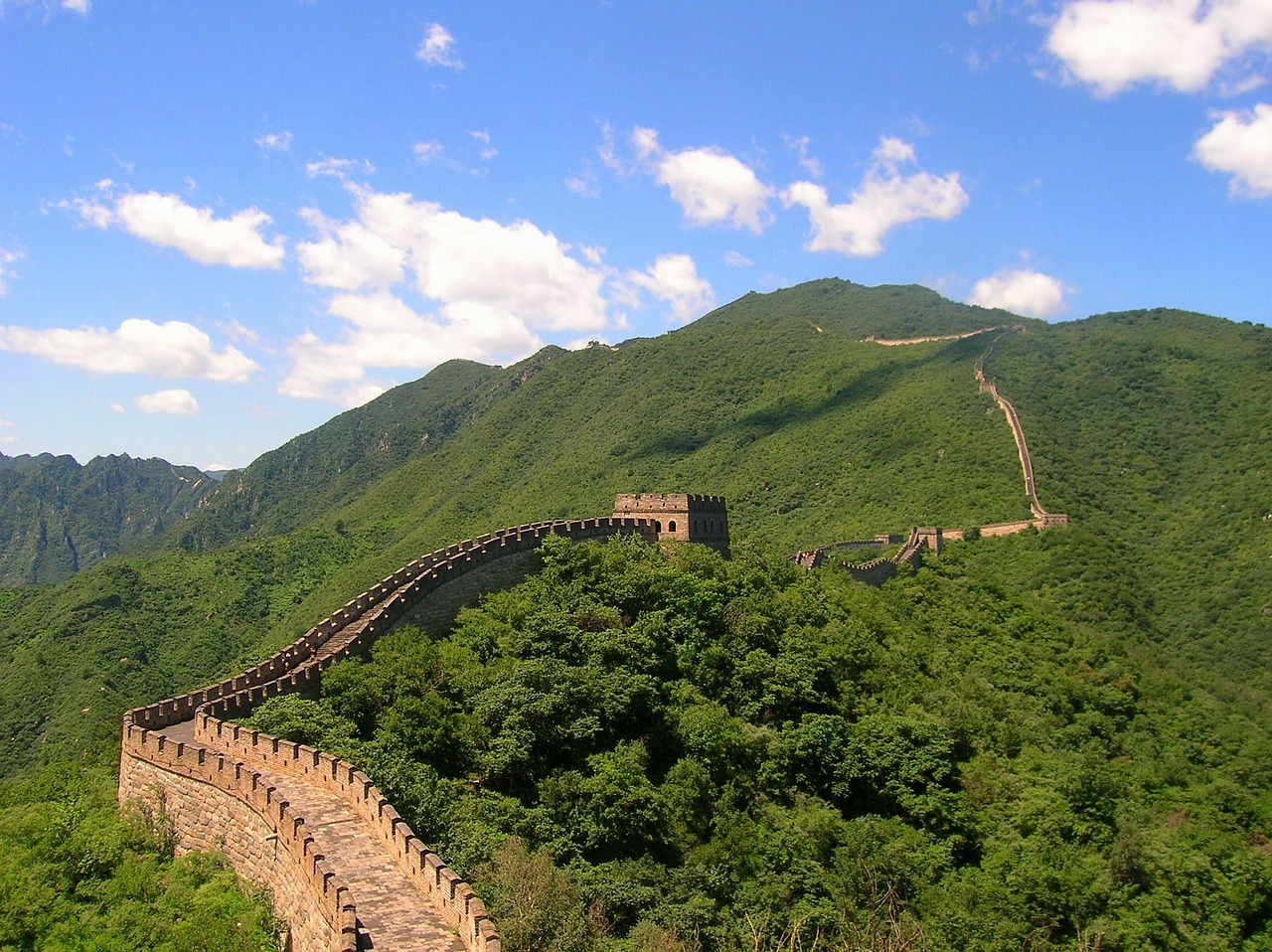
Spring in Beijing: soft light, gentle pacing, and space to linger
For many high-end travellers, April to May is the best time to visit China for classic city icons with comfort built in—especially in Beijing, when the air often feels lighter for long walks and the blossoms begin to soften the city’s edges. It’s also a great time to visit if you want early starts without punishing heat, and long days that still feel relaxed.
In late May, you can still catch that shoulder-season ease: comfortable afternoons, cooler mornings, and a pace that lets you explore without constantly negotiating queues.
Great Wall sunrise – quiet watchtowers, soft light, and space to pause
One guest shared how a private guided visit to the Great Wall at sunrise changed their relationship with the place. Instead of the usual midday energy, it felt almost meditative—wind moving through wild grasses, a hush between watchtowers, and an expert guide who knew exactly when to pause and when to walk.
That’s the luxury advantage in spring: you can uncover stillness in an icon. With early transfers and carefully timed visits, the Great Wall becomes a personal experience, not a tick-box stop.
Beijing’s imperial sites – Forbidden City mornings and calm courtyards
Shoulder seasons are also ideal for Beijing’s classics. The Forbidden City rewards patience and gentle observation; when the main lanes are less crowded, you can linger for respectful photography without feeling hurried. The Summer Palace is similarly absorbing in spring light—water, willows, and long corridors that invite unhurried conversation.
A thoughtful concierge can design the day around your energy: a calm breakfast, early entry where possible, and a seamless return to a design-led hotel for a late lunch or spa hour. It’s care in the details—bottled water on hand, the right courtyard etiquette, and a guide who offers insight without overwhelming you.
- What to pack: Layers for cooler-morning weather, comfortable walking shoes, and a light scarf for breezes.
- Gentle etiquette: A polite greeting, keep voices low in temple courtyards, and ask before close-up portraits.
Autumn best time to visit China – Jiuzhaigou National Park, Yunnan, Guilin and Longji
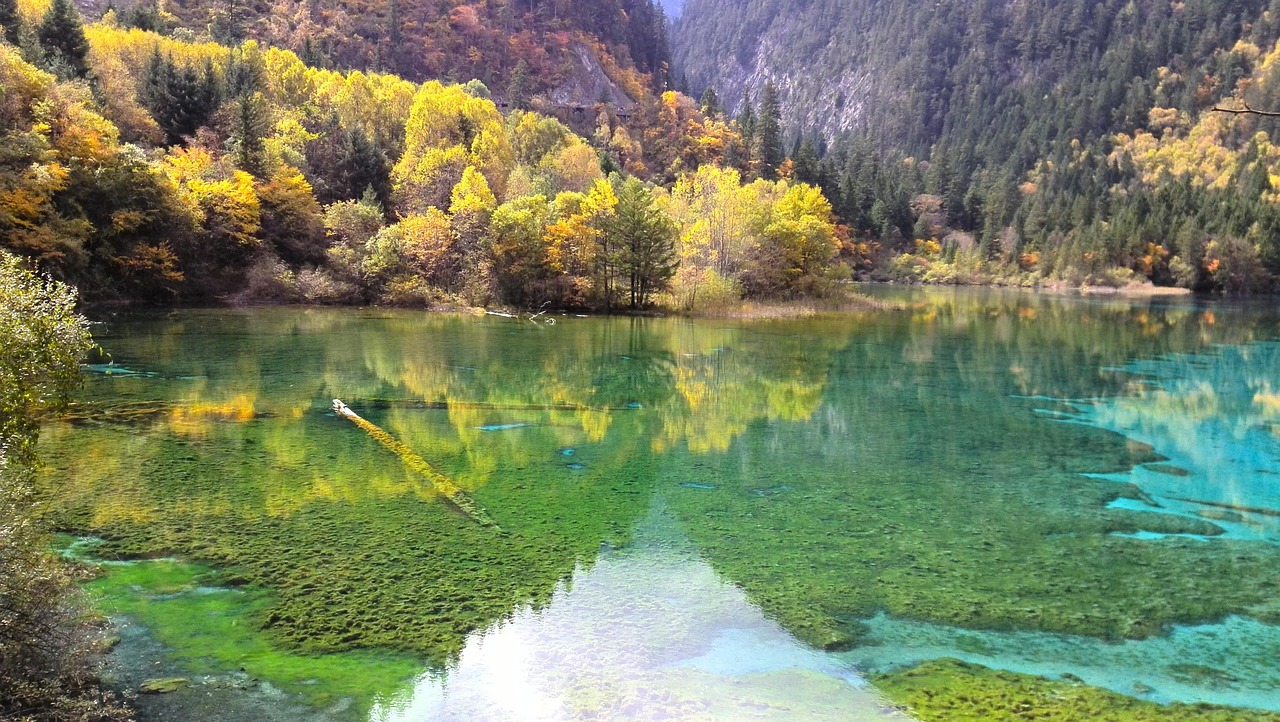
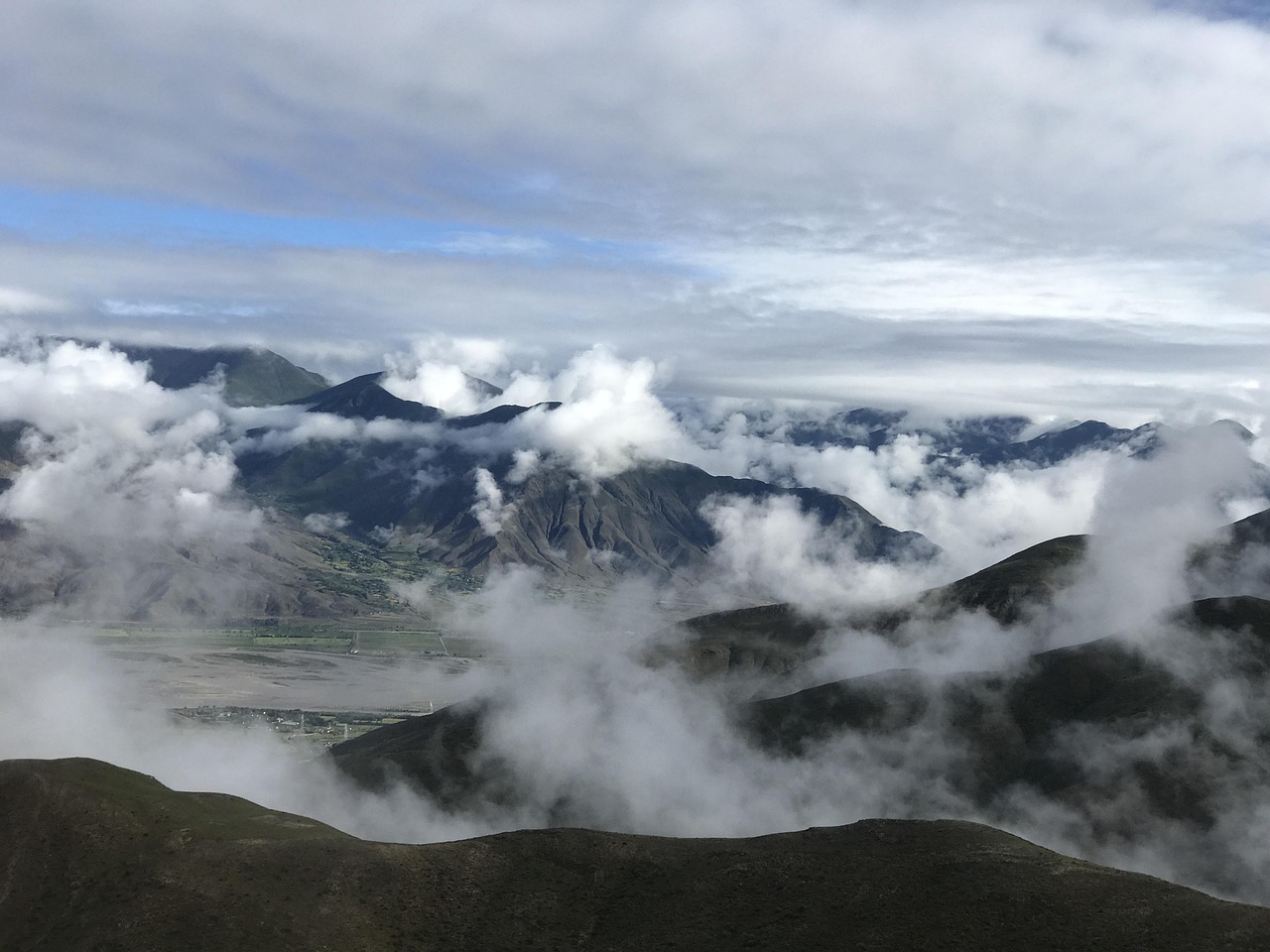
Autumn routes across China: crisp air, glowing forests, and calmer viewpoints
For nature lovers, September to October is often an ideal time for crisp visibility, comfortable hikes, and that slow, restorative feeling you get when skies are clear and days are neither too hot nor too cold. It’s one of the best times for landscapes, with clean light and a natural sense of ease.
It’s also when a journey can feel more personal: quieter hotel rhythms, guides who can time viewpoints beautifully, and routes that feel refined rather than rushed.
Timing the famous valley: permits, quiet viewpoints, and unhurried colour
The headline autumn experience here is colour—lakes like polished glass, forests turning gold and crimson, and reflections that make the scenery feel almost painted. Entry rules and daily caps can change, so permits and timing matter; this is where expert support and advance planning protect your day from queues and uncertainty.
With a private guide, you can uncover calm angles away from the busiest boardwalks, build in tea breaks, and let the landscape set the pace rather than a timetable.
Across China pairings: from Yunnan to Guilin and Longji rice terraces
To create balance, pair Yunnan for highlands and beautifully textured old towns, then continue to Guilin for misty mornings and elegant limestone silhouettes. If you’re drawn to photography, Longji’s rice terraces can be extraordinary at first light—when cloud hangs low, and the terraces look like brushed metal.
One key note for calm luxury travel: the first week of October is a national holiday, so avoid it if you want quiet paths and easy check-ins. Consider late September or mid-October instead, and you’ll often find the same colour with far more breathing room.
- Cultural layering: Add a Silk Road-inspired stop for texture, or weave in Xi’an for the Terracotta Army.
- Seasonal touch: You may catch the Mid-Autumn Festival in early autumn—moon cakes, lanterns, and soft evening rituals.
If you want one itinerary that feels both wild and refined, these autumn routes deliver: intimate nature, beautifully paced days, and small encounters that stay with you.
Late-winter lights: visit China for festivals, Chinese New Year, and Shanghai nights
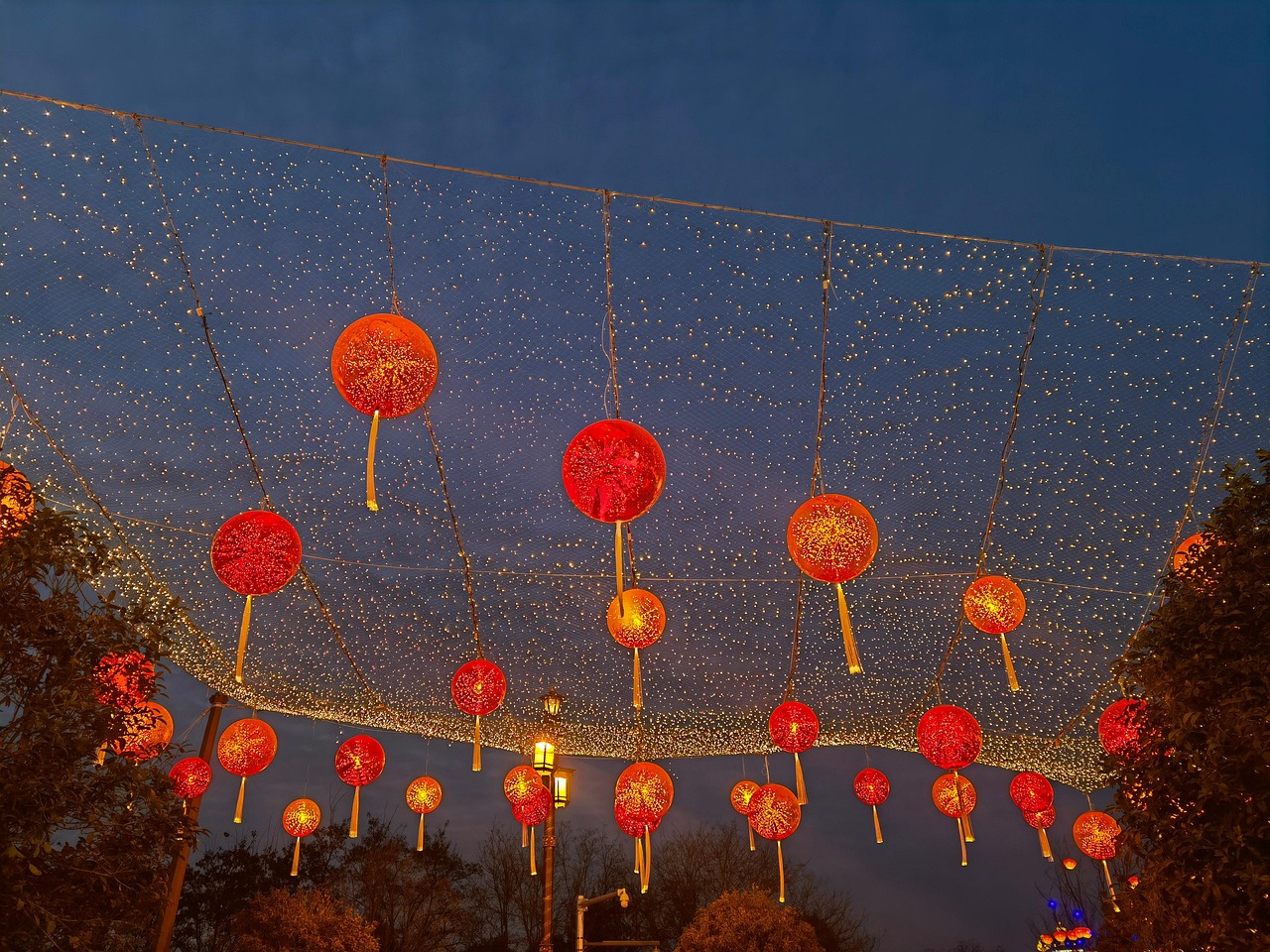
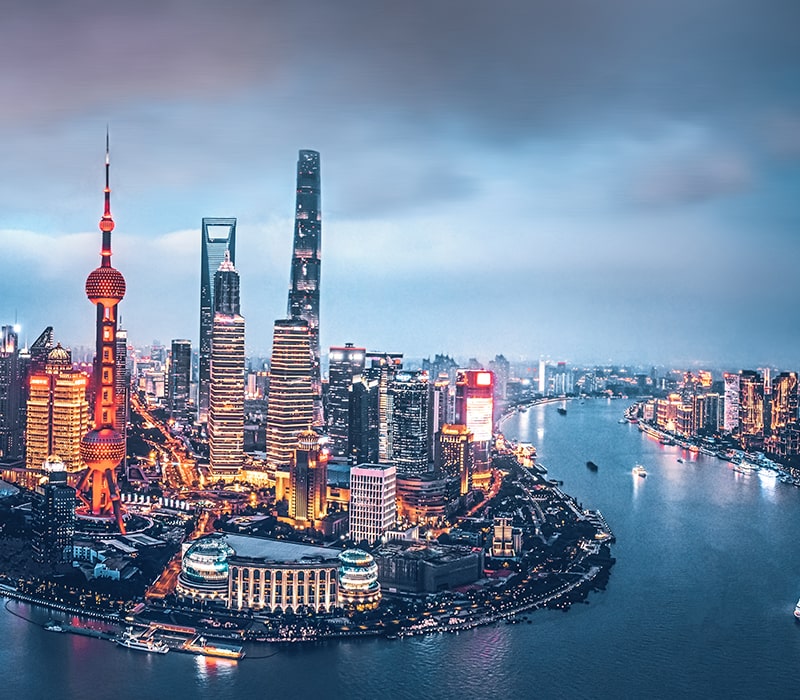
Late-winter Shanghai: tradition, glow, and beautifully planned evenings
If you’re willing to trade mild weather for atmosphere, late January or early February can be a great time to go to China—especially if you want to visit China for festivals. In late winter, cities glow with colour, traditions feel close, and evenings become the main event.
It’s not the quietest window for domestic travel, but it can be the most emotionally vivid—when the country feels like it’s telling you its stories out loud.
Chinese New Year and what the public holiday really means for bookings
Chinese New Year is a public holiday that moves millions of people. Trains and flights can sell out, private drivers are in high demand, and the best suites disappear quickly—so advance booking is essential if you value comfort and certainty.
With high-touch support, though, it can feel surprisingly seamless: pre-confirmed reservations, language help on arrival, and thoughtful planning around closures so you never feel stranded.
Lantern Festival nights in Shanghai and a winter add-on in Harbin
A traveller once described attending the Lantern Festival in Shanghai as “ancient tradition wrapped in modern elegance”. The evening was carefully curated: light displays, traditional performances, and then a return to calm luxury hospitality—warm tea, quiet corridors, and a city skyline glittering outside the window.
If you want to add a northern winter flourish, consider the Harbin ice and snow festival. At the ice festival, you can enjoy the ice sculptures after dark with pre-arranged transfers and a warm base—so the evening feels magical, not punishing.
Summer in China: the best time to travel to southern China and Hong Kong with comfort
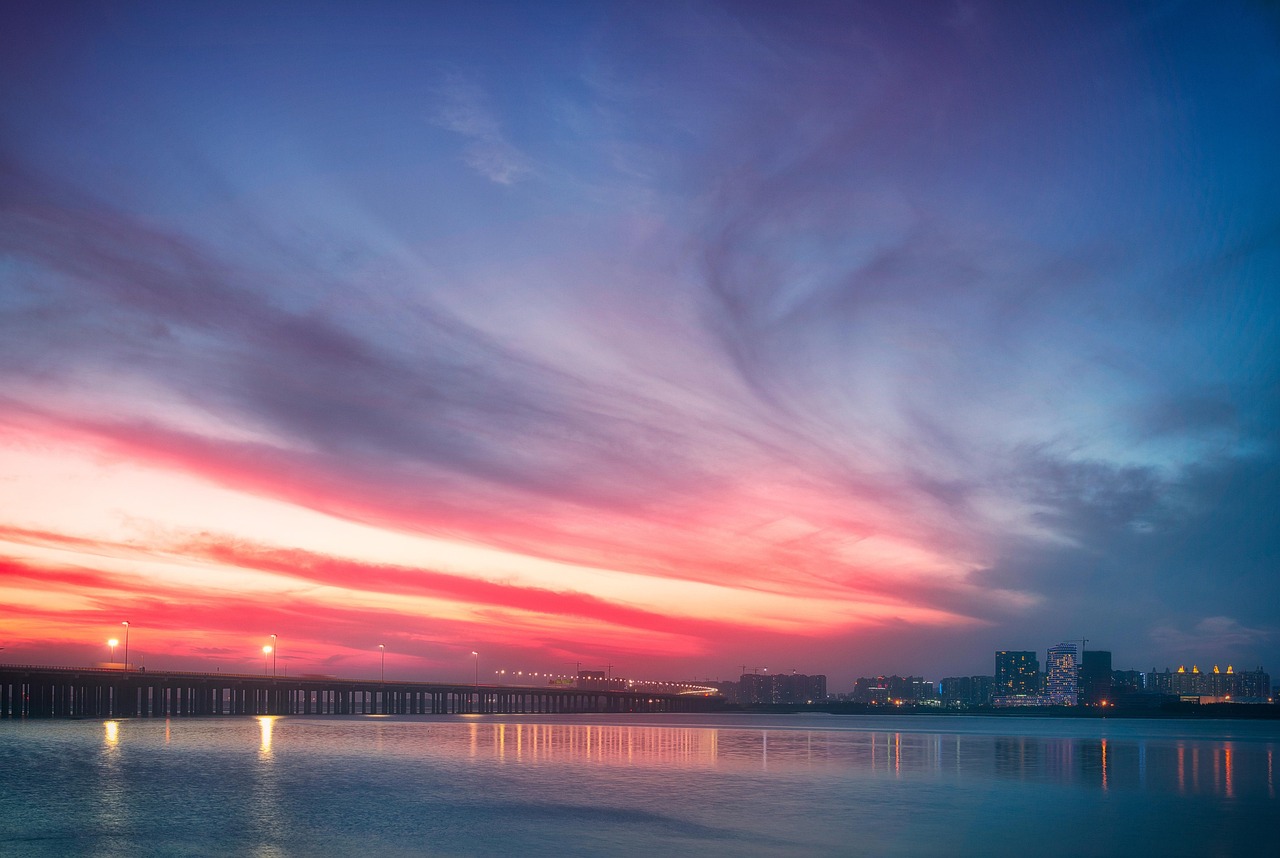
Summer planning: paced days, cool interiors, and polished city nights
Summer travel comes with honesty: it can be hot and humid, and the hottest month in China can feel intense in the biggest cities. But the summer months can still work beautifully for high-end travel if you plan around the climate rather than fighting it.
Think late starts, indoor cultural gems, and restorative afternoons—so your day feels designed, not reactive. For this time of year, comfort comes from timing, not speed.
China in June and the rainy season in the south
China in June is often a transition month. In parts south of the Yangtze River, the rainy season can bring sudden showers, and the humidity rises; in cities like Guangzhou, you’ll feel it quickly. The best strategy is to build flexibility into your schedule: short outdoor moments, then long, comfortable interiors.
To escape the heat, consider a rhythm that privileges comfort: museum mornings, a long lunch, spa time, then evening city views when temperatures soften.
Dragon Boat Festival with reserved views and effortless logistics
The Dragon Boat Festival is a joy in warmer weather—fast oars, drums, and communal excitement. To enjoy dragon boat races without the crush, arrange a reserved waterfront viewpoint and chauffeured pick-ups; it turns a busy day into something calm and celebratory.
- Cooler alternatives: Higher elevations in Yunnan for fresh nights, or pairing Shanghai with nearby countryside retreats.
- Polished city finish: Hong Kong for shopping, harbour views, and exceptional dining between cultural days.
- Wellness: Breathable fabrics, hydration, and timing walks around showers.
River cruises on the Yangtze River – luxury cruise timing and comfort

A luxury cruise: slow travel, gorge views, and deep rest built in
For travellers who want deep rest built into the itinerary, this is a question worth asking early. On the Yangtze River, slow travel is the point: scenery unfolding from your suite, gentle days on the water, and a sense that you’re moving through the country rather than skimming its surface.
It can be one of the best times to experience the country if you value comfort, steady pacing, and a strong service culture.
Choosing sailings for comfort and gorge visibility
Luxury ships vary—suite layouts, balcony sizes, dining style, and how personalised the service feels. Generally, shoulder seasons offer comfortable temperatures and clearer views in the gorges, while peak summer can be warmer and busier. An expert planner will match your preferences to the right ship: quieter decks, refined onboard lectures, and gourmet dining that feels thoughtful rather than formal.
Exclusive excursions and a boutique-ship story
One boutique hotel guest who took a river sailing told us the standout wasn’t just the scenery—it was the exceptional service and exclusive excursions. Instead of standard group stops, their guide arranged smaller visits and local conversation, offering insight into daily life and history without rushing.
High-end considerations are simple but important: accessibility, how active the shore days feel, and whether you can design private shore experiences. With the right support, the cruise becomes a calm centrepiece—and a graceful contrast to the energy of Beijing or Shanghai.
Beijing and Shanghai logistics: high-speed train comfort with a private guide
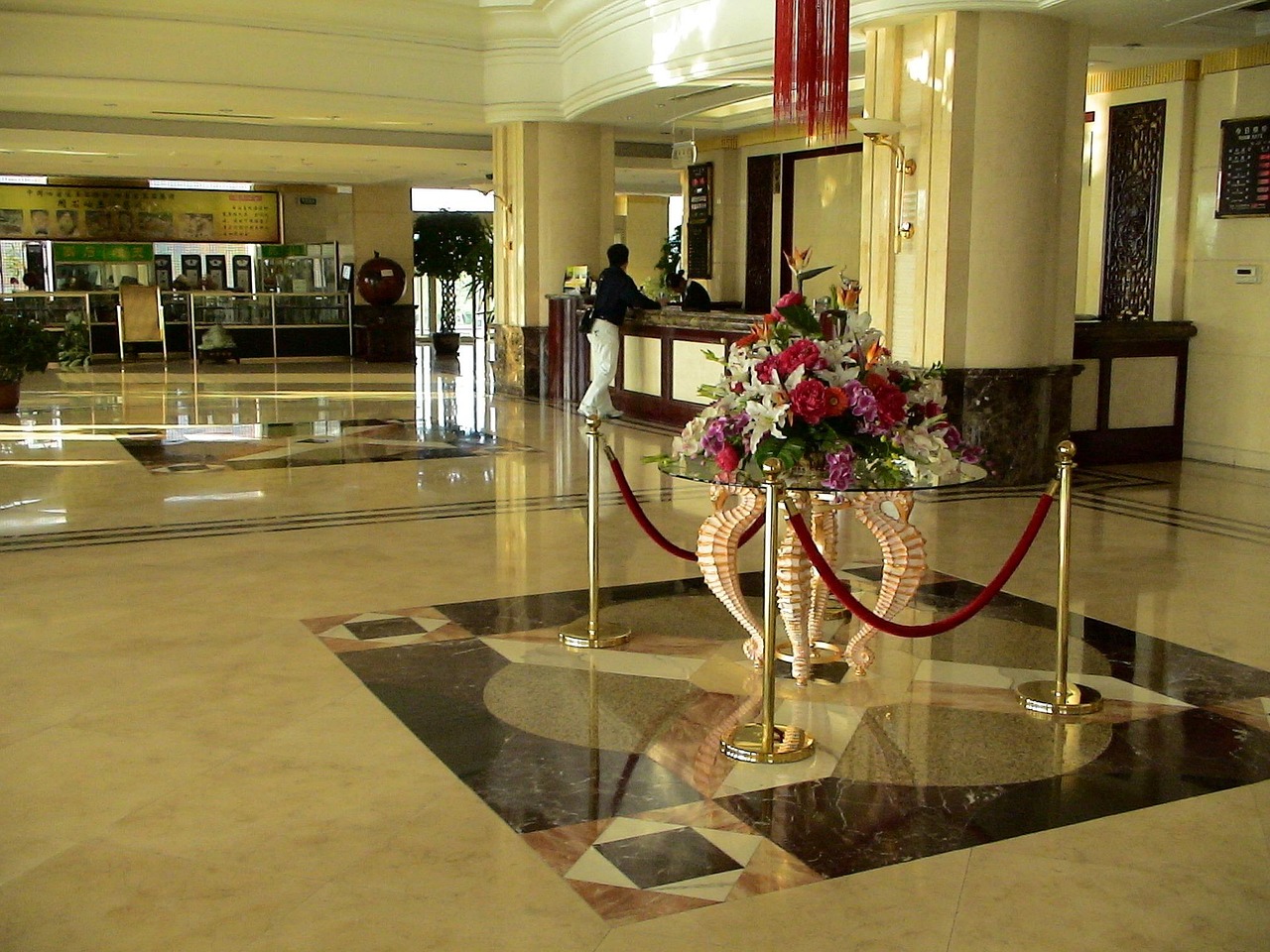
Seamless arrivals: stations, transfers, and quiet confidence with support
Once you’ve chosen the time to travel to China, the next luxury question is how to make every transition feel easy. China travel can be wonderfully smooth when you lean on concierge services—especially for visa requirements, arrival support, and a clean runway from airport to check-in on a first trip to China.
Most classic itineraries connect Shanghai and Beijing, then add one distinctive region for contrast. The right private guide doesn’t just manage language; they manage tempo, so each day stays calm and intentional.
Arrivals, transfers, and high-speed comfort
Most international travellers fly into Beijing or Shanghai, then connect by high-speed train or, for certain regions, private charters. High-speed rail is impressively comfortable, but luggage handling and station navigation can be stressful without help—VIP station support is a small detail that changes the whole day.
If you’d like to explore design-forward itineraries and travel styles, you can browse our Trip gallery for inspiration alongside our travel guides, then shape the route together at your preferred pace.
Booking strategy, etiquette, and calm cultural confidence
For high-end planning, reserve early for festival peaks and popular autumn parks, especially if you want specific rooms, guides, or vehicle styles. Travel costs can also shift by season and route—shoulder seasons often offer better value without compromising experience.
Local etiquette is simple when framed as reassurance rather than rules: greet people politely, be respectful with photography in temples and homes, and remember that tipping practices vary by region and property. A private guide helps with these small moments, translating not only language but context—so you feel supported rather than self-conscious.
- Best time for your visit: Spring for Beijing and the Great Wall; autumn for mountain routes; late winter for festivals; cruise seasons for slow luxury.
- Peace-of-mind tip: Keep key reservations in one place and let your concierge manage confirmations and timing.
FAQs: best times to visit China (quick answers)
Which month is the best month to visit China?
For most high-end itineraries, April–May and September–October are the best months: comfortable temperatures, clear skies, and a calmer feel at major sites. If you want a festival atmosphere, late January or early February is unforgettable, but it needs earlier planning for trains, drivers, and top hotels.
What’s the cheapest time of year to go to China?
The cheapest time is often the quieter shoulder periods outside school holidays and major festivals, when premium hotels may offer stronger value. Avoid the first week of October and the Chinese New Year for bargains, as demand rises quickly and availability tightens across flights and luxury accommodation.
Where is the prettiest place in China?
It depends on your idea of beauty, but many travellers are moved by the mirrored lakes and autumn forests of Sichuan’s famous valley, Guilin’s limestone landscapes, and Yunnan’s highland scenery and old towns. For a different kind of beauty, the Great Wall at sunrise feels timeless and surprisingly serene.
How many days are sufficient for a China trip?
A well-paced first trip is usually 10–14 days, which allows Beijing plus one or two regions, such as Shanghai, a cruise journey, or a nature extension like Yunnan. If you have 7–9 days, focus on one core route to keep transfers seamless and the experience restorative.
Best times to visit China: a personal journey reflection on great times
Long after you’ve unpacked, the best times to visit China are rarely about a calendar date. It’s about the texture of light on stone at dawn, the hush of a courtyard as footsteps soften, and the way a local gesture—an offered seat, a carefully poured cup of tea—reshapes your sense of distance and time.
In memory, Beijing becomes a quiet morning more than a headline, and Shanghai becomes a glow more than a skyline. You remember how the journey was crafted with expert guidance, yet still left space for personal curiosity—moments to wander, to listen, to feel welcomed into layered histories with trust and care.
And perhaps that is what stays with you most: the confidence of being supported, so you could be fully present. The sense that the country did not ask you to rush, only to notice—lantern-light on water, and the faint sound of celebration carrying into the night.