Post Contents
- Designing a luxury route for places of tourist interest in China – beautiful places and places to visit in China
- Beijing imperial elegance – historical and cultural sites, the Forbidden City, and Peking Duck
- Great Wall escapes – scenic sections at Mutianyu and Jinshanling for a luxury day trip
- Zhangjiajie natural wonders – towering sandstone pillars and dramatic scenery in the National Forest Park
- Yangtze River elegance – Three Gorges scenery on a luxury cruise
- FAQs on places of tourist interest in China
- After visiting China, what stays with you from a luxury journey through beautiful places
Designing a luxury route for places of tourist interest in China – beautiful places and places to visit in China
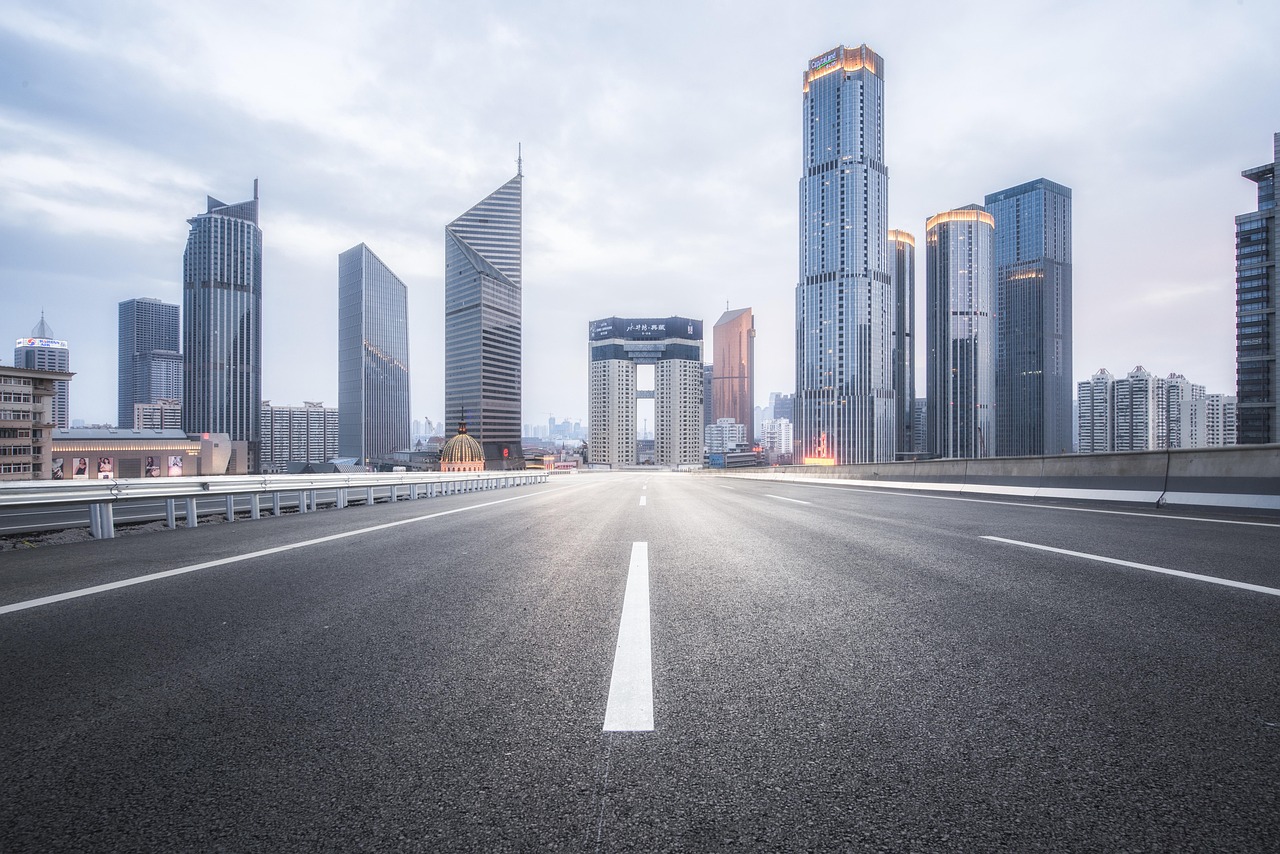
Designing your journey through beautiful places across China, from skyline to serene landscapes
When you frame a trip as a place to visit in a China luxury destination guide, the goal is to explore China without feeling rushed—especially when the distances are vast, and the places of tourist interest in China can feel almost endless. For travellers visiting China for the first time, it helps to think in regions: northern China for imperial power and the Great Wall, eastern China for refined design and big cities, southern China for river landscapes, and the highlands for cooler air and dramatic natural scenery. With a crafted rhythm, each attraction feels spacious rather than exhausting, and the itinerary reads like a curated list of places to see in China.
For most travellers, the best time to visit is spring and autumn (April–May or September–October). These shoulder seasons offer clear light for scenic walks, gentler temperatures, and fewer crowds at museums and national park gates. Do keep major holiday weeks like the Chinese New Year in mind: they can be joyful and fascinating, but transport and hotels tighten. In other words, dates matter—time to travel is as important as where you go.
Explore China seamlessly: luxury transport, fast trains, and expert local support
High-end travel in China is at its best when it feels effortless, even when plans shift. Pre-arranged luxury transportation—private cars, premium-class fast trains, VIP airport services, and optional helicopter transfers on select routes—adds comfort and confidence. It also provides practical support when weather changes or timed entries move: your driver is already in place, your guide can re-route, and you keep the day calm.
Private tours and expert guides are a quiet advantage at heritage sites and landmark experiences. The right local specialist can time your entry, steer you into quieter courtyards, and translate symbols you’d otherwise walk past—turning “must-sees” into personal meaning. If you enjoy design, craftsmanship, or photography, tell your guide so they can tailor the day to your interests.
To help you design a smooth first itinerary of the best places to visit, these are the extensions our travellers most often add once the core route is set:
- Shanghai and Guangzhou are vibrant cities, with rooftop dining and art-led neighbourhoods that balance older monuments with modern energy.
- Hangzhou for lakeside calm, refined tea culture, and a softer pace between major hubs.
- Huangshan (Yellow Mountain) for pine forests and a sea of clouds at dawn—one of the most beautiful mountain mornings you can create in the east.
- Guilin and the Li River to Yangshuo, including the town of Yangshuo, for poetic karst scenery, countryside cycling, and gentle riverside evenings.
- Longji rice terraces in Guangxi for a terrace-view stay that brings you close to rural China and slower village life.
- Chengdu in Sichuan for the giant panda breeding research base, and a Leshan day trip.
- Xi’an for its terracotta heritage, the ancient city walls, and the tomb of Emperor Qin Shi Huang—built for Emperor Qin Shi Huang (also written as Qin Shi Huang) and rich with Tang dynasty echoes.
- Yunnan for an old town base and Tiger Leaping Gorge, plus highland options such as Pudacuo National Park.
- Harbin Ice and Snow Festival highlights if winter is your season—often called the Harbin Ice Festival, and the glow of Harbin ice can feel like a luminous, temporary city.
If you’d like to see how these pieces can be woven together, browse our Trip gallery for a sense of pacing, hotels, and design-led experiences.


Beijing imperial elegance – historical and cultural sites, the Forbidden City, and Peking Duck
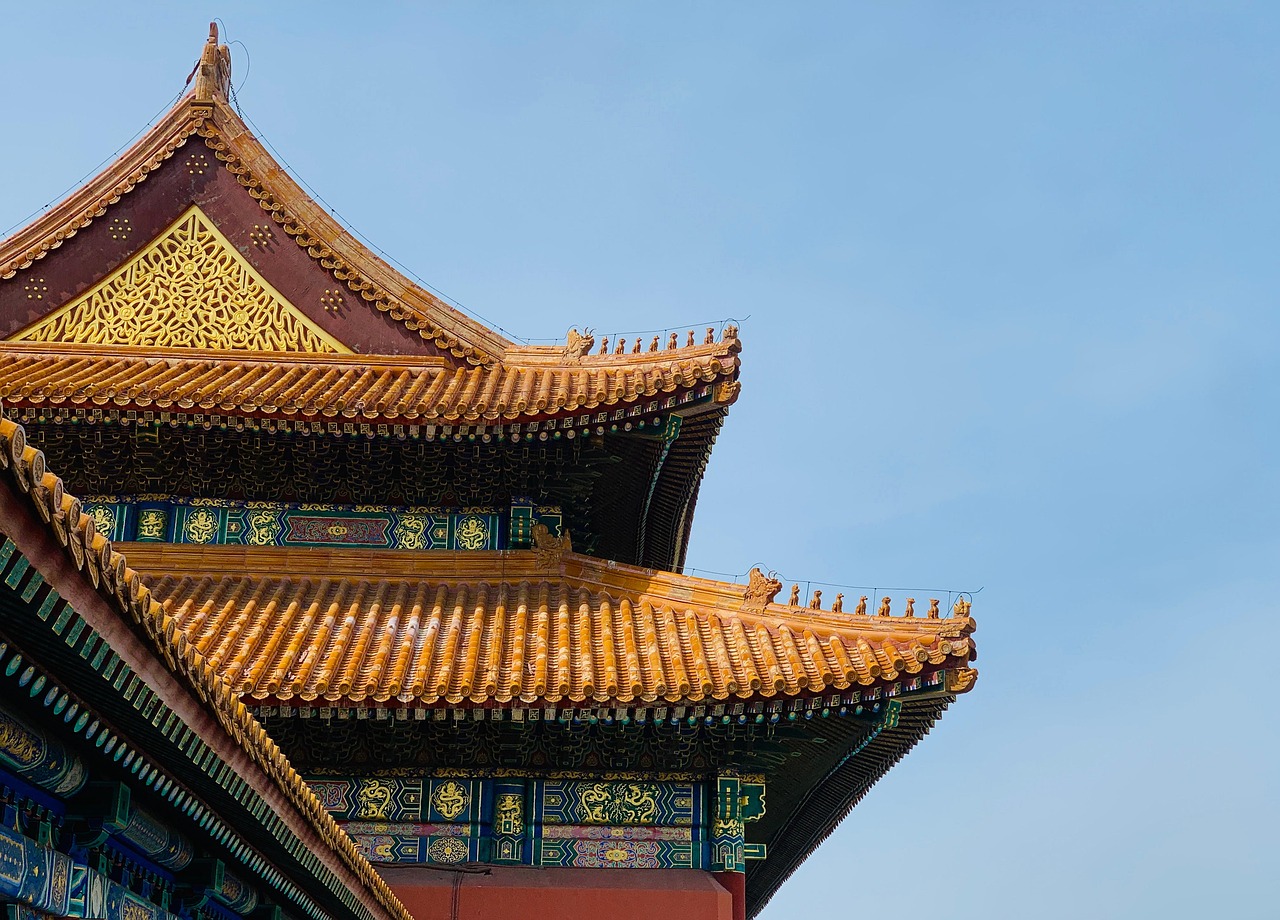
Imperial courtyards and private perspectives inside the Forbidden City
A Beijing luxury guide Forbidden City Peking Duck China should begin with the place that sets the tone for imperial scale: the Forbidden City, a UNESCO World Heritage Site at the heart of the capital. With an expert guide, this isn’t just a highlight on a checklist—it becomes an unfolding story of ritual, artistry, and power. The key is to arrive with care, build in breathing room, and protect your day from queues.
Forbidden City at sunset: insight and quieter courtyards in Beijing
One luxury traveller described a private guided tour timed for late afternoon, when the day crowds thin and the light turns honeyed across red walls. As they stepped into quieter side galleries, their guide pointed out imperial symbolism hidden in rooflines, thresholds, and colour choices—the kind of detail that makes the palace feel lived-in rather than staged. At sunset, the vast courtyards softened, and the experience felt surprisingly personal.
That interpretive layer matters. Many visitors rush to “see it all”, but the Forbidden City rewards those who slow down: notice the craftsmanship in stone balustrades, the rhythm of courtyards, and how ceremonial spaces choreograph movement. With the right expert, you begin to recognise what was private, what was public, and how design was used to shape behaviour.
Refined Peking Duck, timed entry, and calm high-end planning
For practical, high-end planning, prioritise timed tickets and early entry where possible, and use private transfers so you’re not negotiating taxis at peak hours. A guide can also help you avoid the most congested routes and keep your day balanced—especially if you’re pairing major landmarks together. Comfortable shoes are essential: stone surfaces can be uneven and deceptively tiring.
Food is culture here, and an evening of Peking Duck can feel like a continuation of the day’s history. Choose a high-end restaurant that blends tradition with modern cuisine: crisp-skinned tableside carving, delicate pancakes, and seasonal side dishes that showcase regional technique. A small etiquette note: respectful greetings go a long way, modest dress is appreciated when visiting temples, and it’s wise to be cautious with photography in sensitive areas.
If you’d like to soften the palatial scale, pair your visit with a serene morning at the Temple of Heaven, or take a design-led hutong stroll for human detail—tea courtyards, artisan workshops, and small conversations that bring the city back to street level.
Great Wall escapes – scenic sections at Mutianyu and Jinshanling for a luxury day trip
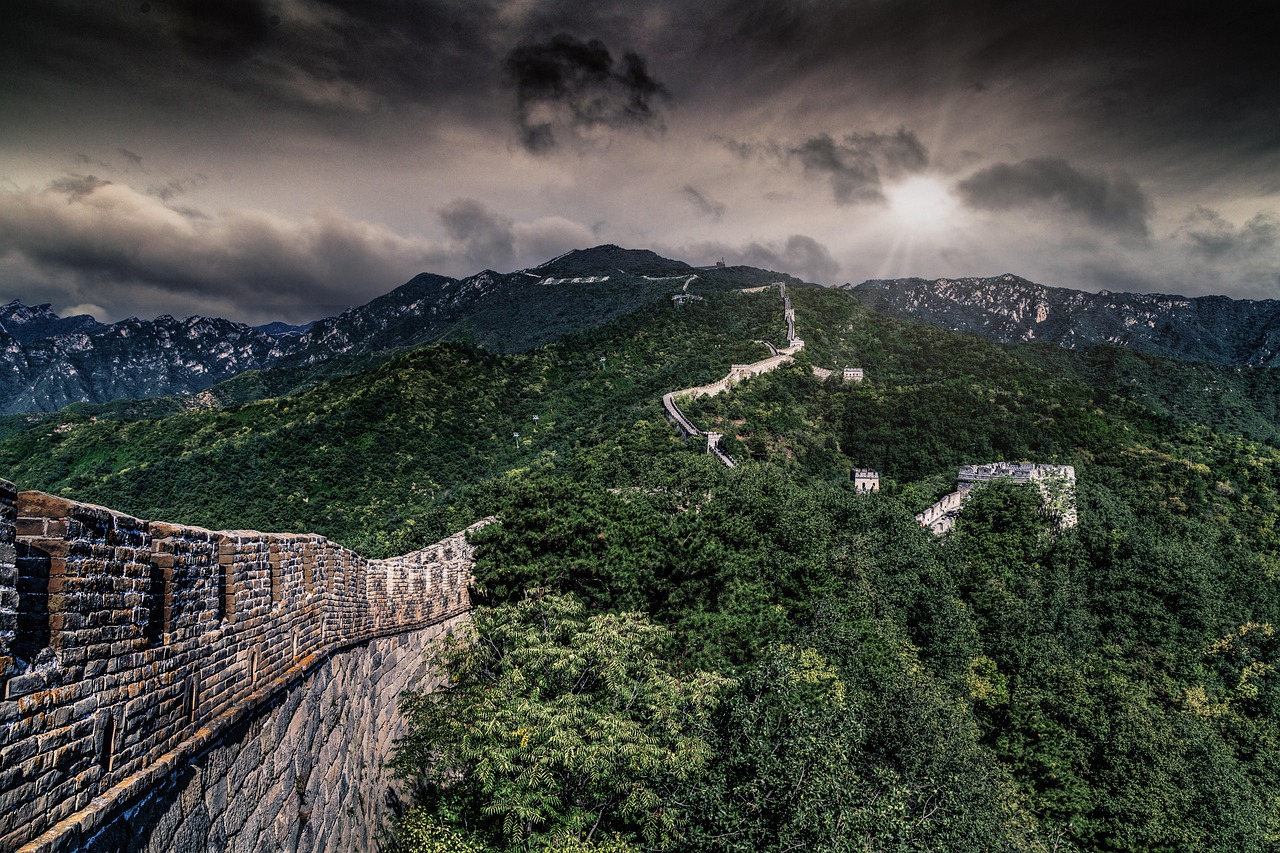
Mutianyu and Jinshanling: scenic ridges, watchtowers, and space to breathe
Choosing the right section is everything in a Great Wall Mutianyu Jinshanling luxury day trip in China. The Great Wall of China is one of the defining places to see in China and part of the UNESCO World Heritage, but not every stretch offers the same atmosphere. Mutianyu is polished and accessible, while Jinshanling feels more time-worn and scenic—ideal if you want space, texture, and a sense of discovery on the Great Wall.
Dawn at Mutianyu: beautiful views, crisp air, and a quieter climb
A solo traveller once shared how they climbed Mutianyu at dawn, when the air was crisp, and the stone felt cool underfoot. They moved slowly on uneven steps, pausing not for photos first, but to listen: birdsong, distant voices, the faint rustle of wind across watchtowers. When the sun rose, the wall’s curves appeared like brushstrokes across the ridges, and the moment felt quietly profound—one of those beautiful places that asks you to be present.
To create the same experience, dress in layers and bring light gloves if you’re travelling outside of summer. Pace yourself and don’t be embarrassed to stop often; this section is steep in places. A cable car can be a thoughtful choice at Mutianyu if you’d rather save your energy for a longer, gentler walk along the ridge than a taxing ascent.
Jinshanling: scenic ridgelines for photographers and a wilder feel
Jinshanling is often the answer for travellers who want the Great Wall to feel less curated. Its watchtowers, long sightlines, and time-worn stone create strong compositions, especially in soft morning haze or late afternoon light. If your goal is to feel scale, this is where the wall reads as an architectural drawing stretched across mountains.
Comfort and access are where luxury makes a real difference. With a private driver, you can start early, stop at viewpoints as they call you, and return to Beijing easily without the fatigue of group coach logistics. A picnic-style lunch with local flavours—fresh fruit, warm pastries, small savoury bites—can be arranged so you’re not dependent on crowded visitor cafés.
What to carry for a refined day out:
- Comfortable shoes with grip for uneven stone.
- Water and a small thermos if mornings are cold.
- Cash for small vendors (not every stall accepts cards).
- A light scarf or jacket for the wind along the ridge.
Back in the city, keep the evening restorative: a slow supper, a massage, and an early night if you’re continuing onwards. The wall is generous, but it asks for respect.
Zhangjiajie natural wonders – towering sandstone pillars and dramatic scenery in the National Forest Park
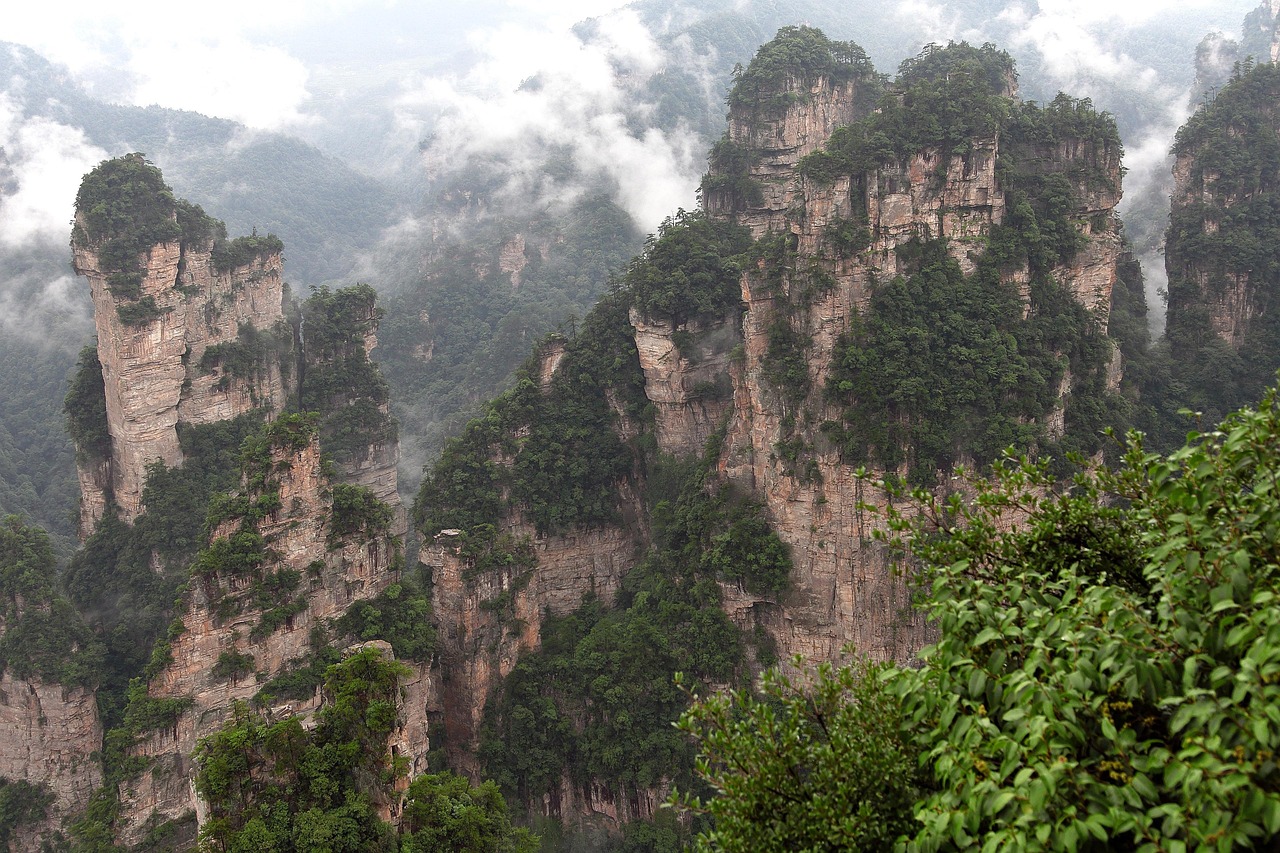
Towering sandstone pillars and shifting mist in Zhangjiajie’s iconic landscapes
For travellers seeking luxury visit experiences in Zhangjiajie National Forest Park, this region is where imagination meets geology. Zhangjiajie National Forest Park is famed for towering sandstone pillars that rise in layers, as an ink painting brought to life. Part of the wider Zhangjiajie National Forest area, it’s defined by dramatic rock formations shaped by erosion and time; understanding that formation makes the landscape feel even more extraordinary.
Sandstone formation explained: quartz pillars, mist, and changing light
The pillars are made largely of quartz sandstone, carved over millennia by water, wind, and temperature changes. Mist often clings to the valleys, and when it lifts, the skyline appears and disappears—an ever-changing stage. It’s a rare kind of scenery that can feel epic and intimate on the same trail.
An artist’s perspective: how to explore without overwhelm
An artist who travelled here told us they expected spectacle, but not the emotional pull. Hiking among the pillars, they found their sketches changing: fewer straight lines, more drifting shapes, as if the landscape itself was teaching them to loosen their hand. The “Avatar-like” comparisons make sense, they said, but the real inspiration came from quieter angles—shadowed paths, mossy stone, and sudden windows of light.
To explore without overwhelm, plan a balanced pace across lifts, trails, and short walks. Start early for calmer viewpoints, then retreat for a long lunch or a rest before returning later when day-trippers thin. Your guide can help you string together scenic platforms and gentle routes, rather than pushing for every highlight.
Photography is welcome, but a discreet approach goes a long way. Avoid blocking narrow paths, step aside to let others pass, and be mindful in crowded lookouts. If you want a more personal moment, linger a few minutes after the main group moves on—often the quiet arrives quickly.
Where you stay matters. Choose a premium hotel or high-end lodge that offers a restful base, strong concierge support, and a comfortable return after damp stone steps. Pack shoes suited to moisture and stairways; the park is magical in mist, but the surfaces can be slippery.
Yangtze River elegance – Three Gorges scenery on a luxury cruise
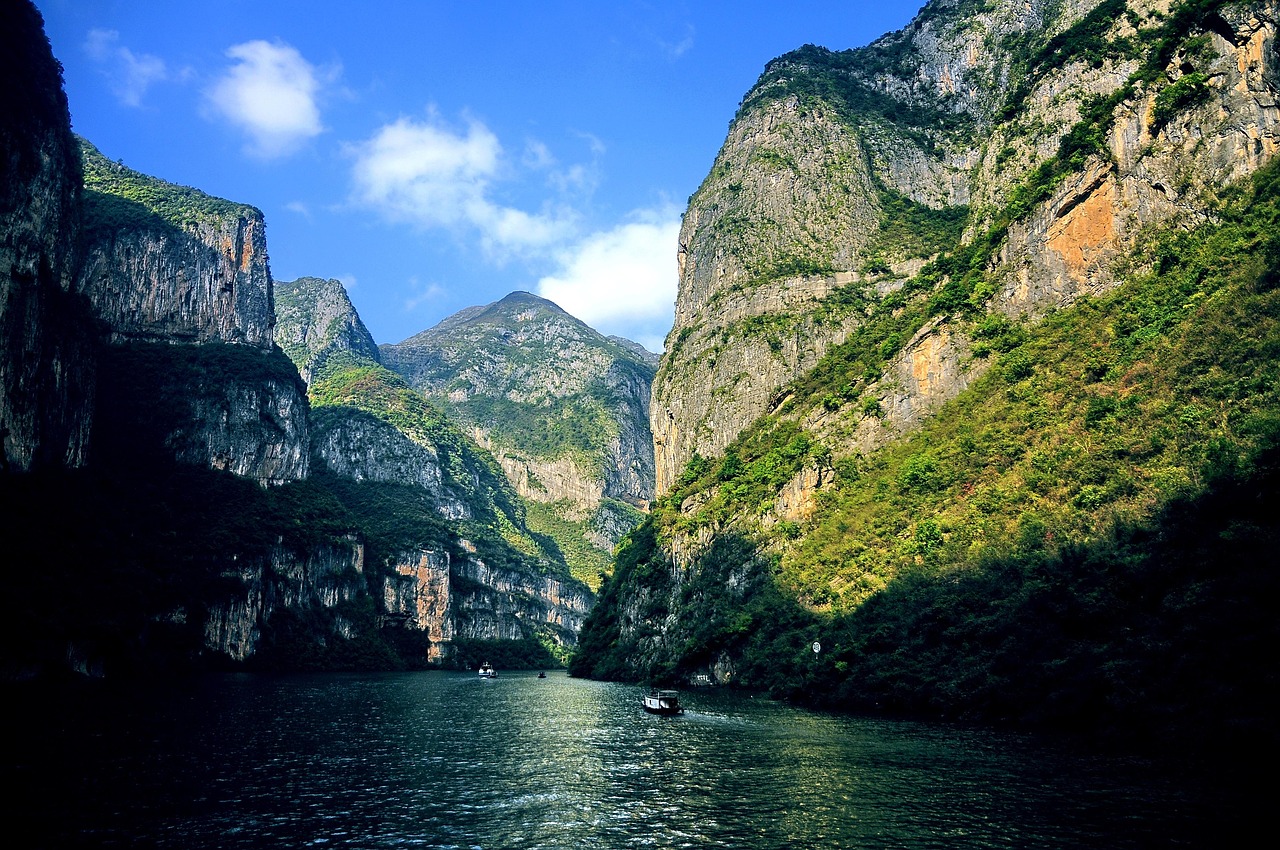
Three Gorges scenery: slow travel, cliff faces, and river light
A Yangtze River luxury cruise and Three Gorges China experience belong on a bucket list because it offers a gentler way to see China’s landscape on a scale. Rather than racing between cities, you drift through the Three Gorges scenery with time to notice shifting light, cliff faces, and small riverside life. It’s one of those many beautiful places in China where the journey itself becomes the destination.
A couple’s crafted cruise story: togetherness and unhurried scenery
One couple described their cruise as “together, but unhurried”. At dawn, they’d step onto a quiet deck with tea, watching the scenery change from silver mist to clear green slopes. Staff learned their preferences quickly—coffee timing, dietary details, the shore excursions they’d enjoy most—and the service felt personal without being intrusive. For them, luxury meant trust: knowing everything was handled, so they could simply be present with each other.
Seamless boarding, expert guides, and wellbeing touches like hot springs
What “crafted” looks like on the Yangtze River is thoughtful detail: suite choices with private balconies, seamless boarding, luggage handled end-to-end, and shore excursions led by expert guides who bring context to temples, viewpoints, and local crafts. Some itineraries include wellbeing touches—light spa moments onboard, or hot springs stops where available—perfect after a day of walking.
Food is part of the pleasure. Expect regional menus with a modern finish: delicate soups, seasonal vegetables, and dishes that hint at the breadth of China without overwhelming the palate. If you’re a wine drinker, ask about pairings; on the best ships, the dining feels designed rather than standardised.
Practicalities for high-end travellers are simple but important. Cruising direction can affect scheduling and, sometimes, the feel of the itinerary; your planner can advise based on water levels and your preferred excursions. Pack layers for breezy decks, and keep cash on hand for small ports and local artisans—these small encounters are often where the trip feels most human.
FAQs on places of tourist interest in China
What is the most touristy part of China?
Central landmarks in the capital—especially the Forbidden City area and major squares—can feel the most touristy, particularly in peak seasons. Choosing timed entry, going early, and using a private guide can help you uncover calmer routes and quieter galleries while still experiencing the highlights with care.
What are the main tourist attractions in China?
Many travellers focus on imperial highlights, the Great Wall, Shanghai’s urban energy, Xi’an’s terracotta heritage, Zhangjiajie’s sandstone landscapes, and a Yangtze River journey through the Three Gorges. The appeal lies in pairing heritage with natural wonders, at a pace that feels seamless.
Is $1000 USD a lot in China?
$1000 USD can go a long way for everyday spending—meals, local transport, and entry tickets—especially outside big cities. For high-end travel, however, premium hotels, private drivers, expert guides, and luxury flights or cruises can quickly raise costs. It’s best to treat $1000 as a helpful on-the-ground budget rather than the full cost of a luxury itinerary.
Where should tourists go in China?
For first-time visitors planning places to visit in China, a crafted route often starts in the capital, adds the Great Wall at Mutianyu or Jinshanling, then balances city life with natural scenery in places like Zhangjiajie. If time allows, consider Guilin and the Li River to Yangshuo, or a Yangtze River cruise for a slower perspective. The best places to visit depend on season, interests, and preferred pace.
After visiting China, what stays with you from a luxury journey through beautiful places
Reflecting on a luxury journey to China, it isn’t about listing what you did. It’s about what lingers—quietly, unexpectedly—once you’re home and the suitcase is put away. Perhaps it’s the texture of ancient stone underfoot, warmed by afternoon sun. Perhaps it’s the hush of courtyards in the capital, where the air seemed to hold centuries of breath, or the way scenery shifted beyond a window until you stopped trying to name it and simply let it be.
Often, what stays with you is not the headline moment but the smaller kindness: a guide who noticed your pace and adjusted without fuss, a driver who waited exactly where promised, a stranger who offered a gentle gesture of help. In a country of immense distances, this kind of support changes everything. It makes the vast feel navigable, and it lets you travel with confidence rather than tension.
And then there’s the creative residue. You might find yourself imagining new shapes after the sandstone pillars, noticing negative space in a skyline, or remembering the line of the great wall disappearing into haze. The mind holds onto what moved it—colour, craftsmanship, silence, the sense of being cared for while you explored.
China also reminds you that wonder can be both grand and intimate. Long after the journey, a simple cup of tea or a patch of morning mist can bring it back, and you may find yourself quietly designing what you’ll uncover next.