Post Contents
- Wild Goose Pagoda in Xi’an, China – Tang Dynasty Pagoda and Silk Road Heritage Site in Shaanxi Province
- Inside the Pagoda – How to Enter the Pagoda and Climb for a View of Xi’an
- Da Ci’en Temple (Ci’en) and the Temple Pagoda Grounds Around the Wild Goose Pagoda
- Small Wild Goose Pagoda and Xi’an Museum – A Quieter Pagoda Built for Deeper Insight
- Muslim Quarter Nights – Shaanxi Food Markets and Xi’an City Landmarks
- F.A.Qs: Wild Goose Pagoda Xi’an China – Tickets, Timing, and Highlights
- What Stayed With Me After Visiting the Wild Goose Pagoda in Xi’an, China
Wild Goose Pagoda in Xi’an, China – Tang Dynasty Pagoda and Silk Road Heritage Site in Shaanxi Province
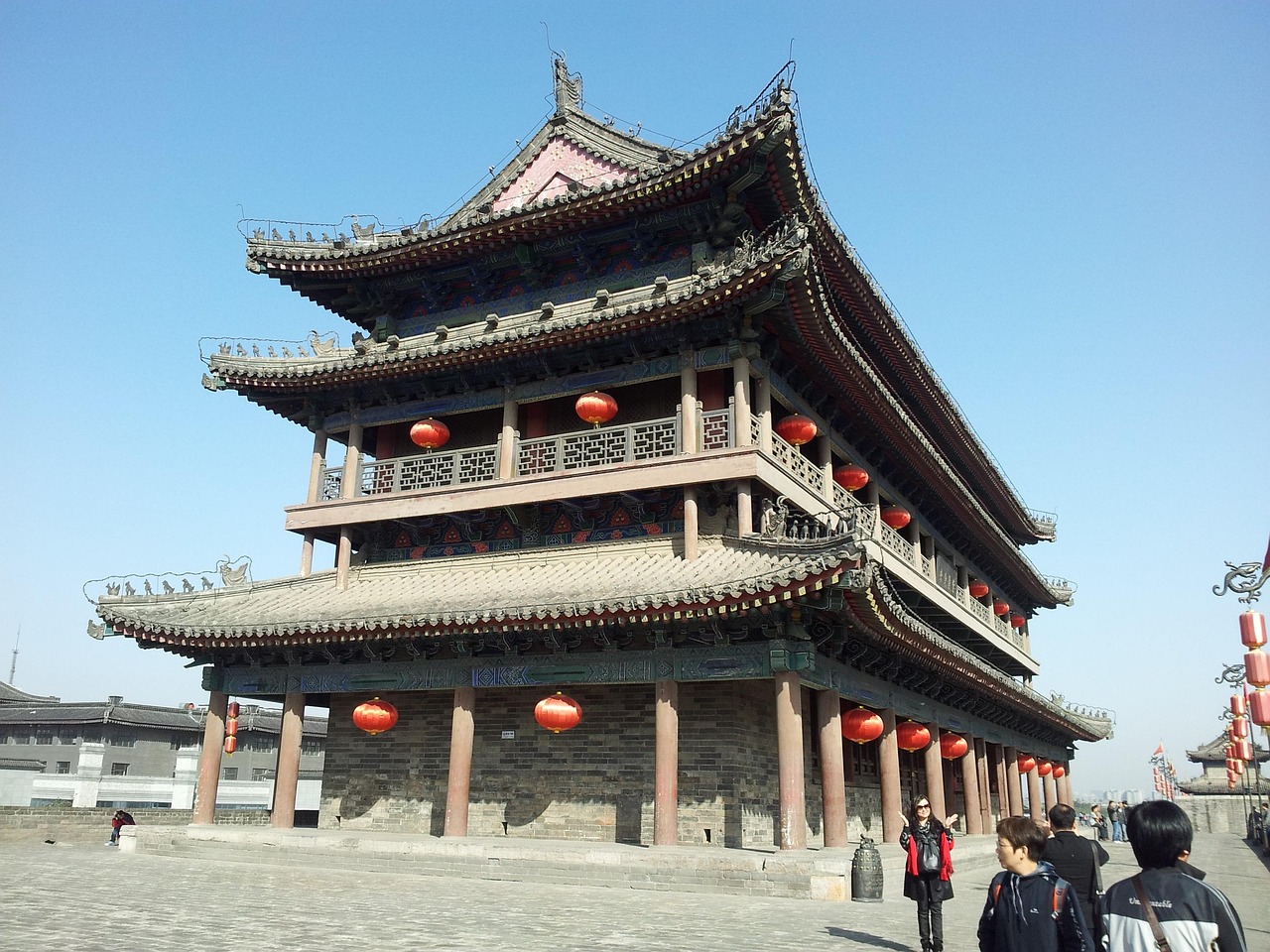
Wild Goose Pagoda in Xi’an, China: a Tang dynasty pagoda landmark in Shaanxi
If you’re searching for the wild goose pagoda in Xi’an, China, you’re zeroing in on one of the most meaningful sights in Xi’an—and one of the easiest places to feel the city’s Tang dynasty spirit. The Wild Goose Pagoda looks calm and grounded, yet it’s tied to motion: pilgrims, traders, and a travelling monk carrying new ideas along the Silk Road. For adventure-minded travellers, that contrast is the magic—you’re not just looking at brickwork, you’re stepping into a living timeline in modern Xian.
The wild goose pagoda is located in southern Xi’an city within the Da Ci’en Temple complex, a Buddhist temple where incense hangs lightly in the air and quiet footsteps set the pace. This Buddhist pagoda in southern Xi’an is still treated with respect, not as a mere backdrop for photos. The Giant Wild Goose Pagoda is also known as the Dayan Pagoda and remains a symbol of Shaanxi province—an ancient city landmark that reflects the Tang dynasty at its most curious and outward-looking.
From master Xuan Zang (Xuanzang) to sutras, Buddha teachings, and a sacred relic tradition
Built during the Tang dynasty (618-907), the Great Wild Goose Pagoda is inseparable from master Xuan Zang—often written as Xuanzang—whose journey to India and return to Chang’an shaped Chinese Buddhism. The wild goose pagoda was built to protect and translate Buddhist scriptures and sutras he brought back, alongside cultural relics connected to devotion and scholarship. In temple storytelling, you may hear of pattra-leaf manuscripts and sarira, part of a revered relic tradition that explains why the atmosphere feels more devotional than purely touristic, with Buddha imagery treated with real care.
One clear historical marker matters: it was built in 652 (652) and later strengthened through repairs after an earthquake and through later dynasties such as 960-1279. Today, the pagoda stands at about 64.5 meters, its brick profile and slightly curved shape giving it a quietly resilient silhouette. It forms part of a World Heritage listing linked to the Silk Roads route network, earning UNESCO World Heritage recognition that makes the global connection feel concrete rather than romantic.
How to visit the Wild Goose Pagoda in Xi’an with confidence, etiquette, and context
Come ready to discover layers rather than rush a checklist: the Wild Goose Pagoda in Xi’an is both a landmark and a working sacred environment. Because it sits within an active Buddhist temple setting, speak softly, observe before photographing, and treat every hall as shared space. If you travel with patience—and let the site guide your pace—you’ll leave with more than a “must-see” memory.


Inside the Pagoda – How to Enter the Pagoda and Climb for a View of Xi’an
Climbing the Great Wild Goose Pagoda: a classic Xi’an viewpoint
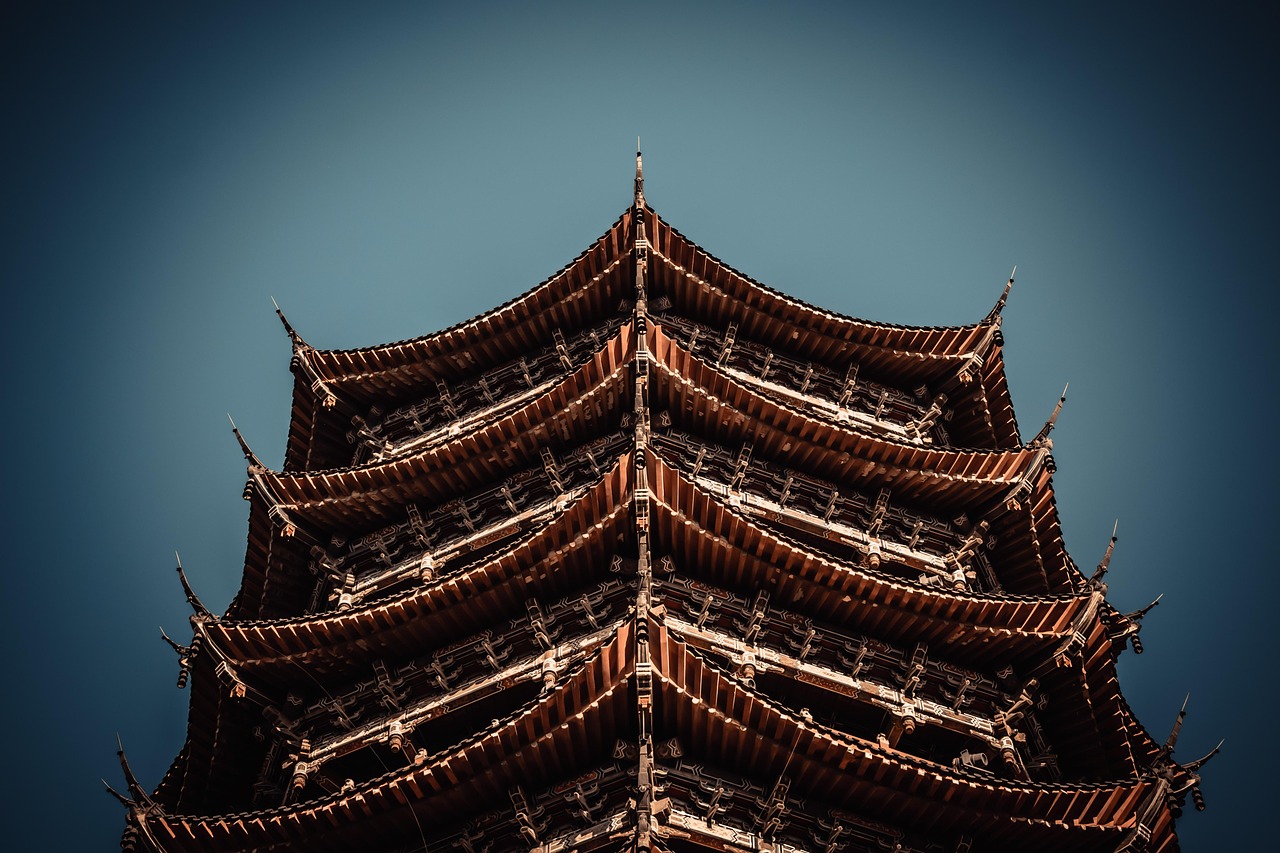
For travellers planning to climb the Great Wild Goose Pagoda in Xi’an, the experience is refreshingly simple: enter the pagoda, climb, pause, and let history catch up with you. The interior holds you close at first—brick corridors and narrow stairways—before it opens into brighter landings and framed city glimpses. It’s a climb that balances adventure and reflection, step by step, inside a Buddhist pagoda that still feels purposeful.
Seven-storey rhythm in the Giant Wild Goose Pagoda: windows, inscriptions, and changing light
As you climb the seven-storey pagoda, notice the shifting windows and how the city sound fades, then returns. Each level has its own mood: a glimpse of rooflines, a moment where inscriptions or architectural details pull you closer, then another turn upward. Many visitors describe a deep sense of time here—the feeling that the brickwork has absorbed centuries of Buddhist devotion.
I’ve heard the same detail from high-end travellers who still love a challenge: the breath becomes the metronome. A few flights in, you feel your heartbeat, then a window frames a view of Xi’an, and the horizon widens. By the upper levels, the city looks almost sketched in ink—temple roofs, broad avenues, and distant glass towers—held together by the pagoda’s calm geometry.
Buddhist details and statues in the Great Wild Goose Pagoda: artefacts, scriptures, and respectful behaviour
Depending on what’s displayed during your visit, you may encounter Buddhist texts, scriptures, and carefully protected artefacts, sometimes alongside a statue used for worship. If you see the statue of Sakyamuni—honoured as the founder of Buddhism and a central Buddha figure—pause and observe before moving on. The etiquette is simple: look closely, don’t touch displays, and keep your voice low around worshippers.
For support and confidence, wear comfortable walking shoes and carry water, especially in warmer months. The stairways can feel tight, so let faster visitors pass and keep your pace steady. This is one climb where quiet movement feels like part of the design—shaped by Tang dynasty craft rather than modern spectacle.
Da Ci’en Temple (Ci’en) and the Temple Pagoda Grounds Around the Wild Goose Pagoda

Da Ci’en Temple courtyards beside the Wild Goose Pagoda
If you’re looking up Da Ci’en Temple Xi’an pagoda gardens Buddhist temple complex, plan to give the grounds a real-time tour, not just a quick walk-through. The temple pagoda relationship is the heart of the visit: the Wild Goose Pagoda as the vertical axis, and the courtyards and halls as the calm horizontal world beneath it. Da Ci’en Temple—also written as Da Ci’en Temple, and sometimes noted as Da Cien Temple—was built in 648, and interpretive signs often reference early patrons, ritual life, and even the first abbot who helped shape temple routines.
Courtyards, symmetry, and a calm pause in Xi’an city near Da Ci’en Temple
Move through the courtyards, and you’ll start to read the architecture like a language: symmetry, rooflines, and stonework that guide attention without shouting. For cultural enthusiasts, it’s a place to see how a Buddhist temple uses proportion and ritual pathways to create calm. A solo backpacker once told me the gardens felt like a personal shelter—only steps from traffic, yet entirely different in atmosphere—and that sense of refuge holds true even on busy days.
For a softer moment, seek out shade and listen for small sounds: low conversation, a bell, and the hush that settles around an active Buddhist temple. If you’re travelling together, it’s a lovely place to slow down without feeling you’re missing out, and you may spot a small statue tucked into a quiet corner of the halls.
Night illumination, the North Square fountain, and the music fountain show by the pagoda
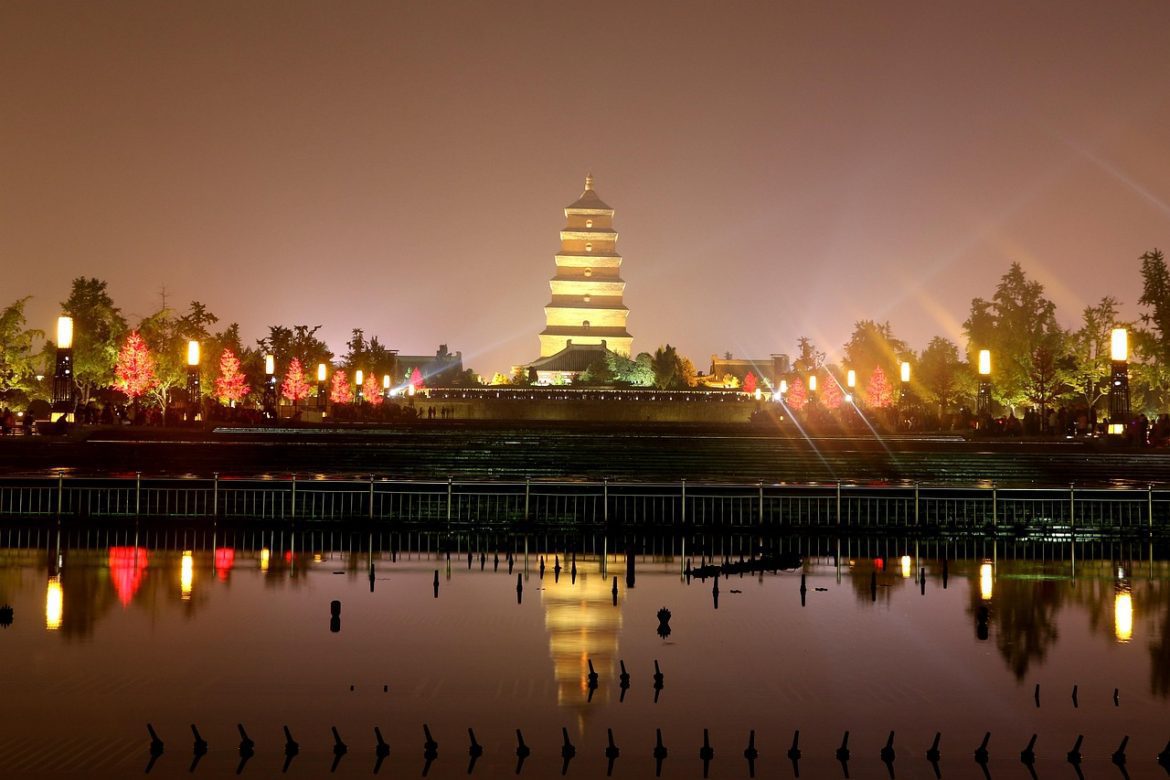
First-time visitors often save one highlight for the evening: the pagoda’s night illumination. The north square area is known for its fountain and, at times, a music fountain show that blends sound with light (seasonal timings change, so check on the day). The effect can feel surprisingly seamless—ancient brick framed by contemporary lighting—without losing the dignity of this world heritage site.
And if your timing coincides with a lantern festival, imagine warm lantern light drifting across the temple pagoda silhouette. Nearby, some visitors pair the evening with a stroll through the peony garden when it’s in season or a calmer loop toward the south square. One couple described the night scene as “crafted, yet timeless”—a moment that felt complete even without a camera.
Small Wild Goose Pagoda and Xi’an Museum – A Quieter Pagoda Built for Deeper Insight
Small Wild Goose Pagoda near Xi’an Museum: a quieter companion site
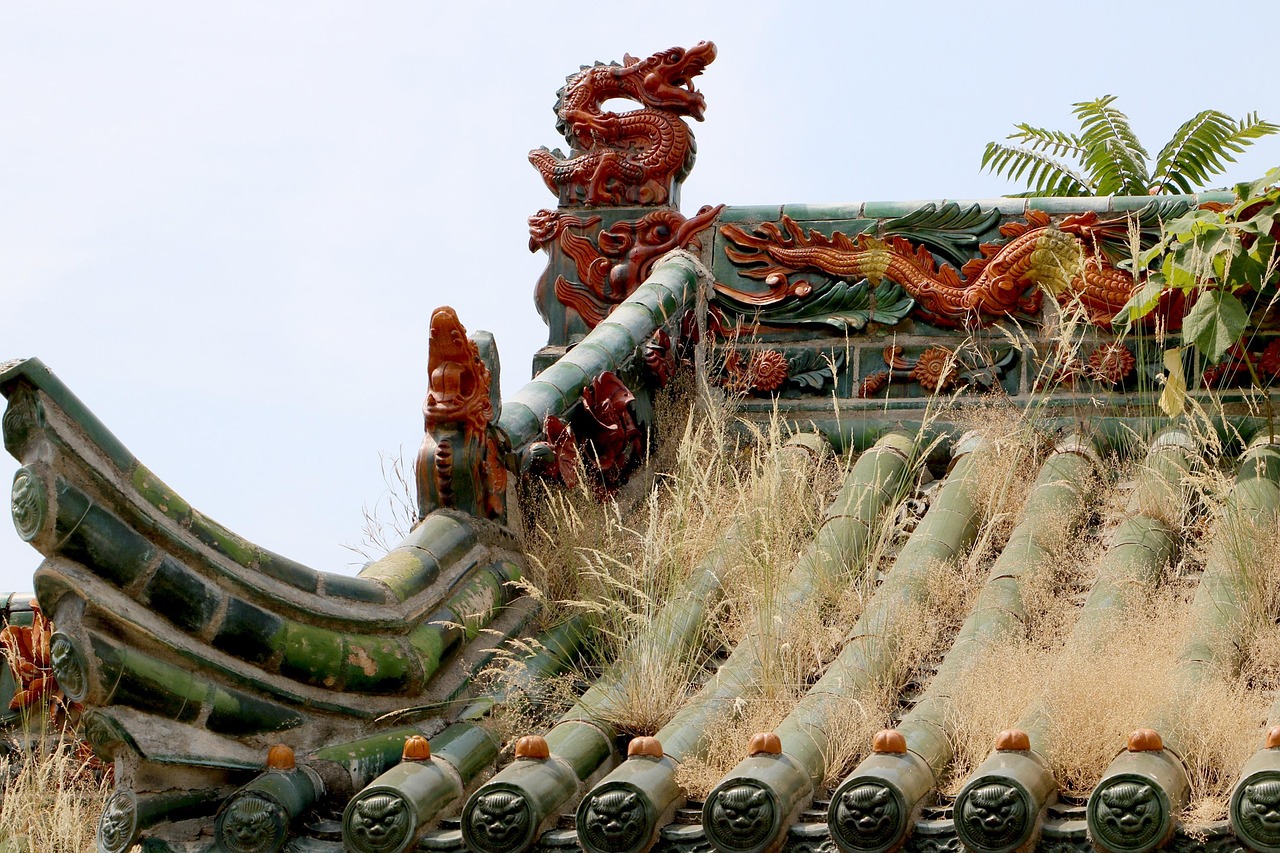
For a calmer pairing after the main landmark, search out the small wild goose pagoda at the Xi’an Museum, built during the Tang dynasty, and you’ll find a wonderful counterpoint. The small Wild Goose Pagoda sits at Jianfu Temple, and alongside the Xi’an Museum, it offers space to explore without the same crowd energy. It’s the kind of half-day that rewards curiosity and helps the Tang dynasty story settle in.
Stupa meaning and how the tradition of building a pagoda differs from the Big Wild Goose Pagoda
It helps to know one term: a stupa is a Buddhist structure originally associated with housing sacred remains or commemorating the enlightened presence. In China, that idea evolves into the pagoda form, and this is a good place to compare how a pagoda built for quiet devotion can feel different from the nearby Big Wild Goose Pagoda. The Small Wild Goose Pagoda is more intimate yet still significant—often cited at around 43.4 meters and said to have started closer to 25.5 meters before later changes—carrying its own Tang dynasty character and an 8th-century sense of time.
Because it’s less overwhelming, many travellers notice more: how light lands on brickwork, the order of the grounds, and the understated confidence of the architecture. If the giant wild goose pagoda feels like a statement, this smaller stupa-style pagoda feels like a conversation you can actually hear.
The museum context that makes the Dayan Pagoda and the Tang dynasty story clearer
The Xi’an Museum adds context you can take back mentally to the Dayan Pagoda and to the wider Buddhist exchange story. Exhibits often connect Tang dynasty objects to travel and learning, showing how Buddhist scriptures moved across regions as part of culture rather than solely as faith. It’s a gentle way to build continuity in your trip: you’re not collecting sights, you’re building understanding.
Planning notes with care: spring and autumn tend to bring pleasant weather and fewer crowds. Look for combined tickets where available, and confirm the entrance fee on arrival, as pricing and bundled access can change.
Muslim Quarter Nights – Shaanxi Food Markets and Xi’an City Landmarks
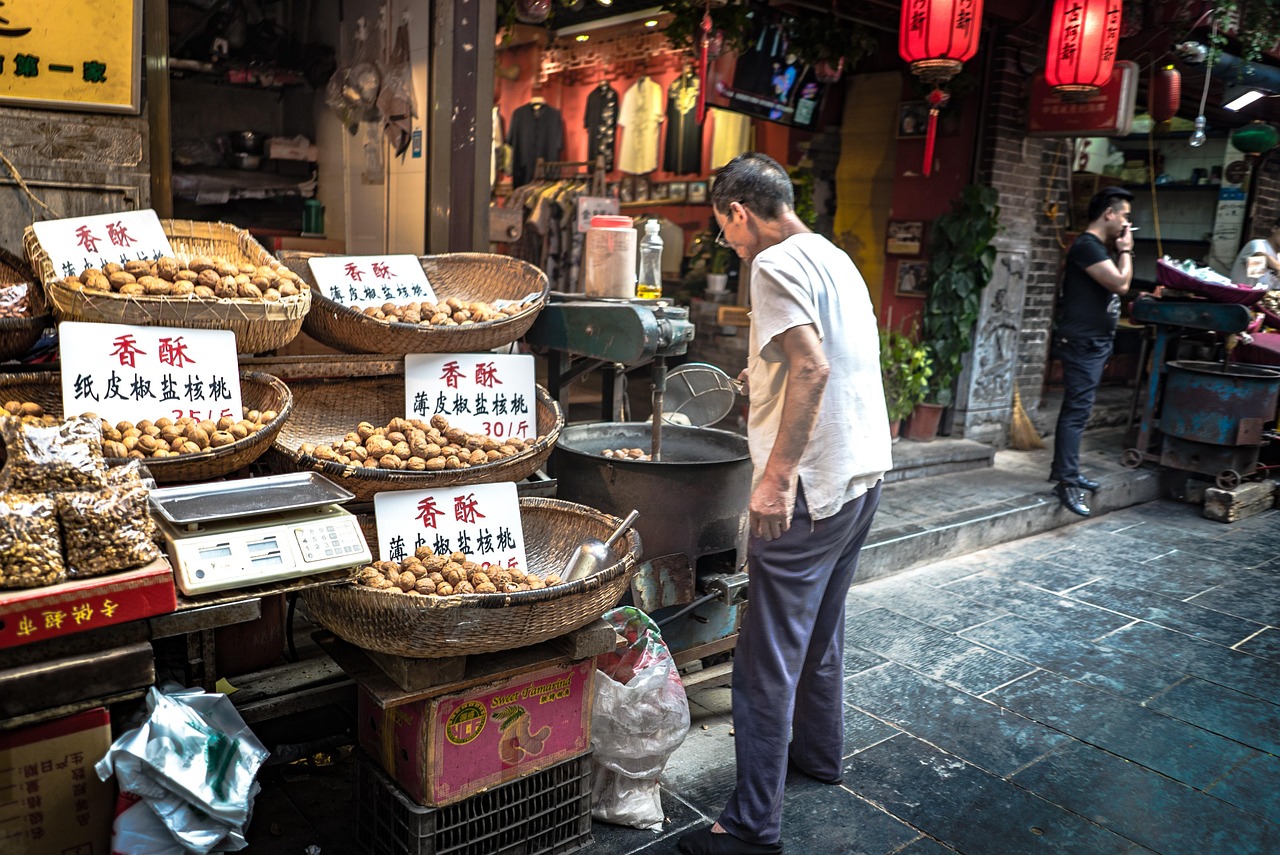
Muslim Quarter nights in Xi’an: markets near historic landmarks
When you’re ready to swap temple quiet for street life, the Muslim Quarter of Xi’an, local Shaanxi street food, and the Bell Tower Drum Tower point you toward one of Xian’s most vibrant evenings. The transition is easy by metro: from the pagoda area, take line 3 and connect toward the centre, then walk into the market lanes. Some travellers refer to Wild Goose Pagoda Station—double-check the current stop names in your map app—, but the route is usually straightforward and well signposted.
A seamless evening route from the Wild Goose Pagoda to the Muslim Quarter market lanes
After the Wild Goose Pagoda, it’s normal to feel both energised and a little overstimulated. A small reset helps: return to your hotel, then head out for food and people-watching. If you’re staying near the Grand Tang pedestrian zone, you may pass the Grand Tang Dynasty Ever Bright City area (tang dynasty ever bright city), where performances and light installations bring modern nightlife into historic streets.
- Timing: go earlier for easier browsing, later for atmosphere.
- Cash: carry notes, as some vendors do not accept cards.
- Comfort: Stay hydrated; the lanes can be warm and busy.
Local stories, Shaanxi flavours, and the Bell Tower with the ancient city wall after dark
One of my favourite stories comes from a traveller who hesitated at a snack stall, unsure what to order. The vendor smiled, offered a tiny taste, and explained a family recipe in a few warm phrases—local connection delivered with effortless trust. Moments like that are why the Muslim Quarter isn’t just “street food”; it’s a cultural exchange you can actually hold and savour.
Look for Shaanxi flavours in breads, skewers, and sweets, and keep your pace relaxed. Nearby, the bell tower anchors the old centre, and the city wall—part of the ancient city wall circuit—can be especially striking after dark. Choose well-lit routes, keep valuables secure, and let the night feel adventurous without feeling risky—support comes from good choices, not rushing.
If you’re building a longer journey through China, you can explore more routes and ideas in our Trip gallery.
F.A.Qs: Wild Goose Pagoda Xi’an China – Tickets, Timing, and Highlights
Is the Wild Goose Pagoda worth visiting in Xi’an?
Yes—especially if you value culture with a sense of adventure. The Wild Goose Pagoda is a Tang dynasty landmark and a true heritage site with a living Buddhist atmosphere, and the climb rewards you with a memorable skyline moment and a feeling of real history. Pair it with the Da Ci’en Temple gardens, North Square, or an evening light show for a more complete experience.
Why is the Giant Wild Goose Pagoda famous in Xi’an, Shaanxi?
The Giant Wild Goose Pagoda is famous for its connection to Xuanzang (Xuanzang) and the translation of Buddhist scriptures, and for symbolising Xi’an’s Tang dynasty role as a crossroads on the Silk Road. It also stands out architecturally as an enduring pagoda that has survived repairs after earthquake damage and remains an emblem of Shaanxi province.
How long should you spend at the Giant Wild Goose Pagoda and Da Ci’en Temple?
Most travellers spend 2–3 hours at the pagoda and the Da Ci’en Temple grounds, allowing time to climb, pause on different levels, and enjoy the courtyards. Add another hour if you want unhurried photographs or a calmer pace, and consider staying into the evening if you’re hoping to see the pagoda illuminated.
Practical notes: the Wild Goose Pagoda was built as a place for Buddhist texts, and today the entrance fee and access rules can change by season—check at the ticket window before you enter. If you’re navigating by metro, confirm the best exit for Wild Goose Pagoda Station and the Da Ci’en Temple gates.
Quick facts for context: the Great Wild Goose Pagoda was built during the Tang Dynasty; it’s a temple pagoda associated with Da Ci’en Temple (ci’en); and many travellers add the Big Wild Goose Pagoda area to a day that also includes the Bell Tower district and the city wall in Xi’an City.
What Stayed With Me After Visiting the Wild Goose Pagoda in Xi’an, China
If you search for wild goose pagoda reflection Xi’an travel feelings Buddhism, you’ll find plenty of practical advice, but the deeper truth is quieter: the Wild Goose Pagoda stays with you as more than a building. It lingers as an echo of Buddhism—steady, human, and oddly reassuring—set against a city that keeps changing. Days later, you may still remember the way brick meets sky, and how your thoughts softened as you climbed.
For me, the lasting image isn’t the busiest moment. It’s a final glance across a courtyard where footsteps fade, or lantern light catches a roofline as evening settles. It’s the sense that time can be held in stone without becoming trapped there, and that belief can be present without demanding anything from you.
Travel confidence grows in these small pauses. When we slow down, we listen better—both to a place and to ourselves—and we uncover a steadier kind of courage than the loud, performative sort. Perhaps that’s why this pagoda feels so timeless: it doesn’t chase you, it simply waits, and somehow you leave carrying a little of that calm, wondering what other corners of Xi’an—especially the quieter lanes of Xi’an—might meet you in the same way.