Post Contents
- Design your Shanghai stay and plan the best things first for a luxury itinerary in Shanghai
- The Bund waterfront promenade is Shanghai’s signature attraction with skyline views
- Pudong icons and observation deck moments in Shanghai Tower and the Oriental Pearl TV Tower
- Yuyuan Garden and the Old City charm as a Shanghai attraction near Yu Garden
- French Concession Shanghai things to do with Tianzifang and Xin Tian Di design-led walks
- Shanghai Museum and Power Station of Art for cultural insight and exhibition choices
- Nanjing Road in Shanghai’s shopping district as a premier shopping street.
- Places to eat in Shanghai with Michelin star confidence and Shanghai Tower dining
- Seamless Shanghai metro transportation tips, entrance fees and VIP tours in Shanghai
- F.A.Qs: Shanghai travel questions that travellers ask most
- What stays with you after Shanghai
Design your Shanghai stay and plan the best things first for a luxury itinerary in Shanghai
Design your Shanghai stay and the best things to plan first with skyline views and elegant neighbourhoods
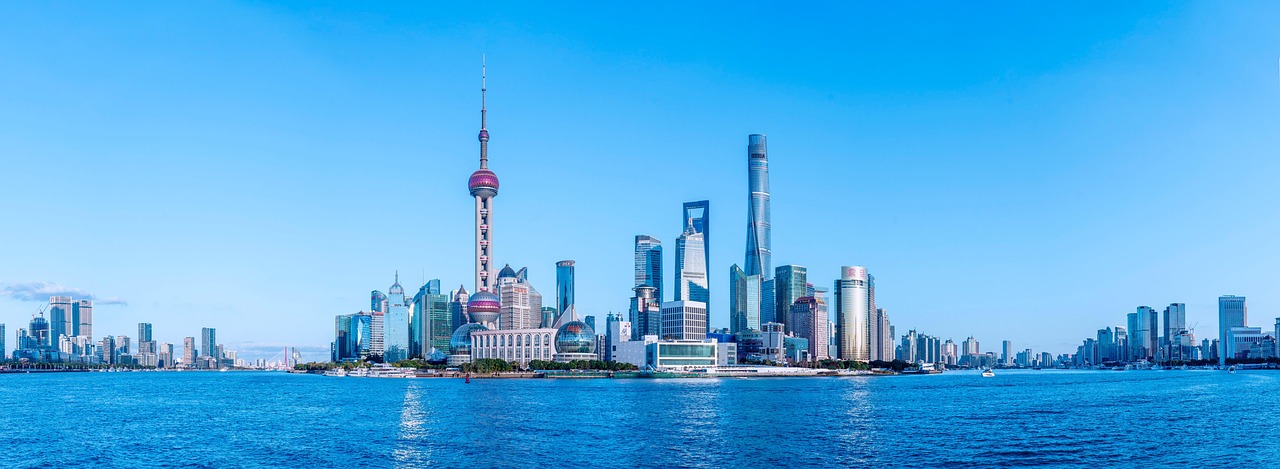
When you’re weighing up Shanghai things to do and shaping the best things into a luxury itinerary, the most valuable decision is where you place yourself in the city. The right base creates breathing space, keeps transfers short, and makes even the busiest days feel crafted rather than hurried. This is where a little expert support and a calm plan build real trust: you’ll feel held by the journey, while still free to create your own moments.
Where to stay for easy access to attractions in Shanghai
For immediate theatre, choose a hotel with Bund and Pudong views—especially if waking up to the river helps you feel oriented. The Bund side leans into heritage façades and a classic waterfront rhythm, while Shanghai Pudong gives you a front-row seat to the skyscrapers of Pudong and late-night light. If you prefer a softer pace, the former French Concession is calmer and leafier, with boutique stays that make mornings feel personal.
A simple map-level anchor helps: keep People’s Square in mind as a central reference point. From there, it’s straightforward to connect to Pudong for towers, to the Old City for Yuyuan, and to the French Concession for design-led walking and café pauses.
Best time to visit and how to design a breathing space
The sweet spots are April to June and September to November, when the city’s atmosphere is bright but not oppressive. If you can, avoid stacking your top museums and Nanjing Road on the same Saturday; instead, build a gentle arc: one major attraction, one lingering meal, and one unplanned wander. For dining and special entries, a concierge-style approach keeps it seamless—think museum time slots, a considered table reservation, and a schedule that still leaves room for the unexpected.
If you’d like inspiration for how Designer Journeys crafts journeys in China, browse our Trip gallery and imagine what your own Shanghai chapter could become.


The Bund waterfront promenade is Shanghai’s signature attraction with skyline views
The Bund waterfront promenade is Shanghai’s signature attraction for skyline views
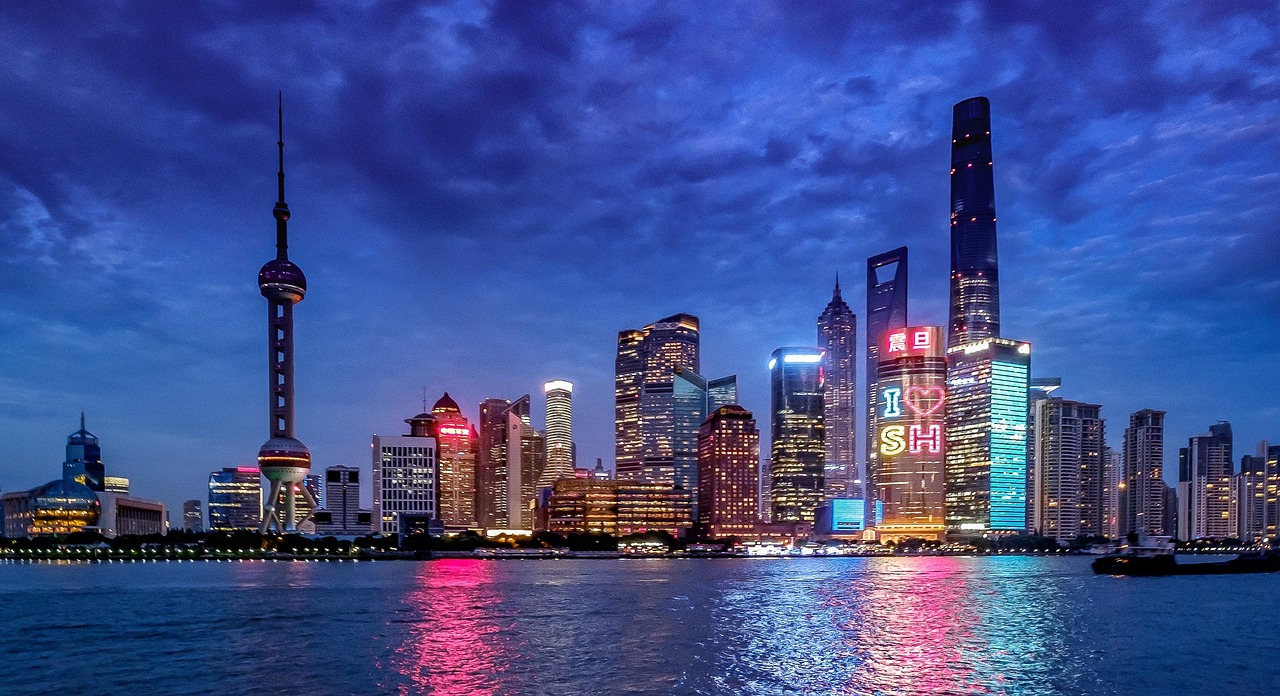
The Bund Shanghai attraction is the city’s signature welcome: a promenade where colonial-era façades face a futuristic skyline across the Huangpu River. If you’re collecting sites to see in Shanghai, China, this is where the story becomes instantly legible—old confidence on one bank, tomorrow’s ambition on the other. It’s also one of the few places where simply standing still feels like you’re truly beginning to explore Shanghai.
How to experience the Bund without rushing
Arrive pre-sunset and give yourself time to settle into the scene. A traveller once told us they watched the city light up from the Bund at sunset and it felt “magical and unforgettable”—not because they did anything complicated, but because they let the moment unfold. Linger after dark too; the shift from soft gold to neon clarity is part of the city’s emotional rhythm.
Keep your pace luxury-slow: take a few photographs, then put the phone away for a minute. When you’re ready, slip into nearby bars and restaurants rather than battling the crowds for a last shot—Shanghai rewards travellers who move with quiet confidence.
Simple routing and a playful cross-river link
The Bund runs along Zhongshan Road (Zhongshan), so it’s easy to weave into an evening plan. If you want an optional, slightly playful link across the water, the Bund sightseeing tunnel connects you to Pudong—more novelty than necessity, but it can be a fun contrast before a polished cocktail or a late supper.
Pudong icons and observation deck moments in Shanghai Tower and the Oriental Pearl TV Tower
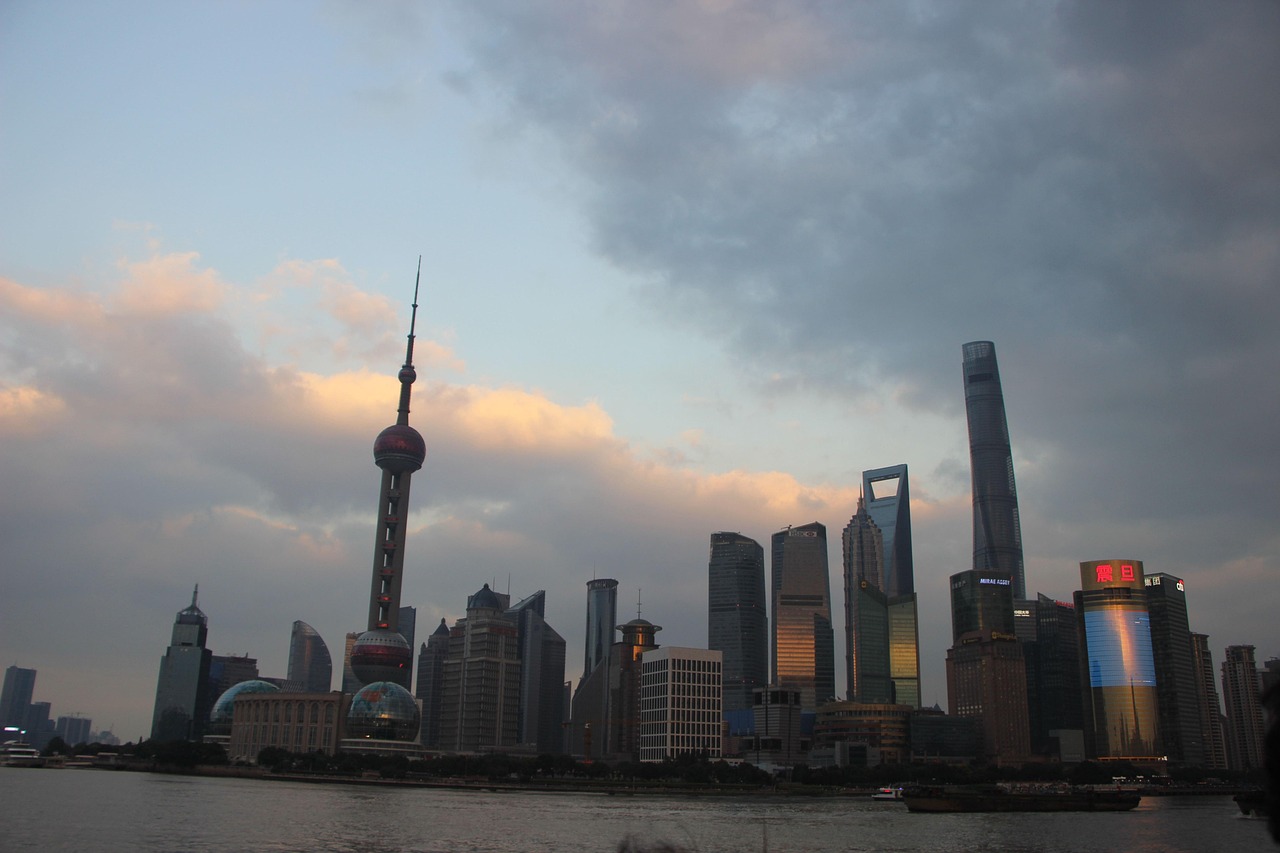
Pudong icons and observation deck moments in Shanghai Tower and the Oriental Pearl TV Tower
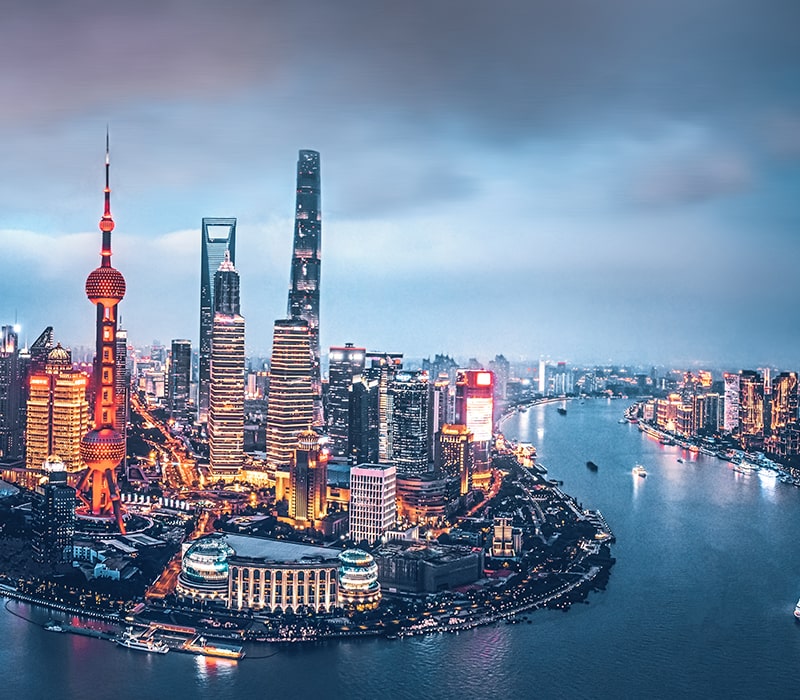
For travellers drawn to Pudong icons—Shanghai Tower, the Oriental Pearl TV Tower observation deck, and the surrounding landmarks—this is where the city feels tallest, sleekest, and most assured. The keyword-worthy trio of Shanghai Tower, Jin Mao, and the Shanghai World Financial Centre sits close together in Lujiazui, letting you design a high-end afternoon that feels seamless even in a busy district. By day, it reads as a financial centre; by night, it becomes pure spectacle across the river.
Lujiazui essentials for skyscraper views
Shanghai Tower is often the headline, and for good reason: it delivers one of the most impressive tallest building experiences in the world, with a sense of height that’s both thrilling and strangely serene. Nearby, Jin Mao and Jin Mao Tower offer a different mood—more intimate, with architecture that nods to tradition inside a modern silhouette. The Shanghai World Financial Centre’s angles feel precise and businesslike, a clean counterpoint when the weather is crystal clear.
If you’re deciding which to prioritise, choose the view you want: the river’s curve, the tight geometry of neighbouring towers, or the wider metropolis stretching into haze.
Oriental Pearl, pearl tower, and TV tower strategy
The Oriental Pearl Tower (often called the Pearl Tower or TV tower) is less about height alone and more about iconography—an unmistakable symbol that photographs beautifully. The Oriental Pearl TV Tower experience can be busy, so book a timed slot and consider VIP tickets if you value comfort over waiting in line. The best time window is late afternoon into early evening, when you can watch the city soften, then sharpen again into lights.
- Queue-proofing: choose timed entry and arrive 15 minutes early.
- Best light: late afternoon for detail, post-dark for drama.
- Comfort: keep one layer handy—observation areas can feel breezy.
Yuyuan Garden and the Old City charm as a Shanghai attraction near Yu Garden
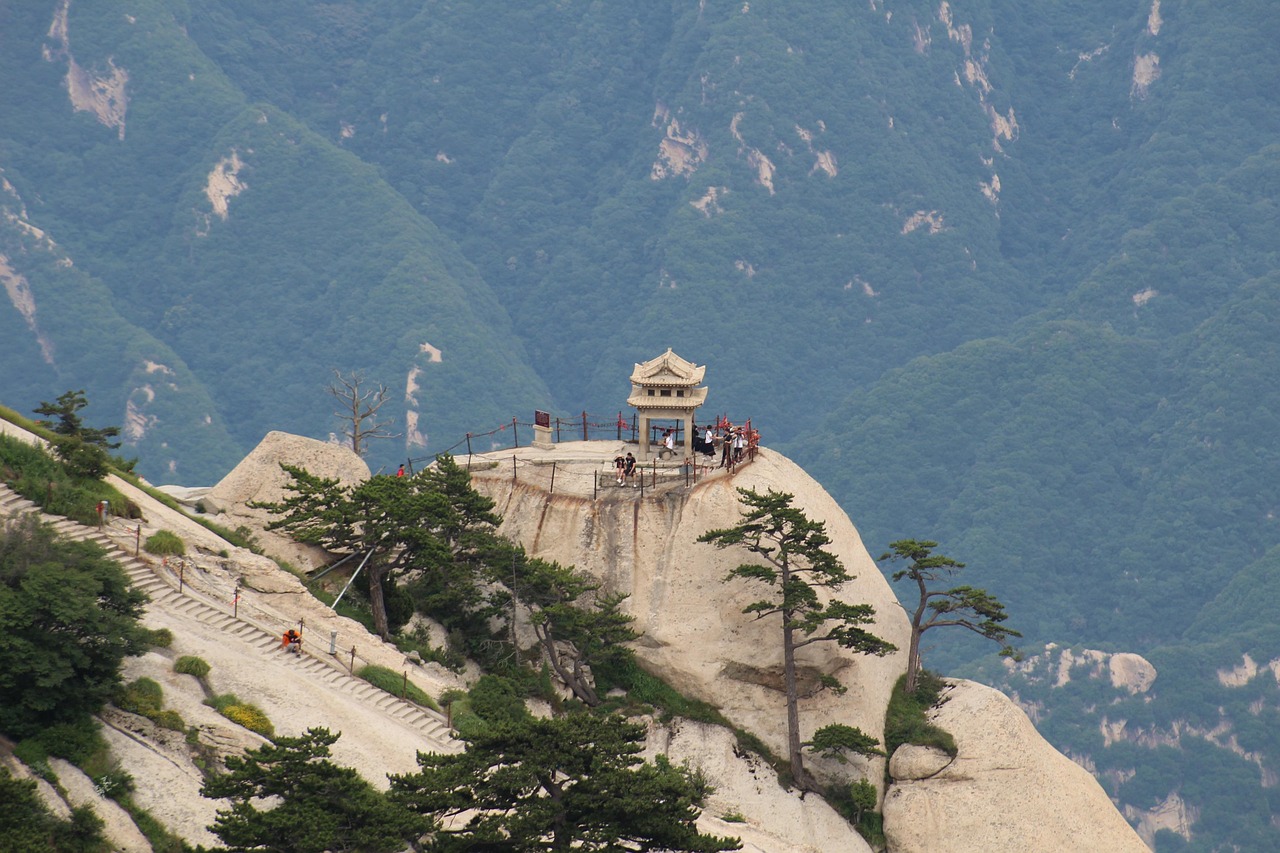
Yuyuan Garden and the Old City charm as a Shanghai attraction near Yu Garden
Yuyuan Garden (also written as Yuyuan, Yu Garden, and sometimes simply “Yu”) is a Shanghai attraction that brings you back to texture, detail, and patient craftsmanship. If your list of sites to see in Shanghai, China, needs one place that feels deeply rooted, this is it: a classical Chinese garden of pavilions, pond reflections, and rockeries arranged with calm precision. It’s also an easy way to uncover Ming and Qing layers without turning your day into a lecture.
What to see inside Yuyuan garden
Yuyuan Garden dates back to the Ming dynasty, and you can sense that original intent: to create harmony through framing, contrast, and controlled views. Notice how a pavilion isn’t just a pretty structure; it’s a viewing instrument that makes the landscape feel designed for you alone. The pond becomes a mirror, and the rockeries add drama—like small mountains placed exactly where your eye needs them.
A gentle checklist to keep it personal:
- Pause at a pavilion viewpoint and look back the way you came.
- Watch how the pond changes with light and movement.
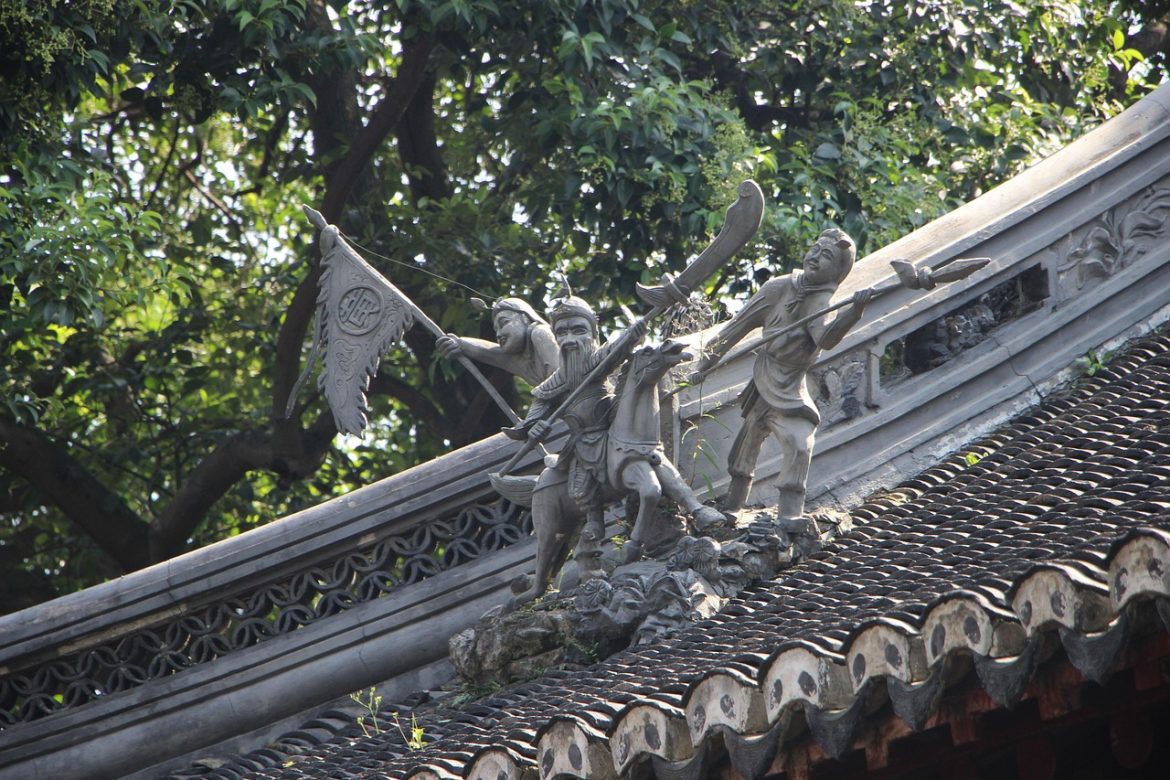
- Spot the Ming and Qing details in rooflines and stonework.
Bazaars, stalls, and a refined food pause
Outside the garden, the Old City bazaars are lively and tempting. Shop with confidence: look for jade, ceramics, and calligraphy pieces that feel meaningful rather than mass-produced, and keep valuables secure in dense crowds. It’s wise to carry only what you need, and to use a zipped inner pocket when the lane narrows around a stall.
For flavour, try a classic xiaolongbao dumpling stop, then balance it with an elegant tea pause. This is Shanghai at its most grounded—tradition, modern taste, and a moment of care for your own pace.
French Concession Shanghai things to do with Tianzifang and Xin Tian Di design-led walks
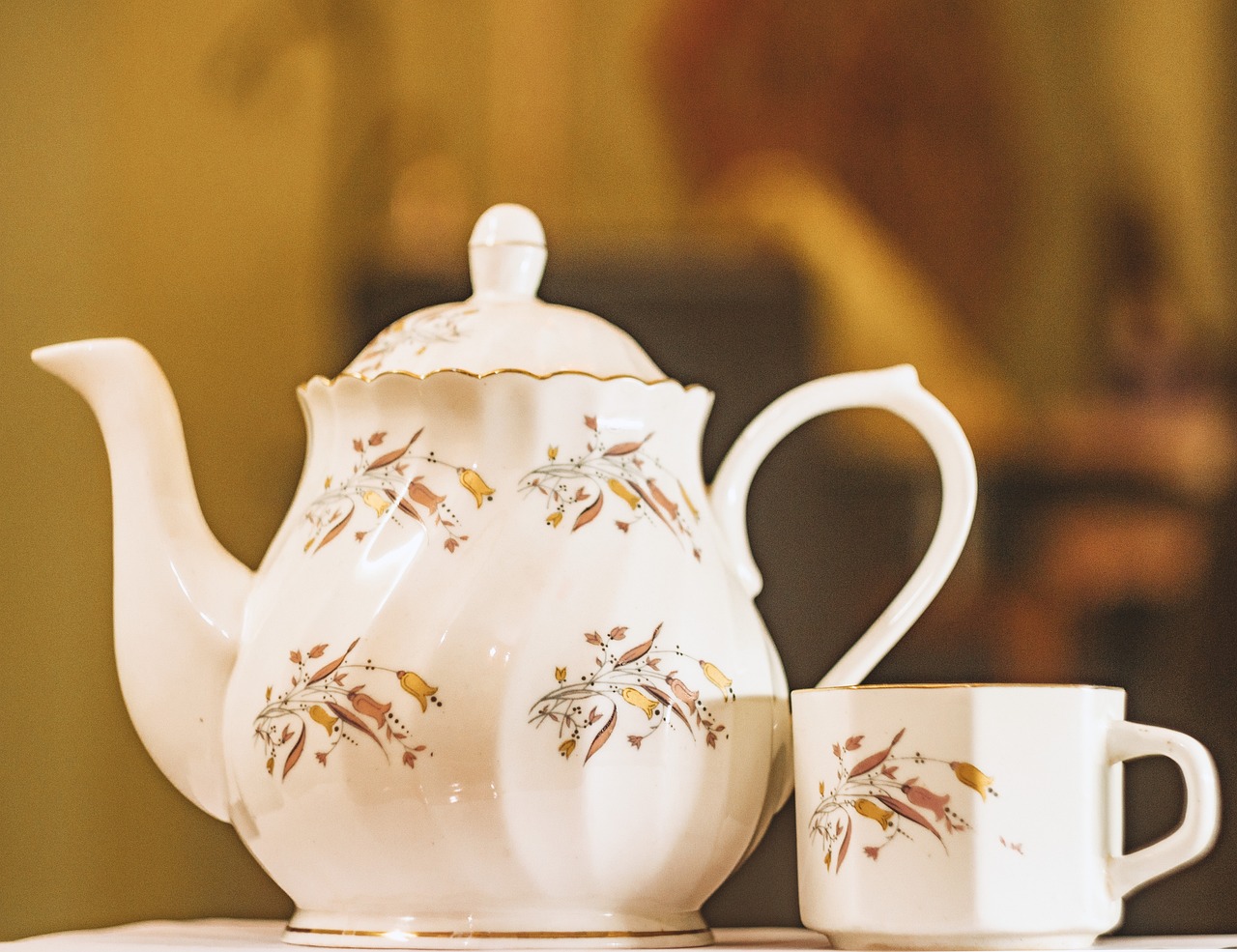
French Concession Shanghai things to do with Tianzifang and Xin Tian Di design-led walks
Among the most rewarding things to do in the French Concession Shanghai is simply walking—slowly, in the shade, with curiosity. This district trades skyline drama for human-scale beauty: plane trees, old villas, and lanes where the city feels local and personal. If you’re travelling together, it’s an easy place to align on a shared rhythm—browse, pause, continue—without anyone feeling rushed.
Hidden tea houses and personal encounters
One traveller described discovering hidden tea houses here and speaking with local tea masters who guided them with patient warmth. The ambience was serene, almost like a quiet ritual inside a busy metropolis. If you’re new to tea culture, you don’t need expertise—just openness: ask what the host recommends, notice the fragrance, and let the conversation become the souvenir.
Tianzifang lanes and Xintiandi evenings
For more texture, explore Tianzifang: a tangle of lanes where small studios sit beside street art, a compact gallery, and discreet coffee shops. Go mid-morning or late afternoon so you can browse without pressing through crowds, and allow yourself to uncover one or two pieces you genuinely love rather than buying quickly.
When evening arrives, drift towards Xin Tian Di. Xintiandi’s shikumen setting feels polished and composed—ideal for cocktails, people-watching, and understated luxury that still feels connected to the city’s older forms.
Shanghai Museum and Power Station of Art for cultural insight and exhibition choices
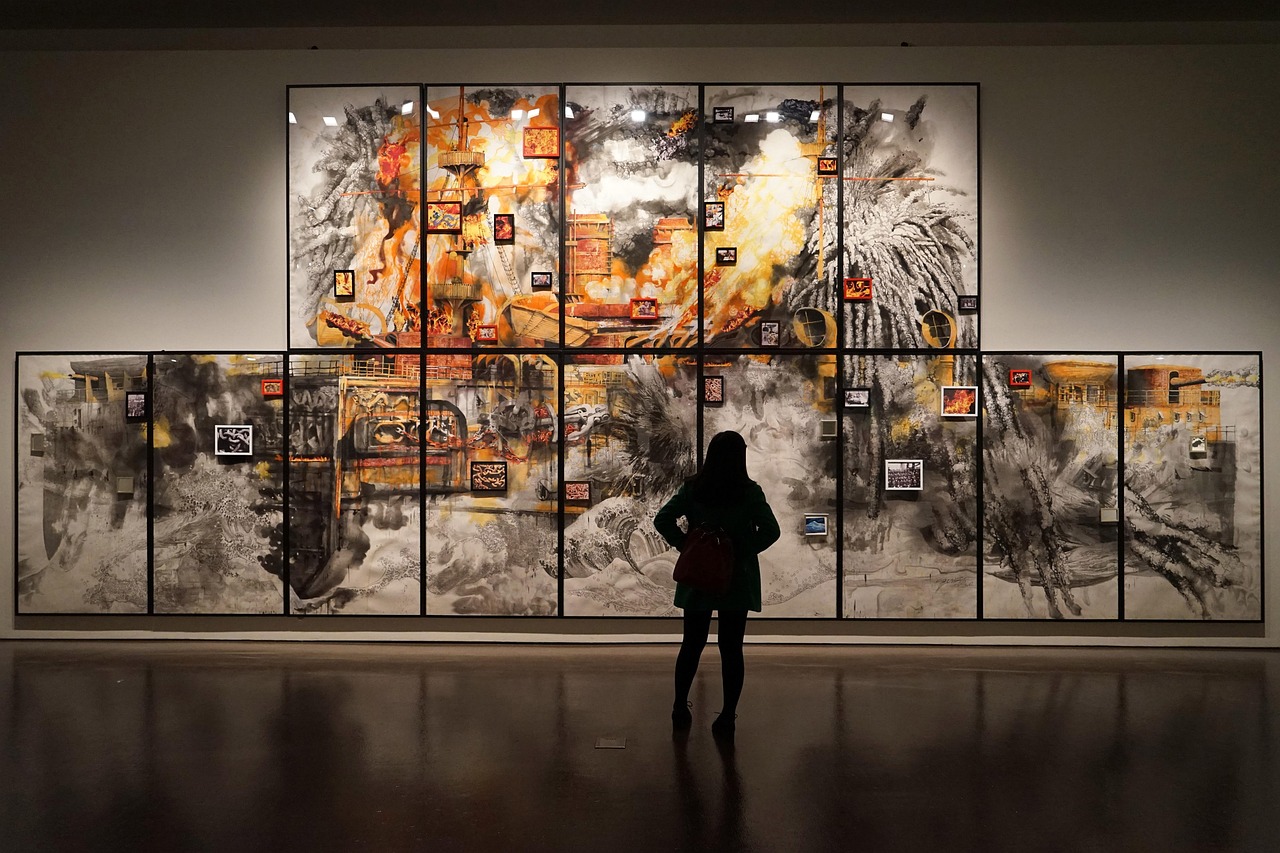
Shanghai Museum and Power Station of Art for cultural insight and exhibition choices
For a first-time visitor, the Shanghai Museum is one of the most efficient ways to gain cultural insight—especially if you want depth without overwhelm. If your shortlist includes Shanghai Museum, Power Station of Art, and the Museum of Contemporary Art, you can create a day that balances classical Chinese art with modern experimentation. Set it near People’s Square, and you’re never far from a restorative walk through People’s Park afterwards.
Shanghai Museum highlights near People’s Square
Inside the Shanghai Museum, focus on a few signature collections: bronzes for power and ritual, ceramics for refinement, and calligraphy for the intimate pace of the brush. Even 90 minutes can feel complete if you choose one or two rooms and linger. If you enjoy context, a guided visit can make the objects feel personal—less like “facts”, more like lived continuity.
If you have a spare hour nearby, the Shanghai history museum can add helpful narrative threads, especially around the city’s trade, migration, and reinvention.
Contemporary picks and the Shanghai urban planning exhibition
For contemporary work, the Power Station of Art often feels bold and spacious, while the Museum of Contemporary Art can be quicker and more central depending on the current exhibition. Choose based on theme and your own curiosity—portraiture, sound, digital work, or social design.
To understand the skyline’s logic, the Shanghai urban planning exhibition (sometimes referred to as the Shanghai urban planning exhibition) offers a surprisingly satisfying lens. It explains how the city became what you’re seeing from every bridge and tower—an engineered future built on layered decisions.
Nanjing Road in Shanghai’s shopping district as a premier shopping street.
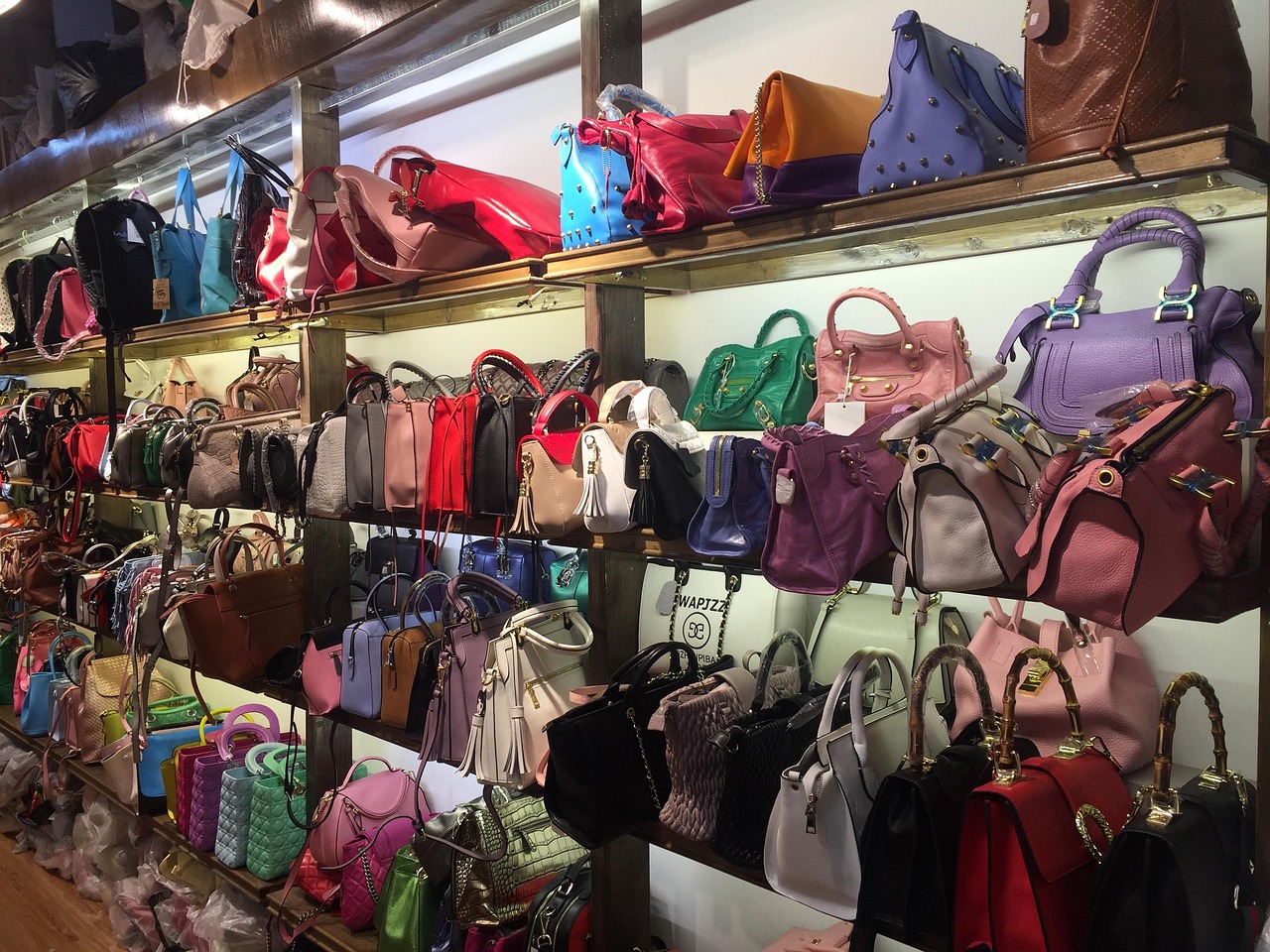
Nanjing Road in Shanghai is a premier shopping street
Nanjing Road is Shanghai’s classic shopping district, and it’s still the premier shopping street where the city’s old glamour meets modern scale. If “Nanjing Road Shanghai shopping district” is already on your list, plan it as a designed experience rather than an endurance test: the pedestrian street energy changes after dark, and the bright density can feel intense without pacing. Think of it as one polished chapter, then step away into quieter lanes for contrast.
Curated shopping and the one-bag strategy
High-end travellers do well with a “one-bag” strategy: decide whether today is for luxury buys, artisanal pieces, or a blend of both. The big department stores and flagship spaces are impressive, and you’ll likely pass at least one major mall that makes the scale of Shanghai feel unmistakable. If you’re buying something special, ask for tax or export guidance at the counter and request protective packaging for travel.
Old Shanghai contrast and comfort breaks
Just off the main flow, you can still find old Shanghai character: smaller passages with unexpected signage, tiny storefronts, and details that feel more human than glossy. Built in café stops so the day stays enjoyable, and avoid hopping into taxis at peak times—traffic can turn a short distance into a long wait. If you’re heading back towards the Bund, the transition from shopping brightness to river air is a lovely reset.
Places to eat in Shanghai with Michelin star confidence and Shanghai Tower dining
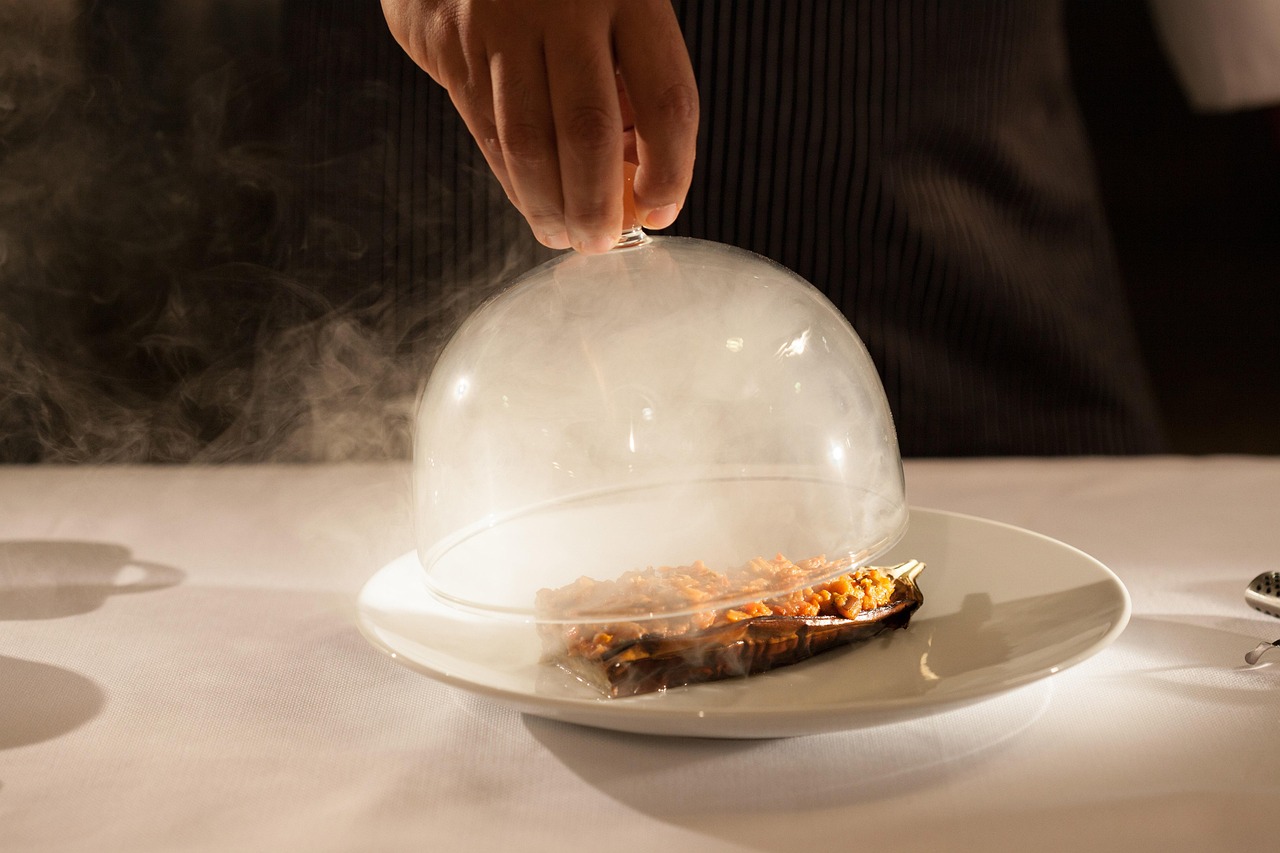
Places to eat in Shanghai with Michelin star confidence and Shanghai Tower dining
When you’re choosing places to eat in Shanghai, a high-end approach is less about chasing hype and more about selecting rooms that feel crafted. Michelin-starred Shanghainese cuisine can be precise and soulful, while international dining here is often sharply executed. If you love a signature setting, dining at Shanghai Tower can be an unforgettable way to spend your evening, literally above the city.
Dining atop Shanghai Tower with the skyline calm
Luxury travellers often recount dining atop Shanghai Tower and feeling tradition and modernity in every bite while looking out over the skyline. It’s the kind of experience that settles you—especially after a busy day—because the view does some of the talking. Choose an earlier seating if you prefer a softer mood, or later if you want the city at full brightness.
Elegant pairings and grounded local flavour
For balance, pair one elevated tasting menu with something simpler: a refined tea ceremony, or a classic dumpling meal that feels local rather than staged. Many restaurants can accommodate dietary needs, but it’s best to share requirements in advance so the kitchen can create with care.
- Reservations: book Michelin-starred venues well in advance, especially at weekends.
- Dress codes: smart attire is usually enough; bring a light jacket for evening venues.
- Confidence tip: let your hotel or a trusted concierge confirm timings and directions.
Seamless Shanghai metro transportation tips, entrance fees and VIP tours in Shanghai
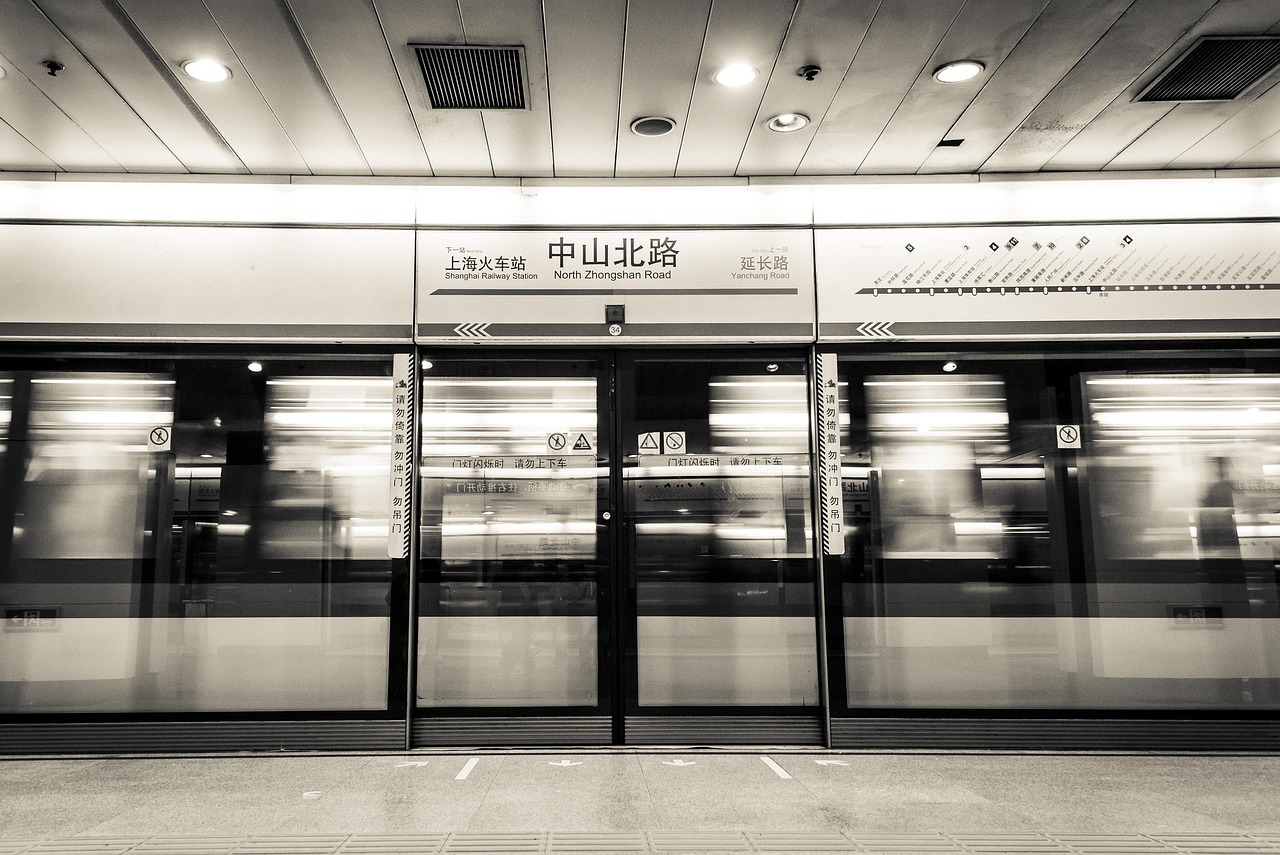
Seamless Shanghai metro transportation tips, entrance fees and VIP tours in Shanghai
For Shanghai metro transportation tips, entrance fees, and when to choose VIP tours, Shanghai visitors genuinely appreciate, think in terms of comfort and flow. Shanghai is safe and well-organised, but distances are real, and crowds can surge—so a seamless plan protects your energy. Most major attraction tickets sit roughly between 20 and 100 CNY, while premium experiences can climb quickly, especially if you’re prioritising time and privacy.
Getting around with confidence in Shanghai
The Shanghai metro is efficient, clean, and often faster than a car during rush hour. Use taxis or ride-hailing when you’re dressed for dinner, carrying shopping, or travelling with family—but allow extra time around Pudong in peak traffic. If you’re splitting your day between the Bund and towers, the river divides the city psychologically as well as geographically, so build in a calm buffer for crossings.
Safety, etiquette, and travelling together with support
In crowded markets, keep valuables secure and stay alert without becoming tense. A nod or slight bow is a respectful greeting, and it’s wise to avoid sensitive political topics in casual conversation. If you’re visiting as a couple, with friends, or as a family, coordinated timings matter: pre-agree meeting points, schedule one unstructured hour, and consider expert-led tours for VIP entry that don’t feel staged.
For a light-hearted day that still feels premium, Shanghai Disneyland can be a joyful contrast—especially if your group wants one playful reset between cultural mornings and late dinners.
One more gentle note: if you want a beautifully simple evening, book a Huangpu River cruise and let the city do what it does best—glow.
F.A.Qs: Shanghai travel questions that travellers ask most
What is worth seeing in Shanghai?
The Bund at dusk, Yuyuan Garden for classical design, and Pudong’s tower views are the standouts. Add the Shanghai Museum for cultural depth, then spend time in the French Concession for slower lanes, tea houses, and design-led browsing.
What is Shanghai best known for?
Shanghai is best known for its dramatic contrast: colonial architecture on the Bund facing Pudong’s futuristic skyline, plus world-class dining, shopping, and a museum scene that spans ancient Chinese art to ambitious contemporary work.
What is a must-buy from Shanghai?
Look for high-quality jade, elegant ceramics, and calligraphy pieces that feel meaningful rather than mass-produced. If you prefer something contemporary, choose a small design object or artwork from a local gallery in a creative district.
Where do foreigners go in Shanghai?
Foreigners often gravitate to the Bund and Nanjing Road, as well as the French Concession, for cafés and leafy walks. Xintiandi is popular for polished evenings, while Pudong draws visitors for observation decks and iconic city views.
What stays with you after Shanghai
Long after you’ve left, it’s often the quietest moments that return first: the waterfront area at night, where the Huangpu River holds both light and hush, and the city seems to breathe in two directions at once. Shanghai can feel immense, yet it also knows how to offer small kindnesses—an unhurried tea master, a museum hush that slows your thoughts, a pause on a bridge where you realise you’re not rushing anymore.
In time, the many sights blur into something simpler: a feeling of being carried by a well-designed journey, and of trusting yourself within it. You may remember the way old stone and new glass sat side by side without argument, and how that softened something in your own sense of certainty. Even a brief visit can leave you with a gentler confidence—an inner design for future travel, and a renewed curiosity to discover what else the world can hold.
And perhaps that is Shanghai’s gift: it never quite finishes its sentence. It leaves a little space in the imagination, waiting quietly for the day you decide to return and see what has changed—and what, somehow, has not.