Post Contents
- Entering the Forbidden City from Tiananmen Square – first steps into Beijing’s imperial palace
- Dynasty timeline: Ming dynasty origins to Qing dynasties in Beijing and Shenyang, plus World Heritage care
- Outer Court ceremonies: Hall of Supreme Harmony (Taihedian), Taihemen, and imperial government grandeur
- Inner Court palace life: Hall of Mental Cultivation and Palace of Earthly Tranquillity under a Qing emperor
- West Six Palaces: a quieter Forbidden City route through palace buildings and court quarters in Beijing
- Palace Museum exhibits: imperial treasures, ancient Chinese art, and architecture
- Imperial Garden (Yuhuayuan): tranquillity, Buddhist details, and a softer finish in Beijing
- Forbidden City Beijing travel tips: tickets, best time to visit, and a smooth same-day plan
- F.A.Qs: Forbidden City, Beijing, China
- What stayed with me after visiting the Forbidden City in Beijing
Entering the Forbidden City from Tiananmen Square – first steps into Beijing’s imperial palace
First approach to the southern gates and the central axis
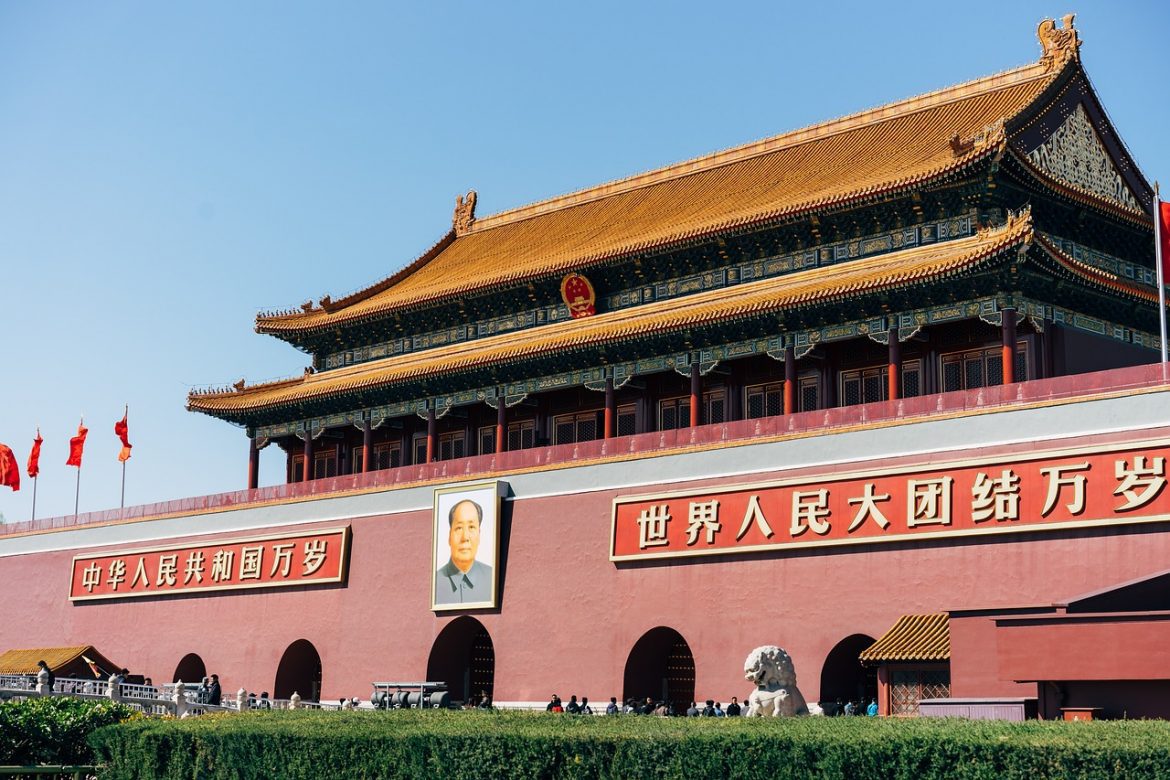
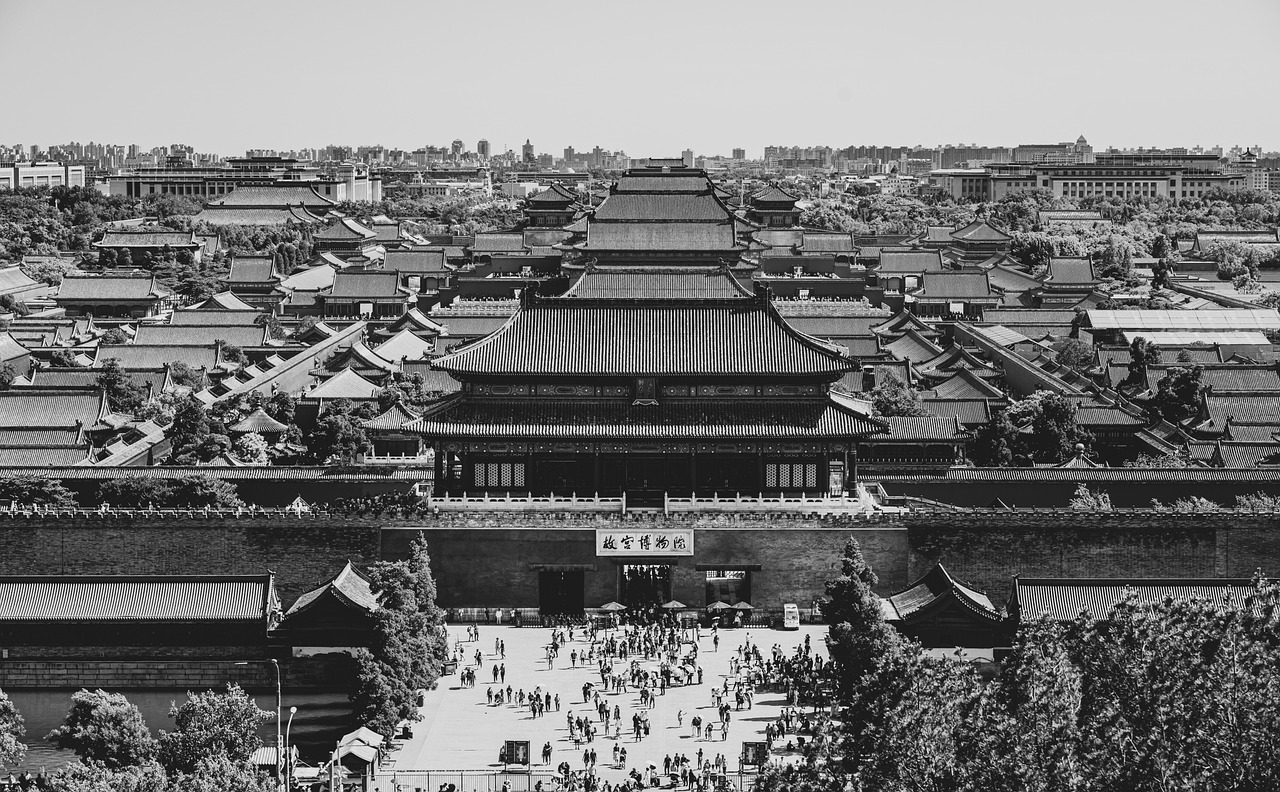
The entrance to the Forbidden City in Beijing, via Tiananmen Square and the Meridian Gate, sits at the heart of Beijing, where modern movement meets a boundary line drawn for the emperor. The first transition is deliberately theatrical: gates open, sound changes, and the city’s rush drops away as you step onto the meridian axis of this imperial palace. For adventure seekers, that shift is part of the thrill—grand scale, clear direction, and the promise of discovery with every step.
The Meridian Gate (Wumen) is the southern threshold, and beyond it the first vast space expands like a held breath. A traveller once described standing there at dawn and feeling imperial power not as theatre—but as something structural, built into distance and stone, behind the walls of the forbidden. Imagine it: light lifting over tiled roofs, guards’ routes implied by symmetry, and the sense that five centuries are quietly present in the air.
Arrive at the Forbidden City, Beijing: subway exits, timed entry, and an easy start
For a seamless start, use Beijing subway Line 1 and exit at Tiananmen East or West; both are convenient for reaching the approach gates and then the southern entrance. Timed entry has improved the flow—less uncertainty, more trust in your plan—yet queues can still build around peak hours. Purchasing tickets online in advance is the simplest support you can give your day, especially in high season when availability is tight.
- Arrive early to enjoy cooler air and calmer courts along the main axis.
- Use timed entry and keep your passport/ID handy at checkpoints.
- If crowds surge, pause, hydrate, and let the first wave move ahead—your experience stays crafted rather than rushed.
A reassuring note: the Forbidden City’s scale is huge, but the main route is intuitive—follow the central axis, then branch out deliberately. Think of it like an elegant expedition: keep navigation simple, and you’ll explore with confidence while still leaving room for personal moments that can’t be scheduled.


Dynasty timeline: Ming dynasty origins to Qing dynasties in Beijing and Shenyang, plus World Heritage care
Key dates that shape what you see today
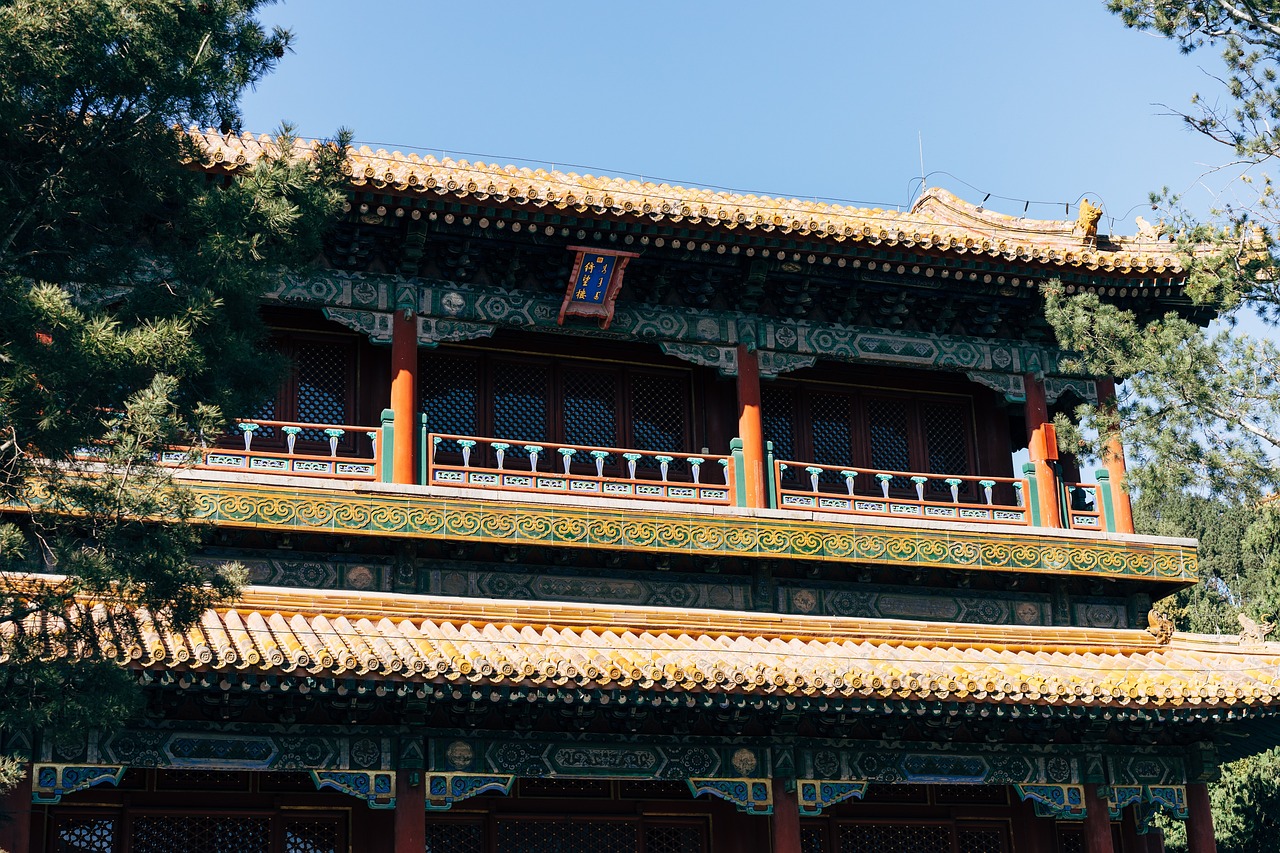
The phrase Forbidden City dynasty history Ming dynasty Qing dynasties in Beijing and Shenyang sounds academic until you pin it to a few dates and names. In 1406, work began; by 1420, the great palace complex was ready, and the Forbidden City was constructed under the Yongle emperor (Zhu Di) in the 15th century, marking the moment the capital moved to Beijing, becoming the defining stage for imperial rule. With that shift, the city’s centre of gravity changed—politically, spiritually, and architecturally.
The Ming dynasty laid the foundations for what you explore today, and later the Qing dynasty—the Manchu rulers who reshaped court life without erasing the original logic—made the palaces their own. This is why historians talk about dynasties in Beijing and Shenyang together: Shenyang holds early Qing roots, while Beijing became the symbolic theatre of power. Even if you only remember “Ming then Qing,” you’ll start to read gates and courts as chapters, not just backdrops.
UNESCO world heritage: cultural heritage etiquette and visitor responsibility
The Forbidden City is a World Heritage Site, and that status is more than a label—it’s a daily commitment to conservation. In practical terms, your choices matter: touch nothing, follow signage, and respect barriers even when a doorway looks temptingly close. These small acts protect cultural heritage, so the artistry survives not just for photos, but for future curiosity.
An expert insight I share with first-time visitors is simple: learn one or two anchor points—Yongle (1420) and the Ming and Qing dynasties—and suddenly every threshold takes on meaning. It’s the difference between collecting images and building a personal relationship with Chinese history that stays with you long after you leave.
Outer Court ceremonies: Hall of Supreme Harmony (Taihedian), Taihemen, and imperial government grandeur
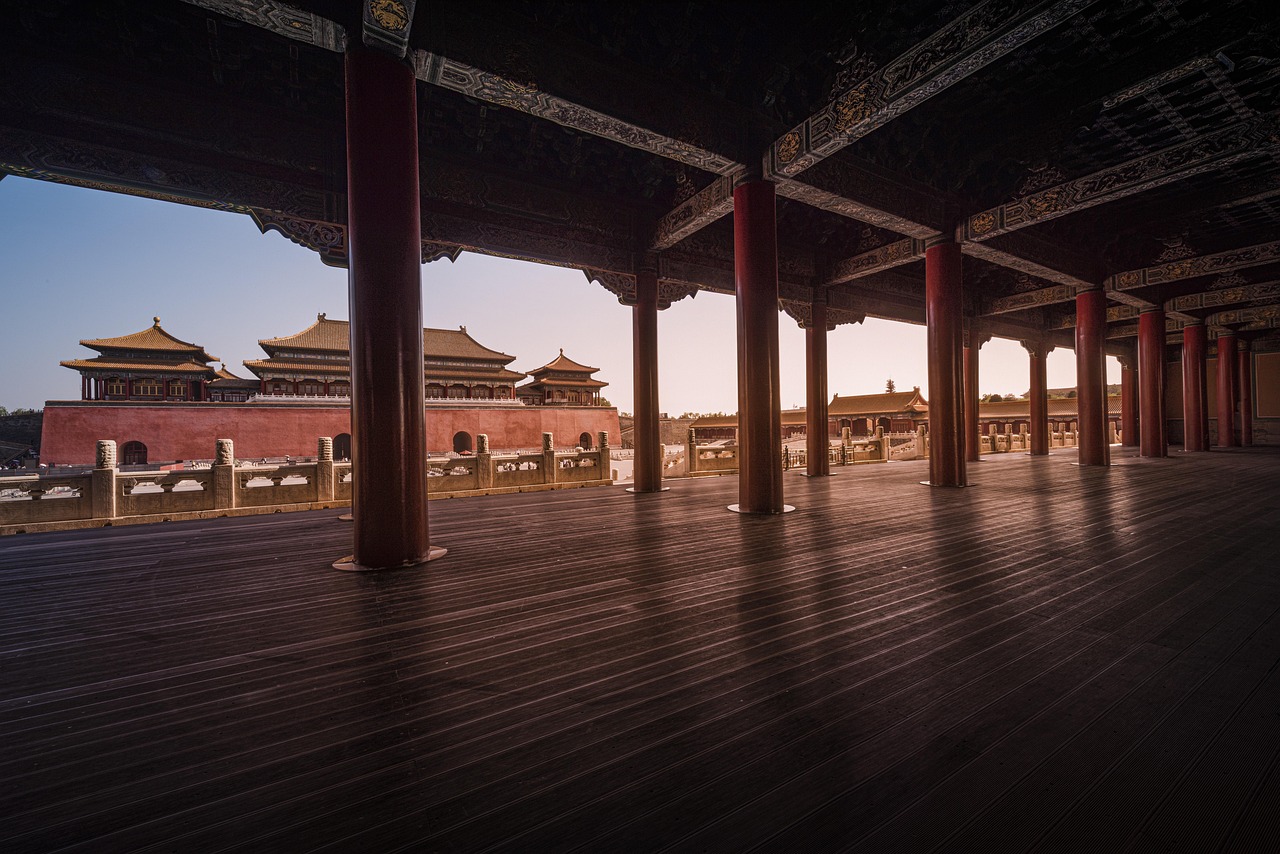
The ceremonial spine of the palace complex
The phrase Outer Court Forbidden City Hall of Supreme Harmony Taihedian Taihemen, with its magnificent design, distinct colours, and lucky numbers, describes the ceremonial sequence you’ll naturally follow. From the Meridian Gate, you move towards the Gate of Supreme Harmony (Taihemen), then into the great trio: Taihedian (the Hall of Supreme Harmony), Zhonghedian (Hall of Central Harmony, the hall of central balance between ceremony and decision), and Baohedian (the Hall of Preserving Harmony). This outer court was the stage for the imperial government—power expressed through procession, distance, and the grandeur of the imperial order.
Take a moment on the approach and notice what is actually making you feel small: the courtyard’s controlled width, the disciplined symmetry, and the way the rooflines seem to hover. The main halls sit on a three-tiered marble terrace, and as you climb, the sound of steps changes from city noise to something almost ceremonial. Time feels slower here, as if the palace insists you move at its chosen tempo.
Magnificent design: distinct colours, lucky numbers, and nine rows of nine details
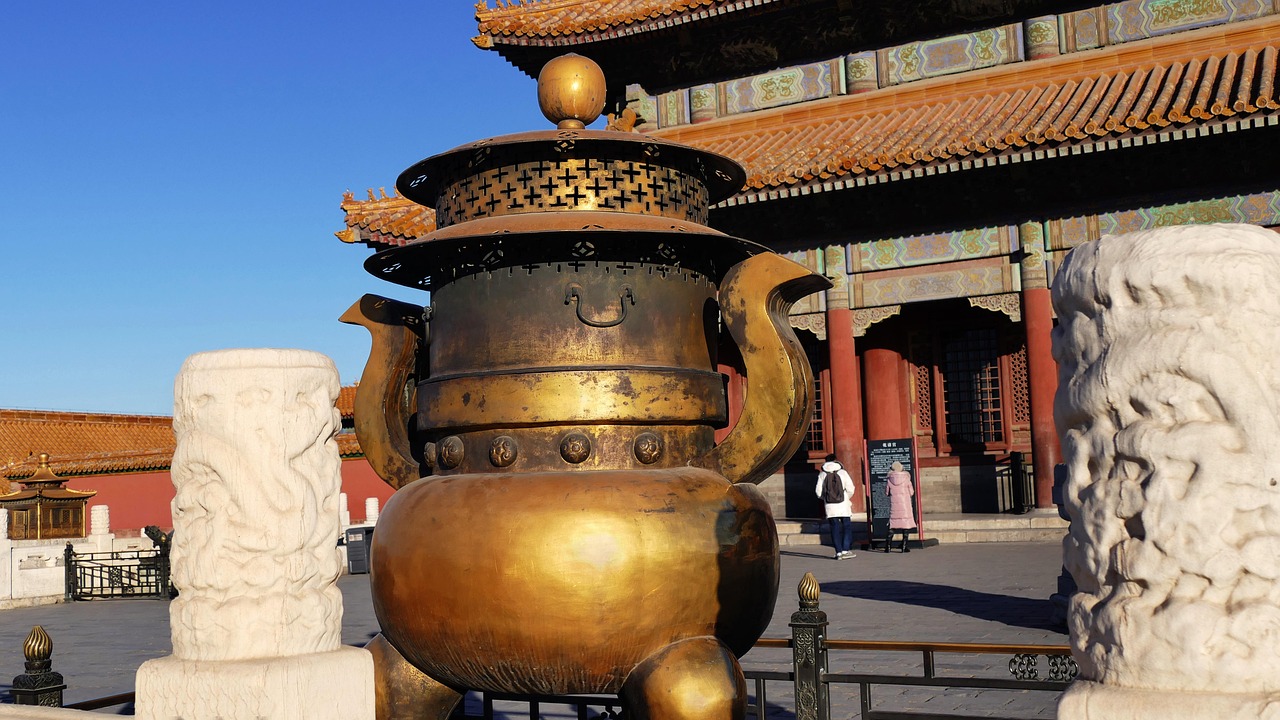
Look closely and you’ll uncover a system of symbols: timber structures engineered for endurance, a roof ridge populated with protective figurines, and distinct colors—imperial yellows, lacquered reds, and painted blues—that communicate rank as clearly as any decree. The logic of lucky numbers appears in details like the famous studded doors arranged in nine rows of nine, a numerical language of authority and good fortune.
- Dragon motifs signal the emperor and the mandate of heaven.
- Thresholds and terraces create layers of access—who may approach, and how close.
- Colour symbolism repeats like a melody across gates, beams, and eaves.
A first-time visitor once told me they couldn’t stop staring at the dragon carvings and roof details—not because they were flashy, but because they were precise. That awe is an insight in itself: imperial artistry was also statecraft, designed to be read in an instant from across a vast open court.
Inner Court palace life: Hall of Mental Cultivation and Palace of Earthly Tranquillity under a Qing emperor
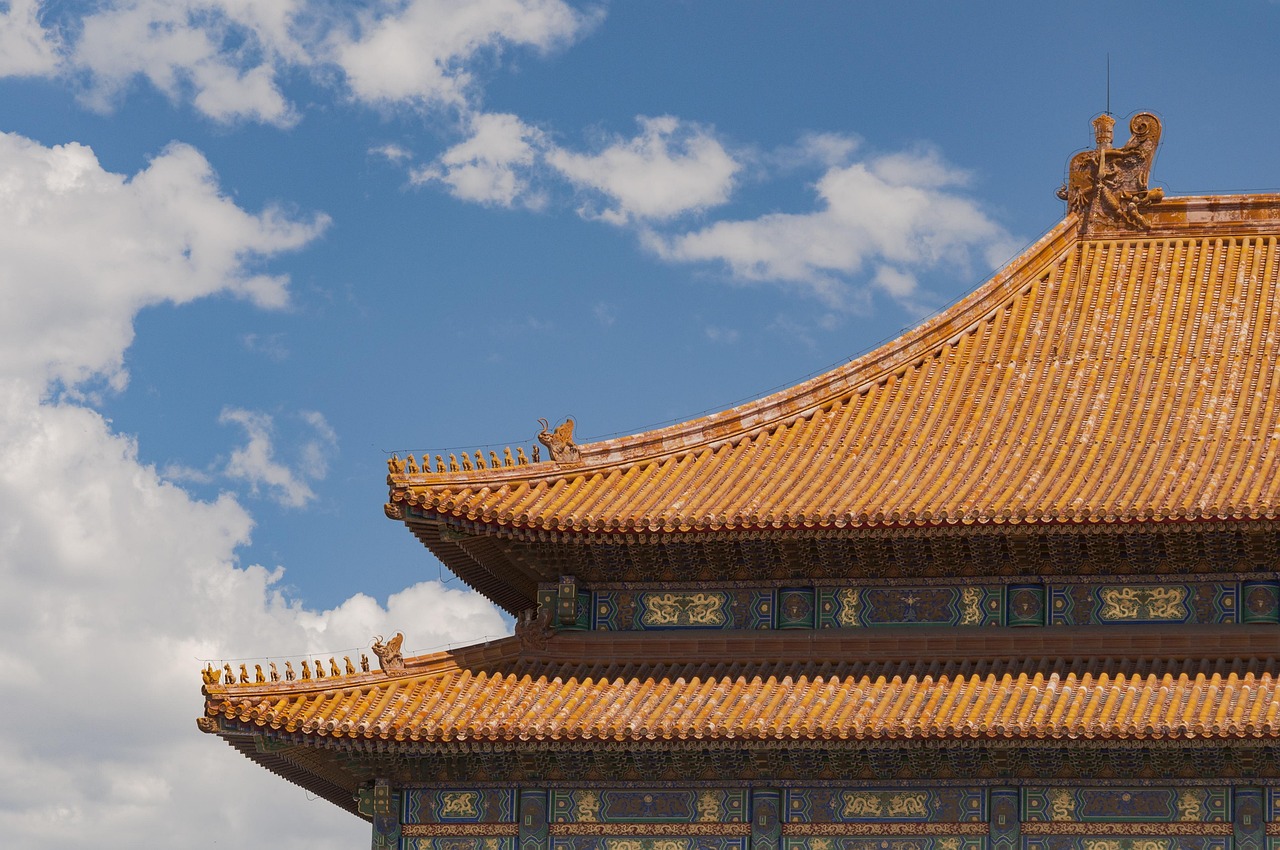
Quieter spaces where the imperial family lived and ruled
When you reach the point where Inner Court Forbidden City palace life Hall of Mental Cultivation Palace of Earthly Tranquillity Qing emperor becomes your focus, the atmosphere changes. The outer spaces are public power; the inner court is private life—where a palace becomes a home, and where movement was controlled not for ceremony, but for access. You can feel the palace tightening: smaller passages, closer walls, and quieter transitions that signal you are entering the world of the imperial family.
The Hall of Mental Cultivation is essential for understanding later rule, especially in the Qing. Here, the daily rhythm of a Qing emperor often centred on administration conducted in more intimate rooms than the grand halls outside. It’s also where you can sense how a ruler’s life was simultaneously protected and confined—an adventure of the mind, perhaps, but one lived inside a designed boundary.
Inner-court thresholds: Gate of Heavenly Purity, screens, and respectful viewing
To explore well, here is to notice without overreaching. Watch how screens block direct sightlines, how thresholds signal hierarchy, and how each transition feels like a soft instruction—slow down, look, and keep to your side of the barrier. This is where care matters most, because the temptation to lean in is strongest when details get delicate.
In the Palace of Earthly Tranquillity, you begin to understand the inner choreography of the court and how it differed from that of the Ming emperor, whose rituals were often anchored more firmly in the vast outer spaces. For adventure seekers, a simple pacing tip helps: build in quiet pauses between halls. Those pauses keep fatigue low and attention sharp, so you can notice the small decisions that make the inner world feel human.
West Six Palaces: a quieter Forbidden City route through palace buildings and court quarters in Beijing
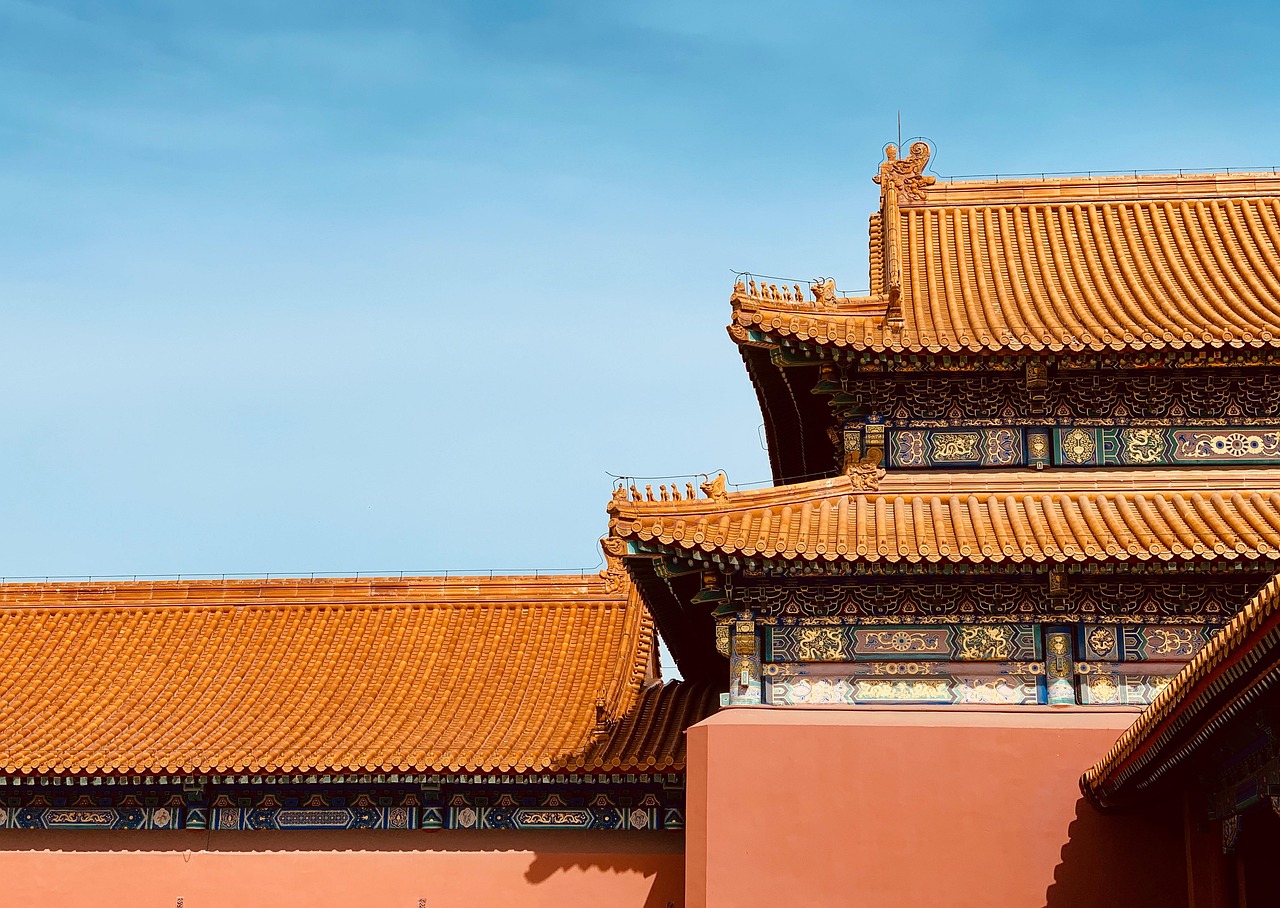
A calmer detour away from the central crowds
If you’re craving calm, the West Six Palaces Forbidden City, quieter route, concubines’ quarters in Beijing, is the detour that often becomes the highlight. This area is a rare reward inside the Forbidden City: fewer people, lower voices, and corridors where you can actually hear your own thoughts. It’s the sort of place high-end travellers appreciate not for exclusivity, but for intimacy—space to imagine, connect, and explore without feeling pushed along.
These palace buildings reveal how hierarchy shaped domestic life, and how status could be expressed through room placement, access routes, and the closeness (or distance) to the emperor’s sphere. The stories here belong to women of the court, including imperial concubines, yet the best way to approach them is with warmth and respect—less sensational, more grounded. You’re not “touring gossip”; you’re seeing how power filtered into everyday routines.
A seamless Forbidden City loop: when to divert west and how to rejoin the axis
A practical micro-itinerary makes this feel effortless. Divert west after you’ve absorbed the main inner spaces, give yourself time to linger, then rejoin the central axis without stress—together, those steps create a loop that protects both energy and wonder.
- When to divert: late morning, once the main axis begins to thicken with groups.
- How long to linger: 30–60 minutes, depending on exhibits and your curiosity.
- How to rejoin: follow signage back towards the inner route rather than backtracking; keep it crafted and calm.
Keep it personal: walk slowly, let the quiet do its work, and imagine footsteps and whispers without forcing a “must-see” moment. In a place as monumental as the Forbidden City, these softer passages are often where the deepest insight arrives.
Palace Museum exhibits: imperial treasures, ancient Chinese art, and architecture
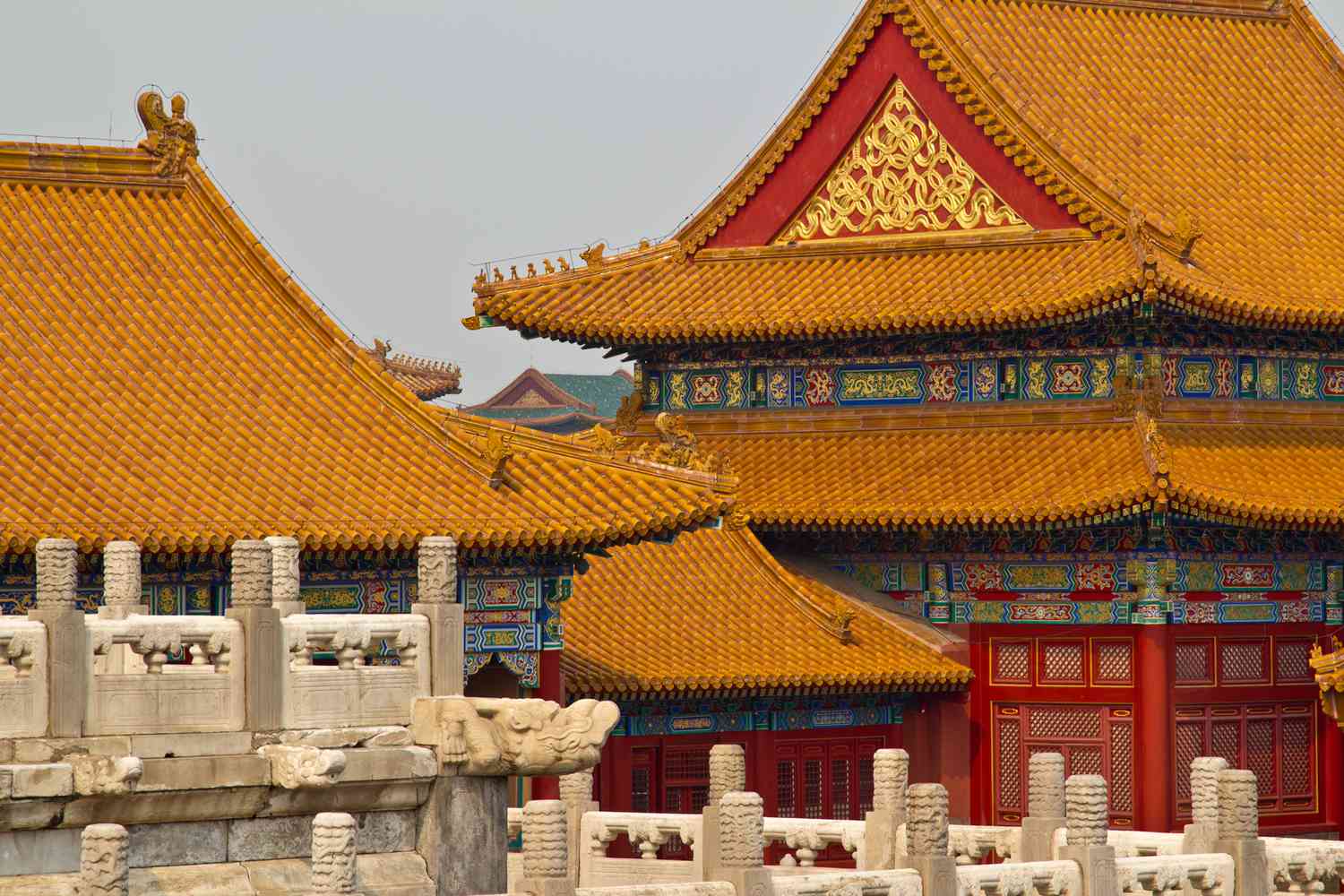
The Palace Museum, Forbidden City
The Palace Museum, Forbidden City, exhibits imperial treasures, ancient Chinese art, and architecture that turn its rooms into a revelation. Think of the Palace Museum as a curated lens: it helps you read the outdoor imperial architecture with sharper eyes and adds texture to the dynasty stories beyond what stone and timber alone can convey. One moment you’re watching light skim a painted beam; the next, you’re face-to-face with objects that once sat within an imperial court.
Exhibit themes shift seasonally, but you’ll often find ceremonial objects, textiles, calligraphy, and court-crafted details that echo what you’ve been seeing outside. Look for the way dragons recur, how a celestial order is implied through motifs, and how craftsmanship can feel both powerful and tender—like a small inlaid detail that gleams like a pearl when you step to the side. The result is a richer sense of Chinese art and architecture, not just a checklist of rooms.
Palace Museum comfort, local etiquette, and pacing within the compound
Inside the galleries, your behaviour becomes part of conservation. Do not touch artefacts, follow one-way signage where present, and keep voices low—small acts of care that protect fragile surfaces. Also, carry water: vendors are limited within the compound, and dehydration is the silent thief of attention.
An expert-looking tip that works beautifully is to pick one object and one motif, then track them throughout the day. Choose a dragon, a colour pairing, or a particular roofline detail, and keep asking: where does it reappear, and why? You’ll create your own narrative thread—part museum, part architecture walk, part personal story.
Imperial Garden (Yuhuayuan): tranquillity, Buddhist details, and a softer finish in Beijing
A calm pocket of green at the end of the route
The Imperial Garden Yuhuayuan Forbidden City tranquillity Buddhist details Beijing chapter of your day feels like a designed exhale. After stone courts and monumental halls, the scale shifts: rockeries, old trees, and small pavilions create a pocket of tranquillity that changes how your body feels. It’s still the Forbidden City, but it’s the part that whispers rather than declares.
A cultural enthusiast once described a moment of quiet reflection here: after busy streets, the garden’s peaceful ambience felt like stepping back in time. You can understand that instantly—sound softens, the air feels cooler under branches, and the whole imperial project suddenly has a human dimension. The design invites you to slow down, notice texture, and let the day settle into memory.
Slow-looking prompts: auspicious symbols and Buddhist references in the garden
To uncover what’s special, look for auspicious symbols tucked into carvings and stone arrangements, and notice how small-scale craftsmanship rewards patience. Subtle Buddhist references appear in decorative details, blending spiritual protection with courtly aesthetics. This is where you discover the palace wasn’t only about command; it also made room for contemplation.
If you still have energy—adventure seekers often do—step outside the forbidden and walk to Jingshan Park for the classic view back over the golden roofs. From above, the palaces become a pattern, and you can see how landscape, geometry, and authority were designed together.
Forbidden City Beijing travel tips: tickets, best time to visit, and a smooth same-day plan
Practical planning for a comfortable culture day
The core of Forbidden City Beijing travel tips, tickets online, best time, winter weekdays, Temple of Heaven combo is simple: plan just enough to feel free. Purchase tickets online in advance, arrive early on weekdays, and consider off-peak winter months for fewer crowds and beautiful, angled light across the palace roofs. In a place this vast, comfort planning is not a compromise—it’s what allows your curiosity to lead.
Budget time generously: the Forbidden City is enormous, and the best moments often happen when you can pause without anxiety. Wear comfortable walking shoes and keep hydrated; there are limited places to buy drinks once you’re deep inside the imperial palace. If you want to explore with a little extra ease, browse our Trip gallery for crafted itineraries that balance culture with comfort.
Temple of Heaven pairing for adventurous walkers in Beijing
For a full culture day, pairing the Forbidden City with the Temple of Heaven works beautifully—especially if you manage energy like an expedition. After your palace visit, a short transit and a reset meal can bring you back to life, and then you can wander the temple grounds at a slower pace and with a different architectural language. It’s a satisfying contrast: imperial residence and ritual park, power and prayer, all in one day.
- Best timing: Forbidden City early; temple visit later afternoon for gentler crowds.
- Transit logic: Use the metro or a trusted local driver to keep the flow seamless.
- Etiquette: keep voices low in exhibition areas, respect closed doors, and never touch artefacts.
One last care note: the Forbidden City is a heritage site that has survived political change, including the era following the Chinese revolution, and has continued to be protected through ongoing conservation into the late 20th century and beyond. Your thoughtful behaviour—patient movement, respect for signage—quietly supports that protection for everyone.
F.A.Qs: Forbidden City, Beijing, China
Why was the Forbidden City called “forbidden”?
It was called “forbidden” because access to this imperial palace was tightly controlled by the emperor and palace guards, with most residents barred from entering without permission. Today it operates as the Palace Museum, but the name still reflects its former role as a guarded seat of power.
What is the Forbidden City in China famous for?
The Forbidden City is famous for its vast scale, traditional Chinese palatial design, and its role as the imperial palace of the Ming and Qing dynasties. Visitors come to see landmark spaces such as the Hall of Supreme Harmony, monumental gates, and finely preserved timber craftsmanship. It’s also renowned as a World Heritage Site and one of the best-preserved palace complexes on Earth.
What is inside the Forbidden City in China?
Inside the Forbidden City, you’ll find the outer court halls used for ceremonies and government, more intimate inner court residences, and the Palace Museum’s exhibits of imperial treasures. There are gates, galleries, shrines, the imperial garden, and quieter areas such as the West Six Palaces for a calmer experience. Give yourself several hours, and move slowly—the details reward patience.
Why are there 9999 rooms in the Forbidden City?
The idea of 9,999 rooms is a traditional claim linked to the symbolism of the number nine, which was associated with the emperor and good fortune. It suggests the palace was kept just short of 10,000—an auspicious number connected with heaven—showing respect for the divine realm. In reality, the exact number of rooms has varied by definition and historical record, but the symbolism remains part of its legend.
What stayed with me after visiting the Forbidden City in Beijing
The last thing I remember is not a headline hall, but a pause—somewhere between timber and stone—when the light turned honeyed, and the air felt briefly still. Behind me, a court emptied in slow waves; ahead, another gate framed a piece of sky. The Forbidden City’s scale should feel overwhelming, yet in that moment it felt strangely intimate, as if the palace had softened enough to let one person’s thoughts pass through.
Perhaps that’s the enduring gift of China’s imperial spaces: they hold both the dynasty-level spectacle and the quiet of private life at once. You can sense the Ming emperor’s formal world and the Qing court’s closer rhythms without needing to force the history. I even caught myself remembering the search phrase forbidden city peking china—an old echo that shows how names shift while the symbol stays.
I thought about the imperial palaces of the Ming and how their design still directs your body—where you stand, how you look up, when you slow down. I thought, too, about the Qing dynasty in Beijing, and how the Manchu rulers made this place their own without breaking its underlying grammar. And then, unexpectedly, I thought of Puyi, the last emperor, and how even a palace can become a witness—silent, enduring, unwilling to explain itself, yet always ready to be read.
When you leave, you don’t carry instructions so much as atmosphere: the hush under eaves, the long lines of roofs, the feeling that time can be designed. The insight isn’t only about feudal China or ancient China; it’s about how you moved through it—what you noticed when you gave yourself permission to go slowly. And as your footsteps fade beyond the gate, you may find yourself wondering what else Beijing will reveal if you return with the same care and curiosity.