Post Contents
- Why China Gansu Province Belongs on Your Adventure Map – Silk Road Corridor Highlights
- Lanzhou on the Yellow River: Gateway to Bingling Temple and the Heart of Gansu
- Dunhuang and the Mogao Caves: Advance Booking, Grottoes, and Buddhist Art
- Zhangye Danxia and Jiayuguan: Great Wall Forts and Desert Frontiers in Gansu
- Mount Maiji and Labrang Monastery: Southern Gansu Hikes and Tibetan Culture
- F.A.Qs: Gansu Travel Essentials
- What Stayed With Me After Gansu: Reflections from the Ancient Silk Road
Why China Gansu Province Belongs on Your Adventure Map – Silk Road Corridor Highlights
Why Gansu Province belongs on your China adventure map: Silk Road landscapes, oases, and culture
If you’ve been craving a journey with texture—art, altitude, and wide-open horizons—this is your travel guide to China Gansu Province, designed for travellers who want both comfort and discovery. In northwestern China, Gansu is the storied corridor where trade convoys once moved between China and Central Asia, and you still feel that sense of passage in the landscape. The Hexi Corridor—a key section of the Silk Road—links desert oases, frontier forts, and cave temples in a way that rewards slow travel.
Adventure in this region doesn’t have to mean roughing it. It can look like a sunrise over the desert outside Dunhuang, a private car day that lets you stop when the light changes, or a long-distance train where the window becomes a moving gallery. You’ll discover cliffside grottoes, Buddhist sculpture, and mountain paths that ask for steady footing—then return to a warm, reassuring hotel that helps you reset for the next day.
Design a Silk Road corridor route in Gansu: Lanzhou to Dunhuang without rushing
The key is to create a route that feels spacious. Most first-timers try to “tick” Dunhuang, Zhangye, and Lanzhou too quickly; Gansu is long in distance and rich in detail, and it’s the details that stay with you.
A balanced plan often looks like this: Lanzhou as your entry, west to Zhangye and Jiayuguan, onward to Dunhuang, then loop back towards Tianshui and the southern part of the province for Mount Maiji and the Tibetan world of Gannan. If you’d like inspiration for a more curated style of travel, our Trip gallery shows how designer pacing keeps the journey seamless.
It also helps to understand the map: this part of western China borders Shaanxi to the east, Ningxia to the north-east, Inner Mongolia to the north, and Xinjiang to the west. These edges explain why so many parts of Gansu feel like a meeting point for cultures and landscapes.
How far is Gansu? Distances, sea level changes, and travel comfort tips
Trust-building matters here. Distances are real, the dry climate is constant, and changes in sea level can sneak up on you as you move between river valleys and higher plateaus. Guided days bring expert local support—not just for logistics, but to help you relax into the experience rather than managing every detail yourself.
This destination also holds a living mix of communities: Han culture in cities and market towns, Hui neighbourhoods with their own food traditions, and Tibetan life in parts of Gansu closer to Qinghai and Sichuan. In the north and west, you may also notice small traces of Mongolian history along old trading routes—one more layer in a province shaped along the Silk Road.
- Best season: May to October for mild weather and vibrant landscapes.
- Comfort tip: Pack lip balm, moisturiser, and sun protection—the desert air is dry even on cooler days.
- Confidence tip: Build in a buffer day after long transfers; it makes travel through the province feel calmer.


Lanzhou on the Yellow River: Gateway to Bingling Temple and the Heart of Gansu
Lanzhou and the Yellow River: an easy base for Bingling Temple and day trips
For most travellers, the first practical puzzle is simple: Lanzhou is the capital, and it’s often the most seamless entry point to the heart of Gansu province by flight or high-speed train. Because it’s well connected to other Chinese cities, you can arrive, settle in, and start exploring without losing a day to complicated transfers. From here, it’s also easy to reach places northwest of Lanzhou for quick scenery breaks before you head deeper into the region.
Today, Lanzhou on the Yellow River: food, riverside walks, and the largest city base
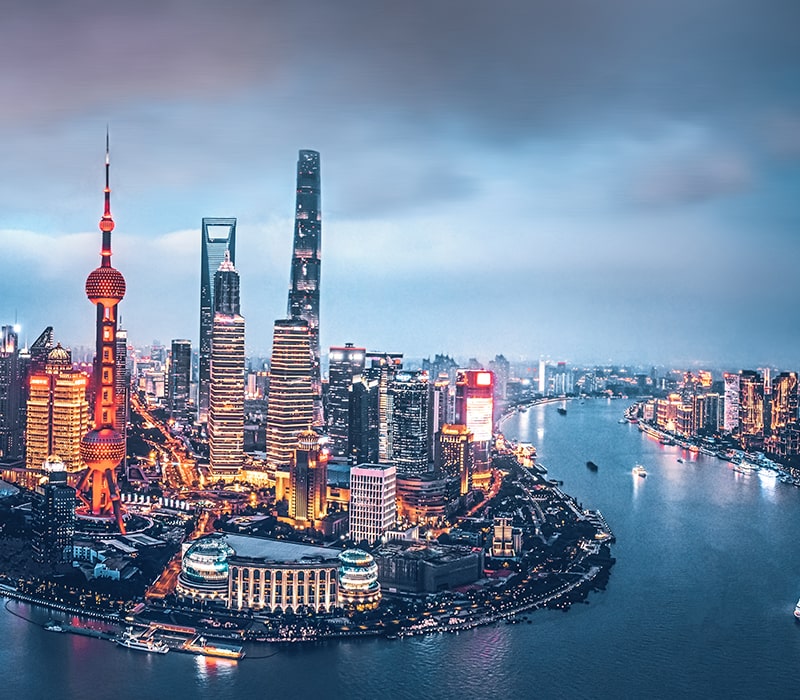
Today, Lanzhou is a city of Gansu province, with energy: broad boulevards, riverside walks, and a food scene built around hand-pulled noodles. The Yellow River runs like a calm thread through the largest city, and with the urban core surrounded by mountains, viewpoints can feel surprisingly close to nature. When you stand on the banks at dusk, it’s easy to picture ancient China in motion—merchants, pilgrims, and officials travelling north and west on routes that fed into the Silk Road.
It’s also a place to re-ground before the wilder edges of Gansu. If you’ve just flown in, a gentle afternoon by the river helps your body adjust, especially if you’re heading later towards higher elevations in the south.
Bingling Temple from Lanzhou: boat access, canyon along the Yellow River, and Buddhist sculpture
To plan well, keep this in mind: most visitors choose a guided tour that combines a road transfer with a boat segment, or a do-it-yourself plan that uses a bus plus a boat. Either way, it’s organised, scenic, and deeply atmospheric as the canyon along the Yellow River narrows and the cliffs rise.
Bingling Temple is a living Buddhist temple site where sculpture and painted niches emerge from the rock in quiet, timeworn chambers. The cliff-carved spaces feel both monumental and intimate, and the best visits are unhurried—allowing your eyes to adjust to shadow and your mind to settle.
Practical trust-builders: opening times can vary seasonally, and ticketing systems sometimes change, so local guidance is genuinely useful. If you’re unsure about photography, ask with care; a simple, polite gesture goes a long way, and it shows respect for an active spiritual place.
Dunhuang and the Mogao Caves: Advance Booking, Grottoes, and Buddhist Art
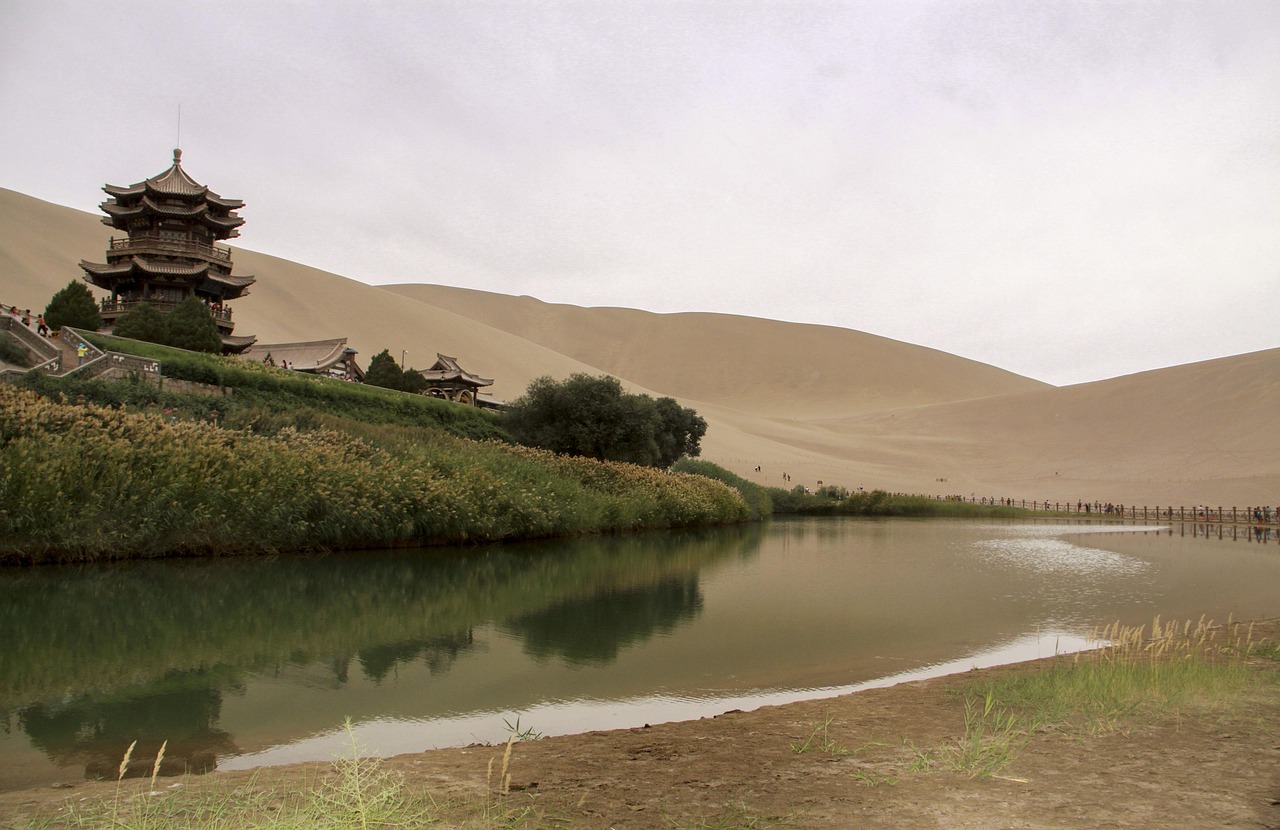
Dunhuang and the Mogao Caves: planning tips for one of China’s most iconic Silk Road sites
To understand western Gansu, you travel out towards the desert edge—exactly what this Dunhuang Mogao Caves advance booking guide is for. Dunhuang anchors many of the region’s most iconic Silk Road sites, and arriving here feels like stepping into a threshold between worlds: the oasis town, the open Gobi Desert, and the ancient routes that once reached towards Xinjiang.
This is also one of China’s most powerful cultural experiences: the Mogao Caves are a UNESCO World Heritage site, and the surrounding landscape makes it easy to understand why travellers once paused here before pushing deeper into Central Asia.
Mogao Caves timed entry in Dunhuang: tickets, guides, and protecting the grottoes
The Mogao Caves experience is carefully managed for good reason. Advance booking is essential in peak season, entries are timed, and you’ll typically visit a set number of grottoes with an official guide. This isn’t restriction for restriction’s sake—it’s how fragile murals and pigments survive, and how the site remains meaningful rather than overwhelmed.
Inside, you’ll notice luminous colour, layered iconography, and scenes that still feel emotionally direct. The trick is to look slowly. Don’t try to “collect” every detail—choose one wall, one figure, one moment, and let yourself really see it.
A traveller once told me they felt awe the moment the first chamber opened: intricate frescoes, softened by time, and a peaceful hush that transported them back in time. It wasn’t dramatic in a loud way—it was intimate, like being entrusted with a secret.
Dunhuang desert experiences: camel rides, Yumenguan, and smart packing
Beyond the caves, you can explore the dunes for sunrise or sunset, and yes—a camel ride can be wonderfully cinematic if you choose a responsible operator and keep your expectations grounded. If your itinerary allows, add a short excursion to Yumenguan (the Jade Gate Pass), another Silk Road landmark that helps you visualise the frontier.
- Bring: water, sunglasses, sun protection, and a light layer for wind.
- Plan: early morning or late afternoon for softer light and kinder temperatures.
- Comfort: keep a scarf handy—the sand can be playful when the wind lifts.
With the right pacing, Dunhuang becomes more than a stop; it becomes a feeling you carry forward to other Silk Road sites across Gansu.
Zhangye Danxia and Jiayuguan: Great Wall Forts and Desert Frontiers in Gansu
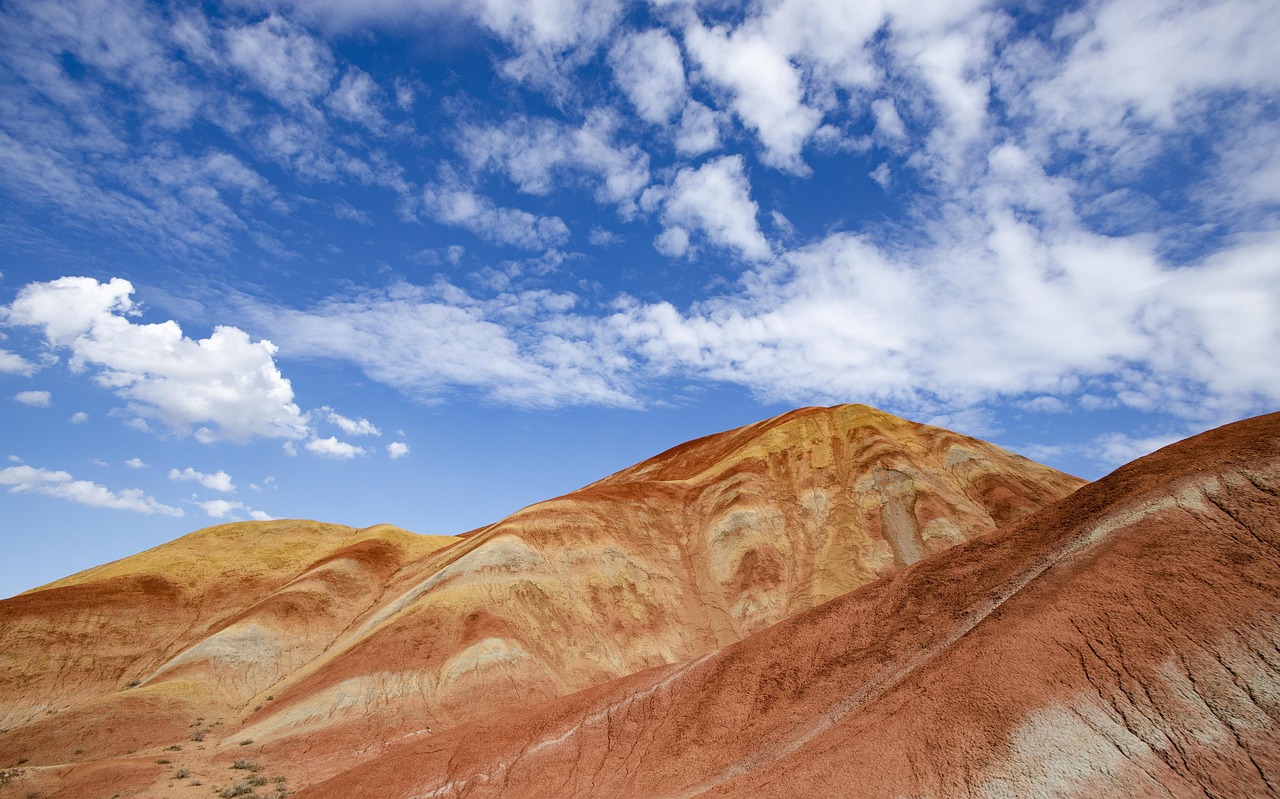
Zhangye Danxia and Jiayuguan: colour, forts, and frontier history across Gansu
When travellers search for Zhangye Danxia and the Jiayuguan Great Wall, they’re usually imagining colour, scale, and a frontier mood—and this stretch of Gansu delivers. Zhangye is a classic Silk Road stop where the horizon begins to lift towards the Qilian Mountains, and the land shifts between open plains, green mountains, and sculpted ridgelines. It’s a striking contrast to the desert landscapes further west, and it shows just how varied the parts of this province can be.
Zhangye Danxia National Geological Park: best light, viewpoints, and geology
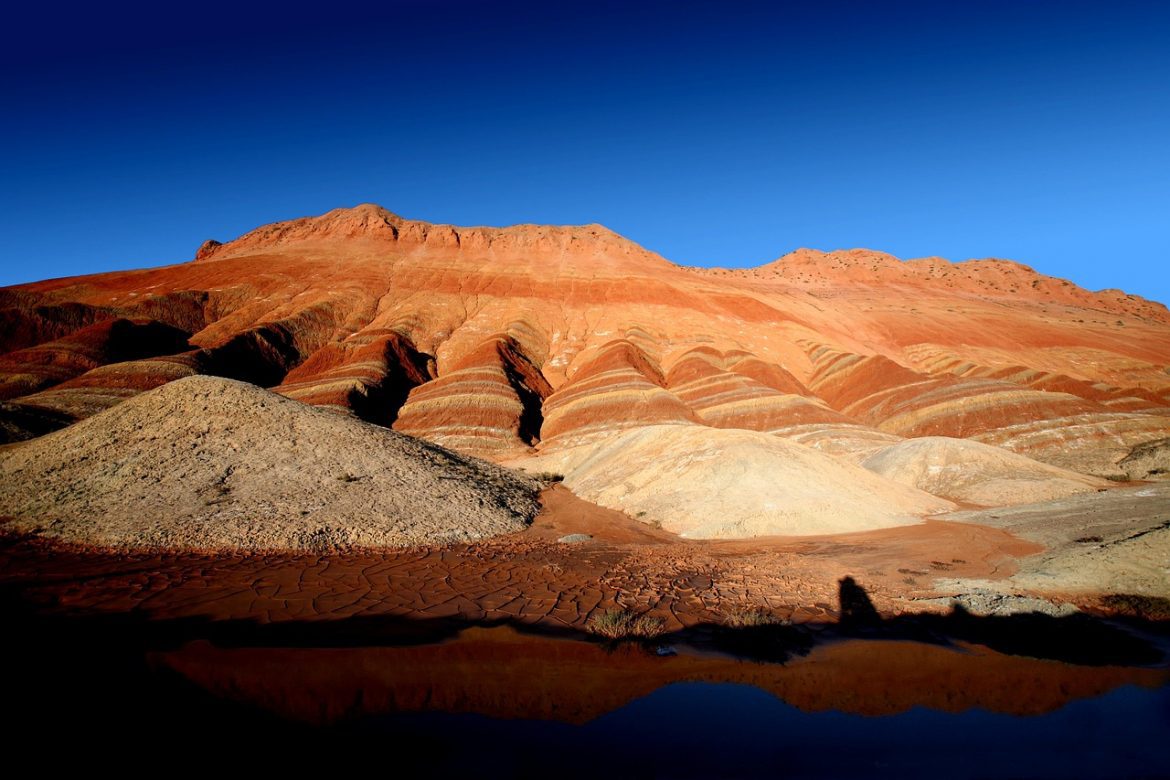
Zhangye Danxia, within the Zhangye Danxia National Geological Park, is often described as a painter’s palette—and the description holds up in person. You’ll move between viewing platforms, and each angle changes the pattern: stripes, folds, and colour bands that look almost brushed on.
For photographers (and anyone who loves design), imagine the palette in motion: wind cooling your face, cloud shadow sliding across ridges, and the colours deepening when the sun lowers. Please stay on marked trails; this national geological park is fragile, and respectful movement is part of the care that keeps it extraordinary.
If you’re curious about the broader landscape story, locals often point out how the Qilian foothills shape the weather and light. It’s one reason the geological park can look completely different from morning to late afternoon.
Jiayuguan Great Wall: Silk Road caravan gateway toward Central Asia and Europe
Then comes the frontier chapter: Jiayuguan, the western end of the Great Wall, where the story turns outward. Standing there, it’s easy to picture a caravan preparing to leave the empire’s edge, heading towards Central Asia and Europe. Nearby, the city of Jiuquan serves as a convenient transport hub, and you can connect onward by rail with ease.
Practical pacing matters here. Travel between Zhangye and Jiayuguan is simple by train or private car, and if you can, build in a rest day. Long journeys through Gansu reward confidence, but confidence grows faster when you give yourself permission to pause.
Mount Maiji and Labrang Monastery: Southern Gansu Hikes and Tibetan Culture
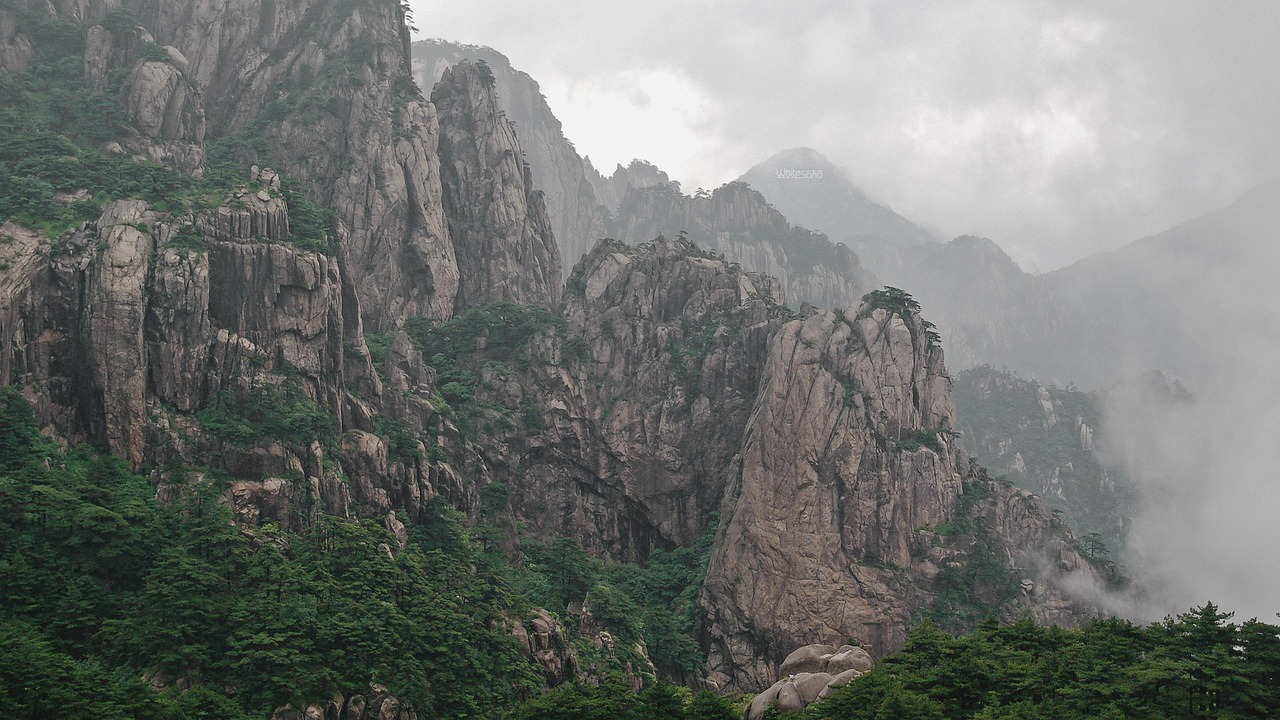
Mount Maiji and Labrang Monastery: from Tianshui to Xiahe in southern Gansu
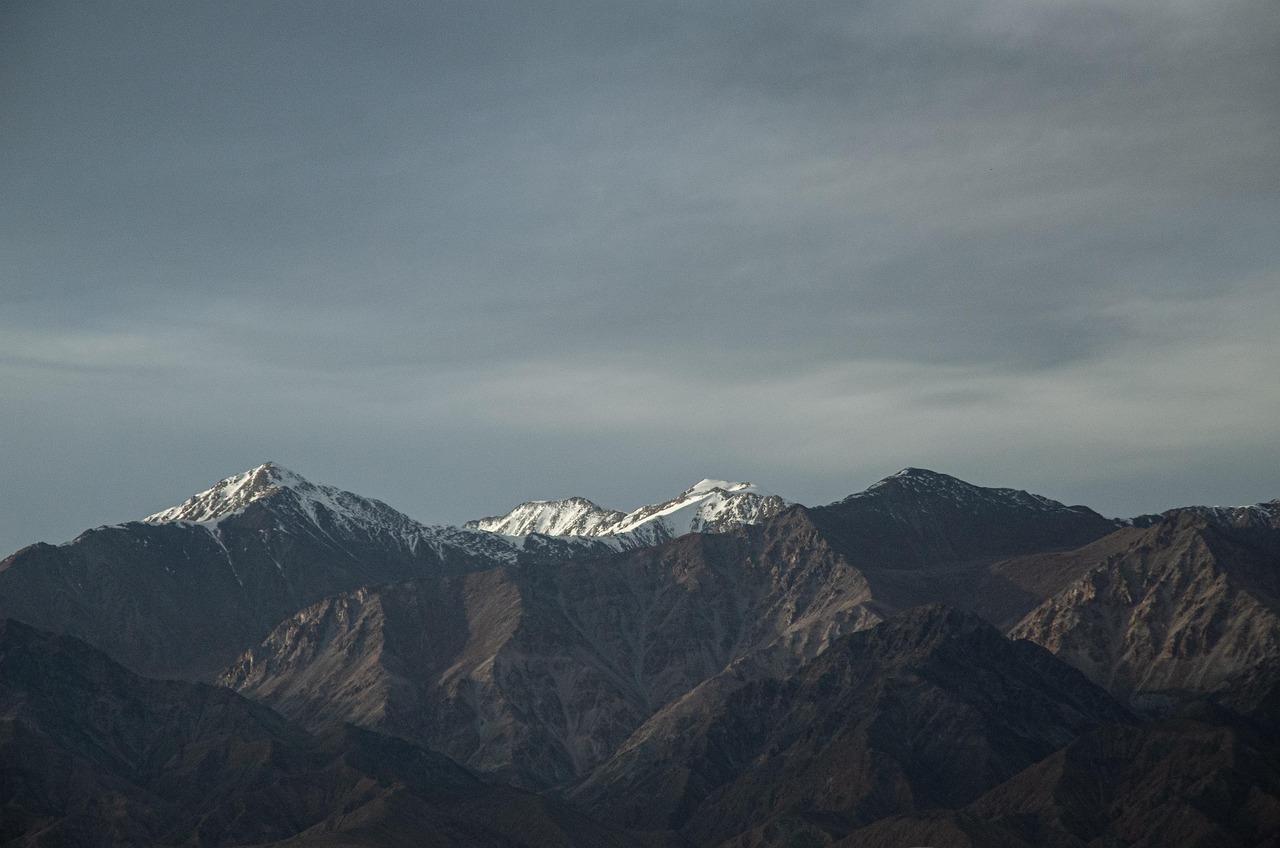
The phrase “Mount Maiji hike and Labrang Monastery Tibetan culture” captures the southward shift perfectly. Leave the Hexi corridor behind, and you enter parts of Gansu where mountains gather close, faith feels woven into daily life, and the route begins to brush the edges of Qinghai and Sichuan—with Sichuan province just beyond the highland border. Around Tianshui, the terrain turns more vertical, marking the eastern part of Gansu with forested slopes and cliff-carved heritage.
Mount Maiji near Tianshui: cliff walkways, grottoes, and guided hiking
Mount Maiji is best approached with an expert guide, especially if you want both safety and context. The paths can be steep, with stairways that cling to the cliff, and the dry air can make the climb feel more intense than the distance suggests. Guided hiking also helps you move at a steady pace, choose the safest timing, and uncover the quieter viewpoints for panoramic views.
An adventurer once shared how the climb became its own reward: the thrilling mix of natural beauty and spiritual heritage, with each turn revealing more grottoes and timber walkways suspended in the air. By the time they reached a higher platform, the silence felt earned—less like “arrival” and more like a calm understanding.
Xiahe in Gannan: Labrang Monastery, prayer wheels, and Tibetan Buddhist life
From there, many travellers continue to Xiahe, located in Xiahe County, within the Gannan Tibetan Autonomous Prefecture—a prefecture with its own rhythm inside China. Labrang Monastery is one of the largest monasteries outside of Tibet, and the experience is both immersive and human: prayer wheels turning, deep chanting, and courtyards where the light seems to slow down.
Visitors often recount warm encounters with monks who offer insight into Tibetan Buddhism and, sometimes, a gentle invitation to observe a ceremony. If you’re fortunate enough to witness that, the moment can feel quietly crafted—less like a performance, more like being allowed to stand nearby, together, with trust.
In this southern autonomous region, you may also notice Hui community life in markets and eateries, a reminder that Gansu is layered: Han, Hui people, and Tibetans sharing roads and seasons across the north and west. It’s one of the best examples of China and Central Asia influences meeting in everyday life, even far from the main tourist trail.
- Monastery care: dress modestly, keep your voice low, and follow the monks’ guidance.
- Photography: seek permission before taking photos, especially indoors or during rituals.
- On the trail: carry water and sun protection; the climate can be deceptively draining.
F.A.Qs: Gansu Travel Essentials
What is Gansu, China, known for?
Gansu is known for its Silk Road heritage, dramatic desert and mountain landscapes, and world-class cultural sites. Highlights include the Mogao Caves near Dunhuang, colourful Zhangye Danxia landforms, and important Buddhist and Tibetan religious centres such as Labrang Monastery, alongside the Yellow River scenery around Lanzhou. Many travellers also come for the frontier history at Jiayuguan and nearby passes such as Yumenguan.
What ethnic groups live in Gansu?
Gansu is home to a mix of ethnic groups. The Han are the largest, and you’ll also encounter Hui communities in cities and market towns. In the south, especially around Gannan and Xiahe, there are many Tibetans, and local culture reflects long-standing highland traditions.
What language do they speak in Gansu?
Mandarin Chinese is widely spoken across Gansu, especially in Lanzhou and other urban areas. In some communities, people also speak regional varieties and minority languages, including Tibetan in parts of southern Gansu. In tourism settings, guides can help bridge language gaps smoothly.
Is Gansu part of China proper?
Yes. Gansu is a province of China. Within it, there are areas with special administrative designations, such as the Gannan Tibetan Autonomous Prefecture, reflecting the presence of minority communities, but it remains fully within the People’s Republic of China.
What Stayed With Me After Gansu: Reflections from the Ancient Silk Road
I didn’t expect a place this vast to leave me with such small, precise memories, but that’s what a thoughtful journey through Gansu does. Long after you’ve left, the scale recalibrates your mind: desert quiet that makes you listen differently, a Yellow River canyon that narrows the world into rock and water, and murals that linger behind your eyes when you close them at night.
What stayed with me most was a new kind of confidence—gentle, not loud. It grows when you travel slowly, ask kindly, and accept local support with gratitude. In Gansu, that care often comes in simple forms: a driver who waits without rushing you, a guide who notices you’re tiring and quietly adjusts the plan, a shopkeeper who helps you choose something practical for the wind.
And then there are the textures that never need over-explaining: wind at Zhangye, shadowed grottoes that smell faintly of stone and time, monastery courtyards where footsteps soften. The Buddhist and Tibetan worlds sit side by side in a way that feels lived-in rather than staged, and it teaches you to stop forcing meaning and start noticing presence.
Even now, when I picture the ancient Silk Road, I don’t see a line on a map. I see a doorway of painted light in Dunhuang, a turning wheel in a quiet monastery, and the feeling that the road is still there—running to the north and west—waiting in ordinary days, if you know how to look.