Post Contents
- Chengdu Panda Base guide in Tianfu: first look for adventure seekers (pandas of Chengdu)
- Best time to visit the Chengdu panda base in China: cooler mornings, bus route planning, and gates
- See giant pandas up close: viewing etiquette, photo moments, and a Chengdu panda base tour
- Panda nursery and panda breeding research at the base of giant panda breeding: welfare, captive care, and learning
- Red panda encounters and Sichuan side quests: gardens, itinerary ideas, and day trips
- F.A.Qs: Chengdu Research Base of Giant Panda Breeding in China
- What stayed with me after visiting the panda base in China: Chengdu reflections
Chengdu Panda Base guide in Tianfu: first look for adventure seekers (pandas of Chengdu)

A calm first look at the Chengdu panda base: shaded paths, quiet habitats, and a slower kind of wildlife adventure in Tianfu
If you’re planning a first visit with cultural depth and real wildlife moments, the Chengdu Research Base of Giant Panda Breeding in China delivers a beautifully paced day, adventurous but never chaotic. This Chengdu panda base guide is built for travellers who want to observe a panda in a respectful way, without the noise and rush that can endanger a sensitive animal’s comfort. It’s one of those destinations where the atmosphere feels as memorable as the animals.
Unlike a typical zoo, this panda base is designed around space, vegetation, and patience. The habitat areas feel like natural habitats, with shaded slopes and quiet corners that let giant pandas move, rest, and eat at their own pace. In many ways, Chengdu Panda Base is one of the rare places where wildlife watching feels like a gentle walk through a multi-hectare park—then you suddenly spot a “national treasure” dozing in plain sight.
Panda base layout and route ideas for confident exploring
The first thing to know is that the Panda Base feels more like a landscaped park than a single viewing hall. You’ll move between ponds, leafy paths, and a few key enclosure areas spread across the grounds, with cafés and rest stops that make the day easy to pace. There are clear signs, but it helps to keep a simple route in mind: start with the most popular villas early, then drift toward the nursery zones and museum-style exhibits when crowds build.
Many travellers mention the gentle ambience: the hush near an enclosure, the soft rustle of leaves, and the feeling of shared quiet. Your sightseeing moments arrive in flashes—a giant panda lifting its head, stretching an arm, or climbing a little higher—then settling back into stillness as if nothing happened. That calm is part of the design, and it’s why the experience feels personal.
What you might see: giant pandas, habitats, and the slow magic
Set your expectations with care: you may see giant pandas resting, chewing, or sprawled like sleepy toddlers. If you’re lucky, you’ll catch a yawn that looks almost theatrical, or a slow tree climb that turns into a perfect photo memory. The pace is exactly what makes it meaningful—slow enough to notice details, structured enough to feel safe and seamless.
Later in this guide, we’ll explore the panda nursery, scheduled feeding sessions, red panda viewing, and the protection-focused exhibits that add real insight to the day—so your visit becomes more than a checklist. You’ll also learn practical navigation tips to keep the experience calm from start to finish.


Best time to visit the Chengdu panda base in China: cooler mornings, bus route planning, and gates
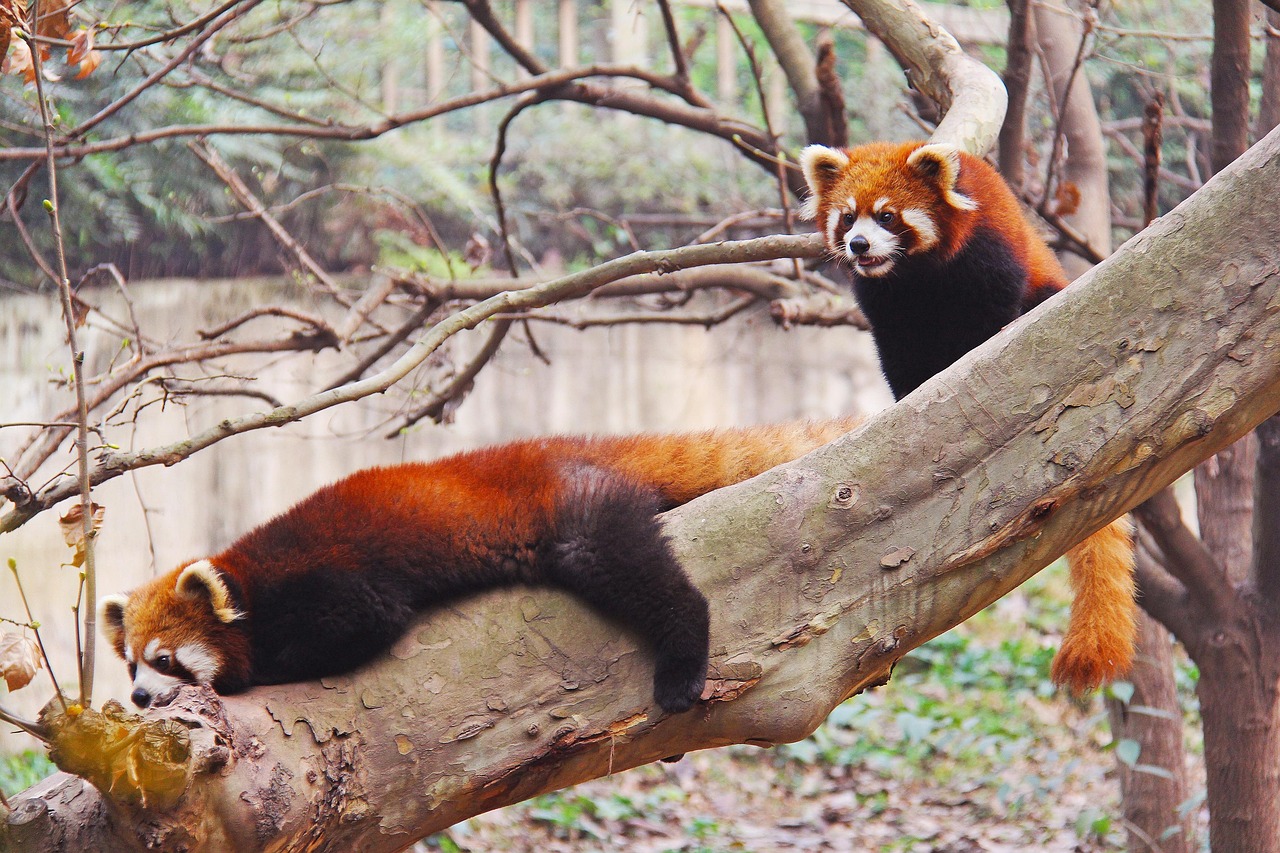
A quiet morning viewing at the Chengdu panda base is often when giant pandas are most alert and playful
The best time to visit is early morning, when the air is cooler and giant pandas are more likely to be active. This is when you’re most likely to see natural behaviour—climbing, shifting nests, or engaging with breakfast—before the midday warmth encourages a longer rest. For many visitors, this timing makes the difference between “I saw a panda” and “I watched a panda live.”
Season matters, too. In autumn, the weather is kind, and walking feels effortless, which helps you slow down and explore with confidence. In summer, heat can push more activity into shaded corners or indoors, and crowds can build earlier—so arriving as the gates open becomes the smartest choice.
Route planning from the international airport and city: taxi, bus to the base, and timing
If you’re arriving via Chengdu Shuangliu International Airport, the transfer is straightforward: taxi is the simplest high-comfort option, while public transport is perfectly doable if you enjoy local texture. A bus to the base can be slower in traffic, but it’s a reliable route that lets you watch the city wake up as you head north. If you’re booking a tour, confirm pick-up points the night before to keep your morning smooth.
From central Chengdu, a taxi is often the most seamless, especially if you’re travelling as a couple or family. If you take a bus, keep small notes ready (or a translation app), and allow extra time so you arrive unhurried, your day at the panda base should begin calmly. This is also a good moment to decide which villa areas you want to prioritise first.
Plan your entry like you would for any premium destination: buy tickets in advance if possible and check for student or senior discounts at purchase. The main entrance can be convenient, but your walking flow may change depending on whether you enter near the south gate or the west gate—gate choice affects the first villas you reach and how steep your initial walk feels. If this is your first visit and you want to visit the Chengdu Panda Habitat areas with fewer people, aim to be at the gates before opening.
Once inside, choose a simple loop rather than zig-zagging. Use clear site signage for navigation, and consider the shuttle bus if you want to reduce steps between zones or save energy for longer viewing near your favourite habitats. It’s an easy way to keep your pace gentle while still covering the highlights.
- Travel tips: wear comfortable shoes, bring water and sunscreen, and take short breaks to keep the experience enjoyable.
- Carry a camera with a good zoom for natural moments without leaning into barriers or crowding other visitors.
- Allow at least half a day so you can slow down, explore the gardens, and revisit a favourite area if timing improves.
See giant pandas up close: viewing etiquette, photo moments, and a Chengdu panda base tour

Quiet viewing and respectful spacing make the best photo moments at the Chengdu panda base
For many travellers, a Chengdu panda base tour really means learning how to enjoy visiting the panda without being intrusive. The simplest rule is also the most important: keep your voice low near each enclosure, stay on marked paths, and don’t attempt to feed a panda unless you are part of an official programme supervised by staff. That quiet care protects animals that can be stressed by sudden noise and crowd pressure.
As you explore, you’ll notice how the base encourages respectful distance: railings, viewing platforms, and planting that creates a softer boundary. This is also part of modern panda conservation: small visitor behaviours add up to a calmer environment. If your goal is to see giant pandas doing something beyond sleeping, patience and silence are often the best tools you can bring.
Prime viewing at villa areas (including no.1 giant panda villa) and quieter habitat loops
One classic starting point is the No. 1 Giant Panda Villa, partly because it’s well signposted and often offers clear sightlines. Still, remember that active moments can be brief. If you see a panda shift position or glance upwards, give it a little time—those tiny cues often lead to a stretch, a slow climb, or a yawn that feels like it was meant for your camera.
Other habitat loops can be quieter, where the most personal memories often happen. If one area feels crowded, step away, explore another loop, and return later. The Chengdu panda base is one of those places where timing changes everything.
Feeding sessions, tours, and photography without pressure
Scheduled feeding sessions are more than entertainment: they offer insight into diet, routine, and behaviour, including how bamboo is prepared and presented. Joining a short tour can add expert context—especially if you appreciate a cultural lens on why this animal is so cherished—without overwhelming the calm of the experience. You may also spot staff explaining diet charts and daily habits in a way that’s surprisingly easy to follow.
For photography, skip flash and use a zoom lens. Focus on natural gestures: a paw draped over a log, a careful chew, or that slow, drowsy blink. One traveller once described watching a cub tumble as “the softest adrenaline”—a moment of laughter held in near silence, shared with strangers who all seemed to breathe out at once.
Panda nursery and panda breeding research at the base of giant panda breeding: welfare, captive care, and learning

Inside the panda nursery area, welfare comes first—visibility changes depending on rest, feeding, and care routines
The panda nursery experience at this panda breeding centre—the base of giant panda breeding—is often the emotional centre of the visit, yet it’s also where expectations need the most gentleness. Visibility of panda babies and baby pandas can vary, and sometimes the nursery house is only partially viewable or the youngest animals may be resting away from windows. That’s not a disappointment; it’s welfare in action, and it reflects careful breeding efforts rather than performance.
When cubs are visible, the reaction is almost universal: a quiet smile, an instinct to soften your voice, and the sense that you’re seeing something precious and fragile. It’s also a reminder that the endangered giant panda story is still being written, one careful season at a time. Even in managed settings, the goal remains a healthy population with strong long-term outcomes.
What panda breeding, captivity, and panda research really mean in practice
“Panda breeding” can sound clinical, but in practice, it’s about health monitoring, veterinary support, and long-term planning that protects genetic diversity. While giant pandas have improved in status, they remain endangered in the public imagination, and pressures on wild habitat can still endanger populations. This is where captive care—and the reality of captivity—is balanced with science-driven goals through panda research and education.
You’ll see how the Chinese government and scientific teams use public awareness as part of the strategy: interpretation boards, exhibits, and staff-led explanations that translate complex work into something visitors can understand. In other words, your ticket supports panda conservation and a wider system of care, not just a day out. It’s one reason the Chengdu panda base is one of the most meaningful urban wildlife destinations in China.
An educational mini-itinerary for conservation and breeding insight
To create a richer flow, pair the nursery with museum-style stops and interactive exhibits. The learning feels most powerful when it’s practical: how diets are managed, how behaviours are monitored, and why quiet rules exist near each habitat zone. If you’re curious about science, look for displays that mention panda breeding research and how teams track health over time.
- Start at the nursery viewing area, then move to nearby exhibits to put the experience in context while your emotions are still fresh.
- Pause for short talks when offered; staff often share stories about individual animals and about pandas born in recent years who have reached key milestones.
- Finish with a calmer loop through shaded paths so the experience settles rather than ending on a crowded path.
If volunteer-style programmes are available during your travel window, they can create a deeper connection to conservation efforts—provided they are handled ethically and with strict rules. For some guests, that behind-the-scenes learning becomes the moment they truly understand conservation and breeding as daily work: not touching, not posing, but contributing time, funds, and respect. It’s also a powerful reminder that protecting the natural habitat matters as much as caring for animals on-site.
Red panda encounters and Sichuan side quests: gardens, itinerary ideas, and day trips
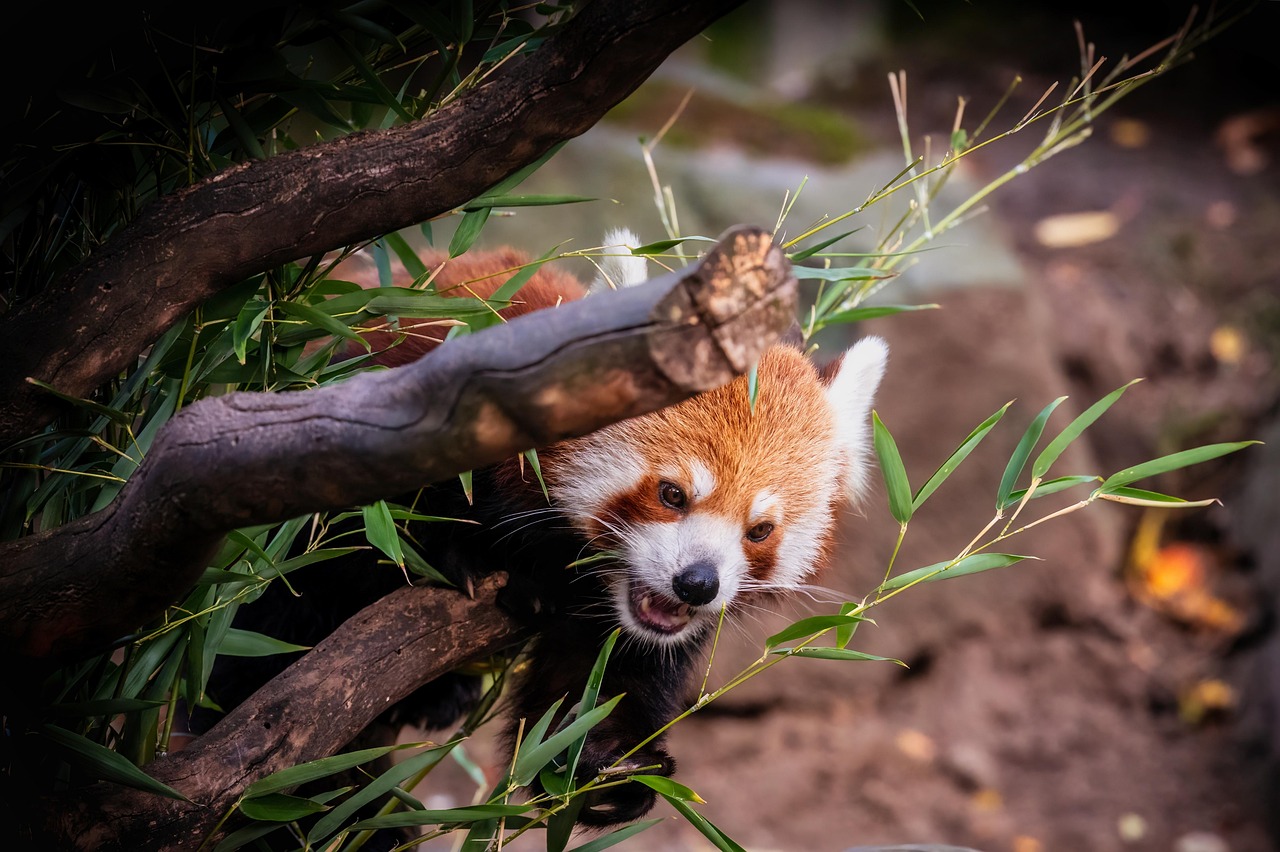
A red panda encounter adds playful energy to your Chengdu panda day, especially near climbing areas and gardens
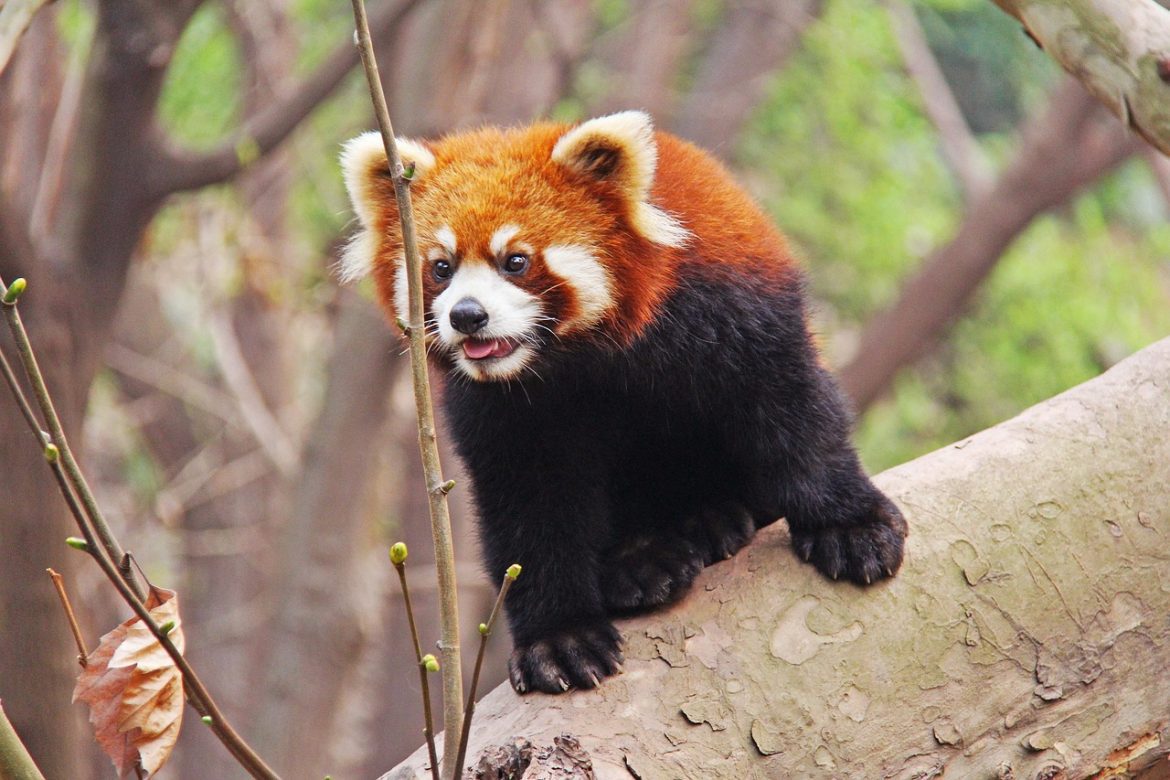
If your notes say “red panda Chengdu panda tour itinerary”, you’re already designing a great day. Red panda viewing adds a playful contrast to giant pandas: quicker movements, curious expressions, and a different energy altogether. Look for dedicated zones such as the red panda playground, where a little panda may climb with surprising agility.
Equally memorable are the grounds themselves. Between sightings, explore ponds, small bridges, and themed gardens that feel intentionally ecological rather than concrete and crowded. Pause at Swan Lake, then follow a bamboo forest path as if you’re strolling through a living painting. These slow interludes make the destination feel restorative rather than rushed.
A crafted half-day to full-day itinerary at the panda base
To keep the day seamless, design your timing around animal activity and your own comfort. For adventure seekers, the joy is in balancing movement with stillness—walking enough to feel you’ve explored, but leaving space for unplanned moments at a habitat fence. A simple itinerary helps prevent decision fatigue as crowds build.
Sample itinerary: arrive early, start with popular villas, then drift to quieter viewing spots; visit the nursery zone; take a restorative break; finish with exhibits and a final loop for last sightings. Leave time for souvenir shops if you collect meaningful tokens—books, locally designed gifts, or protection-themed keepsakes. If you prefer structure, a short tour can also help you cover key areas efficiently.
Stay in Chengdu and add Sichuan extensions: Dujiangyan panda, Wolong, and Leshan
To stay in Chengdu in comfort, choose your neighbourhood by energy level. Near Chunxi Road, you’ll have city buzz, shopping, and easy evening dining; quieter areas are better for recovery after long walks and early starts. Either way, the culinary reward is immediate: hotpot, tea houses, and the local rhythm that makes this destination feel lived-in.
If you want to extend your trip, consider taking day trips in Sichuan. Leshan offers scale and awe, while panda-related alternatives include Dujiangyan panda programmes and connections to Wolong. Each option lets you design around weather and time—an extra day for mountains, or a gentler cultural day if you’d rather keep things slow. For curated inspiration, browse our Trip gallery and imagine how pandas and temples might sit side by side in your own journey.
For travellers who want the wider story, you might also hear about the Giant Panda National Park network—an example of how habitat protection and tourism can align when managed thoughtfully. It connects the city experience to the broader landscape where wild populations still depend on intact corridors.
F.A.Qs: Chengdu Research Base of Giant Panda Breeding in China
Frequently asked questions for planning a respectful visit to the Chengdu panda base
Do pandas like being petted?
Generally, no. A panda is a wild animal with strong instincts, and close contact can stress it or disrupt care routines. At the Chengdu panda base, visitors should never attempt to touch animals; interaction is limited to official, supervised programmes where welfare comes first.
How do I get to Chengdu Panda Base?
From central Chengdu, a taxi is the most convenient option and typically takes 30–45 minutes, depending on traffic. Public transport is also possible via city bus services; allow extra time and plan your bus route in advance so you arrive early, when giant pandas are most active.
Is the Chengdu Panda Base free for seniors?
Admission is not typically free for all seniors, but discounts may be available based on age, residency, and the ticket policy in effect at the time of your visit. The best approach is to check the official ticket page or on-site signage, and bring a valid ID to access any senior rate.
What is unique about the panda nurseries at the Chengdu panda base?
The nursery areas focus on welfare and development, so visibility can change day by day. When you can see them, the youngest cubs offer a rare glimpse into early life stages supported by specialist teams. What’s unique is the balance: public viewing is carefully managed so the animals’ health and calm environment remain the priority.
What stayed with me after visiting the panda base in China: Chengdu reflections
After visiting the panda base, Chengdu reflections often begin with something surprisingly small: the hush around an enclosure, the soft shade of trees, and the way everyone instinctively lowers their voice as if entering a library. It wasn’t silence born of rules; it felt like a shared agreement, a kind of care offered without being asked. That feeling is what makes the Chengdu panda experience linger.
I keep thinking of one giant panda lifting its head as if waking from a gentle dream, then yawning with unhurried honesty. A staff member nearby spoke quietly about how long trust takes—between animals and keepers, and between visitors and a place that has to protect what it displays. In that moment, responsibility stopped being an idea and became something you could feel in the air.
There was also an ease to the day that stayed with me. Even with crowds, the paths invited a slower rhythm—pause, watch, move on—until the experience felt less like wildlife tourism and more like being allowed into someone else’s home for a moment. The Chengdu research base of giant work is serious, but the emotional weight is gentle: you leave steadier, as though the world has been made a little quieter at the edges.
And perhaps that’s the most lasting gift of a visit to Chengdu: the reminder that wonder doesn’t need to be loud. Somewhere ahead in China, more stories of a “national treasure” are waiting—ready to be uncovered at your own pace, with calm curiosity and quiet confidence. When I think back, I realise the magic was in the waiting.