Post Contents
- Is It Possible to Walk the Great Wall of China and the entire length of the Great Wall
- Beijing Great Wall of China itinerary to see the Great Wall
- Jiankou Great Wall hiking walk the wall with a guide China
- Jinshanling Simatai Great Wall of China walk along watchtower Beijing
- Extend your trip to the entire great wall of china Hushan Jiayuguan
- F.A.Qs: Walking the Great Wall of China
- What Stayed With Me After Walking the Wall: Great Wall of China, personal reflection, walk along
Is It Possible to Walk the Great Wall of China and the entire length of the Great Wall
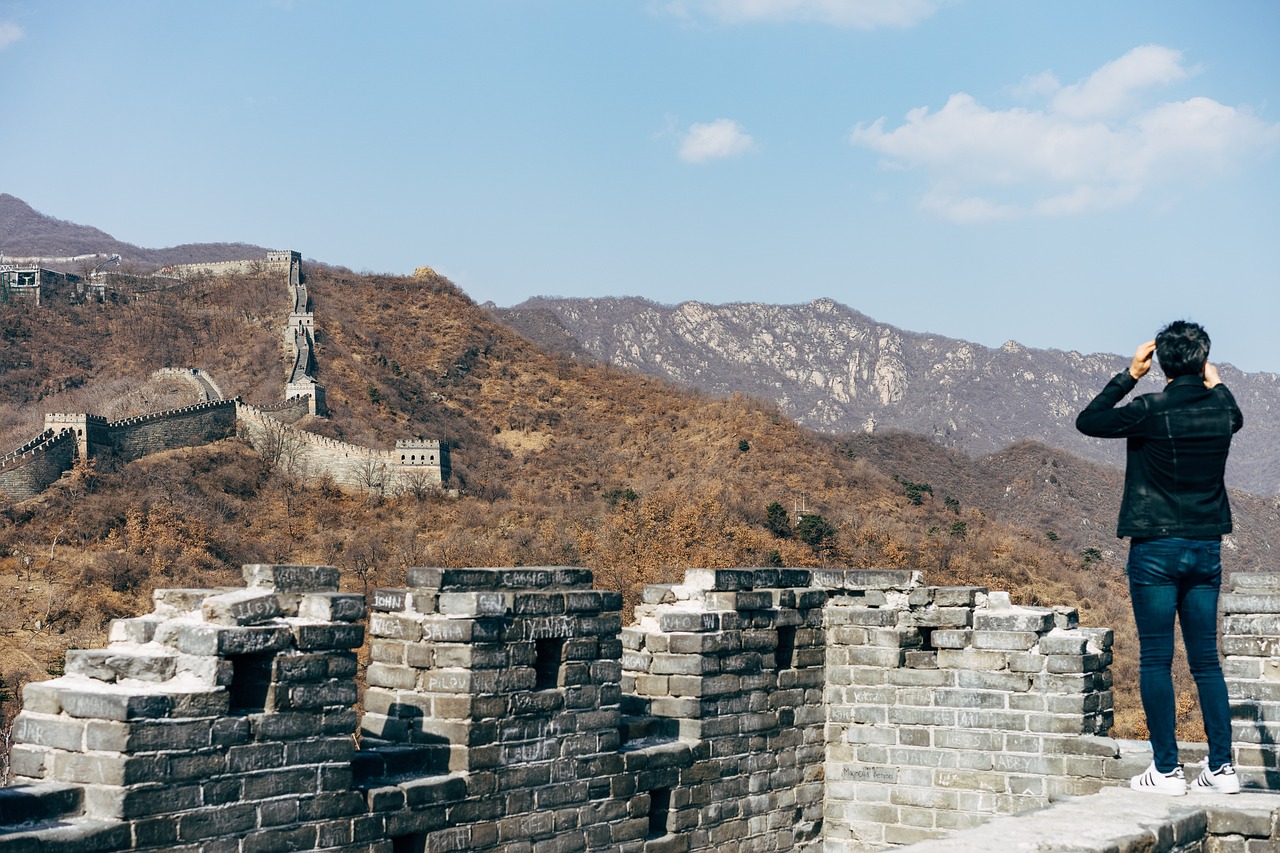
Is It Possible to walk the Great Wall of China with watchtowers over mountain ridgelines
If you’re asking, can you walk the entire length of the Great Wall of China? The reassuring answer is this: it is possible to walk along many sections of the Great Wall of China, but attempting the whole Great Wall as a single continuous stroll isn’t how the experience works in real life. The Wall of China is one of the world’s most iconic structures, often spoken about alongside the modern 7 wonders, yet it’s a living patchwork of landscapes, repairs, and ruins.
“Walking the entire structure is closer to an expedition than a holiday. For most travellers, the joy comes from designing a series of linked hikes—each one revealing a different personality of the Great Wall of China—rather than chasing a single, uninterrupted line on a map.
What the “entire great wall of China” actually means on the ground
The phrase “entire great wall of China” sounds simple until you uncover what it includes: restored sections near popular gateways, unrestored mountain stretches, and fragmented parts of the wall that fade into villages, farmland, or protected areas. Some segments are restricted, some are too degraded to traverse responsibly, and some have modern diversions.
That’s why walking on the Great Wall is best imagined as a collection of beautifully distinct days. You might walk one polished rampart with families in the morning, then explore a crumbling section of the wall with a specialist guide on another day—each walk offering a new kind of insight and personal connection.
Fitness, altitude, and a watchtower moment that changes the pace
A reasonable level of fitness goes a long way, because there are many steps and the wall is very steep in places. Add shifting altitude and wind exposure, and even short distances can feel surprisingly athletic—especially on sunlit stone where your footing needs focus. Still, with good pacing and warm support, it’s suitable for people who enjoy moving steadily and taking meaningful breaks.
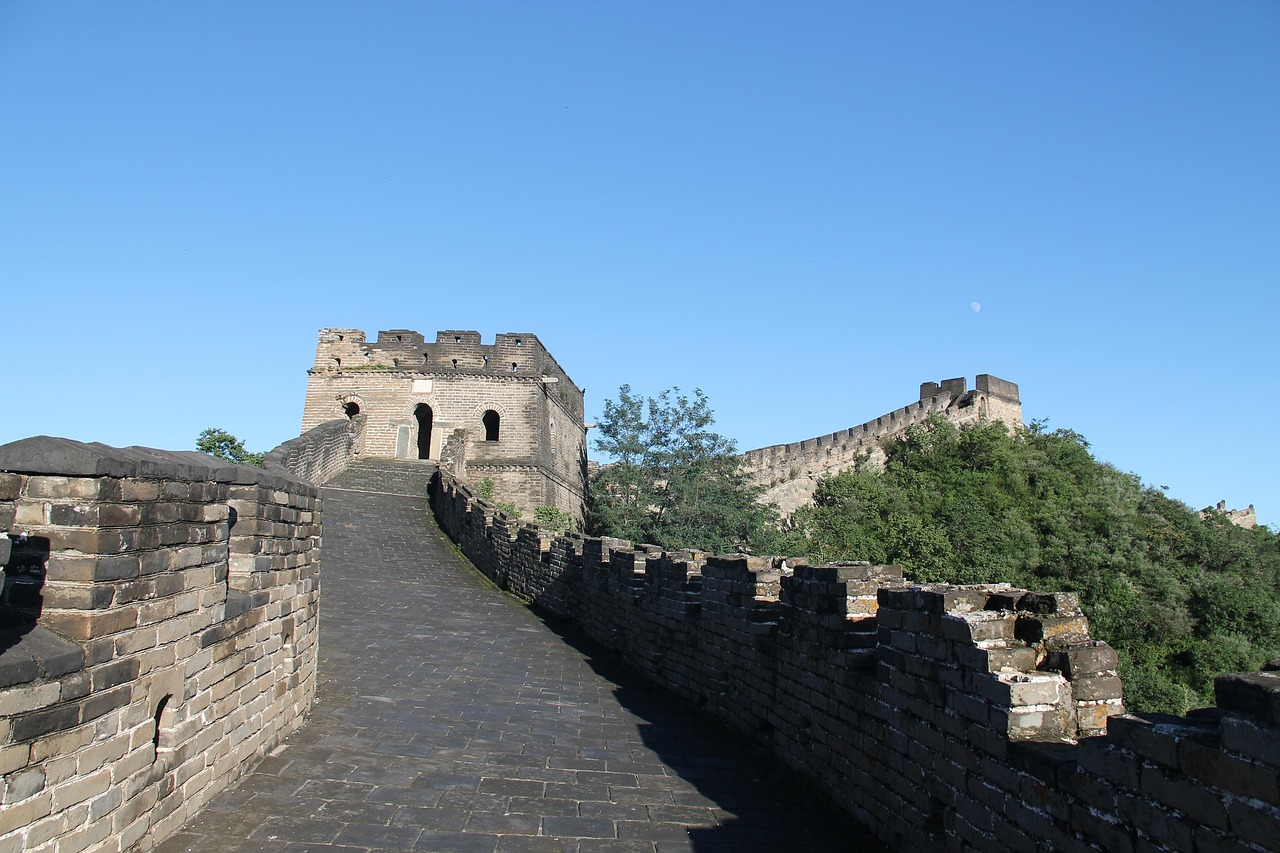
One pause I’ll always remember is stepping into a high watchtower and feeling the temperature drop by a few degrees—a quiet shelter after bright ridgeline sun. From there, it’s easy to imagine military signalling and the engineering discipline that shaped what we see today, largely associated with the Ming dynasty but layered across more than one dynasty over centuries.
And about the dream question—could you walk the entire length? The length of the Great Wall is vast enough that it becomes a months-long walk, sometimes compared to half a year of continuous progress, depending on route choices, access, and conditions.


Beijing Great Wall of China itinerary to see the Great Wall
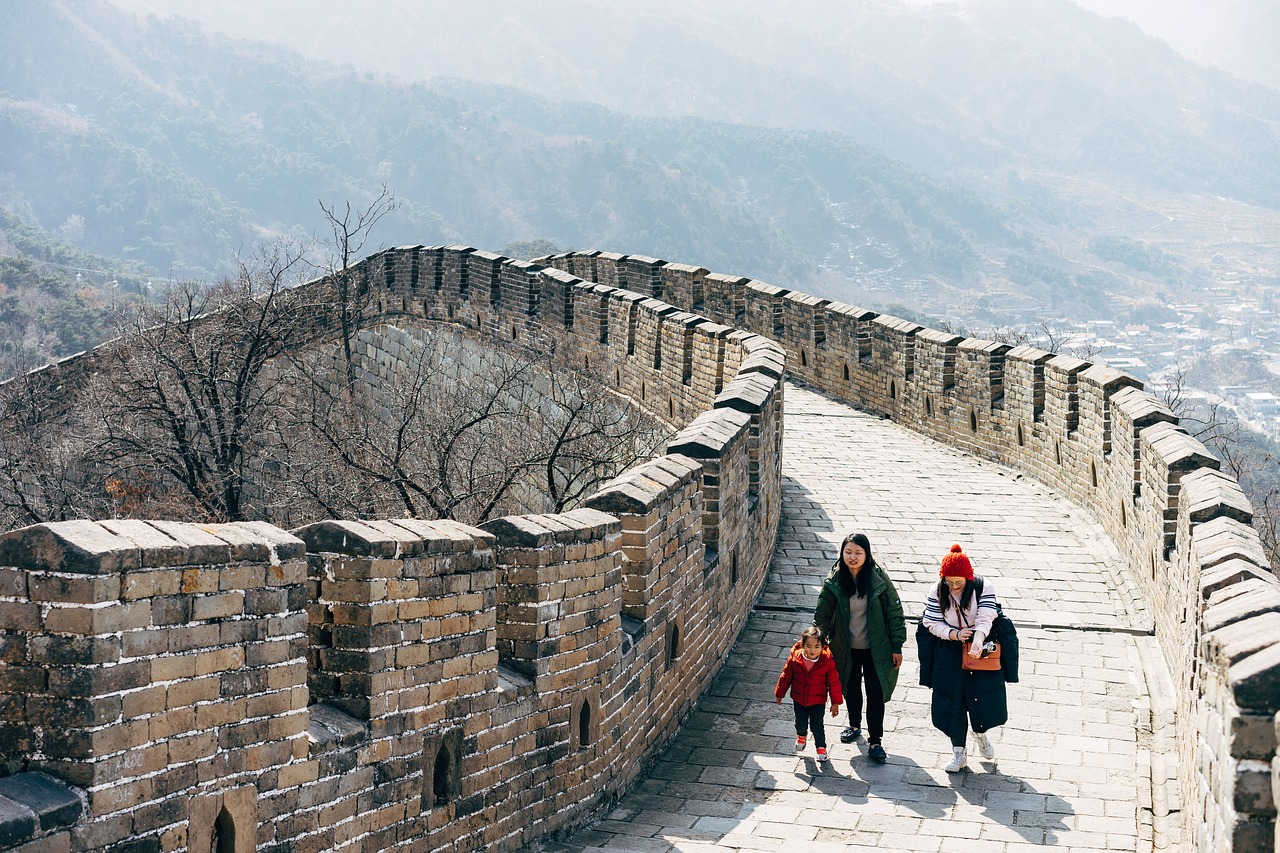
Beijing Itinerary for First Timers to See the Great Wall at Mutianyu
If you’ve searched for a Beijing Great Wall of China itinerary, see the Great Wall, you’re likely hoping for a day that feels seamless, not stressful. From Beijing, the most reassuring approach is to leave early, so you can walk today in cooler air and enjoy a first glimpse of the wall before the busiest flows arrive. You can travel from the city to the Great Wall by public bus (budget-friendly) or choose an organised tour if you want curated timing and expert context.
For high-end travellers, the luxury is often time and calm: an unhurried start, a comfortable transfer, and space to linger at watchtowers without feeling herded. If you’d like inspiration for how this day can fit into broader China highlights, browse our Trip gallery.
Mutianyu vs Badaling to visit the Great Wall with confidence
For a first visit, Mutianyu is the beautifully balanced choice: the Mutianyu section is well-preserved, scenic, and usually offers fewer crowds than the most famous gateways. Badaling is iconic and very accessible, but it can feel busier—especially during golden weeks, weekends, and school holidays.
Mutianyu is also wonderfully family-friendly. A family I spoke with described their children counting steps between parapets and asking questions about soldiers, storage niches, and the purpose of each watchtower—learning culture in a way no classroom can replicate.
Tickets, transport, and energy management for a crafted day
Plan on an entrance fee of 40–60 RMB, then add extras depending on the site: a shuttle bus from the car park to the gate may be required, and a cable car can be worth it if you’d rather save your knees for the most scenic ramparts. At Mutianyu, some travellers also love the toboggan descent—playful yet practical for managing time and energy.
- Best seasons: Spring and autumn for clear views and comfortable temperatures.
- Best time of day: Arrive early for quiet stone and softer light.
- Timing tip: Avoid Chinese New Year travel peaks unless you enjoy crowds and limited services.
For photos, sunrise and sunset hikes are unforgettable when feasible, but even a mid-morning walk can glow if you pace yourself and step aside to frame the wall’s curves as it disappears behind the hills.
Jiankou Great Wall hiking walk the wall with a guide China
Wild Great Wall Hiking at Jiankou for Adventure Seekers
For confident hikers, typing jiankou great wall hiking walk the wall with guide China, this is the chapter that says: you can, and it can be extraordinary—if you approach it with respect and expert support. Jiankou is largely unrestored, with steep mountain terrain, crumbling steps, and exposed traverses that demand focus. The Great Wall of China here feels raw and intimate, as if the landscape is slowly reclaiming the stone.
A solo walker once told me the solitude at Jiankou created a rare kind of reflection: each careful foot placement became a quiet promise to themselves. With a trusted local guide, their personal challenge felt neither reckless nor deeply considered.
Safety, care, and why a local guide matters at Jiankou
On wild routes, conditions can change quickly—mist, wind, or rain can turn stone slick in minutes. A guide helps with navigation, safer lines, and decision-making, especially near broken parapets and collapsed staircases. Just as importantly, good guides model care: don’t climb on damaged parts, don’t remove stones, and always leave no litter behind.
This is where confidence is built step by step. You’re not simply “doing a hard hike”; you’re learning to move thoughtfully through history.
What to pack for a seamless, supported hike
Keep your kit light, but intentional—crafted for grip, hydration, and comfort. Even if you normally hike in trainers, choose footwear with strong tread; old stones can be polished and surprisingly slippery.
- Sturdy hiking shoes (or trainers with excellent grip)
- Hiking poles for stability on steep descents
- Plenty of water, plus snacks you’ll actually eat
- Sun protection and a light layer for wind exposure
- A small first-aid kit and blister plasters
A group I met described reaching a high watchtower together—tired, laughing, and briefly silent as the view opened up. Physical exhaustion turned into tenderness: shared snacks, shared encouragement, and the kind of bond that only effort creates.
Many hikers link Jiankou to Mutianyu, moving from wild stone into restored confidence. How long it takes depends on your pace, stops, and weather; for most, allow a generous half-day and treat it as a story you’re writing with your feet.
Jinshanling Simatai Great Wall of China walk along watchtower Beijing
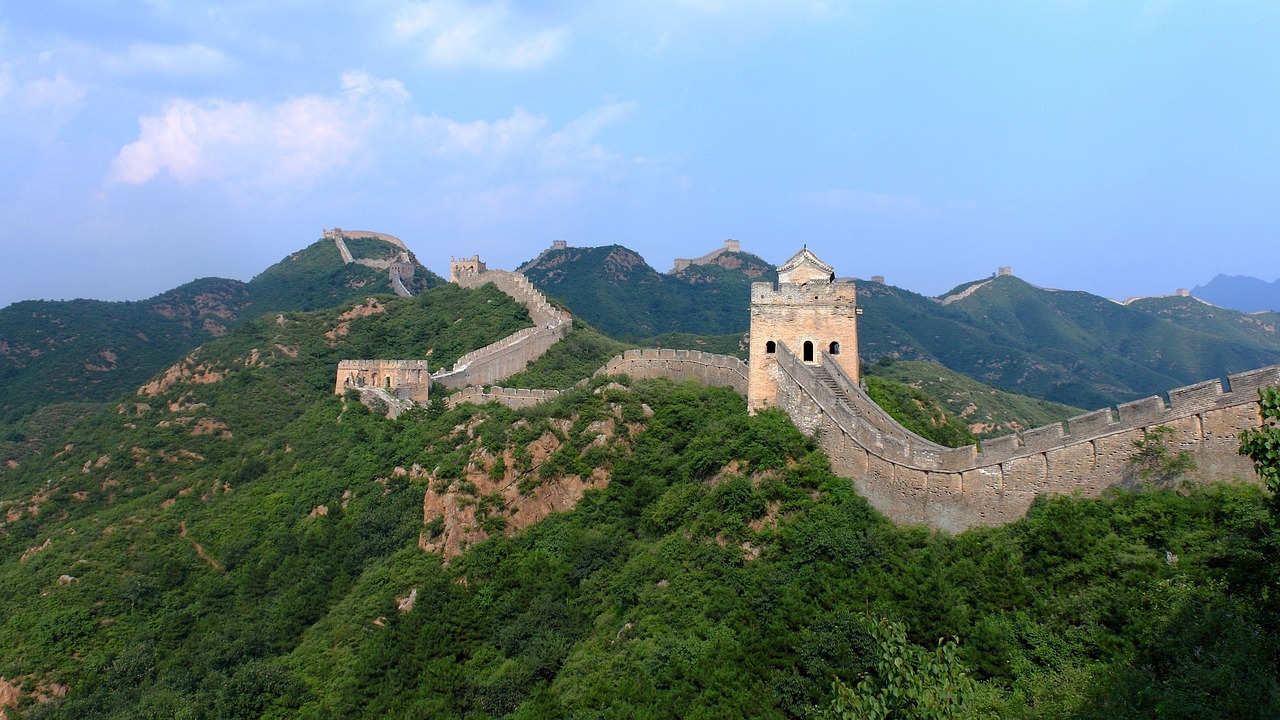
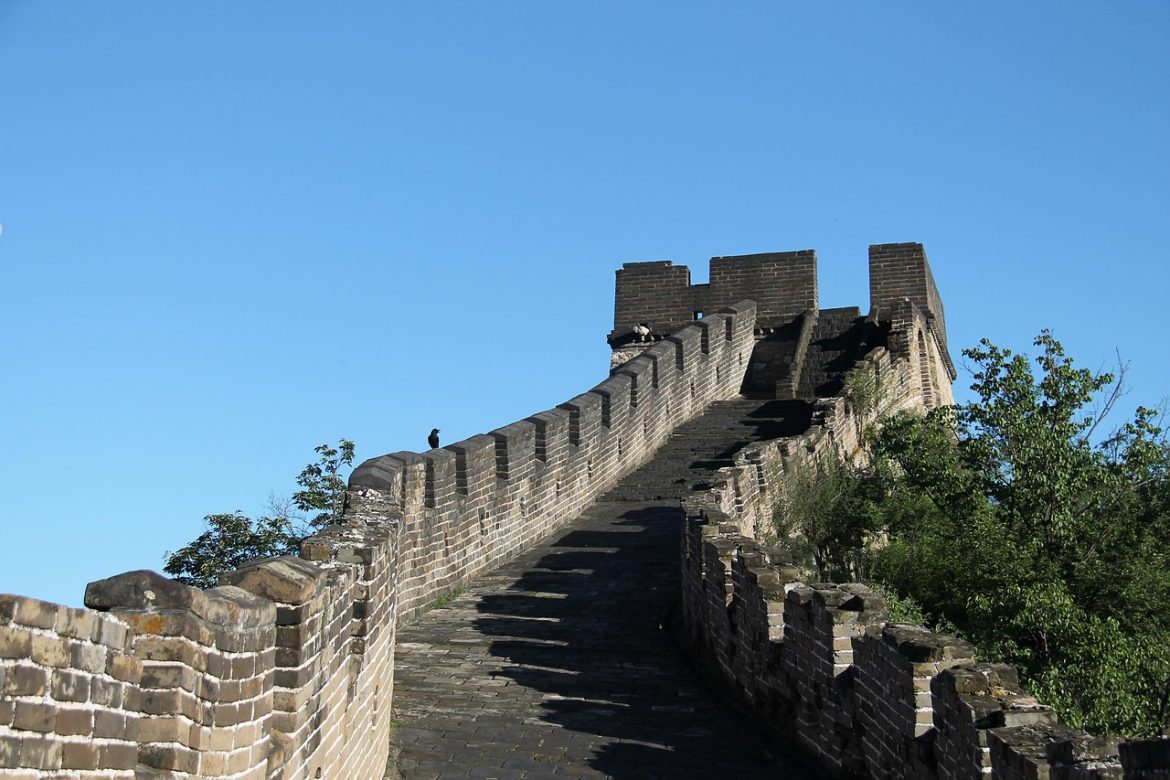
Watchtowers Sunrise Routes Jinshanling to Simatai on the Great Wall of China
If you’ve searched Jinshanling Simatai Great Wall of China walk along watchtower Beijing, you’re likely craving the classic “wall snakes over mountains” panorama—long, elegant lines of stone rising and falling across the ridge. Jinshanling is a favourite for photographers and hikers because the Great Wall of China stretches for long distances, with frequent watchtowers and two beacon towers that make history feel close enough to touch.
From Beijing, this can be designed as a long day trip or, for a more high-end rhythm, an overnight that lets you slow down. It’s one of the best ways to experience the Great Wall, the changing light that turns the grey stone warm and golden.
Sunrise and sunset itinerary from Beijing with walking timing
To catch sunrise or sunset, you’ll need a sensible time to visit the window and a calm plan for transport. For many travellers, an overnight nearby creates the most seamless experience: early start, fewer people, and space to linger at viewpoints without rushing.
Terrain here is steep in places, with endless steps and small height changes that add up. A useful approach is to take around short breaks every 20–30 minutes, especially if you’re gaining 200–400 metres of elevation over the course of a route.
Engineering insight, beacon systems, and a quieter alternative
Once you start noticing details, the Great Wall of China becomes an open-air textbook: beacon tower placement, sight lines, and the way repairs differ across centuries. Watchtower spacing mattered because signals—smoke by day, fire by night—needed clear transmission along the line, even when weather rolled in.
If you want to go walk away from the crowds, the Gubeikou section can feel more rugged and contemplative with the right guide and stable conditions. On certain days, in summer, the surrounding mountains look almost painted—deep green behind pale stone—yet heat and exposure still ask for careful pacing and extra water.
Extend your trip to the entire great wall of china Hushan Jiayuguan
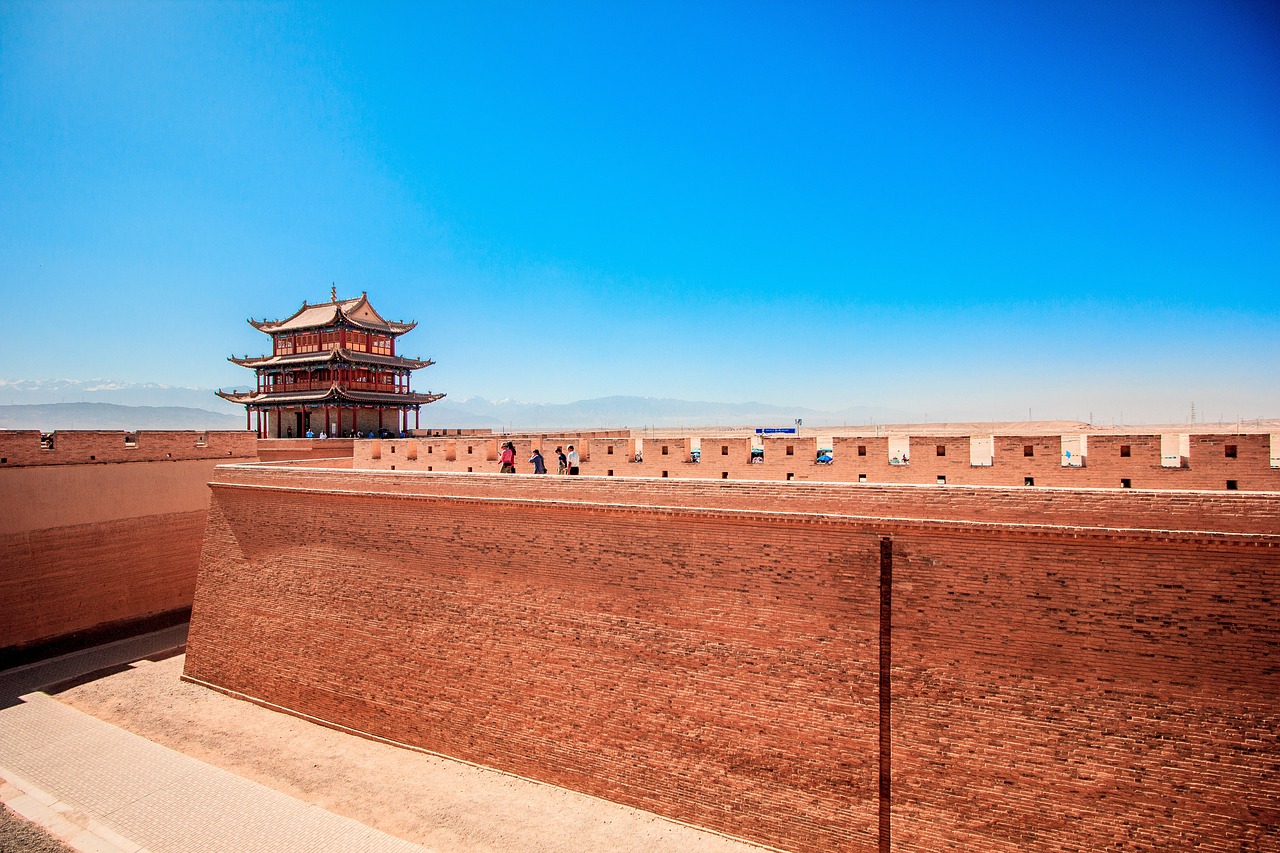
Extend Your Trip to the Ends Hushan and Jiayuguan beyond Beijing
If you’ve wondered about extending your trip to the entire Great Wall of China, Hushan, Jiayuguan, you’re already thinking like a designer of journeys: you may not walk the entire length in one go, but you can create an end-to-end theme by sampling far-flung sections. The Great Wall of China becomes a thread through your itinerary—linking landscapes, cultures, and moods across northern China and beyond. It’s the most elegant answer to the dream of the entire length of the wall: not one continuous march, but a curated arc of experiences.
Hushan and the end of the Great Wall in the east
Hushan offers a stirring narrative because it sits close to the North Korean border, where the landscape and atmosphere feel very different from the mountains near the capital. Standing here, the “end of the great wall” idea lands emotionally: the stones don’t just run across hills, they run through centuries of border life, movement, and memory.
It’s also a reminder that parts of the Great Wall were built to read the land—river lines, slopes, and visibility—rather than to impress. The result is quieter, more reflective, and deeply rewarding for travellers who enjoy uncovering subtlety.
Jiayuguan, the Silk Road, and William Edgar Geil’s early outsider lens
At the western extreme, Jiayuguan is tied to the Silk Road and its trade, with the Gobi Desert stretching out in a different palette of light and space. Here the wall feels less like a mountain path and more like a threshold—between settled worlds and vast horizons.
A little historical colour: William Edgar Geil, an early traveller and writer, helped document and popularise the wall for outsiders. It’s worth holding his accounts lightly—appreciating the record without romanticising hardship—while you enjoy the modern ease of well-run sites, comfortable transfers, and welcoming guesthouses that make long distances feel surprisingly gentle.
For planning, spring and autumn remain the sweetest seasons. Avoid June and August, where heat, sun exposure, and crowds can bite, and consider adding lesser-known visits like Huangyaguan or Huanghuacheng if you want variety between restored ramparts and more textured ruins—always checking access and conditions with local experts.
F.A.Qs: Walking the Great Wall of China
How long does it take to walk the Great Wall of China?
For most travellers, a single walk is a half-day to full-day experience, depending on the section, the number of steps, and how often you stop for photos and at watchtowers. Attempting to walk the entire length is an expedition-scale goal: the route isn’t continuous, access varies, and it can take months to walk even for experienced teams with logistics support.
What is the 3-hour rule in China?
The “3-hour rule” commonly refers to travel-planning guidance rather than a national law: if a day trip involves more than about 3 hours of travel each way, it often feels rushed and tiring. For Great Wall days, choosing a closer section or staying overnight near the wall can create a calmer pace and a more rewarding walk.
What is the #1 cause of death in China?
In China, as in many countries, the leading cause of death is generally cardiovascular disease (such as stroke and heart disease), based on broad public health reporting. For travellers, this isn’t a reason to worry—just a reminder to pace yourself on steep steps, stay hydrated, and take breaks if you’re not used to sustained climbs.
Are tourists allowed to walk on the Great Wall of China?
Yes, tourists are allowed to walk on many open sections of the Great Wall of China that are ticketed. Rules vary by location, and some wild or unrestored areas may be unsafe or restricted. The most respectful approach is to follow local guidance, avoid climbing on damaged parts, and consider hiring an expert guide for remote routes.
What Stayed With Me After Walking the Wall: Great Wall of China, personal reflection, walk along
If you’ve searched the Great Wall of China, you may already sense that it offers more than photographs. It gives you the quiet weight of stone underfoot, the way time seems to widen when you realise how many hands shaped each rise and turn. A glimpse of the wall can shift your sense of scale—not just of China’s landscapes, but of human patience.
What stayed with me most were the small moments that never make guidebooks. A shared sip of water offered with care when someone’s breath caught on a climb. A local guide’s soft story in a watchtower doorway, where the wind sounded like distant surf and trust was built one step at a time.
There’s a particular tenderness that emerges when people move through a challenge together. Fatigue turns into laughter, then into a kind of confidence that doesn’t need to shout; it simply settles into your shoulders and changes how you stand.
And then there’s the light. Near the end of a day, it softens and smooths the stone, and you find yourself looking back—not to measure how far you managed to walk the length, but to feel how far your mind travelled while your feet moved. The Great Wall of China doesn’t ask you to conquer it; it invites you to listen, and to carry that steadiness home, quietly curious about what you’ll explore next within yourself.