Post Contents
- Elephant Trunk Hill, the landmark of Guilin, you must see for a Guilin China attraction
- Planning your Elephant Trunk Hill tour in Guilin with best tickets and transport in China
- Climbing Elephant Trunk Hill for panoramic views in Guilin, China.
- Water Moon Cave Elephant Trunk Hill Guilin China cave inscriptions
- Li River tour, Elephant Trunk Hill, Guilin to Yangshuo, China private tour highlights.
- F.A.Qs: Elephant Trunk Hill, Guilin, China tour essentials
- What stayed with me after visiting Elephant Trunk Hill in Guilin, China.
Elephant Trunk Hill, the landmark of Guilin, you must see for a Guilin China attraction

Elephant Trunk Hill, the landmark of Guilin, you must see beside the Li River in Guilin
Elephant Trunk Hill, a landmark of Guilin, China, is often the first “discover” moment that makes visitors stop mid-step and simply stare. The formation famously resembles an elephant, its elephant’s trunk arcing down towards the river as if drinking—an image so clear that locals regard it as the symbol of Guilin. Standing on the Li River bank, it doesn’t feel like a checklist sight; it feels like the city’s heartbeat made visible.
Guilin’s wider landscape is shaped by limestone peaks and water, a karst world that looks almost as if it were designed rather than built. That’s why Elephant Trunk Hill became a highlight on so many Guilin tours: it gives you a storybook “front cover” view in minutes, yet it also invites you to slow down and explore Guilin at your own rhythm.
Legends, local storytelling, and the elephant hill formation
Ask around the park, and you’ll hear variations on old tales—of a heavenly elephant who stayed behind, of a protective spirit, of a creature turned to stone. The details shift like light on water, but the meaning stays steady: this is a local landmark held with pride and care. Look closely, and you can sense how the formation has become a living stage for Chinese folklore, with every viewpoint offering another angle on the same myth.
One traveller described sitting quietly, watching the water of the Li River flow beneath the “trunk”, and feeling the town soften into calm. That’s the gift here: even with people around, you can create a private pause—just you, the river, and the curve of stone.
Design your visit for views, caves, and photographs
For adventure seekers, this isn’t a long trek, but it does offer a satisfying little hike, a cave-like passage, and viewpoints that reward patience. If you design your timing for softer light, you’ll uncover the hill’s gentler side—mist on the river, boats gliding past, and the iconic silhouette that earns its rank among China’s most photographed places.


Planning your Elephant Trunk Hill tour in Guilin with best tickets and transport in China
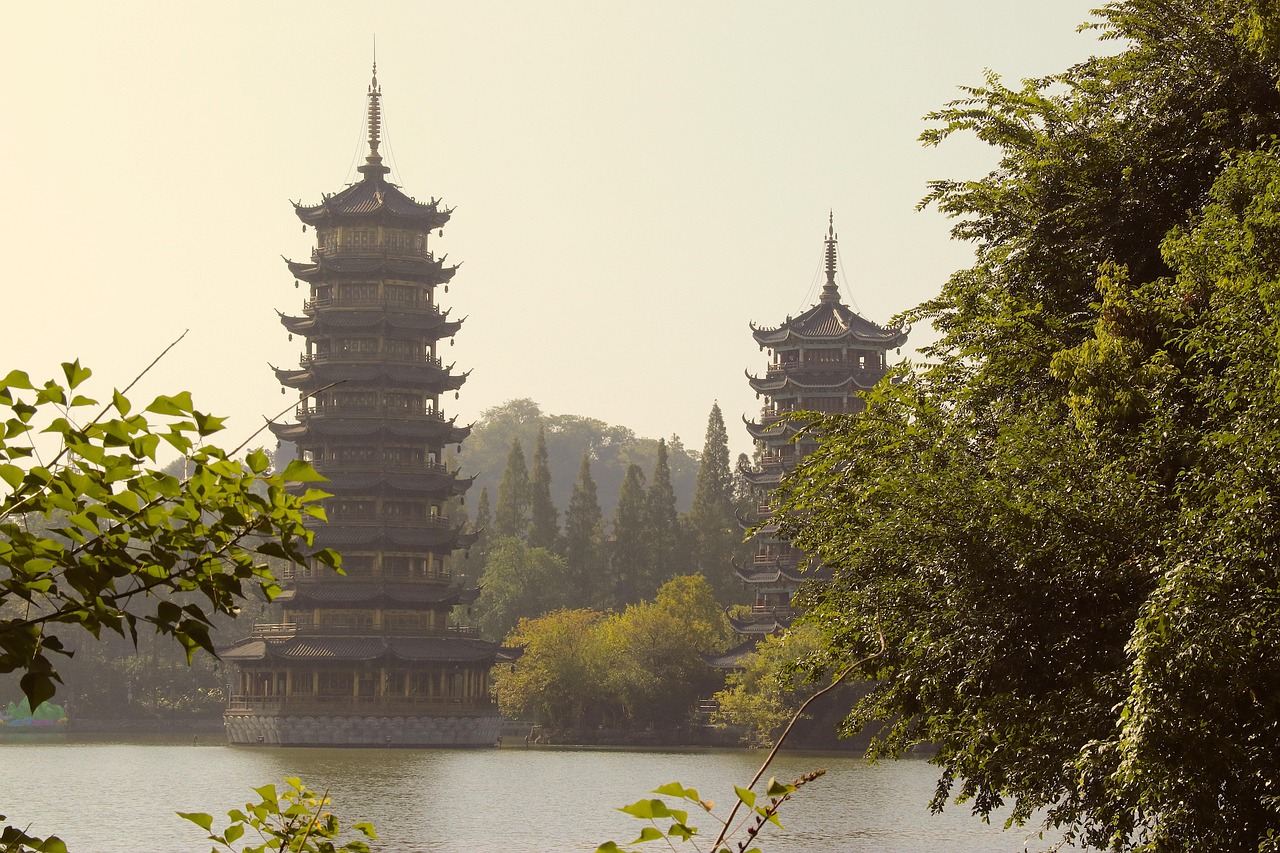
Planning your Elephant Trunk Hill tour in Guilin city with the best time and transport
Best time Elephant Trunk Hill tour Guilin city China tickets transport—those words matter because planning well is what turns a busy attraction into a personal experience. In practical terms, the best time is spring and autumn, when visibility is clearer, humidity is lower, and the paths feel more comfortable underfoot. You’ll also notice crowd patterns: mid-morning tends to swell with groups, while early hours feel almost meditative.
Elephant Trunk Hill is located about 5 km from downtown Guilin, making it easily woven into an itinerary without stress. A taxi from downtown is straightforward, and public buses can be a calm, budget-friendly choice if you’d like to feel the city’s everyday pace. Either way, arriving with confidence means you can spend your energy on the hill rather than on logistics.
Travel experts’ timing tip for a quieter tour
Here’s what travel experts notice: early morning changes the atmosphere completely. The air is cooler, the river looks smoother, and the “giant elephant” shape reads more clearly before the midday glare. If you can, aim to be at the gate close to opening—your photos will feel crafted, and your experience will feel seamless.
Tickets, budget, and what to pack with care
The commonly quoted admission fee is around 75 RMB, but do verify current prices before you go—small checks like this build trust in your plans and help you avoid surprises. Wear shoes you can rely on for steps and uneven stone, and carry water so you can take the climb at your own pace.
- Essentials: comfortable shoes, water, sun/rain layers, and a small towel in warmer months.
- Family support: pace yourselves, use rest spots, and keep an eye out for toilets near main paths.
- Solo confidence: keep cash for snacks, and allow extra time for quiet moments and photography.
If you’re pairing Guilin with the rice terraces later (many travellers love the Longji area), this gentle first day at Elephant Trunk Hill is an ideal warm-up—enough movement to feel adventurous, without feeling demanding.
Climbing Elephant Trunk Hill for panoramic views in Guilin, China.

Climbing up the hill at Elephant Trunk Hill for a panoramic view over Guilin
Climbing up the hill, Elephant Trunk Hill, panoramic view, Guilin, China, is short, but it can feel steep in sections—especially if the stone is slightly damp. The secret is simple: take it slowly, pause when you need, and let the place meet you halfway. This is a climb built for everyday visitors, not ultra-fit athletes, and a steady pace keeps it enjoyable.
Dawn on the hill and the confidence of quiet
A backpacker once shared how they reached the peak at first light and found solitude that felt almost unreal for such a famous site. With the town still waking up, the river looked like brushed silk, and the rooftops of Guilin sat low and peaceful. That kind of morning gives you confidence—not just in your legs, but in your ability to travel thoughtfully through China’s big-name places.
Top viewpoints, tower details, and crafted photo angles
From above, you’ll see the Li River bend and layers of the city sliding into the distance, a panoramic view that makes the whole landscape click into place. At the top of the hill stands a small tower and a set of viewpoints; the elevation is enough to feel rewarding, not intimidating. If you like photography, design your angles to include river curves and a single peak in the background—simple composition, maximum beauty.
There’s a long tradition of people coming here to sightsee: writers, visitors, and the occasional poet looking for a line that matches the view. In that sense, the climb is more than steps—it’s a small ritual that ties you to Guilin’s sense of place.
Water Moon Cave Elephant Trunk Hill Guilin China cave inscriptions
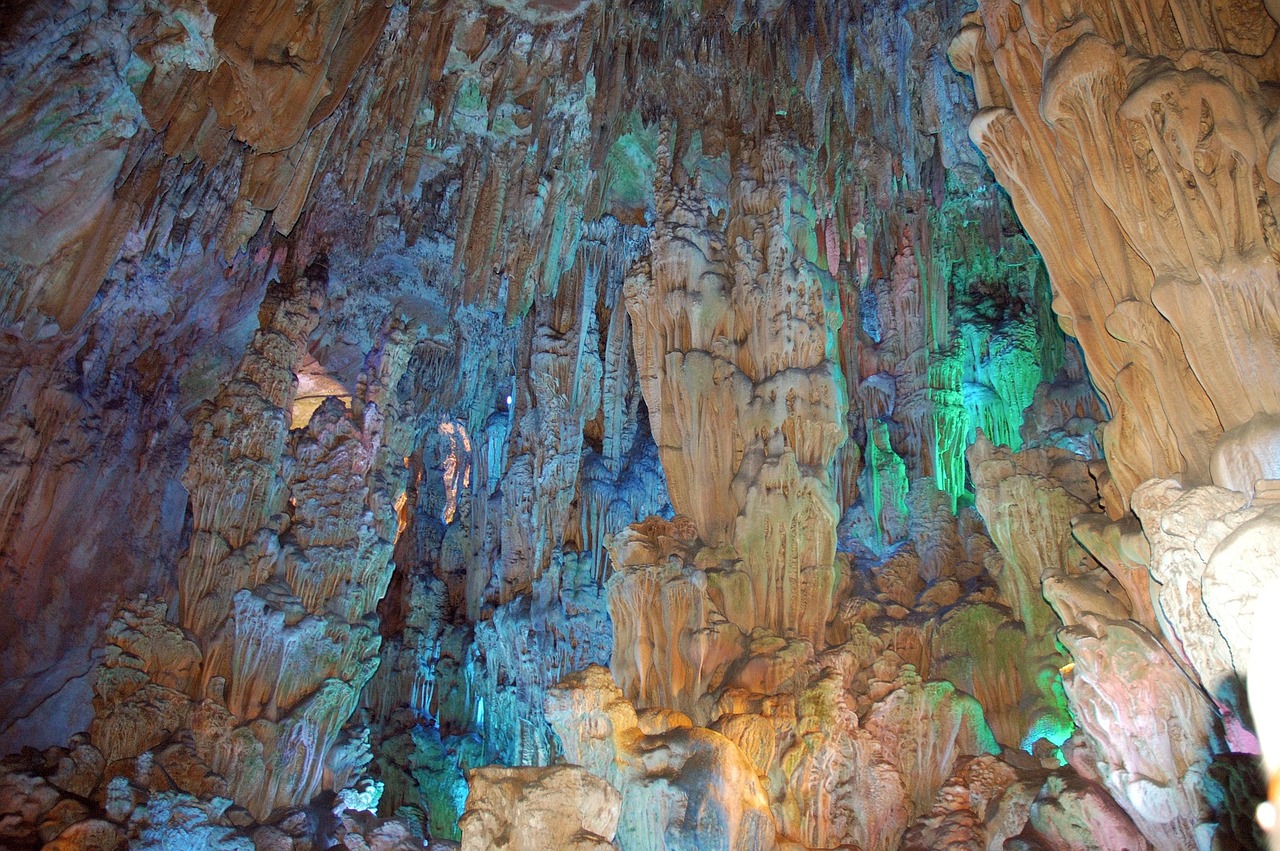
Water Moon Cave at Elephant Trunk Hill in Guilin with carvings and inscriptions
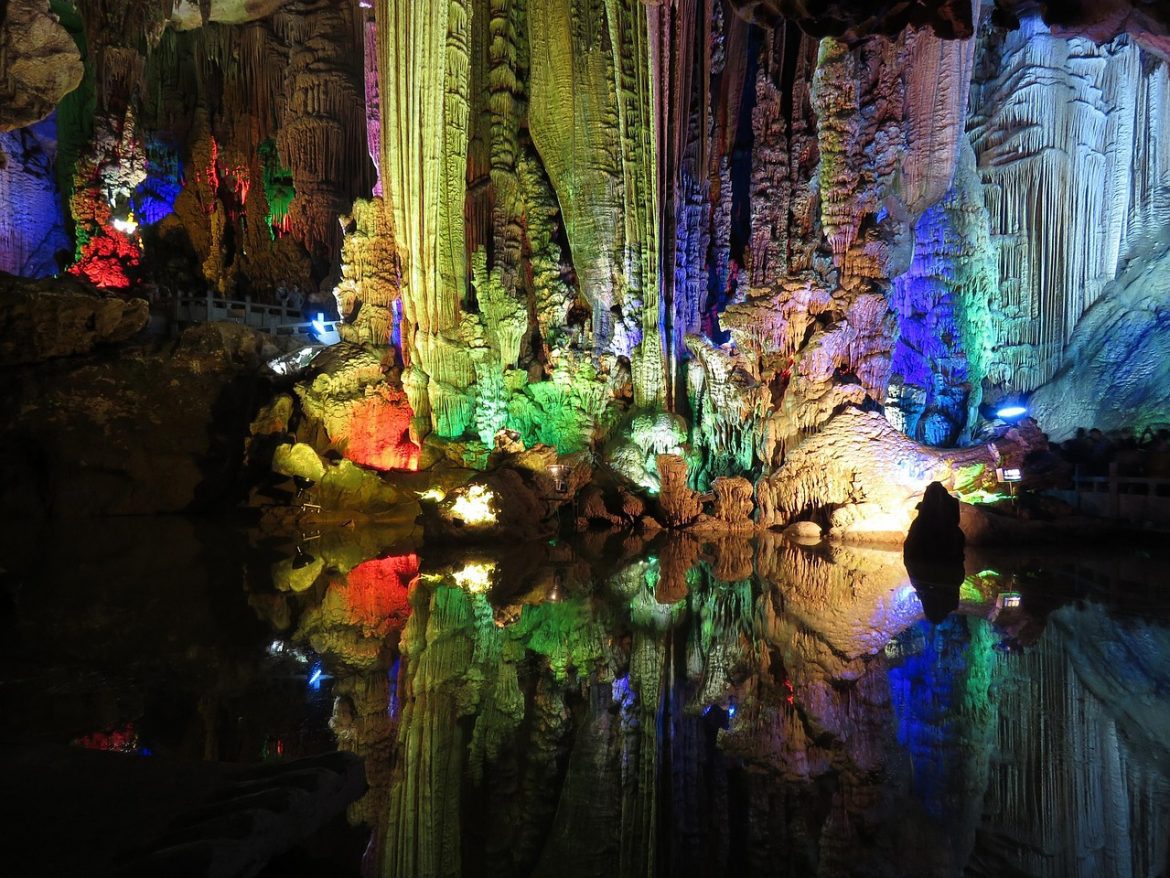
Water Moon Cave, Elephant Trunk Hill, Guilin, China: cave inscriptions make the landmark feel intimate. The Water Moon Cave is a natural arch near the river, and when the water is calm—or when a full moon rises—you may see the “water moon” effect, as if the opening can float on reflection. It’s one of those quiet sights that feels designed by nature, then framed by human imagination.
Carvings and inscriptions inside as a living gallery
Step closer, and you’ll notice carvings and inscriptions that turn the rock into a time-worn book. Some inscription marks are subtle, but together they form a gentle museum without glass—inscriptions inside that reward unhurried looking. You don’t need to read every character to appreciate the intent: people came here to carve memory into stone.
For cultural enthusiasts, there’s a heritage thread reaching back to the Tang dynasty (you’ll sometimes see it referenced as tang), and then onward through the Song and Ming dynasties in Guilin’s wider story. Nearby names and legends occasionally surface in guide narratives—Yunfeng Temple, a Buddhist bodhisattva figure, and even a tale involving a sword—less as hard history than as local insight into how the place is remembered.
Eye cave openings, grotto atmosphere, and respectful care
Look for the eye cave openings—small grotto-like “windows” that make the elephant form feel alive from certain angles. Move gently, watch your step, and keep your voice low; it helps everyone feel the calm the cave naturally holds.
- Carry out litter and avoid damaging vegetation—this is a shared local treasure.
- Don’t touch or trace older carving surfaces; oils and friction can wear them down.
- If you pause for photos, step aside to let others pass without pressure.
Moments like this are a quiet guarantee of meaning: you’re not just passing through an attraction, you’re uncovering a layered story.
Li River tour, Elephant Trunk Hill, Guilin to Yangshuo, China private tour highlights.

Li River tour from Elephant Trunk Hill in Guilin towards Yangshuo and the karst scenery
Li River tour, Elephant Trunk Hill, Guilin to Yangshuo, China, private tour is the natural next step once you’ve met the hill up close. Many cruises start near this area, and even if your boat departs from another pier, Elephant Trunk Hill sets the emotional tone—river first, then mountains like a painted scroll. As the boat moves, you’ll feel the wave and flow settle your thoughts, and the first spectacular outlines of the countryside appear almost without announcement.
Choosing a river cruise or a private tour together
A traditional cruise suits travellers who like an easy, social rhythm, while a private tour can be crafted for photographers, families, or anyone who prefers flexible stops and extra support. If you’re travelling together with friends, a private arrangement often feels more seamless—especially if you want to design the day around light, calm, and a slower lunch.
- Big boat cruise: comfortable, steady, ideal for relaxed sightseeing and easy photos.
- Bamboo raft experience: closer to the water, more sensory, best in good weather on calmer stretches.
- Private tour: flexible timing, tailored pace, and smoother transitions between viewpoints.
As you drift onwards, you’ll understand why Guilin and Yangshuo are so often paired: the journey feels like it’s opening rather than ending. Add a gentle cycle or a small hike in Yangshuo, and you’ll get that satisfying adventure finish without losing comfort.
Night magic, local vendors, and a second highlight in Guilin
Many travellers recount the magical sight of the hill illuminated at night, with vibrant lights tracing the elephant shape along the riverbank. If you can, return after dark for a second, softer highlight—fewer crowds, cooler air, and a different kind of hush. In some local stories, the river near here is nicknamed the Peach Blossom River, and whether or not you hear that name on the ground, the mood can feel quietly romantic.
One solo adventurer told us their favourite memory wasn’t grand at all: it was warm conversations with local vendors, who offered handcrafted souvenirs, shared legends, and recommended snacks with real pride. Try a small local treat, bargain kindly (a smile and a gentle dip in price is usually enough), and you’ll leave with more than an object—you’ll leave with trust in the people who keep Guilin’s riverfront spirit alive.
If you’d like inspiration for how this fits into a wider China itinerary—perhaps Guilin, Yangshuo, and the rice terraces—browse our Trip gallery to see journeys designed with comfort, creativity, and expert reassurance.
F.A.Qs: Elephant Trunk Hill, Guilin, China tour essentials
F.A.Qs: Elephant Trunk Hill, Guilin, China tour essentials
What is special about Elephant Trunk Hill?
Elephant Trunk Hill is special because the rock naturally resembles a giant elephant dipping its trunk into the Li River, making it a landmark of Guilin and a beloved symbol of the city. It also combines easy access, a riverside setting, and cultural details such as Water Moon Cave and historic inscriptions.
How much does it cost to go to Elephant Trunk Hill?
Tickets are commonly quoted at around 75 RMB, but prices can change, so it’s wise to verify the current admission fee before your visit. Costs stay manageable, especially if you arrive in Guilin by public transport and plan snacks and water in advance.
What is the best time to visit Elephant Trunk Hill?
Spring and autumn are generally the best times to visit, thanks to comfortable temperatures and clearer skies. For a calmer experience and better photos, arrive early in the morning before peak crowds, when the river looks smoother, and the light is softer.
How do I get to Elephant Trunk Hill?
Elephant Trunk Hill is located about 5 km from downtown Guilin city. You can reach it easily by taxi or by local public buses, depending on your preference for convenience or budget. Once you arrive, the park paths are straightforward and well-suited to a relaxed pace.
What stayed with me after visiting Elephant Trunk Hill in Guilin, China.
Elephant Trunk Hill, Guilin, reflection, China journey isn’t really about what you did—it’s about what settles into you afterwards, like a quiet poem beside the river. I still remember the way the stone held the morning, and how Guilin felt gentler than I expected: not a performance of beauty, but a steady presence.
There’s a contrast that stays with you. Dawn stillness on the hill, midday shade in the cave, and then the evening glow across the water—three moods in one day, each offering a different kind of confidence. Somewhere between the steps, the reflections, and the soft hush of boats passing, the place becomes personal.
I think too of small kindnesses: a vendor taking time to explain a legend, a stranger pointing out the best angle without fuss, the shared care of people who live beside this landmark. It reminds you that travelling well in China’s famous places isn’t about rushing to the next sight; it’s about learning to notice, and to tread lightly.
And sometimes, when I picture the Li River at night, I can almost see the outline again—stone and light, water and shadow—waiting at the next bend, as if the journey is still quietly unfolding.