Post Contents
- Independence Palace Saigon Vietnam: Reunification Palace history and the Vietnam War turning point
- Visiting Independence Palace in Ho Chi Minh City: tickets, opening hours, and District 1 location
- Reunification Palace (Independence Palace Vietnam): reception halls, residence and office, and Nguyen Van Thieu
- Independence Palace war room and rooftop helipad: Ho Chi Minh City Vietnam War context
- Independence Palace underground bunkers and tunnels: Dinh Độc Lập in Saigon, Vietnam
- What Stayed With Me After Independence Palace in Ho Chi Minh City, Vietnam
- F.A.Qs: Independence Palace Saigon, Vietnam
Independence Palace Saigon Vietnam: Reunification Palace history and the Vietnam War turning point
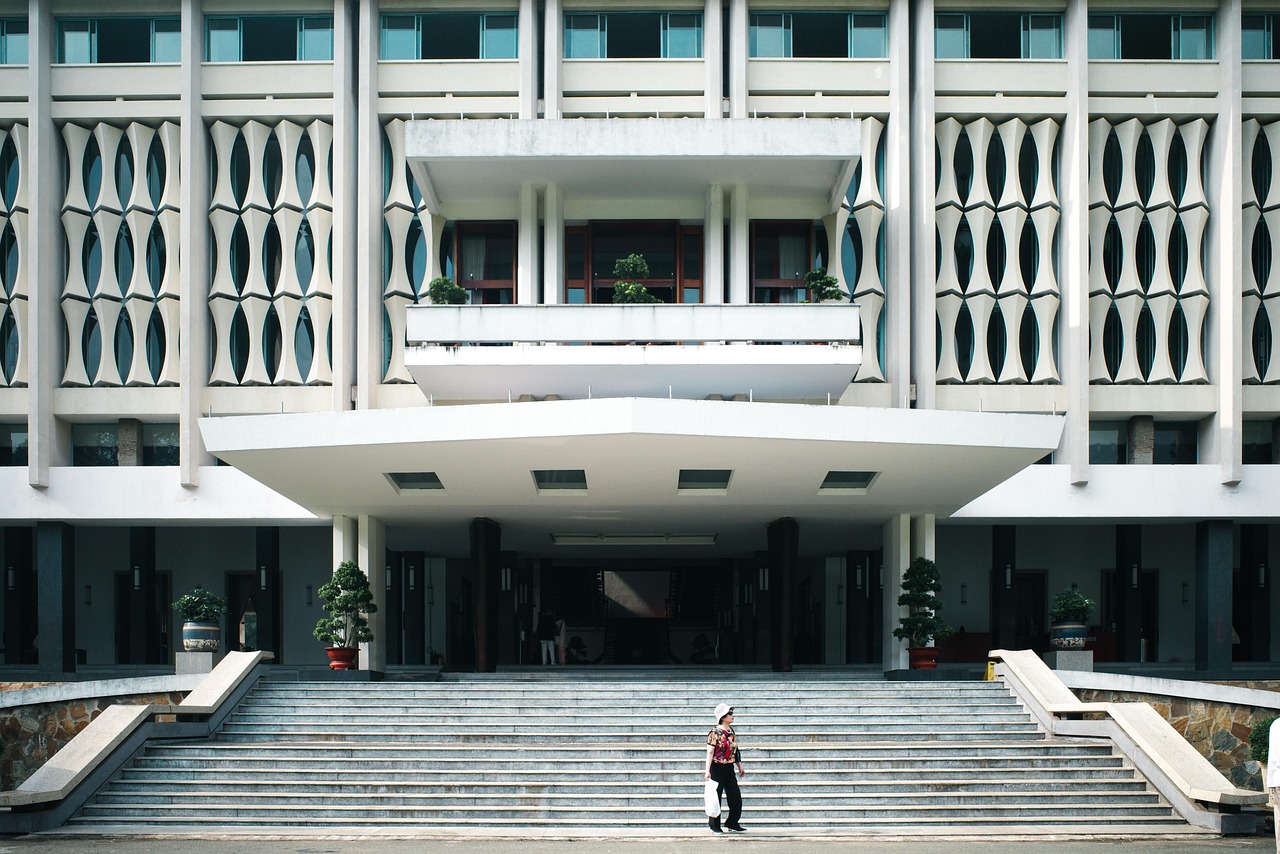
Independence Palace in Saigon: modernist lines behind a pivotal reunification story
The history of independence palace in independence palace saigon vietnam is best understood as a living timeline rather than a single photo-op. Before today’s building, the site was the Norodom Palace, a French colonial residence, with the story commonly traced back to norodom palace in 1868. That long arc matters because it explains why this address became such a charged political stage in Saigon, and why it still draws travellers who want context—not just images.
After 1954, Vietnam’s history split into competing futures, and the Republic of Vietnam established its seat of power in the south. The building served as the home and home and workplace of the president of the republic, shaping daily life as much as policy: arrivals, ceremony, security, and press optics. For southern vietnam, it became the quiet stage where authority was performed—and where the weight of the era could be felt even in ordinary routines.
From Norodom Palace to Independence Palace: power, design, and public symbolism
In time, the site moved through the pivotal shift of norodom palace to independence palace, becoming a place where the official story of the state was carefully presented. You can feel how the approach is choreographed: broad lawns, set-back façades, and a controlled arrival sequence that reads as both welcoming and guarded. It’s a reminder of Vietnam’s ability to layer meaning into space.
That symbolism sharpened under president ngo dinh diem (also known as prime minister ngo dinh diem early in his political ascent). In a defining decision, ngo dinh diem ordered a new palace after earlier structures were damaged, commissioning a design that would look forward while carrying deep cultural references. The rebuilt complex soon became the home of the state’s most visible power rituals.
A new palace completed in 1966: modernism, Vietnamese motifs, and Ngo Viet Thu’s vision
Vietnamese architect ngo viet thu delivered the vision, and architect ngo viet thu envisioned viet thu envisioned a building that balanced modernist confidence with Vietnamese motifs. In plain terms: it feels sleek, but never anonymous or generic. The new palace was completed in 1966, and the palace in 1966 quickly became a landmark in ho chi minh for visitors and locals alike.
All of this leads, gently but inevitably, to april 1975. On 30 april 1975—marking the end, the end of the vietnam war, and the fall of saigon—the imagery of tanks at the gates entered global memory as Vietnam’s reunification became real. Within the final hours, duong van minh faced surrender while messages rippled through the saigon radio station. Today the palace’s historical significance is protected as a special national relic in the socialist republic of vietnam, and walking these corridors feels less like spectacle and more like a clear-eyed lesson in vietnamese history.


Visiting Independence Palace in Ho Chi Minh City: tickets, opening hours, and District 1 location
Visiting Independence Palace in District 1: first steps through the main entrance
If you’re visiting independence palace in ho chi minh city, the good news is that it’s one of the most straightforward cultural and historical stops in the centre. This historical site sits in District 1, close to nam ky khoi nghia street, nguyen thi minh khai, and huyen tran cong chua, with tao dan park nearby for a shaded decompression after your walk. From tan son nhat international airport, a taxi transfer is typically seamless, and arriving early gives you space to read the rooms rather than just move through them.
As a practical note, independence palace is open daily in typical daytime hours (check locally for seasonal variations and closures). The entry fee is around 40,000 VND (about $1.75 USD), and there’s free admission on the first Sunday of each month—an unexpectedly budget-friendly detail for such an important stop. It’s also open to visitors who prefer a quieter pace: go early, then build your day with cafés and galleries around the palace.
Best time to visit: weather, crowds, and how long to plan your visit
The best time to visit is early morning, especially from december to april when the dry season makes walking more comfortable. Expect to spend 1.5 to 2 hours if you want to move slowly, absorb signage, and let the rooms speak for themselves. If you’re treating it as the signature palace in ho chi minh experience, give yourself a little extra time for the gardens and photography stops.
- Wear comfortable shoes, because the palace grounds and corridors add up quickly.
- Don’t bring large bags; security and storage rules are part of the care taken with exhibits and flow.
- Plan your visit with a little buffer so you can sit, look, and imagine the past without feeling hurried.
Etiquette at the gates of the independence palace: what to know before you enter
At the gates, the mood is more reflective than loud, and the gates of the palace set that tone immediately. Speak softly, follow local etiquette, and note that photography is restricted in certain areas to protect collections and spaces that still carry sensitive meaning. This gentle structure helps everyone share the experience respectfully, especially when District 1 is busy.
If you’re building a wider itinerary, our Trip gallery can help you create a crafted route through Vietnam that balances design, historical and cultural depth, and time to breathe.
Reunification Palace (Independence Palace Vietnam): reception halls, residence and office, and Nguyen Van Thieu
Reunification Palace interiors: preserved reception halls and 1960s design details
The reunification palace interiors are where the building becomes intimately human. The reception halls and meeting rooms aren’t staged—they’re preserved in a way that lets you see how decisions were made, from seating layouts to sightlines. The 1960s aesthetic is unmistakable: clean lines, warm woods, and a calm formality that feels almost cinematic.
At different points, independence palace served as the residence and office of a south vietnamese president, and it also served as the residence for private routines behind the public façade. You’ll move through ceremony spaces, working areas, and the president’s living quarters that quietly underline how politics never truly clocked off. In the later period, references to nguyen van thieu and president nguyen van thieu appear naturally in the story of south vietnam and the south vietnamese leadership style of the era.
Reception halls where a state performed itself—protocol, perspective, and atmosphere
Move slowly through the grand rooms and you’ll notice how the layout guides you—formal spaces first, then more controlled zones beyond. For high-end travellers, this is the kind of insight that enriches everything else you see in ho chi minh city: it’s not just what happened, but how a place was built to hold it. Seeing these preserved interiors also adds clarity to the wider story of the republic of vietnam and the choices that shaped a divided country.
A personal moment in a former president’s chair and the pull of authentic details
I still remember the moment I sat in the former president’s chair, carefully, as permitted. For a second, it wasn’t abstract history any more; it was physical, measured, and surprisingly heavy. You’re surrounded by authentic details and, in one room, historical artifacts that make the past feel tangible without needing drama.
As you look around, the design language stays consistent—confident modernism, but with symbolism that never feels loud. That restraint is part of why the space reads as both a museum and a lived environment. It’s also where the story of the south vietnamese government becomes less theoretical and more human.
Independence Palace war room and rooftop helipad: Ho Chi Minh City Vietnam War context
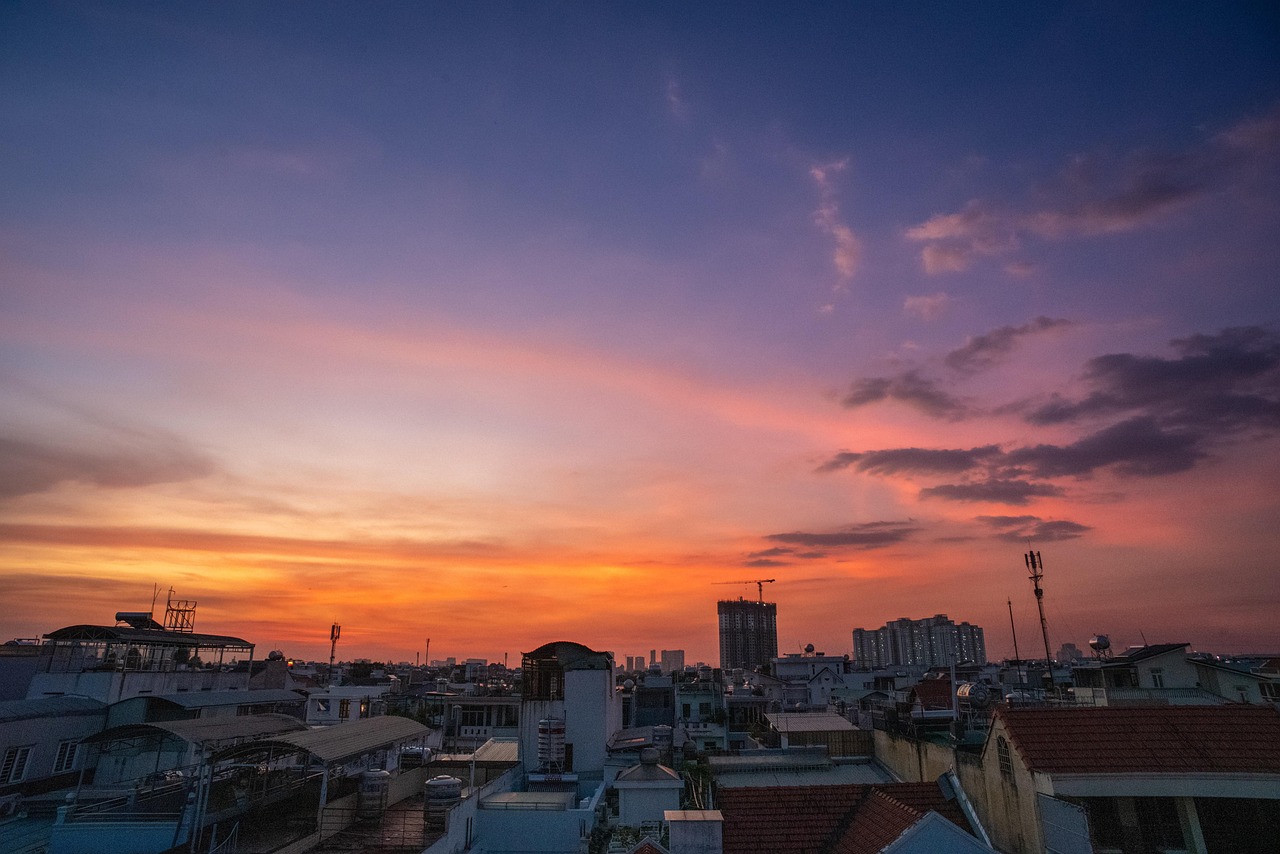
Independence Palace at sunset: war-room history below, rooftop views above
The war-room level shifts the mood from elegant to operational. In the war room, maps, communications equipment, and structured layouts reveal how the palace supported command during conflict. It’s a steady, factual window into the vietnam war era—more about systems, contingency planning, and pressure than heroics.
Inside the war room: planning, communications, and the feeling of controlled spaces
There’s an eerie calm here, the kind that makes you lower your voice without being told. One traveller described it perfectly: inside, the atmosphere feels sealed and controlled; outside, Saigon’s motorbikes and cafés keep moving, as if in a different world. That contrast turns this room into something quietly unforgettable.
As you connect the dots, the narrative naturally touches the north vietnamese advance and the end of the war. Seeing the spaces where plans were coordinated makes the broader timeline easier to grasp, including why the building is treated as important historical evidence rather than a simple photo stop.
Rooftop helipad views: the UH-1 display and Ho Chi Minh City’s skyline
Up on the rooftop helipad, you get panoramic views across ho chi minh city’s skyline—glass towers, older rooftops, and long streets that keep unspooling. The uh-1 display adds context, helping you imagine the logistical reality of the time while standing in today’s breeze. It’s a small detail, but one that bridges memory and place.
- Pause at the edges for perspective rather than the perfect shot.
- Notice how the rooftop’s openness changes your sense of the building’s scale.
- Let the view support reflection before you descend back into detail.
Independence Palace underground bunkers and tunnels: Dinh Độc Lập in Saigon, Vietnam
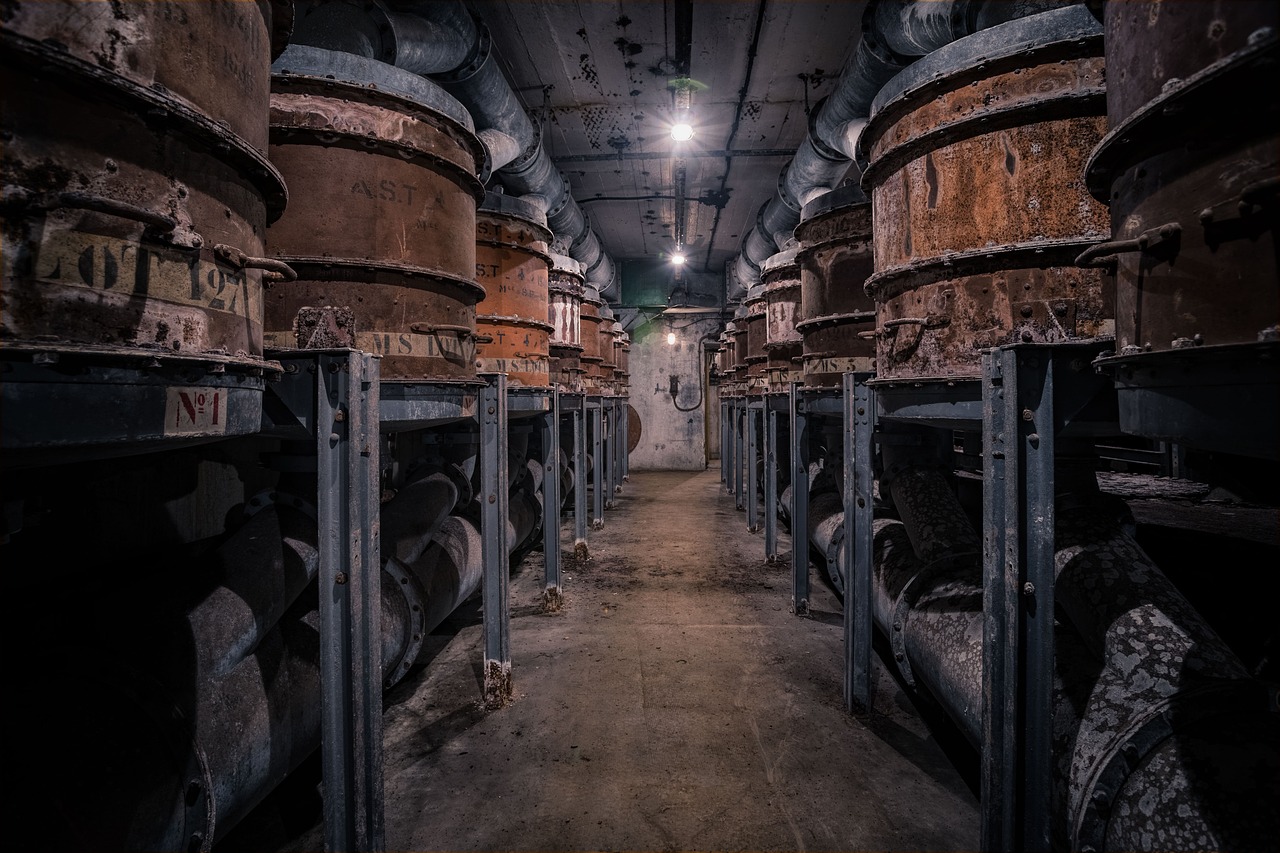
Underground bunkers at Dinh Độc Lập: tunnels beneath Independence Palace
The underground bunkers are where many adventure seekers feel the most immediate connection. Descending below ground, the air changes and the space tightens; it’s quieter, narrower, and more intimate than the grand rooms above. It doesn’t take long to understand how these tunnels were meant to protect continuity of command—and the people inside them.
Descending into dinh: names, language, and the layers of reunification
Locals may refer to the site as dinh độc lập, or simply dinh, while many visitors switch between reunification palace and independence palace in ho chi. You’ll also hear independence palace vietnam used in conversation, especially when people compare it with other attractions in ho chi minh. Those different names don’t conflict; they reflect layers of memory, language, and reunification.
One afternoon, a local guide shared something personal: family stories linked to the south vietnamese administration, offered with care rather than judgement. That kind of local insight can be unexpectedly moving, because it reminds you this isn’t only politics—it’s households, choices, and the way history lands in ordinary lives. It’s also where dinh độc lập becomes more than a label and feels like a lived place.
Respectful behaviour underground: preserving spaces and the past
Down here, trust is built through small actions. Refrain from touching exhibits unless permitted, and keep your voice low so others can absorb the atmosphere. Photography rules may be stricter in parts of the bunker, and following them is part of how the site preserves what remains.
When you emerge back into daylight, the city’s sound returns in an instant—proof that ho chi minh city holds many timelines at once, side by side. It’s one of the quiet reasons this stop feels so worth visiting for travellers who want depth.
What Stayed With Me After Independence Palace in Ho Chi Minh City, Vietnam
What stayed with me wasn’t a single fact, but a feeling: the calm scale of the corridors, the soft light on polished wood, and the strange closeness of standing where history turned. This independence palace in saigon doesn’t insist on drama; it simply lets you be present long enough for the past to feel like a lived layer beneath the present. The calmness is part of its power, especially after you’ve seen both the halls above and the bunkers below.
I found myself thinking about how reunification can read as a headline until you walk through preserved rooms and realise how personal it was for those inside—and for those waiting beyond the gates. Even small details linger: a staircase that seems to hold its breath, a doorway framing a view, the hush of a room that once carried enormous pressure. It’s a rare experience where architecture and politics share the same air.
Travelling with confidence isn’t about collecting more places in a day. It’s about slowing down and letting a place reshape you in quiet ways—so you leave with more understanding than you arrived with. Long after you step back into the hum of the city, you may still wonder what other stories Vietnam is holding, just out of sight, in other famous historical corners of the country.
F.A.Qs: Independence Palace Saigon, Vietnam
F.A.Qs for first-time visitors to Independence Palace in Saigon
What is the significance of the Independence Palace in Saigon?
Independence Palace in Saigon is significant because it was the political centre of South Vietnam and a symbol of state power, later becoming closely associated with April 1975 and Vietnam’s reunification. Its preserved rooms, command areas, and underground spaces make modern history tangible in a way that museums sometimes can’t.
Is Independence Palace worth visiting?
Yes—if you want a calm, meaningful look at 20th-century Vietnam through preserved architecture and authentic spaces. The reception halls, war room, rooftop helipad, and underground bunkers create a layered visit that suits travellers who value insight as much as atmosphere.
How much is entry to Independence Palace?
Entry is around 40,000 VND (roughly $1.75 USD), making it one of the most accessible cultural visits in District 1. There is also free admission on the first Sunday of each month, though it can be busier then, so earlier arrival helps.
What is the most famous palace in Vietnam?
It depends on your interests, but Independence Palace (also called reunification palace) is among the most famous palaces in Vietnam because of its role in modern history. For many visitors, it’s the palace that best connects architecture, politics, and lived memory in one place.