Post Contents
- Temple of Literature Hanoi Vietnam attraction guide for adventure seekers
- History of the Temple of Literature Hanoi Vietnam confucianism first university
- Temple of Literature in Hanoi five courtyards Khue Van Pavilion route
- Visit the Temple of Literature Hanoi Vietnam with calm planning and care
- F.A.Qs: Temple of Literature Hanoi Vietnam
Temple of Literature Hanoi Vietnam attraction guide for adventure seekers
Temple of Literature Hanoi as an Attraction for Adventure Seekers in Vietnam
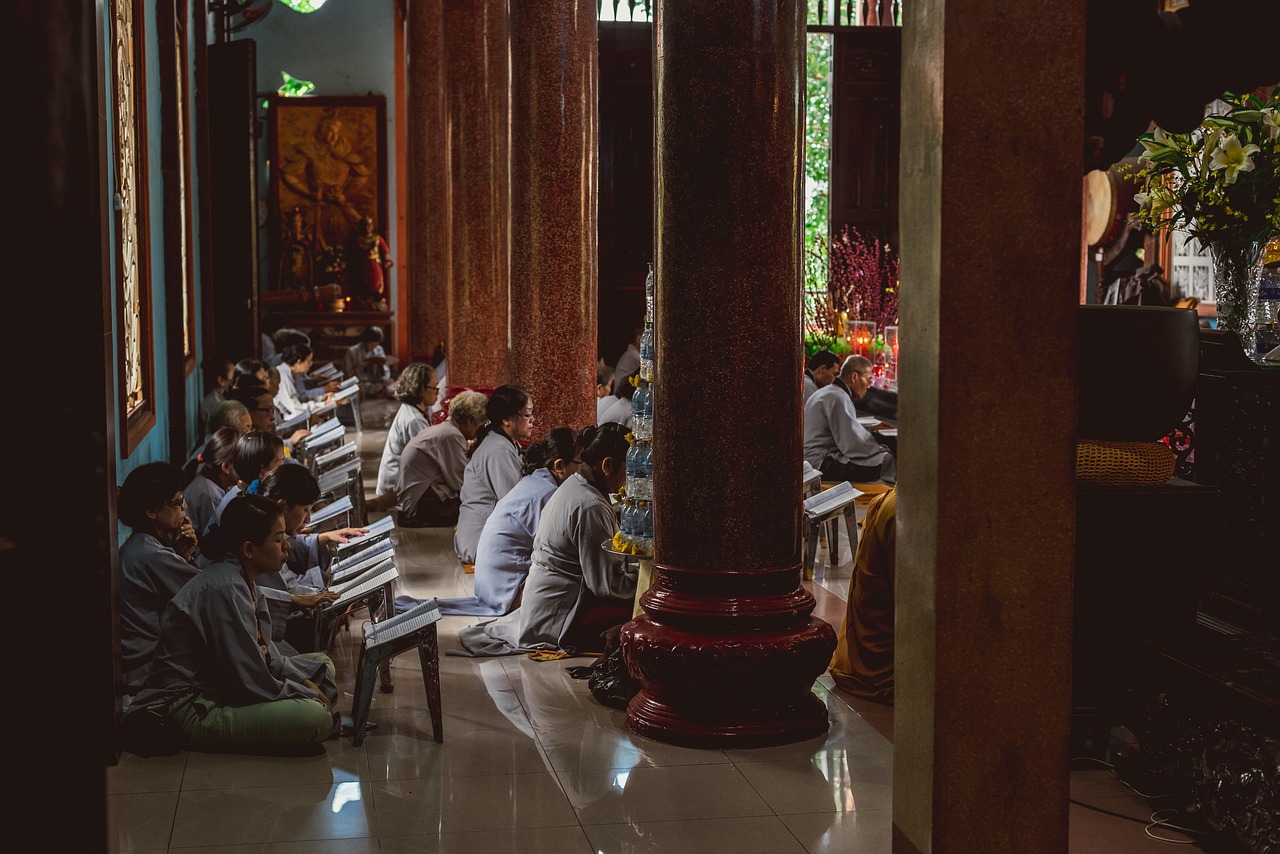
Seen from the street, Hanoi can feel like a thrilling current of scooters, café conversations, and quick decisions. Step into the temple of literature and the pace changes; this attraction invites you to explore with care, not rush for a checklist shot. Adventure seekers often come expecting architecture, yet leave with something more personal: a quiet trust in Vietnam’s long devotion to learning.
This is the temple of literature complex, known locally as Văn Miếu, and it served as Vietnam’s first national university in spirit and practice. It was founded in 1070 by Emperor Ly Thanh Tong (Lý), created to honour scholarship and set standards for the nation’s future leaders. There’s a crafted elegance to how the space is designed—gates, courtyards, and gardens that feel like chapters you walk through together.
Văn Miếu and Vietnam’s first university in Hanoi
Even if you’ve taken many cultural stops across Vietnam, Hanoi’s temple of literature offers a particularly reassuring entry point into Vietnamese history. The layout guides you from the outer calm to deeper sanctuaries, helping you discover meaning as you go rather than demanding prior knowledge. If you’re travelling with friends or family, it’s also an easy place to create shared moments—standing under shade, reading inscriptions, and choosing what to linger on.
Designer Journeys travellers often tell us the same thing: visitors to the temple don’t just “see” it—they feel a surprising sense of calm. The city noise fades, and the mind makes space for curiosity. It’s an ideal reset between the Old Quarter’s buzz and your next adventure.
Uncover Confucius and his disciples and the Khue Van moment
Inside, you’ll uncover layers connected to Confucius and his disciples, and the learning traditions that shaped Hanoi and Vietnam. The Imperial Academy (Quoc Tu Giam / Quốc Tử Giám) adds a powerful educational thread—this wasn’t simply ceremonial, it was a training ground for scholars. Then, almost like a signature, you’ll meet the standout Khue Van Pavilion, a symbol of Hanoi that many travellers recognise long after they leave.
If you want a visual preview before you go, our Trip gallery offers inspiration for slow, design-led days in Hanoi and beyond.
- How to approach it: imagine each gate as a soft threshold—your cue to slow down, look up, and listen.
- What to hold in mind: this place honours learning, discipline, and character, not spectacle.
- What you’ll likely feel: a gentle steadiness—especially near the water and shaded courtyards.


History of the Temple of Literature Hanoi Vietnam confucianism first university
History of the Temple of Literature and Confucianism in Vietnam
The history of the temple of literature in Hanoi, Vietnam is beautifully direct: it was dedicated to Confucius, founded in 1070, and then expanded when the Imperial Academy was established in 1076. In other words, it served as the country’s first, and remains Vietnam’s first university in the national imagination. For many travellers, that clarity is part of the appeal—you can sense purpose in the symmetry, the inscriptions, and the quiet respect that locals bring to the grounds.
At its heart is confucianism: a philosophy that values learning, moral character, and discipline, and that encouraged generations to study not for status alone, but for service. You don’t need to be an academic to connect with it. On a trip to Vietnam, it can feel unexpectedly modern—an invitation to choose patience over speed, and insight over noise.
History of the temple through the stelae and doctoral names
One of the most moving details is the collection of stele and stelae: 82 doctoral examination steles that record the names of scholars who passed. Each stele is set on stone turtles, a symbol of longevity, as if knowledge itself should endure. You’ll notice people reading quietly, sometimes tracing lines with their eyes as if trying to imagine the lives behind the formal characters.
A traveller once told us they sat by the lotus pond for a long time, feeling deep tranquillity and respect. They weren’t trying to “cover” the site; they were simply present—watching light shift across the water, then looking back to the engraved names and picturing families celebrating, teachers guiding, and students carrying hopes into their exams. That personal stillness is often the most honest souvenir of Hanoi.
Well of Heavenly Clarity as a pause for heavenly clarity
As you move between courtyards, the Well of Heavenly Clarity offers a gentle pause-point. The phrase “heavenly clarity” can sound poetic, but here it feels practical: a moment to breathe, reset, and let the place meet you where you are. This is a temple that rewards slow attention—especially if Hanoi has been thrillingly full.
- Look for: the balance between water, stone, and shade—an intentional calm within Hanoi.
- Read with care: the stele are historical records and lived memory, not just décor.
- Notice behaviour: locals often lower voices naturally; follow their lead with quiet confidence.
Temple of Literature in Hanoi five courtyards Khue Van Pavilion route
Explore the Five Courtyards and Khue Van Pavilion Details
To make the most of the temple of literature in Hanoi, it helps to walk it like a story rather than an itinerary. This practical route mirrors what you’ll naturally do on arrival, and it suits adventure seekers who enjoy exploring with intention. Use the courtyards as a rhythm: step in, look around, then keep going when you’re ready.
Five courtyards from first courtyard to fourth courtyard
Begin in the first courtyard, where the entrance gates frame your first impression of traditional Vietnamese architecture. Notice how the gardens and paths soften the city edge; ponds, trees, and tiled walkways create a calm corridor into the complex. As you progress, pagoda-style elements and layered doorways keep revealing new angles, like a design that’s meant to be discovered slowly.
By the time you reach the fourth courtyard, you’ll sense you’ve moved from public space to something more inward. Here you can find the house of ceremonies, built in 1805, which signals later eras of care and restoration. The details aren’t loud; they’re precise—an architectural way of teaching discipline without speaking.
Khue Van Pavilion as the constellation of literature
Khue Van Pavilion is often the moment travellers stop and smile. Its name references the constellation of literature, and it stands as a proud emblem of education heritage. If you love photography, frame the pavilion with the courtyard symmetry; if you prefer a quieter memory, stand slightly aside and watch how other visitors approach it—some pose, others simply pause.
It’s also easy to see why this is a symbol of Hanoi: the structure feels both delicate and enduring, like a promise that learning matters. In the right light, the red tones and circular window patterns look almost theatrical, yet the mood remains gentle.
Occasionally, the temple hosts cultural events such as local calligraphy demonstrations and flower festivals. When that happens, the experience becomes wonderfully human—artists explaining strokes with patience, families sharing photos, students listening closely. If you’re photographing, do it with trust and care: avoid blocking performers, and be mindful of worshippers moving through.
- Listen: birds in the trees and footsteps on tiles—the calm contrast to Hanoi streets is part of the magic.
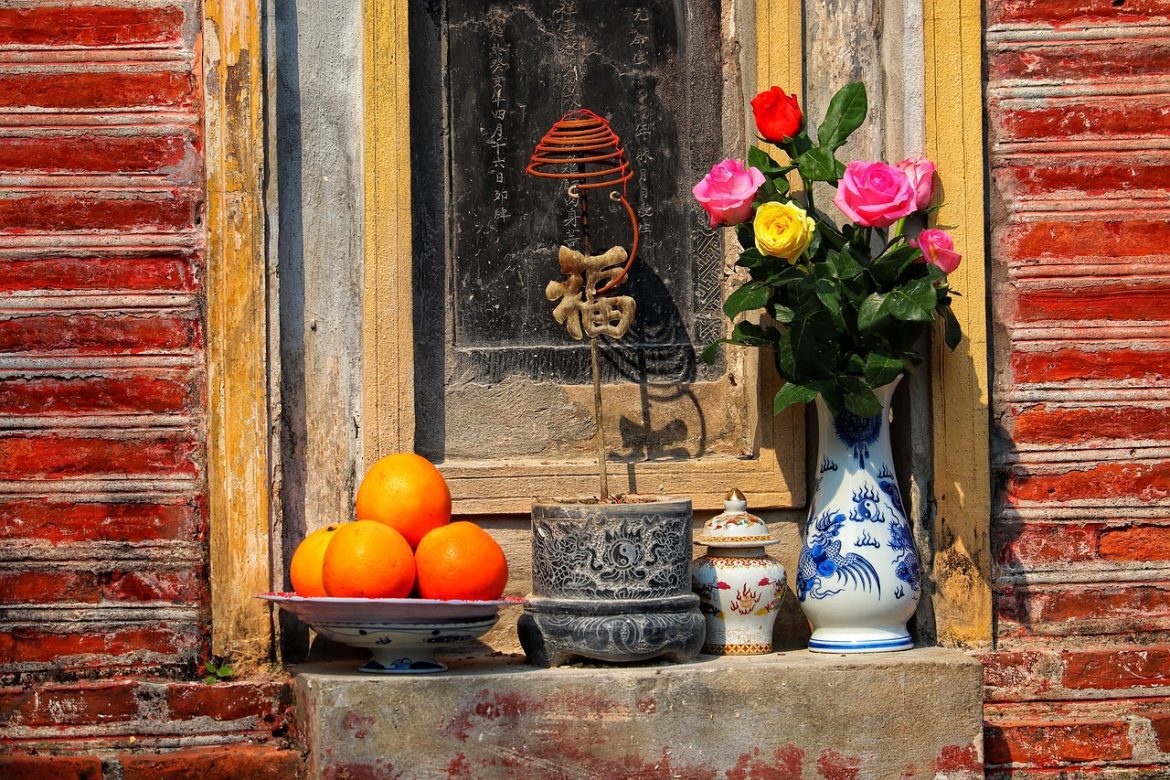
- Look for: văn motifs and a statue or two that quietly anchor the scholarly theme.
- Move well: explore slowly, then step aside to let others pass—especially during festivals.
Visit the Temple of Literature Hanoi Vietnam with calm planning and care
Later, what you may remember isn’t a list of facts, but the way the day was designed: a gentle start, unhurried walking, and the feeling that Hanoi can hold both intensity and quiet. The temple of literature is located in central Hanoi, and many travellers recall the small ease of arriving by taxi or motorbike from the Old Quarter—watching the city change outside the window, then stepping into shade.
Best time memories tend to form at the edges of the day. If you visit the temple of literature early morning or in late afternoon, the air is cooler and the courtyards feel more spacious. Weekends and Vietnamese public holidays can be lively; a weekday visit often creates that rare sense of having time again, even in Hanoi city.
Near the temple of literature and the comfort details
The practical touches matter because they protect the mood. Many people are pleasantly surprised that the admission fee is typically under 50,000 VND, and that a modest dress choice feels like a simple gesture of respect. Comfortable shoes and water help you stay present, especially if you like to linger by the ponds and gardens.
To add meaning, consider an expert guide or a quality audio guide app. It can turn quiet corners into stories—about scholars, doctoral exams, and the Nguyen period, including references to the Nguyen dynasty that shaped later rituals. This kind of support doesn’t crowd the experience; it deepens it.
Near the temple stops that keep your day seamless
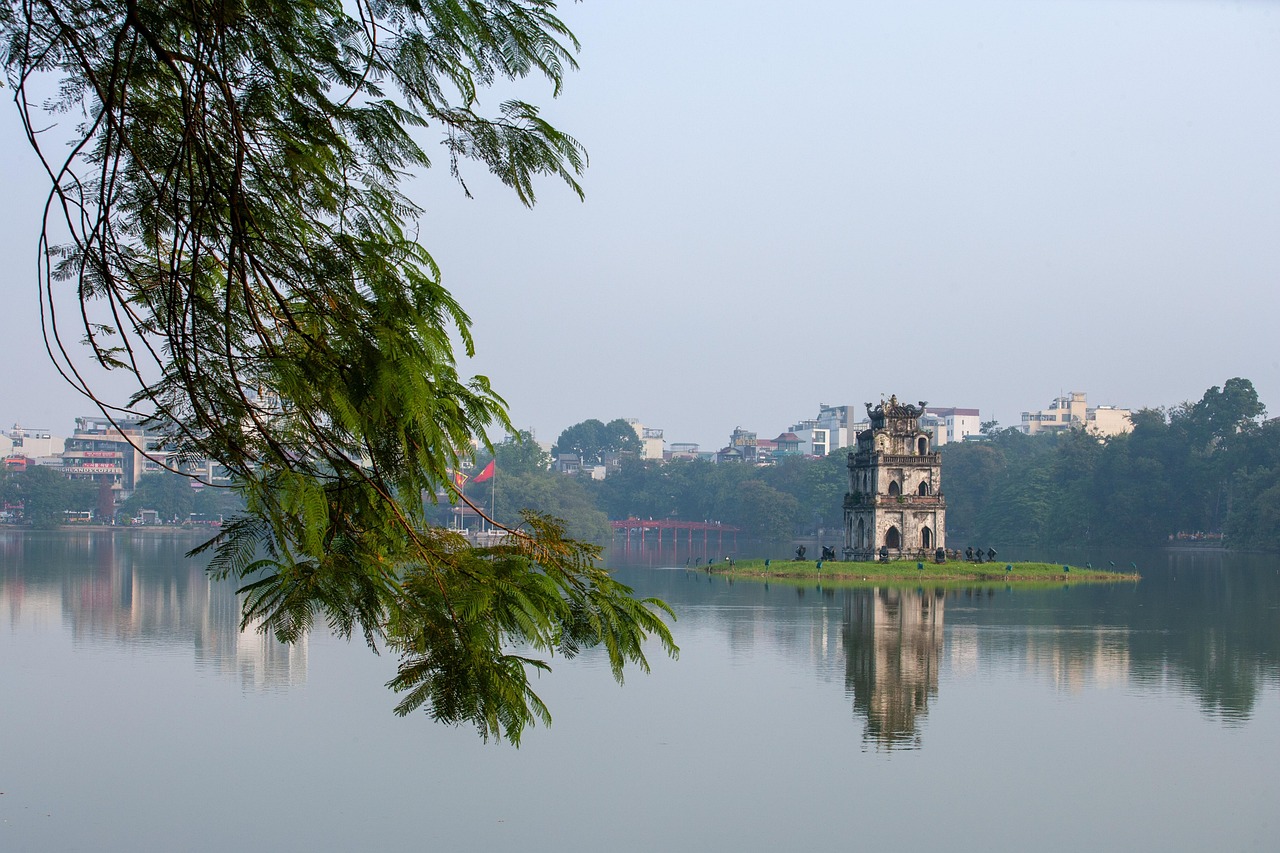
When you step back into the city, you’re well-placed for other attractions in Hanoi. Pair the temple with Hoan Kiem Lake for an easy stroll, or choose a more historical and cultural arc with the Imperial Citadel. If you want a different spiritual note, One Pillar Pagoda offers a compact, photogenic counterpoint, and the Ho Chi Minh Mausoleum adds a solemn perspective to Vietnam’s modern story.
Near the temple, a simple coffee or light snack can be a grounding reset—an unspoken permission to sit, reflect, and let the learning theme settle. If you’re planning tours in Hanoi, this stop works beautifully as a calm centrepiece between busier neighbourhoods, and as one of the most meaningful historical relics in Hanoi.
What stays, though, is subtler: the way reading names can make you think about ambition differently, or how silence in a courtyard can feel like confidence rather than emptiness. Hanoi temple of literature doesn’t demand belief—it offers space, and many travellers leave with a gentler relationship to study, patience, and Vietnamese culture. You may find yourself returning to the idea later, wondering what else Vietnam might teach you when you slow down enough to notice.
F.A.Qs: Temple of Literature Hanoi Vietnam
Is Temple of Literature in Hanoi worth visiting?
Yes, especially if you enjoy places with rich history and culture. The temple of literature offers a calm, beautifully designed setting in Hanoi, with gardens, courtyards, and scholar steles that feel meaningful even without deep prior knowledge.
What is the significance of the Temple of Literature Hanoi?
The significance of the temple is that it was Vietnam’s first university and a key centre of learning, honouring Confucius and the country’s scholar tradition. Its courtyards and doctoral steles preserve Vietnamese history in a way that feels personal and reflective.
Is there a dress code for Temple of Literature Hanoi?
Modest dress is recommended, as this is a respected educational and spiritual site in Hanoi. Choose covered shoulders and clothing that feels considerate, especially if you visit during ceremonies or cultural events.
How long do you need at the Temple of Literature?
Most travellers spend 60–90 minutes, but 2 hours is ideal if you want to explore slowly, read the stele inscriptions, and enjoy the ponds and pavilion without feeling rushed. Arriving early or late often makes that time feel more spacious.