Post Contents
- Why visit My Son Sanctuary in Central Vietnam UNESCO World Heritage site
- History of My Son Sanctuary and the Champa Kingdom Hindu temples Vietnam
- Explore My Son Sanctuary temples and sacred highlights explore My Son Sanctuary
- See My Son Sanctuary at sunrise and on jungle trails see at My Son Sanctuary
- Getting there by private car from Hoi An or Da Nang private car or taxi to My Son Sanctuary from Hoi An and Da Nang Vietnam
- What stayed with me after My Son in Vietnam My Son Sanctuary Vietnam personal reflection cultural heritage
- F.A.Qs: My Son Sanctuary Vietnam
Why visit My Son Sanctuary in Central Vietnam UNESCO World Heritage site
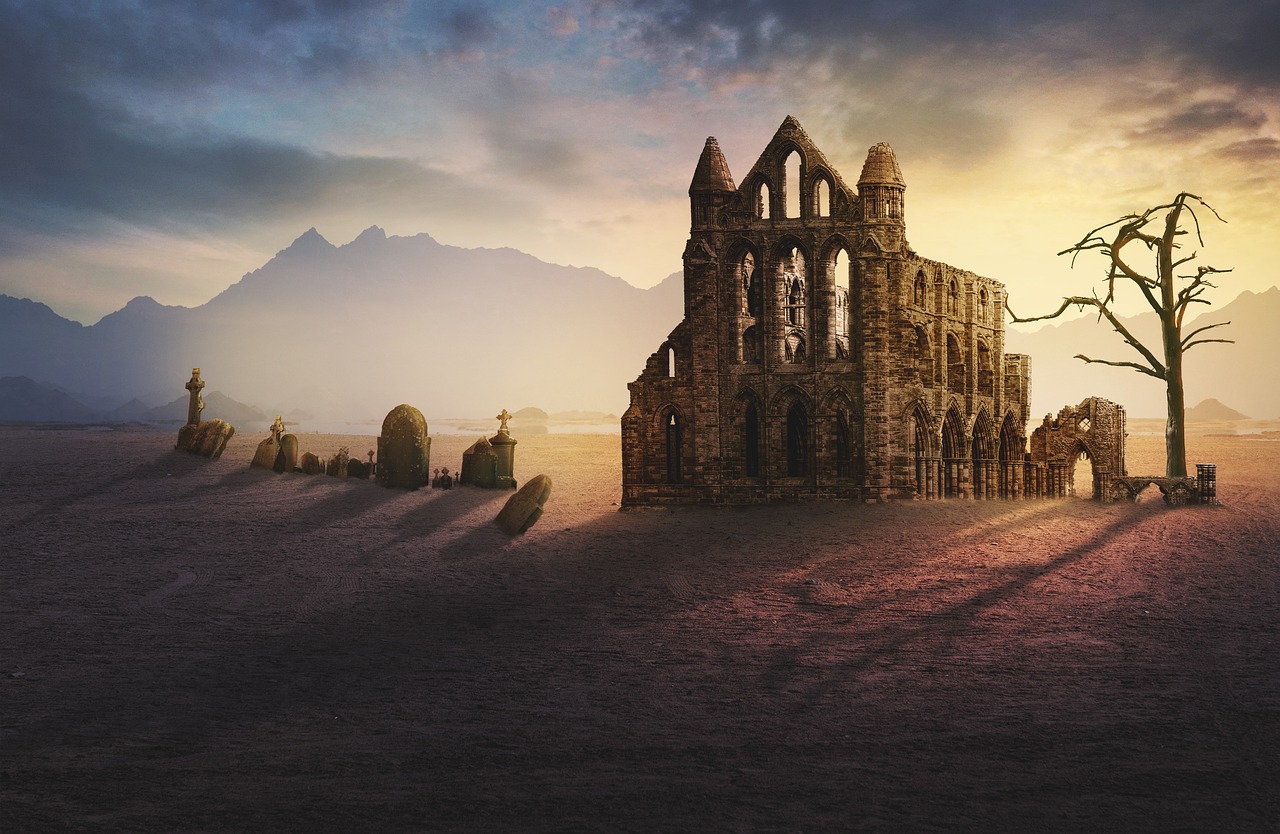
Why visit My Son Sanctuary in Central Vietnam UNESCO World Heritage site in a lush valley
To visit My Son Sanctuary Central Vietnam UNESCO World Heritage site is to step into a green, bowl-shaped valley where birdsong and warm air soften the edges of history. The son sanctuary feels remote enough to stir the imagination, yet reachable as a calm day trip from Hoi An or near Da Nang. For adventure seekers with a cultural heart, it’s the ideal mix: open-air exploration, short walks between temple clusters, and long pauses for perspective.
This is a place for travellers who like their stories tactile. Many people describe a quiet awe at standing beside centuries-old red brick work, close enough to see how each line was crafted. You don’t need to rush or “do it all”; with a supportive plan—early start, shade breaks, and a steady pace—the experience stays inspiring rather than exhausting.
Visit My Son Sanctuary for a first look at the sacred valley
Your first impressions are wonderfully clear: scattered temple groupings, pathways threading through greenery, and an iconic central tower shape that anchors the landscape. As you explore, you’ll notice how the setting itself guides you—views open and close as if the valley is revealing the ruins in stages, not all at once.
Even if you’ve seen grander monuments elsewhere, My Son has intimacy. You’re close enough to spot intricate carvings and weathered details that feel personal, not distant behind barriers. That closeness is part of what makes the son sanctuary such a memorable cultural stop in Vietnam.
What you’ll see quickly in the temple clusters
To help you create a calm mental map from the beginning, here are the highlights most travellers naturally gravitate towards:
- Temple clusters in small clearings, each with its own mood and light
- The Lion Courtyard area, often a favourite for photos and guided explanations
- The central tower silhouette that hints at sacred purpose and ceremony
From this “first look”, it’s easy to settle into the rhythm: walk, uncover details, pause, and let the atmosphere do some of the storytelling for you.


History of My Son Sanctuary and the Champa Kingdom Hindu temples Vietnam
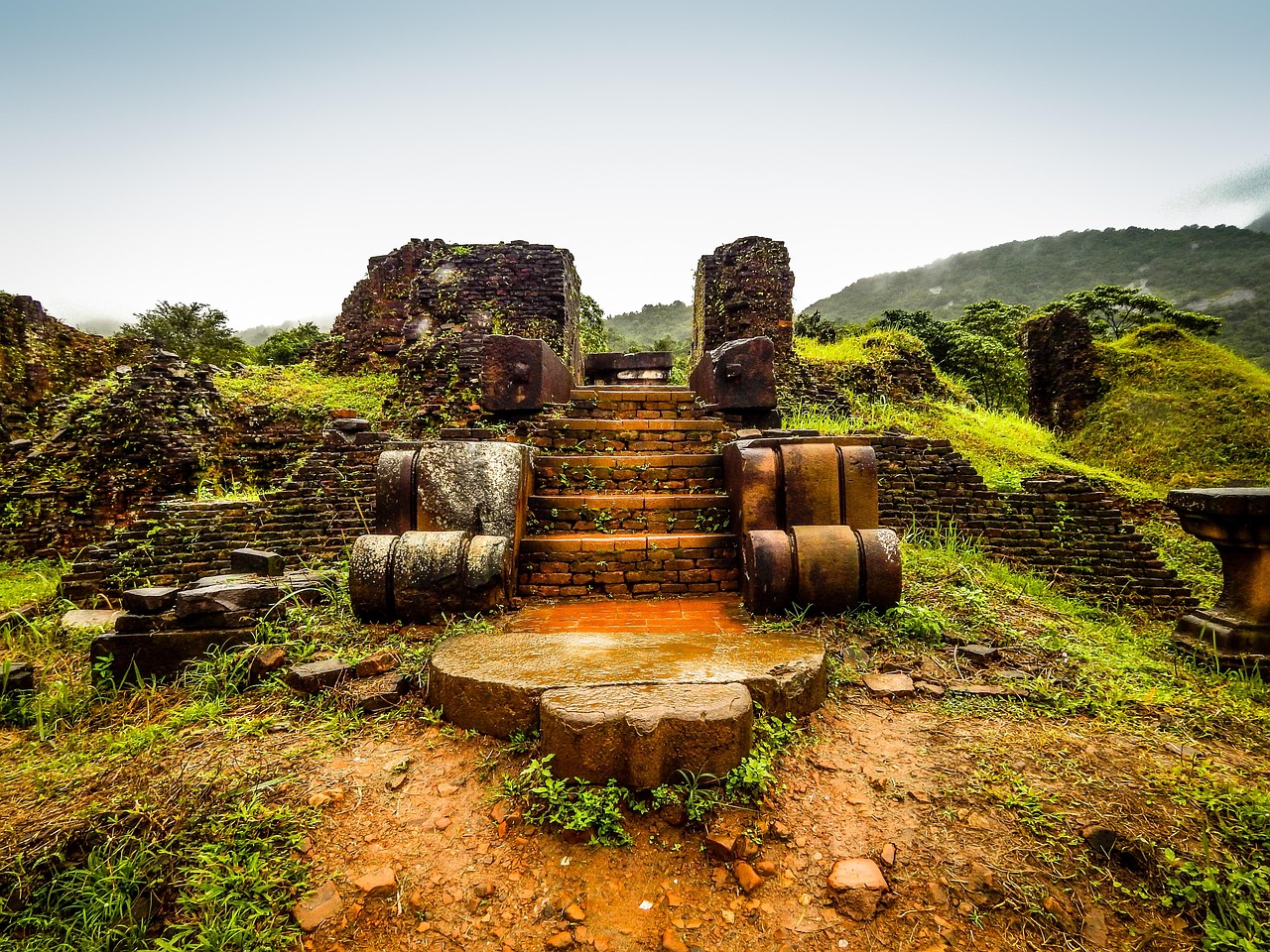
History of My Son Sanctuary and the Champa Kingdom Hindu temples Vietnam
The history of My Son Sanctuary Champa Kingdom Hindu temples Vietnam stretches back to the 4th century, with building and rebuilding continuing through the 13th centuries. This wasn’t a single “finished” monument; it was an evolving sacred landscape where rulers and communities returned to renew structures, add inscriptions, and reaffirm belief. Today, the ruins read like layers of faith, politics, and artistry left in brick and stone.
To understand My Son, it helps to picture the Champa Kingdom (also spoken of as a cham kingdom in some sources) as a maritime culture connected to trade and ideas across Southeast Asia. My Son was not simply a settlement. It functioned as a ceremonial centre tied to kingship, legitimacy, and devotion—an anchor point in the region’s political and cultural history.
History of My Son through Champa belief and temple symbolism
Champa spirituality here is closely linked to Hindu practice, particularly worship of Shiva. You’ll often hear guides explain how Hindu mythology and the concept of Mount Meru influenced the way the temple spaces were imagined—mountain-like, ascending, and symbolically central. Even if you’re not religious, the design logic is readable: sacred centre, protective boundaries, and an architecture built to focus attention.
This is where the site becomes more than beautiful ruins. The layout embodies cham religious and political thought: power framed as sacred duty, ceremony embedded in place, and belief made visible through crafted forms.
Sanskrit and Cham inscriptions and what they reveal
Look closely and you’ll see that My Son is also an archaeological archive. Inscriptions in Sanskrit and Cham reveal names of rulers, dedications, and devotional language—tiny doorways into how societies narrated themselves. These fragments help historians trace relationships between local identity and wider cultural currents among sites in Southeast Asia.
It’s also important to acknowledge loss. The Vietnam War caused significant destruction, and the ruins of My Son still carry that vulnerability. Preservation is careful work, and visiting respectfully is one way we support cultural heritage together—with trust, care, and a sense that what survives matters.
Explore My Son Sanctuary temples and sacred highlights explore My Son Sanctuary
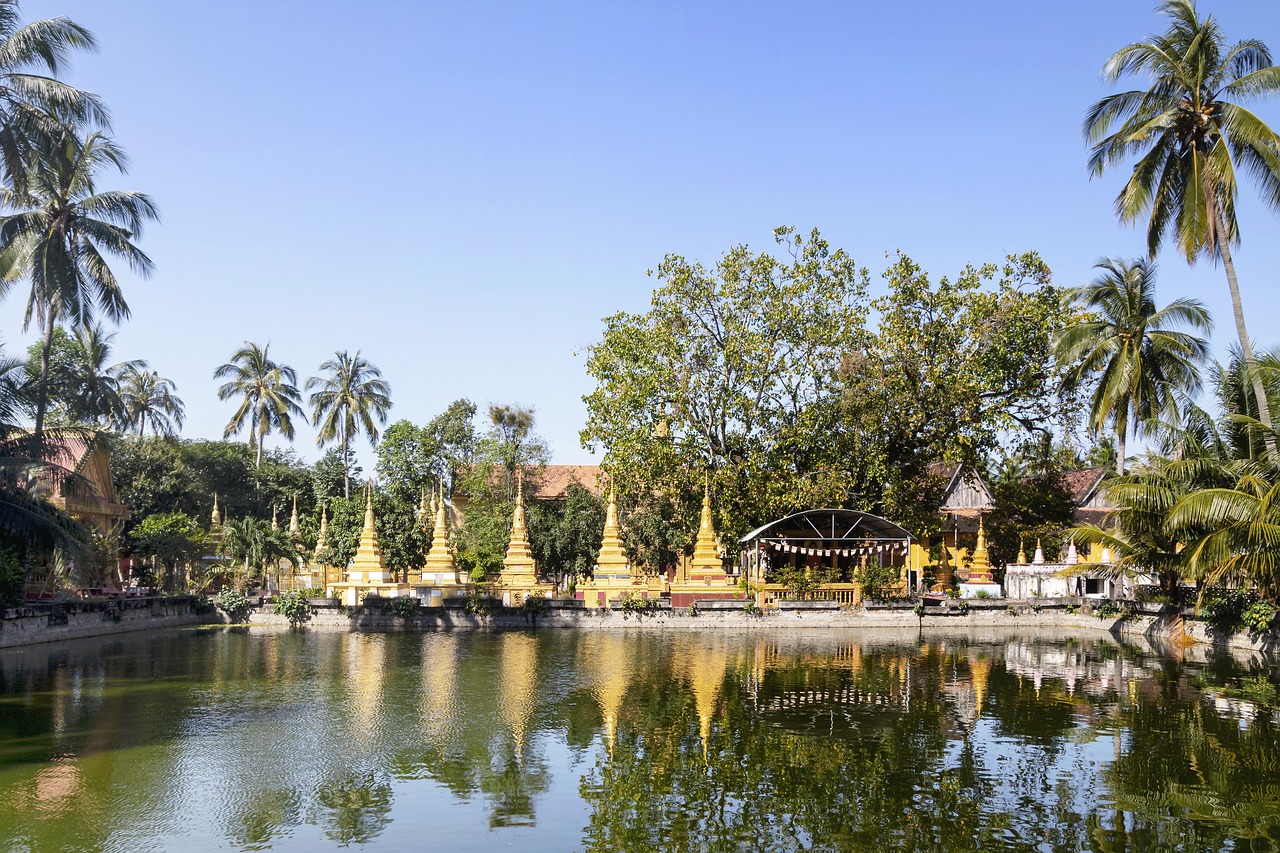
Explore My Son Sanctuary temples and sacred highlights at the Lion Courtyard and central tower
When you explore My Son Sanctuary temple ruins Lion Courtyard central tower, confidence comes from having a simple mental map. Paths connect different clusters, and you can design your route as a loop with time to linger, rather than a straight march. For many travellers, the experience feels like an unfolding gallery—each turn reveals another temple façade, another arch, another view back to the valley walls.
As you move between zones, remember that the son sanctuary rewards slow looking. The brickwork is famously precise, and the decorative language repeats in variations—like a melody changing key. This is where a little expert context can turn “beautiful” into “meaningful”.
Explore My Son Sanctuary for Lion Courtyard details and crafted forms
The Lion Courtyard is often where people feel the site’s character most strongly: open space, strong lines, and a sense of ceremony held in the air. Nearby, the central tower forms suggest a sacred axis—an architectural cue to devotion and ascent. Many travellers share that moment of awe: standing close to red brick surfaces that still look deliberately crafted, not merely old.
Keep an eye out for lintels and reliefs. Some scenes refer to Hindu gods and Hindu deities, and even if the iconography is unfamiliar, the artistry is direct and human.
Guided tour insight and Cham context beyond the temple site
If you want the stories to land, take a guided tour. A good guide will translate symbolism, explain why certain structures sit where they do, and share local legends without turning the visit into a lecture. It’s the easiest way to explore the ruins with real insight, especially if you’re short on time.
For deeper context, consider pairing your day with the museum of cham sculpture in Da Nang. It helps you recognise motifs and understand continuity in Cham art. If you’ve visited Angkor Wat in Cambodia, you’ll notice a different scale here—My Son feels more intimate, closer to the forest, and often more contemplative.
See My Son Sanctuary at sunrise and on jungle trails see at My Son Sanctuary
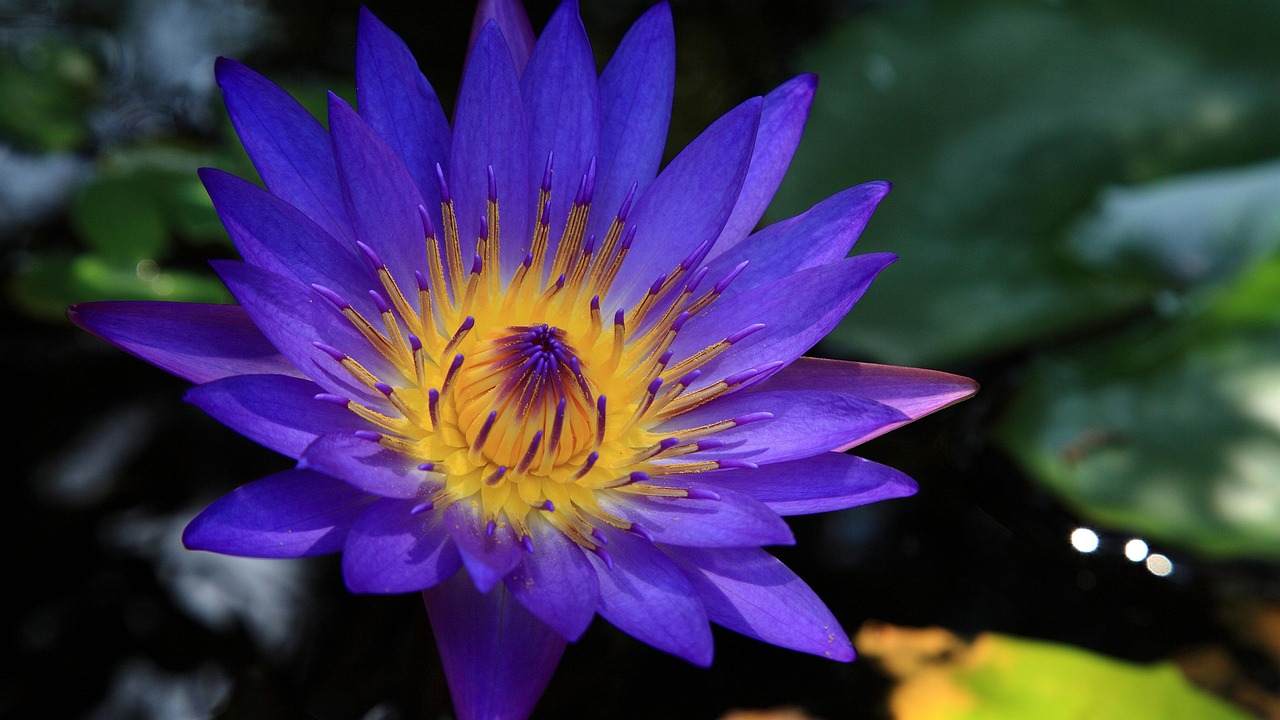
See My Son Sanctuary at sunrise and on jungle trails in Vietnam
To see at My Son Sanctuary sunrise trails biodiversity Vietnam is to catch the son sanctuary in its most flattering light—cooler air, softer shadows on brick, and fewer tourist groups. For photographers and early risers, sunrise can feel almost private. You can hear your own footsteps on the path, and the temple outlines seem to glow as the day opens.
The on-site rhythm is simple and satisfying: follow scenic trails between clusters, pause when the valley widens, and keep your eyes open for tropical biodiversity. Even a small walk can uncover surprising details—ferns edging the stones, butterflies crossing the clearings, and birds circling above the sanctuary grounds.
See at My Son Sanctuary with a guided tour and local legends
One backpacker I met described a deep connection to Vietnam’s past after a knowledgeable guide shared local legends during a quiet morning visit. With the site still cool and hushed, the stories felt less like information and more like conversation—personal, grounded, and reassuring. Moments like that are why a guided tour can transform your experience from sightseeing into understanding.
If you want to add movement without losing comfort, consider a gentle pace: short bursts of walking, shaded rests, and water at the ready. Uneven ground is part of the adventure, but it’s easy to keep things seamless with sensible shoes and a calm plan.
Hoi countryside cycling to meet Cham people beyond the ruins
For adventure seekers, an optional add-on is cycling through nearby villages after your temple visit. One traveller told me the atmosphere turned magical as they rode past rice fields, stopped for a chat, and met friendly Cham people keeping traditions alive. It’s a lovely way to uncover local life beyond the archaeological core, especially if your trip from Hoi An includes time to spare in the afternoon.
Depending on your route, you might even combine the day with a relaxed boat ride along the Thu Bon River, letting the landscape slow you down again before returning to town.
Getting there by private car from Hoi An or Da Nang private car or taxi to My Son Sanctuary from Hoi An and Da Nang Vietnam
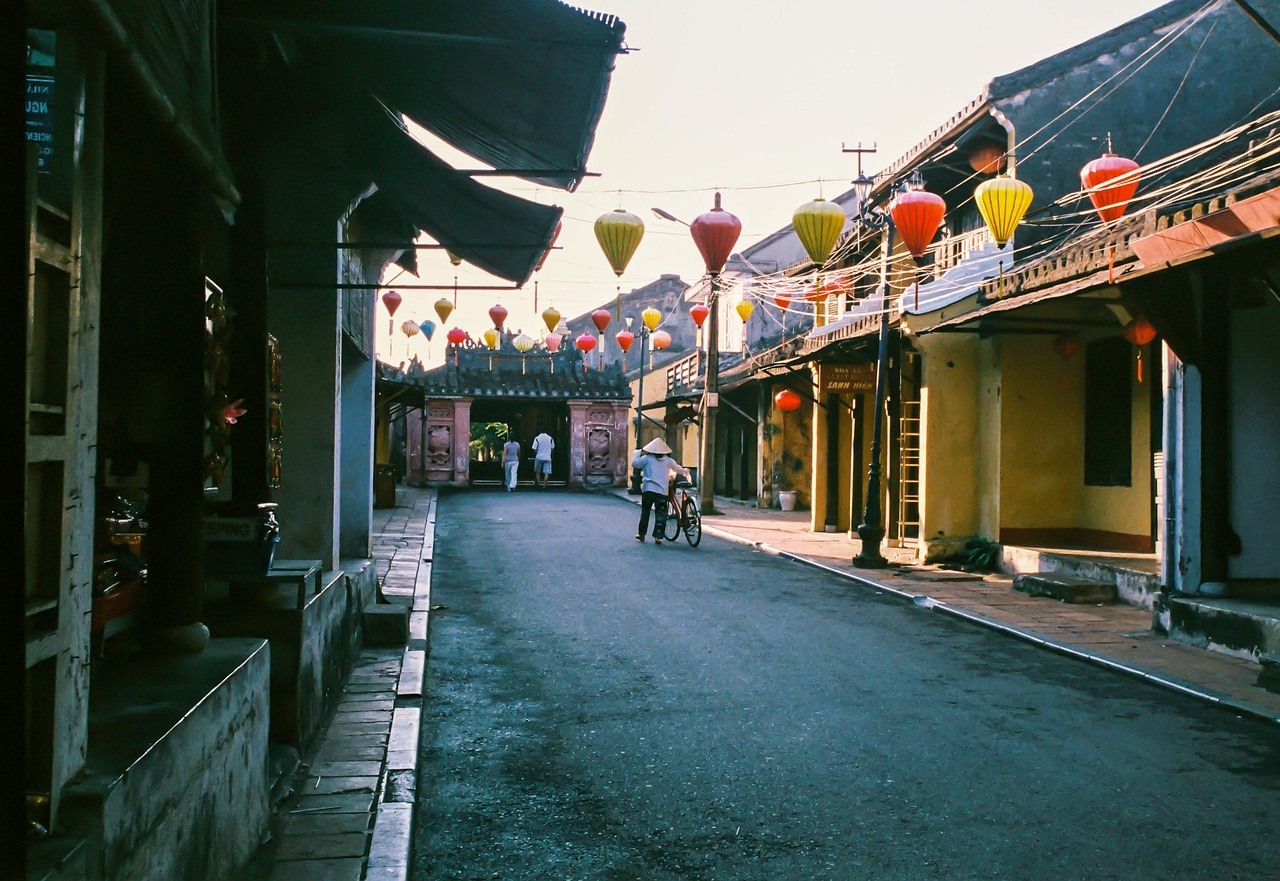
Getting there by private car from Hoi An or Da Nang to My Son Sanctuary in Quang Nam Province
Planning a private car or taxi to My Son Sanctuary from Hoi An and Da Nang Vietnam is refreshingly straightforward, which is exactly what you want before a morning of walking in the heat. The son sanctuary is located in Quang Nam Province, roughly an hour from both Hoi An and Da Nang and Hoi routes are common. You can go by private car, arrange a private car or taxi, or take a motorbike if you’re experienced and comfortable with Vietnamese roads.
For high-end travellers, a private driver offers the most seamless day: a cool vehicle, an unhurried start, and the confidence of knowing you’ll be collected when you’re ready. It also gives you freedom to stop for a coffee, a viewpoint, or a quiet moment in the countryside—small design choices that elevate the day.
Visit to My Son Sanctuary timing and opening hours
Operational essentials matter. Son sanctuary is open from 8 AM, and arriving at opening time is one of the simplest ways to protect your comfort—less heat, fewer crowds, more space for reflection. The best season is typically February to August, when conditions are dry and walking feels easier.
Entry is approximately 150,000 VND per person. If you’d like extra context without effort, book a guide locally at the entrance or arrange ahead online; a good guide offers expert insight into the temples at My Son without overwhelming you.
What to pack for a seamless temple walk with confidence
- Sturdy shoes for uneven paths and broken brick edges
- Mosquito repellent and sun protection for the valley heat
- A light layer for early starts and a small towel for humidity
- Water and a slow, steady pace for comfort and care
Respect is part of the experience. Dress modestly, don’t climb on ruins, and remember that photography is allowed but drones are prohibited. In a place this vulnerable, preservation is something we do together—quietly, thoughtfully, and with real support for what endures.
If you’re still shaping your route through Vietnam, you can browse our Trip gallery to imagine how My Son can fit into a wider, well-paced journey that balances culture with comfort.
What stayed with me after My Son in Vietnam My Son Sanctuary Vietnam personal reflection cultural heritage
The phrase My Son Sanctuary Vietnam personal reflection cultural heritage sounds tidy on paper, but the reality is more human and less predictable. After time at the son sanctuary, I found the day replayed in quiet flashes: warm brick under slanting light, a brief hush between footsteps, the way the valley holds sound. It felt less like ticking off ancient history and more like listening—allowing the place to speak at its own pace.
I keep thinking of a couple I met who said their morning among the temples made history tangible. They didn’t leave with “facts”; they left with a renewed respect for preservation, and a gentle desire to travel with more care. In a world that moves quickly, that shift in perspective is its own kind of luxury.
What lingers is sensory: birdsong above the stones, the jungle air carrying a hint of rain, and the subtle calm that comes from walking with intention. The sacred nature of the site isn’t something you need to prove or explain—it simply settles around you, if you give it time.
Long after the drive back to Hoi An Ancient Town or on towards Da Nang, I still find myself imagining what else might flourish in central Vietnam when you slow down: a story overheard, a craft rediscovered, a tradition held quietly in place—waiting to be uncovered by the curious.
F.A.Qs: My Son Sanctuary Vietnam
Is it worth visiting My Son’s sanctuary?
Yes, especially if you enjoy culture with a sense of adventure. My Son offers atmospheric temple ruins in a lush valley, strong Champa and Cham context, and rewarding walking trails. Arriving early keeps it calm and cooler, and a guide adds real insight without feeling rushed.
What is My Son Sanctuary famous for?
It’s famous for its ancient Hindu temples and red-brick craftsmanship linked to the Champa Kingdom, set in a forested valley. As a UNESCO World Heritage site, it’s valued for its architecture, inscriptions, and sacred landscape, including highlights like the Lion Courtyard and central tower forms.
How far is My Son’s sanctuary from Hoi An?
My Son Sanctuary is roughly a one-hour drive from Hoi An, depending on traffic and your pickup point. Many travellers go by private car, taxi, or as part of a guided tour, often combining the visit with an early start to avoid heat and crowds.
How much does it cost to go to the My Son Sanctuary?
The entry fee is approximately 150,000 VND per person. Transport costs vary depending on whether you choose a private car, taxi, or motorbike, and a guided tour is an optional extra. Budget a little more if you want a private driver for a smoother day.