Post Contents
- Why the Summer Palace in Beijing Captivates for the UNESCO World Heritage overview
- Designing a seamless arrival and first morning experience for Summer Palace Beijing tickets.
- Longevity Hill Rituals and Palace Theatres at Summer Palace include the Longevity Hill Tower, Buddhist Incense Hall, and Hall of Benevolence and Longevity.
- Kunming Lake by Boat and the Marble Boat Icon for Summer Palace Kunming Lake boat ride Marble Boat Beijing
- Suzhou Street and the Long Corridor of Stories for the Summer Palace, Suzhou Street Long Corridor paintings, Beijing.
- F.A.Qs: Summer Palace in Beijing
- What Stayed With Me After the Summer Palace for Summer Palace Beijing reflection Kunming Lake Longevity Hill
Why the Summer Palace in Beijing Captivates for the UNESCO World Heritage overview
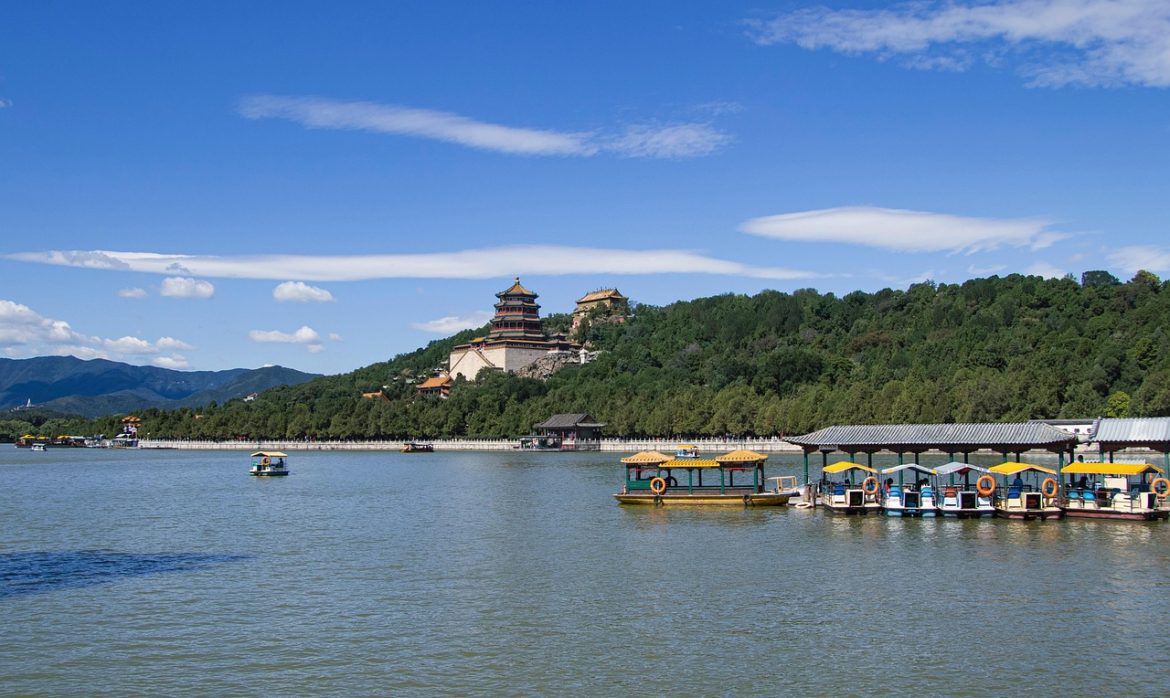
Why the Summer Palace in Beijing Captivates with lakeside calm and imperial vistas
Any summer palace in Beijing, UNESCO World Heritage site, begins with a simple truth: this palace is not just a monument; it is an imperial Chinese garden designed to be lived in. For high-end travellers who value cultural heritage sites in China, the Summer Palace offers something rare in Beijing—a spacious, breathable realm of water and hillside where perspective is carefully crafted, like stepping into art.
Built in 1750 under Emperor Qianlong and originally named Qingyi Yuan, the palace grounds were conceived as a masterpiece of Chinese landscape garden design. You’ll notice how paths reveal views in sequences—bridges appearing a moment before the lake opens, pavilions placed so you feel gently guided rather than directed.
Summer Palace history with resilience and care
A refined visit benefits from a little context, offered with trust and calm. The site suffered heavy damage in 1860 when the Anglo-French allied forces entered Beijing; later, in 1900, interpretive boards reference the allied forces of the eight (often described as the eight powers that invaded China). Some signage notes that damage was repaired in 1902—wording can vary—yet the enduring impression is one of patience and restoration rather than loss.
Today, the palace sits among Beijing’s great heritage sites as a living landscape of lakes and mountains spread across square kilometres. UNESCO included the Summer Palace on its World Heritage List because it represents the peak of Chinese classical gardens—an environment where architecture, water, and terrain are designed together, not simply placed side by side.
Beijing luxury lens on a royal garden in China
For the modern traveller, a royal garden in China can be experienced in a way that feels personal: quiet routes, unhurried pauses, and viewpoints chosen for atmosphere. The Summer Palace epitomises the philosophy of harmonious design—space to breathe, to observe, and to feel Beijing soften at the edges.


Designing a seamless arrival and first morning experience for Summer Palace Beijing tickets.
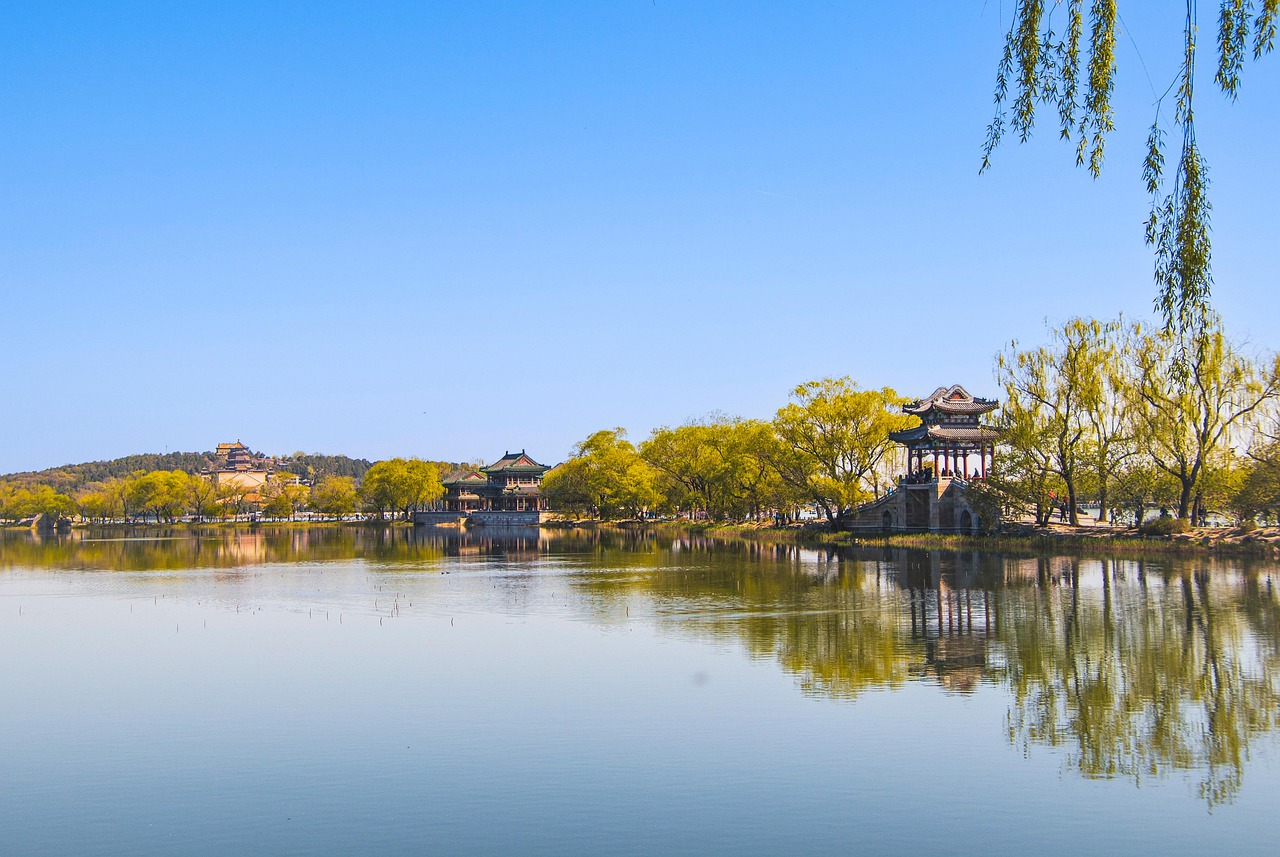
Designing a Seamless Arrival and First Morning at the Summer Palace with easy entry planning
If you’re searching for summer palace Beijing tickets, subway line 4, Beigongmen East Palace Gate, the best “answer” is really a feeling: arrive early and let the palace meet you in silence. Plan your visit from April to October, when gardens are lush, and Kunming Lake light is most generous; dawn is especially peaceful, before the main flow of groups arrives.
One luxury traveller told me they entered at sunrise and found a rare contrast to Beijing’s hustle—intimate moments to admire carved stonework, delicate bridge lines, and the crisp geometry of a lakeside pavilion. That kind of quiet is not an accident here; it’s what the Summer Palace was designed to offer.
Summer Palace access in Beijing with confidence
For seamless access, take Beijing Subway Line 4 to Beigongmen Station, then walk or use the shuttle bus. Depending on how you want to explore, you may also start at the East Palace Gate, which can suit a route that prioritises the main ceremonial axis before drifting toward the lake.
Entry typically costs 30–60 RMB, depending on the season and the areas you include. If you want the day to feel coherent rather than scattered, choose a ticket that covers Kunming Lake, Longevity Hill, and the key halls—so your pace stays relaxed, and you’re not second-guessing access points mid-visit.
Support from an expert guide and what to bring
High-end travellers often find that a knowledgeable private guide transforms the palace from “beautiful” to deeply legible—especially when arranged together with your driver or hotel concierge. It’s also the easiest way to uncover calmer corners such as the Garden of Health and Harmony and the Ploughing and Weaving Scenery Area, where you can reset away from the main promenade.
- Comfort: Wear comfortable shoes; in summer, bring a hat, sunscreen, and water for long, elegant walks.
- Etiquette: Speak softly, avoid touching any relic, and respect cultural relics and planted areas.
- Photography: Photos are welcome, but no flash in indoor exhibitions to protect delicate artworks.
Longevity Hill Rituals and Palace Theatres at Summer Palace include the Longevity Hill Tower, Buddhist Incense Hall, and Hall of Benevolence and Longevity.
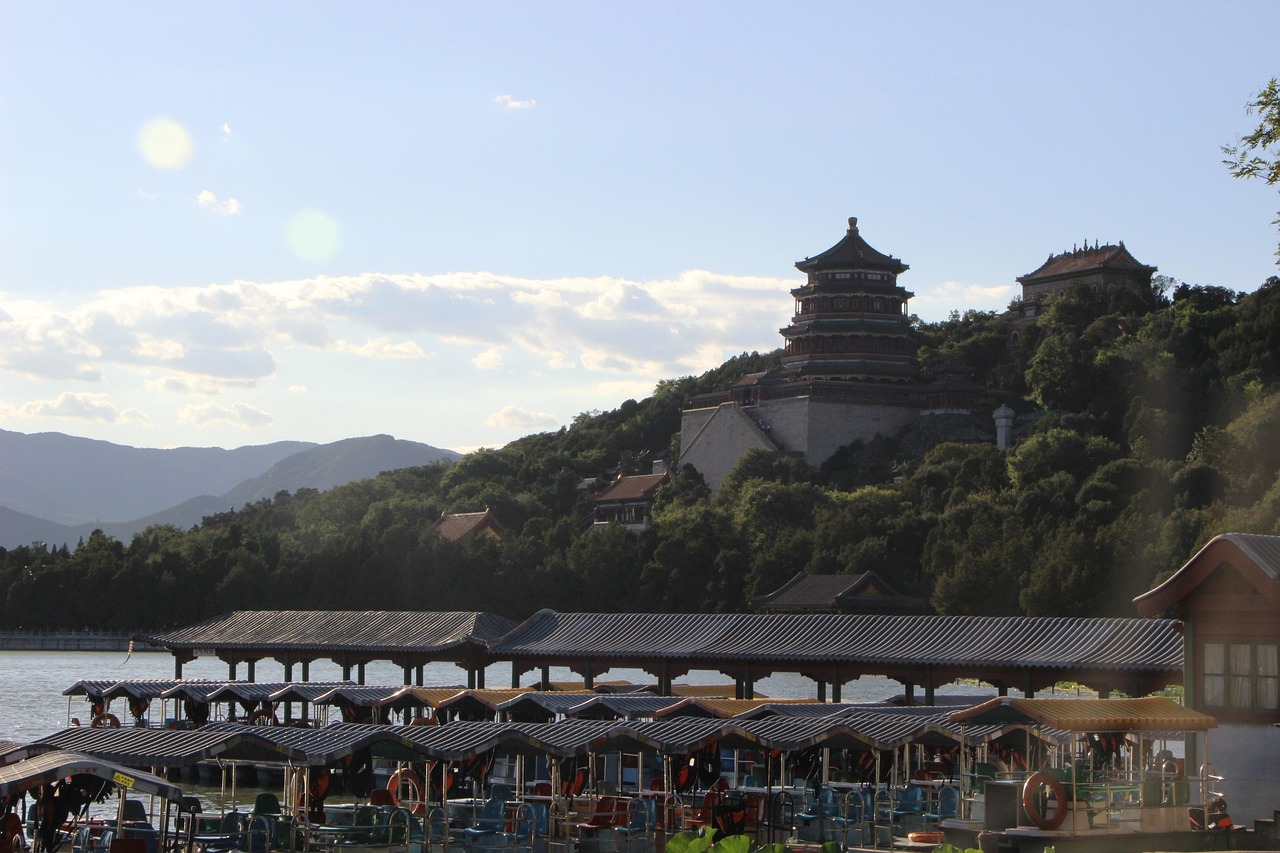
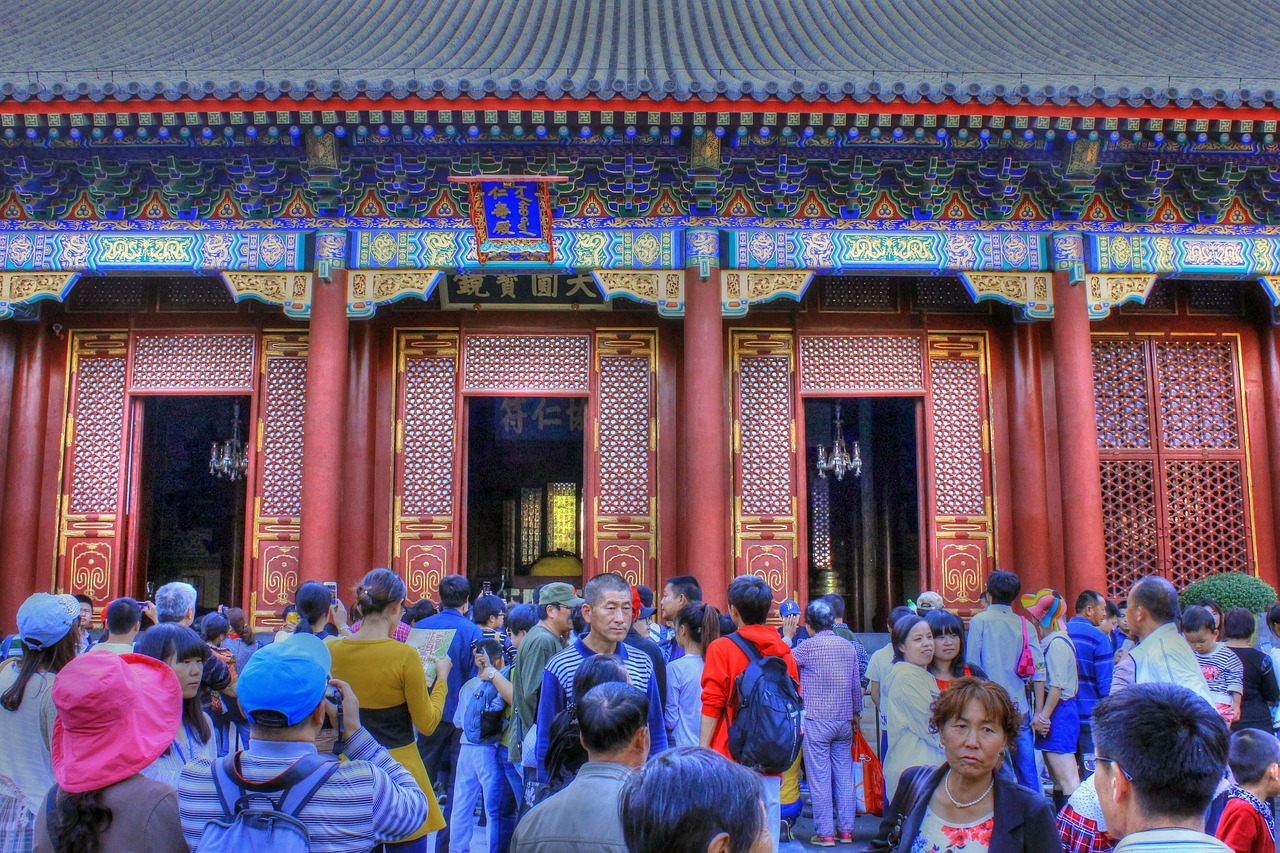
Longevity Hill Rituals and the Palace Theatres with the Tower of Buddhist Incense rising above Beijing
A thoughtful summer palace, longevity hill, tower of buddhist incense, hall of benevolence and longevity, the route begins with gentle elevation and growing perspective. Start at the Hall of Benevolence and Longevity, then climb in stages toward the Tower of Buddhist Incense, where terraces frame Beijing as if it were a painted background—an art of Chinese landscape garden perspective rather than a single “viewpoint”.
Within this palace, the ceremonial and the intimate sit side by side. It’s here that Empress Dowager Cixi appears in the story with real weight: the palace became a resort for the empress dowager, shaping court rituals and the “summer resort for the empress” narrative you’ll see echoed in interpretive plaques and restored details.
Summer Palace theatre complex and the Garden of Virtue and Harmony
For theatre and ceremony, your guide will likely lead you to the Garden of Virtue and Harmony (Dehe Yuan), a renowned performance complex within the palace. Some travellers may hear the phrase “Hall of Preserving Harmony” used loosely in conversation, but on-site naming and museum labels generally foreground Dehe Yuan—worth noting, because accuracy is part of travelling with confidence.
Approach it with a “museum lens”: look for how timber joints are hidden, how colour palettes signal status, and how traditional Chinese craftsmanship is meant to be read at a walking pace. If you’ve visited the Palace Museum in central Beijing, you’ll feel the contrast immediately—there, grandeur is concentrated; here, it is dispersed across nature.
Imperial Chinese garden symbolism in the Qing era
The Summer Palace is a Qing-era composition shaped by the Qing dynasty’s government, yet it draws on a longer cultural memory across the Ming and Qing dynasties. In the details—roofline rhythms, bracket sets, the placement of a pavilion for a single framed scene—you can sense how a dynasty used landscape to express order without needing to say it aloud.
Kunming Lake by Boat and the Marble Boat Icon for Summer Palace Kunming Lake boat ride Marble Boat Beijing
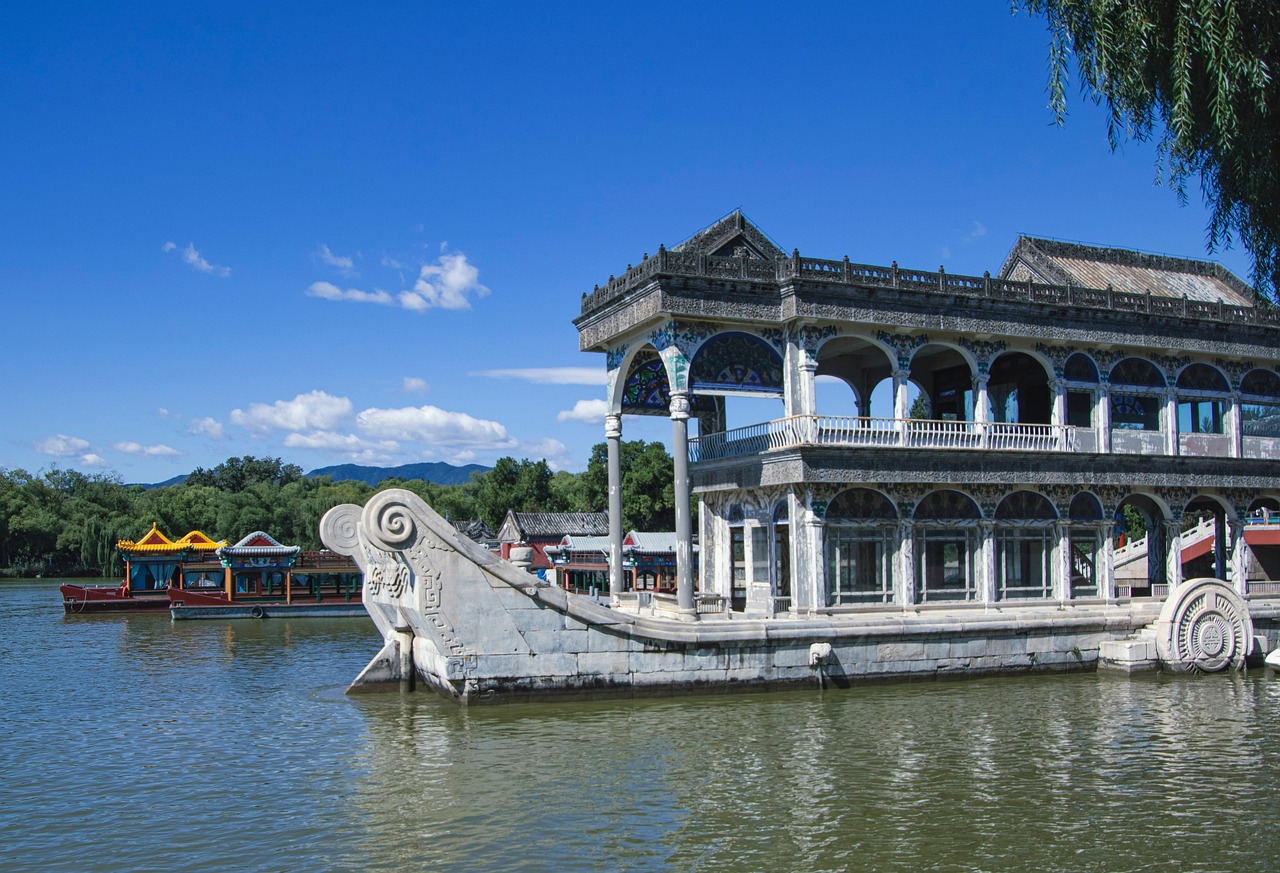
Kunming Lake by Boat and the Marble Boat Icon with serene crossings at the Summer Palace
For many, the most memorable chapter of a summer palace, Kunming Lake boat ride, marble boat, Beijing day is the moment you leave the shoreline behind. A serene boat ride on Kunming Lake offers wide, flattering angles of Longevity Hill—gardens and architecture arranged so you feel as if you are moving through a scroll painting.
A couple once described their romantic sunset crossing as “gold poured onto water”: ancient structures mirrored in the lake, with soft reflections that made Beijing feel far away. If you prefer clarity for photography, mid-morning brings crisp outlines; if you want atmosphere, sunset adds warmth and a slower heartbeat.
Longevity Hill and Kunming Lake as a crafted composition
The relationship of Longevity Hill and Kunming Lake is the heart of the palace’s landscape of lakes and mountains. Viewpoints are crafted to unfold in sequence—first the hill’s vertical emphasis, then the horizontal calm of water, then a bridge or pavilion placed exactly where your eye naturally rests.
As you drift, you may pass interpretive notes referencing later eras; keep them as background. The Republic of China period and the People’s Republic of China era are sometimes mentioned in documents to explain management, restoration, or a site rename, but the lived experience remains elegantly timeless.
Marble Boat pause and private boat tips in Beijing
The Marble Boat is an iconic lakeside pavilion and a symbol of stability, notable for its blend of traditional and Western architectural styles. Pause here for quiet photography: step slightly aside, let the crowds move on, and wait for stillness to return—the lake usually provides it.
- Queues: On busy days, ask your hotel concierge or guide to help you avoid peak embarkation times.
- Boat style: Semi-private options can feel refined without the cost of full exclusivity.
- Best angles: Stand toward the outer rail as you approach the hill for the most elegant, layered view of Kunming Lake and Longevity Hill.
Suzhou Street and the Long Corridor of Stories for the Summer Palace, Suzhou Street Long Corridor paintings, Beijing.
Suzhou Street and the Long Corridor of Stories with artisan life at the Summer Palace in Beijing
A well-paced summer palace, Suzhou Street, Long Corridor, paintings, Beijing stroll is where the palace becomes wonderfully human. Suzhou Street is a vivid recreation of a Qing dynasty shopping street, with artisan stalls and tea houses—an easy way to engage with local craft without feeling swept into something overly commercial.
One visitor told me a quiet tea ceremony here changed how they understood cultural heritage: not as a headline, but as a practice. With an expert guide translating etiquette, you can sit with confidence—hands relaxed, voice low, gratitude shown through attentiveness rather than performance.
Suzhou tea houses and a personal moment of care
If you’re unsure what to order, start with a gentle green tea and let the staff guide you on steeping time. In a tucked-away teahouse, you’ll often find the kind of calm that luxury travel is really about: being supported, together, without having to rush to the next “must-see”.
Nearby, some routes pass the Garden of Clear Ripples, a quieter point of reference that helps you appreciate how the Summer Palace layers water features and planting textures in a composed, deliberate way.
Long Corridor paintings as Chinese landscape art
Then slow down for the Long Corridor, celebrated as the longest painted corridor in the world, with over 14,000 scenes. Rather than trying to “see it all”, choose a few panels and read them: myths, landscapes, classical garden motifs, and small visual jokes—creative art of Chinese landscape storytelling at walking speed.
A solo traveller once shared that this blend of history and nature felt unexpectedly inspiring; a leisurely walk here sparked a deep connection to artistry and narrative. In summer, use the corridor’s shade for breaks, and keep photos gentle—no flash indoors, and a light touch around fragile surfaces.
- Photo-friendly sections: Early stretches near the water give softer light and fewer interruptions.
- Heat management: Plan short stops for water and shade so your pace stays effortless.
- On-site wording: You may notice “first group” and Beijing Municipal phrasing on plaques or brochures; let your guide confirm the exact translation with calm authority.
If you’re mapping a wider journey across historical and cultural heritage sites, you can also browse our Trip gallery for design-led itineraries that balance Beijing’s icons with quieter, restorative days.
F.A.Qs: Summer Palace in Beijing
What is the Summer Palace famous for?
The Summer Palace is famous for its imperial Chinese garden setting in Beijing, combining Kunming Lake, Longevity Hill, ornate halls, and the Long Corridor’s thousands of paintings. It’s celebrated as a UNESCO World Heritage site for its Chinese landscape garden design, where scenery, architecture, and symbolism are composed like a moving work of art.
What happened to the Summer Palace in China?
The Summer Palace sustained major damage during conflicts in the 19th and early 20th centuries, including destruction by foreign allied forces. On-site interpretation commonly references events in 1860 and 1900, followed by restoration work; many visitors also see notes indicating that damage was repaired in 1902, reflecting a long history of rebuilding and care.
Is the Summer Palace worth visiting in Beijing?
Yes—especially if you value atmosphere as much as history. The Summer Palace offers a calmer counterpoint to central Beijing, with boat rides on Kunming Lake, refined viewpoints from Longevity Hill, and shaded walks through painted corridors. Arriving early and using a guide can make the experience feel personal, unhurried, and deeply rewarding.
Do you have to pay for the Summer Palace in Beijing?
Yes. There is an entrance fee, and pricing varies by season and which areas you choose to include. Many travellers pay roughly 30–60 RMB, depending on ticket type. If you want to explore key areas such as the lake, the hill, and the main halls without interruptions, it’s worth selecting a ticket that covers the main sections from the start.
What Stayed With Me After the Summer Palace for Summer Palace Beijing reflection Kunming Lake Longevity Hill
For a summer palace, Beijing reflection, Kunming Lake, Longevity Hill, memory, what returns later is not the scale, but the hush. I still think of dawn light settling on water, and the way the palace seems to hold sound at a distance—leaving space for footsteps, breeze, and the soft rhythm of oars.
Small details carry the meaning: painted beams that look newly bright until you notice their age; a pavilion shadow shifting across stone; the patience implied by careful restoration. Even knowing it was opened to the public does not dilute its intimacy—if anything, it invites a gentler kind of respect, the sort you feel in your body rather than announce.
Outside the gates, Beijing returns in full colour and tempo. Yet inside the Summer Palace, the mind learns a different timing—one where looking is enough, where you can simply exist among water and trees and crafted lines, and feel quietly looked after.
I imagine returning in another season, not to do more, but to notice something new unfolding in the same familiar places—an after-image of Kunming Lake, a hillside temple, and the calm thought that beauty does not need to shout to be heard.