
Post Contents
- Hoi An Ancient Town UNESCO heritage in Vietnam Hoi An Ancient Town Vietnam UNESCO World Heritage site overview with Da Nang orientation
- Lantern evenings in Hoi by the Thu Bon River Hoi lantern evening Thu Bon River Lantern Festival Hoi An Ancient Town
- Hoi An Ancient Town walk Japanese bridge and assembly hall trail Japanese Covered Bridge Fujian Assembly Hall ancient houses Hoi An Ancient Town
- Town ticket essentials for the old town of Hoi Hoi An old town ticket town ticket prices entry rules guided tours
- Cooking class and Hoi An Central Market local flavours Hoi An Central Market cooking class Cao Lau white rose dumplings street food
- What stayed with me after Hoi in Vietnam Hoi Vietnam personal reflections after Hoi An Ancient Town
- F.A.Qs: Hoi An Ancient Town Vietnam travel planning
Hoi An Ancient Town UNESCO heritage in Vietnam Hoi An Ancient Town Vietnam UNESCO World Heritage site overview with Da Nang orientation
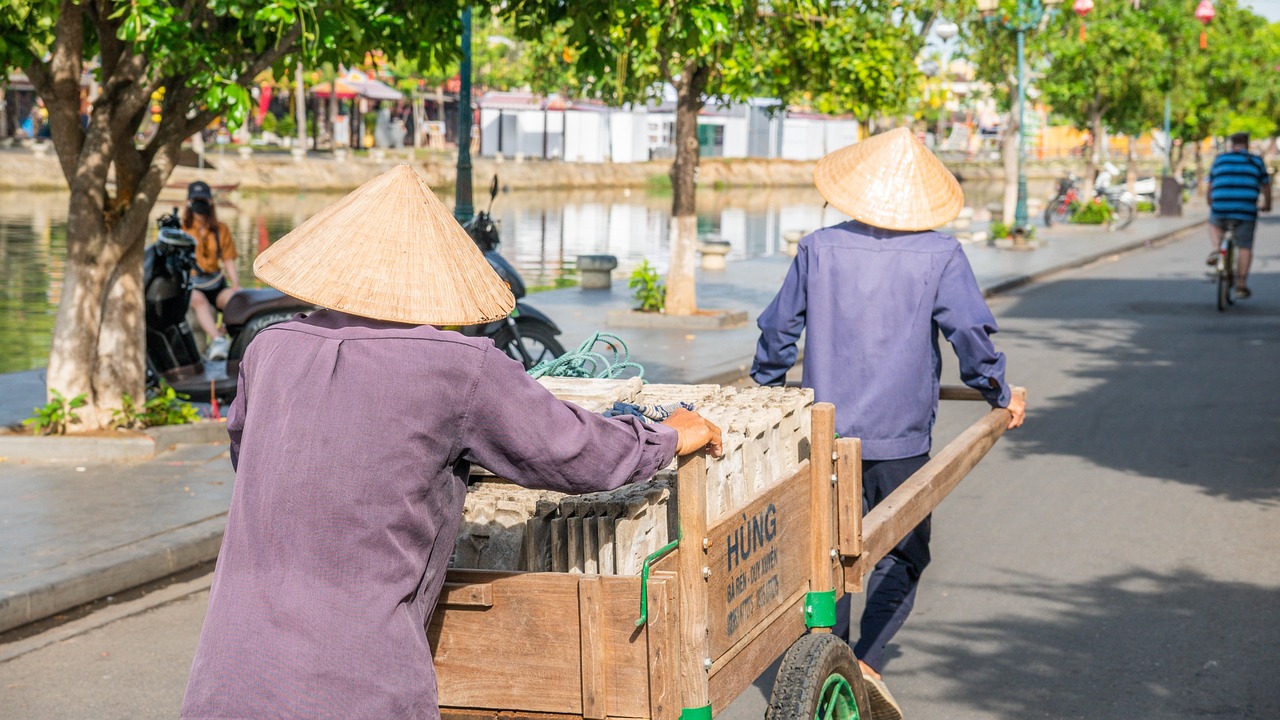
Hoi An Ancient Town UNESCO heritage in Vietnam and the old-world townscape
A strong Hoi An Ancient Town Vietnam UNESCO World Heritage site overview starts with one simple truth: this is not a staged set. Recognised as a UNESCO World Heritage site in 1999, the town is an exceptionally well-preserved example of a Southeast Asian trading settlement, with a townscape that still feels lived-in rather than curated for tourism. You sense it in weathered shutters, in courtyards cooled by shadow, and in carved timber that carries centuries of touch.
For first-timers, the journey is reassuringly straightforward. Fly into Da Nang International Airport, then take a 30-minute taxi or shuttle south into Quang Nam Province, where Hoi opens out into walkable lanes and riverside promenades. The core old town zone is best explored on foot, especially around Nguyen Thai Hoc Street and Le Loi Street, where cafés, galleries, and heritage gates sit close together.
Ancient town of hoi roots in a trading port where east and west met
Long before boutique stays and tailor-made evenings, Hoi was a commercial port and a thriving node of Asian trading. Merchants from the region and beyond shaped a fusion of Vietnamese, Chinese and Japanese influences—an elegant conversation between east and west that remains visible in rooflines, altar rooms, and assembly hall courtyards. Even small details—ceramic inlays, guardian figures, painted beams—offer insight into how cultures layered rather than replaced one another.
Hoi An is also a gentle gateway to the sea and nearby islands, with day trips to Cham Islands and Cu Lao Cham, part of a biosphere reserve that balances tourism with protection. Mentioned here simply as a possibility, it rounds out the sense that heritage and nature sit side-by-side in this pocket of Viet Nam.
Da Nang to Hoi rhythm for adventure seekers with confidence
If you like your days active but never chaotic, a simple framework helps you explore with calm confidence. Design your time so you can discover the old-world core when it’s soft with morning light, then create space for movement beyond town later on.
- Morning in the ancient town for architecture, quiet lanes, and your first coffee pause.
- Afternoon for cycling through rice paddies, or a beach run out towards An Bang.
- Evening back by the river for lantern glow and slower conversations.
One personal practice I return to in Hoi is to uncover details slowly. Pause for textures, breathe in a faint thread of incense in a doorway, and listen to the sound of bicycles on ancient streets—small sensory anchors that make the experience feel seamless and deeply human.


Lantern evenings in Hoi by the Thu Bon River Hoi lantern evening Thu Bon River Lantern Festival Hoi An Ancient Town

Lantern evenings in Hoi by the Thu Bon River with reflections and boats
For a Hoi lantern evening Thu Bon River Lantern Festival Hoi An Ancient Town experience, arrive before dusk and let the transformation happen around you. The ancient town shifts from sunlit ochre to candle-warm gold, and a single lantern can feel like an invitation to slow down. Imagine choosing the first one you’ll photograph—silk-skinned, colourful, and gently swaying as shopfronts begin to glow.
The lantern light isn’t only about beauty; it changes your pace. People speak more softly, footsteps become less hurried, and the river reflections create a grounded calm that supports even the most energetic itinerary. It’s one of the rare attractions that can be both vibrant and restful, depending on how you move through it.
Lantern Festival timing in the lunar month and how to explore without rush
The Lantern Festival takes place monthly, aligned with the lunar month, and it’s when the centre becomes even more magical—often car-free, with an extra riverside energy that feels celebratory rather than overwhelming. If you’re visiting during the Lantern Festival, give yourself permission to stay flexible: wander a little, pause a little, and keep your group close together when crossing busy points.
A helpful approach is to step a street or two away from the densest riverfront stretch, then loop back. Quiet lanes offer the same lantern charm with more breathing space, and they’re kinder for travellers who prefer a composed, high-end feel.
Old town photography tips with lantern glow and respectful portraits
Travellers often recount the mesmerising sight of hundreds of colourful lanterns lighting up the ancient town at dusk—perfect, yes, but not only for “the shot”. The most memorable images tend to be warm portraits that honour local life: a vendor folding paper, a cyclist gliding past, a couple sharing tea. Arrive in early evening for softer light, then explore side alleys for calmer frames.
For a gentle thrill that still feels safe and intimate, consider a short boat ride. Floating for ten quiet minutes while lantern reflections tremble on the water can be a surprisingly personal moment—an easy adventure that invites conversation, not noise.
Hoi An Ancient Town walk Japanese bridge and assembly hall trail Japanese Covered Bridge Fujian Assembly Hall ancient houses Hoi An Ancient Town
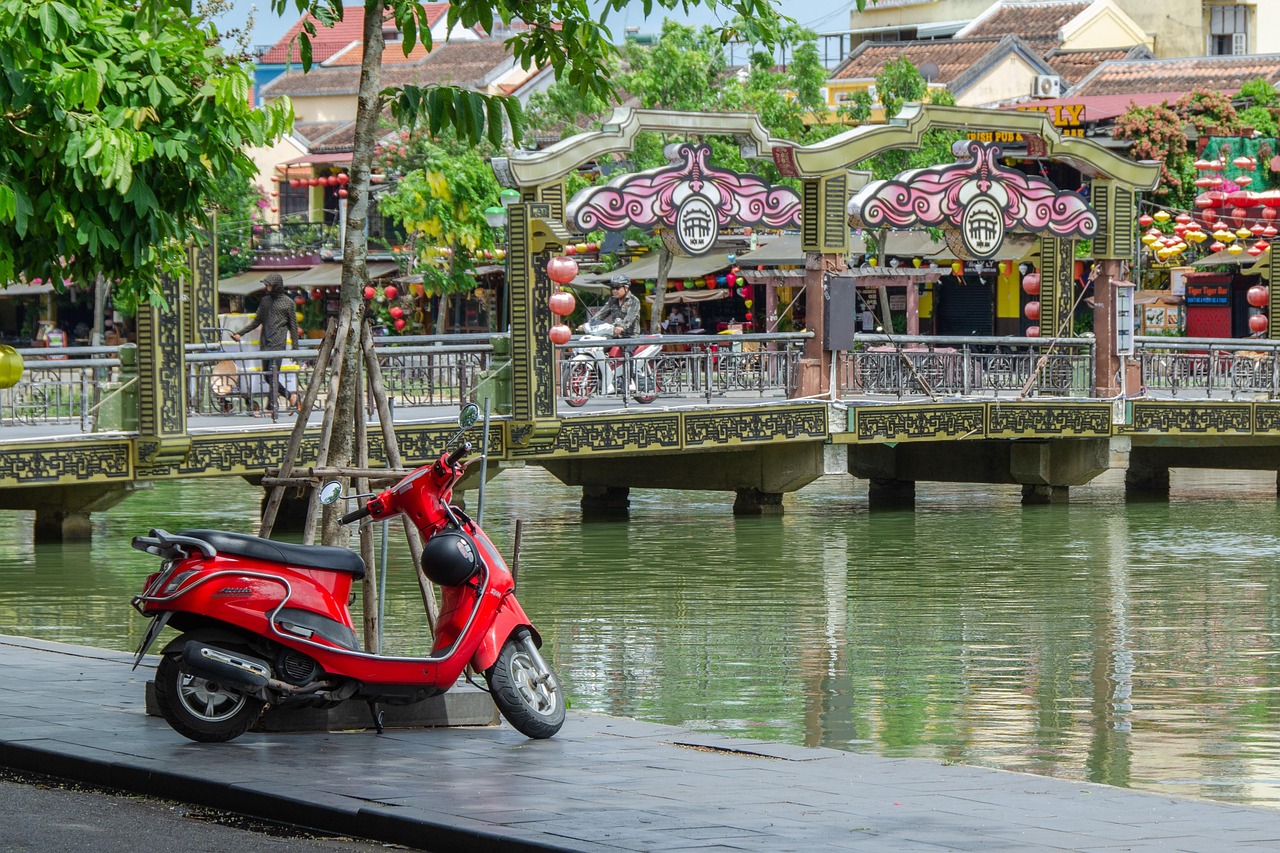
Hoi An Ancient Town walk to the Japanese Covered Bridge and heritage lanes
A rewarding Japanese Covered Bridge Fujian Assembly Hall ancient houses Hoi An Ancient Town day doesn’t need a strict schedule—just a simple loop you can trust. Start early, when the ancient town is still stretching awake, then follow the lanes towards the Japanese Covered Bridge, also affectionately called the Japanese bridge. It’s compact, photogenic, and layered with meaning: a crossing point, a statement of craft, and a reminder that Hoi has always been connected outward.
From there, keep your pace unforced. The joy is in moving from one heritage doorway to the next, letting the atmosphere guide you rather than racing between pins on a map.
Assembly hall culture in Hoi from Fujian courtyards to decorative motifs
Next, explore an assembly hall or two for cultural heritage insight. The Fujian Assembly Hall is a standout: look for the ceremonial gate, the courtyard that cools the air, and the layered decorative motifs—dragons, waves, and symbolic colours that speak to protection and prosperity. Nearby halls (often linked to different communities) help you understand how migrants formed networks of support, shaping the town’s heritage through shared rituals and community care.
To enrich your experience without overloading your day, add short museum pauses. The Museum of Trade Ceramics offers crisp context on maritime exchange, while the Museum of Folklore gives a window into domestic life, crafts, and performance traditions—history and culture in digestible, rewarding doses.
Temple and pagoda etiquette with incense and quiet respect
Include at least one temple or pagoda stop, even if it’s brief. Dress modestly, remove shoes where required, and treat incense with care—observe first, then follow local cues. That small moment of respect often becomes a point of connection, especially when you share space quietly with worshippers rather than standing apart.
Before you finish your loop, step into signature homes for craftsmanship. Tan Ky Ancient House (also referenced as Tan Ky Old House) is famed for its joinery and balanced proportions, and it’s an elegant example of how ancient houses were designed for trade, floods, and family life. You may also see other old houses along the lanes; notice the patina on thresholds and the way light falls through interior courtyards.
Town ticket essentials for the old town of Hoi Hoi An old town ticket town ticket prices entry rules guided tours
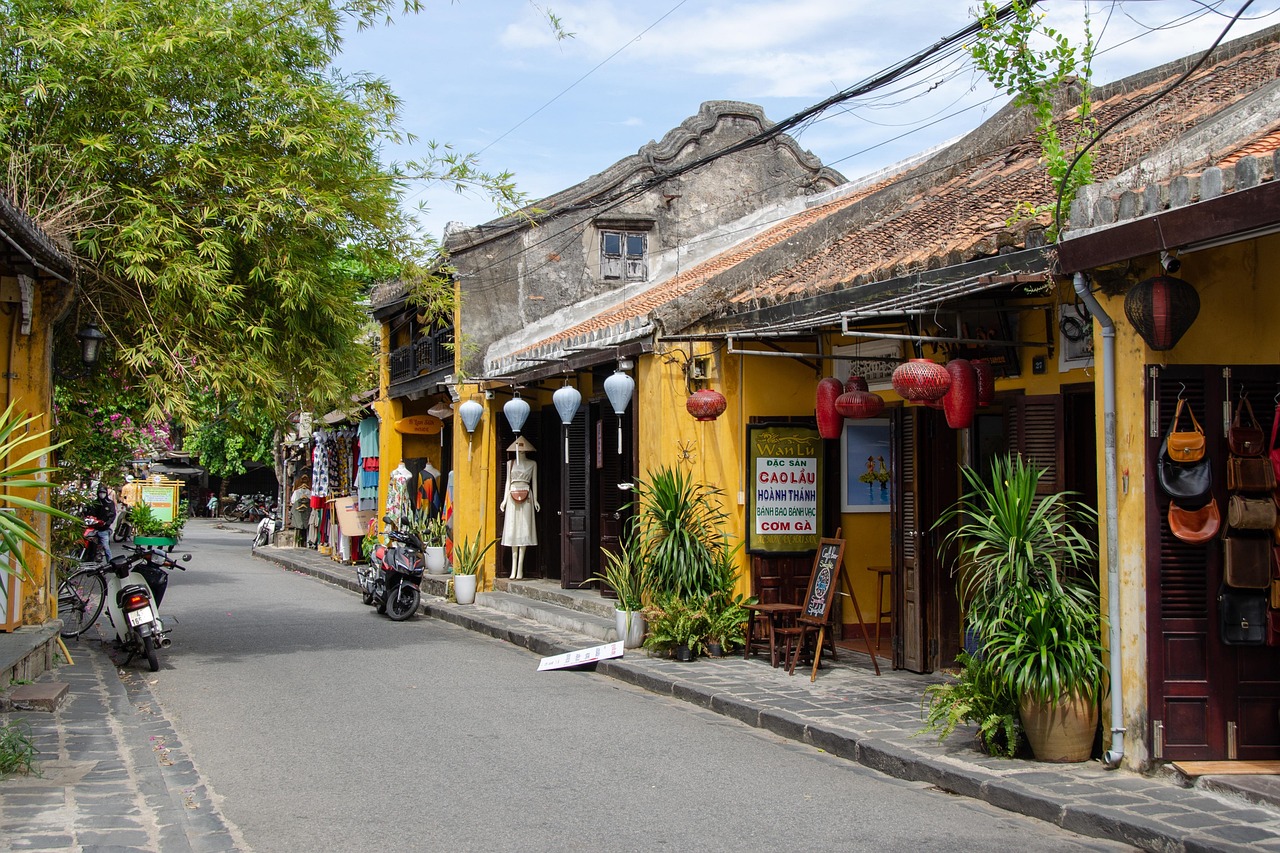
Town ticket essentials for the old town of Hoi with heritage entrances
If you want a smooth Hoi An old town ticket town ticket prices entry rules guided tours plan, it helps to understand the system before you arrive. Entry to the ancient town requires a ticket (often around $5 USD), and this town ticket allows access to a set number of heritage sites—think assembly hall entries, museums, and select historic homes. You typically present the ticket at each included attraction, so keep it somewhere easy to reach and use it across a half-day or full day without trying to cram everything into an hour.
Practically, this is good news for high-end travellers: it encourages you to explore thoughtfully, choosing the places that genuinely match your curiosity. It also makes the experience feel more seamless, because you’re not negotiating separate payments at every door.
Best time to visit Vietnam and Hoi and how to avoid midday heat
For comfort and clearer skies, February to April is often the best time to visit, with mild temperatures and lower rainfall. Even then, the midday heat can feel heavy in the ancient town, so plan indoor museum stops or a long lunch during the brightest hours. If your energy runs high, save that for later: early mornings and late evenings are when Hoi feels most spacious.
- Start early for quieter photos and easier walking.
- Carry water and step into shaded courtyards for natural cooling.
- Return after sunset when lantern light softens the streets.
Guided tours or independent wandering with expert support you can trust
Some travellers love to wander independently; others prefer an expert voice to unlock hidden meaning. Guided tours can be brilliant if you’re short on time, travelling as a group, or want deeper context on symbols, trade routes, and restoration. If choosing a guide, ask what their route includes, how they handle crowds, and whether they tailor the pace—trust is built in those small details.
Where to stay matters, too. Staying within or near the ancient town gives you early-morning access and a calm base, but book ahead in peak seasons. For inspiration as you design your wider journey from Da Nang and beyond, you can browse our Trip gallery and create a route that balances culture and movement.
Finally, a comfort note: carry Vietnamese Dong for small purchases, and keep a simple safety mindset—cross roads steadily, agree taxi prices where relevant, and treat every local interaction with the same respect you hope to receive. That combination brings confidence without taking the warmth out of travel.
Cooking class and Hoi An Central Market local flavours Hoi An Central Market cooking class Cao Lau white rose dumplings street food

Cooking class and Hoi An Central Market local flavours in the morning
A delicious Hoi An Central Market cooking class Cao Lau white rose dumplings street food day begins early, when vendors are still arranging herbs in emerald piles and the air feels bright with possibility. At Hoi An Central Market, colours lead the way: chilli reds, turmeric yellows, baskets of greens, and the gentle hum of bargaining that feels friendly rather than aggressive. This is where you first understand how local food is tied to season, river, and soil.
For cultural enthusiasts who also crave active, hands-on moments, a cooking class is a crafted bridge between curiosity and connection. You’re not only watching; you’re creating, tasting, and learning the “why” behind techniques—how balance is built, how textures matter, and what makes a meal feel like home.
Local Vietnamese dishes in Hoi including Cao Lau and white rose dumplings
Most classes guide you through regional favourites such as Cao Lau and delicate white rose dumplings, often beginning with a market walk for ingredient selection. One visitor told me their class became the highlight of their trip because it built confidence: once they understood herbs, broths, and timing, ordering meals around town felt less like guesswork and more like an informed pleasure. That’s the quiet power of learning directly from locals—insight that stays with you.
Along the way, you’ll notice the role in Hoi An’s culinary identity of water, noodles, and fresh greens, all shaped by geography and tradition. It’s easy to see how the town’s heritage lives not only in buildings but also in everyday bowls and shared tables.
Street food with care for sensitive stomachs and confident exploring
Street food is one of Hoi’s great joys, and you can explore it with care. Choose reputable vendors with high turnover, watch for fresh cooking, and keep hand sanitiser close. If you’re sensitive, start with cooked items and sip bottled water between tastings, so you can keep curiosity without sacrificing comfort.
- Follow queues of locals for the best signals of quality.
- Carry cash for small bites and quick, easy transactions.
- Take breaks in shaded cafés to reset your palate and pace.
For meaningful souvenirs, look for spices, small sauces, or locally made utensils that remind you of flavours at home. Then, naturally, the town’s creative spirit pulls you onward: tailored clothing, lantern workshops, and even nearby craft stops such as Thanh Ha Pottery Village, where skilled hands turn earth into elegant forms.
What stayed with me after Hoi in Vietnam Hoi Vietnam personal reflections after Hoi An Ancient Town
Whenever I think back to Hoi Vietnam personal reflections after Hoi An Ancient Town, it isn’t a checklist of sites that returns first. It’s the feeling of the ancient town at night, when lantern light seems to slow time and soften the edges of the day. Even after you’ve left the river and the last glow fades behind you, something of that warmth lingers—like a small, steady flame you can carry home.
I remember the ease of local conversations, offered without performance: a shopkeeper who patiently helped with directions, a café owner who noticed the heat and brought water before we asked. There’s quiet pride here in cultural heritage, but it’s expressed through care rather than ceremony. That atmosphere reassures you, especially if you’re travelling far or fast elsewhere in Vietnam, that you can move through the world with trust and still feel held.
And then there’s the adventure thread, settling softly into memory. A group of adventure seekers once described cycling beyond town as their best day—gliding between paddies, then stopping for fresh coconut water with strangers who felt like friends for ten minutes. The road out towards An Bang Beach was simple, sunlit, and free, the kind of journey that creates confidence without needing applause.
In the end, Hoi An Historic charm isn’t only in architecture or photographs. It’s in what you become when you travel with attention: a little calmer, a little more open, and quietly curious about what else the world might reveal—if you keep exploring gently, together.
F.A.Qs: Hoi An Ancient Town Vietnam travel planning
F.A.Qs: Hoi An Ancient Town Vietnam travel planning in the old town
Is Hoi An Ancient Town worth visiting?
Yes—especially if you enjoy culture with atmosphere. The ancient town is well-preserved, easy to explore on foot, and rewarding at different speeds, from early-morning heritage walks to lantern evenings. It also pairs beautifully with active time outside town, such as cycling through rice fields or heading towards the beach, so you can balance history with adventure.
What is Hoi An Ancient Town famous for?
Hoi An Ancient Town is famous for its lantern-lit nights, its fusion of Vietnamese, Chinese and Japanese influences, and landmark sites like the Japanese Covered Bridge and historic assembly hall courtyards. It’s also known for tailoring, riverside ambience, and food culture—many travellers love learning local dishes such as Cao Lau in a cooking class.
How long to spend in Hoi An Ancient Town?
Most travellers find one full day and two evenings ideal, giving you time to explore heritage sites, enjoy a relaxed meal, and see the lantern mood after dark. If you’re adding countryside cycling, beach time, or a market-to-table cooking class, two to three days feels unhurried and lets you experience the town with real ease.
Is Hoi An Ancient Town free?
Walking around parts of the old town can be free, but entry to many heritage buildings and key sites requires an old town ticket. The ticket is usually inexpensive and covers a selection of attractions such as museums, assembly halls, and historic homes, helping you plan your visits smoothly while supporting preservation.