Post Contents
- Popular landmarks in Japan – designing a seamless luxury route between major sights
- Kyoto shrine trails – Fushimi Inari Taisha torii gates and Arashiyama Bamboo Grove
- Tokyo landmarks itinerary – Ginza glamour, Asakusa calm, Tokyo Tower and Shibuya
- Mount Fuji day trip – Arakura Sengen Shrine pagoda view and weather-smart planning
- Beyond the big cities: castles, Hiroshima, Itsukushima Shrine, and an Amanemu finale
- After Japan: what famous landmarks in Japan quietly leave with you
- F.A.Qs: Popular landmarks in Japan
Popular landmarks in Japan – designing a seamless luxury route between major sights
Designing a Seamless Route Through Japan Landmarks for a Luxury Itinerary Design and Major Landmarks
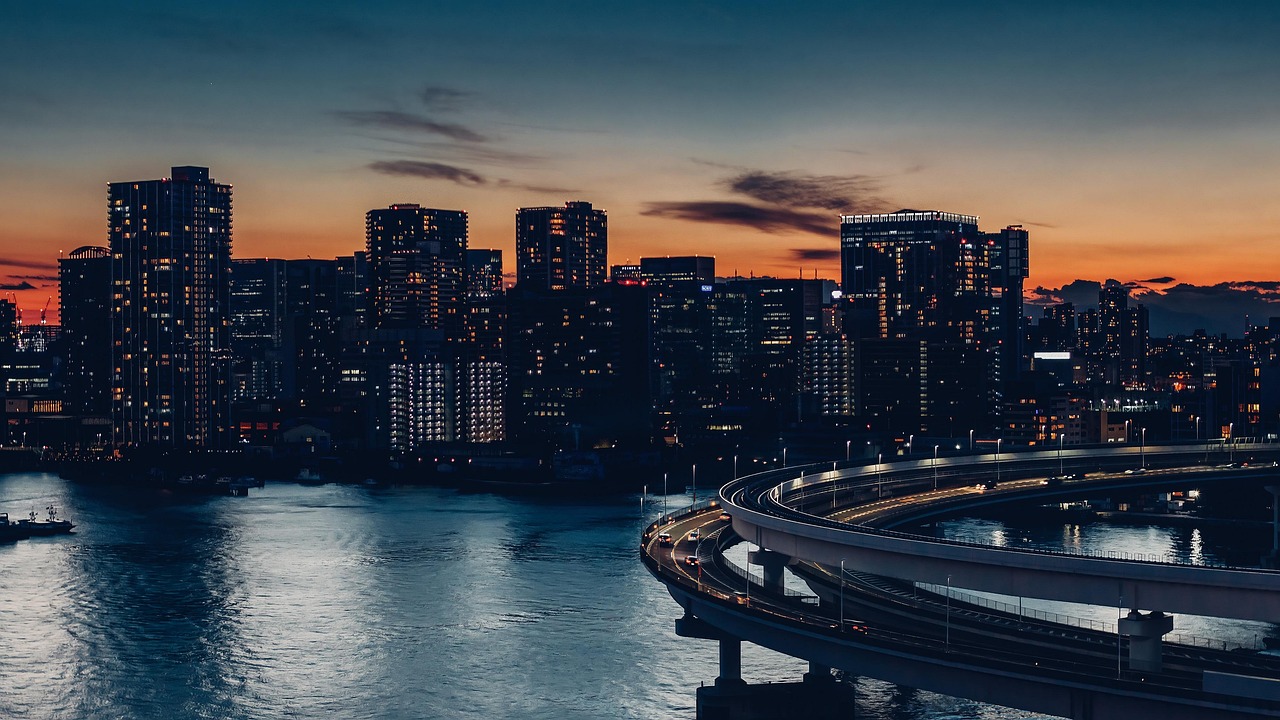
This guide to popular landmarks in Japan approaches the country’s major landmarks without turning your days into a checklist. Think of it as a crafted flow: Kyoto for shrine paths and layered heritage, Tokyo for design-led neighbourhoods, and a coastal pause where silence does the work. For high-end travellers, the goal is simple—seamless transitions, fewer queues, and more time to actually feel the place (not just photograph it). You’ll still cover essential japan landmarks, but in a way that protects calm.
To connect Tokyo and Osaka with ease, first-class rail (or a private car for door-to-door comfort) keeps the journey smooth and unhurried. Add luggage-forwarding so you can step off the train with only a day bag, and let a concierge handle museum timing and dining reservations where trust matters most. If you’d like to browse inspiration as you imagine your route, our Trip gallery can help you visualise the tone, pacing, and style.
Japan travel tips: calm, confident luxury logistics between cities
Japan is wonderfully set up for elegant, cash-light travel in premium neighbourhoods, and credit cards are widely accepted in high-end establishments. Tipping is generally not practised, which often feels reassuring—service is attentive because care is part of the culture, not an add-on. When you’re visiting a landmark-heavy itinerary, small logistics (tickets, transfers, timing) are what keep the day feeling effortless.
- Quiet windows: early mornings, weekday slots, and shoulder seasons help you experience more famous landmarks with less noise and more space.
- Etiquette foundations: remove shoes at certain shrine entrances, and be especially quiet in onsen spaces.
- City-to-city ease: luggage-forwarding lets you explore stations and streets without weight or rush—especially useful when switching hotels.
If you’d like a single, graceful “extra” day, Nara is famous for Nara Park’s gentle deer and Todai-ji, the world’s largest wooden building with an immense Buddha. It’s also the largest wooden temple hall many travellers will ever step inside—an easy add between Kyoto and Osaka. The city offers a softer lens on temples and shrines, including Kasuga Taisha shrine, before you return to your next reservation with steady confidence.


Kyoto shrine trails – Fushimi Inari Taisha torii gates and Arashiyama Bamboo Grove
Kyoto’s Shrine Trails and Quiet Icons of Landmark Japan for Kyoto Landmark Fushimi Inari Taisha Torii Gates and Arashiyama Bamboo Grove
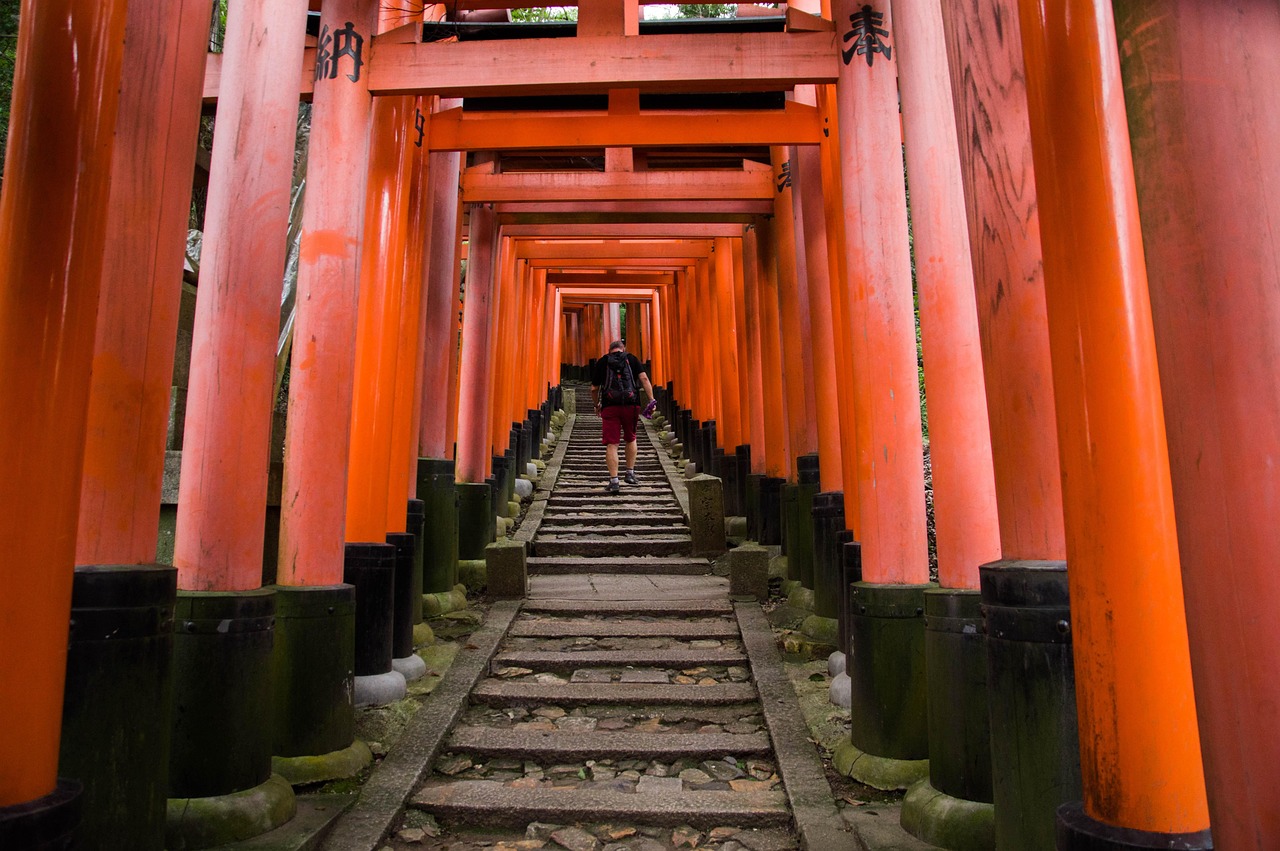
For a Kyoto landmark that feels instantly recognisable yet deeply personal, Fushimi Inari Taisha delivers—and pairing it with the Arashiyama Bamboo Grove creates a beautifully balanced day. Located in Kyoto, this shrine trail is a living corridor of vermilion, with wooden torii gates forming a winding path up the hillside. The shrine is dedicated to Inari—dedicated to Inari—whose presence you’ll notice in fox motifs, offerings, and the quiet reverence of visitors. Among famous landmarks in Japan, it’s one that stays with you because it’s experienced in motion, step by step.
Fushimi Inari Taisha at dawn: shrine walk through the torii gate tunnels
A traveller once told us their favourite moment in Japan wasn’t a reservation or a view—it was hiking the torii path at dawn. The air was cool, the light was soft, and the usual daytime hum felt far away; it became an almost spiritual experience, made intimate by stillness. If you can, visit the shrine early so this landmark can hold its own atmosphere before the crowds arrive.
For comfort, bring water and wear shoes you trust on steps and uneven stone. There are steep sections and nearly 400 steps in parts, so give yourselves time and pause when you want to. A private guide can add local insight—seasonal details, small stories, and gentle guidance on Shinto etiquette—so you feel relaxed rather than worried about doing the “right” thing.
Arashiyama Bamboo Grove and a Kyoto temple covered in gold
After the shrine, the Arashiyama Bamboo Grove offers a different kind of calm—green, vertical, and quietly cinematic. For a refined contrast, consider a visit to Kinkaku-ji, the iconic pavilion covered in gold (do verify opening hours and crowd patterns). Kyoto’s most rewarding days often come from this kind of design: one immersive ritual space, one nature-forward landmark, and one aesthetic moment that feels almost unreal.
If you’re comparing spiritual spaces, Kyoto makes the contrast clear: Shinto shrines often feel open-air and rhythmic, while a Buddhist temple complex may feel more enclosed and contemplative. You don’t need to study it—over time, you simply start to sense the difference in how people move, pause, and speak.
Tokyo landmarks itinerary – Ginza glamour, Asakusa calm, Tokyo Tower and Shibuya
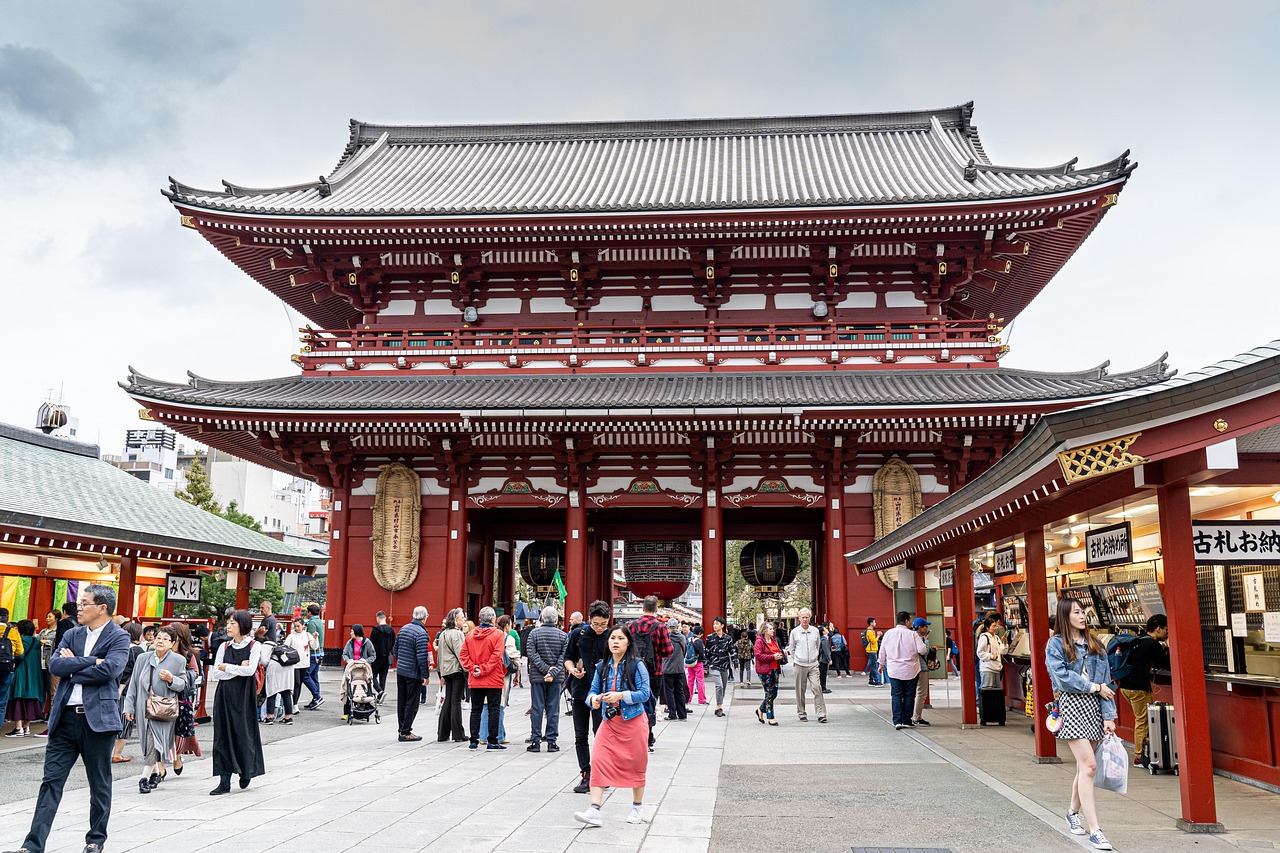
Tokyo Landmarks from Ginza Glamour to Senso-ji Calm for Tokyo Landmark Ginza Luxury Shopping Senso-ji Tokyo Tower Shibuya
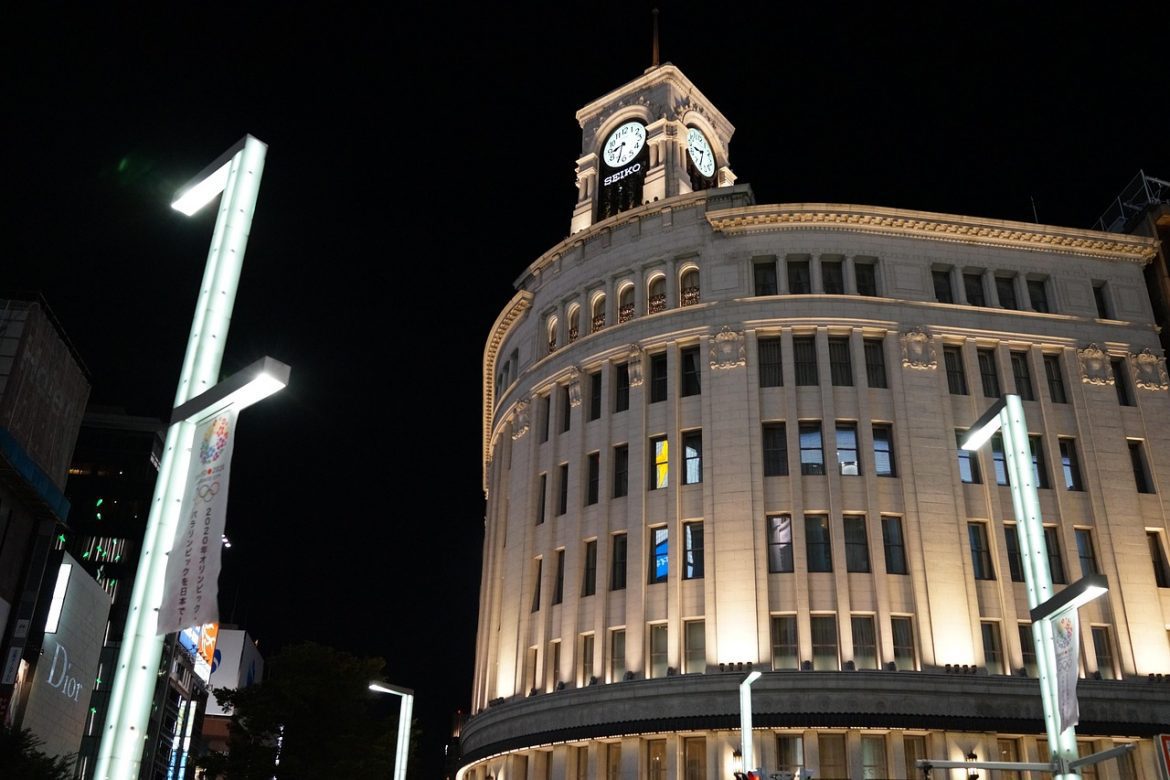
A Tokyo landmark day can be as polished—or as grounding—as you choose: Ginza luxury shopping, Senso-ji, Tokyo Tower, and Shibuya fit together surprisingly well when you keep transfers simple. Tokyo’s Ginza is a popular area for architecturally striking flagship boutiques and quietly impressive service, and it’s ideal after 5 PM when the streets feel vibrant yet composed. This is modern Tokyo at its most elegant, where design and dining create their own kind of landmark experience.
Ginza galleries, luxury shopping, and crafted sushi with effortless logistics
An art lover once recounted how they uncovered hidden galleries tucked above the boutiques, then slipped into a Michelin-starred counter for a crafted sushi dinner that felt entirely personal. Ginza is easy to explore via Tokyo Metro, and a hotel-to-dinner transfer arranged in advance keeps the evening seamless without overplanning. The result is a night that feels spontaneous, yet supported.
- After-hours Ginza: arrive around dusk for a softer pace and beautifully lit storefronts.
- Reservations: let a concierge secure dining times that protect your rhythm together.
- Cards and culture: premium venues are card-friendly, and there’s no tipping to navigate.
Senso-ji, Shibuya Crossing, and skyline viewpoints for views of the city
For a shift in energy, Senso-ji is a Buddhist temple located in Asakusa, and its early hours can feel surprisingly calm. From there, step back into the city’s pulse at Shibuya Crossing—often described as the world’s busiest pedestrian crossing—where giant video screens, bright signage, and a hint of neon turn movement into theatre. If you’d like a rooftop drink, choose a terrace with a skyline outlook and linger for truly memorable views of the city.
For classic vertical icons, Tokyo Tower is inspired by the Eiffel Tower, and its silhouette still feels timeless on the skyline. For a newer viewpoint, Tokyo Skytree is Japan’s tallest structure, with observation decks on the top two floors for wide, clean sightlines. If you have an extra evening and crave water views, some travellers take a short detour to Yokohama for what’s marketed as the tallest seaside tower—a different angle on the region without adding stress to your day.
If you want one more gentle cultural note, Meiji Jingu is a shrine dedicated to Emperor Meiji and his wife, Empress Shōken—an unexpectedly quiet pocket that shows how traditions and modern life can sit side by side. It’s an easy reset between shopping, dining, and city energy.
Mount Fuji day trip – Arakura Sengen Shrine pagoda view and weather-smart planning
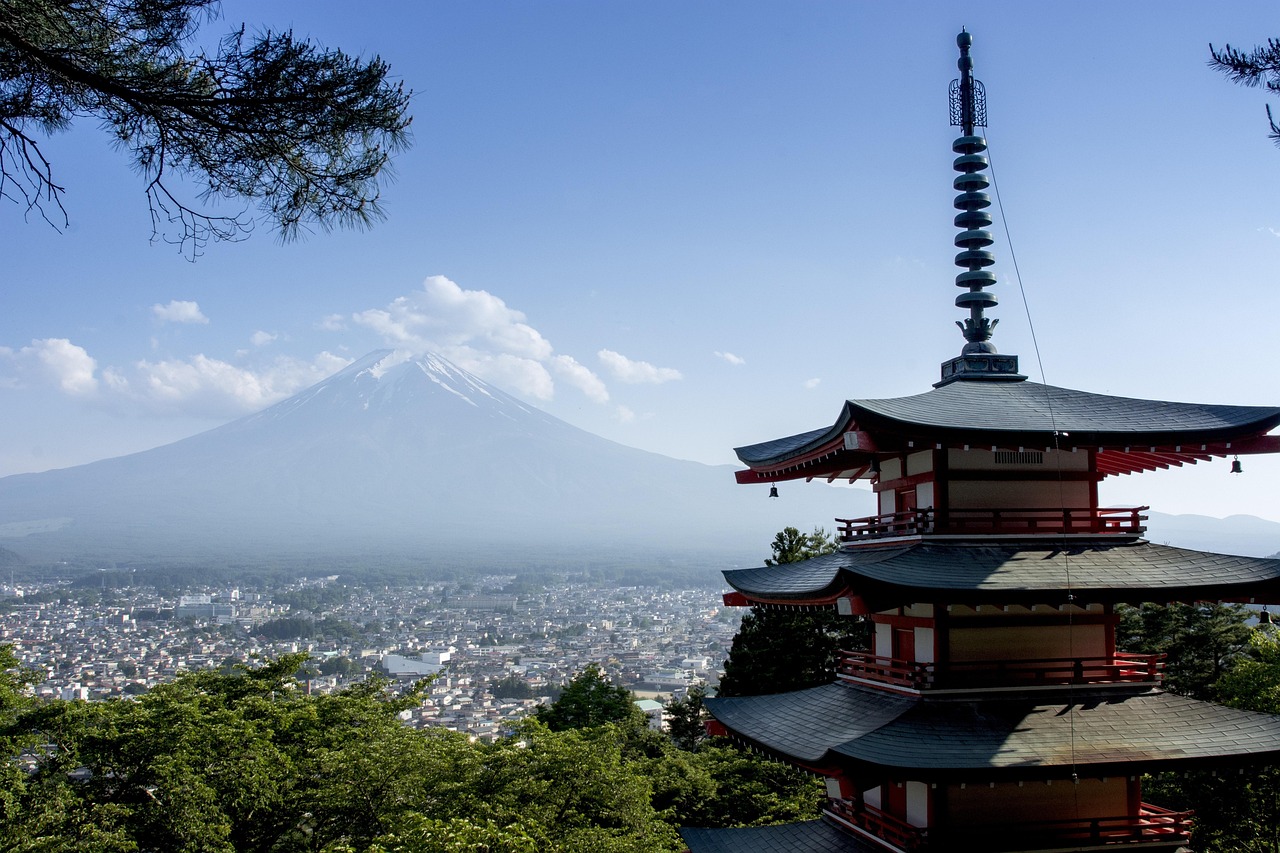
Mount Fuji and the Pagoda View That Helps You Imagine Japan for Mount Fuji Landmark Arakura Sengen Shrine Pagoda Day Trip
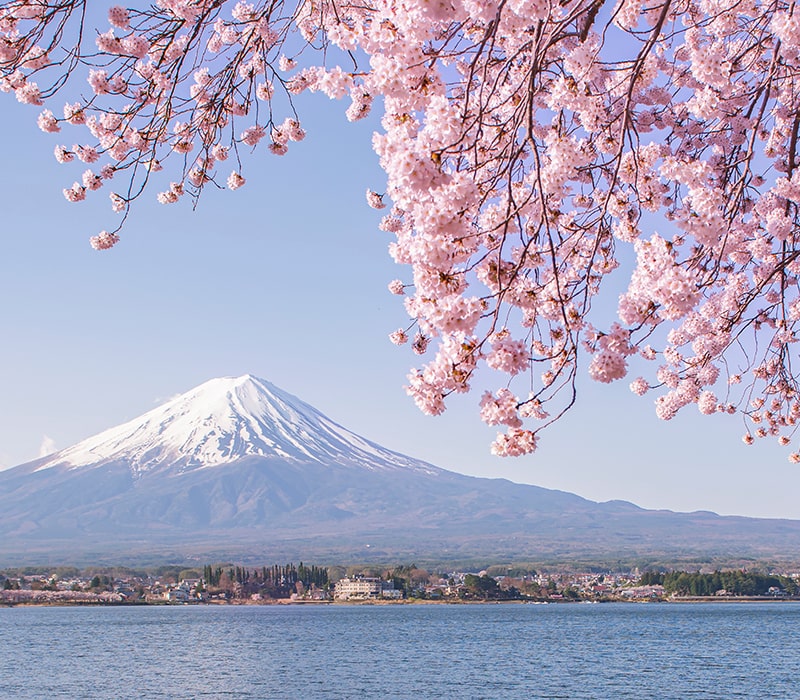
Mount Fuji is Japan’s highest mountain, and this peak in Japan anchors many “visit in japan” dreams—yet it rewards flexibility more than force. For a Mount Fuji landmark day trip that feels luxurious, design it around weather windows and a willingness to shift timing. On clear days, fuji appears like a held breath; it’s Japan’s most famous natural icon, and it rarely needs exaggeration.
Arakura Sengen Shrine: pagoda framing Mount Fuji at sunrise
The classic viewpoint is Arakura Sengen Shrine, where a pagoda rises in the foreground and Mount Fuji holds the horizon. Aim for sunrise or late afternoon: the light is softer, tour groups thin out, and your photos feel less like a queue. Take your time on the steps, then pause—this is one of Japan’s most recognisable compositions for a reason.
Refined day-trip design and comfort notes
From Tokyo, a private car gives you calm control—door-to-door timing, space for a lakeside lunch, and unhurried stops where you can simply breathe. If you prefer rail, the limited express plus a local taxi still works well, especially when your hotel team can coordinate pick-ups. Japan is built with earthquake awareness; if anything shifts, follow local guidance and keep plans adaptable with the quiet confidence that the country is prepared.
For active travellers, reaching the top of mount Fuji is possible in the climbing season, but it’s not always the most restorative choice. A scenic pagoda viewpoint, a warm drink, and a lingering lakeside table often feel more in tune with high-end travel—space to notice rather than to conquer.
Beyond the big cities: castles, Hiroshima, Itsukushima Shrine, and an Amanemu finale
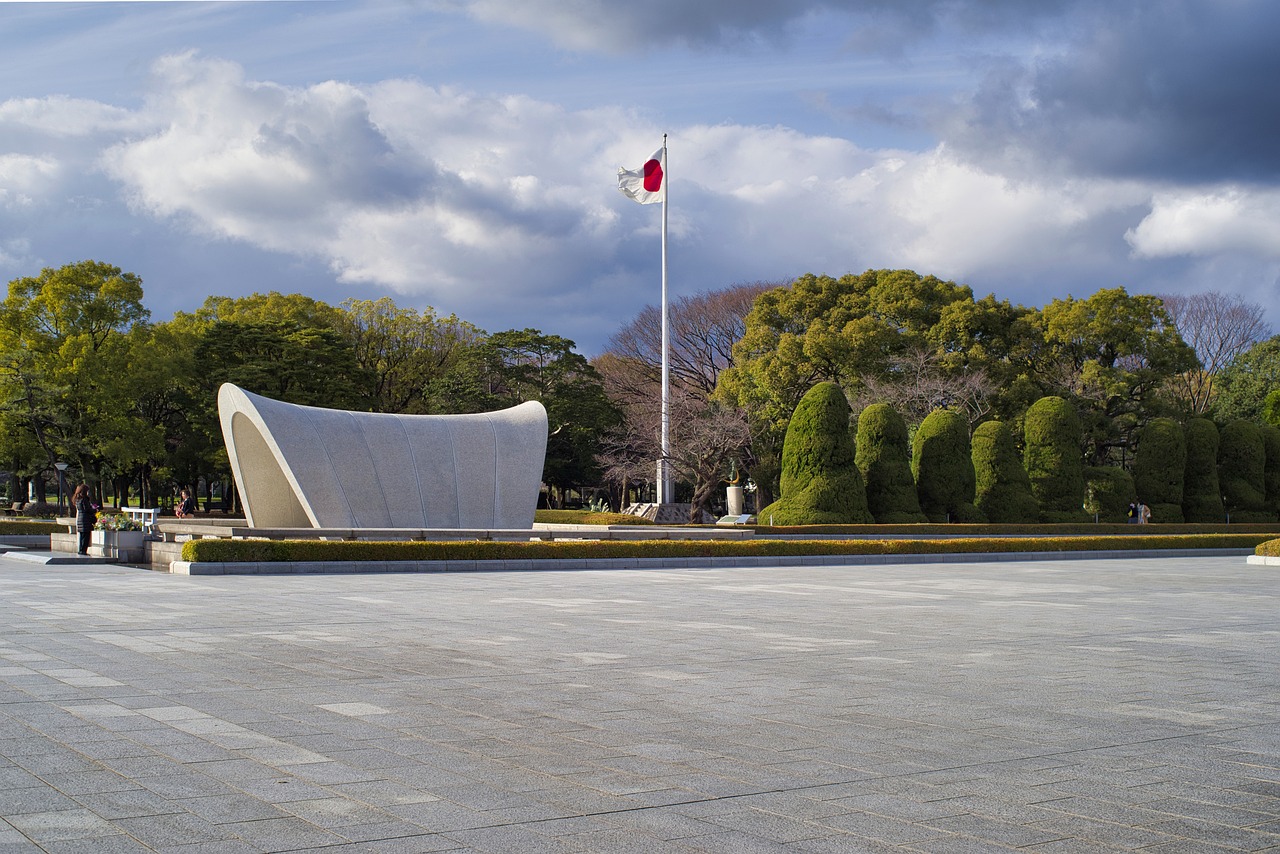
Beyond the Big Cities Castles Hiroshima and an Amanemu Finale for Japan Landmark Hiroshima Peace Memorial Itsukushima Shrine Osaka Castle Amanemu
Beyond the big-city rhythm, a landmark journey can hold both beauty and meaning: the Hiroshima Peace Memorial, Itsukushima shrine, Osaka Castle, and Amanemu can be linked in a way that feels thoughtful rather than intense. This stretch adds historical landmarks, coastline light, and restorative quiet—without losing the seamless support that makes travel feel easy together. For many travellers, a castle is one of the most vivid ways to understand place: power, craft, and landscape all in one frame.
Hiroshima Peace Memorial and Peace Memorial Park: visiting with care
Hiroshima asks for a slower voice. Visit the Hiroshima Peace Memorial and spend time in Peace Memorial Park with quiet respect, allowing space to read, to sit, and to feel the weight of history due to war. A private guide can offer gentle context without overexplaining, helping you hold the experience with care and trust.
Itsukushima Shrine on Miyajima Island and castles in Osaka
For a refined day trip, Miyajima Island delivers a different kind of icon: Itsukushima shrine and its floating torii gate at high tide. If you can, arrive off-peak—either by a calmer ferry crossing or a private boat—to uncover a softer, more spacious view. The shrine was founded centuries ago, and the setting still feels quietly ceremonial.
Then, turn towards castles as living design. Himeji’s white heron castle, a UNESCO world heritage site, remains one of the country’s defining silhouettes—elegant even from a distance. Osaka Castle was originally built in 1583 and played a major role in unifying the nation’s story; in spring, the surrounding cherry blossom trees and cherry trees soften the stone with fleeting colour, and the castle’s grounds become a gentle place to linger between galleries and views.
In Osaka, add one modern viewpoint: Umeda Sky Building, a tower in japan that’s open to the public, with a top floor observatory that delivers panoramic views of the city. Time it for sunset to enjoy panoramic views, then drift into dinner with osaka’s relaxed warmth—this is one of Osaka’s easiest ways to see the skyline without fighting crowds.
Finally, close in Ise-Shima at Amanemu, where advance booking protects the calm. A couple once described their anniversary stay as unforgettable: personalised service that anticipated needs before they voiced them, private onsen baths that quieted the mind, and wide views of Ago Bay that seemed to slow time itself. Spring or autumn brings gentle weather, and the hush of steam becomes its own landmark—one that lives in the body as much as the memory.
After Japan: what famous landmarks in Japan quietly leave with you
This reflection is less about what you managed to see, and more about what you learned to notice. A shrine path at dawn can change the way you listen to your own footsteps; a skyline at night can make you feel both small and safely held. Even the simplest rituals—washing hands, stepping aside, lowering your voice—become a kind of gentle recalibration.
What often remains is the feeling of being supported: that your days were designed with expert care, yet still left space for surprise. Confidence grows when the logistics are seamless, when the transfers are calm, and when you can explore without bracing for friction. You return home with a quieter relationship to time, and a warmer trust in your own pace.
Memory does the work in small details: the sound under a torii, the hush of an onsen, the soft glow of neon in a side street, the way a local bow can feel like reassurance. And somewhere in that lingering stillness, you may find yourself imagining Japan again—different season, different light, the same sense of wonder waiting patiently.
F.A.Qs: Popular landmarks in Japan
What are the top 10 famous landmarks in Japan?
A classic 10 iconic top 10 includes Kyoto’s torii-lined shrine walks, the Arashiyama Bamboo Grove, Asakusa’s historic temple district, Ginza, Shibuya Crossing, Tokyo Tower, Mount Fuji, the pagoda viewpoint near Mount Fuji, Hiroshima’s memorial sites including Hiroshima Peace Memorial Park, and Himeji Castle. Your ideal list may vary by season and pace, but these combine cultural depth, design, and memorable viewpoints.
What are the top 10 attractions in Japan?
Many travellers rank Kyoto’s shrine and temple districts, Tokyo’s Ginza and Shibuya, Mount Fuji viewpoints, Hiroshima’s memorial sites, Osaka’s food and skyline, and castle towns in Kansai among the top attractions in Japan. For high-end travel, the difference is timing and access: early starts, private guidance, and seamless transfers that keep each day calm.
What are the top 10 most famous landmarks?
Globally, the “top 10” depends on who’s listing them, but within Japan the most famous often include Mount Fuji, Kyoto’s torii gate corridors, Tokyo Tower, Asakusa’s temple district, Shibuya Crossing, iconic castles in Kansai, the Hiroshima Peace Memorial, and the floating shrine on Miyajima. The most meaningful choice is the one that fits your interests and energy.
What are the top 3 landmarks?
If you want three that capture Japan’s range, choose a Kyoto shrine experience, Mount Fuji for an iconic natural symbol, and either Hiroshima’s memorial area for reflection or Ginza for modern design and dining. With thoughtful planning, these can feel unhurried, personal, and deeply memorable.