Post Contents
- Imperial Palace Tokyo tour history shogun Edo Meiji 1868
- Planning a trip imperial palace tour Tokyo guide access Otemachi Tokyo Station
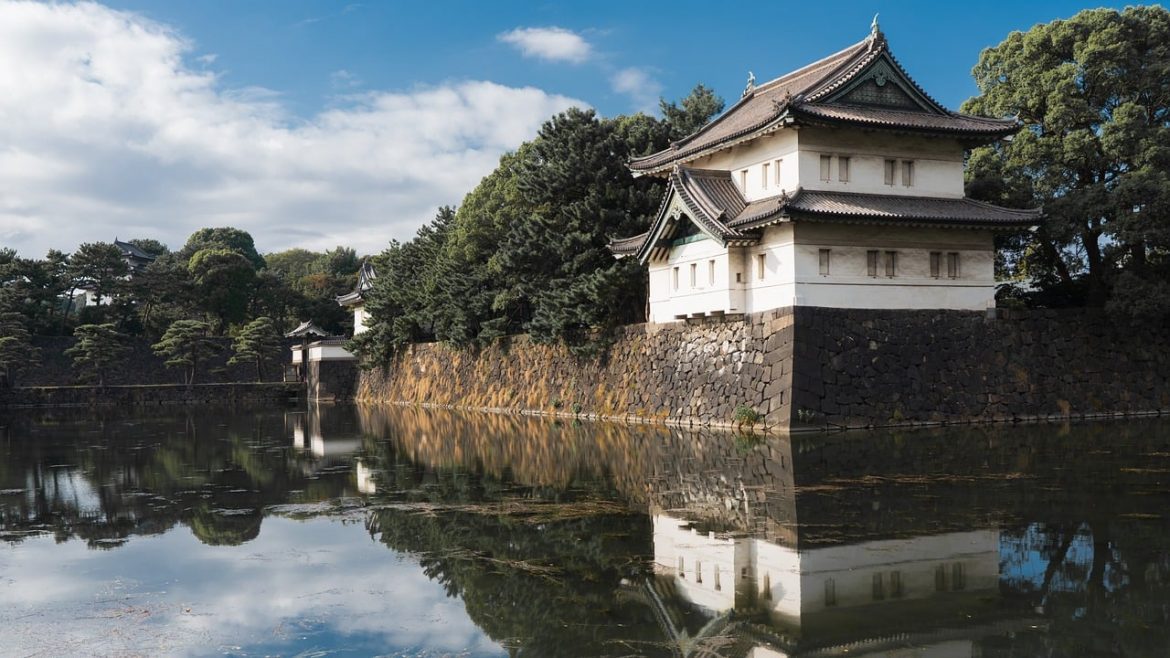
- Imperial Palace East Gardens Tokyo visit stone walls seasonal flowers
- Nijubashi Bridge Kokyo Gaien Plaza Imperial Palace Tokyo photo walk
- Guided tours Imperial Palace Tokyo Imperial Household Agency reservation
- Tokyo Station Marunouchi Imperial Palace tour visit
- Imperial Palace Tokyo visit reflection Japan
- F.A.Qs: Japan Imperial Palace tour
Imperial Palace Tokyo tour history shogun Edo Meiji 1868
Imperial Palace Tokyo from Shogun Edo to Meiji
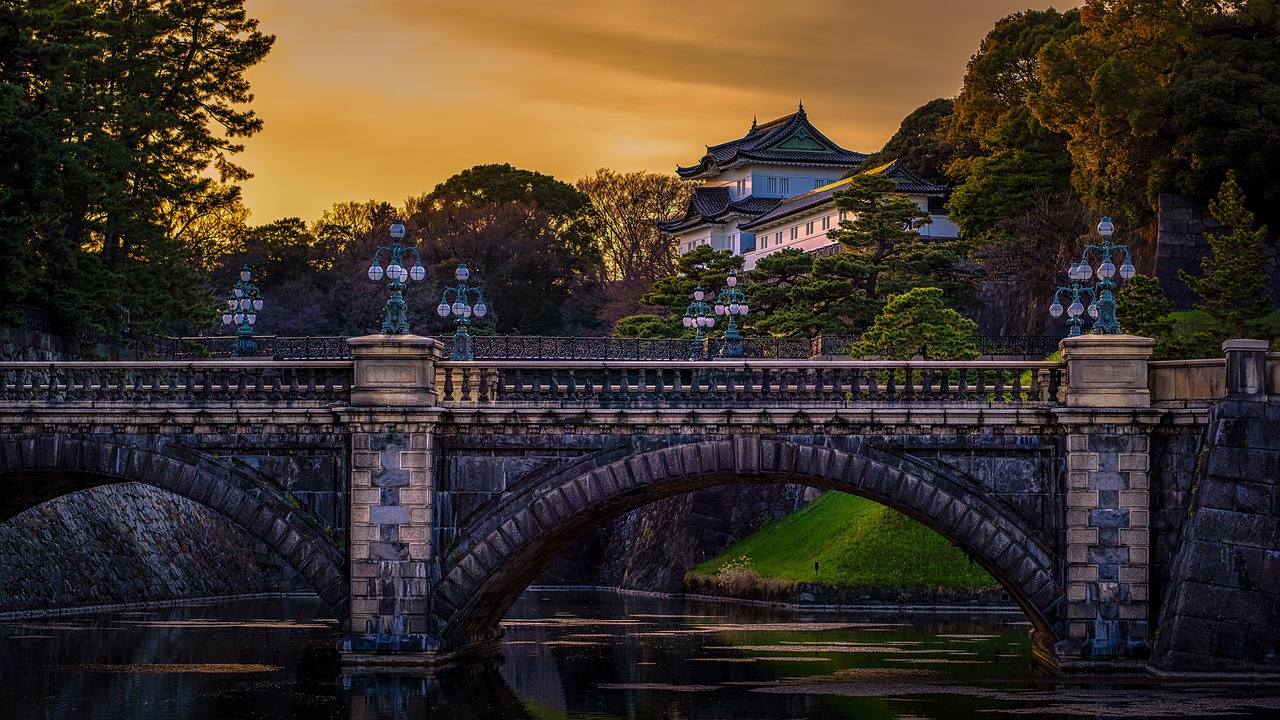
On an Imperial Palace Tokyo tour, history runs from shogun Edo through Meiji, with 1868 marking the shift that reshaped the nation’s centre of gravity. The imperial palace sits on the site of Edo Castle, once the seat of the Tokugawa and the shogunate, and today it forms the heart of the imperial palace complex.
This matters because you’re not visiting a museum-like relic; you’re moving around a living imperial residence tied to the emperor and Japan’s imperial family. The story is layered into the landscape—moats, gates, and carefully placed viewpoints that still carry symbolic power in modern Tokyo.
Uncover Edo castle layers like an expert
Imagine arriving with an adventure seeker’s curiosity: you’re not just seeing a building, you’re uncovering how Japanese heritage is engineered into stone and water. Castle ramparts and stone walls were designed for defence, but they now frame seasonal light and skyline drama, a contrast that can fascinate even seasoned travellers.
Nijubashi in spring light as a personal moment
Many travellers recall their first glimpse of Nijubashi, especially when cherry blossoms soften the scene. It’s the kind of quiet shock that creates trust in your own pace—standing still, noticing the hush, and realising Tokyo can be both vast and intimate at once.


Planning a trip imperial palace tour Tokyo guide access Otemachi Tokyo Station
Design a Seamless Tour Day in Tokyo
If you’re planning a trip imperial palace tour Tokyo guide access Otemachi Tokyo Station style, the secret is designing the day so it feels seamless. Start with a calm morning loop, place your guided tour mid-day, then finish with an afternoon wander through Marunouchi as the city shifts into evening energy.
Access is wonderfully straightforward: from the Tokyo Station area it’s a 10-minute walk to the palace perimeter routes, and Otemachi is equally convenient by subway. Taking a local approach—walking, reading signage, and letting the city unfold—builds confidence fast, even on a short visit.
Pleasant timing choices for an enjoyable Tokyo tour
For most travellers, spring and autumn feel the most pleasant: crisp air, vivid colour, and comfortable walking conditions. Summer is still doable with care—pace yourself, carry water, and use shade breaks so the day stays enjoyable. If you want quiet, a Sunday morning stroll can feel almost private; if you want buzz, a public holiday brings a different, more ceremonial atmosphere.
Kyoto comparison for cultural context
Kyoto often invites a temple-by-temple rhythm, while the imperial palace experience in Tokyo is more about space, geometry, and modern contrast. You’re walking through a capital’s living centre, not a preserved quarter, and that difference gives the tour a distinct kind of insight.
- Pack for comfort: comfortable shoes, a light layer, and sun protection in summer.
- Keep it together: choose one main loop, then add small detours rather than cramming.
- Low-stress navigation: follow station signs towards Marunouchi or Otemachi exits and walk with purpose.
Imperial Palace East Gardens Tokyo visit stone walls seasonal flowers
Explore the East Gardens and Imperial Palace East Gardens Highlights
The classic imperial palace east gardens tokyo visit stone walls seasonal flowers experience begins with an immediate shift in atmosphere. Lawns open out, the skyline steps back, and those ancient stone walls deliver a sense of drama that feels almost impossible in the centre of Tokyo.
I like to treat the East Gardens as a slow walkthrough rather than a checklist. The garden design is a masterclass in Japanese restraint—balanced views, controlled lines, and quiet transitions that make each turn feel intentional.
East Gardens highlights for a crafted walkthrough
Look for traces of the old castle layout: ramparts, terraces, and changes in elevation that once shaped defence and movement. Small details reward patience—signage that explains historical layers, viewpoints that align with water and stone, and seasonal shifts that change the mood of the same path.
Entrance and gate notes for a confident visit
On the day you go, check which sections are open to the public, as access can vary. The entrance process is typically orderly, with clear directions and staff who help maintain a calm flow through key gate points. Once inside, settle into your pace—this is a place where calm attention pays you back.
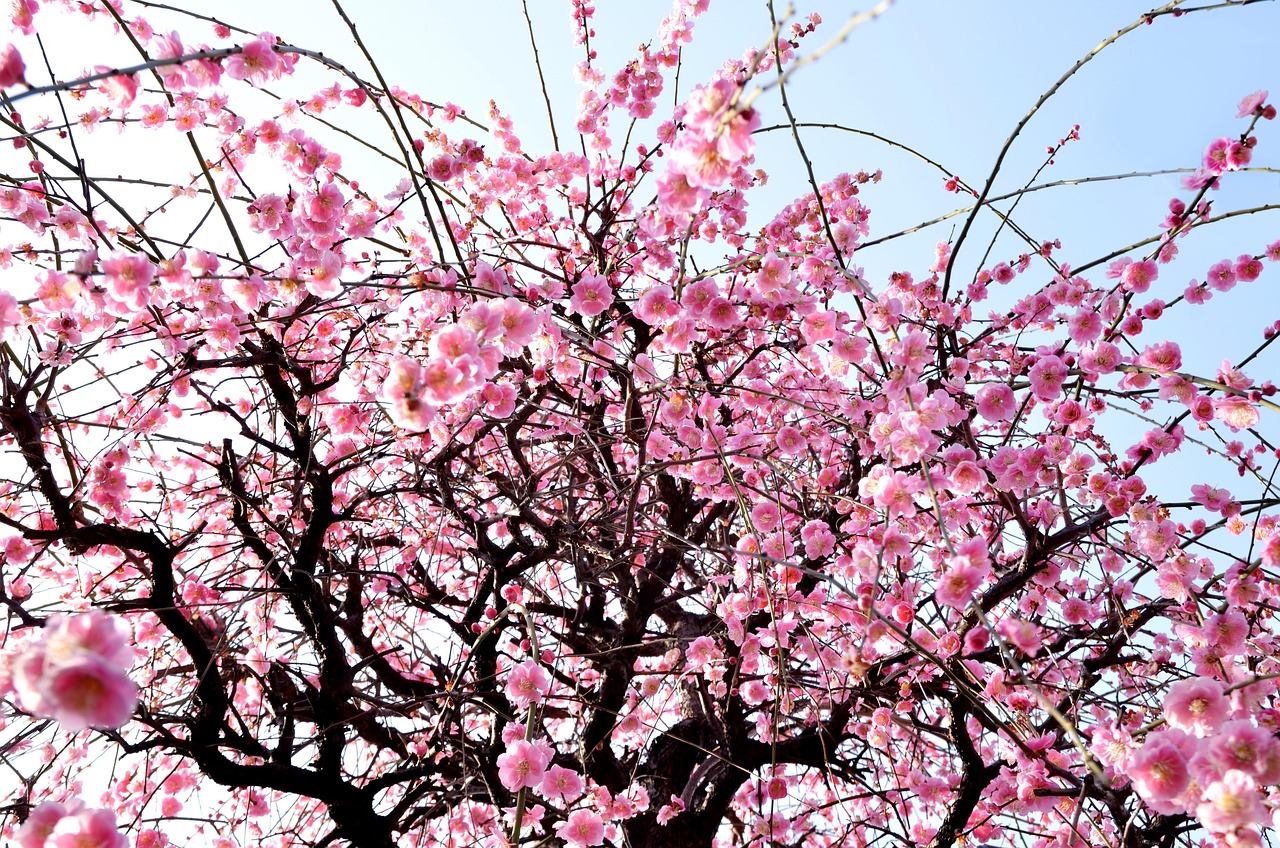
A family once shared how late-winter plum blossoms turned their walk into something quietly joyful. It’s a reminder to design your day around what you want to feel, not only what you want to photograph.
Nijubashi Bridge Kokyo Gaien Plaza Imperial Palace Tokyo photo walk
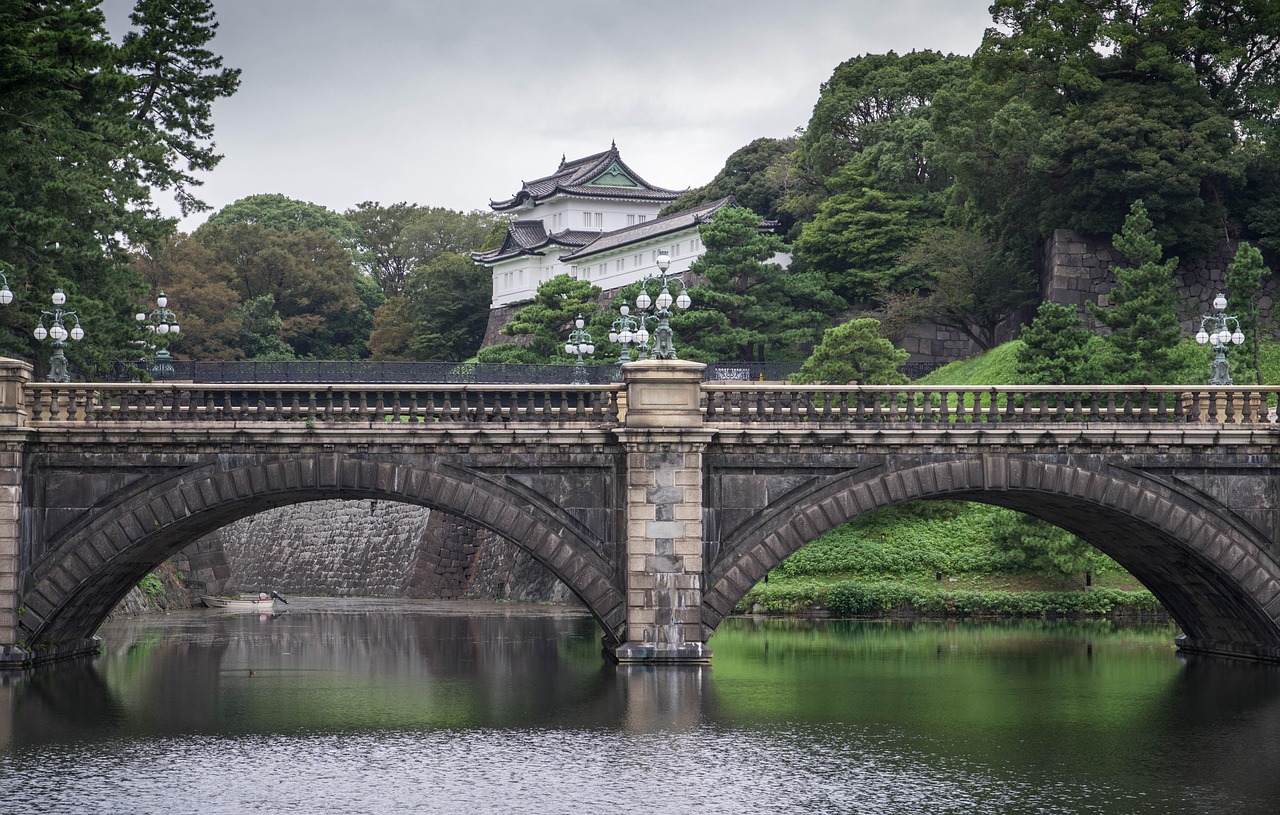
Nijubashi to Kokyo Gaien Plaza a Photo Walk with Insight
The nijubashi bridge kokyo gaien plaza imperial palace tokyo photo walk is where many visitors feel the emotional centre of the day. You arrive, you frame the shot, and for a second Tokyo seems to exhale—especially when blossoms or crisp winter light sharpen the scene.
Photography here comes with an unspoken agreement: be respectful, keep noise low, and follow posted rules. It’s a warm kind of discipline that preserves the serene mood for everyone.
Highlight loop around Kokyo Gaien Plaza
Create a gentle walking loop around Kokyo Gaien Plaza, and notice how the wide gravel openness changes your posture and breathing. This space is used for royal events and public ceremonies, and even when nothing formal is happening, it still feels quietly official.
Shinjuku contrast and changing light
For cultural contrast, think of Shinjuku’s intensity: bright, packed, and fast. Here, the lines feel formal and peaceful, and the city’s soundscape thins out. One adventurer told me their favourite part was an early-morning return—first for quiet, then later for the changing light as commuters streamed past.
- Best photos: arrive early for softer crowds and steadier compositions.
- Mindful etiquette: don’t block pathways; keep your voice low near viewpoints.
- Small creative choice: shoot wide for the city-palace contrast, then close for details.
Guided tours Imperial Palace Tokyo Imperial Household Agency reservation
Guided Tours and the Imperial Household Agency Process
For many travellers, guided tours imperial palace tokyo imperial household agency reservation is the step that turns curiosity into a truly informed tour. Tours of the palace are free, but they must be booked in advance, and places can fill quickly around peak seasons and school holiday dates.
Reservations are made through the imperial household, and the official booking point is the imperial household agency’s website. You’ll typically need basic personal details and a preferred date; the process is straightforward, and the clarity of the instructions offers real support if you’re booking from abroad.
What guided tours include and what to expect
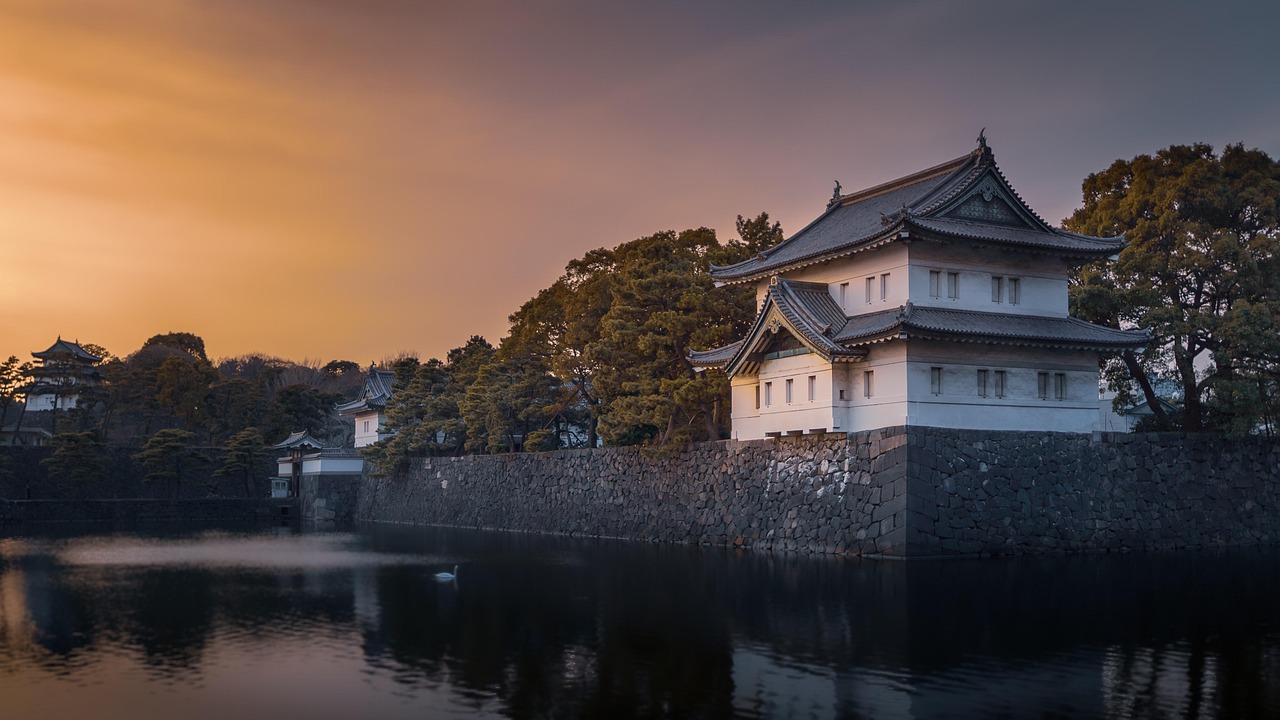
It helps to know that palace are generally not open, which is why a reserved slot feels special. Guided tours can take you into the inner palace grounds and see selected exterior viewpoints, with knowledgeable guides who add context to architecture, landscape choices, and ceremony. One visitor shared that a guide transformed the experience from “beautiful” to deeply meaningful—suddenly every line and turn felt purposeful.
Etiquette and logistics with care
Arrive early, listen closely, and follow directions during briefings delivered in English and Japanese. Keep your voice low, respect any photography restrictions, and treat the group pace as part of the calm design of the experience.
- Bring: ID if required by your booking confirmation, water, and weather layers.
- Arrive: early enough to find the correct meeting point without rushing.
- Stay present: let the guide’s context deepen your insight, rather than racing ahead.
Tokyo Station Marunouchi Imperial Palace tour visit
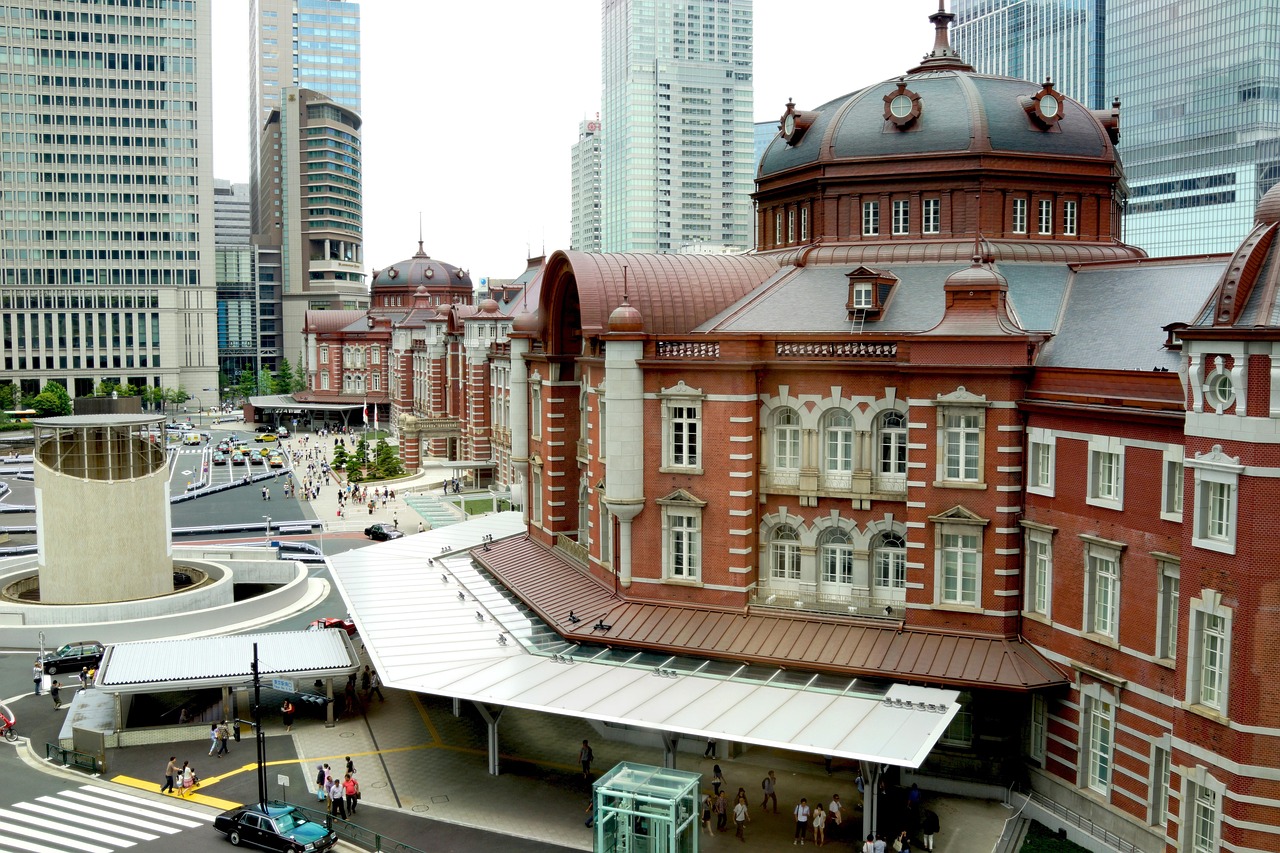
Tokyo Station to Marunouchi Modern Views beside the Palace
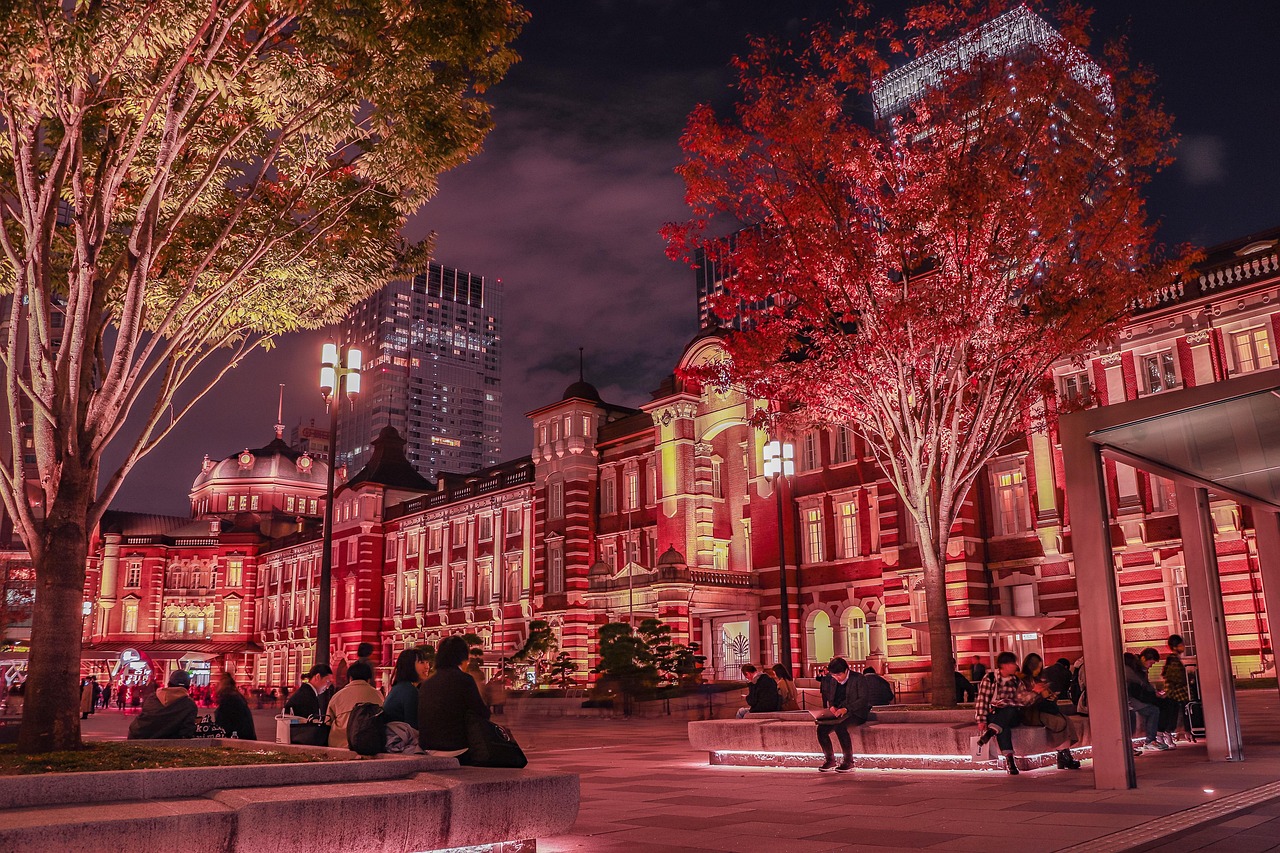
The tokyo station marunouchi imperial palace tour visit extension is the easiest way to keep your day flowing without breaking the spell. You step from the calm perimeter routes back into Tokyo’s design-forward district, where heritage brickwork and glass towers share the same horizon.
This is where you can create a “designed detour”: a short coffee stop, local sweets, and then a slow wander as the light softens. If you’d like inspiration for larger routes and high-end cultural journeys, you can browse our Trip gallery when you’re back at your hotel.
Marunouchi signage is clear, but peak commuter times can feel busy. The trick is to pick one landmark exit, walk with confidence, and use pedestrian crossings rather than slipping into underground passages unless you want a faster route.
Recommend pacing and rest stops with trust
Long walking days are more satisfying when you design in rest. In summer, prioritise hydration and shade, and consider a slower afternoon rhythm so curiosity stays alive rather than drained. A steady pace keeps the whole experience together—palace calm, city energy, and a sense that you’re travelling with care.
- Sunset idea: pause for final photos where modern lines frame the palace perimeter views.
- Energy check: sit down before you feel tired, not after.
- Flexible finish: end early if your feet say so—tomorrow’s adventures matter too.
Imperial Palace Tokyo visit reflection Japan
After an imperial palace tokyo visit reflection japan often arrives in smaller moments than you expect. A last look across the water, the hush near a gate, the way the city seems to wait at the edges rather than pushing in—these details linger long after the photos fade.
I think about continuity: the emperor of Japan as a living symbol, the careful choreography of space, and the human scale of footsteps on gravel. Even if you only had a short window, the grounds of the palace can recalibrate your attention in a gentle, lasting way.
There’s a particular stillness that stays with you—the kind that makes you walk more thoughtfully on the next street, and listen a bit more closely to the world around you. It’s not about doing more; it’s about noticing more, and trusting that your own pace is enough.
And when you imagine returning—perhaps in another season, perhaps on a different kind of day—you don’t feel urgency, only quiet curiosity.
F.A.Qs: Japan Imperial Palace tour
Is the Tokyo Imperial Palace tour worth it?
Yes, especially if you enjoy cultural heritage with open space and strong design details. The contrast between calm moats, formal plazas, and modern Tokyo is memorable, and a guided option can add deeper context without feeling overwhelming.
Can tourists go to the Japanese Imperial Palace?
Tourists can visit certain public areas such as the East Gardens and surrounding routes. Access to inner areas is limited, but special openings and reserved guided visits allow you to experience more while following clear rules and etiquette.
Can you do a tour of the Imperial Palace in Tokyo?
Yes. You can join scheduled guided tours on select days if you reserve in advance through official channels. Arrive early, follow the guide’s instructions, and plan comfortable walking time as the route is mostly outdoors.
Is the Imperial Palace tour free?
The guided tours are free of charge, but you typically need a reservation ahead of time because places are limited. The public garden areas are also free, making this one of Tokyo’s most rewarding high-end experiences for the cost.