Post Contents
- Designing a Japan Bucket List: Unmissable Places to Visit, With Space to Feel It
- Tokyo Attractions: High-End Days in Tokyo, From Ginza to Shinjuku Nights (Japan attractions)
- Ginza: a place to visit in Tokyo for luxury shopping and crafted evenings
- Senso-ji Temple: an early-morning temple visit and respectful shrine walk
- Shinjuku after dark: skyline views and a sophisticated Tokyo night
- Where to stay in Tokyo: choosing the best area to stay for your style
- A day trip from Tokyo to reset the senses without losing your Tokyo rhythm
- Kyoto Temples and Shrine Walks: Tea Ceremonies, Gardens, and Things to Do in Kyoto
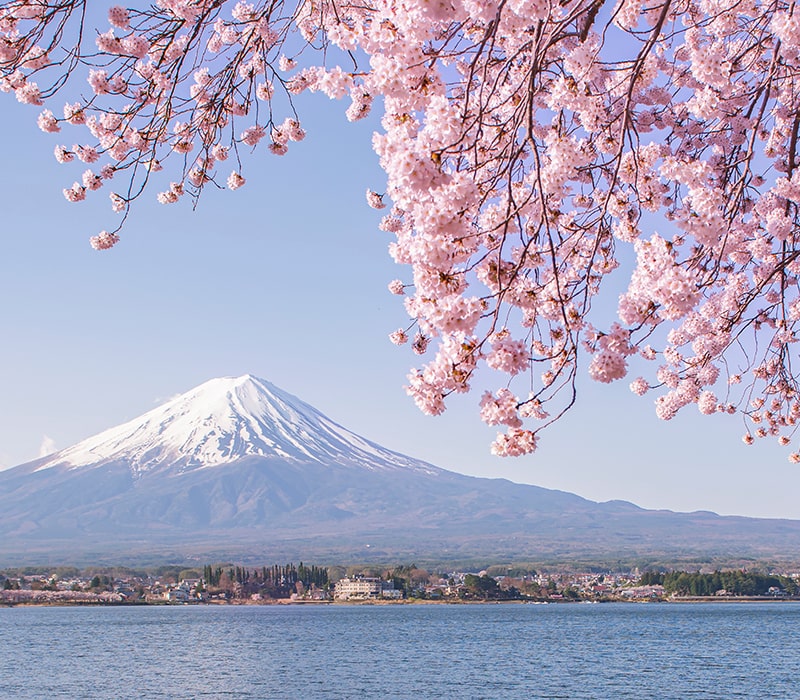
- Hakone Ryokan Onsen: Hot Spring Rituals and the Best Views of Mount Fuji
- Across Japan: Osaka, Hiroshima Peace Memorial and Naoshima & Teshima Art Islands
- Osaka: a vibrant place to visit for food culture, design, and easy nights out
- Universal Studios Japan: an optional premium day with smart timing
- Hiroshima museums and memorial parks: history with humanity
- Miyajima day trip: shrine walks, the iconic torii gate, and World Heritage atmosphere
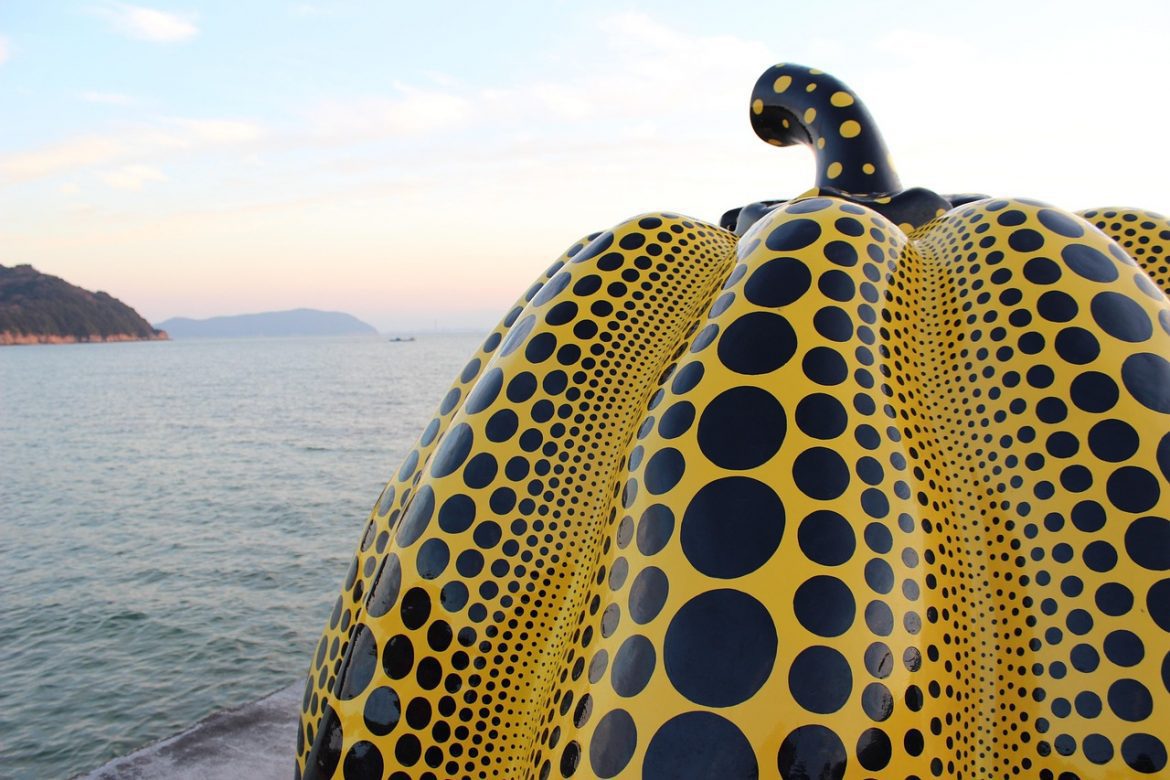
- Naoshima and Teshima: a curator-led art immersion for unmissable places
- After Japan: What Stayed With Us (and What You’ll Remember)
- F.A.Qs: attractions in Japan
Designing a Japan Bucket List: Unmissable Places to Visit, With Space to Feel It
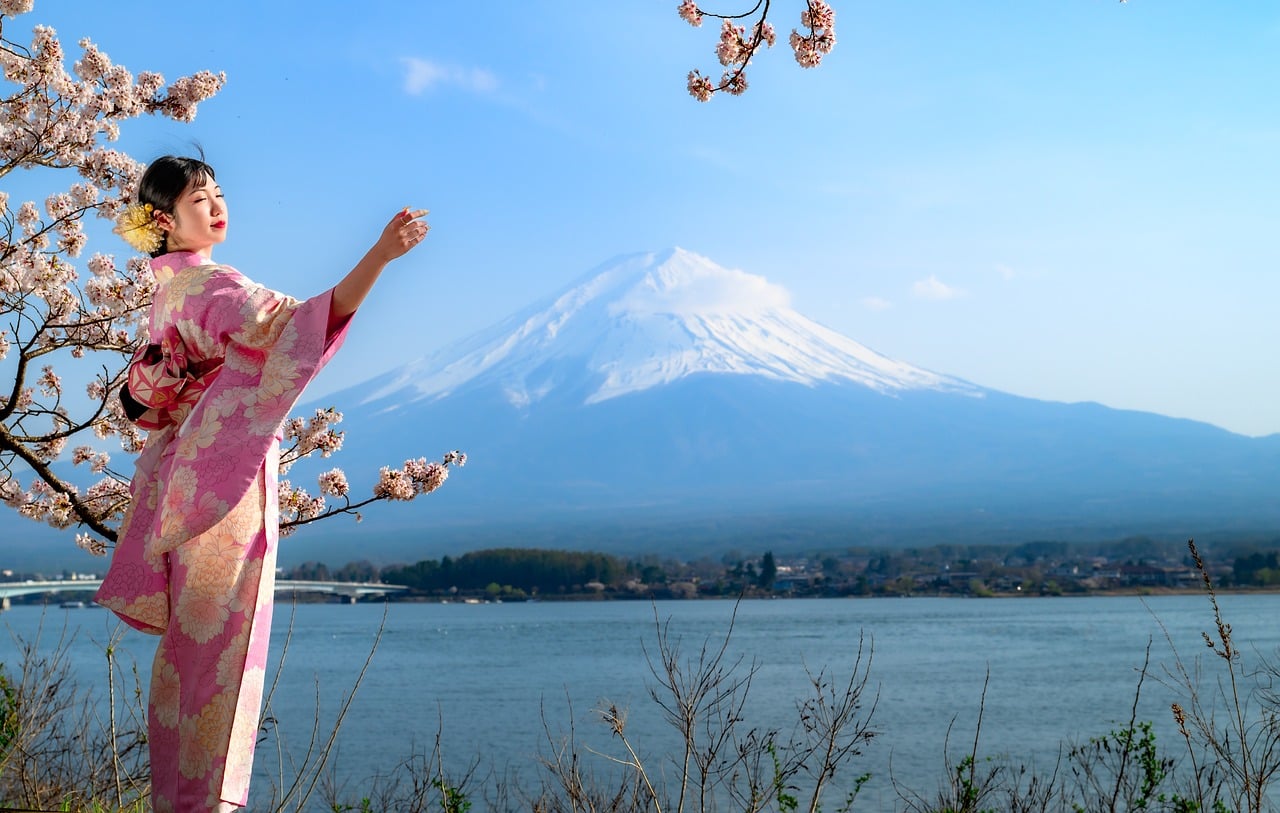
Designing Your Japan Bucket List of Unmissable Places to Visit with Mount Fuji
If you’re building a Japan bucket list, the most meaningful choices rarely come from trying to see everything. Think of this as a designer-led approach to planning: choose a Japan itinerary that prioritises mood, craftsmanship, and moments of stillness alongside iconic sights. Japan travel rewards travellers who leave breathing room—for an early shrine path, a lingering lunch, or a slow check-in where someone quietly remembers your name.
To begin, imagine your journey in three layers: a city pulse (Tokyo), a heritage heart (Kyoto), and a restorative pause (Fuji and Hakone). Then, if time allows, extend beyond Tokyo and Kyoto for a contrast chapter—Osaka’s energy, Hiroshima’s reflective museums, and the Art Islands’ calm ingenuity. This is how places to visit in Japan become not just a list, but a story you’ll trust—full of places in Japan to visit that fit your pace.
Cherry blossom season and autumn foliage: when the best places to visit feel different
Timing shapes everything you feel when you visit in Japan. Spring brings cherry blossom celebrations, soft light, and a quiet romance—yet also high demand for premium stays and sought-after guides. Autumn offers crisp air and deep colour, often with a calmer atmosphere in gardens and on temple approaches, though weekends can still fill quickly around peak foliage.
If your dream includes tranquil Kyoto temple photography or a tea room with hushed attention, aim for shoulder days (mid-week, early mornings) and book cultural experiences months in advance. Festivals and school holidays can subtly change the texture of a neighbourhood, especially in Tokyo and Kyoto, so we design around them with care rather than fighting them.
Japan itinerary arcs for a first trip to Japan that feels effortless
For a first trip to Japan, a simple arc is often the most luxurious: Tokyo and Kyoto, then a restorative interlude near Fuji, then one more city or a coastal art detour. It’s enough to visit the icons without rushing, and it leaves time for the best things—unplanned corners, a hidden café, or a museum that holds you longer than expected.
As a guide, many travellers love 3–5 days in Tokyo, 3–4 in Kyoto, and 1–2 in Hakone. If you have more time, you might add Osaka and Hiroshima, or weave in the Japan Alps as a slower scenic contrast. Some guests also choose to visit Kanazawa for refined craft and gardens, or visit Takayama for old-town charm—both can fit neatly without changing the calm design of your trip to Japan.
- Tokyo and Kyoto for first-time balance: contemporary design and historic depth.
- Fuji and Hakone for a restorative pause: onsen rituals and mountain air.
- Osaka and beyond for contrast: food culture, history, and art by the sea.
Getting around Japan with bullet train ease and thoughtful support
Travelling in Japan can be astonishingly smooth when you choose the right mix of independence and support. The bullet train is ideal for intercity routes, while private transfers add comfort when you’re arriving late, travelling with shopping, or simply protecting your energy. If you prefer to travel Japan by rail, consider whether a Japan Rail Pass suits your pace; it can be excellent value, but not every luxury japan itinerary needs one.
For seamless transitions, luggage-forwarding is a quiet miracle: send suitcases ahead and travel light between hotels. It turns stations into a pleasant ritual instead of a wrestling match, and it makes check-ins feel genuinely restful—especially when you’re moving around Japan with a few beautiful purchases in tow.
Refined etiquette in temples and shrines that builds trust
Japan is generous with hospitality, and small gestures show you understand that care. Remove shoes indoors when invited, speak softly in a temple or shrine, and pause before taking photographs where others are praying. When you’re dining at a private counter or using a driver and guide, appreciation given discreetly—aligned with local norms—can be a respectful way to honour service that has been thoughtfully crafted.
If you’d like to see what a curated, high-end Japan trip can look like in practice, browse our Trip gallery for inspiration you can adapt to your own pace on a future japan trip.


Tokyo Attractions: High-End Days in Tokyo, From Ginza to Shinjuku Nights (Japan attractions)
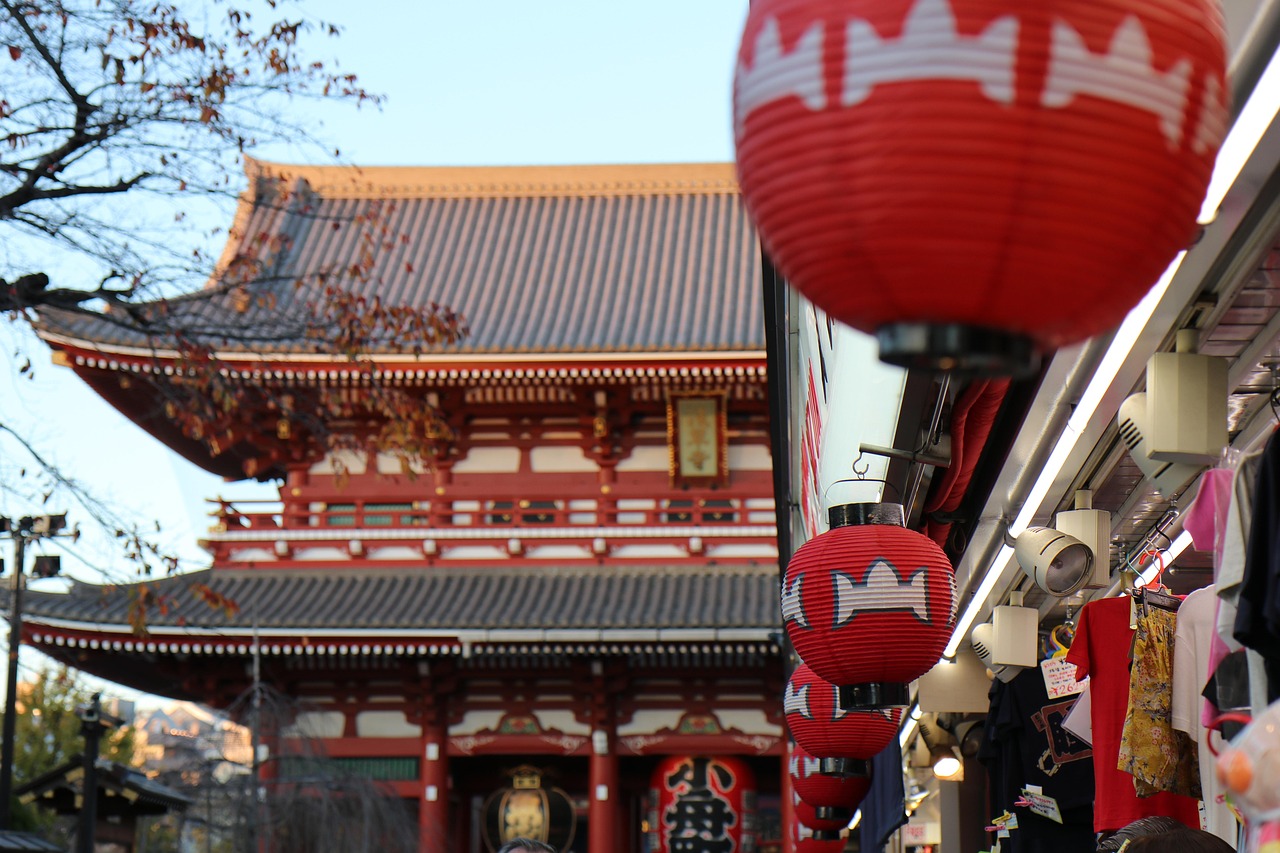
Tokyo Attractions for High-End Days in the City near historic temple streets
For Tokyo planning, the secret is not doing more—it’s doing it with intention. Tokyo can feel limitless, but with expert pacing it becomes deeply liveable: one exquisite district at a time, a few reservations that matter, and space to explore without overwhelm. When your base is right, your days in Tokyo feel almost choreographed, yet still entirely personal—an attraction in itself.
Think of Tokyo as a series of moods: Ginza’s polish, Asakusa’s early hush, Shinjuku’s night skyline, and quieter neighbourhoods where local life feels close. With a little design, you’ll uncover both the headline Tokyo sights and the softer edges that make Tokyo unforgettable.
Ginza: a place to visit in Tokyo for luxury shopping and crafted evenings
Ginza is a place to visit when you want Tokyo at its most refined: flagship shopping, galleries tucked above immaculate streets, and department-store food halls that feel like edible art exhibitions. Here, gourmet dining is not a scramble—it’s a crafted plan built around what you love, whether that’s a discreet sushi counter, contemporary kaiseki, or an elegant steakhouse in central Tokyo.
We like to design a Ginza evening that begins with a calm aperitif and ends with quiet confidence—perhaps omakase, then a cocktail bar where the lighting flatters and the bartender remembers. It’s Tokyo luxury that doesn’t need to announce itself.
Senso-ji Temple: an early-morning temple visit and respectful shrine walk
For cultural anchors among Tokyo attractions, start early in Asakusa—arriving before the crowds lets you hear the neighbourhood wake up. From there, a nearby shrine stroll provides contrast: smaller gates, gentle incense, and the feeling of moving through living Tokyo rather than a stage set.
In Tokyo, respect reads as elegance. Keep voices low, step aside when others are offering prayers, and let the atmosphere lead. This is one of those simple things to see that quietly shifts your relationship with Tokyo.
Shinjuku after dark: skyline views and a sophisticated Tokyo night
Shinjuku can be thrilling without ever feeling chaotic when you approach it with support. Begin with skyline views, then move into a jazz lounge or a softly lit hotel bar where the service is warm and precise. If you’re curious, an expert-led neighbourhood introduction can help you explore Tokyo confidently—seeing the energy while staying anchored in comfort.
For many travellers, Shinjuku is where Tokyo feels most cinematic. The trick is choosing your edges carefully so Tokyo remains safe, smooth, and genuinely enjoyable after dark.
Where to stay in Tokyo: choosing the best area to stay for your style
Where you stay in Tokyo shapes your entire trip. Ginza and Marunouchi suit travellers who want walkable luxury and effortless dining; Shinjuku offers brilliant transport links and night energy; quieter pockets (think leafy streets and boutique hotels) give you a slower return at the end of the day. The best area to stay isn’t universal—it’s the one that supports the rhythm you’re designing for a week in Tokyo or even a short stopover in Tokyo.
If you’re planning multiple stays in Japan, choosing a Tokyo hotel with a calm lounge, a strong concierge team, and reliable car access can make your time in Japan feel seamless from the first morning in Tokyo.
A day trip from Tokyo to reset the senses without losing your Tokyo rhythm
A well-chosen day trip can make Tokyo feel even more vivid when you return. Consider seasonal gardens, coastal art, or a private sake tasting arranged with a local producer. For a classic reset, head towards Hakone for mountain air and hot spring rituals, then return to Tokyo feeling refreshed.
Kyoto Temples and Shrine Walks: Tea Ceremonies, Gardens, and Things to Do in Kyoto
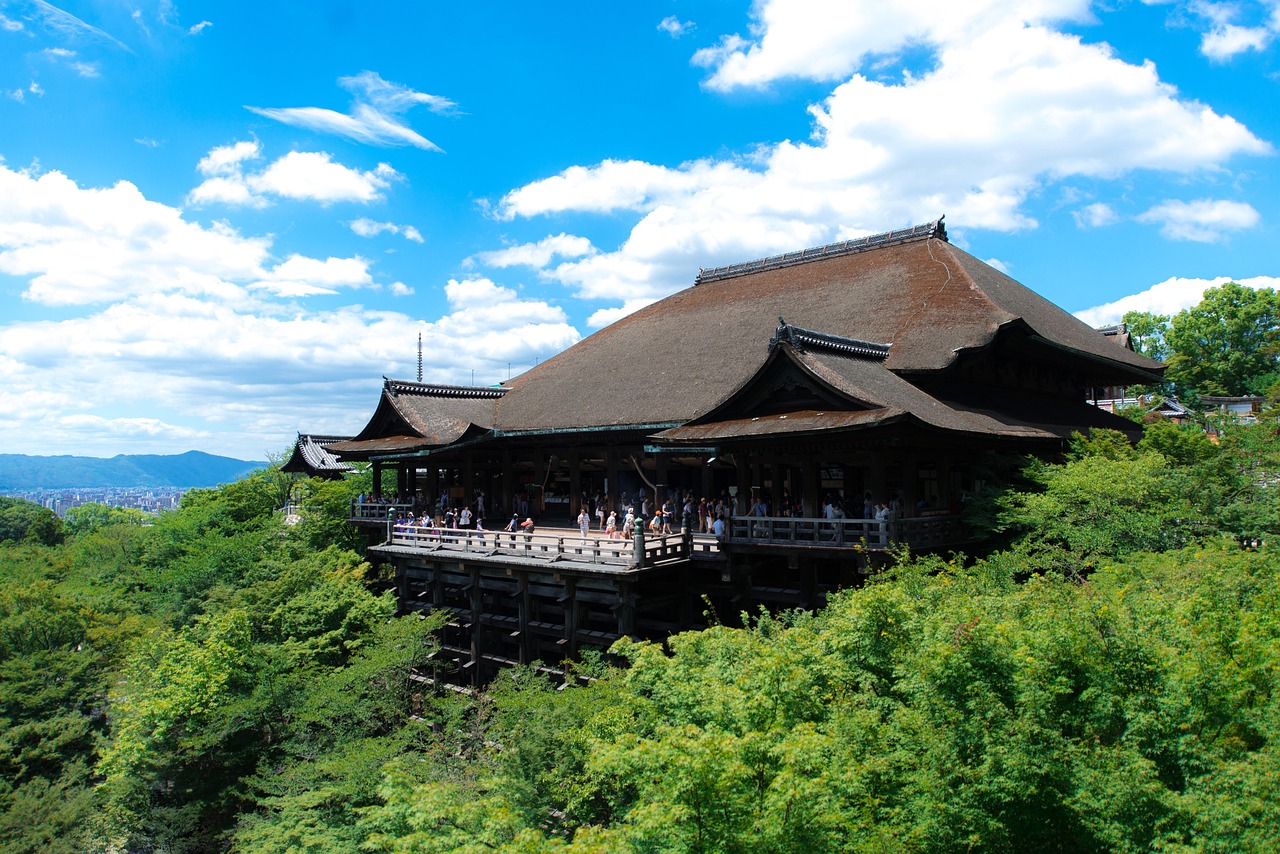
Kyoto Temples, Shrine Walks and Tea Ceremonies with Local Insight
When travellers search for Kyoto inspiration, they’re usually hoping for something quieter than a checklist. Kyoto is one of the best places to visit in Japan for heritage, but the real gift is how Kyoto slows you down: the sound of gravel underfoot, the way a temple garden frames the season, the calm authority of craft perfected over centuries. If Tokyo is momentum, Kyoto is meaning—and one of the best places to visit when you want depth over volume.
Here, it’s worth designing your Kyoto days around light and silence—early mornings, late afternoons, and a few carefully chosen experiences that feel local rather than performative. If you’re collecting things to do in Japan with real cultural texture, Kyoto is where the details land.
Kyoto temple and shrine pairings: one major temple, one intimate shrine
Rather than rushing through ten sites, we prefer a curated pairing: one major temple for awe, and one smaller shrine for intimacy. In Kyoto, that might mean arriving early to sit quietly before other visitors, then moving on foot through lanes where everyday life continues—bicycles, courtyards, a shopkeeper greeting a neighbour.
Photography is welcome in many places, but the most beautiful images often come from patience. Stand back, let the scene settle, and you’ll capture the softness that makes Kyoto feel like a private world.
Tea ceremonies as living art: gentle guidance, not performance
Tea ceremonies are not just something to watch; they’re a way of being guided into attention. In a private setting, a host can uncover the meaning behind each gesture—how the bowl is turned, why the room is arranged as it is, and how seasonality shapes every detail. Wear something comfortable and respectful, and don’t worry about “getting it right”; your presence is the point.
For high-end travellers, a private tea experience is often the moment Kyoto becomes personal. It’s quiet, crafted, and surprisingly moving.
Personal story: a Michelin-starred kaiseki dinner in Kyoto
A couple we travelled with still speak about one evening in Kyoto as if it happened last week. They’d secured an intimate kaiseki dinner prepared by a Michelin-starred chef—an experience built on trust, care, and seasonality in the heart of Kyoto. Each course arrived like a small landscape: a sip of clear broth, a perfectly cut sashimi, a dish that tasted of autumn leaves and smoke.
What made it unforgettable wasn’t only the food, but the feeling of being looked after without fuss. The chef’s team read the room with gentle confidence, explaining just enough, leaving space for wonder. It remains one of their favourite places in memory, not because it was extravagant, but because it was sincere.
Design details in Kyoto that deepen the experience
Kyoto rewards travellers who look for texture. Add artisanal shopping—lacquerware, handmade incense, contemporary ceramics—then an evening lantern walk where Kyoto streets glow and your pace naturally slows. If you want cultural add-ons, choose ones with local insight: a private garden visit, a craft studio appointment, or a performance that feels rooted rather than staged.
- Book early for premium guides, tea ceremonies and top dining—especially in cherry blossom and autumn foliage weeks.
- Build in gaps between bookings so Kyoto never becomes a race.
- Speak softly in temple precincts and let silence do some of the talking.
Hakone Ryokan Onsen: Hot Spring Rituals and the Best Views of Mount Fuji
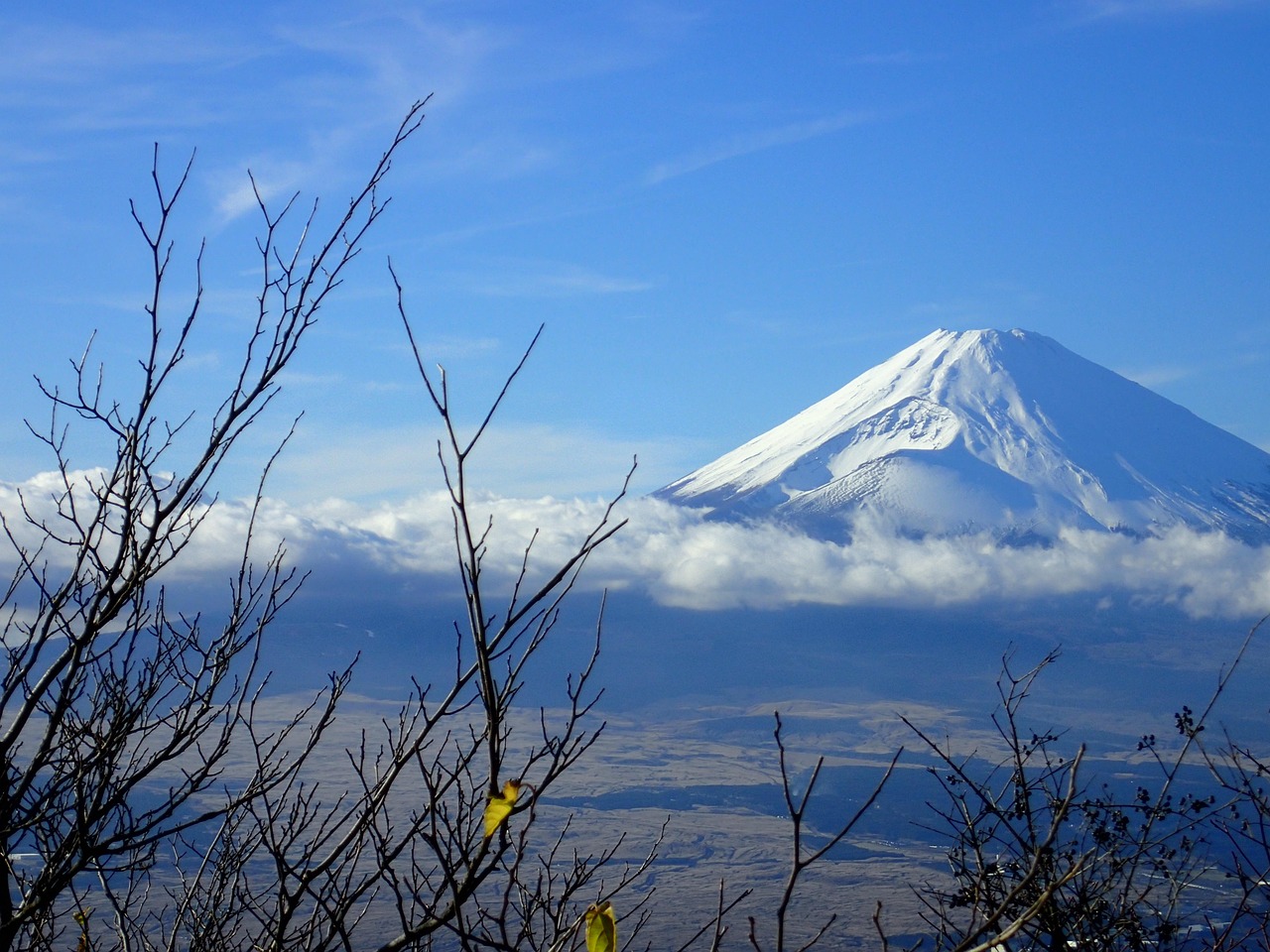
Hakone Ryokan Onsen and Best Views of Mount Fuji
If you’ve been weighing Hakone for a restorative interlude, consider this your permission to slow down. Hakone is one of the easiest places to go, close enough to Tokyo to feel simple, yet different enough to reset your senses. A traditional ryokan stay is about rhythm: slow mornings, long baths, unhurried meals, and the kind of sleep that arrives when your phone stops feeling important.
This is also where many travellers feel they truly begin to stay in Japan, rather than simply move through it. The luxury is in the quiet—and in the seamless support that makes the onsen rhythm feel natural from the first evening.
Traditional ryokan living: private onsen calm and refined service
Choose a ryokan that matches your comfort level—some lean very traditional, others blend modern design with heritage. For high-end travellers, a suite with a private outdoor onsen is often ideal: you can soak when you like, in privacy, without navigating shared bathing spaces unless you want to. Meals are part of the experience too, often served in-room or in a calm dining area with seasonal ingredients and precise presentation.
Give yourself permission to do less. In Hakone, “doing” can be as simple as watching the steam rise, reading a few pages, then returning to the hot spring as the light changes.
Personal story: a Mount Fuji view that felt unreal
One high-end traveller described their Hakone stay as the moment Japan stopped being an itinerary and became a feeling. They woke early, slid open the doors, and found Mount Fuji—clear, quiet, almost impossibly present—framed beyond the garden. Later, they sank into their outdoor onsen as mist lifted from the hills, and the staff arrived with breakfast as if they could sense the exact second the morning should begin.
What stayed with them most was the gentleness: a folded robe placed just so, a calm explanation of the bath controls, a steady warmth that felt like care rather than performance. It’s the kind of service that makes you trust the day on your trip to Japan.
Fuji viewpoints: planning for cloud cover and clear mornings
Fuji is famously weather-dependent, so we design for flexibility. If the forecast is uncertain, plan viewpoints across your stay—try early morning and late afternoon, and treat a clear sighting as a gift rather than a guarantee. In spring and autumn, visibility can be excellent; in summer, haze can soften the outline; in winter, crisp air can deliver dramatic clarity.
When guests ask what is worth a visit if Fuji hides, we point them towards the feeling of Hakone itself: forested walks, art spaces, and the pleasure of returning to warmth. And when fuji does appear, you’ll understand why people have travelled for centuries to see Fuji with their own eyes.
Onsen and hot spring etiquette: easy guidance for first-timers
Onsen etiquette can sound intimidating, but it’s manageable with a little guidance. Expect to wash before entering the bath, keep towels out of the water, and move quietly so others can relax. If modesty is a concern, choose a private onsen room or a ryokan with in-suite bathing; many properties can also explain customs in English and help you feel confident.
If you’re unsure, ask—politely and simply. In Japan, staff are often relieved to offer help, and your willingness to learn is received with kindness.
Transport choices for effortless Tokyo–Hakone check-ins
From Tokyo, you can reach Hakone by train connections or by private car. Private transfer is ideal if you value door-to-door ease, especially after shopping in Tokyo or if you’re travelling with extra luggage. If you prefer rail, combine trains with luggage-forwarding so you arrive unburdened and ready to exhale into your first onsen soak.
This is the design principle we return to again and again: protect your energy, and your trip to Japan becomes not only beautiful, but genuinely restorative.
Across Japan: Osaka, Hiroshima Peace Memorial and Naoshima & Teshima Art Islands
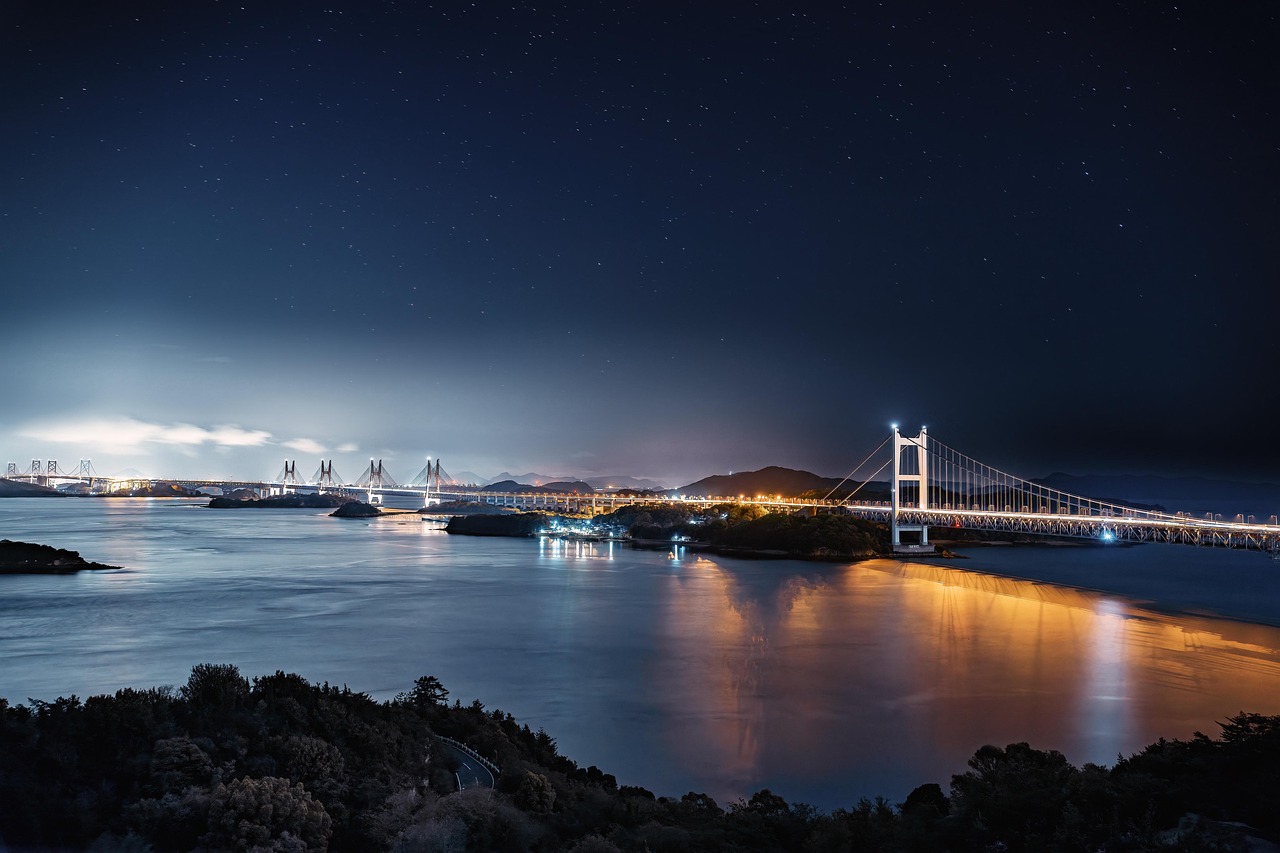
Across Japan Osaka and Hiroshima Peace Memorial to Naoshima Teshima Art Islands
When travellers search for Osaka, Hiroshima and island art, they’re often looking for contrast—something that expands the story beyond Tokyo and Kyoto. This chapter is about moving through the country with intention: Osaka’s lively confidence, the quiet weight of the Hiroshima Peace Memorial, and the Art Islands where contemporary work meets sea air. It’s also where you feel how Japan destinations can hold both joy and reflection in the same journey.
If you’re choosing between Tokyo or Osaka for a shorter itinerary, keep this in mind: Tokyo offers breadth, while Osaka offers a warmer, food-first immediacy. If you’re debating Osaka or Tokyo as your only base, Osaka can feel more compact—yet pairing Tokyo and Osaka is often the most satisfying split for city lovers.
Osaka: a vibrant place to visit for food culture, design, and easy nights out
Osaka is famous for appetite—yet high-end travellers can experience Osaka with just as much refinement as any other city. Design a daytime plan around Osaka Castle, a museum or gallery stop, and discreet shopping, then let the evening lean into food culture: excellent tempura, charcoal-grilled delicacies, and beautifully run counters where service feels genuinely local. Osaka’s best experiences come when you keep the plan light and the reservations strong.
For a sophisticated night, rooftop bars and hotel lounges add a polished finish. Osaka doesn’t ask you to be someone else; Osaka simply invites you to enjoy yourself.
This theme-park day can be an exhilarating change of pace, particularly for couples who enjoy a playful reset. The key is to keep it premium: timed entry, VIP support where available, and a strategy that avoids peak queues. We often recommend a later start the next morning—protecting your calm design so one high-energy day doesn’t ripple through the rest of your Japan trip.
If it’s not your style, you’ll find plenty of other things to do in Osaka that feel more boutique, from private tastings to quiet cultural corners.
Hiroshima museums and memorial parks: history with humanity
A visit here is not about ticking an attraction off a list. The museums and Peace Memorial Park ask for your attention in a different way—quietly, directly, and with space for feeling. Give yourself time, and consider going with an expert guide who can offer context without overwhelming the experience.
Many travellers leave with a gentler perspective: gratitude, sadness, and a renewed sense of what matters. It is one of the most important things to do in Hiroshima, precisely because it changes the tone of your journey in a meaningful way.
Miyajima day trip: shrine walks, the iconic torii gate, and World Heritage atmosphere
Miyajima is a classic day trip, yet it still feels luminous when you time it well. Aim for softer light—early morning or late afternoon—when the famous gate appears to float. The shrine walks here are serene, and the island’s rhythm encourages you to slow down and look more closely.
As a world heritage site, Miyajima is often discussed in grand terms, but it’s the small details that stay with you: a lantern-lit corner, the sound of footsteps on wet stone, the tide shifting. It’s a World Heritage area where reverence feels natural rather than forced.
Naoshima and Teshima: a curator-led art immersion for unmissable places
For travellers who love contemporary culture, Naoshima is an unmissable places moment—especially when you uncover it with the right guide. One art enthusiast told us their private curator-led tour on Naoshima Island felt like being given the keys to a secret language. They moved slowly between installations, learning how light, concrete, and coastline shape meaning, then paused for a long lunch where the conversation drifted from art to life.
Adding Teshima deepened the calm: less about collecting photos, more about letting the work settle into you. This is where an itinerary becomes quietly unforgettable—culture and tranquillity held together, as if the sea itself is part of the gallery.
- Design the transfer: combine rail with private car segments for comfort and flexibility between Osaka, Hiroshima and the islands.
- Protect your pace: schedule art and history days with lighter evenings.
- Book ahead: island stays and private guides are limited, especially in peak seasons.
After Japan: What Stayed With Us (and What You’ll Remember)
Long after you’ve unpacked, Japan doesn’t remain as a list of places to see; it lingers as atmosphere. You might remember the hush of a shrine path at dawn, the sound of a temple bell folding into air, or the way Tokyo light reflected in rain made the street feel briefly like a film. Japan is one of those destinations where hospitality feels precise and understated, and that quality can change how you receive care—and how you offer it in return.
What many travellers carry home is not just photographs, but confidence in their own pace. In Kyoto, you learn that stillness can be a form of luxury. In Hakone, the onsen teaches you to stop negotiating with time. And in the Art Islands, you discover that beauty doesn’t always announce itself; sometimes it simply waits, quietly, until you’re ready.
The most enduring part, perhaps, is how thoughtfully designed days can create room for wonder—without needing to explain that choice to anyone. If you’re wondering which places to go next time you visit Japan, trust the feeling you’re chasing: design, calm, appetite, or heritage. Steam rising into a cool morning, a small bow at a doorway, the soft order of things—these are the details that stay in Japan’s wake.
F.A.Qs: attractions in Japan
What is the #1 tourist attraction in Japan?
There isn’t one universal answer, but many travellers place fuji at the top for its cultural significance and sheer visual impact. In practice, the “number one” attraction depends on your style: Tokyo for modern energy, Kyoto for temples and heritage, or Hakone for onsen calm with Fuji views. For high-end travel, the best experiences often come from how you time and design the visit, not just the landmark itself.
What are the top 10 attractions in Japan?
A widely loved mix includes Tokyo (Ginza and historic Asakusa), Kyoto temple and shrine districts, tea ceremonies, Hakone onsen and ryokan stays, Fuji viewpoints, Osaka’s food culture and Osaka Castle, Hiroshima’s memorial museums, Miyajima and its torii gate, and the Art Islands of Naoshima and Teshima. The most rewarding list is the one paced to feel seamless, with space for quiet moments and a well-timed day trip.
Is $5000 enough for a week in Japan?
$5000 can be enough for a week in Japan for mid-range travel, but high-end travel costs rise quickly with luxury hotels, private transfers, premium guides and top dining. A luxury week in Tokyo and Kyoto with a ryokan night in Hakone often exceeds that, especially in cherry blossom or autumn seasons. If you have a defined budget, prioritise one or two standout splurges and keep the rest elegantly simple.
What is a must to see in Japan?
For many travellers, the must-see combination is Tokyo’s city energy, Kyoto’s temple and cultural depth, and at least one restorative nature moment—often Hakone for an onsen stay with the possibility of Fuji views. If you can add one more, Miyajima’s torii gate and the Art Islands offer a beautiful contrast. The real “must” is designing the trip around what you want to feel, not only what you want to photograph.