Post Contents
- Tokyo Sushi Guide to Edomae Omakase Restaurants in Tokyo
- Reservation Tips for Best Sushi Restaurant in Tokyo Japan
- Sukiyabashi Jiro Ginza Michelin Sushi Tokyo Guide
- Sushi Saito Tokyo Omakase Restaurant Experience Guide
- Tsukiji Outer Market Sushi in Tokyo Guide Toyosu Shops
- What Stays With You After Tokyo Sushi Travel Reflection Japan
- F.A.Qs: Best sushi in Tokyo Japan
Tokyo Sushi Guide to Edomae Omakase Restaurants in Tokyo
Tokyo Sushi Guide Understanding Edomae Craft at a traditional counter
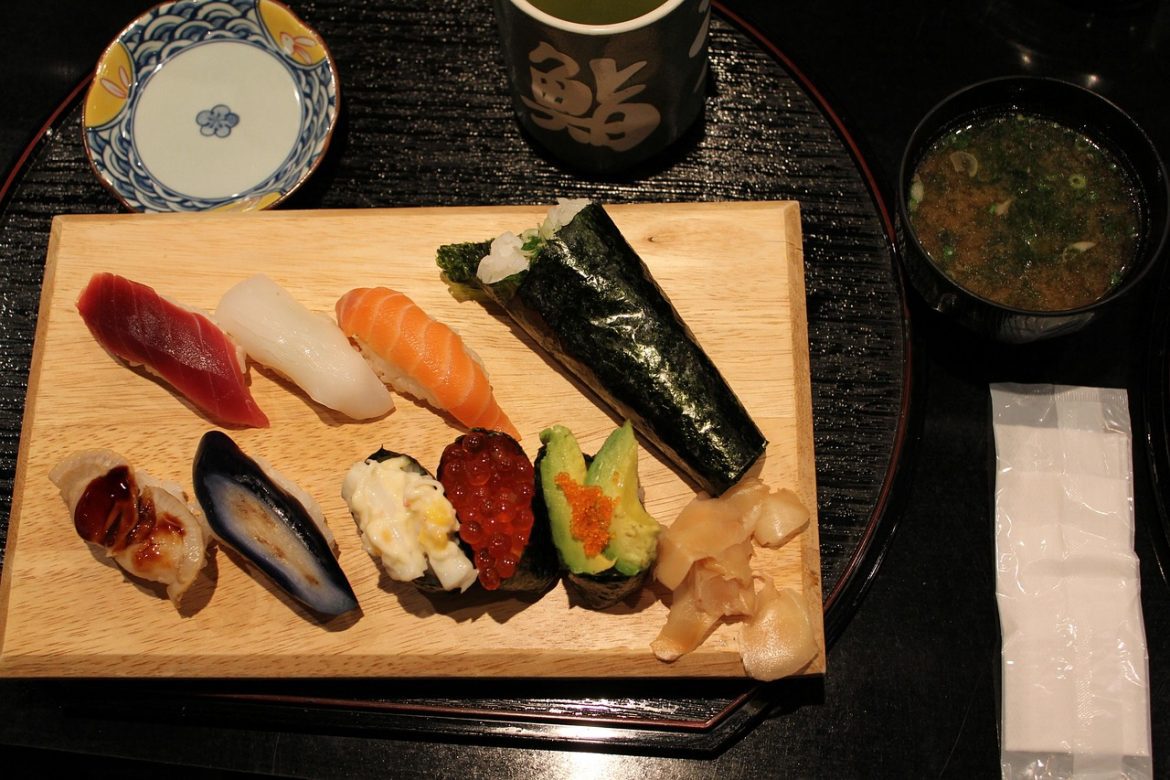
In this Tokyo sushi guide to edomae omakase restaurants, it helps to begin with what makes sushi in Tokyo feel so quietly assured. At the heart of it is edomae sushi, where preparation is part of the flavour: fish is cured, simmered, marinated, or lightly aged so the neta arrives at its most expressive. The goal is not to impress you with abundance, but to create a clean, deliberate balance in every bite.
Edomae style also places enormous attention on shari, the rice. Many top counters use a vinegar-led seasoning that’s intentionally bright, and they treat temperature as a final ingredient. When sushi rice is a little warmer than you expect, it’s often because it’s designed to release aroma and soften the seafood’s texture the moment it touches your tongue.
Omakase and sushi omakase pacing from otsumami to nigiri
An omakase is, quite literally, placing yourself in the chef’s hands. A classic sushi omakase often begins with otsumami—small cooked or seasonal plates that settle your palate—before the flow moves into nigiri. That pacing is not random; it’s crafted to build from delicate to richer flavours, from white fish to tuna, and towards pieces with deeper sweetness or brine.
One gentle insight: the menu shifts with the season, sometimes even week to week. A chef may swap shellfish, change the ageing time, or adjust the rice seasoning slightly to match the day’s catch, so returning guests uncover something new without any fuss or fanfare.
What a high-end sushiya feels like in Tokyo
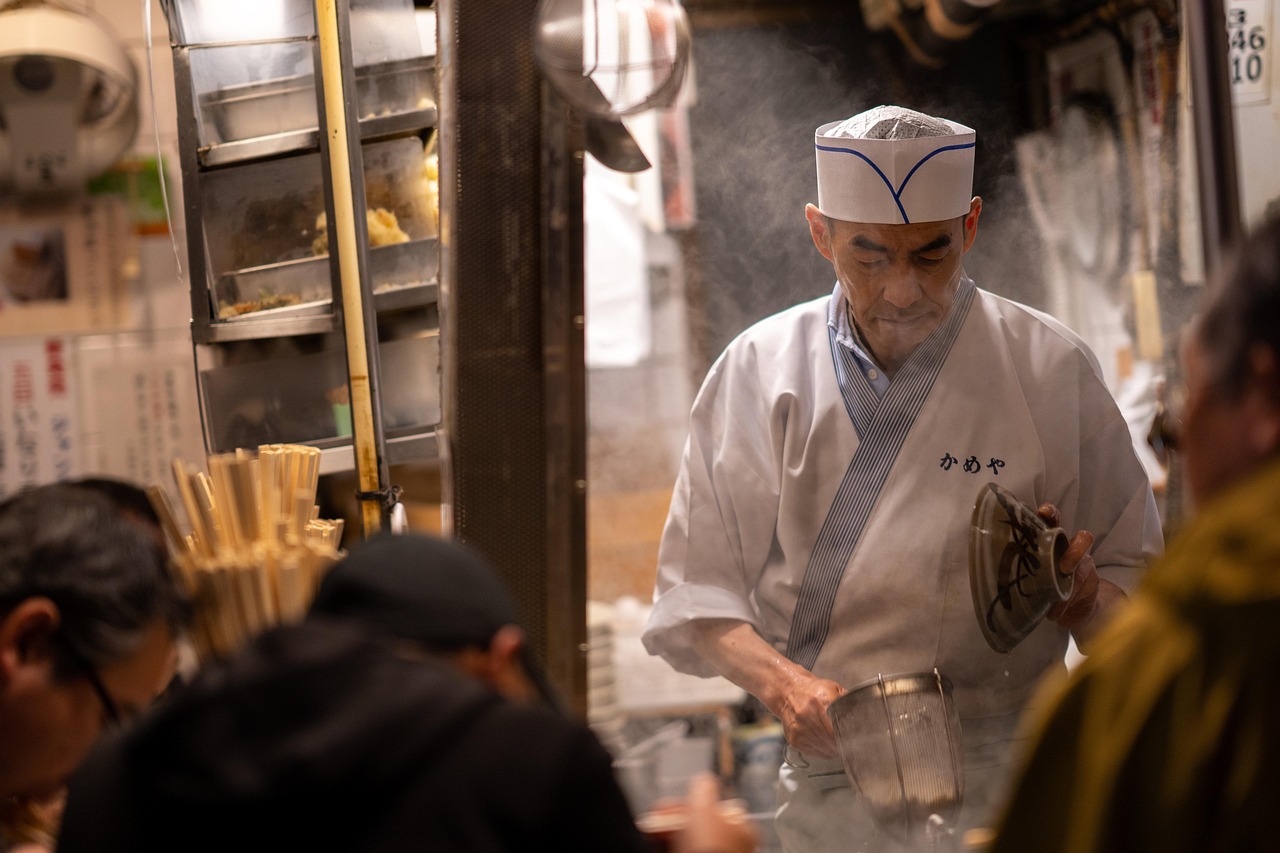
Expect a calm ambiance, an intimate counter, and an old school focus on timing. A sushiya (or sushi-ya) is not a place to multitask; it’s a place to listen with your senses. The room tends to be quiet, not cold—more like a gallery where the art happens in your hands.
As you explore, a small glossary can help you feel at ease: shari (rice), neta (topping), and sushiyas (plural) for the specialist shops you’ll encounter. With that vocabulary in your pocket, you can relax into the experience and let the craft speak first.


Reservation Tips for Best Sushi Restaurant in Tokyo Japan

How to Book Tokyo Sushi Restaurants With Confidence for a seamless reservation
If you’re collecting reservation tips for best sushi restaurant in Tokyo Japan, the most reassuring truth is that you don’t have to do it alone. Many high-end counters are tiny, some seats are held for regulars, and the booking culture rewards relationships and reliability. The easiest way to create a seamless plan is to use hotel concierge support, a trusted travel designer, or a well-connected specialist service—then keep communication clear and respectful.
For research, Tabelog is a useful starting point for understanding style, price, and the general tone of a restaurant, even if you don’t rely on scores alone. For access, TableAll can help bridge the gap for sought-after counters when direct booking isn’t realistic. For the most in-demand names, “months in advance” can be literal, especially at the smallest sushi restaurant counters.
Booking reality in restaurants in Tokyo for a foreigner
For a foreigner, the biggest hurdles are rarely complicated; they’re practical. Language can be a barrier, punctuality is taken seriously, and some houses have strict rules because their rhythm depends on it. When you show trust—arriving on time, keeping voices low, and following guidance—you’re offering care for the craft, and most chefs respond with warmth.
If you’d like inspiration for how a wider journey can be designed around dining, culture, and calm logistics, you can browse our Trip gallery for Japan.
A quick checklist to book with confidence
- Confirm the basics: date, time, party size, and whether the meal is one seating or two.
- Share dietary notes: allergies matter; preferences are not always accommodated at strict counters.
- Read the cancellation policy: many require full payment if you cancel late.
- Keep it smooth: save the address in Japanese, and plan a taxi or Tokyo Metro route with buffer time.
Sukiyabashi Jiro Ginza Michelin Sushi Tokyo Guide
Sukiyabashi Jiro Ginza A Michelin Legend served at a focused Tokyo counter
For many travellers, Sukiyabashi Jiro Ginza Michelin sushi Tokyo is the name that first sparks the imagination—legendary not because it is theatrical, but because it is precise. The timing of each piece, the firmness of the rice, and the way the chef reads the room create a rhythm that feels almost like music. Even the pause between bites is part of the design.
A renowned food critic once described dining here as life-changing, focusing on the exquisite umami and the careful control of sourness in the shari. That observation rings true: the sushi doesn’t chase intensity; it aims for clarity. It’s a reminder that high quality ingredients are only the beginning—what matters is how they’re handled, cut, and served at the exact moment they’re ready.
Signature sushi moments to notice at the counter
Rather than trying to memorise a “best” list, watch for technique. A brief sear can lift aroma from the surface of a piece; knife work can change the way tuna melts; and shellfish may be treated to highlight sweetness without hiding the sea. If uni appears, it’s often about texture and temperature as much as flavour, served so it holds together and dissolves cleanly.
One small detail that surprises first-timers: the chef may brush or season the neta so you barely need soy at all. That’s not strictness; it’s guidance—an invitation to taste the intended balance, bite by bite.
Price point and practicalities in Ginza
Expect a high-end price point—commonly around US$300–$500+ per person depending on the menu and drinks. Dress is smart and understated, and punctuality is non-negotiable because the meal is paced as a single experience. In Ginza, the Tokyo Metro is convenient, and a taxi is an easy choice if you’d like door-to-door calm, especially in the evening.
Sushi Saito Tokyo Omakase Restaurant Experience Guide
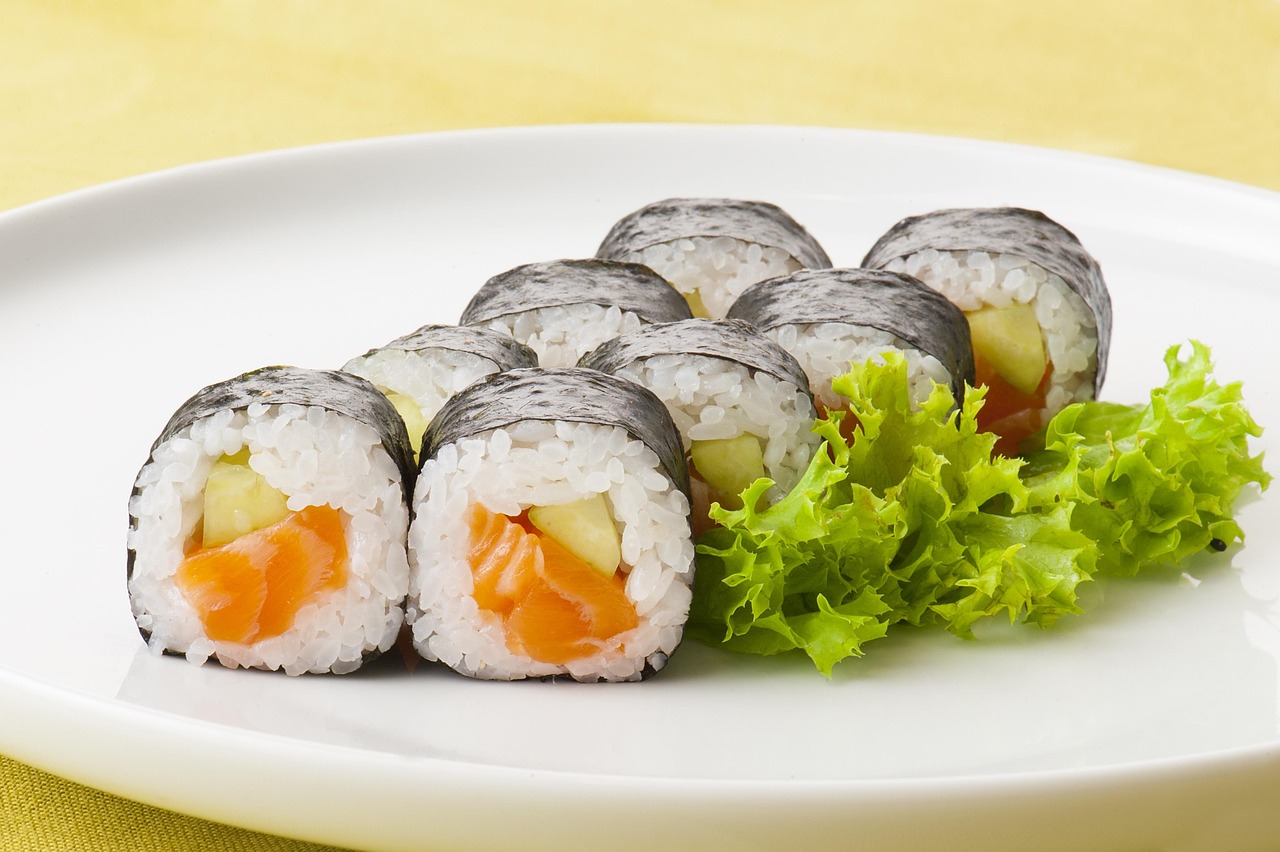
Sushi Saito An Intimate Omakase Restaurant Experience with a warm head chef
If you’re searching for a Sushi Saito Tokyo omakase restaurant experience, picture an ultra-small counter where the head chef sets a personal, welcoming tone. The room is intimate, the service is attentive, and the atmosphere feels quietly celebratory—like being invited into someone’s life work. It’s the sort of restaurant where you sense, immediately, that the evening will be guided with confidence.
One traveller told us that securing a seat required months of planning, but the reward was among the best sushi meals of their life. What stayed with them wasn’t only the seasonal seafood; it was the warm, engaging service—small check-ins, a gentle pace, and the feeling that the chef was cooking for people, not for prestige.
What to watch at the sushi counter in Tokyo
At Sushi Saito, the craft is visible in the smallest movements. Notice the rice texture—how it holds, then relaxes—and how the neta is tempered so it’s never too cold. Watch the hands: a slight press, a turn, and a placement that tells you exactly how the nigiri should meet your mouth.
Most pieces are designed to be eaten in one bite. When you do, you understand the intention: the rice and fish were paired to land together, not separately, and the flavour unfolds in a clean line from first contact to finish.
Gentle etiquette that preserves the focused vibe
- Eat nigiri in one bite when possible, and keep conversation low at the counter.
- Avoid mixing wasabi into soy sauce; many pieces are already seasoned.
- Use soy minimally, and accept the chef’s pacing without rushing.
- Simple compliments are enough—gratitude, not performance, is the point.
These small habits show care for the room and help the experience feel effortless for everyone together.
Tsukiji Outer Market Sushi in Tokyo Guide Toyosu Shops
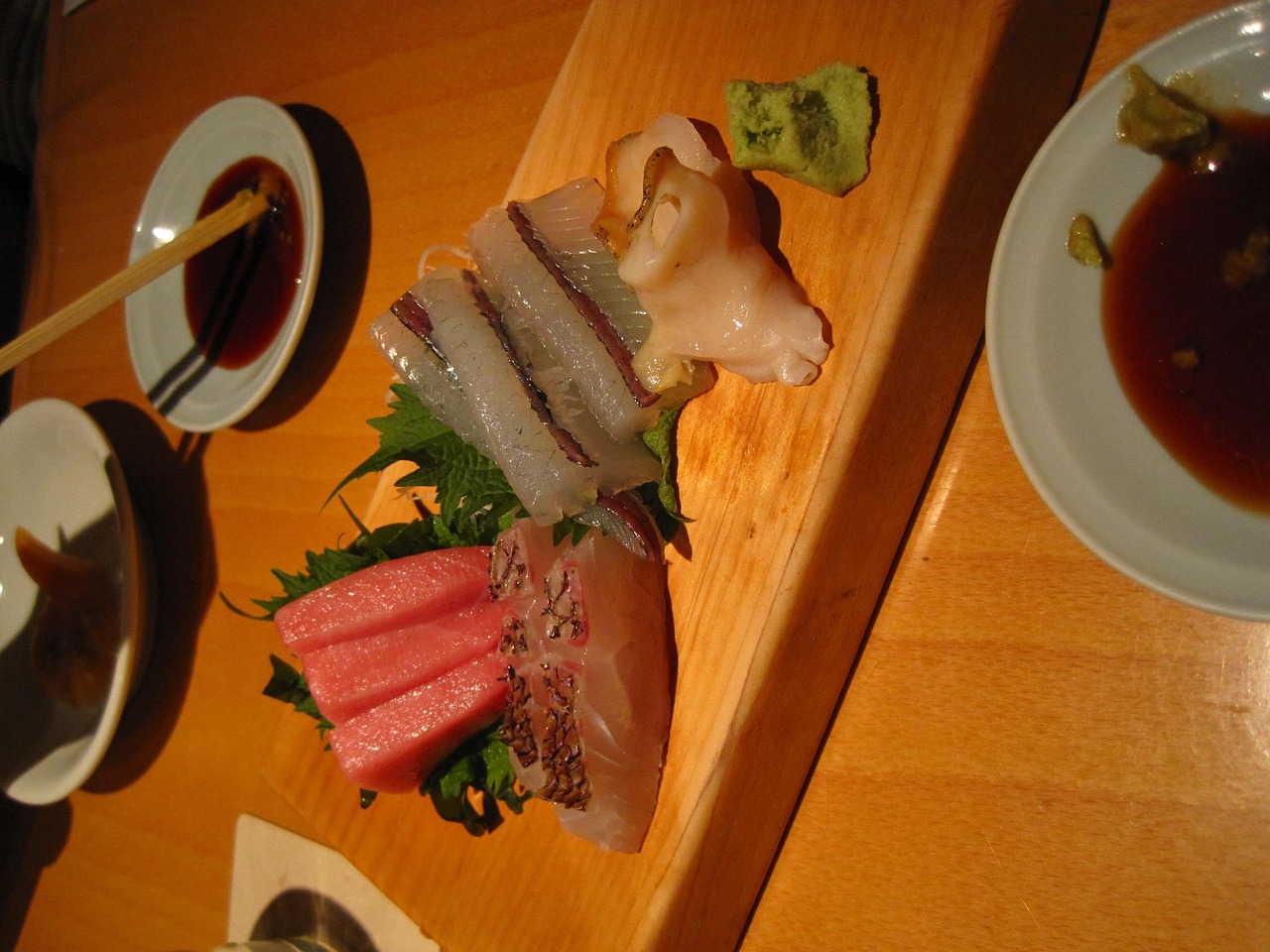
Tsukiji Outer Market and Toyosu Local Sushi Beyond Fine Dining in Tokyo
A Tsukiji Outer Market sushi in Tokyo guide Toyosu chapter is your invitation to explore beyond hushed counters—without losing quality. Tsukiji is lively and local: vendor calls, steaming snacks, knife shops, and small counters where sushi arrives fast, fresh, and unapologetically tasty. It’s also where you can discover how Tokyo eats on an ordinary morning, not only on special occasions.
For context, much of the wholesale trade moved to Toyosu years ago, but Tsukiji remains a beloved outer market for eating and shopping. If you want depth without stress, imagine a simple route: arrive early, browse stalls for breakfast bites, then choose one counter for a focused tasting before the crowds thicken. It feels casual, yet still culinary—especially if you approach it with intention.
Great value stops without losing the high-end feel
- Choose a well-priced lunch set for a quick, elegant sampling of seasonal fish.
- Mix one or two nigiri orders with a small bowl or grilled seafood to keep the experience varied.
- Step into a knife or tea shop between tastings to slow the pace and reset your palate.
Foodies can also uncover regional touches—different cures, cuts, or garnishes—depending on the shop. And if you’re curious, this is where it’s easiest to compare styles: from serious counters to the occasional conveyor option nearby, all within a few streets.
Extra sushiyas to research and how to check the latest
If you’d like a short list to support your own research, consider Sushi Taichi, Tokami, and Bentenyama Miyako. Seat availability changes, so check Tabelog for recent notes and Instagram for the most up-to-date clues on closures, timings, and menu direction. It’s a simple way to keep your plan current while still leaving room to create spontaneous moments.
And if you hear chefs talking about apprenticeships, listen closely—many train for more than a decade. In a city that moves quickly, that patience is part of the taste, like the word umi—sea—quietly present behind every slice.
What Stays With You After Tokyo Sushi Travel Reflection Japan
In this Tokyo sushi travel reflection Japan deserves, what lingers is not a list of restaurants, but a feeling of discipline made humane. You start to sense how patience lives inside the craft: the quiet repetition, the decade-long apprenticeships, the respect that is shown in how a knife is held and how a piece is passed across the counter. The city teaches you that care can be precise without being impersonal.
Later, back in the noise of everyday life, memory returns as atmosphere. There’s vinegar in the air, the hush of the room, the sound of rice being shaped, and the gentle confidence of a chef who doesn’t need to explain themselves. Even the smallest gesture—placing a piece at the exact angle—can feel like being looked after.
And perhaps that’s the true gift: a renewed trust in craft, and in journeys that are designed with support yet still leave space to discover. Tokyo doesn’t ask you to collect meals; it invites you to notice small, perfectly made moments, and to carry that attention into everything that comes next.
F.A.Qs: Best sushi in Tokyo Japan
What is the best sushi place in Tokyo?
“Best” depends on what you value: absolute precision, warm counter conversation, or a broader tasting day. For many high-end travellers, Sukiyabashi Jiro in Ginza is iconic for timing and technique, while Sushi Saito is celebrated for an intimate, personal omakase. For a more local, lively approach with excellent quality, Tsukiji Outer Market offers superb sushi across multiple small counters.
What is the most famous sushi in Japan?
Nigiri is the most widely recognised style, and tuna is often the most famous topping—especially prized cuts served at serious counters. In Tokyo’s edomae tradition, fame is also tied to preparation: curing, ageing, and seasoning that bring out clean sweetness and depth. What people remember most is the balance between fish and rice, rather than any single garnish.
Where did Anthony Bourdain eat sushi in Tokyo?
Anthony Bourdain famously visited Sukiyabashi Jiro in Ginza, bringing global attention to the intensity and discipline of top Tokyo sushi counters. While individual itineraries can vary, that visit helped many travellers understand what an omakase feels like: a chef-led progression, served quickly, with deep focus on rice, temperature, and timing.
Where did Obama eat sushi in Tokyo?
Barack Obama dined at Sukiyabashi Jiro in Tokyo during an official visit, a moment widely reported because of the restaurant’s reputation and exclusivity. It’s a reminder that some of Tokyo’s most sought-after counters are small, formal, and reservation-led. If you hope to go, planning early and respecting house rules helps everything run smoothly.