Post Contents
- Things to do in Asakusa Japan from Asakusa Station and how to arrive with confidence
- Senso-ji Temple Kaminarimon Nakamise shopping street Asakusa Japan at first light
- Asakusa rickshaw tour cultural experience in Asakusa with Edo streets and Asakusa culture after dark
- Sumida River cruise Tokyo Skytree view from Asakusa and skyline adventures
- Shopping in Asakusa street food sushi stay in Asakusa area like a local
- What stays with you after Asakusa Japan travel reflections
- F.A.Qs: Asakusa Japan
Things to do in Asakusa Japan from Asakusa Station and how to arrive with confidence
Things to do in Asakusa and how to arrive with confidence in Asakusa Japan
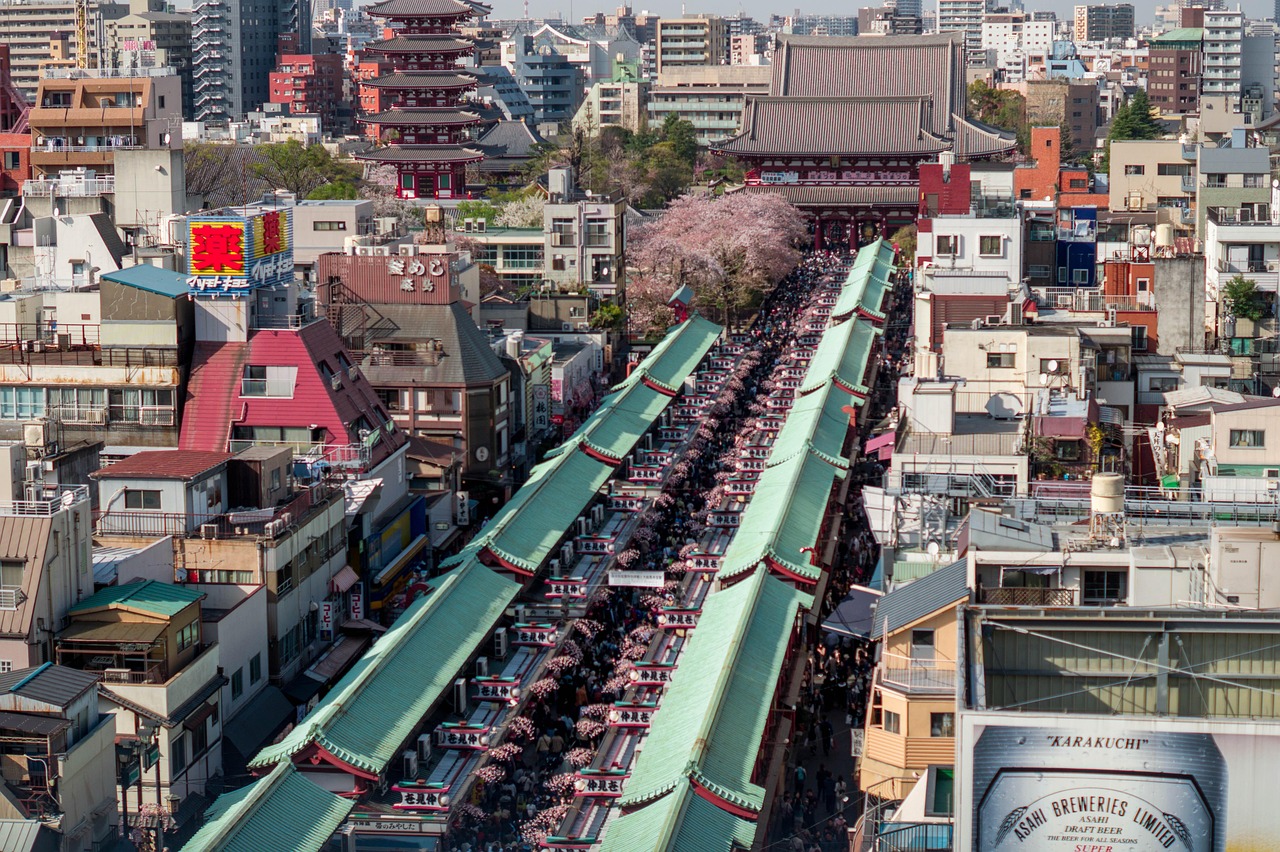
If you’re mapping out things to do in Asakusa Japan from Asakusa Station, begin by letting the pace slow—this is an attraction district that rewards curiosity. Asakusa is one of Tokyo’s most storied quarters: close enough to central tokyo for effortless access, yet wrapped in the texture of old japan. For adventure seekers, the thrill here isn’t speed; it’s the feeling of stepping into a living backdrop of Edo-era streets and modern skyline edges.
Think of the asakusa area as four easy zones you can explore together. There’s the temple approach (for first light), the shopping street energy of Nakamise, the riverfront for wide-open air, and the quieter lanes west of asakusa where small workshops hide in plain sight. If you want one playful extra, tuck in a quick glance at asakusa hanayashiki—the oldest amusement park in japan—a nostalgic amusement park moment that reminds you Asakusa has always been about delight.
Arriving via Asakusa Station and the walk from Asakusa
Your first win is a calm arrival. Asakusa Station is served by the Tokyo Metro Ginza Line, Tobu Skytree Line, and the toei asakusa line. Choose the exit that points you towards Kaminarimon, then take the walk from Asakusa Station as a gentle transition—street life builds gradually, and you can get your bearings without feeling rushed.
From the station, it’s an easy walk from asakusa towards the Kaminarimon approach: follow the flow of pedestrians, but keep your own rhythm. You’ll feel the neighbourhood “click” as the streets open up and the iconic gate appears ahead. This is where you can start to create your day with intention—especially if you’re travelling together and want a clear meeting point.
A simple crowd and photography strategy for Tokyo Asakusa
Asakusa offers its best light early morning and late afternoon, and that’s also when you’ll feel most supported by the space. If your goal is photography, arrive before the shops fully open and enjoy cleaner lines and softer shadows. For a seamless plan, choose one of these two rhythms and trust it.
- Two-hour quick loop: Kaminarimon → Nakamise → temple grounds → a short river stroll for a view of tokyo and back.
- Half-day deep dive: add backstreets, a rickshaw ride, and a river cruise so your energy stays high without sprinting.
Mini practicals for japan travel: carry lightweight cash for small vendors, keep an eye on belongings in tight crowds, and speak softly near prayer spaces. Remove shoes where required, and if you’re unsure, simply watch a local for a moment—Asakusa is forgiving, and confidence grows fast when you move with care.


Senso-ji Temple Kaminarimon Nakamise shopping street Asakusa Japan at first light
Senso-ji Temple and Asakusa Shrine at first light in Asakusa Japan
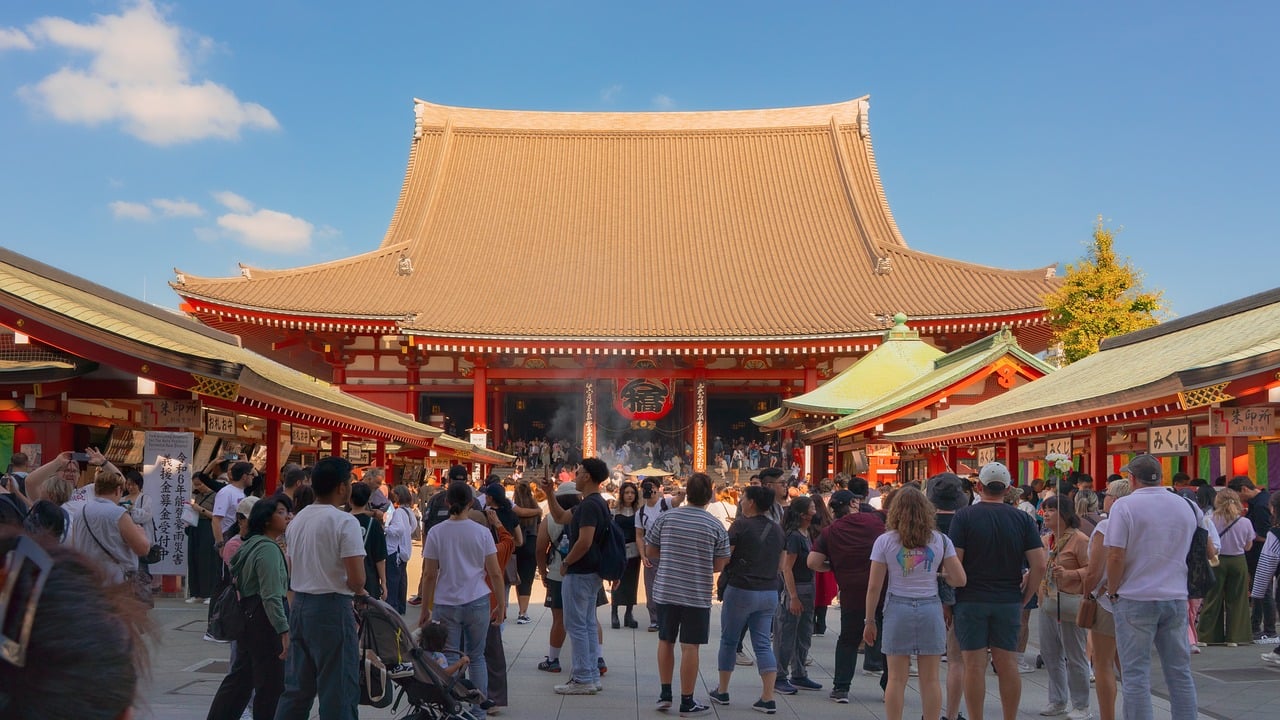
To feel the spirit of Senso-ji Temple Kaminarimon Nakamise shopping street Asakusa Japan, imagine arriving at dawn when the air is cool and the soundscape is mostly footsteps and soft bells. A traveller once described it as a moment of quiet trust: the crowds hadn’t arrived, and the architecture felt close enough to read like a story. In that stillness, Asakusa shifts from postcard to personal.
You begin at kaminarimon, pausing beneath the enormous lantern as if entering a theatre of devotion. Ahead, nakamise-dori street—also called nakamise street—forms the classic approach, and later it becomes the nakamise shopping street buzz you’ve seen in photographs. Early on, shutters may still be down, which makes the perspective even more dramatic.
Sensō-ji Temple etiquette on the temple grounds
This is a popular buddhist temple, and you’ll enjoy it more when you feel confident about small customs. On the temple grounds, you may see visitors waft incense towards themselves; it’s a gentle act of purification, not a performance. At the water basin, rinse hands lightly, then step aside so others can do the same.
When you reach the main hall, keep your voice low and move to the edges if you want photos. If an area requests shoe removal, follow it simply and without fuss. Think of it as a designed rhythm: enter, observe, participate if you wish, and give space—this is a buddhist temple that holds many moods at once.
Asakusa Shrine and the calm of Denboin Garden
Just nearby is asakusa shrine, and the contrast is quietly fascinating. A shrine is Shinto rather than Buddhist; you’ll notice different symbols, and the mood can feel more like a conversation with place and protection. If you’re unsure, a small bow at the entrance and respectful distance from worshippers is plenty—no need to overthink it.
For a peaceful counterpoint, slip into Denboin Garden beside the sensō-ji temple. A couple once wandered here mid-morning and felt transported: traditional paths, careful planting, and the hush of a world set slightly apart. Entry is usually free or low-cost (small fees can apply), and the best time is late morning or late afternoon when tour groups thin out and the garden feels almost private.
Asakusa rickshaw tour cultural experience in Asakusa with Edo streets and Asakusa culture after dark
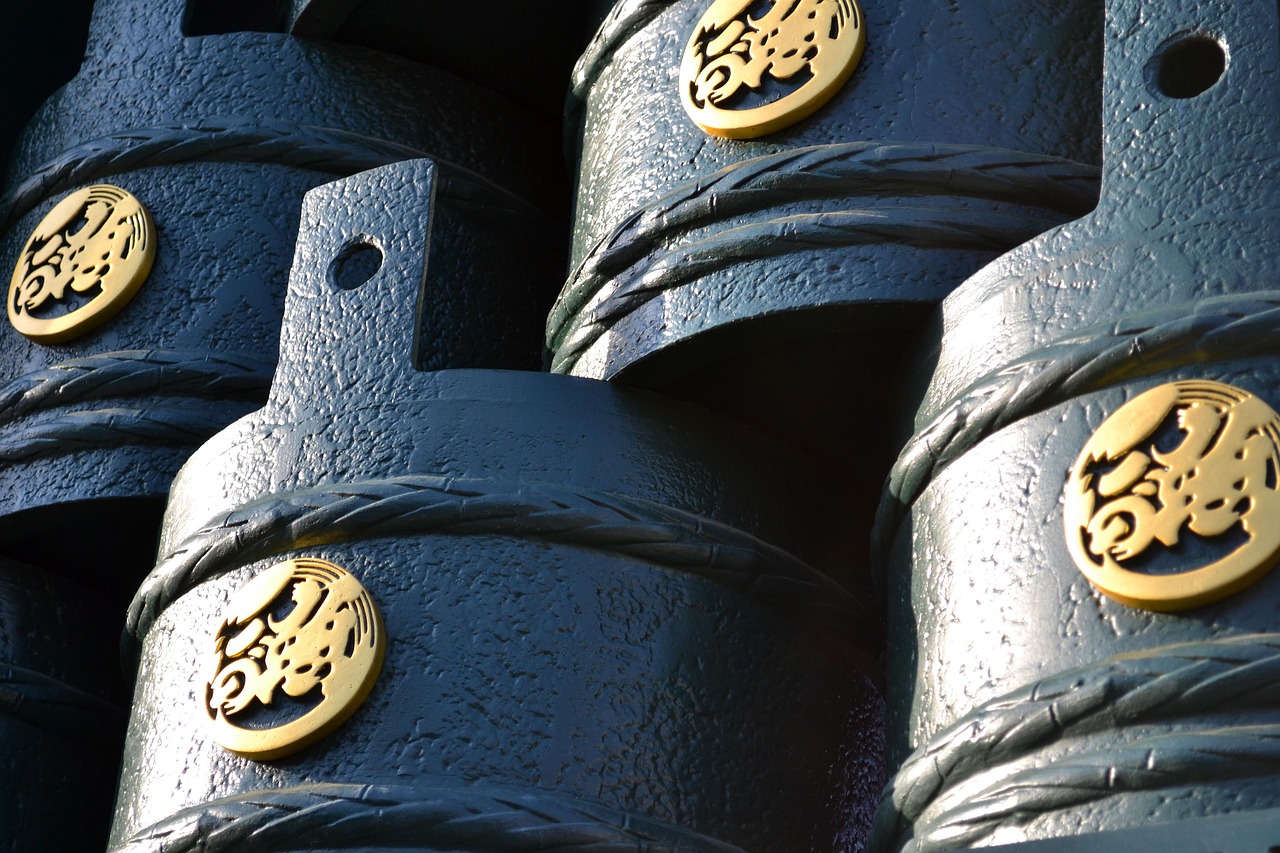
Rickshaw rides, Edo streets and Asakusa culture after dark in Asakusa Japan
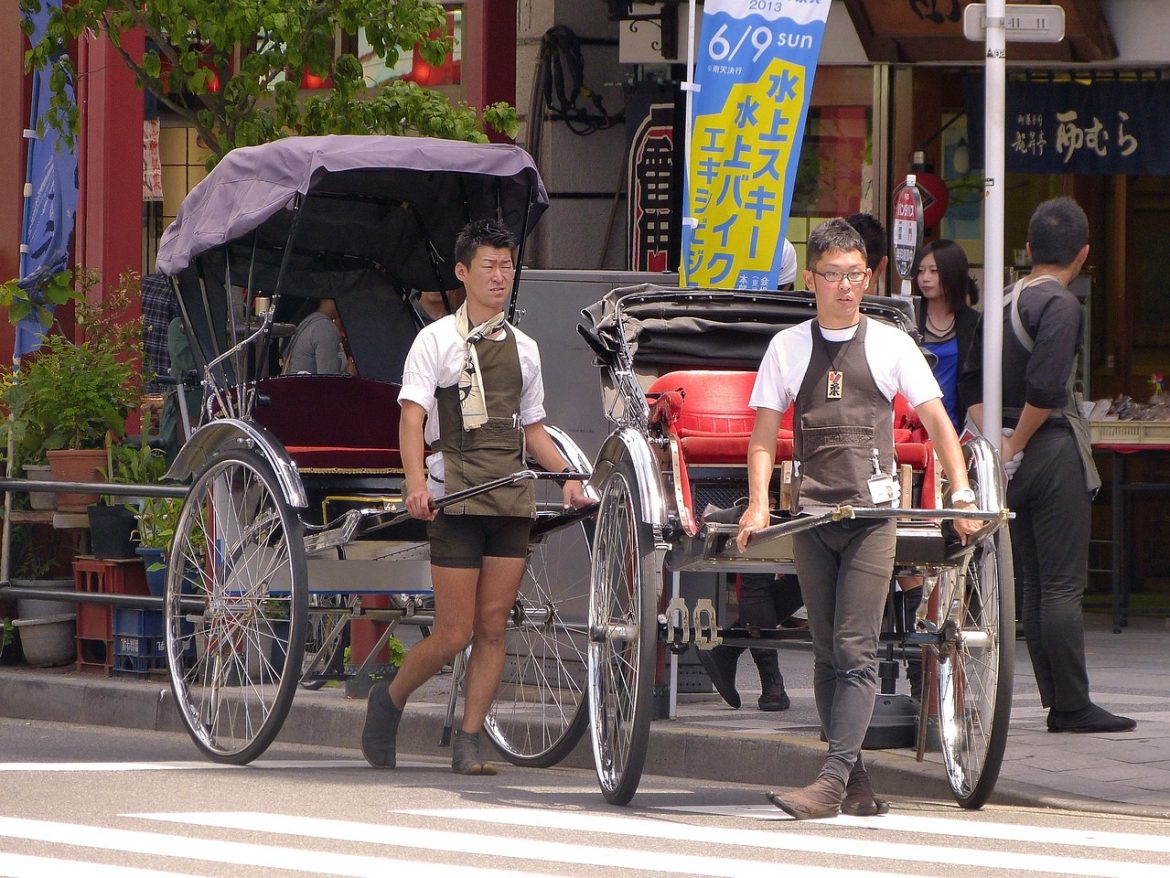
An Asakusa rickshaw tour cultural experience in Asakusa is one of the fastest ways to uncover “old Tokyo” stories without rushing your feet. One visitor laughed about how quickly the city’s layers appeared as their driver narrated corners they would have walked straight past—where a shop once sold paper lanterns, where a lane used to lead to a theatre crowd. It felt warm, humorous, and oddly reassuring: you don’t need to know everything to belong here.
Rickshaw rides typically cost around 4,000–6,000 yen for 15–20 minutes, and it’s worth agreeing the route and price upfront. Ask for a short stop if you want photos, and request quieter lanes if you prefer calm over bustle. For high-end travellers, the value is the local insight and the crafted feeling of being guided rather than herded.
Route ideas near Sensoji and Asakusa Public Hall
A classic route threads narrow streets near Sensoji, then swings towards asakusa public hall where posters and street energy hint at performance traditions. In the evening, lantern-lit shopfronts soften the edges, and the neighbourhood feels cinematic. If you’ve hired kimono for the day, the slower pace of a rickshaw is also kinder on footwear—and your photos look timeless.
For a small “near Asakusa” add-on, ask your puller about craft shops: knives, textiles, or hand-printed goods that make a meaningful souvenir. These places often prefer cash and a calm browse, so don’t rush; let your curiosity lead, and the right piece tends to find you.
Sumo respect and Sanja Matsuri at the shrine
If you’re intrigued by sumo, the wider area can connect you to the sport’s daily discipline. There are training stables in Tokyo, and at certain times you may spot wrestlers moving between neighbourhood streets. Keep distance, avoid photos unless clearly permitted, and treat it as an honourable glimpse rather than a spectacle.
For pure colour, Sanja Matsuri at the shrine is the peak celebration of asakusa culture. A group of friends once described being gently welcomed into the flow—locals explained what was happening, offered directions, and laughed with them as the parade surged past. Wear comfortable shoes, carry water, and choose a simple meet-up point for your group; in dense crowds, a low-stress plan is the best form of care.
- Dress light and respectful; shoulders covered is a safe choice in busy shrine areas.
- Keep bags zipped, especially when the mikoshi crowds compress.
- Follow local cues: if people step back for a procession, step back too.
Sumida River cruise Tokyo Skytree view from Asakusa and skyline adventures
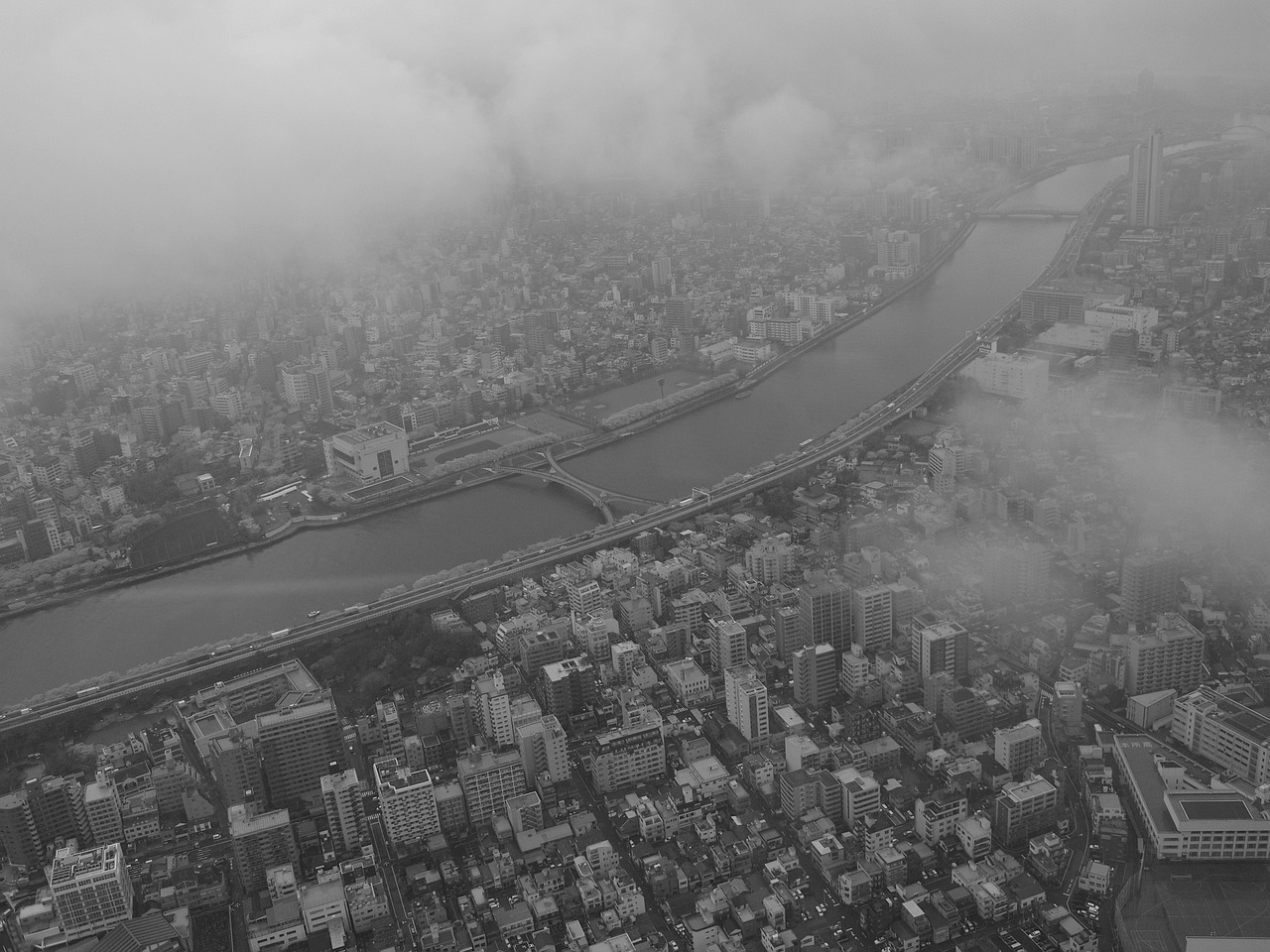
Sumida River adventures and Tokyo Skytree views from Asakusa Japan
For a fresh breath of space, plan a Sumida River cruise Tokyo Skytree view from Asakusa as your reset between sights. The sumida river from asakusa has a way of making Tokyo feel legible: the air opens up, footsteps slow, and the skyline becomes a calm panorama rather than a puzzle. Come at golden hour and watch the tokyo skyline shift from steel to amber.
Stroll along the sumida river and you’ll find a gentle rhythm for couples and friends travelling together—wide pavements, benches, and space to talk. This is one of those spots in tokyo where you can feel both the old city and the future city at once.
Tokyo Water cruises from Asakusa Pier
From asakusa pier, hop on a river boat for a true tokyo water perspective. These Water Bus-style rides are easy to use: buy tickets, queue neatly, and settle in for a smooth glide that feels intentionally designed. Depending on the route, journeys can be short and scenic or longer connections towards other waterfront districts.
What to expect: open views, a breeze even on warm days, and that satisfying feeling of moving through the city without traffic. It’s also an elegant way to support your energy—especially if you’ve been on your feet since dawn at the temple.
Photo spots for Tokyo Skytree, Sky Tree and Asahi
For the iconic shot, head across the sumida river for wider angles and fewer obstructions, then frame the tokyo skytree rising above the neighbourhood. You’ll hear the naming variations—tokyo sky tree and sky tree—but the landmark is unmistakable. In spring, sumida park adds seasonal colour, and the contrast is beautiful.
Don’t miss the modern punctuation marks nearby: the bold asahi buildings, and the story of asahi beer that shaped this riverside identity. With careful framing, you can place sleek architecture, river light, and Edo-era streets in one continuous walk. On clear days, you may even catch a distant tokyo tower glimpse, which quietly widens the scale of your day.
Shopping in Asakusa street food sushi stay in Asakusa area like a local
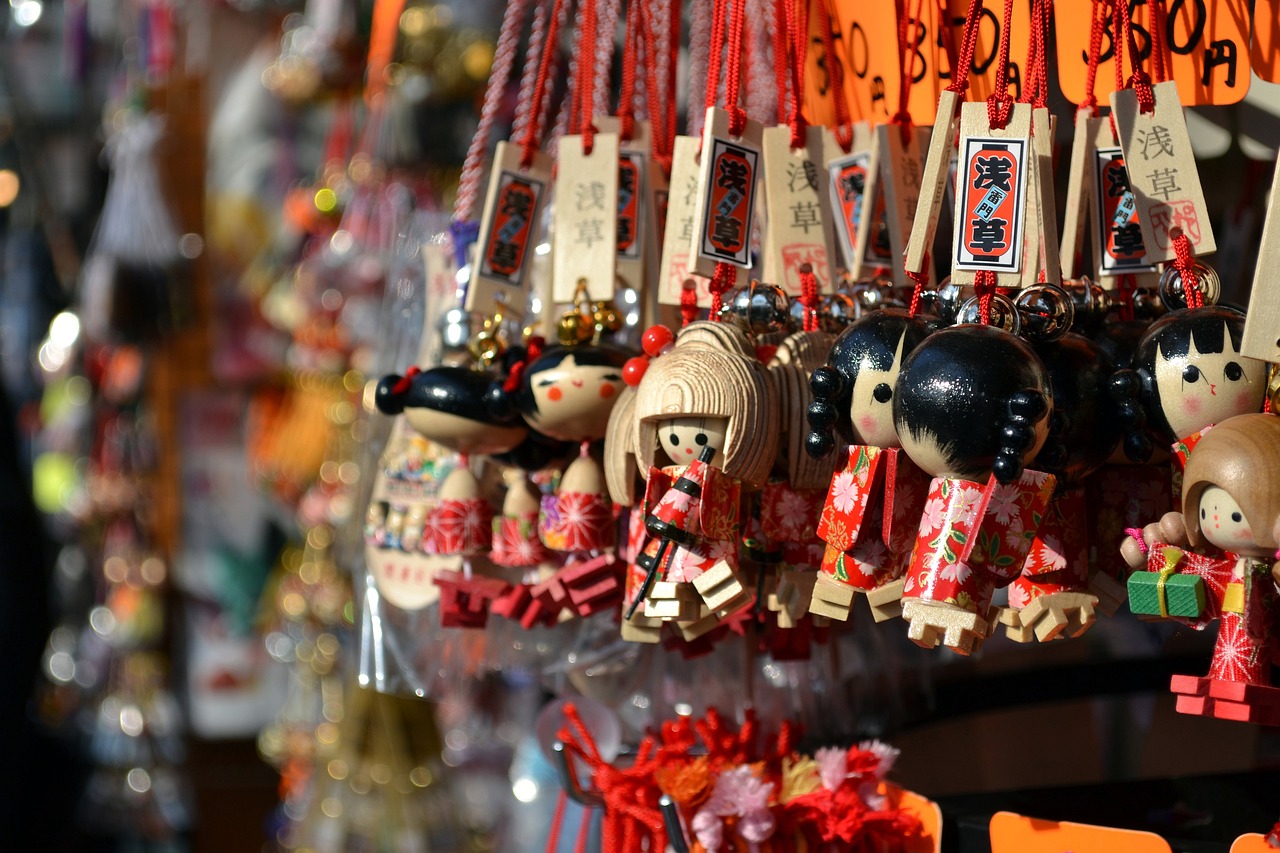
Eat, shop and stay in Asakusa like a local in Asakusa Japan
If you’re craving shopping in Asakusa street food sushi stay in Asakusa area guidance, start with taste and texture. Around Nakamise and nearby lanes, Asakusa becomes a live kitchen: melonpan with a crisp sugary shell, freshly made tempura, and little treats that feel like edible folklore. This is also where high-end travel can be quietly grounded—because the most memorable luxuries are often the simplest, shared on a street corner.
One adventure seeker still talks about tasting ningyo-yaki, warm from the mould and shaped like tiny dolls. The vendor explained the cultural meaning with gentle pride, turning a snack into insight—exactly the kind of personal moment that makes you trust a place. Keep a little cash ready, and accept items with both hands when you can; it’s a small gesture of respect that locals notice.
Street food, soba noodles, sushi and a matcha pause
Build a short trail rather than an exhausting checklist. Try a tempura stall for something crisp, then sit down for soba—or better, soba noodles—when you want warmth and quiet. For sushi, look for smaller counters where the pace is attentive; you’ll often get better conversation and a more crafted meal than in the loudest tourist spots.
When you need a restorative pause, order matcha and let the bitterness reset your palate. If you’d like a temple-side meal with calm service, consider asakusa shigetsu, known for a serene atmosphere that feels like a continuation of your morning at the temple.
Souvenirs, shops and restaurants, and where to stay in Asakusa
For shopping in asakusa with intention, prioritise items you’ll actually use: small textiles, handcrafted pieces, or snacks you can share later. Browse shops and restaurants without rush, and don’t be shy about stepping aside to let others pass in narrow aisles. The best souvenir is often the one that reminds you of a conversation, not just a price tag.
On accommodation, stay in asakusa if you want early temple access and easy evening river walks. A boutique hotel can deliver sleek comfort and a seamless concierge experience, while a ryokan in tokyo offers a more traditional japanese night—slippers, calm interiors, and a softer pace. Asakusa is generally very safe; still, in festival crowds or peak weekends, keep belongings secure and design low-stress meeting points so your group feels supported.
- Best seasons: spring for blossoms and May for Sanja Matsuri, avoiding peak summer heat.
- Carry cash for smaller stalls and quiet backstreet cafés.
- If you’re wearing kimono, plan extra time—photos and slow walks are part of the joy.
If you’re dreaming bigger, you can explore curated inspiration in our Trip gallery and start designing a Japan trip that feels entirely your own.
What stays with you after Asakusa Japan travel reflections
In Asakusa Japan travel reflections, what lingers isn’t a list—it’s a feeling you can return to. It might be the sound of prayer drifting through morning air, or the way a street seems to cradle you as you walk, unhurried, between eras. There’s a softness to Asakusa that sits beside its colour, and that combination can change how you hold a city.
Later, you may remember the dawn stillness at Sensoji, when the stones felt cool underfoot and the world seemed to speak in quieter tones. You may recall the rickshaw stories—half history, half humour—offered by a local voice that made you feel looked after. Or the calm of Denboin Garden, where a few minutes felt like stepping out of time and into reassurance.
Even the festival warmth can return in fragments: the close press of a crowd that still somehow made space for kindness, the shared laughter when directions were given with patience, the sense that strangers could become momentary allies. Asakusa is a great place to rediscover your own confidence—how easily you can learn, adapt, and belong—without needing to be perfect.
And when you think back to the river from Asakusa, you may find it wasn’t just the skyline you noticed, but the way the water made everything feel possible and unforced. There is always more to uncover in Tokyo, yet Asakusa gently reminds you that the best journeys are crafted, not chased—leaving you with a quiet curiosity for what you’ll choose to explore next.
F.A.Qs: Asakusa Japan
What is Asakusa known for?
Asakusa is known for its historic atmosphere and iconic Sensō-ji Temple, with the Kaminarimon Gate and the lively Nakamise shopping street. It’s also loved for traditional snacks, local crafts, riverside walks near the Sumida River, and seasonal festivals that highlight neighbourhood culture.
Is it better to stay in Asakusa or Shinjuku?
Stay in Asakusa if you want early access to the temple area, calmer evenings, and riverside strolls with a more traditional feel. Choose Shinjuku if you prioritise nightlife, major transport hubs, and a fast-paced modern Tokyo base. Many high-end travellers prefer Asakusa for a quieter, more characterful start and finish to the day.
Is Asakusa worth visiting in Tokyo?
Yes—Asakusa is worth visiting because it offers a distinctive blend of heritage and everyday local life, while still being easy to reach from central districts. You can experience Tokyo’s oldest temple area, enjoy street food, and take in Tokyo Skytree views from the river, all in a single well-paced half day.
Is it safe to walk around Asakusa at night?
Asakusa is generally safe at night, with well-lit main streets and a steady presence of locals and visitors. As in any busy city area, keep valuables secure and stay aware in crowded festival periods. If you prefer extra peace of mind, stick to the main routes between Asakusa Station, the temple approach, and the riverfront.