Post Contents
- Center-Gai, Shibuya Tokyo Japan: why this street hits different for culture, fashion, and food
- From Shibuya Station to the famous crossing: easy wayfinding to Center Gai in Tokyo
- Shop and style in Shibuya Center-Gai: boutiques, chains, and fashion you can wear in Tokyo
- Street food and cafe stops in Center Gai: crepes, takoyaki, and a tasty Tokyo tour
- Nightlife in Shibuya Center Gai: karaoke rooms, izakaya vibes, arcade fun, and a club finish
- What stayed with me after Shibuya: a Center Gai travel reflection for Tokyo, Japan
- F.A.Qs: Shibuya travel guides for Tokyo Japan
Center-Gai, Shibuya Tokyo Japan: why this street hits different for culture, fashion, and food
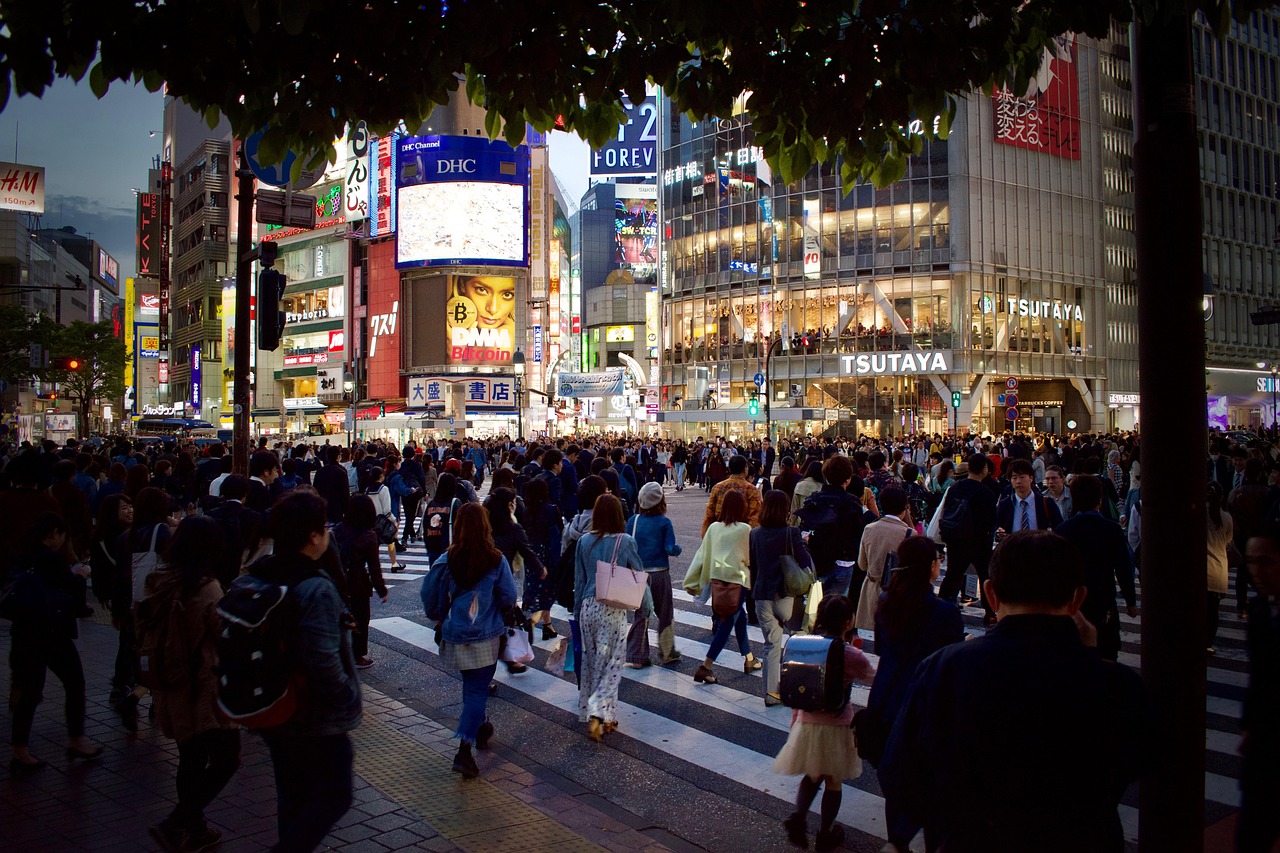
A first look at the bright lanes of Shibuya, where trends and everyday life meet.
In this Center Gai Shibuya Tokyo Japan cultural walk-through, think of the district as Shibuya’s downtown mecca for young people, teens, and even high school students heading toward somewhere loud, bright, and delightfully specific. This pedestrian stretch in Tokyo, the capital of Japan, turns the volume up on style—yet it still leaves room for small, human moments if you slow down and look. Locals often refer to it simply as Shibuya Center Gai, and the energy is pure youth.
What makes Shibuya Center-Gai hit different is how fast it changes. A poster, a playlist, a seasonal pop-up, a new sweet dish going viral—Tokyo’s pop culture refreshes itself in public here, and you get a front-row view. The vibe can be eccentric, but it’s also surprisingly welcoming once you stop resisting the flow.
Tokyo youth culture: why this Shibuya street keeps evolving
Center-Gai isn’t a museum piece; it’s a live feed of youth culture. You’ll notice how fashion silhouettes shift from window to window, how Japanese street style borrows from music, anime, and sport, and how creativity becomes a shared language even when you don’t speak it fluently. For cultural travellers, it’s an attraction in itself: the crowd is the show, and the scene stays lively from afternoon into late evening.
What “Center-Gai” includes beyond the main street and side lanes
Most first-timers picture one strip, but “Center-Gai” includes the main street plus an alley network of side lanes branching off at angles. Expect layered sound—karaoke hooks, staff calls, clacking heels—plus LED light and constant motion. You can explore freely, keep your wits, and still let Tokyo surprise you.
One night, I remember stepping in from the calmer edge of Shibuya and feeling the electricity rise like a curtain lift. It was sensory overload in the best way, and the diversity of the crowd made the street feel like it was listening back—inviting you to create your own rhythm rather than follow someone else’s.


From Shibuya Station to the famous crossing: easy wayfinding to Center Gai in Tokyo
Start your mini tour from the station, then follow the flow to the crossing.
For a calm approach, arrive at Shibuya Station via the JR Yamanote Line, Tokyo Metro, or the private lines that funnel travellers into this hub. Above ground, don’t overthink it: follow the signs for Hachiko, let the crowd carry you, and keep your pace relaxed. This is the simplest way to begin your Shibuya walking tour without stress.
Turn navigation into a mini tour. From the station exits, you’ll naturally drift towards the intersection, then spot the start of the shopping lanes nearby—an easy transition from wide crossing to tightly packed streets. If you’re travelling together, choose a simple meeting spot before you move, just for peace of mind.
Crossing with confidence at Shibuya Scramble Crossing
Your first Shibuya scramble crossing is a classic Tokyo moment: hundreds move at once, yet it rarely feels chaotic when you stay patient. Keep belongings secure in the press of people, avoid stopping abruptly mid-crossing, and let the rhythm guide you. It’s also the snapshot version of famous Shibuya—fast, bold, and oddly well-organised.
Landmarks and orientation points for a seamless Shibuya tour
Use anchors to stay oriented: the Hachiko Statue, the TSUTAYA frontage, and a Starbucks view above the intersection are reliable cues. Look for the 109 building as another visual signpost when you want to re-centre yourself. With these in mind, a smooth plan is possible even during peak crowds, and you’ll step into Shibuya with calm confidence.
Shop and style in Shibuya Center-Gai: boutiques, chains, and fashion you can wear in Tokyo
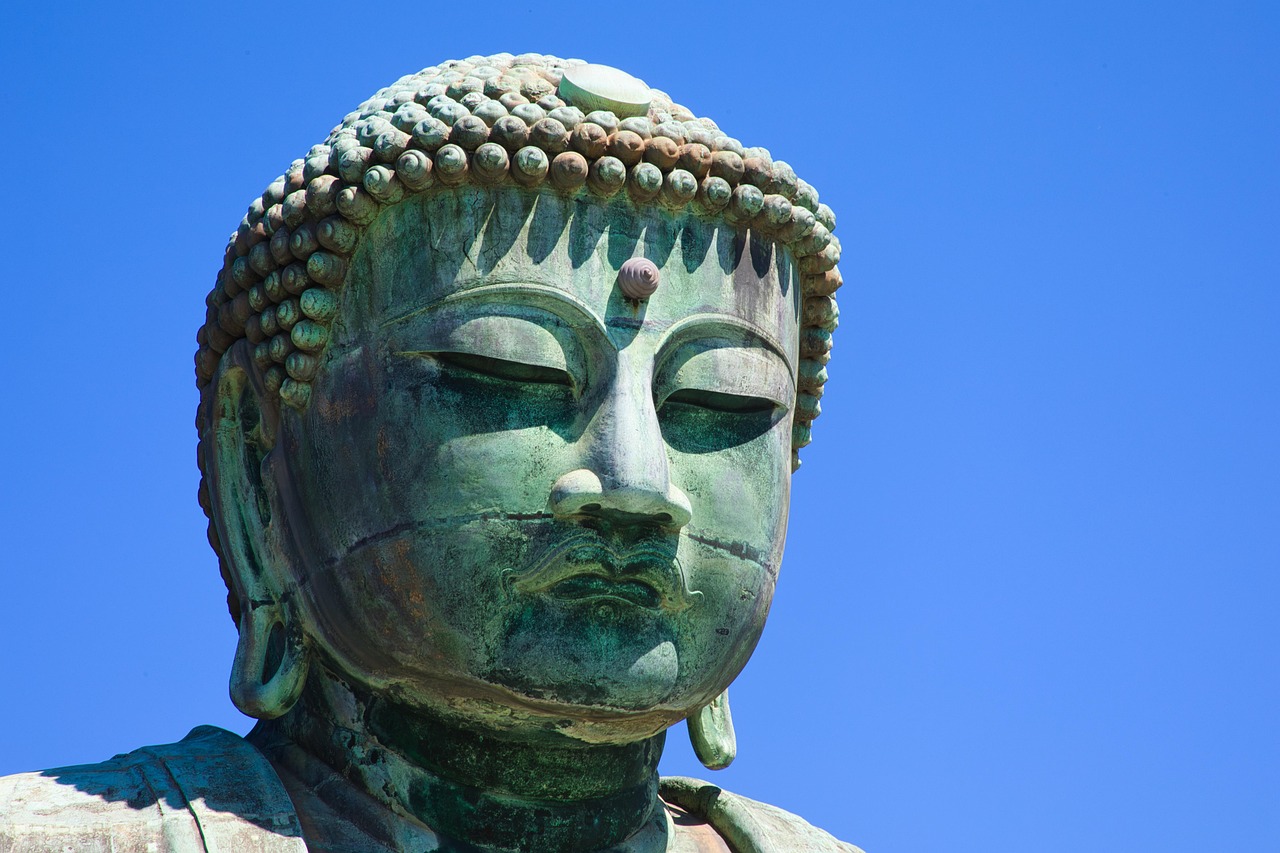
Neon storefronts and constant movement make browsing feel like part of the culture.
This chapter is where you design your browsing like a stylish drift. The shopping district feel is immediate: trending shop fronts, a familiar chain beside a niche boutique, and store windows that change faster than most destinations change seasons. If you love cultural detail, you’ll find it in the styling choices as much as the labels—this area is a reliable spot for seeing what’s landing now in Japanese fashion.
One of my favourite local interactions here came from a small shop owner who noticed my curiosity and, with genuine care, explained what’s trending right now in Japanese street fashion—plus how pop culture influences silhouettes and colour palettes. That kind of personal insight is hard to plan, but easy to uncover when you browse with patience.
Fashion loop ideas for quieter side streets and small stores
To explore with more breathing room, build a loop that includes the side lanes off the main strip. Weekdays are ideal: you’ll get more time in fitting rooms, more relaxed staff conversations, and a calmer pace for comparison shopping. A simple approach is to do one pass for photos and people-watching, then take two side turns for finds that feel more authentic.
Design-led essentials and gifts near Tokyu Hands and a department store
For practical and playful souvenirs, add Tokyo favourites like Tokyu Hands to your route; it’s excellent for travel tools, thoughtful gifts, and well-designed everyday objects. Pair it with a nearby department store if you want elevated packaging, better tax-free support, or a more curated retail experience. If you’re on a high-end trip, consider keeping bags light and using luggage forwarding—so you can move freely and keep your day feeling effortless.
Quick budget and time notes
- Set a spend ceiling before you start, especially if limited editions tempt you.
- Plan a 45–60 minute “try-on window” to avoid rushing in busy hours.
- Carry a compact tote so your hands stay free for photos, tickets, and snacks.
Street food and cafe stops in Center Gai: crepes, takoyaki, and a tasty Tokyo tour
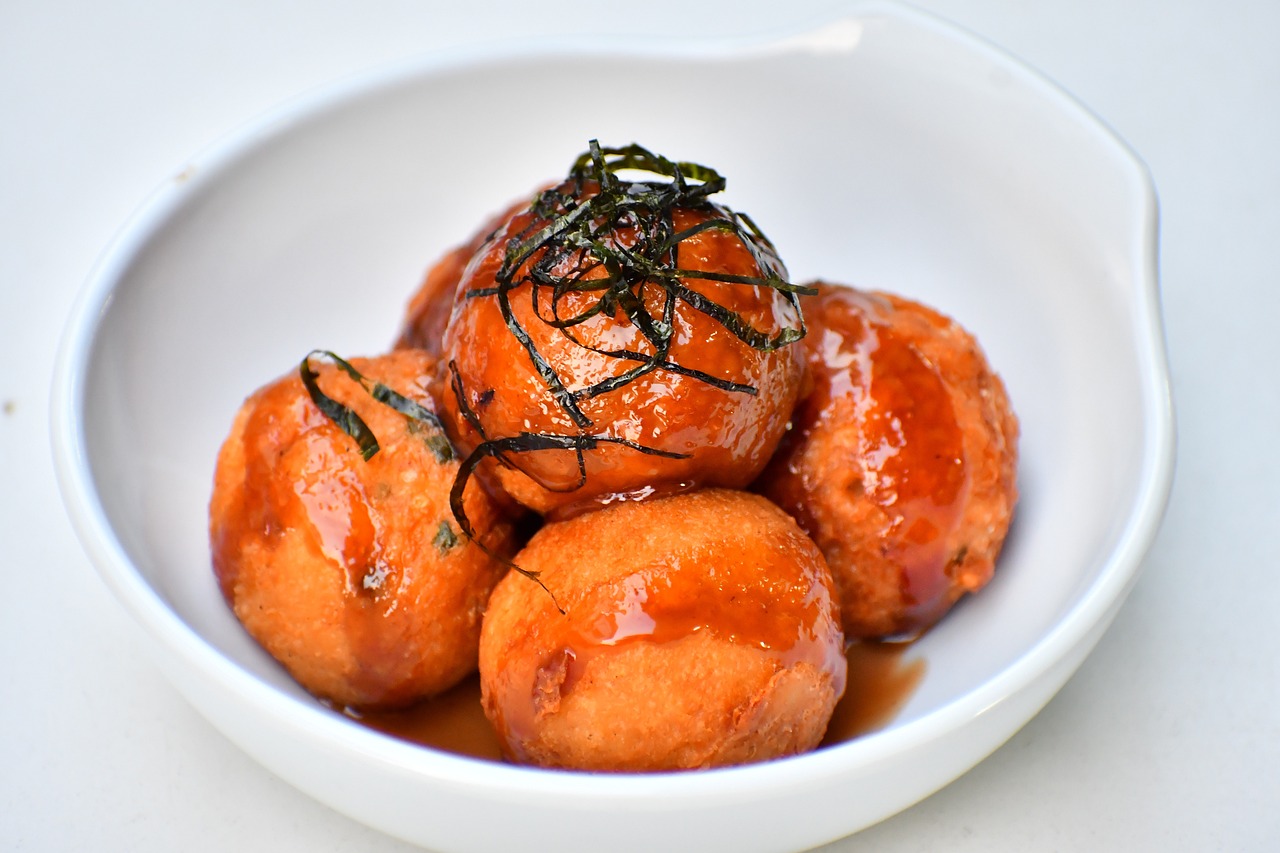
Quick bites are part of the fun when you explore on foot.
For a taste tour, treat the lanes as a culinary corridor built for roaming. The joy is in small portions: takoyaki, crepes, and snack-sized bites you can sample between shops, then follow with one sit-down restaurant if you want a longer break. Try one savoury option, one sweet, and one regional dish—it’s an easy way to experience a lot of Japan quickly.
Aim for late afternoon into evening when the energy peaks and options multiply. A short coffee break in Shibuya can reset your senses, especially if you’ve been weaving through crowds and neon for hours. The pause is part of the design: it helps you return sharper, calmer, and more present for the next stretch of your Tokyo wander.
One evening, a simple snack stop became a cultural exchange. I was trying something new and chatting with locals nearby, and within minutes I had recommendations for what to taste next—and which side lane to explore for a less obvious sweet. That’s the magic of Tokyo when you travel open-hearted: the city offers insight when you show genuine interest, and it might even point you to a great first drink.
Street etiquette in crowded Shibuya when you sightsee
In a packed pedestrian zone, etiquette keeps everything feeling smooth. Be mindful of queues, don’t block the flow while deciding, and dispose of rubbish properly (bins can be scarce, so carry a small bag). If you’re eating while walking, step aside near a wall or quieter corner so everyone can pass comfortably.
These fast flavours also fuel more sightsee moments: a second pass by the crossing, a photo with Hachiko, or a quick detour to browse a new store window before you decide where the night should take you—and which cuisine you want next.
Nightlife in Shibuya Center Gai: karaoke rooms, izakaya vibes, arcade fun, and a club finish
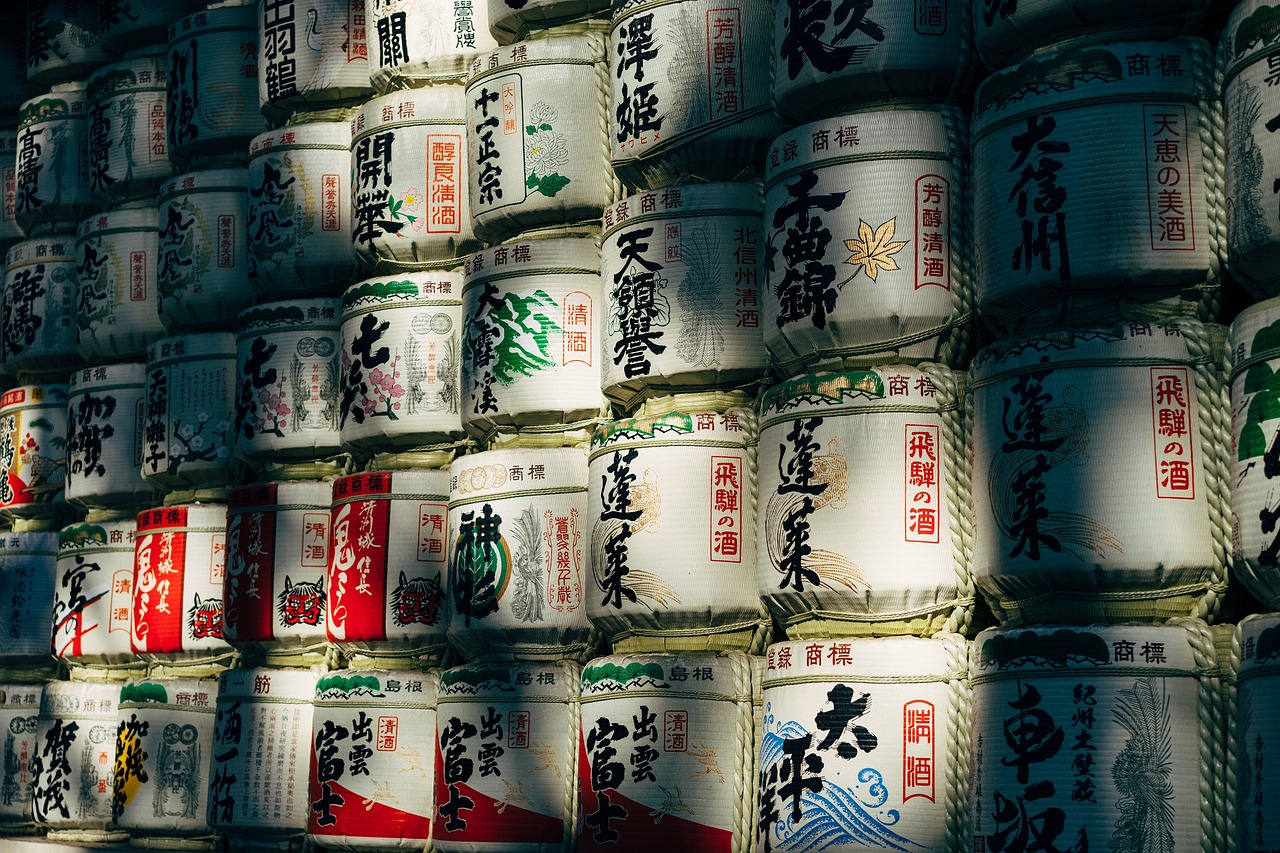
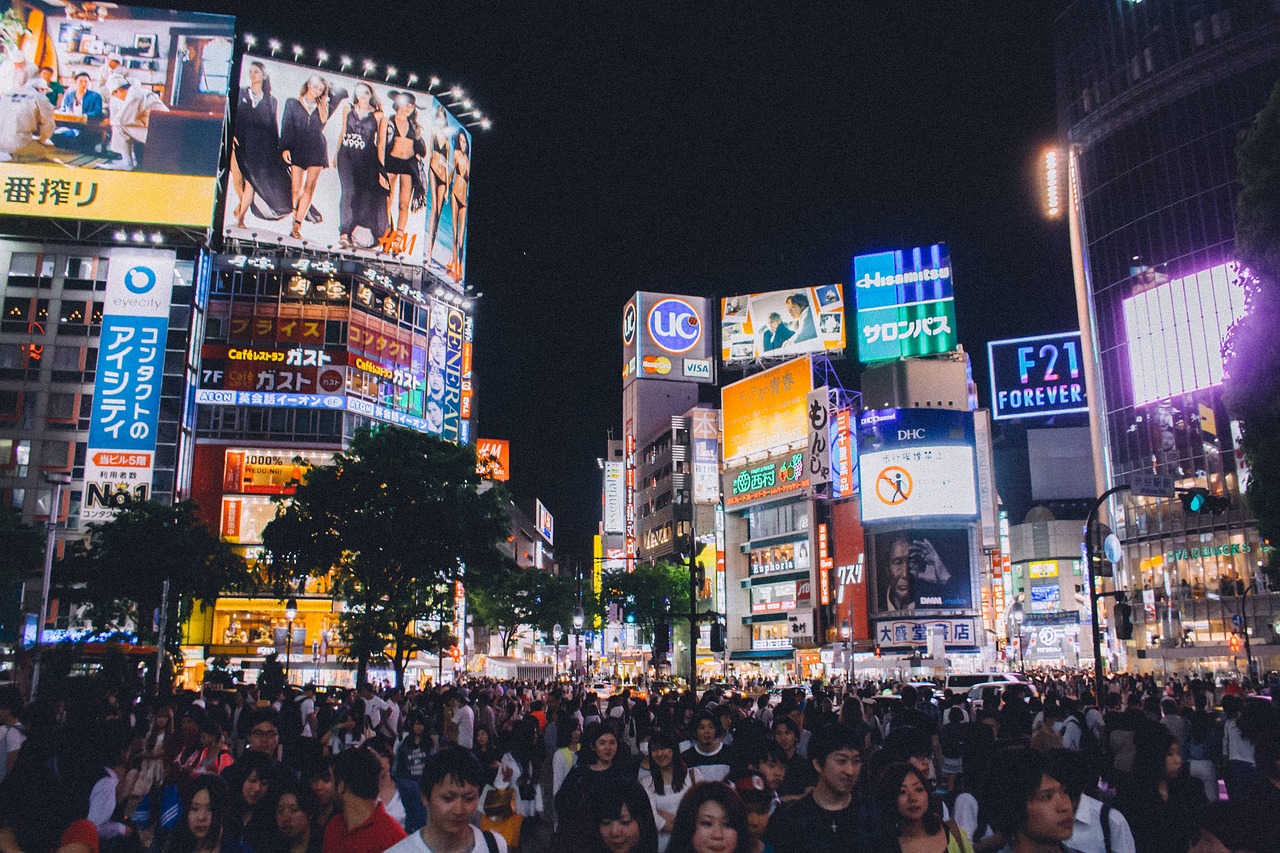
After dark, the lights get brighter and the vibe turns bolder.
If you’re planning a night out here, know that evening brings a distinct shift: signs glow brighter, the soundtrack gets bolder, and nightlife entertainment becomes the headline. You can step into private karaoke rooms, find a relaxed bar, or settle into a cosy spot for a second drink before moving on to your next venue.
For high-end travellers, the luxury here is choice. You can keep it refined—one beautifully made cocktail, one thoughtfully chosen bar—or go full adventure with a late-night circuit that feels like a story you’re writing as you go.
Safety, comfort, and moving with trust at night in Tokyo
Shibuya is generally safe, but comfort comes from attention. Stay aware in crowds, keep valuables close, and choose well-lit routes between stops. If you’re in a group, move together and agree on a simple rule: if someone wants to pause, everyone pauses—care is part of the fun.
Playful stops for the adventurous after dark, including underground venues
Try a games floor for a burst of colour and friendly competition, then consider underground venues with live music if you want something less predictable. If your energy runs high, end the night dancing—just keep your timing realistic for trains, or plan a taxi back to your hotel for a seamless finish.
A traveller once told me their most unforgettable Tokyo moment was joining a spontaneous street dance performance nearby—an instant connection to local creativity. Saying yes can be powerful, as long as you do it respectfully, keep boundaries clear, and trust your instincts.
A practical mini-plan for busy nights
- Pre-book one place on weekends (karaoke or a bar) so you always have a base.
- Carry one card and minimal cash; keep your phone charged for maps.
- If it feels too crowded, slip into a quieter lane and reset before the next stop.
What stayed with me after Shibuya: a Center Gai travel reflection for Tokyo, Japan
The most surprising part is how quickly the noise becomes background, then memory. Later—back on a quieter lane, or in your hotel lift—the feeling that lingers isn’t just volume or light. It’s the sense that you moved through Tokyo with more confidence than you expected, as if the place quietly taught you how to navigate it.
I think of brief kindness from locals: a shop assistant who took extra time to help without rushing, a stranger who gestured the right exit with patient clarity, a shared laugh when the crowd surged and then softened. These small threads create trust, and they make Shibuya feel personal rather than performative.
There’s also something about creativity in public—fashion experiments, a chorus spilling out of karaoke, the pulse of people designing their night in real time. One evening can shift what you imagine you’re capable of, whether you explore alone or together. It’s not about doing everything; it’s about noticing what changes inside you as you move.
The crossing stays with you as a symbol, not a checklist: many paths, one moment, and the quiet realisation that you can choose your direction even when the world feels fast. You might not remember every sign on the center-gai shopping street, but you may remember how Shibuya helped you create your own rhythm—and how that memory keeps unfolding when you least expect it.
If you’d like to see how this neighbourhood can fit into a wider Japan tour, explore our Trip gallery and imagine what you’d want your days to feel like.
F.A.Qs: Shibuya travel guides for Tokyo Japan
Where to avoid staying in Tokyo?
Avoid staying far from a major station if you want an easy, high-comfort trip—long walks and multiple transfers add up at night. In very busy nightlife pockets, choose rooms on higher floors or on quieter back lanes for better sleep, especially around Shibuya and other late-night hubs.
What is the famous street in Shibuya?
Center-Gai is one of the most famous streets in Shibuya, known for its lively pedestrian atmosphere, fashion-forward shops, street snacks, and late-night fun. It sits close to the crossing, so it’s easy to combine with classic Tokyo landmarks in one seamless walk.
What is Shibuya, Japan famous for?
Shibuya is famous for its iconic crossing, its bold youth-driven culture, and its role as a trendsetting centre for fashion, music, and nightlife. It’s also known for the Hachiko Statue and the constant sense that Tokyo is reinventing itself in public.
Is it better to go to Shinjuku or Shibuya?
It depends on your travel style. Choose Shibuya for street culture, shopping, and a fast-moving evening scene centred around the crossing and Center-Gai. Choose Shinjuku for big-city variety—towers, bars, and transport links—with distinct pockets ranging from calm to neon-bright.