Post Contents
- Nezu Museum 根津美術館 essentials before you go and Tokyo Japan visitor guide for art
- A building designed for calm at Nezu Museum architecture Kengo Kuma Tokyo Japan
- Uncover the Nezu Museum collection Japanese and Asian art Tokyo Japan
- Explore the Nezu Museum garden tea house Tokyo Japan in azalea season
- Nezu Museum special exhibitions Omotesando district Tokyo Japan and the shop
- Nezu Museum Tokyo Japan tips tickets hours etiquette for a confident visit
- What stays with you after Nezu Museum Tokyo Japan quiet art garden reflection
- F.A.Qs: Nezu Museum Tokyo Japan
Nezu Museum 根津美術館 essentials before you go and Tokyo Japan visitor guide for art
Nezu Museum 根津美術館 essentials before you go in Tokyo Japan visitor guide
Use this Nezu Museum 根津美術館 Tokyo Japan visitor guide as your calm baseline before you arrive. The museum sits in a refined pocket of Tokyo where the pace naturally softens, making it ideal for travellers who want depth, not crowds. It’s an easy cultural detour that still feels like an adventure because every turn reveals something—light, texture, or a quiet corner of the garden.
Getting there is simple: take the Tokyo Metro to Nezu Station on the Chiyoda Line, then enjoy a short local walk that eases you into the mood. If you’re pacing a full day across the city, this approach helps you arrive unhurried and ready to explore rather than rush.
Tickets, timing, and a gentle rhythm for your visit
Adult admission is around 1100 yen, and you can usually buy tickets on-site or online depending on the day. Plan for two hours to cover the galleries and garden with confidence, including a pause to simply sit and notice the space around you.
- Best pacing: arrive earlier for quieter galleries, then drift outdoors afterwards.
- Back-up plan: it’s closed on Mondays (except national holidays) and during the New Year’s period, so keep one flexible alternative nearby.
Respectful exploration that supports everyone
The museum’s calm is carefully protected: speak softly, remove hats inside the building, and note that photography isn’t allowed in gallery rooms. Save your camera for the garden, where the atmosphere is still peaceful yet more forgiving for personal moments.


A building designed for calm at Nezu Museum architecture Kengo Kuma Tokyo Japan
A building designed for calm by architect Kengo Kuma at Nezu Museum
If you’re searching for Nezu Museum architecture Kengo Kuma Tokyo Japan, what you’re really looking for is a feeling. The 2009 renewal shaped a modern sanctuary that still reads as unmistakably Japanese in its restraint. It doesn’t perform; it welcomes.
Your arrival is part of the design: filtered light across glass, warm materials underfoot, and a sense of openness that gently resets your attention. The building never competes with what it holds; instead, it creates a seamless threshold between city and garden.
Design details a creative eye will notice in this Japanese space
Look for clean lines and deliberate shadows that make each step feel guided rather than pushed. Circulation is intuitive—almost like the architecture is quietly supporting you, room by room, towards the next artwork without demanding anything in return.
A designer enthusiast once told us the experience helped them create again once they were home: the calm proportions, the way edges meet, the hush of transitions. It’s the kind of crafted quiet that travels with you, long after Tokyo fades behind your hotel curtains.
Uncover the Nezu Museum collection Japanese and Asian art Tokyo Japan
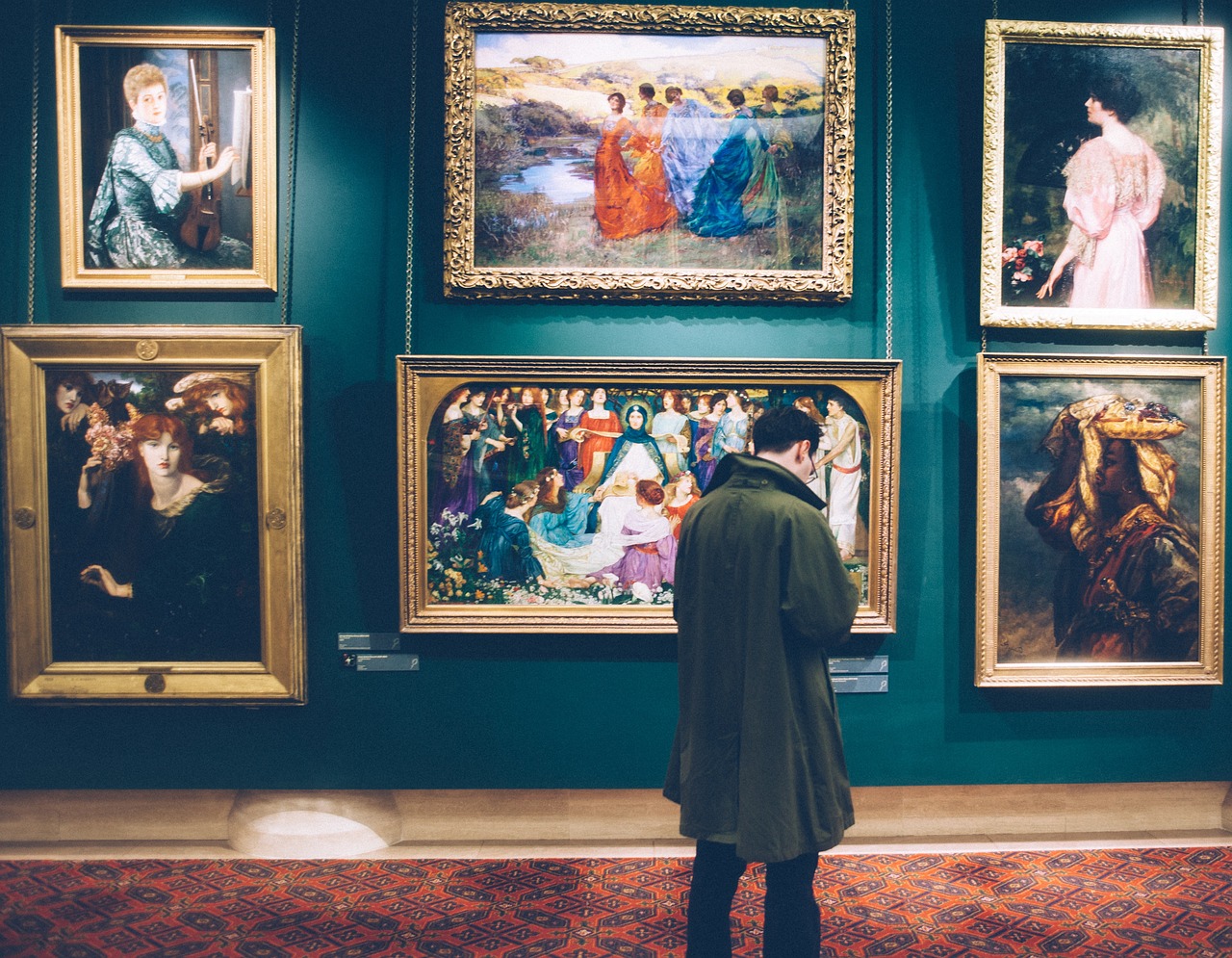
Uncover the collection of Japanese and Asian art at Nezu Museum
For travellers looking up the Nezu Museum collection Japanese and Asian art Tokyo Japan, the reward is perspective, not a checklist. This is japanese and east asian art presented with care, giving you time to notice how materials, beliefs, and daily life shaped beauty across centuries.
A simple way to look at Japanese and Asian art without rushing
Choose a few moments and let them land. You might linger over calligraphy on paper, the curve of ceramics, or a serene Buddhist figure—then step back and let the display do its quiet work. This slower rhythm often brings more insight than trying to see everything.
- Pick three anchors: one work on paper, one object of daily life, and one spiritual piece.
- Notice motifs: nature, line, and emptiness used as meaning, not decoration.
The story behind the rooms matters too: Nezu Kaichirō (kaichiro), an industrialist and passionate collector, shaped a private trove into a public gift for Tokyo. That personal intensity—collecting with intention—still colours how the museum feels today.
One visitor described the quiet atmosphere as a meditative break from the city, and it’s easy to understand why. In these galleries, japanese and asian traditions sit side by side without being flattened, and you begin to sense both shared threads and distinct voices.
Explore the Nezu Museum garden tea house Tokyo Japan in azalea season
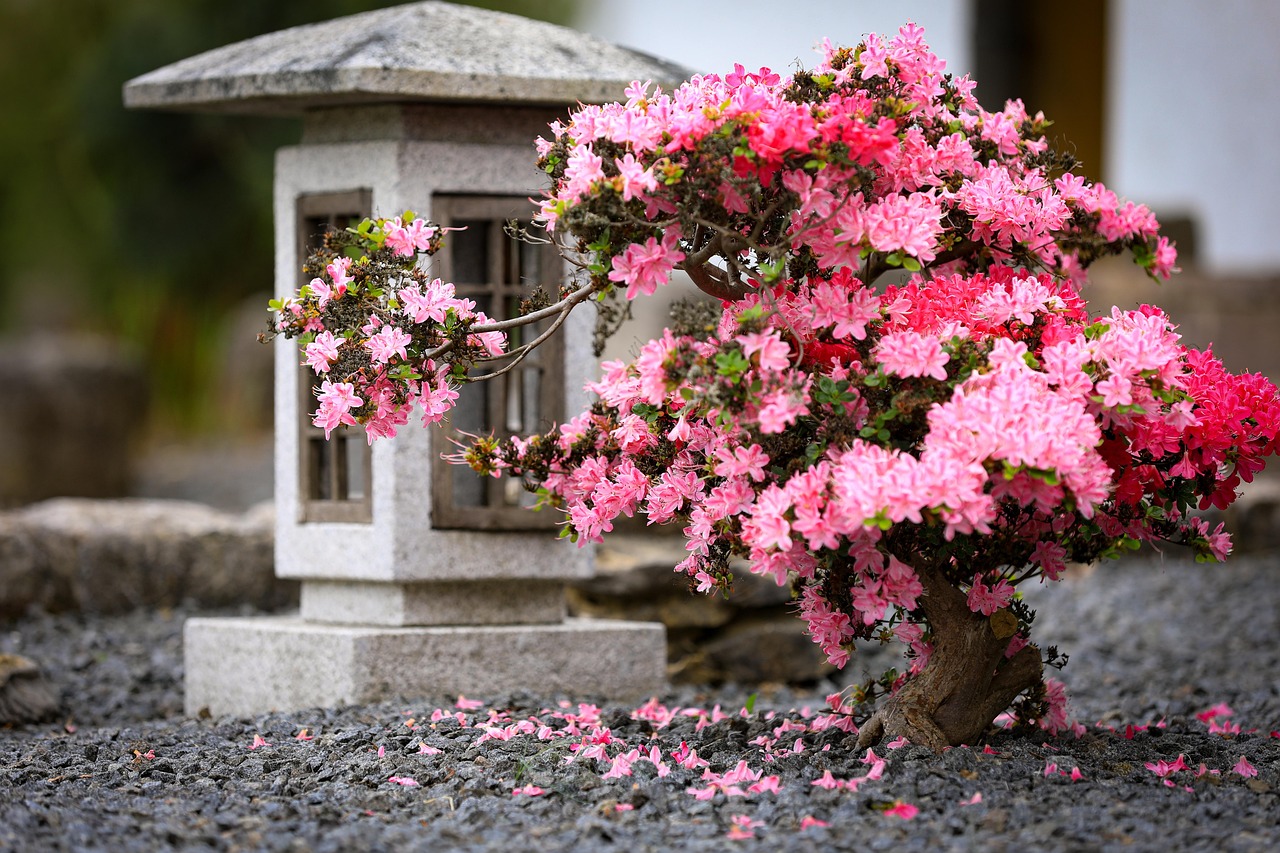
Explore the garden path tea houses and seasonal azaleas at Nezu Museum
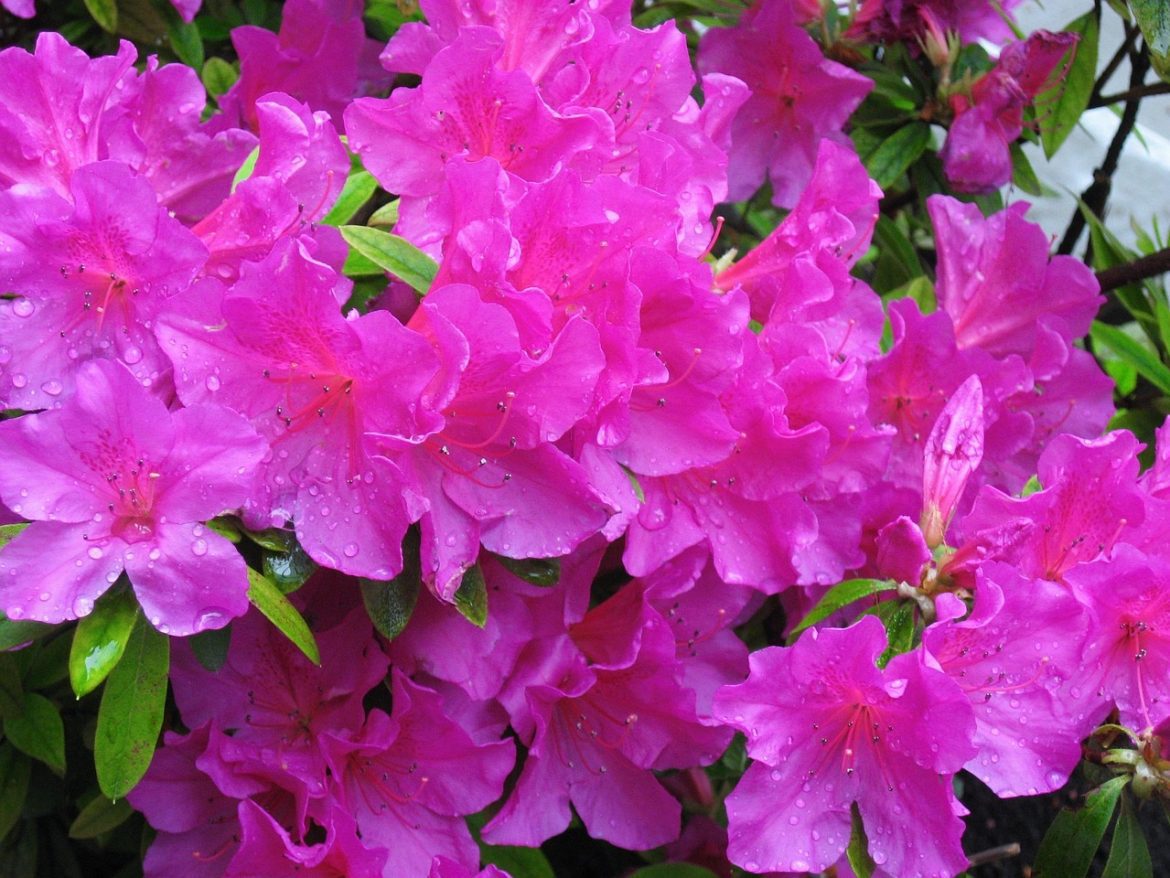
Search Nezu Museum garden tea house Tokyo Japan azalea season and you’ll find what locals already know: the garden is a masterpiece you walk through, not merely look at. A winding path leads you past stone lanterns, a pond that catches the sky, and small moments of discovery that feel surprisingly far from central Tokyo.
The best timing is late April to early May, when azaleas arrive in vivid layers. Travellers often recount wandering here in spring as pink and white blooms rise and fall like a soft tide—an effortless, high-end photo opportunity that still feels intimate.
Tea houses and the values behind a tea ceremony
Historic tea houses are tucked along the route, echoing tea ceremony ideals: simplicity, attention, and presence. Even if you don’t take part formally, you can imagine the quiet choreography of hands, bowls, and breath—an invitation to slow your own pace.
When you’re ready, Nezucafé makes a restorative pause feel natural rather than planned. Many travellers prefer stopping after the galleries, when the senses are full and the garden light feels like a gentle exhale.
Garden etiquette that keeps the mood peaceful
Keep voices soft, walk mindfully, and give others time for their photographs. These micro-acts of care build trust in shared spaces—and they’re part of why this garden remains so calming, even when Tokyo outside is buzzing.
Nezu Museum special exhibitions Omotesando district Tokyo Japan and the shop
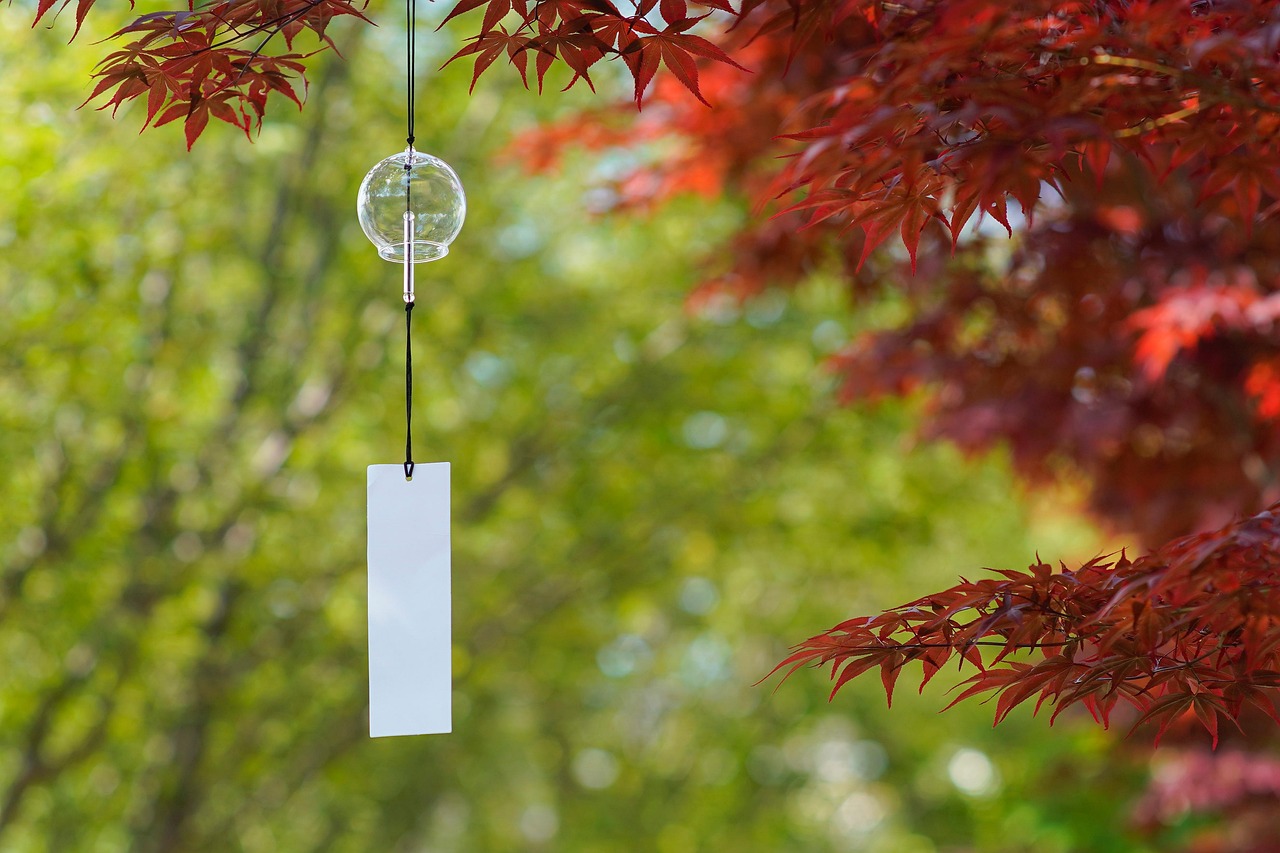
Temporary exhibitions shop and the Omotesando district after Nezu Museum
If you’re researching Nezu Museum special exhibitions Omotesando district Tokyo Japan, know that the temporary programme is part of the museum’s charm. A special exhibitions calendar can bring rare artefacts into view, or offer a contemporary exhibition that reframes heritage with modern creativity—without losing respect for the original.
How to choose an exhibition together
Before you go, check themes and dates and decide together based on what genuinely excites you: design, ceramics, painting, or history. This simple choice helps the day feel personal, not performative, and it keeps your time in Tokyo intentionally paced.
- If you love objects: prioritise crafts-led shows and material culture.
- If you love ideas: choose interpretive exhibitions that connect old and new.
Leave time for the shop, which is thoughtfully curated with prints, stationery, and well-made objects that feel local rather than generic. It’s a small pleasure, but it can be the one tactile souvenir you’ll actually use back home.
To extend the afternoon, stroll towards omotesando for architecture-spotting and people-watching. Keep it light: the district rewards curiosity, but the museum deserves unhurried attention first.
Nezu Museum Tokyo Japan tips tickets hours etiquette for a confident visit
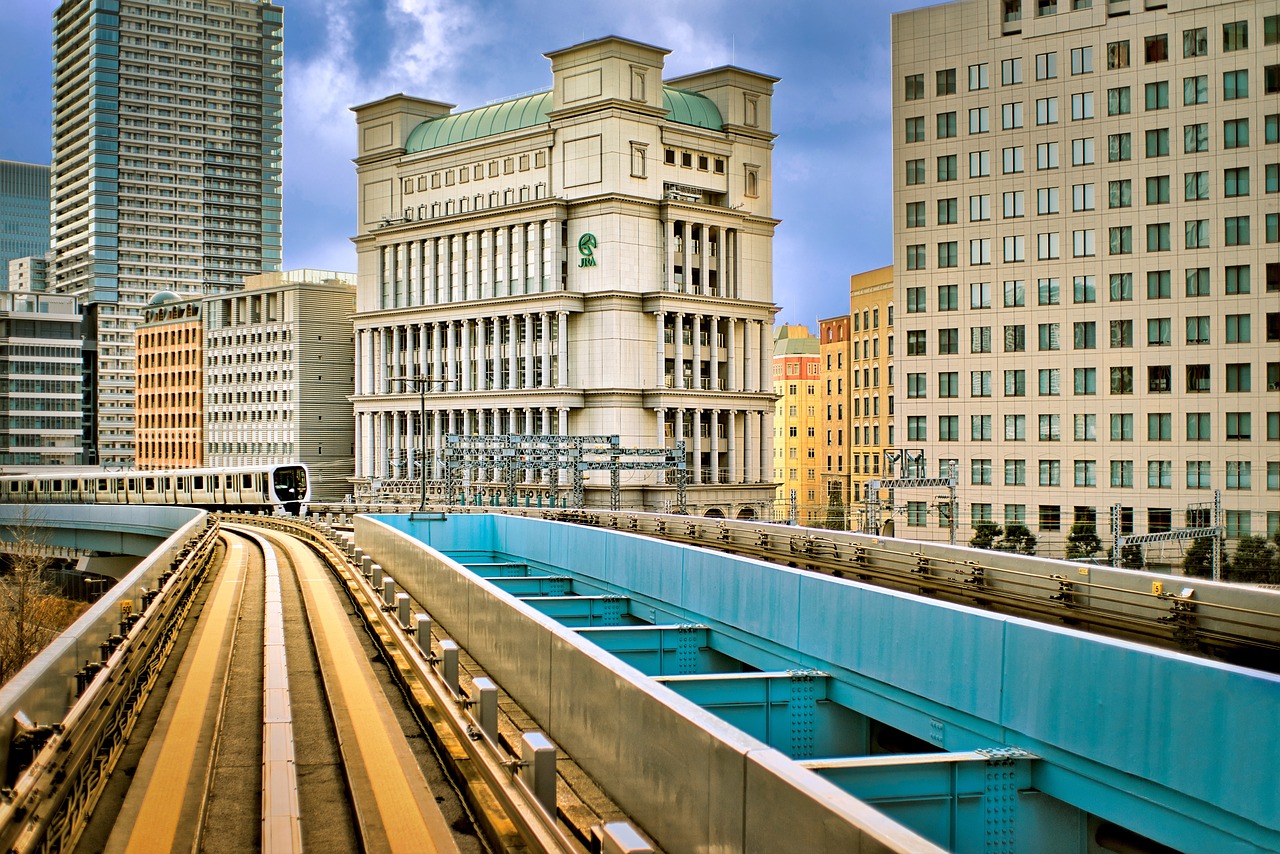
Plan your visit with confidence and quiet etiquette at Nezu Museum Tokyo Japan
Save these Nezu Museum Tokyo Japan tips tickets hours etiquette for the day you actually go. A simple itinerary works best: arrive early, start with the galleries while your mind is fresh, then step into the garden when you want openness and air. Two hours is a comfortable baseline, with a little buffer for Tokyo transit flow.
Reconfirm the tickets and price expectations before you set off; if queues feel stressful, online booking can be a quiet form of support. If you’re staying at a concierge-led hotel, they can also help you plan around peak times while keeping the day relaxed.
Think of the rules as reassurance: no photos in galleries, hats off indoors, and keep voices low. You don’t need to be an expert to feel you belong here—just attentive and considerate.
Comfort and accessibility for the garden paths
Wear stable footwear for uneven paths, carry light layers for changeable weather, and bring water. Small practical choices make the experience seamless, so you can focus on discovery rather than logistics.
- Before you go: check the official website for any opening changes and current special exhibitions.
- Inspiration for the wider trip: browse our Trip gallery when you’re imagining what to pair with Tokyo’s quieter cultural stops.
What stays with you after Nezu Museum Tokyo Japan quiet art garden reflection
In a Nezu Museum Tokyo Japan quiet art garden reflection, what returns first is often the hush. Tokyo can be vast, fast, dazzling—yet here, your senses are retuned by stillness and scale. You remember how your shoulders dropped without you noticing, as if the city finally gave you permission to breathe.
Perhaps it’s a square of light slipping across a corridor, or the soft edge of shade under trees. Perhaps it’s the steady presence of stone beside the pond, or azaleas fading from bright colour into something more subtle as you lingered.
Long after you leave, the feeling can quietly shape what you notice next: how you move through a room, how you hold a moment, how you choose beauty that’s understated yet certain. In that way, art and design don’t stay behind glass—they travel with you, asking only that you keep looking with care.
And when you next find yourself in a new city, you may catch yourself imagining another garden path, another calm threshold, another place where curiosity is welcomed gently—simply waiting to be discovered.
F.A.Qs: Nezu Museum Tokyo Japan
Is the Nezu Museum worth seeing?
Yes, especially if you value calm cultural depth in Tokyo. The galleries offer refined traditional art, while the garden and tea houses add a restorative, high-end pause that feels worlds away from the city’s pace.
Is the Nezu Museum free?
No. Admission is typically paid, with adult tickets around 1100 yen. Prices and entry methods can change, so it’s wise to confirm details on the museum’s official website before you go.
How long do you need at the Nezu Museum?
Allow around two hours to enjoy the galleries and the garden without rushing. If you’re visiting during azalea season or want a café break, adding extra time will keep the experience relaxed.
What to see in the Nezu Museum?
Focus on a few highlights: rotating displays of Japanese and East Asian works such as ceramics, calligraphy, and Buddhist pieces, then step outside to the landscaped garden with stone lanterns, a pond, and historic tea houses.