Post Contents
- Odaiba on Tokyo Bay A Futuristic Island Mood for an odaiba area overview Tokyo Bay man-made island Japan
- Seamless Ways to Get to Odaiba from Central Tokyo with get to odaiba Yurikamome line Shimbashi Station Tokyo Teleport Station Rinkai line
- Sunset Seaside Walks Rainbow Bridge Views with Odaiba Seaside Park Rainbow Bridge sunset views of Tokyo Bay
- Shopping and Entertainment in Odaiba for Playful Nights with shopping and entertainment things to do in odaiba DiverCity Tokyo Plaza shopping mall
- Science Museums and Digital Art Beyond Odaiba with Miraikan museum of emerging science and innovation Odaiba attraction teamLab Borderless Tokyo Japan
- What Odaiba Leaves With You for Odaiba Tokyo Bay personal reflection Japan travel
- F.A.Qs: Odaiba Island Japan travel planning
Odaiba on Tokyo Bay A Futuristic Island Mood for an odaiba area overview Tokyo Bay man-made island Japan
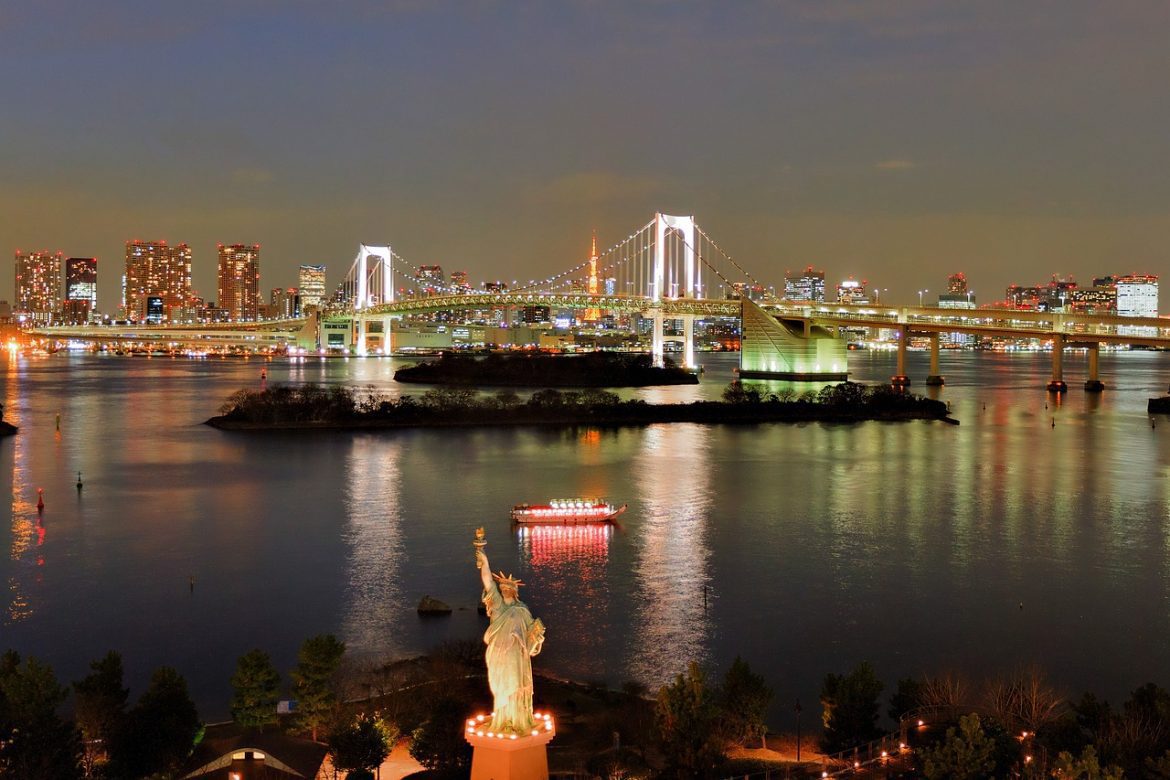
Odaiba on Tokyo Bay A Futuristic Island Mood with the waterfront Statue of Liberty replica
Imagine arriving on a man-made island in Tokyo Bay where the skyline feels close enough to touch, yet the rhythm is softer than the rest of Tokyo. That first breath of sea air is your quiet permission slip to slow down, even if you’re the sort of traveller who usually wants to do everything. Odaiba is playful and polished at the same time, with wide paths, big views, and pockets of calm you can trust.
For quick orientation in the odaiba district, think in three easy-to-walk layers: the waterfront promenades, the retail and entertainment belt, and the museum zone. “Things to do in Odaiba” now often means choosing your mix—art and light shows, seaside strolls, contemporary malls, and science-led culture. It’s also a place where you can design a day that feels crafted rather than crammed.
Odaiba area context and why it feels like tokyo, only gentler
Odaiba’s origins were practical: defensive fortifications built to protect Tokyo, later reimagined as part of a bold waterfront vision. The name still carries that history, even as the district leans into glossy futures—ferries, mirrored buildings, and the famous Fuji TV Building watching over the bay. Older landmarks have come and gone, including the museum of maritime science that once anchored the area’s nautical identity.
Things to do in odaiba with a flexible, expert plan
My warm-reassuring rule here is simple: pre-book the elements that can bottleneck, and keep your waterfront time spontaneous. If you’re blending Odaiba with a wider day, save your timed tickets for later and let the early hours be about discovering the atmosphere. For inspiration while you plan, you can browse our Trip gallery and then create a route that matches your energy.
A reality-check, shared with care: Odaiba changes often. Parts of the bayfront are regularly redeveloped, and entire complexes can shift names or close. Rather than chasing a fixed checklist, arrive with curiosity and a little slack in your schedule—so you can uncover what’s new while still enjoying Odaiba’s signature mix of futuristic design and seaside breathing space.


Seamless Ways to Get to Odaiba from Central Tokyo with get to odaiba Yurikamome line Shimbashi Station Tokyo Teleport Station Rinkai line
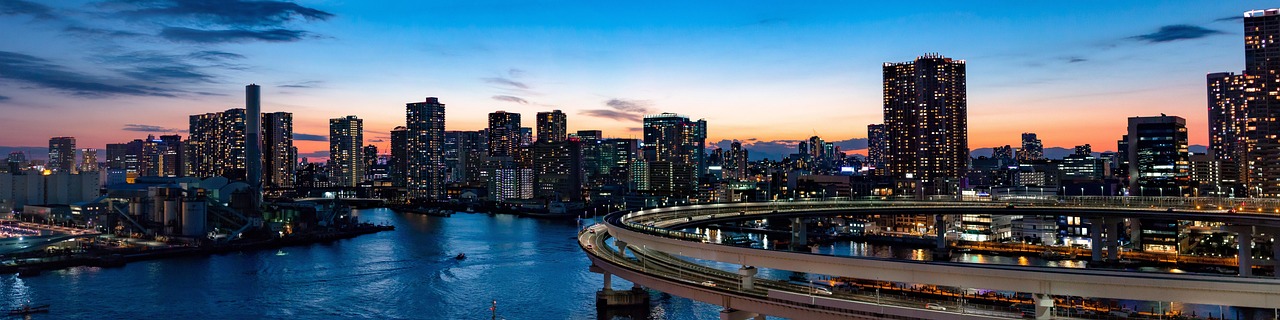
Seamless Ways to Get to Odaiba from Central Tokyo with Rainbow Bridge views
To get to odaiba with confidence, start with the most scenic option: the yurikamome line from Shimbashi Station. It glides above the water, and the approach feels like a soft reveal of Tokyo Bay rather than a hard arrival. If you want a classic first stop, hop off at Daiba Station, a station on the Yurikamome line that places you close to the waterfront icons.
Central tokyo connections on the Rinkai line
The other clean option is the rinkai line. You’ll step off at Tokyo Teleport Station, then walk into the heart of the shopping and entertainment zone in minutes. From Shinjuku, many travellers connect smoothly via Osaki where the JR Saikyo Line through-runs with the rinkai, and if you’re coming from elsewhere you can take the JR Yamanote line to link up without stress.
Adventure routes via the Rainbow Bridge
If you’re travelling like an adventure seeker, consider a route that crosses the Rainbow Bridge on foot or by bike. A group of friends once told me about their night biking via the Rainbow Bridge—cool breeze, bright city lights, and that shared moment of courage as the road opened into a shimmering panorama. It’s a reminder that “seamless” doesn’t have to mean predictable.
Alternatives are easy to design around your mood. There are bus services from Tokyo Station and other hubs, and a water bus from Hinode Pier if you want to sightsee on the way; some routes also tie in beautifully with Asakusa for a day that moves from traditional Japanese textures to futuristic waterfront spaces. If you’re arriving from Narita Airport, check current limousine bus schedules or rail connections and choose whichever gives you the calmest entry into your evening plans.
- IC card support: Suica or PASMO keeps transfers effortless across most lines and buses.
- Timing: Avoid peak commuter times if you can; Odaiba is at its best when you’re not queueing for every step.
- Comfort: Wear comfortable shoes, carry water, and bring a light jacket for breezy waterfront nights.
- Gentle etiquette: Queue neatly, keep voices low in enclosed spaces, and let others pass on narrow escalators.
Sunset Seaside Walks Rainbow Bridge Views with Odaiba Seaside Park Rainbow Bridge sunset views of Tokyo Bay
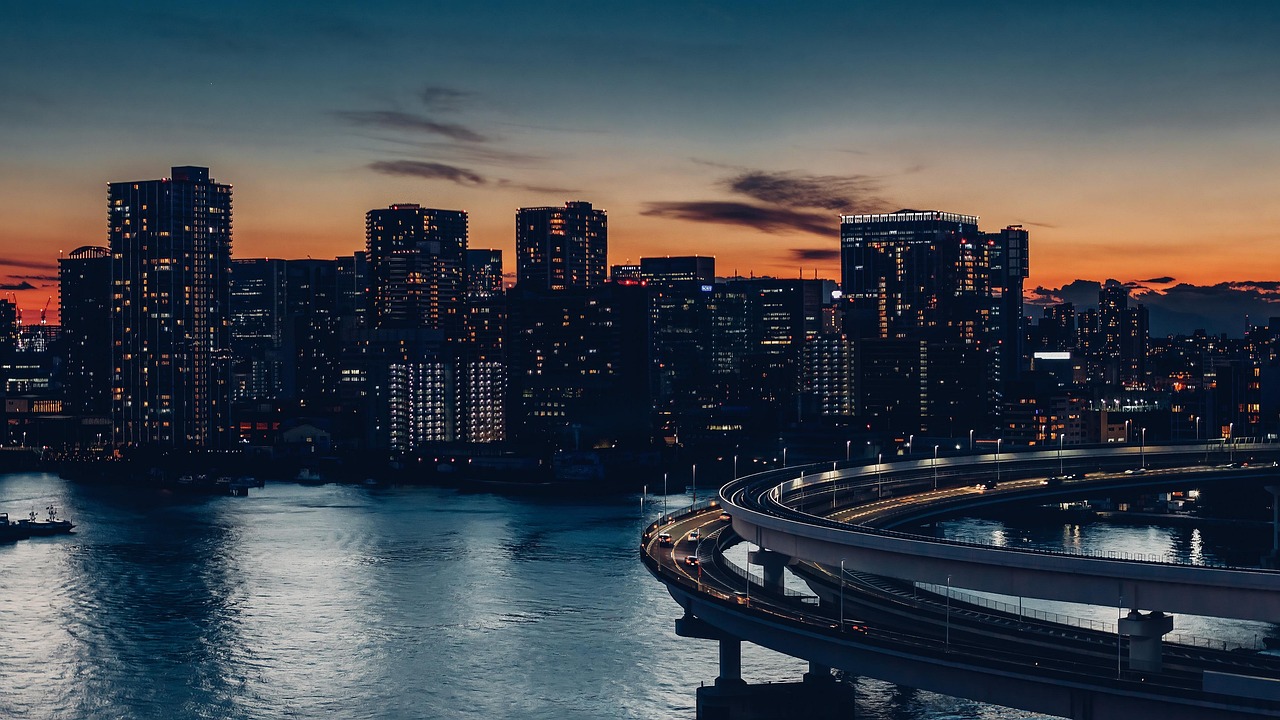
Sunset Seaside Walks Rainbow Bridge Views at Odaiba Seaside Park
When you want Odaiba to feel personal, head to Odaiba Seaside Park and let the pace drop. This is the bayfront moment that can change the whole tone of your day, especially if you’ve been racing through galleries and streets in central Tokyo. A couple once described a simple picnic here—sailboats drifting across Tokyo Bay, the hush of water against the edge, and the strange comfort of space in a big city.
Odaiba Marine Park angles for panoramic dusk
For photographs and lingering, walk the stretches around Odaiba Marine Park and the sandy edges where families gather for the last light. You’ll find the best Rainbow Bridge lines as the sky turns pewter and the lamps begin to illuminate. On clear days, you may even catch Fuji on the horizon; if you’re lucky, Mount Fuji appears like a quiet sketch beyond the bay.
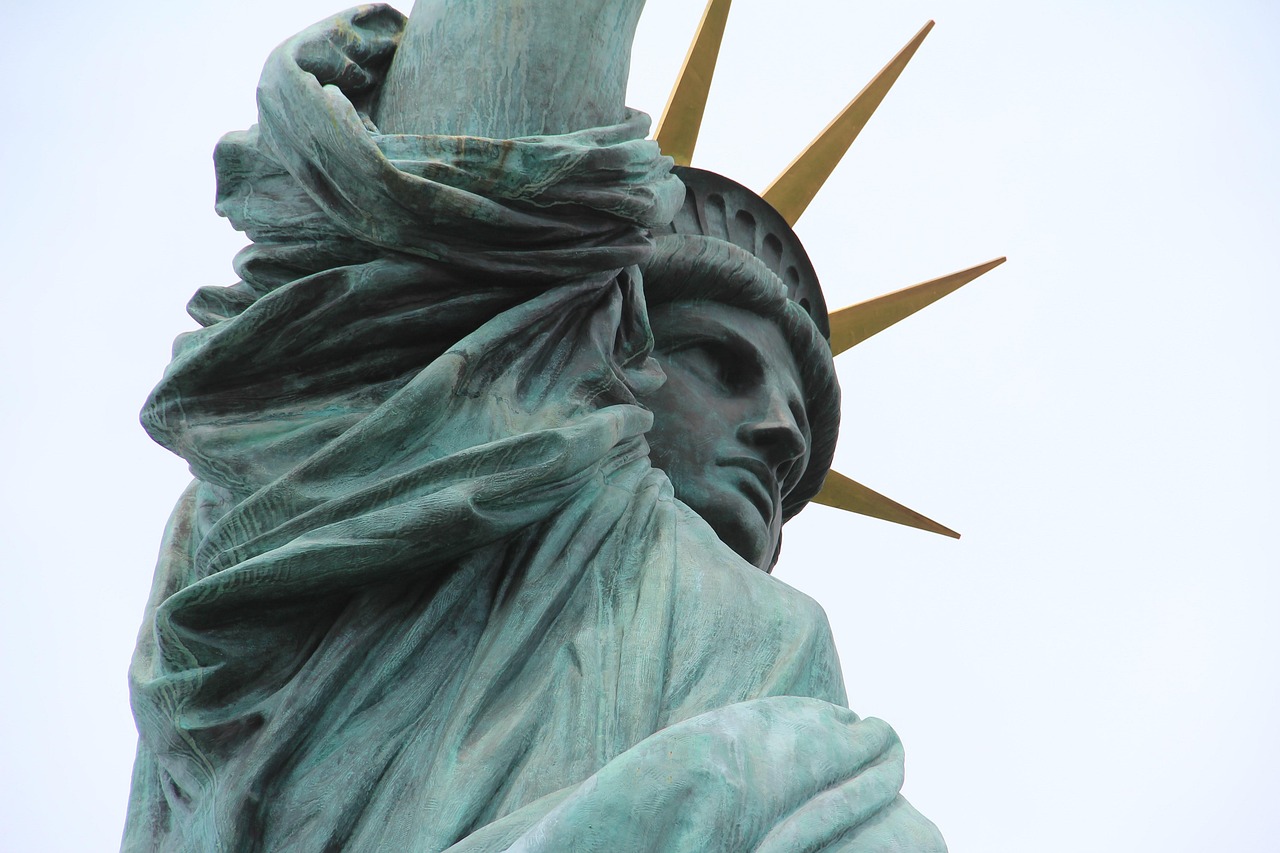
Odaiba also offers those “only here” visuals: the statue of liberty replica, reflections wavering on the water, and the sense that the city is both immense and reachable. You might spot the tokyo skyline briefly between buildings, then lose it again as you follow the curve of the shore.
Eat in odaiba by the waterfront with local care
If you’re deciding where to eat in Odaiba, choose waterside dining where fresh seafood comes with views of Tokyo Bay and a softer soundtrack than the inner city. Keep it simple: arrive a little early, accept that queues are part of the evening ritual, and speak gently in shared spaces. That quiet courtesy is its own kind of cultural immersion, and locals notice it.
- Best light: Aim for 30–40 minutes before sunset for colour, then stay as the bridge lights settle.
- Low-effort viewpoint: A quick stop at Aqua City for a deck-style overlook works beautifully between walks.
- Weather support: Sea air cools fast; your light jacket earns its place after dark.
From there, drift back towards the seaside path as the evening deepens. Odaiba is generous with space, and you don’t need to overplan to feel the reward.
Shopping and Entertainment in Odaiba for Playful Nights with shopping and entertainment things to do in odaiba DiverCity Tokyo Plaza shopping mall
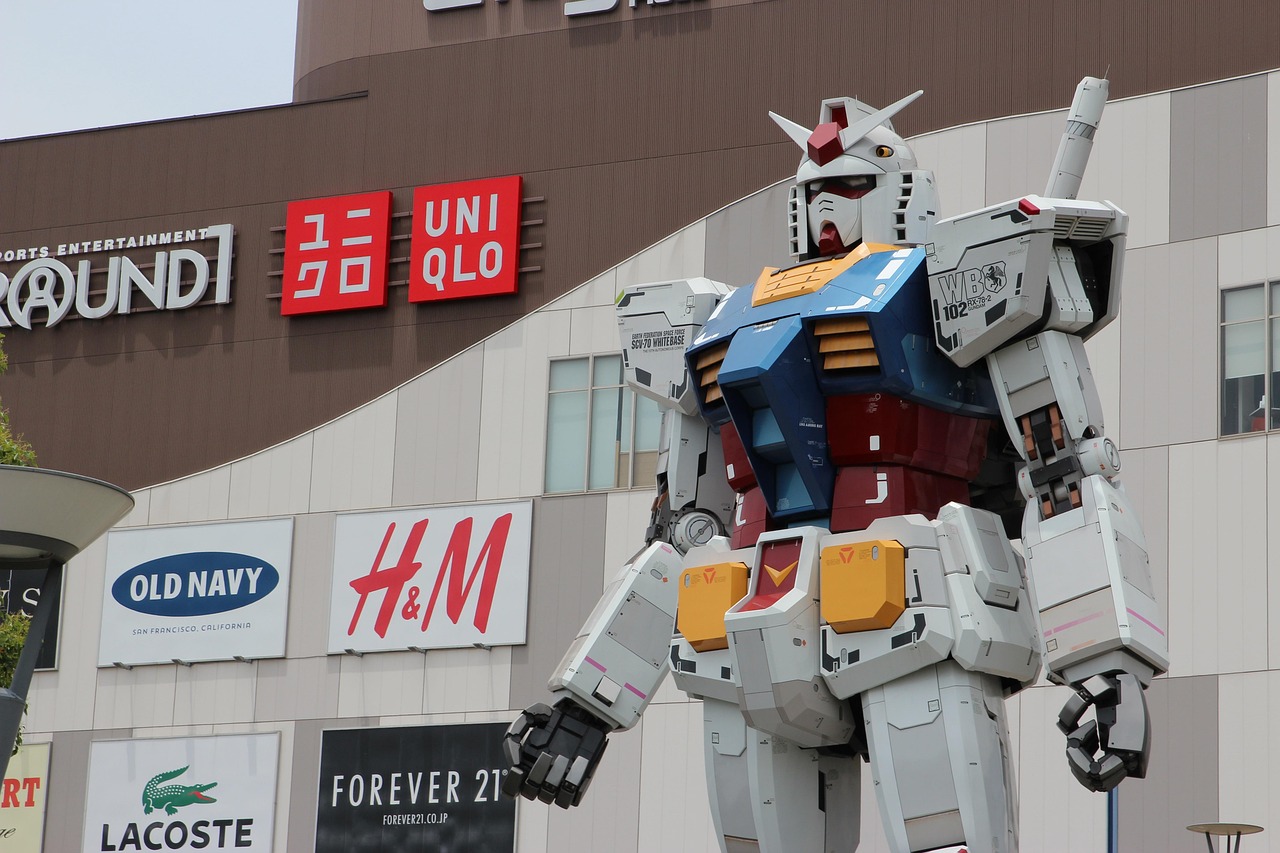
Shopping and Entertainment in Odaiba for Playful Nights at DiverCity Tokyo Plaza
If your version of Odaiba includes neon, music, and playful crowds, anchor your evening at DiverCity Tokyo Plaza. This headline shopping mall sits at the crossroads of pop culture and design, and it’s home to a big sight: the life-sized unicorn gundam statue outside. The gundam statue viewing is free, and timing it with a scheduled show adds theatre without adding pressure.
Shopping in odaiba at DiverCity Tokyo Plaza and the Gundam moment
An international visitor once described the nostalgic joy of seeing the Gundam come to life—lights shifting, mechanical movement, and strangers smiling together as if they’d shared a secret. Afterwards, they wandered DiverCity for anime finds and souvenirs that felt crafted rather than generic. It’s an easy way to bring home something designed with intention, not just another logo.
Inside this mall, the flow is straightforward: fashion, food floors, and speciality shops. If you’re travelling high-end, you can design a calmer shopping rhythm by visiting earlier, then returning outside for the night show when the plaza breathes again.
Shopping and entertainment clusters beyond the mall
Beyond DiverCity, you can explore Decks Tokyo Beach for views and relaxed browsing, or book time at Tokyo Joypolis for arcade-style thrill rides that feel like a compact theme park. For families and the young-at-heart, Legoland Discovery Center is a surprisingly joyful indoor break when the weather turns. Odaiba’s entertainment complex energy is easy to dip into, then step away from when you need quiet.
With nostalgia and care, it’s worth noting that parts of the old Palette Town era closed in 2022, including venues once associated with the Daikanransha Ferris wheel. Yet the spirit remains: seasonal pop-ups and novelty spaces appear and disappear, from a trick art museum style exhibition to the Unko Museum, and even the kind of photo-stop fun people remember from a tussauds wax museum or Madame Tussauds abroad. Odaiba rewards travellers who are willing to uncover what’s current rather than chasing the past.
One traveller also spoke about warm, helpful local vendors who guided them through small purchases and gift wrapping—tiny gestures that made the night feel more local than transactional. Keep respectful behaviour indoors, expect queues at peak hours, and remember many counters are cashless now (though having a little yen helps for smaller kiosks).
Science Museums and Digital Art Beyond Odaiba with Miraikan museum of emerging science and innovation Odaiba attraction teamLab Borderless Tokyo Japan
Science Museums and Digital Art Beyond Odaiba with Miraikan and teamLab inspiration
After the retail sparkle, Odaiba has a quieter cultural core that feels like an insight you get to keep. The Miraikan—Japan’s Museum of Emerging Science and Innovation—offers hands-on exhibits where future-thinking becomes playful, and that makes it a strong attraction even for travellers who usually prefer motion and adrenaline. It’s a different kind of excitement: curiosity building into confidence.
Logistics are refreshingly gentle. Miraikan admission is typically around ¥620, which is low compared with major ticketed experiences, and it’s easy to combine with waterfront wandering. One important update: the museum has a planned refurbishment closure from 1 October 2026 to 22 April 2027, so do check official dates if you’re travelling in late 2026 or early 2027.
Odaiba attraction etiquette that protects the mood
Because the exhibits are interactive, the atmosphere works best with a little shared care. Keep your voice low, avoid rushing from screen to screen, and give others space to read and try things. That calm courtesy often leads to better conversations too—families explaining robots to children, couples comparing ideas, solo travellers quietly taking notes.
TeamLab Borderless logistics and a crafted two-part day
It’s important to handle teamLab Borderless accurately: it relocated from Odaiba and reopened at Azabudai Hills in Tokyo in February 2024. Tickets are in demand, so book online in advance; prices are often around ¥3,200 and time slots can sell out. A solo traveller once told me the glowing digital art sparked a profound connection between technology and nature—less “spectacle”, more personal reflection in motion.
A crafted way to design the day is to begin with Odaiba’s open air, then move into central Tokyo for Borderless. The contrast matters: sea breeze and wide horizons first, then immersive light where the walls seem to dissolve. It’s also reassuring for pacing—if you feel tired, you can simplify the Odaiba portion and still keep the centrepiece art moment intact.
- Simple route design: Morning waterfront, mid-day museum, evening art in the city.
- Transport ease: Connect back through the rinkai network, or switch to the yurikamome line if you want views again.
- Energy support: Eat lightly before Borderless, then plan a calm return rather than squeezing in more.
In a city as layered as Tokyo’s, this is how you create a story that feels truly yours—grounded, beautiful, and quietly brave.
What Odaiba Leaves With You for Odaiba Tokyo Bay personal reflection Japan travel
Later, what returns is not a checklist, but a feeling: the soft hum of the Yurikamome as it curves over water, the salt-tinged air off Tokyo Bay, and the way Rainbow Bridge makes the city feel both immense and oddly within reach. Odaiba stays with you as an atmosphere—light on ripples, footsteps on wide paths, and the gentle permission to move at your own speed.
You might notice a subtle shift in yourself, too. Odaiba’s mix of futuristic play and seaside calm can grow confidence—whether you travelled solo or together—because it lets you practise a different way of being in a big place. There is space to explore without performing, to discover without rushing, and to trust that you don’t need to fill every minute for the day to matter.
And perhaps that’s the real gift: Odaiba helps you imagine new ways of moving through a city—slower, braver, more attentive, with care for shared spaces and for your own energy. The brightest memories can be small: a local greeting at a counter, a quiet bench, a last glance at water turning dark as the bridge lights settle.
Somewhere across Tokyo Bay, another evening is waiting to be uncovered—whenever you’re ready to meet it.
F.A.Qs: Odaiba Island Japan travel planning
Is it worth visiting Odaiba?
Yes, especially if you want a blend of waterfront calm, futuristic design, and playful culture. Odaiba offers sunset views, museums, and pop-culture landmarks without the constant intensity of central Tokyo, making it ideal for a balanced day.
How far is Odaiba from Tokyo?
Odaiba is part of Tokyo, but it sits across the bay from many central areas. Depending on where you start, the ride is often around 15–30 minutes by rail, with easy connections via the Yurikamome or the Rinkai line.
What is Odaiba in Tokyo known for?
It’s known for its futuristic waterfront setting, Rainbow Bridge views, large shopping and entertainment complexes, and standout attractions like the Gundam statue and the Miraikan science museum. It’s also popular for relaxed evening walks by the bay.
Is Odaiba an artificial island?
Yes. Odaiba is a man-made island developed on reclaimed land in Tokyo Bay. It began with defensive purposes historically, then evolved into a modern leisure and cultural district with promenades, museums, and entertainment areas.