Post Contents
- Design a Luxury Tokyo Itinerary With Confidence – Things to Do in Tokyo Japan Without Rushing
- Shibuya Style and Omotesando Design – Best Things to Do in Tokyo Japan for Shopping and Dining
- Meiji Shrine and the Forested Heart of Tokyo – A Quiet Shrine Experience Near Shibuya
- Skyline Icons: Tokyo Skytree and Classic Tower Views – Best Places to Visit in Tokyo
- Crafted Tokyo Nights: Ginza Sushi, Shinjuku Neon, Roppongi Dining – Top Things to Do in Tokyo Japan
- After Tokyo: What Stayed With You – Things to Do in Tokyo That Become Lasting Memories
- F.A.Qs: Things to do in Tokyo Japan
Design a Luxury Tokyo Itinerary With Confidence – Things to Do in Tokyo Japan Without Rushing
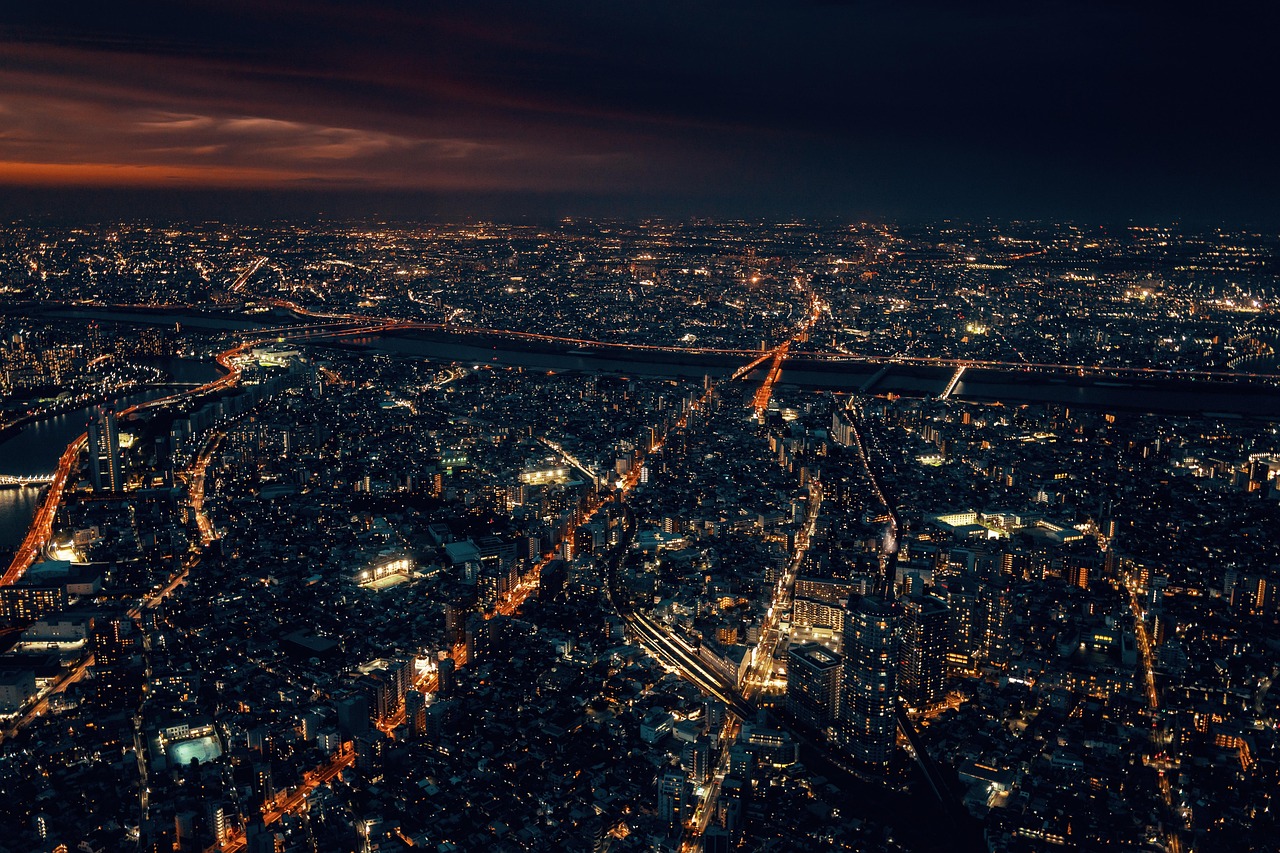
Design Your Tokyo Itinerary With Confidence with skyline views and refined city pacing
When you’re mapping out things to do in Tokyo Japan, the easiest way to travel well is to think in neighbourhood anchors rather than ticking off a checklist. This Tokyo travel guide is built for travellers who value polish, breathing room, and purposeful choices—because tokyo is a city of distinct moods: polished avenues, intimate lanes, and pockets of stillness that make a visit to tokyo feel crafted rather than frantic. Design your days around four reliable bases—Shibuya, Ginza, Asakusa, and Roppongi—then weave in calm pauses so your time in tokyo feels spacious.
A luxury-first approach is simple: choose one “anchor” neighbourhood per day, plan one hero reservation, and keep the rest flexible. That could look like morning calm (a shrine or garden), afternoon design (galleries, architecture, shopping), and evening theatre (cocktails, omakase, or a tasting menu). In practice, it’s one of the best things you can do for energy: you’ll explore tokyo deeply without feeling pulled in five directions.
Best time to visit Tokyo for high-end pacing on a first trip
For a first trip and especially a first trip to tokyo, spring (March–May) brings cherry blossoms and soft light, while autumn (September–November) offers crisp weather and glowing colour. Those seasons shape reservations: the best hotels, sought-after experiences in tokyo, and in-demand restaurants in tokyo book earlier, especially on weekends. If you can, place your most important dinners on quieter weekday evenings and keep one “unplanned” evening as a buffer—Tokyo often surprises you with something you’ll want to linger over.
If you’re building a broader japan itinerary, consider Tokyo at the beginning for adjustment and at the end for celebration. Think of Tokyo as a place to settle into the rhythm of japan as a whole—quiet courtesy, superb design, and service that feels like genuine care on a longer japan trip.
Where to stay in Tokyo, hotels in Tokyo, and how to stitch days together
Where you stay in tokyo changes the texture of each day. Shinjuku and Shibuya bring energy and immediate access to nightlife; Ginza offers polished calm and easy transitions to high-end shopping and dining; and Roppongi places you near museums and some of Tokyo’s best late-night tables. As a reference point for classic views and service standards, Park Hyatt Tokyo remains a touchstone for many travellers—especially if you value discreet support, skyline-facing rooms, and a sense of quiet above the city.
Plan one curated day trip for contrast, then return “slow”. A private car makes Fuji feel effortless (and comfortable for families), while a premium train option suits those who enjoy the elegance of station-to-station travel. Fuji sits west of tokyo, and the best itineraries build in an unhurried evening back in the city—perhaps a late dinner near your hotel, or a simple nightcap that lets the day settle.
- Seamless logistics: use a prepaid Suica card for the Tokyo Metro and most train connections—an easiest way to travel for first-timers.
- Comfort upgrade: private car hires are ideal for airport transfers, day trips, and evenings when you want door-to-door ease, especially for a tokyo based schedule.
- Useful hubs: Tokyo Station is perfect for onward travel, while Shinjuku Station is invaluable for nightlife areas—both are easier with a calm plan and clear meeting points so you can get around tokyo confidently.
Before you lock anything in, browse our Trip gallery to imagine the style of journey you want—minimalist modern, heritage-led, or food-first. As a quick set of tips on the best pacing: choose your best places early, pre-book one signature dinner, and leave room for fun things like an afternoon at Tokyo Disneyland or Tokyo DisneySea if you’re travelling with family. With the right structure, the places to visit in tokyo never feel rushed; they feel like they were waiting for you.


Shibuya Style and Omotesando Design – Best Things to Do in Tokyo Japan for Shopping and Dining
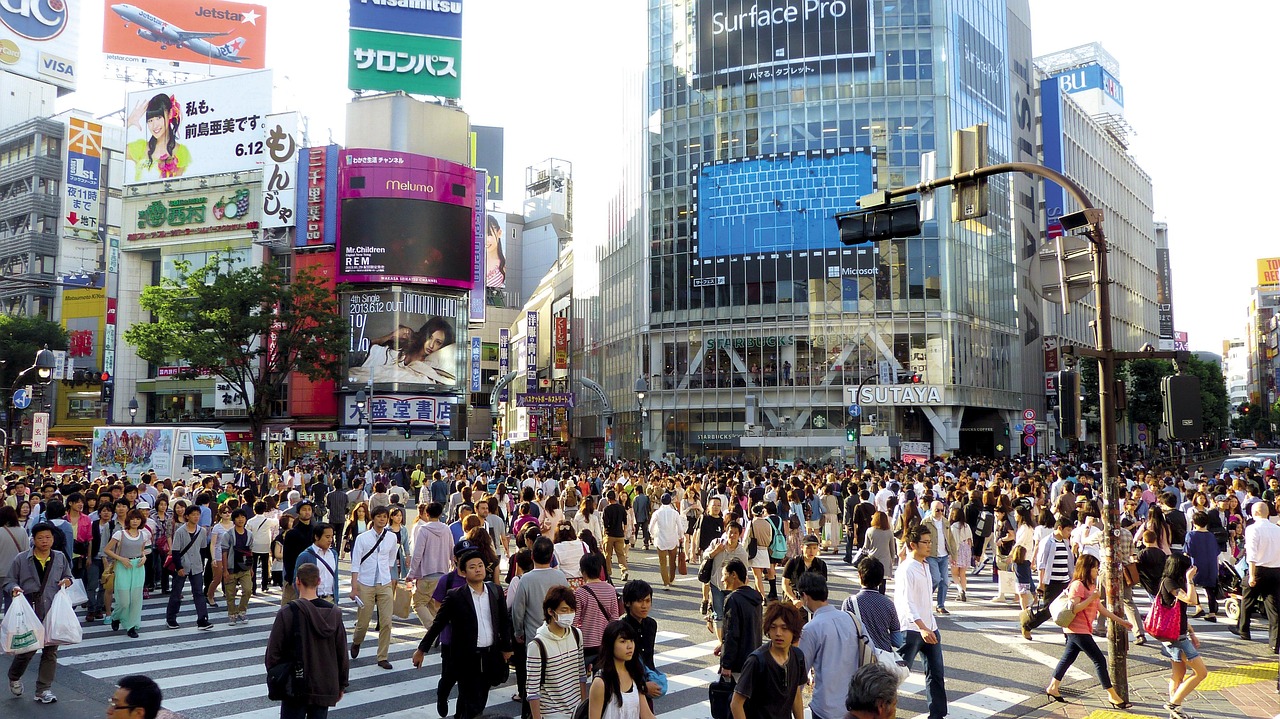
Shibuya Style and Omotesando Design with iconic streets and high-end Tokyo shopping
If you’re searching for things to do in Tokyo Japan that feel instantly modern, begin in Shibuya with a moment that places you in the story of the tokyo city itself. Shibuya Crossing is pure iconic tokyo—bold, cinematic, and surprisingly orderly. The trick is confidence: watch first, cross second; it’s worth a visit even if you only pass through for a few minutes.
For the best photos, arrive early morning for clarity or after sunset for neon reflections (especially after rain). It’s one of the best things to feel Tokyo’s pulse without committing to a packed schedule. And because you’ll likely pass through Shibuya Station at least once today, take five minutes to orient yourself—your future self will thank you.
Shibuya Crossing loop: Shibuya Station, Omotesando, and design-led streets
Start at Shibuya Station and move in a simple loop that lets you enjoy Shibuya without backtracking. In Shibuya, the joy is the contrast: street fashion, serious architecture, and quiet side lanes that reveal local cafés with perfect coffee and gentle service. From there, stroll towards Omotesando—often called Tokyo’s Champs-Élysées—for designer boutiques, considered galleries, and buildings that feel like works of art; this part of tokyo is about texture: stone, glass, timber, and soft light across façades.
High-end travellers often prefer Omotesando earlier in the day, when you can browse with space and take breaks in elevated cafés. If you enjoy contemporary craft, look for small exhibitions and concept stores that spotlight Japanese makers; these are the unique things that turn a shopping stroll into an insight into modern Shibuya.
Takeshita Street in Harajuku – a quick contrast, then calmer Shibuya edges
Harajuku can be thrilling, but you don’t have to surrender your pace. Treat Takeshita Street as a quick, intentional contrast stop—ten minutes for colour and curiosity—then slip away into quieter backstreets for small boutiques and made-to-measure moments. This approach keeps Shibuya feeling stylish rather than chaotic, especially during peak hours.
To balance the day, edge towards Yoyogi Park for a soft reset before dinner. Even a short sit with a takeaway drink can shift the whole mood, and it sets you up beautifully for tomorrow’s sacred spaces. As you move from fashion districts towards a shrine later on, dress modestly and keep layers handy—Tokyo makes transitions easy, but a little respect helps you feel part of the rhythm, not outside it.
Meiji Shrine and the Forested Heart of Tokyo – A Quiet Shrine Experience Near Shibuya
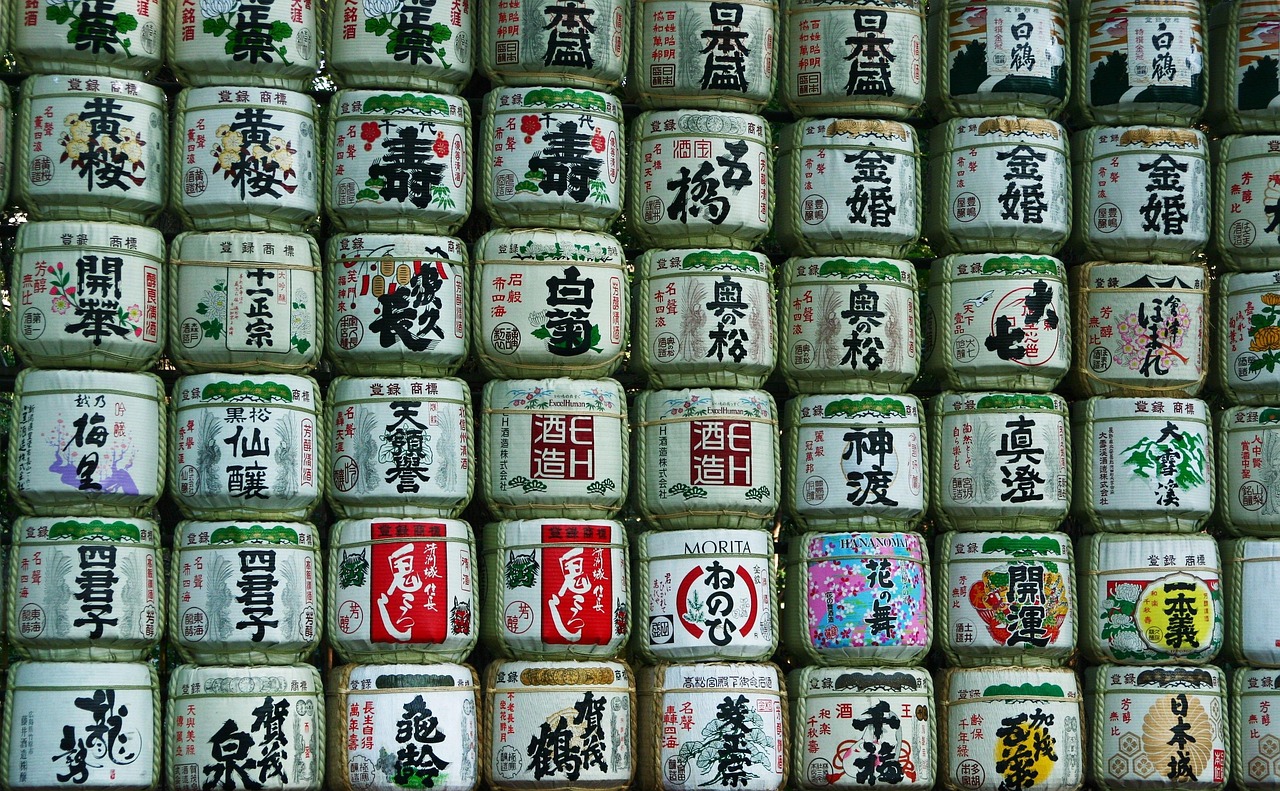
Meiji Shrine and the Forested Heart of Tokyo with a tranquil forest approach
For travellers seeking a Meiji forest shrine experience, the magic is how quickly the city sound falls away—even though you’re still close to Shibuya. Visit early, when the approach path feels like a private corridor of green. Within minutes, Shibuya’s energy becomes a distant memory and you’re walking through a forested heart that seems to hold its own weather—cooler air, softer light, slower footsteps. Among the most meaningful things to do in tokyo, this is the moment many high-end travellers remember: a sense of being quietly looked after by space itself.
The Meiji shrine complex is spacious, beautifully maintained, and reassuringly clear for first-timers. You don’t need to know every custom to feel at ease; simple respect is enough, and locals are used to visitors learning gently.
Shrine etiquette made simple for a first shrine visit
Think of etiquette as a way to support the atmosphere—your actions help keep the calm for everyone. Dress conservatively, lower your voice, and allow yourself to slow down. If there are areas where you’re asked to remove shoes, do so without fuss; it’s part of the care in how sacred and domestic spaces are protected.
- Purification: if you choose to, rinse hands at the temizuya, then step aside for others.
- Photography: keep it discreet; pause rather than circling for angles.
- Presence: a small bow and a moment of stillness goes further than perfection.
Pair Meiji with a gentle loop around Yoyogi Park to keep the day balanced. It’s free to visit, and well worth a visit even if you only have a few days in tokyo—especially if you’re planning tokyo for first-time visitors who want beauty without pressure.
A private tea ceremony and rare stillness between Shibuya and Shinjuku
One visitor described her private tea ceremony in a historic Tokyo teahouse as “a masterclass in attention”. Every movement was meticulous; every object had a purpose. In a city that can feel bright and fast, the ceremony created an intimate pocket of calm—an experience of trust and ritual that stayed with her long after the last sip.
During sakura season, crowds can rise across central parks. If you need a serene alternative, also visit Shinjuku Gyoen for wider lawns and a more spacious feel; Shinjuku Gyoen National Garden is particularly soothing in the late afternoon, when the light turns honeyed and the city feels far away.
Skyline Icons: Tokyo Skytree and Classic Tower Views – Best Places to Visit in Tokyo
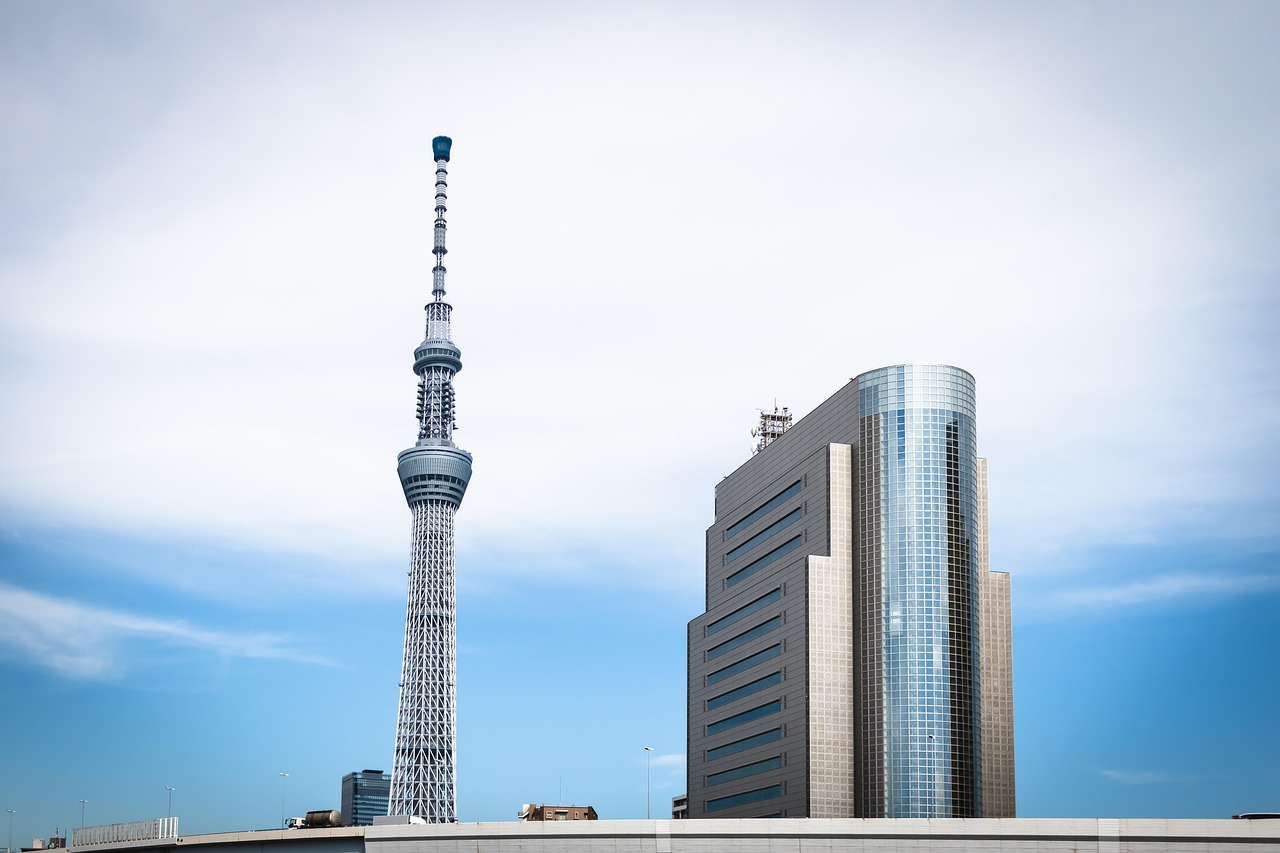
Tokyo Skytree to Tokyo Tower Best Views and Icons with skyline layers at golden hour
When you’re choosing the skyline moments on a tokyo itinerary, it helps to treat the viewpoints as two different emotions. The Skytree is the centrepiece for scale and clarity, while the classic red-and-white tower offers a more romantic, cinematic angle that feels closer to the street life below. Together, they’re among the best things you can do for an immediate sense of the city’s structure and beauty—and for many travellers, the skyline is the best view of the trip.
For the Skytree, aim for golden hour into night: you’ll watch the city shift from crisp daylight geometry to a constellation of light. Secure tickets in advance to keep everything seamless, and plan a VIP-style pace: arrive a little early, move slowly, and build in time to sit with the views of the tokyo skyline rather than chasing every window.
Asakusa interlude: shrine heritage, refined street food, and riverside calm
Pair the tower with Asakusa, which adds heritage to your skyline day. Begin at Sensō-ji for an unmissable temple approach, then curate your tastings rather than grazing at random. Choose two or three excellent bites—perhaps a sweet snack, a savoury skewer, and something seasonal—so street food feels intentional and elevated. Then take a riverside stroll for breathing room before you head back up into the sky.
This combination is one of the best places to visit because it balances old and new in a single, elegant arc. It also suits travellers who want comfort: short distances, clear landmarks, and plenty of cafés to pause in without feeling you’re missing out.
The city from Tokyo Tower at dusk – views, photography, and a softer mood
Later in your trip to tokyo, plan dusk for the city from Tokyo Tower—a softer perspective with warmth and theatre. The views of tokyo tower capture the landmark glowing against deepening blue, and the street-level scene below feels intimate rather than distant. Choose a nearby cocktail stop for a gentle finish; the goal is romance, not rush.
For photography, look for skyline layers: foreground rooftops, mid-distance highways, and distant peaks. From up high, Tokyo feels like the most intricate city in the world—ordered, endless, and quietly beautiful.
If you crave a culture-tech contrast, dip into Akihabara as a short, curated visit. Focus on collectors’ corners, design-focused shops, and beautifully made objects rather than every loud arcade. Done well, Akihabara becomes one of the best places for modern craft—not sensory overload.
Crafted Tokyo Nights: Ginza Sushi, Shinjuku Neon, Roppongi Dining – Top Things to Do in Tokyo Japan
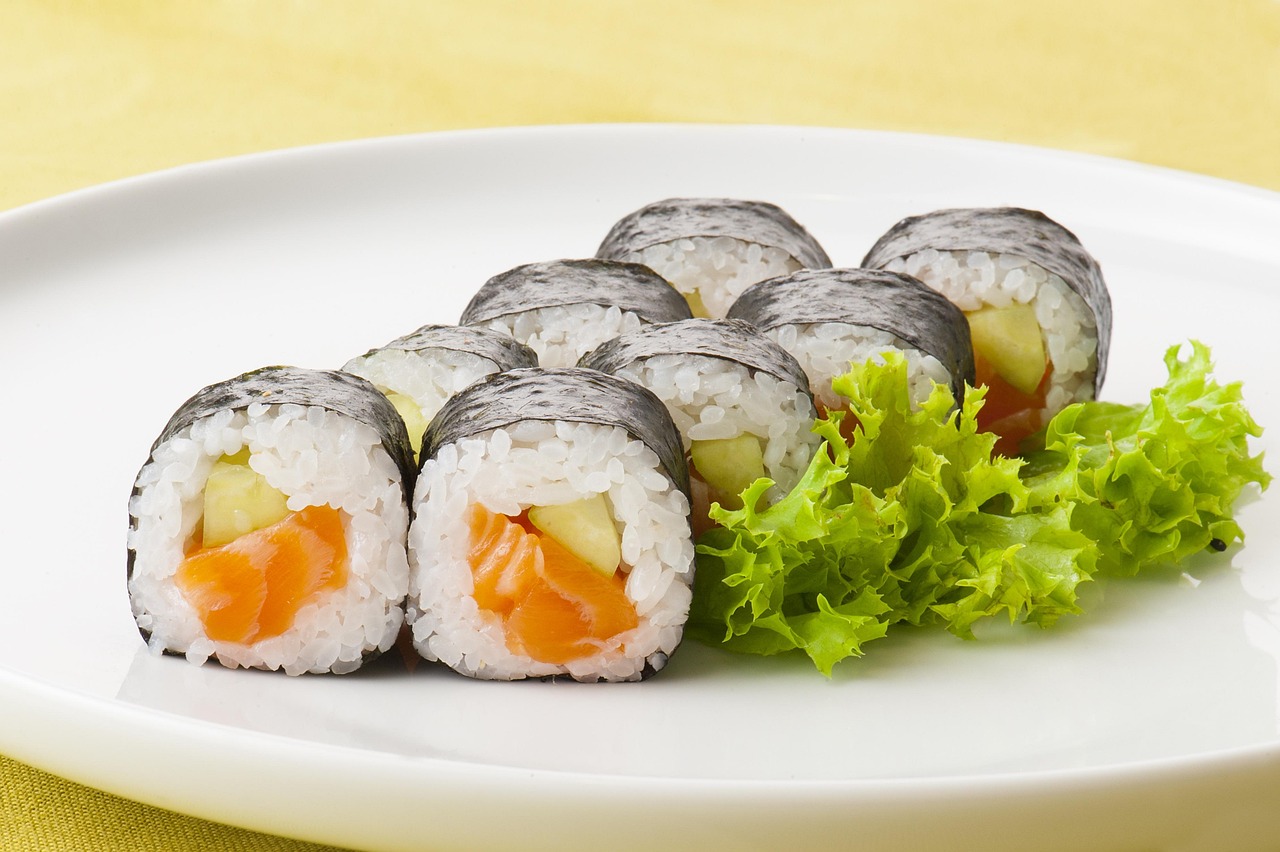
Crafted Tokyo Nights Ginza Sushi Shinjuku Neon Roppongi Dining with omakase detail
For top things and truly memorable things to do in tokyo, evenings are where the city’s hospitality becomes unmistakably personal. This is where tokyo’s quiet precision turns into comfort: a perfectly timed pour, a chef’s attentive pause, a host who remembers your pace. Plan a trio of nights—Ginza, Shinjuku, and Roppongi—and you’ll uncover different faces of the same care-driven culture.
Ginza indulgence: private sushi-making and the best food moments
In Ginza, indulge in a private sushi-making class with a master chef. This isn’t a crowded group lesson; it’s crafted for attention—ingredients explained with pride, knife skills taught with patience, and a calm tempo that lets you learn properly. You’ll taste the difference between rice temperatures and seasoning, and you’ll understand why restraint can be the best food.
Ginza also suits those who want polished access to galleries and department-store food halls without needing to traverse half the city. If you’re staying nearby, it’s the definition of seamless luxury: step out, dine beautifully, step back in.
Shinjuku after dark is the thrilling counterpoint—luminous, layered, and deeply alive. Consider a guided night tour so you can relax into the scene without navigating every turn. A luxury traveller once shared her unforgettable moment: after walking neon-lit streets with a guide, she slipped into a hidden local izakaya and sipped sake in a quiet corner; it was the kind of street in tokyo memory that feels personal, not packaged.
If you do this independently, choose one small area rather than attempting all of Shinjuku in one night. Shinjuku Station can feel immense, so set a clear meeting point and screenshot your exit number; it turns a maze into a straightforward connection for anyone coming from Shibuya or Ginza.
Roppongi dining: omotenashi at its pinnacle and Tokyo’s best late-night ease
For a final flourish, Roppongi is where many travellers find the pinnacle of Japanese hospitality. A high-end visitor described her Michelin-starred seasonal tasting menu here as a lesson in pacing: each course arrived with perfect timing, and every preference was remembered without fuss. That’s omotenashi—tokyo’s best standard of care—delivered with warmth and precision.
- Getting around at night: the Tokyo Metro and train network is fast with Suica, but a private car offers door-to-door comfort after late dining.
- Cash support: carry cash for traditional venues, especially smaller bars and long-standing local spots.
- Tipping: tipping is not customary in Japan; a sincere thank you is the most graceful appreciation.
Reservations are essential, from tasting menus to small cocktail bars. If you use a vetted booking platform, treat get your guide as only an example—your goal is trust, clarity, and confirmed details so the evening feels effortless. By the end of a tokyo trip like this, the city no longer feels vast; it feels like a collection of places in tokyo where you were genuinely welcomed.
After Tokyo: What Stayed With You – Things to Do in Tokyo That Become Lasting Memories
When people speak about things to do in tokyo that create lasting memories, they rarely start with the obvious landmarks. They talk about atmosphere—how Tokyo can be both immaculate and deeply human, a place where precision becomes a kind of kindness. For many, a visit tokyo moment is less about “doing” and more about noticing the city meeting you at your pace.
There’s a particular comfort in how Tokyo holds contrast. In the morning, forest light at Meiji can feel like a private sanctuary; in the afternoon, Shibuya can be all angles, energy, and design; by night, a simple bowl of something warm on a side street can feel like the most generous meal. None of it asks you to rush. It invites you to pay attention.
What lingers most is often the smallest detail. A bow that communicates respect without performance. A perfectly timed cup of tea that arrives as you exhale. A chef’s pause that gives you space to savour rather than simply consume. These gestures build a sense of trust—proof that luxury can be quiet, and that care is sometimes the highest form of craft.
You may remember skyline light, the hush of a shrine path under tall trees, or neon reflecting on a rainy pavement as the city edits itself into a film scene. If you’re planning days in tokyo around mood and proximity, you’ll find more things to see in tokyo than you expected—without forcing the pace.
And perhaps that’s the real gift: whether you spent three nights or weeks in tokyo, the city leaves a small door open in your mind—an invitation to imagine the next layer. Your next itinerary might be around tokyo with galleries and neighbourhood cafés, or a return for food and design with a trusted tokyo guide.
F.A.Qs: Things to do in Tokyo Japan
What should we not miss in Tokyo on a first visit?
Don’t miss a morning at a major shrine such as Meiji, a skyline moment from the Skytree or the classic tower, and a design-led wander through Shibuya and Omotesando. Add one heritage pocket like Asakusa, then finish with a crafted dinner experience in Ginza or Roppongi. These must-see places balance calm, culture, and modern energy without trying to do everything at once.
Is $5000 enough for a week in Japan if we want luxury touches?
It can be, depending on your style. For luxury travellers, $5000 for a week may cover comfortable mid-to-upper stays, excellent meals, and some paid experiences, but it’s tight for top-tier hotels and multiple Michelin-starred dinners. If you prioritise one or two standout splurges and use trains for most travel, it can still feel special—just plan reservations and costs carefully.
What are the top 5 things to do in Tokyo for a refined itinerary?
A refined top five is: visit Meiji early, experience Shibuya Crossing and Omotesando’s architecture, take in the skyline at golden hour, explore Asakusa and Sensō-ji for heritage, and book one exceptional dining experience—such as a Ginza sushi class or a Michelin-starred tasting menu in Roppongi. It’s a shortlist of best things that still leaves room for spontaneity.
Is 3 days enough to visit Tokyo without feeling rushed?
Three days is enough to visit tokyo for a first overview if you keep it neighbourhood-based. Choose two anchors (for example Shibuya and Ginza) plus one heritage and skyline day (Asakusa with the Skytree), then include a calm pocket like Meiji or a garden. You won’t see everything, but you can create a seamless, high-end introduction with the right pacing and reservations—and you’ll avoid what many travellers miss in tokyo when they over-schedule.