Post Contents
- Sumo at Ryogoku Kokugikan a Tokyo guide for first timers in the Sumo Hall
- Grand Sumo Tokyo January May September tickets at Ryogoku Kokugikan made seamless
- Ryogoku Kokugikan seat guide and viewing tips for Sumo Hall etiquette
- Sumo Museum Ryogoku Kokugikan history Edo Tokyo inside the arena
- Ryogoku Tokyo chanko nabe restaurant guide near Ryogoku Station JR after sumo
- After Ryogoku Sumo Hall Japan reflection and Ryogoku memories
- F.A.Qs: Sumo Hall Japan and Ryogoku Kokugikan guide
Sumo at Ryogoku Kokugikan a Tokyo guide for first timers in the Sumo Hall
Sumo at Ryogoku Kokugikan your first step inside Tokyo
Arriving in Ryogoku feels like stepping into a pocket of Tokyo where tradition is still wonderfully close to the street. Consider this Ryogoku Kokugikan sumo hall Tokyo guide for first timers your calm first step: you’ll move from station bustle to stadium doors, and then into an arena that holds centuries of Japanese sport and ceremony together.
For high-end travellers, the appeal isn’t only that sumo is a must-see attraction on a trip to Japan—it’s that the experience can be designed to feel personal. With a little planning and care, you can arrive unhurried, orient yourself quickly, and let the day unfold with confidence rather than guesswork.
What you actually experience in sumo wrestling inside the kokugikan
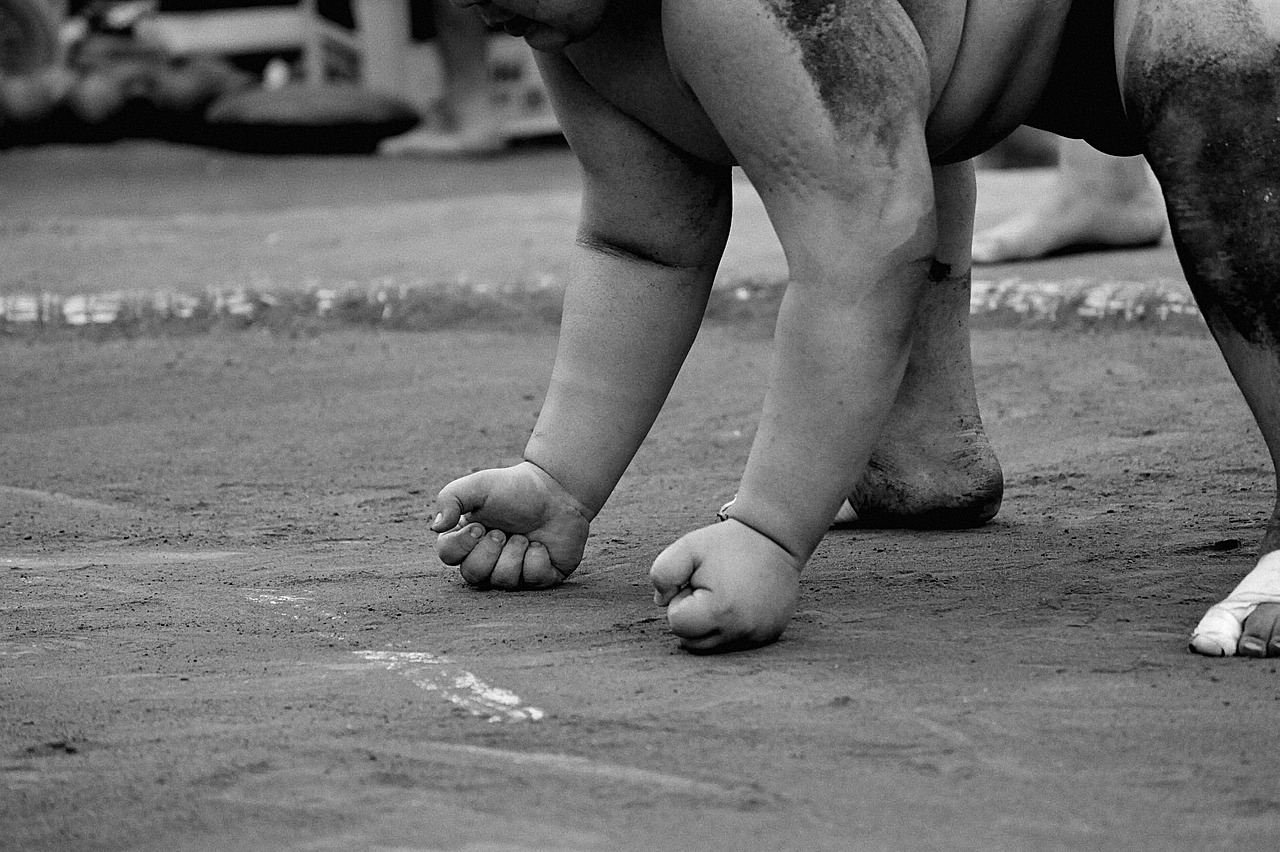
The dohyo is the raised ring at the heart of the Sumo Hall, and it’s where the entire room seems to breathe in unison. A match can be over in seconds, yet it never feels rushed; the pacing is built from preparation, posture, and ritual as much as it is from impact. The ceremonial quiet matters because it makes space for focus—yours as a viewer, and the rikishi’s as they commit to each explosive exchange.
Travellers often describe awe at the raw power of the sumo wrestlers, but just as memorable is the respect in the crowd. One first-timer told us they expected loud cheering, then felt stunned—in the best way—by how the arena settled into near stillness during the bout, as if everyone was holding that moment together.
Before you go a crafted checklist for a seamless first visit
- Arrive early: give yourself time to find your seat, explore the interior, and absorb the atmosphere before the bouts build.
- Bring essentials: a light layer (indoor temperatures vary), cash for snacks, and a portable charger for travel days.
- Know the rules: follow photography guidance, and stay quiet during a match so you feel aligned with local etiquette.
- Plan your exit: note your route back to your hotel, especially if you’re navigating crowds after a big tournament day.
Take a breath before you head inside. Sumo rewards attention, and even when you don’t know every rule, the arena’s rhythm will gently guide you.


Grand Sumo Tokyo January May September tickets at Ryogoku Kokugikan made seamless
Grand Sumo tournament calendar and ticket booking made seamless
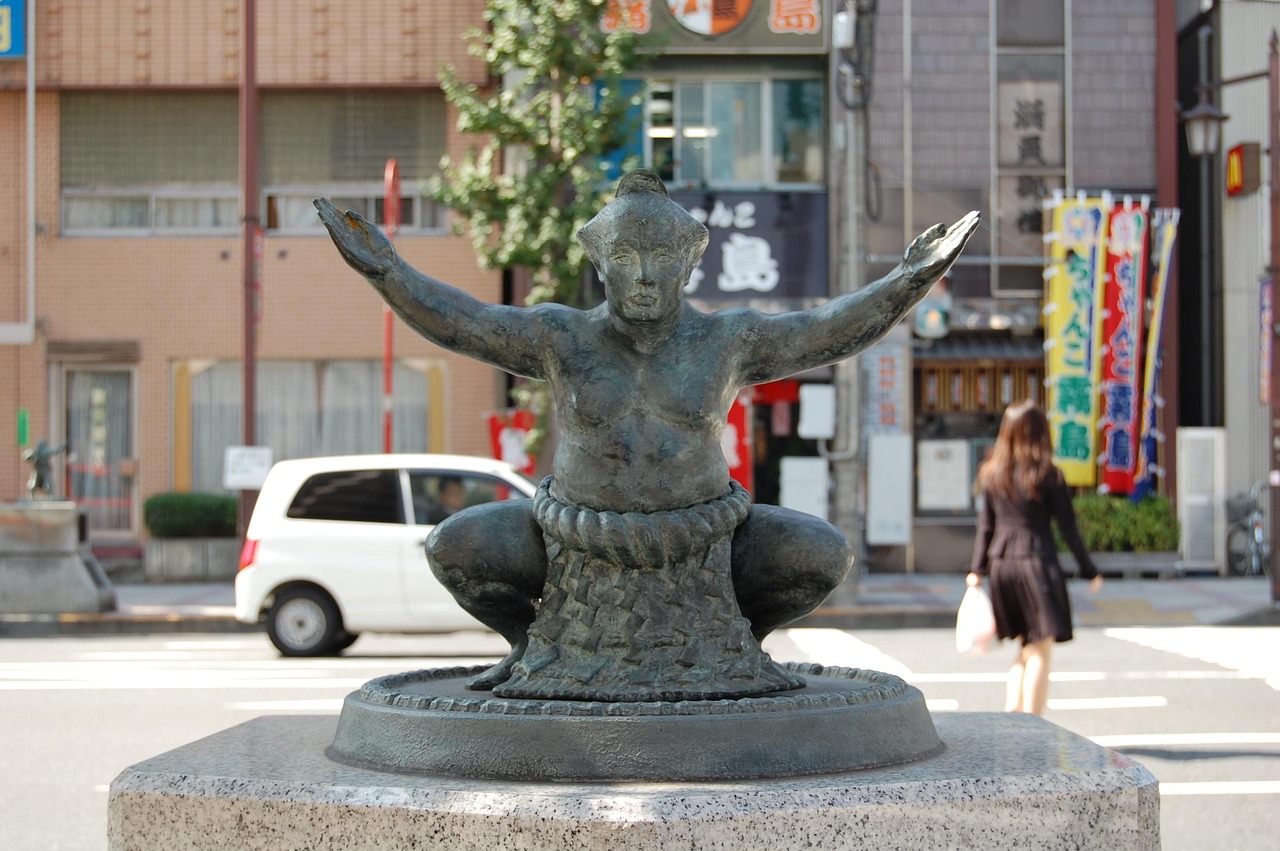
If you’re building a Japan itinerary around live sport and culture, this is the key rhythm to know: Grand Sumo Tokyo January May September tickets Ryogoku Kokugikan are tied to the three annual Tokyo tournaments held in January, May, and September. Early days can feel more spacious, while late tournament days often carry a heightened sense of stakes, ceremony, and crowd energy.
A simple way to design your experience is to choose based on mood. If you want an easier flow and more time to explore the sumo hall, pick an earlier day; if you want the most electric atmosphere, plan for the final days and accept that the crowd will be part of the adventure.
Ticket booking with trust where to buy and what to expect
For booking, your best foundation is the official site for the tournament, where you can confirm release dates, seat maps, and current details. Availability shifts quickly for premium seats, so buying ahead is less about pressure and more about protecting your plan—especially if you’re travelling on a crafted schedule.
Online ticket systems are generally straightforward, but international cards and delivery methods can vary. If you want extra support, design your day with a concierge or a trusted travel partner; it’s an expert way to keep the process seamless.
Price context and time-proofing for 2025 planning
As a general guide, the admission fee often sits around 3,000–8,000 yen depending on seat tier, day, and demand—do confirm exact pricing on the official pages. If your travel dates are in 2025, check announcement windows early; and if you’re reading advice that was written for 2024, verify it against the latest ticket pages so your plan stays current.
If you’d like to weave sumo into a broader luxury route, you can explore Japan itineraries here: Trip gallery. Think of it as inspiration rather than instruction—your best day is the one that feels like it was created for you.
Ryogoku Kokugikan seat guide and viewing tips for Sumo Hall etiquette
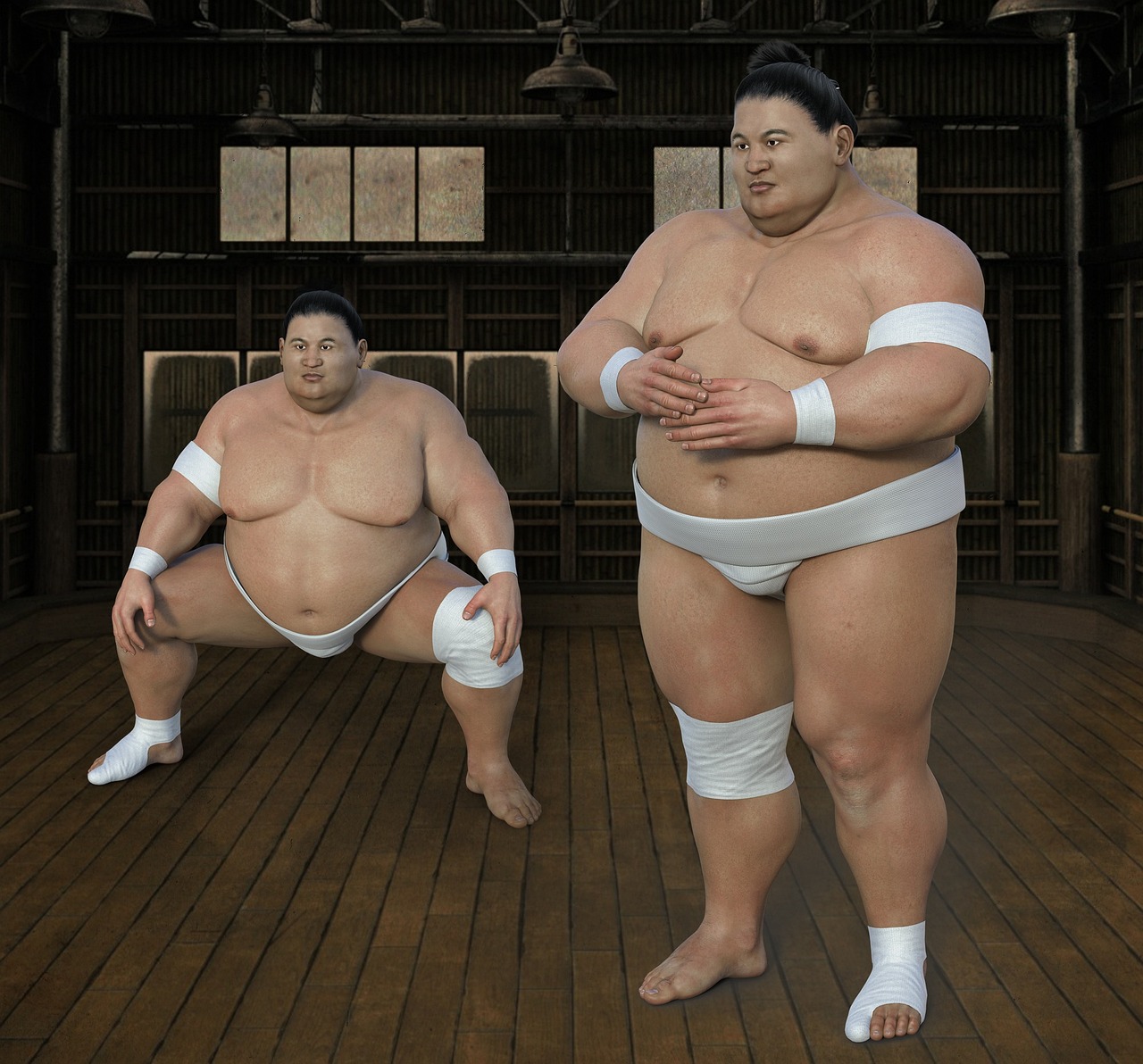
Choosing the best seat and viewing etiquette in the Sumo Hall
Choosing where to sit can shape your whole day, so treat this as your Ryogoku Kokugikan seat guide viewing tips sumo hall Tokyo moment. For adventure seekers, closeness matters: the sound of bodies colliding, the sharp footwork, and the ring-side intensity are visceral. But there’s also something rewarding about height—seeing the full dohyo, the banners, and the stadium geometry as a complete scene.
Boxes close to the action feel intimate and ceremonial, while upper levels can be excellent for first-time viewing because you see patterns across bouts. There’s no wrong answer; there’s only the seat that matches how you want to feel.
Viewing etiquette in Tokyo sumo when to move and when to be still
Etiquette is simpler than it sounds: during a match, stay quiet, avoid walking in front of others, and follow staff guidance for photos. The easiest rule is to move during breaks and settle during the bout, so you’re not fighting the room’s shared focus.
- Photography: check signage and announcements; if in doubt, lower your phone and enjoy the moment.
- Timing: return to your seat before the next bout begins to avoid disturbing others.
- Respect: the rituals are part of sumo, not an add-on—watch them with the same attention as the clash itself.
What to look for beyond who wins stance rituals and the clay dohyo
Uncover the story inside each bout: watch the stance, the timing, and the tiny tests of nerve before contact. Notice how the clay surface is maintained to keep the sumo ring safe and consistent, even as the day wears on and the impacts intensify. This is sumo wrestling as discipline as much as spectacle—strength shaped by restraint.
If you’re nervous about not knowing every rule, you’re not alone. Locals often offer quiet explanations, and staff are used to helping a tourist find their seat and settle in; you can simply watch, learn, and let the meaning arrive in layers.
Sumo Museum Ryogoku Kokugikan history Edo Tokyo inside the arena

Sumo Museum and Edo stories inside Kokugikan
Between bouts, or before the main action begins, the Sumo Museum is a beautifully grounding detour—and this Sumo Museum Ryogoku Kokugikan history Edo Tokyo stop is easier than many people expect. Enter, take a slow loop, and then return to the arena floor feeling oriented, not hurried.
A simple route that stays seamless on busy tournament days is to visit the museum first, then grab refreshments, then head to your seat. That sequence gives you cultural insight before the crowd energy rises.
What to uncover artefacts artwork and a rotating exhibition
Inside, you’ll discover historical artefacts, prints, photographs, and artwork that bring history and culture into focus. The rotating exhibition themes vary, which means repeat visits never feel the same; it’s a quiet invitation to keep learning rather than trying to absorb everything at once.
Use the museum to build context: names, ranks, and the symbolism that sits behind the ceremonies. Once you return to your seat, the rituals feel less mysterious and more shared.
Ryogoku and Edo connecting old Tokyo to the modern interior
Ryogoku’s identity is threaded through Edo-era memory, yet it sits firmly in modern Tokyo, making tourism here feel rooted and local rather than staged. One timeline detail worth holding onto: the current Ryogoku Kokugikan building opened in 1985, and that sense of continuity is visible in the interior—modern infrastructure supporting a tradition that refuses to be rushed.
Ryogoku Tokyo chanko nabe restaurant guide near Ryogoku Station JR after sumo
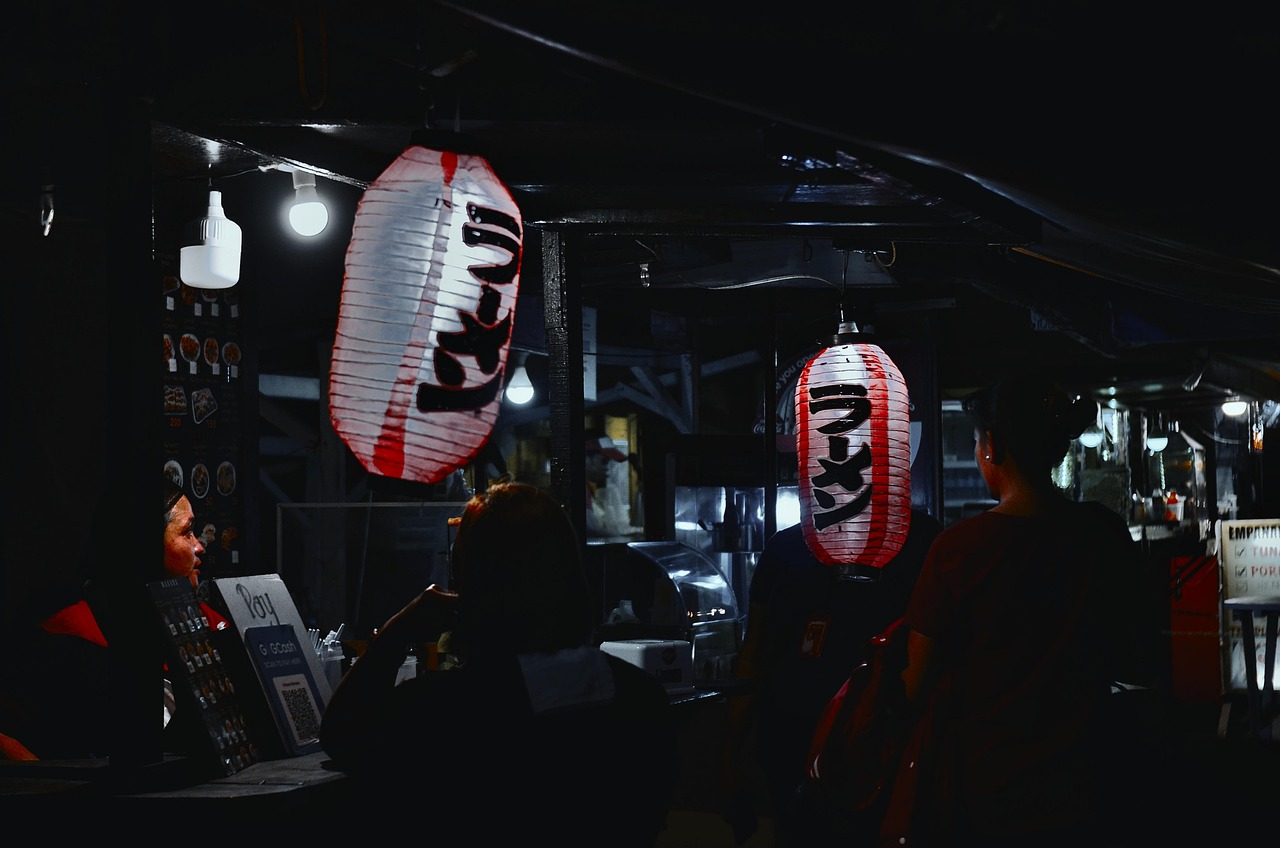
Explore Ryogoku after the bouts chanko nabe and local finds
Once the final match ends and the crowd spills back into the streets, keep your evening gentle with this Ryogoku Tokyo chanko nabe restaurant guide Ryogoku Station JR approach. Ryogoku is compact enough to explore on foot, like a town within the city: memorabilia shops, themed cafés, and small markets that extend the sumo story into everyday life.
One adventurer told us the warmest moment of their day wasn’t inside the stadium at all—it was a local shopkeeper explaining a tiny detail of tradition with genuine care, as if you were learning together rather than being lectured. That’s Ryogoku at its best: confidence without arrogance, and trust built in small exchanges.
Chanko nabe as cultural insight choose a family-run restaurant
For a truly crafted finish, choose a small family-run restaurant for chanko nabe, the hearty stew associated with wrestlers’ diets. A traveller once confessed that tasting it in a modest eatery deepened their appreciation for the disciplined lifestyle behind the spectacle; it turned sumo from entertainment into something human and relatable.
When you order, let the staff guide you. The meal is part flavour, part story, and part insight into how training is sustained day after day.
Logistics from Ryogoku Station on JR and Toei plus where to stay
Getting in and out is refreshingly simple: access the area via Ryogoku Station on the JR Sōbu Line or the Toei Ōedo Line, then pace yourself for the post-event crowd. If you’re heading back across Tokyo in the evening, build in a few extra minutes so the journey stays calm.
- Where to stay: a practical hotel strategy is Ryogoku or nearby Asakusa for convenience, or central Tokyo if you want wider dining and nightlife.
- Optional Osaka note: if your itinerary includes Osaka, the spring tournament there can complement Tokyo’s grand sumo calendar and add a different regional texture to your travel story.
And if you’re able to add one more layer, consider morning visits to sumo stables by appointment; seeing sumo practice up close is rare, intimate, and unforgettable—one visitor recalled standing inches away from giant wrestlers, feeling the discipline in the room like a physical presence.
After Ryogoku Sumo Hall Japan reflection and Ryogoku memories
Long after you leave Ryogoku, it’s often the quietest details that return. Not the loudest clash, but the pause before it—the way focus settles over a room, and how discipline can look almost tender when it’s practised with humility.
Even if you only catch a brief glimpse of training, the idea of it can linger: repetition, patience, and the decision to show up fully, every day. That feeling travels well. It slips into ordinary life as a small reminder that strength is not only force, but control.
Many travellers carry home the contrast that sumo holds so effortlessly: raw power and careful respect, all inside a single ring. And they remember the warmth of local conversations—small, generous explanations that made Japanese traditions feel shared rather than guarded.
In the end, Ryogoku doesn’t ask you to know everything. It simply invites you to notice, and to trust what you felt in the arena—then let it soften into your days, quietly keeping the door open for curiosity.
F.A.Qs: Sumo Hall Japan and Ryogoku Kokugikan guide
What is the famous sumo arena in Tokyo?
The most famous sumo arena in Tokyo is Ryogoku Kokugikan, often called the Sumo Hall. It hosts three annual grand sumo tournaments in January, May, and September, and it’s also home to sumo-related exhibits and a strong sense of tradition in the Ryogoku district.
How long is the Sumo Hall show?
A grand sumo tournament day at Ryogoku Kokugikan can last for several hours, with bouts building in importance as the day goes on. Many travellers choose to attend for the later sessions to catch the top-division matches, while others arrive earlier to explore and enjoy a fuller, slower-paced experience.
Can foreigners go to sumo in Japan?
Yes—foreigners can absolutely go to sumo in Japan, including tournaments at Ryogoku Kokugikan in Tokyo. It’s welcoming to visitors, and staff are used to helping tourists with entry and seating. The main thing is to follow local etiquette, including photography rules and keeping quiet during the bouts.
What is the dead body rule in sumo?
The “dead body rule” refers to a principle where a wrestler is considered to have already lost if they are clearly falling or out of control, even if they touch down after their opponent. Judges use it to make fair decisions in fast moments, especially when a match ends in a split second near the edge.