Post Contents
- Kasuga Taisha Shrine in Nara Your first steps for Kasuga Taisha shrine Nara Japan travel essentials
- Lantern magic at Kasuga Taisha stone lanterns to bronze light for Kasuga Taisha lantern stone lanterns bronze lanterns Mantoro
- Nara Park deer and the Kasugayama Primeval Forest walk for Nara Park deer Kasugataisha shrine walk Kasugayama Primeval Forest
- What stays with you after 春日大社 in Nara for 春日大社 Kasuga shrine Kasuga Taisha reflection Nara Japan
- F.A.Qs: Kasuga Taisha Shrine Nara Japan
Kasuga Taisha Shrine in Nara Your first steps for Kasuga Taisha shrine Nara Japan travel essentials
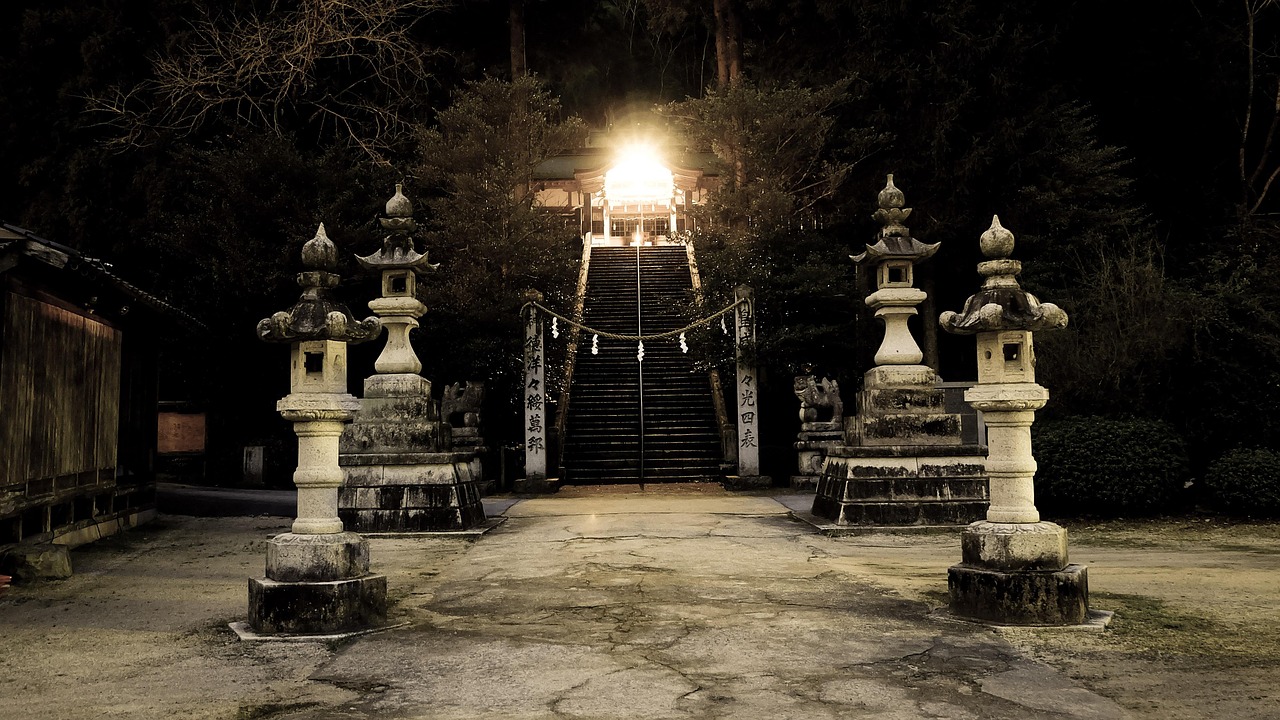
Kasuga Taisha Shrine in Nara Your first steps along the UNESCO approach
For Kasuga Taisha shrine Nara Japan travel essentials, start with a simple picture: the shrine sits east of Nara Park, tucked into a green edge that instantly slows your pace. This is an UNESCO world heritage site and a renowned attraction in Nara city, yet it still feels intimate when you arrive with breathing space built into your plan. If you’re coming from Osaka for a day of Japan travel, it’s the kind of place that rewards bold curiosity with quiet calm.
History and meaning to uncover at this Shinto shrine
Kasuga Taisha was built in 768, in the 8th century, and its story is closely tied to the Fujiwara clan and the courtly world that shaped Nara prefecture. In Shinto, a shinto shrine is less about instruction and more about presence: you enter, cleanse, and pay attention. Here, the shrine was created to enshrine the four main deities, often spoken of as protective lucky gods for the city and its people.
As you explore, notice how the site feels continuously cared for—part of that is tradition, part is craft. Some buildings have been renewed every 20 years, and restorations through the Edo period helped preserve the atmosphere you can still sense today. It’s also easy to connect this place to wider Japanese networks: you’ll hear of related shrines across the country such as Kashima in Ibaraki, Katori in Chiba prefecture, Hiraoka near Osaka, and Mikasa traditions that echo the same lineage without pulling you away from Nara.
How to arrive with confidence and etiquette with care
From Kintetsu Nara Station, the minute walk from Kintetsu Nara becomes part of the experience as the city softens into trees. If you prefer, take a bus to the Kasuga Taisha Honden bus stop; from the Honden bus stop it’s an easy approach to the precinct. Travellers who like clear wayfinding often remember the walk from Kintetsu Nara as the moment the day turns from sightseeing into something more personal.
Dress respectfully, keep a quiet demeanour during rituals, and donate if you wish—small acts of care build trust with the space and the people around you. Photography is generally allowed, but avoid flash inside the inner areas so others can dwell in the same calm attention. If you’d like inspiration for planning beyond the shrine, browse our Trip gallery and create a route that feels crafted rather than rushed.
To design a seamless Nara day, pair Kasuga Taisha with Todaiji and Todaiji temple, but leave generous pauses between them. Adventure seekers often want to fit everything in; the expert move is to explore fewer places with more depth, together with the natural rhythm of the park.


Lantern magic at Kasuga Taisha stone lanterns to bronze light for Kasuga Taisha lantern stone lanterns bronze lanterns Mantoro
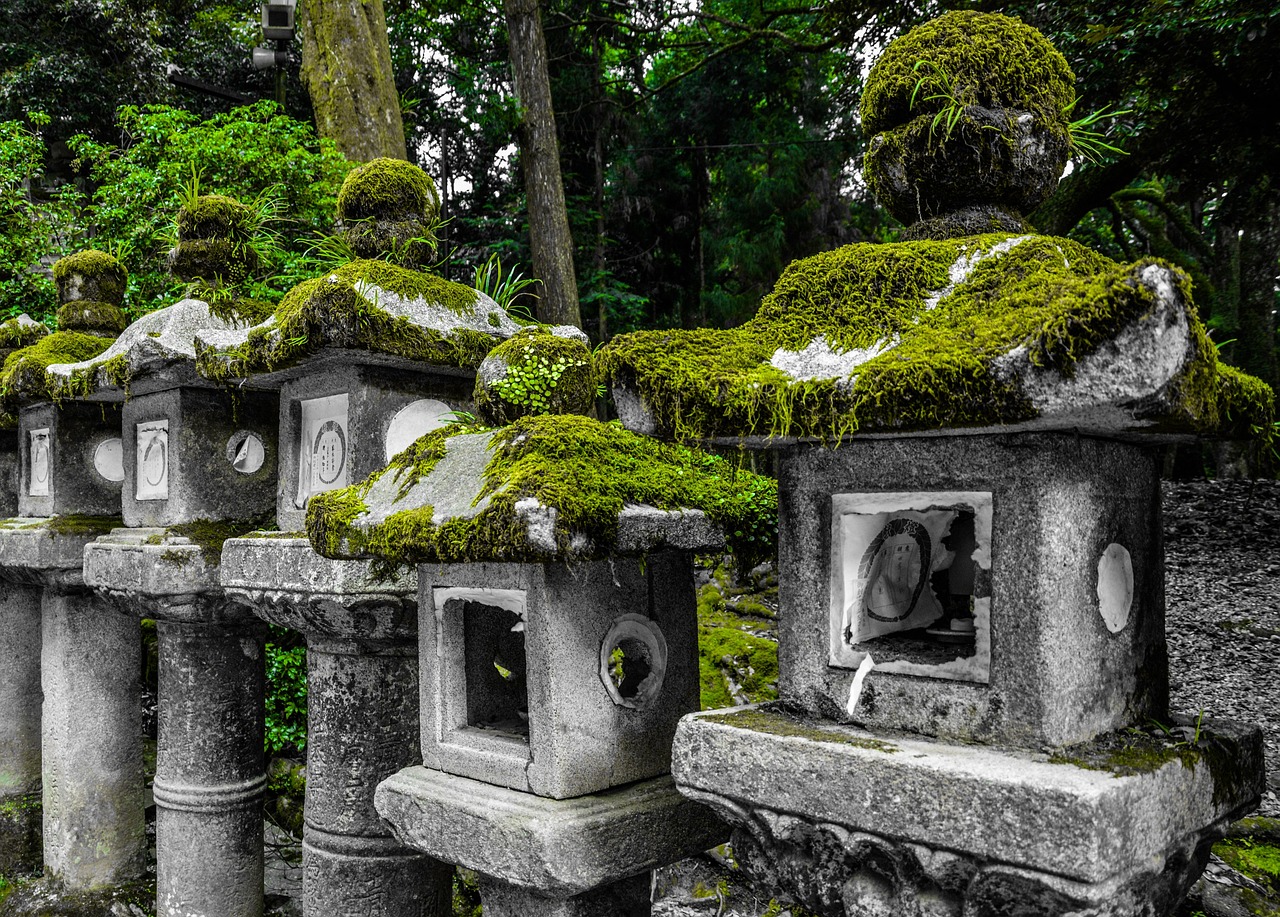
Lantern magic at Kasuga Taisha with stone paths and warm light
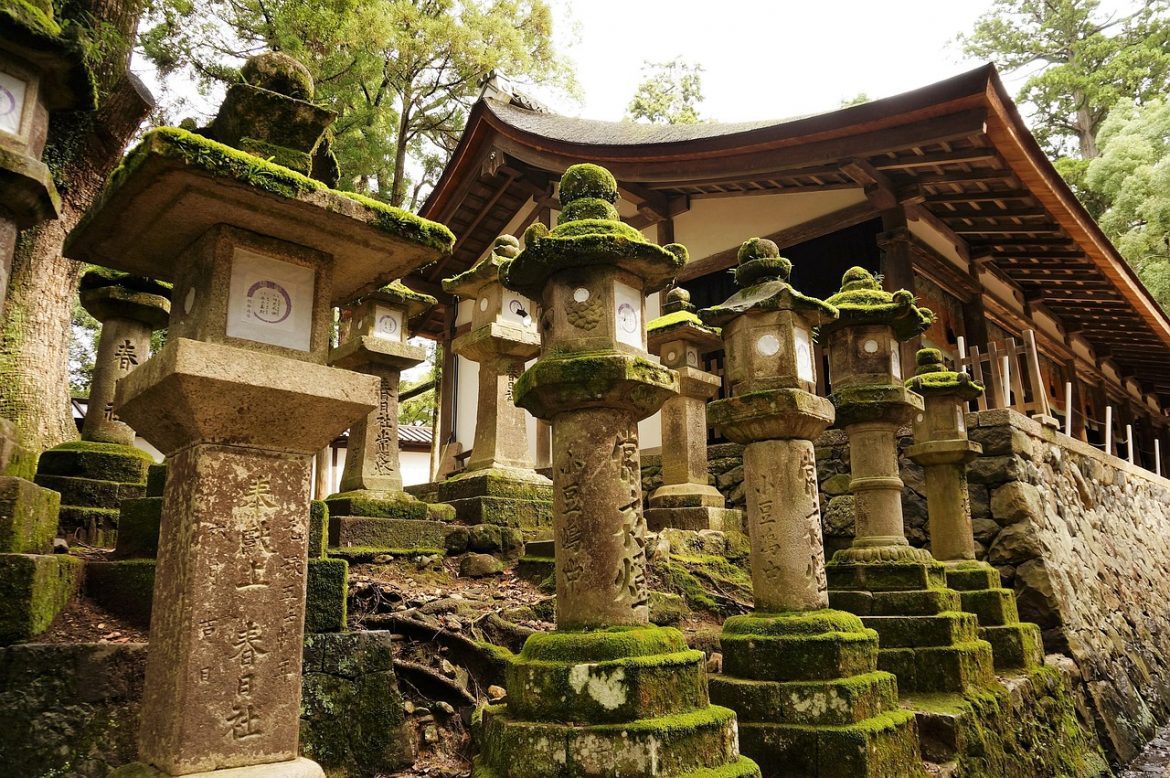
For Kasuga Taisha lantern stone lanterns bronze lanterns Mantoro, arrive with your senses switched on. Along the approach, the famous stone lanterns sit like quiet guardians, and closer in you’ll spot bronze lanterns suspended near the shrine’s eaves. The effect is not just beautiful—it’s a gentle kind of theatre, a warm light that encourages you to slow down and explore with confidence.
Architecture details crafted to calm the mind
Look for the vermillion columns against white walls, and the way timber details feel deliberately restrained. The roof lines are especially elegant: a sloping roof with traditional materials, including cypress and bark elements in places, guiding your eye upwards without demanding attention. Stand back and let the proportions do their work—this is architecture crafted to settle you.
When you move towards the shrine building, you’ll sense how transitions are designed: from open path to gateway to enclosure. There’s a quiet choreography here, supportive rather than showy, which makes the main building feel like a reward for patience.
Mantoro festival nights and respectful photography support
The most spellbinding time to visit is early February for Mantoro, the lantern festival nights when thousands of lights glow in honour of each deity. One visitor described walking in reflective silence as over 3,000 lanterns illuminated the approach—“spellbinding and deeply spiritual”—and it’s easy to understand why. Arrive early, linger respectfully, and let others pass; the atmosphere is shared, and that shared care is part of the beauty.
If you’re photographing at night, you don’t need to disrupt anyone to capture the mood. Use a higher ISO and stabilise your breath for handheld shots, or a small tripod where permitted and out of the flow of people. Avoid flash and keep your screen brightness low; the goal is to create images that preserve the feeling of light without breaking it.
Nara Park deer and the Kasugayama Primeval Forest walk for Nara Park deer Kasugataisha shrine walk Kasugayama Primeval Forest
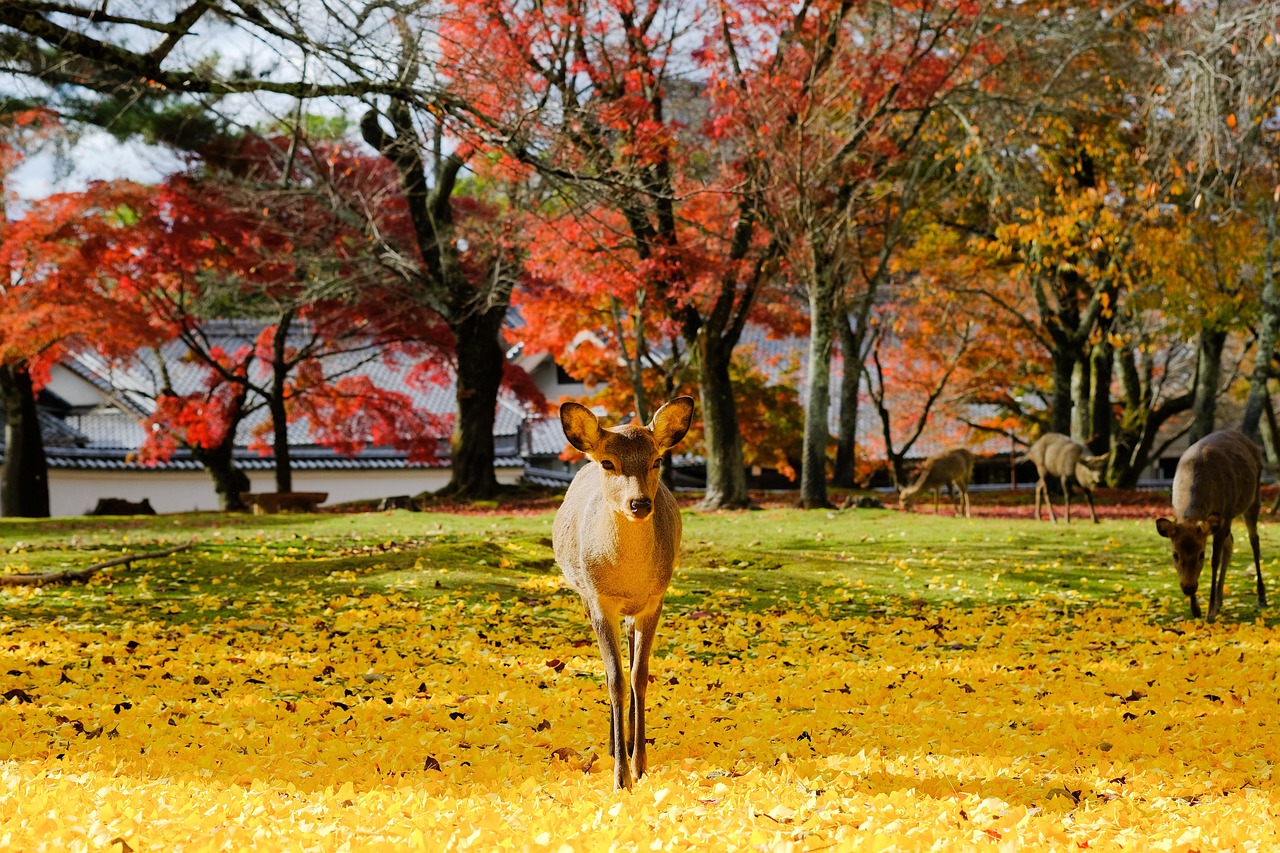
Nara Park deer and the Kasugayama Primeval Forest walk from Kasuga Taisha
For Nara Park deer Kasugataisha shrine walk Kasugayama Primeval Forest, the magic is how culture and nature meet without a hard edge. Kasuga Taisha sits beside the Kasugayama Primeval Forest, and that wooded presence changes the way you experience the shrine—more like a threshold than a monument. For adventure seekers, it’s a rare chance to explore a world heritage site and still feel a little wildness at your shoulder.
Deer guidance with trust and personal space
The deer here are considered sacred messengers, and most are calm if you are. Move slowly, keep snacks zipped away, and protect paper maps—curiosity can be enthusiastic. If one steps close, angle your body sideways, keep hands visible, and give it space; this simple support keeps the encounter warm and safe.
Route options and seasonal highlights in Nara Park
Design your walk as a relaxed loop through Nara Park, then add a short nature trail for perspective. Many hikers pause for views towards Mt Wakakusa (often simply called Wakakusa), where the landscape opens and you can breathe out. In autumn, the foliage frames the vermilion structures with dramatic contrast; it’s one of the most photogenic seasons in Nara.
For a softer mood, visit the Manyo botanical garden when wisteria begins to bloom. The best window is late April to early May, when wisteria flowers hang like living curtains—romantic, quiet, and wonderfully local in feeling.
If you have extra time, uncover a little more context without overcomplicating your day. The treasure hall offers insight into ritual objects, and nearby auxiliary shrines such as Wakamiya shrine add texture to your understanding of the precinct. The moment you feel your attention thinning, though, return to the paths—Nara rewards travellers who trust their own pace.
What stays with you after 春日大社 in Nara for 春日大社 Kasuga shrine Kasuga Taisha reflection Nara Japan
For 春日大社 Kasuga shrine Kasuga Taisha reflection Nara Japan, the real souvenir is not a photo—it’s a steadier inner tempo. Leaving the shrine, you may still feel the lantern glow behind your eyes, as if the pathways taught you how to walk more quietly in your own thoughts. Even back in ordinary life, a small part of you remembers that calm light and returns to it when you need to.
Shinto spaces don’t push you to “do” anything; they simply invite you to dwell, to notice what your mind does when the world becomes gentle. In Nara, that attention can feel surprisingly practical—like calm confidence you can carry onto trains, into meetings, or through the next unfamiliar street in Japan. It’s reassurance without words.
On the way out, I watched a local volunteer guide a family with patient care, then step aside so others could pass without hurry. A moment later, a second deer drifted across the path, unbothered, as if it belonged to the silence itself. It felt like a reminder that the most meaningful journeys are often the ones where you allow things to unfold together, at their own pace.
And if you were to return in another season—under spring wisteria or autumn colour—what might you notice next time you walk beneath the lanterns?
F.A.Qs: Kasuga Taisha Shrine Nara Japan
Is Kasuga Taisha Shrine worth visiting?
Yes—Kasuga Taisha is worth visiting for its lantern-lined approach, refined vermilion architecture, and the forested calm that makes the experience feel both cultural and quietly adventurous. It’s especially memorable during lantern-lit evenings and seasonal colour, when the atmosphere becomes deeply contemplative without feeling intimidating.
Is Kasuga shrine free?
The outer shrine grounds are free to enter, and you can enjoy the approach and many viewpoints without a ticket. Some inner areas and museum spaces may have an admission fee, and it’s thoughtful to offer a small donation if you feel moved to support the shrine’s ongoing care and preservation.
What is special about Kasuga Taisha’s gardens?
Kasuga Taisha’s garden areas, including the Manyo botanical garden, are special for their seasonal beauty and gentle, curated planting that complements the shrine’s forest setting. Spring wisteria is a highlight, creating a soft, romantic contrast to the structured architecture and lantern pathways.
What to see at the Kasuga Taisha Shrine?
Don’t miss the lantern-lined approaches, the hanging lanterns near the buildings, and the crafted details of the shrine’s vermilion-and-white design. If time allows, add the treasure hall and smaller connected shrines nearby, then step into Nara Park’s paths for a natural pause that completes the visit.