Post Contents
- Guide to Yoyogi Park 代々木公園 Tokyo complete guide and why it matters
- Get to Yoyogi Park from Harajuku Station Shibuya Tokyo travel with a convenient location
- Yoyogi Park Tokyo park area outdoor activities cycle and explore like an adventure seeker
- Yoyogi Park Tokyo street performers festivals rockabilly dancers and weekend culture
- Near Yoyogi Park Meiji Jingu Shrine Harajuku nearby attractions Tokyo
- Yoyogi Park Tokyo personal reflection after Japan trip with calm confidence
- F.A.Qs: Yoyogi Park Japan
Guide to Yoyogi Park 代々木公園 Tokyo complete guide and why it matters
Guide to Yoyogi Park 代々木公園 in Tokyo and why it matters
This guide to yoyogi park 代々木公園 Tokyo complete guide begins with a simple truth: Yoyogi Park is located where Tokyo’s energy is at its most tempting. It sits next to Harajuku and only minutes from Shibuya’s bustle, yet it gives you a spacious, green reset between neighbourhoods. If you love culture but travel like an adventurer—curious, fast-moving, and open to surprise—this public park is the rare place in Tokyo where you can unwind without losing momentum.
There’s history under the trees, too. The park in 1967 took shape on land tied to the Olympics, after serving as the village for the 1964 Tokyo Olympics—specifically the site of the Olympic village that hosted athletes’. Before that, the area was called Washington Heights, a detail that quietly explains some of the post-war layers you can still sense in Tokyo’s city planning. It’s one of those places in Tokyo where the past isn’t behind glass; it’s under your feet.
Yoyogi Park 代々木公園 landscape and grounding calm
In human terms, it’s a grassy sprawl of sprawling lawns and soft forest pockets, with a pond and a fountain that naturally draw people together. You’ll find one main lawn where groups stretch out with snacks, cameras, or sketchbooks—yet a few steps away, the trees muffle the traffic and your thoughts settle. That contrast is part of Yoyogi Park’s quiet magic: Tokyo can be intense, and here it becomes gentle.
Tokyo people-watching near Shibuya with creative mix
Expect a playful mix. On weekends it’s popular among locals—families, dancers, musicians, dog walkers—while weekday mornings can feel serene enough to hear birdsong. Either way, it’s an expert spot for people-watching: you can explore at street-level and still feel cared for by the space itself. Think of it as a crafted pause that lets you uncover Tokyo’s creativity without needing a ticket, a reservation, or a schedule.


Get to Yoyogi Park from Harajuku Station Shibuya Tokyo travel with a convenient location

How to get to Yoyogi Park from Shibuya and Harajuku
To get to yoyogi park from Harajuku Station Shibuya Tokyo travel, you’re spoiled for choice—this is a genuinely convenient location for weaving nature into a city day. The classic approach is Harajuku Station on the JR; more precisely, Harajuku Station on the JR Yamanote Line (a station on the JR Yamanote Line, sometimes written as a station on the JR Yamanote). You can also use Yoyogi-Koen Station, a station on the Chiyoda, and the nearby Meiji-Jingumae stop if you’re already shopping or sightseeing around Omotesando.
For high-end travellers who like a seamless flow, the easiest method is to choose your entry based on what you’re doing before and after. Coming from Harajuku, step out and follow signs toward the entrance to the park—this is the most intuitive first-time route, and the walk from Harajuku Station is straightforward even on busy days. Approaching from Shibuya, you can come in from the southern side and design your loop so you don’t double back.
3-minute walk and minute walk claims around the park
Tokyo maps often advertise a “3-minute walk” or a “minute walk” to tempt you, but those figures usually assume brisk pace, perfect crossings, and no photo stops. In reality, you’ll want to allow extra time for the most enjoyable version of Tokyo travel: a slow stroll, a coffee pickup, or a quick detour for a view. Trust your rhythm—this is a park day, not a commute.
Entrances and a seamless loop for Tokyo sightsee
Think in loops: enter near Harajuku, drift through open spaces, then exit toward Meiji or back toward Shibuya depending on your itinerary. That way, you can sightsee without feeling like you’re retracing steps. If you’re visiting Yoyogi during an event weekend, save offline pins for your preferred entrance, as mobile signal can wobble when crowds swell.
- Transit support: keep an IC card ready and note the train lines you’ll use (JR and the Chiyoda Line are the most common pair).
- Cash comfort: carry cash for snacks and pop-up stalls, especially near weekend activity.
- Low-friction navigation: screenshot map tiles for the entrances you’ll use in case the network is busy.
Yoyogi Park Tokyo park area outdoor activities cycle and explore like an adventure seeker
Exploring the park area like an adventure seeker in Yoyogi Park Tokyo
For a Yoyogi Park Tokyo park area outdoor activities cycle day, treat the park like a choose-your-own-adventure rather than a checklist. Start with the wide lawns when you want a social pulse—perfect for a picnic, journalling, or simply watching Tokyo pass by. Then slip toward the forest edges when you want quieter reflection, where the city’s sound softens and your mind feels clearer.
If movement is how you process a city, Yoyogi Park is generous. There are jogging-friendly paths, and the cycling course offers an easy way to cover more ground; you can bring a cycle or rent locally depending on your comfort. The best sections for relaxed riding are the broader paths away from the busiest weekend performance zones, while faster loops feel more natural earlier in the day.
Park area essentials for comfort and confidence
Longer visits feel effortless because the basics are in place: vending machines, public toilets, and pockets of shade that become informal rest zones in summer. The fountain and pond are natural meet-up points if you’re travelling together, and they’re also reassuring landmarks if you’re solo and want a clear “home base”.
Enjoy free time with no ticketing stress
Part of the luxury here is psychological: you can enjoy free time—no ticket queues, no timed entry, no pressure—so the day can be personal. In Tokyo, that kind of freedom is rare, and it supports a more creative, confident style of exploring.
- Bring: water, sun protection in summer, and a light layer for shaded paths.
- Meet-up plan: choose the fountain as your reset spot if your group splits up.
- Slow travel tip: build in 20 minutes to simply sit; it’s often when the best local moments appear.
Yoyogi Park Tokyo street performers festivals rockabilly dancers and weekend culture

Weekend culture in Yoyogi Park Tokyo festivals, music and dance
For Yoyogi Park Tokyo street performers festivals rockabilly dancers, Sundays and weekends are when Tokyo turns the park into an event space. You might catch guitarists, drummers, polished dance crews, and the famous rockabilly dancers—equal parts nostalgia and theatre—performing with pride. The atmosphere feels like a cultural fusion that Tokyo does better than almost anywhere: spontaneous, respectful, and quietly well-organised.
One traveller told us a weekend samba dance event here opened their eyes to Tokyo’s diverse cultural scene. They arrived expecting a simple stroll and left feeling like they’d discovered a new side of Japan—one that confidently welcomes global culture while still feeling distinctly local. Solo adventurers often describe the same spark: street performers who make you want to create again, whether that means writing, photography, or simply a braver itinerary.
Watching respectfully and supporting local artists
It’s easy to watch with care. Stand slightly back so others can see, avoid blocking pathways, and if you film, keep it brief and non-intrusive. If there’s a hat or sign for tips, a small contribution is a warm gesture of trust—especially when the performance has clearly been crafted through practice.
Food trucks and a crowd strategy that feels calm
Food trucks appear near the busiest activity zones, but try not to cluster in the narrowest walkways while eating. If you feel the crowd peak, simply move back towards the open lawns for a reset; Tokyo’s intensity fades quickly when you give yourself space. Keep valuables secure as you would in any busy city setting, and arrive earlier if you prefer a calmer first impression.
- Best rhythm: arrive late morning, then step away mid-afternoon when crowds thicken.
- Cleanliness: take rubbish with you until you find a bin—this is one of the park’s quiet social rules.
- Comfort: choose a calm patch of grass as your “base camp” between performances.
Near Yoyogi Park Meiji Jingu Shrine Harajuku nearby attractions Tokyo
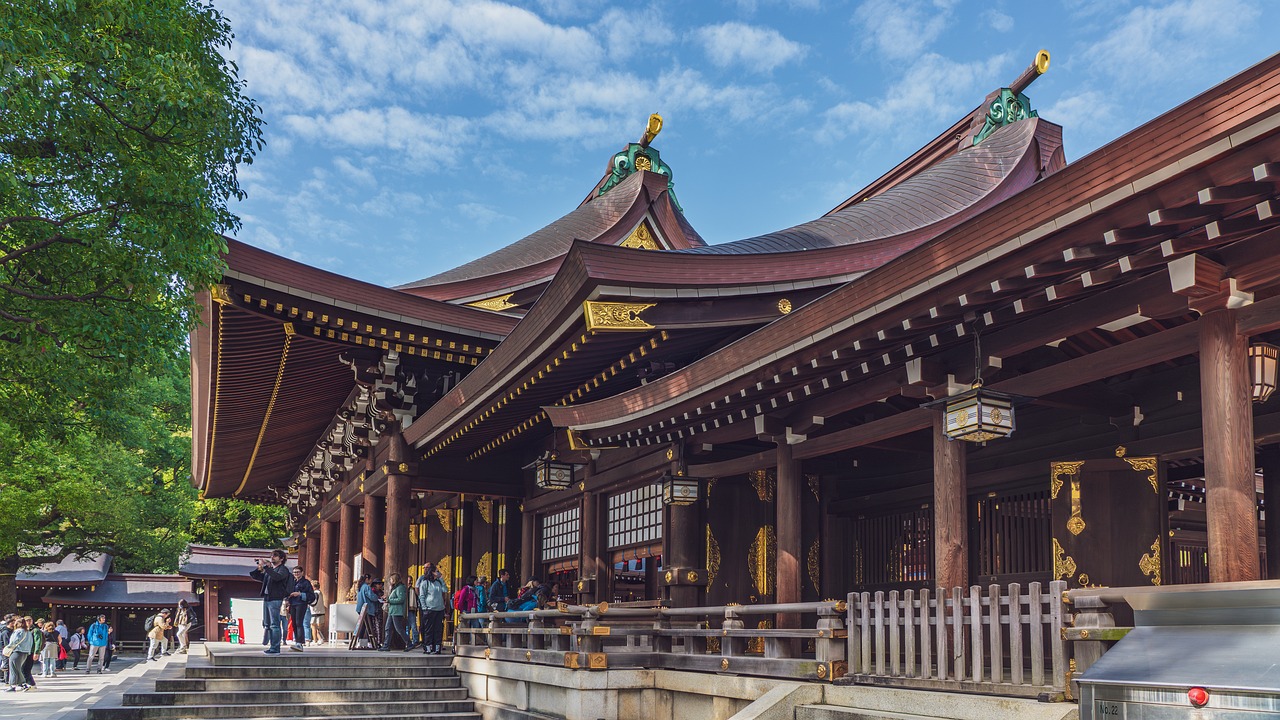
Near Yoyogi Park Meiji Jingu Shrine Harajuku and nearby attractions
If you’re looking for near yoyogi park Meiji Jingu Shrine Harajuku nearby attractions Tokyo, the transition is the point: you step from open green into the Meiji Jingu Shrine precincts and everything becomes hushed. It’s a serene contrast that feels restorative, especially after Shibuya’s bright noise. The approach is shaded and intentional, inviting a slower pace without asking you to be anyone other than yourself.
Visit with gentle confidence. In shrine areas, follow posted guidance, keep voices low, and remove shoes when required (this is more common in specific inner spaces, so look for cues). The most meaningful moments tend to be quiet: a pause at the water pavilion, a respectful bow, and a simple wish kept personal rather than performative. Many travellers build a small ritual here—one visitor fondly recalled early morning jogs in Yoyogi Park, then a calming visit to Meiji Shrine after, as if Tokyo’s day could begin in balance.
Around the park highlights from Harajuku to Shibuya Scramble
Around the park, you can design a full day that moves between extremes. Start in Harajuku, dip into Takeshita Street—Harajuku’s iconic shopping street—for style, sweets, and the playful edge of youth culture, then return to the trees for calm. Later, head towards Shibuya Scramble for a modern Tokyo counterpoint: neon, motion, and that cinematic crossing that makes you feel you’ve truly arrived.
Near the Harajuku cafés and a highly rated hostel option
For travellers who value a sunrise park visit, consider staying near the Harajuku side for easy morning access and reliable cafés. If you prefer budget-smart comfort, there’s often at least one highly rated hostel in the area that balances location with clean design—ideal if you want to be out the door early and back late without complicated transfers. For more inspiration as you plan, browse our Trip gallery and imagine how this calm green pause can sit inside a more adventurous Tokyo itinerary.
Yoyogi Park Tokyo personal reflection after Japan trip with calm confidence
For Yoyogi Park Tokyo personal reflection after Japan trip, what stays isn’t a list of sights—it’s the way the city softened for you. Cherry blossom viewing beneath cherry trees can feel almost unreal in memory, as if Tokyo briefly chose poetry over pace. And in autumn, a golden ginkgo and a single ginkgo tree can glow like quiet lanterns, turning an ordinary path into something you carry home.
You may remember the small rituals more than the big moments: a peaceful early run, the steadiness of the trees, and the simple comfort of stepping into Meiji when you needed stillness. A group of friends once told us about a picnic that turned into shared local music—strangers nearby began playing traditional instruments, and suddenly “together” meant everyone, without introductions or expectations.
That’s the character you uncover here: Tokyo’s ability to be playful and serene, chic and spontaneous, intense and gentle—sometimes within the same hour. One of Tokyo’s largest green spaces doesn’t just offer relief; it offers perspective, reminding you that you’re allowed to design meaning into your day, and to trust your own pace.
Long after Japan’s trains and bright streets fade, Yoyogi Park’s calm can feel like a form of support—steady, human, and quietly reassuring. And perhaps, in another season, you’ll return not to tick off more, but to listen for what has changed in you.
F.A.Qs: Yoyogi Park Japan
Is it worth going to Yoyogi Park?
Yes—especially if you want a spacious break in Tokyo without paying admission. Yoyogi Park offers open green areas for relaxing, weekend culture and street performances, and an easy walk to the Meiji Jingu Shrine, making it a rewarding, low-pressure stop near Shibuya and Harajuku.
Why is Yoyogi Park famous?
Yoyogi Park is famous for its size, its lively weekend scene with musicians and dancers, and its seasonal beauty during spring blossoms and autumn colour. It also has historic links to the Olympic village era and sits beside major Tokyo neighbourhoods, which makes it feel both local and iconic.
How much does it cost to go to Yoyogi Park?
Entry to Yoyogi Park is free. You can spend as little or as much as you like depending on your day—snacks, drinks, or weekend stalls may cost extra, and you may want cash for small purchases. The adjacent Meiji Jingu Shrine also has no admission fee.
How far is Yoyogi Park from Tokyo?
Yoyogi Park is in Tokyo, close to central districts like Shibuya and Harajuku. From major hubs, it’s typically a short train ride and a brief walk from nearby stations such as Harajuku Station or Yoyogi-Koen Station, making it an easy addition to a city day.