Post Contents
- Zojoji Temple (増上寺), where old Tokyo meets the tower for a first visit, next to Tokyo Tower
- Edo roots and Tokugawa power at the family temple Zojoji Temple: Edo period history
- Sangedatsumon main gate Zojoji Temple, Tokyo, Japan, and the art of arrival
- Inside the main hall of Zojo-ji temple are Jodo Shu and Amida Buddha icons
- Jizo statues and Zojoji Temple garden walk in Tokyo, Japan
- Mausoleum of the Tokugawa family at Zojoji Temple, Tokugawa shoguns, Tokyo, Japan
- Zojoji Temple cherry blossoms illumination and Setsubun festival, Tokyo, Japan
- How to get to Zojoji Temple via Onarimon and Shibakoen in Tokyo, Japan
- FAQs: Zojoji Temple, Tokyo, Japan
- What stayed with me after Zojoji Temple, Tokyo, Japan, was a reflection of old and new
Zojoji Temple (増上寺), where old Tokyo meets the tower for a first visit, next to Tokyo Tower
Zojoji Temple 増上寺, where old Tokyo meets the tower
At Zojoji Temple in Tokyo, Japan, on my first visit, the first impression is space—real breathing room in the city. You step from busy streets into wide gravel, open sky, and a calm that feels deliberately held. The scale is generous without being overwhelming, and the temple grounds give you permission to slow down without feeling you’re in anyone’s way.
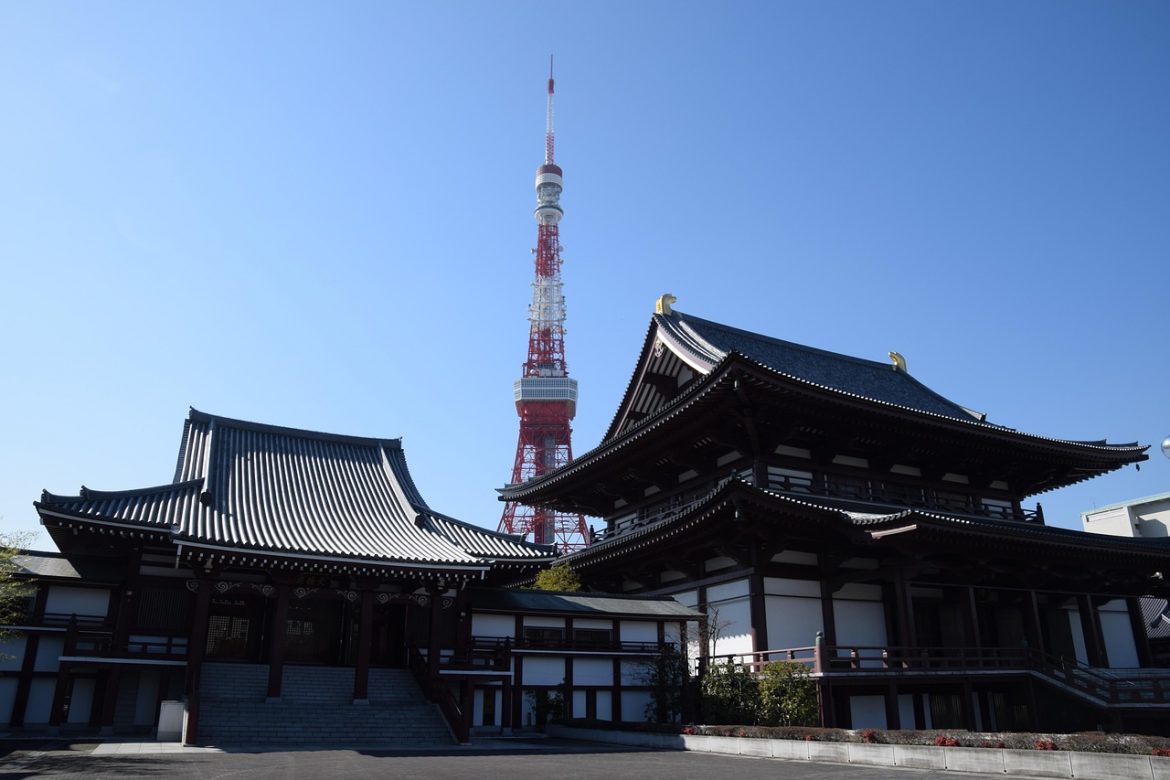
Then comes the iconic moment: Tokyo Tower framed behind the old wooden gate, as if time had politely agreed to share the same picture. Many visitors describe a kind of awe here—the perfect blend of old-and-new Japan—and it’s easy to see why. One traveller told me they stood silently for a full minute, not even reaching for their camera, because the contrast felt like a personal insight rather than a postcard.
Zojoji Temple in a Tokyo metropolitan day of wandering
For cultural enthusiasts, Zojoji Temple fits beautifully into a Tokyo metropolitan day where you’re exploring by instinct rather than chasing a checklist. It’s close enough to feel effortless, yet meaningful enough to anchor your day. If you’re designing a higher-end itinerary, treat this as a confidence-building stop: short, rich, and deeply atmospheric.
Adventure hooks that still feel calm
Adventure seekers often think “more, faster, further”—but here the adventure is in attention. Imagine a sunrise stroll where the light moves across roofs, bells sound in the distance, and each detour feels crafted. Give yourself permission to explore the edges: small lanes, quieter corners, and the subtle shift you feel when you let Tokyo rush past you, rather than through you.


Edo roots and Tokugawa power at the family temple Zojoji Temple: Edo period history
Edo roots and Tokugawa power at the family temple
To understand Zojoji Temple, Edo-period Tokugawa history, and Tokyo, Japan, in a way that feels human, start with the simplest timeline. The temple was founded in 1393 and then moved to its present site in 1598 as Edo began to grow into a power centre. The great gate followed in 1622, and what you see today is a survivor’s story, shaped by earthquakes and wars without losing its spiritual spine.
Zojoji became the Tokugawa family temple—intimately tied to the shogunate that ruled Japan from Edo. If you only take one thought with you, let it be this: this wasn’t just a religious site; it was also a statement of stability, protection, and authority. The rituals, the approach lines, and even the sense of order in the courtyards begin to feel purposeful when you know the backstory.
Edo context without the lecture
Two names help the era click for first-timers. Tokugawa Ieyasu, the founder of the Tokugawa, set the tone of the shogunate; Tokugawa Hidetada, the second shogun, helped consolidate it. You don’t need to memorise dates—just notice how the grounds seem to “direct” you, as if power once flowed in carefully choreographed paths.
- Designer insight: Once you know this is a family temple, you start to spot a quiet hierarchy—where you pause, where you look, and how spaces subtly enshrine status.
- Look again: alignments and gateways feel less decorative and more like a language of control and care.
Sangedatsumon main gate Zojoji Temple, Tokyo, Japan, and the art of arrival
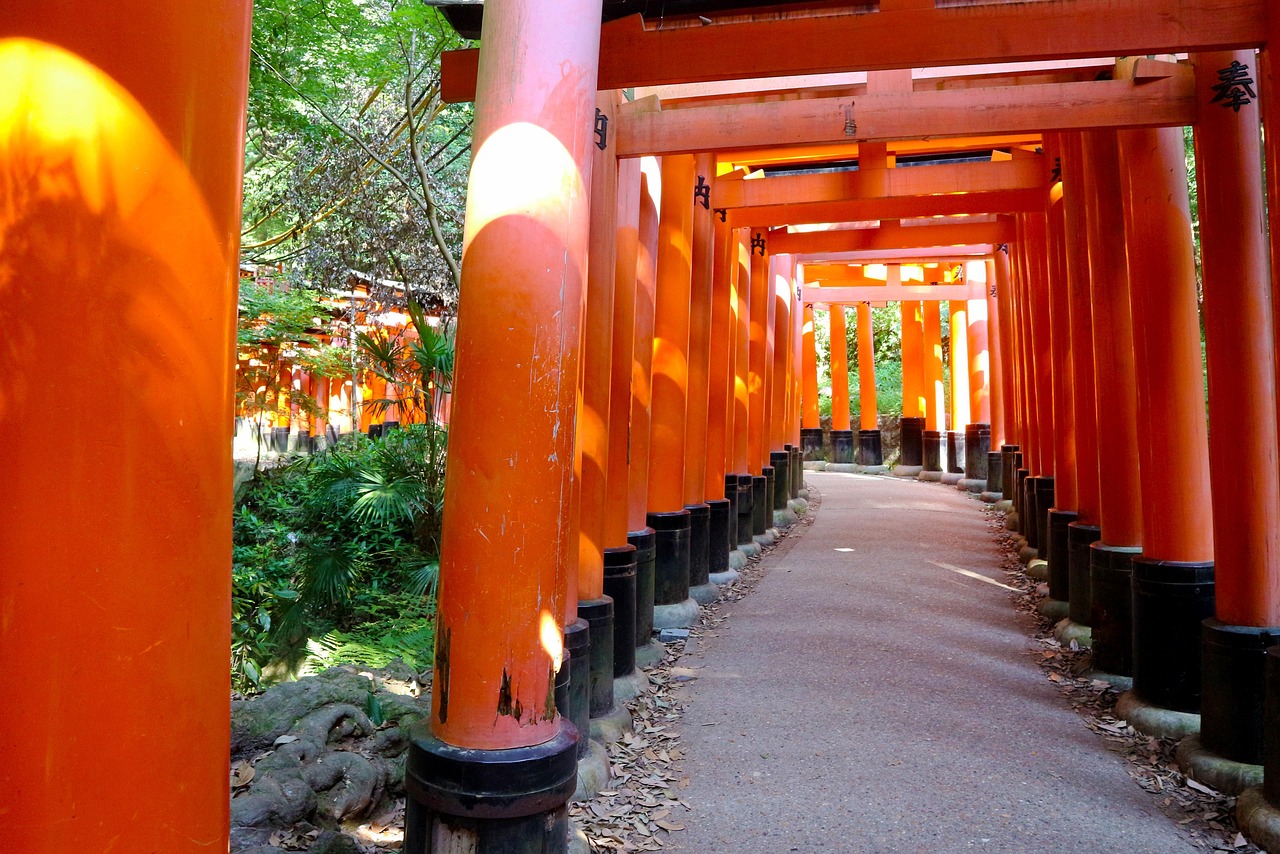
Sangedatsumon the main gate and the art of arrival at Zojoji Temple
If you’ve searched for Sangedatsumon, the main gate of Zojoji Temple, Tokyo, Japan, you’re really looking for the feeling of arrival. Approach slowly, and you’ll notice the textures first: aged timber, deep joinery, and the way the gate frames the world beyond it. The best pace is unhurried—step aside, let others pass, and then return to details without blocking the flow.
On signage, you may see Sangedatsumon, and sometimes sanmon, a term used for a temple’s main gate. This one is recognised as an important cultural property, not because it’s “old”, but because it still communicates Edo craftsmanship with clarity. It’s the kind of structure that rewards close looking, especially when you treat your entry as a small ritual rather than a rush.
Tokyo Tower alignment and respectful photography
For a clean composition, stand slightly back from the centre line and let the gate’s pillars “hold” Tokyo Tower. Shoot quickly, then put the camera away when ceremonies begin—your presence matters more than your portfolio. Quiet respect is the most elegant travel style here, and it keeps the atmosphere supportive for everyone.
Temple building details to uncover
Before you move on, explore nearby lanterns, carvings, and hints of ornate buildings deeper inside. Even a single roof curve can feel like a signature from another century. This is where you begin to trust your own eye—small observations that make the visit personal.
Inside the main hall of Zojo-ji temple are Jodo Shu and Amida Buddha icons
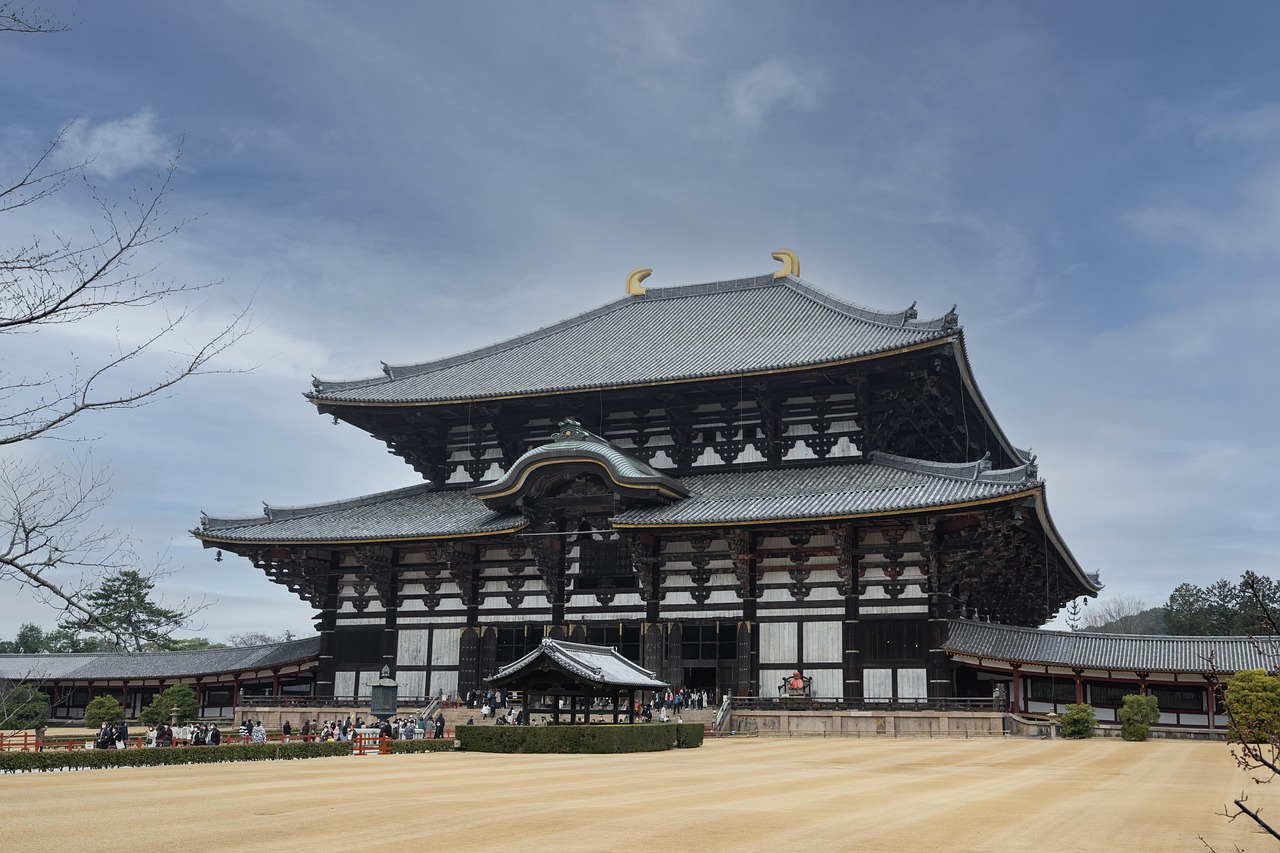
Inside the main hall, the faith practice and Buddha icons at Zojo-ji temple
When travellers look up the Zojo-ji temple main hall, Jodo Shu Amida Buddha, Tokyo, Japan, they’re usually wondering what they’ll see—and how to behave. Zojoji is a Buddhist temple and a temple of the Jodo sect, rooted in Pure Land belief: you’re not expected to be an expert, only sincere and attentive. The atmosphere supports quiet reflection, even if you’re just passing through between bigger adventures.
Inside the main hall and hon-do, move gently and follow the flow. If shoes are to be removed, you’ll see cues; keep voices low and skip flash photography. This is less about rules and more about care—protecting a shared space where locals come to pray, not perform.
Jodo shu chants and a warm, human moment
One traveller shared a peaceful moment joining a prayer ceremony, standing slightly behind regular worshippers. They copied the rhythm of bowing and offering, and later said they felt unexpectedly connected to the spiritual heritage—like they’d been allowed, kindly, to participate rather than observe. If you’re worried about “getting it wrong”, let that story reassure you: kindness and quiet attention go a long way.
- Pause near the back if you’re unsure, then step forward when it feels natural.
- Watch how locals handle incense and offerings before you follow.
- If a ritual begins, simply stand still; stillness is participation too.
Amida Buddha, Honen, and the Pure Land thread
You’ll often hear Amida Buddha spoken of as a figure of compassion within Pure Land practice, and the chanting can feel like a steadying current. Honen, who shaped this sect of Buddhism, emphasised accessible devotion—faith that meets people where they are. You may also hear mention of a black-image tradition associated with revered icons; treat it as a cultural cue, not a spectacle, and let it deepen your respect.
Jizo statues and Zojoji Temple garden walk in Tokyo, Japan
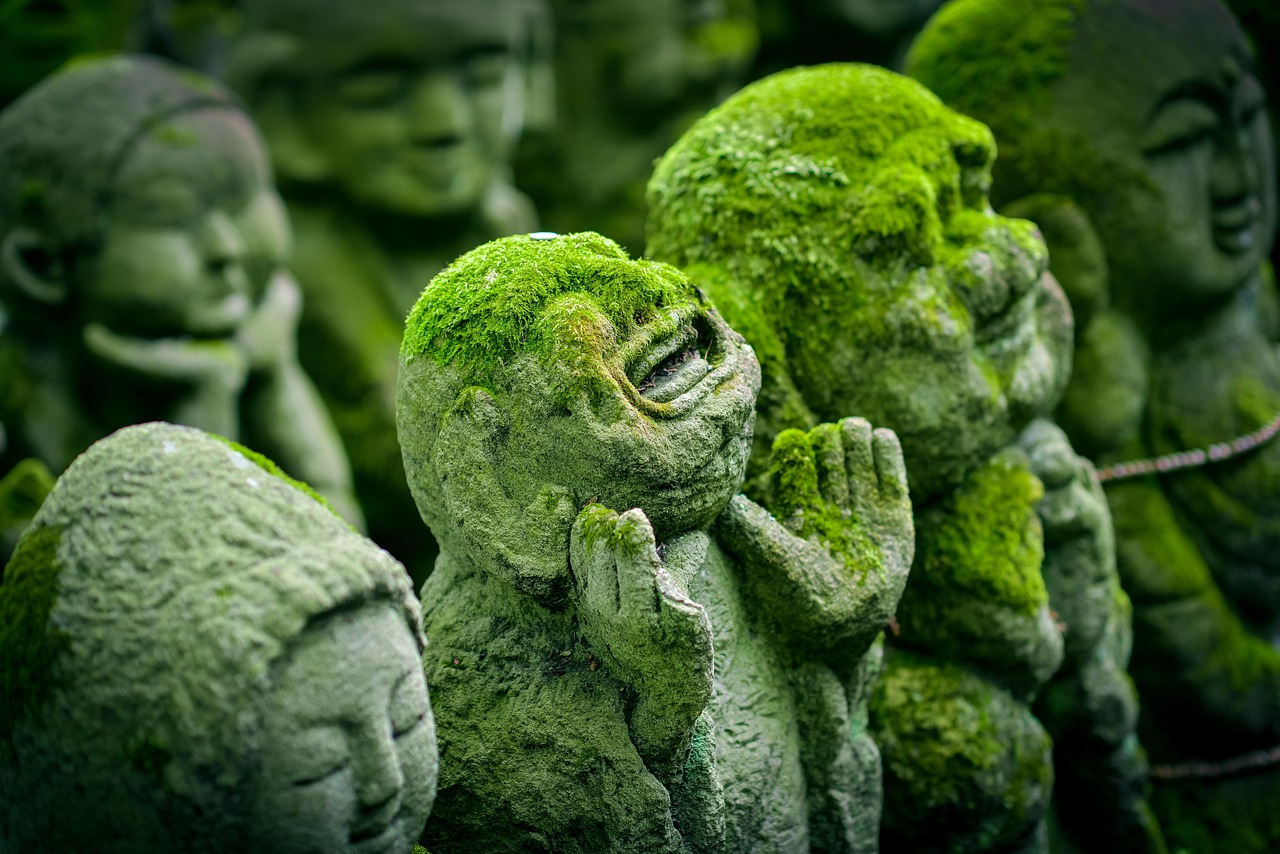
Jizo statues, gardens, and a morning walk for the senses at Zojoji Temple
For those searching for Jizo statues in the Zojoji Temple garden walk, Tokyo, Japan, the real secret is timing. Go early on a weekday, and you’ll find a calm loop that still satisfies the body’s need to move: gravel paths, open courtyards, and shaded edges where the city softens. This is an adventure in miniature—quiet, observant, and surprisingly restorative.
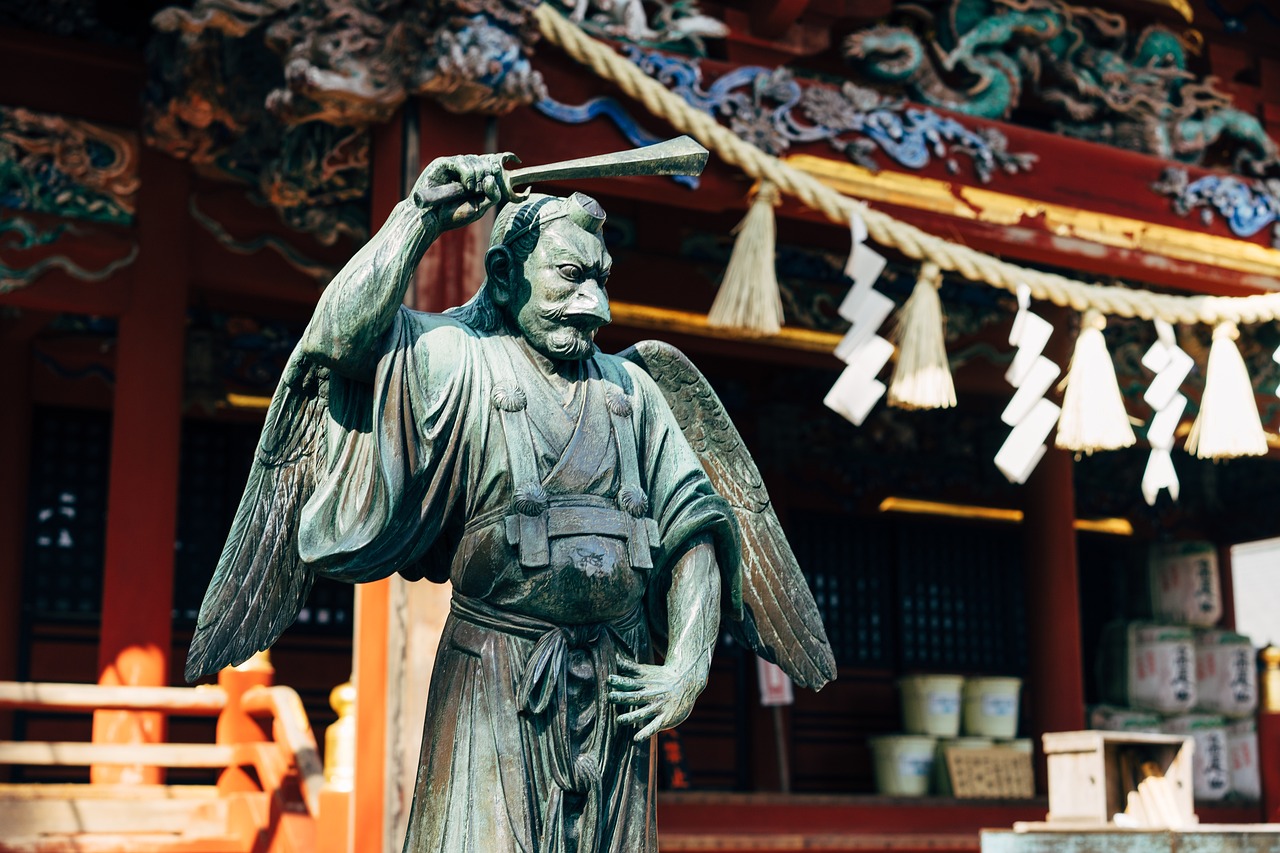
Along the way, you’ll encounter Jizo, a beloved figure in lived Buddhism, often associated with protection and care. The Jizo statues here aren’t “decorations”; they quietly hold people’s hopes, griefs, and love. You don’t need to interpret every symbol—just allow the presence of each statue to slow your thoughts.
A soundscape you can almost touch
An adventurer once described their morning stroll as a meditative soundtrack: birdsong above, bell tones drifting through, gravel underfoot keeping time. Weekdays feel different because you can hear the space between sounds. It’s a gentle reminder that Tokyo’s energy is not only speed—it’s also restraint.
Practical comfort when groups arrive
Wear comfortable shoes; gravel can be tiring in slick soles, especially if you’re looping the complex. If a tour group arrives, create a seamless pivot: step into a quieter garden edge, or pause by a sheltered corner and let the crowd pass. The goal is not to “escape people”, but to protect your own calm with confidence.
Optional look-closer prompt: spot a small detail—perhaps two bodhisattva motifs nearby—and notice what it stirs in you without needing to name it.
Mausoleum of the Tokugawa family at Zojoji Temple, Tokugawa shoguns, Tokyo, Japan
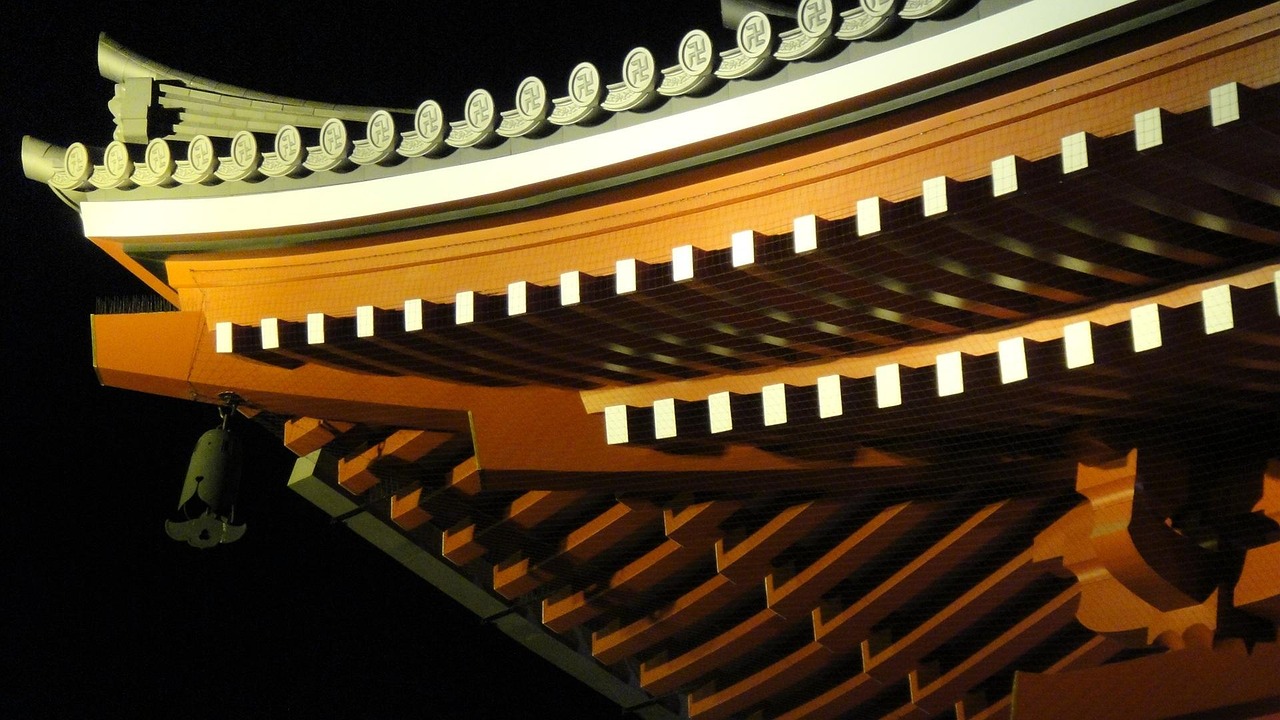
Mausoleum of the Tokugawa family: a close look at shogun legacies at Zojoji Temple
If you’re researching the mausoleum of the Tokugawa family, Zojoji Temple, and the Tokugawa shoguns in Tokyo, Japan, expect a mood shift: quieter, heavier, and more intimate. The Tokugawa mausoleum area isn’t just “famous graves”; it’s a place where duty and status feel tangible. Knowing that there are tombs of six Tokugawas helps you grasp the scale of the legacy the shogun system left behind.
To ground the visit, a few names bring it down to human size. Iemochi, a Tokugawa shogun whose life was shaped by political pressure, is remembered alongside Princess Kazunomiya, whose story carries its own weight of obligation and loss. In spaces like this, history stops being distant and becomes personal.
Tickets, small museum notes, and what’s free
The main temple grounds are free to enter, which makes the site feel welcoming and local. Certain areas, a small museum, or special exhibitions and events may require a modest fee—check the posted notices so expectations stay clear. That transparency builds trust, especially if you’re designing a day with premium dining or timed reservations nearby.
- Carry a little cash or a card option, just in case a special display is open.
- Allow extra time if you enjoy reading captions—this is a place for slow comprehension.
Edo power lines to Nikko and Toshogu
For history lovers, it helps to connect the dots: Edo authority radiated outward, including to Nikko and the famed Toshogu. Back at Zojoji, you can still sense the memory of an administrative centre—an echo of governance as much as devotion. Be mindful of photography rules, particularly in enclosed areas or during religious studies and activities.
Zojoji Temple cherry blossoms illumination and Setsubun festival, Tokyo, Japan
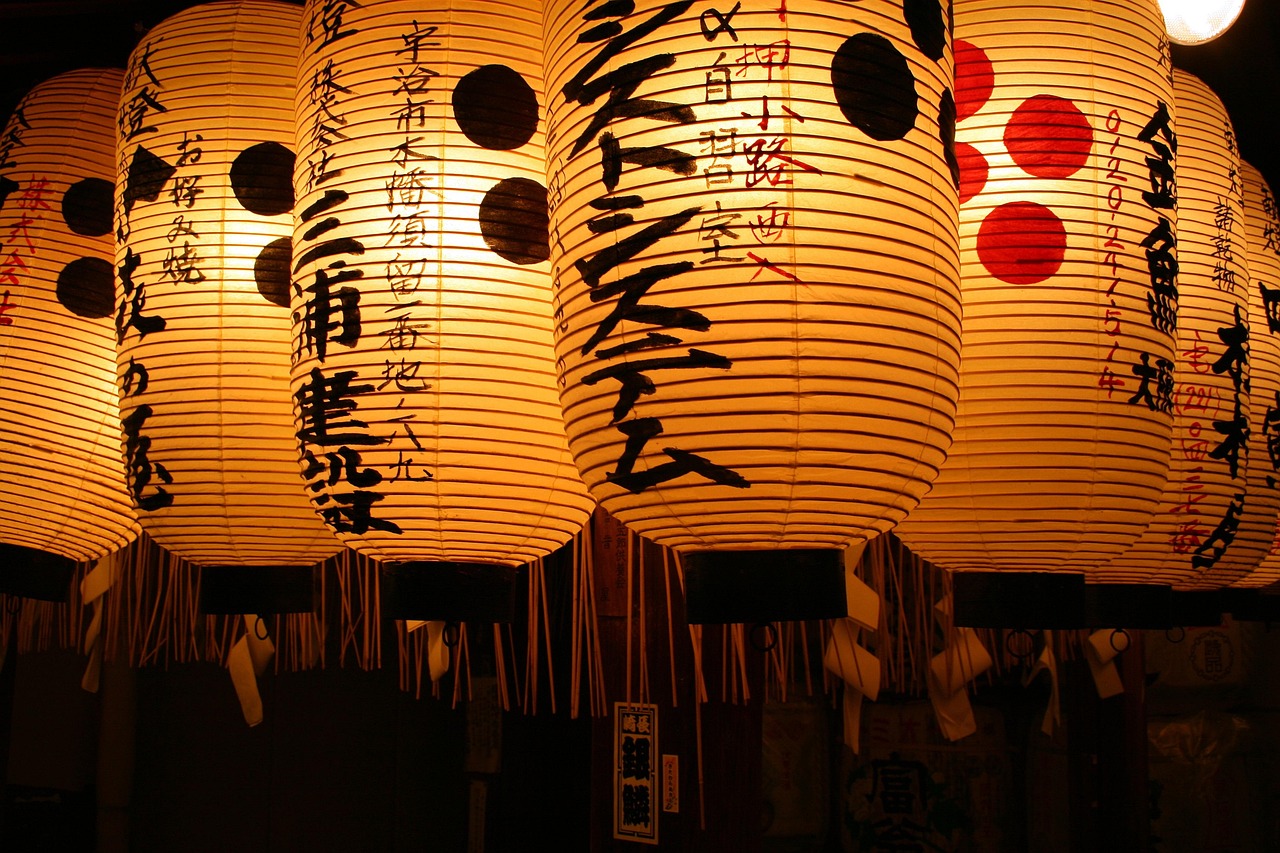
Seasonal Tokyo moments, cherry blossoms, and Setsubun energy at Zojoji Temple
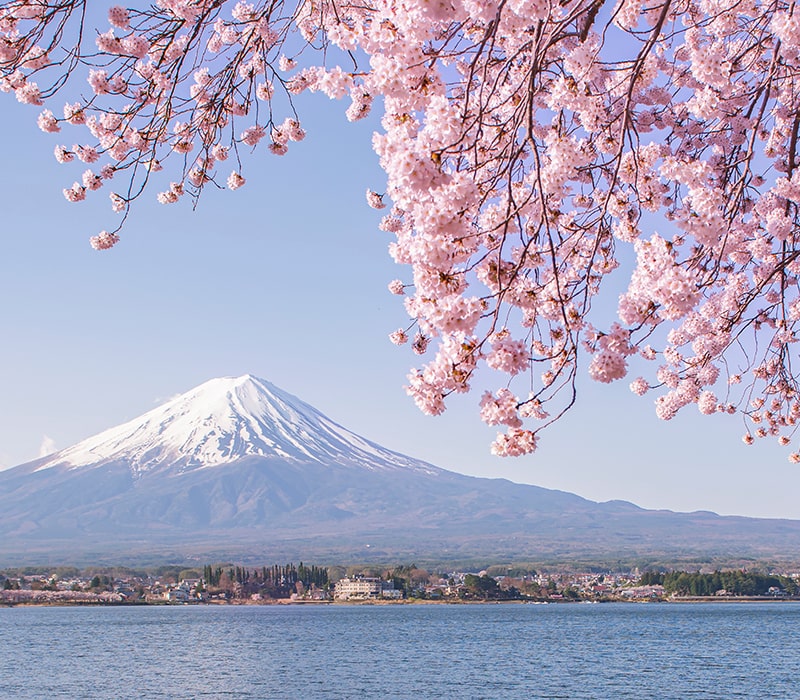
For travellers searching for Zojoji Temple cherry blossom illumination and the Setsubun festival in Tokyo, Japan, the calendar is part of the design. Late March to early April is the classic window for sakura scenes, and in some years, you may catch special illumination. Bloom timing varies across Kanto, so keep plans flexible and treat the uncertainty as part of the adventure rather than a problem.
Setsubun, by contrast, is lively and joyful—bean-throwing ceremonies, cheering crowds, and a festive sense of togetherness. Arrive early, follow staff cues, and keep valuables secure; you’ll enjoy the energy with more ease. The beauty is in balancing it: one hour in the crowd, then a quieter loop afterwards to let the excitement settle into memory.
Weather, comfort, and calm awareness
Seasonal shifts affect more than photos—wind and rain change how long you’ll linger comfortably. Pack a light layer in cooler months, and expect brighter sun in spring. Japan is also a place where earthquake awareness is simply part of local life: note exits, follow announcements, and stay calm without alarmism.
How to get to Zojoji Temple via Onarimon and Shibakoen in Tokyo, Japan
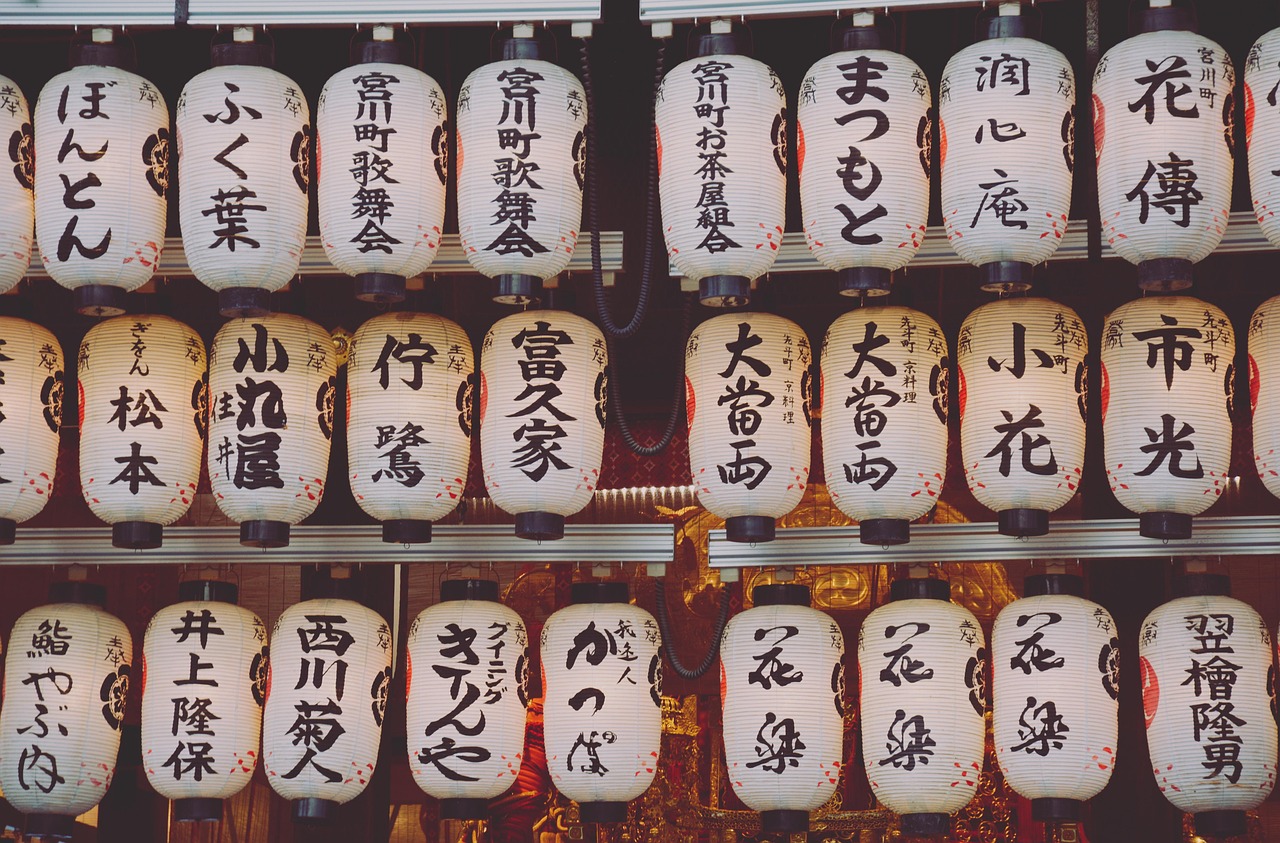
Design your visit, transport etiquette and nearby cultural pairings for Zojoji Temple
If you’ve typed How to get to Zojoji Temple, Onarimon, Shibakoen, Mita Line, Oedo Line, Tokyo, Japan’, you’re already close to a seamless plan. The simplest routes are Onarimon Station on the Mita subway line or Shibakoen Station on the Oedo subway line, both of which are followed by a gentle 10-minute walk. You can also use Daimon Station on the Oedo line or take a walk from Hamamatsucho Station for a calmer approach.
For crowd strategy, early weekday mornings are your best ally—quiet paths, softer light, and more space to explore. If coaches pull up and the tempo changes, pivot smoothly: head to the gardens or the mausoleum area and return later. That’s the difference between feeling managed by the city and feeling like you’ve designed the day.
Temple etiquette checklist with warm support
- Shoes off inside halls when indicated; keep socks neat if you can.
- Use low voices during rituals, and avoid walking in front of those praying.
- Be mindful of photography signs: no flash, and pause the camera during ceremonies.
Asakusa, shrine contrasts, and art-minded add-ons
To make it a crafted day, pair Zojoji with Asakusa’s Sensoji, noting that a temple differs from a shrine in purpose and iconography. For contrast, continue to Akihabara—an electric counterpoint that makes your earlier calm feel even richer. If you’re art-minded, weave in a Hokusai-focused museum stop to uncover another layer of Tokyo’s creative spirit.
And if you’d like to browse curated routes for Japan with expert support, this Trip gallery can help you create an itinerary that balances culture and comfort. Zojoji sits right next to Tokyo Tower, so it’s an easy anchor for a first day when you want confidence without pressure.
FAQs: Zojoji Temple, Tokyo, Japan
Is the Zojoji Temple worth visiting?
Yes—Zojoji Temple is worth visiting for its rare blend of calm and city energy, especially with Tokyo Tower rising behind the historic gate. It’s a high-reward stop in central Tokyo: free main grounds, meaningful halls, and peaceful paths that feel restorative even on a busy itinerary.
What is the Zojoji Temple known for?
Zojoji is known for the Sangedatsumon gate, the striking view of Tokyo Tower behind the temple, and its Tokugawa connections. It’s also respected as a Jodo Shu Buddhist temple, where you can observe prayer, seasonal events, and a quieter side of Tokyo’s cultural life.
How much does it cost to go to Zojo-Ji Temple?
Entry to the main grounds is free, which makes it easy to add to your day without overplanning. Some areas, special exhibitions, or a small museum may charge a modest fee depending on what’s open, so it’s wise to check notices at the entrance.
Do you need tickets for Zojoji Temple?
You don’t need tickets for the main temple grounds, and you can simply walk in during open hours. Tickets may be required for specific exhibits or restricted areas, and rules can change during festivals, so check signage and follow staff guidance for a smooth visit.
What stayed with me after Zojoji Temple, Tokyo, Japan, was a reflection of old and new
On the way out, I looked back once more at the gate, and the tower’s light had shifted—almost imperceptibly, yet enough to change the mood. The hum of Tokyo returned as I stepped towards the street, but something in me stayed quieter, as if the air inside the precinct had taught my shoulders to drop. I thought of the way centuries can sit in a modern city without demanding attention, simply offering it.
It wasn’t the grandness that lingered, but the small encounters: one bell note fading into birdsong, one unhurried turn on gravel, and one moment watching others pray with steady trust. That’s the kind of travel memory that strengthens your instincts—proof that you can discover meaning without needing to explain it and that reverence can be felt even in passing.
Old Edo echoes, Buddha images, and today’s Tokyo can exist together without conflict, if you let them. Zojoji doesn’t ask you to be certain; it simply offers a space to be present and to leave with a little more care for your own attention. And perhaps, on another season’s afternoon, you’ll find yourself wondering what else a familiar gate might quietly reveal.