Post Contents
- Why Ueno Zoo belongs on a Tokyo cultural itinerary
- Design a seamless visit to Ueno Zoo in Japan
- Giant Panda Pavilion and the most remarkable exhibits
- Japanese Animal Zone for local insight and conservation stories
- Children’s Zoo and Ueno Park seasonal scenes to explore together
- What stayed with me after Ueno Zoo
- F.A.Qs: Ueno Zoo Japan essentials
Why Ueno Zoo belongs on a Tokyo cultural itinerary

Why Ueno Zoo belongs on a Tokyo cultural itinerary in Ueno Park
When people search Ueno Zoo Tokyo Japan oldest zoological gardens 上野動物園, they’re often looking for more than an animal list—they’re trying to understand why this place feels stitched into the city’s identity. Ueno Zoological Gardens is located in Ueno, and located in Ueno Park, right inside Tokyo’s museum district, where art, history, and living wildlife sit together in a surprisingly crafted balance.
The heritage is part of the pull. The zoo was founded in 1882, and it’s frequently described as the first zoo and the oldest major zoo in Japan, managed under the Tokyo Metropolitan onshi parklands. That word—onshi—matters: you can feel the civic intention in the tree-lined approaches, the gentle pacing, and the sense that this zoological park is designed to be shared.
Ueno Zoological Gardens as a cultural attraction, not just a zoo
For adventure seekers, the day has a different flavour than a typical museum visit. You’ll move, loop, pause, and uncover small dramas in each enclosure: the way an animal tests its space, the way families gather and then drift apart, the way the city noise softens under the canopy. It’s active travel, but gentler—an urban expedition where the reward is attention.
A photojournalist once told me they came for a single image and left with a story: playful monkey behaviour that played out like theatre—bold leaps, quick glances, a brief truce. That’s the Ueno Zoo magic. You arrive for the headline exhibits, then discover the candid moments that feel personal, unrepeatable, and quietly joyful.
Designing a fuller Ueno Park day with nearby museum neighbours
Because the zoo sits among cultural institutions, it’s easy to create a day that feels complete rather than rushed. The National Museum is nearby, and other galleries and halls across the park invite you to keep exploring once you’ve had your fill of wildlife. Think of it as a Tokyo itinerary with texture: curiosity in the morning, reflection in the afternoon, and a sense of trust that the day will hold together.


Design a seamless visit to Ueno Zoo in Japan

Design a seamless visit to Ueno Zoo in Japan with Ueno Station access
If you’re searching Ueno Zoo tickets Ueno Station access Tokyo zoo travel tips, you’re already thinking like an experienced traveller: how to reduce friction so the day feels calm. Ueno Zoo is compact enough to feel manageable, yet varied enough to stay fascinating for hours—around a 35 acre footprint that rewards a bit of planning.
Wayfinding across East Garden and West Garden with the monorail
The grounds are split into two sections—East Garden and West Garden—and that detail alone can save your feet. Rather than doubling back, choose a loop that matches your priorities (panda first, or big habitats first), and treat the zoo’s monorail as part of the fun: a small ride that adds lift to the day and keeps the flow feeling seamless.
For the most relaxed rhythm, aim for a weekday early morning. It’s the simplest form of support you can give yourself—fewer queues, more breathing space, and better chances to watch animals settle into their routines. If you can, avoid public holidays when the most popular exhibits can feel tightly packed.
Tickets, value, and getting there with confidence via Ueno Station
Ticketing is refreshingly fair for Tokyo: adults are around 600 yen, with discounts for children and seniors. Buying online can make your arrival smoother, but onsite purchase is straightforward too—especially early in the day. If your travel style leans high-end, the luxury here is time: arriving before the crowds lets you observe more and queue less.
Getting there is simple. Use Ueno Station—served by JR lines and Tokyo Metro—for the most direct access, then walk to the entrance. If your priority is the panda, enter with purpose and head there first; if your priority is photography, begin where the morning light and space feel more generous.
- What to bring: comfortable walking shoes, a camera, and a light layer for shaded paths.
- Respectful visiting: don’t feed animals outside designated areas and keep noise low around sensitive habitats.
- Before you go: check the official website for special events or temporary closures.
Finally, remember that this is a cared-for space. Moving through it with quiet confidence—patient, attentive, and considerate—helps keep the animals comfortable and your own experience more meaningful.
Giant Panda Pavilion and the most remarkable exhibits

Giant Panda Pavilion and the most remarkable exhibits at Ueno Zoo Tokyo
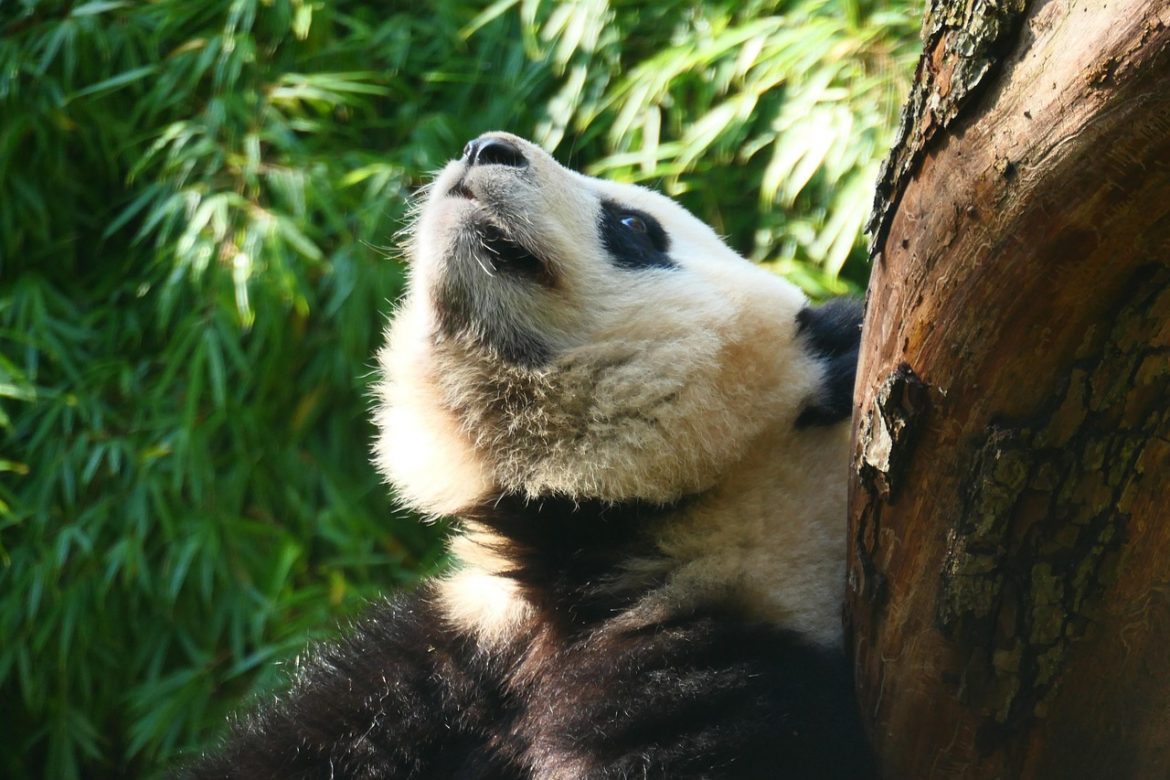
Type Giant Panda Pavilion Ueno Zoo Tokyo panda polar bears tiger into a search bar and you’ll find the emotional centre of the visit. Seeing a giant panda up close in Japan can feel like a dream come true—a flagship moment that’s both tender and oddly grounding, as if the city briefly holds its breath with you.
Giant panda moments that feel personal, not performative
Imagine arriving early, when the crowd is softer and the light feels kind. There’s often a hush near the glass: the panda’s slow chew, the deliberate movement, the quiet confidence of a creature entirely uninterested in impressing anyone. One traveller described it as the highlight of their Tokyo itinerary—not because it was loud or dramatic, but because it felt intimate.
If you linger, you’ll notice how viewing spaces are shaped to guide behaviour: where people stand, how long they stay, and how a calm atmosphere is maintained. If a female panda settles to feed, it’s a reminder that the best wildlife encounters are rarely rushed; they’re observed with patience and care.
A big-animal loop for awe across species and habitats
Once you’ve had your panda moment, keep the energy up with a curated loop that leans into scale and movement. The polar habitats can be mesmerising—polar bears have a presence that’s both playful and powerful. From there, head towards big cats: a tiger’s pace can feel like pure intention, even across a short stretch of ground.
To anchor your memory, look for named zones like Gorilla Woods and Tiger Forest, and then widen your lens. A hippopotamus surfacing like a slow surprise, an elephant’s steady intelligence, and a giraffe’s elegant height create a wide variety of encounters in a single morning. If you’re lucky, you might also spot a bear species in a calmer corner, where the pace feels more contemplative.
There are also rewarding detours for detail-lovers: the Small Mammal House for quick, curious movement; dimmer, nocturnal rooms that shift your senses; and a reptile and amphibian house where the textures of scales and skin feel almost sculptural. Nearby, a vivarium-style display can be a welcome change of tempo—less about spectacle, more about close looking.
For bird enthusiasts, keep an eye out for a shoebill—one of those rare, still silhouettes that looks almost mythical. Even a brief encounter can be remarkable, especially when you catch a glimpse of that focused stare before it slips back into stillness.
Japanese Animal Zone for local insight and conservation stories

Japanese Animal Zone for local insight at Ueno Zoo Japan
Search Japanese Animal Zone Ueno Zoo Japan Japanese macaque serow conservation and you’ll find one of the most quietly powerful parts of the zoo. The Japanese Animal Zone offers local insight into an island nation’s rich natural environment, bringing you closer to endemic species that many travellers never encounter beyond documentaries.
Endemic species and what to watch for in the Japanese Animal Zone
The Japanese macaque is often the star here—not because it’s rare in headlines, but because it’s so expressive. Watch for the social choreography: grooming that doubles as reassurance, quick shifts in status, and small alliances that form and dissolve. Nearby, the serow has a different energy: watchful, self-contained, and deeply rooted in Japan’s mountain landscapes.
To help you slow down and observe without feeling like you’re missing out, use this simple checklist:
- Social signals: grooming, gentle contact, and who yields space.
- Feeding rhythms: who eats first, who waits, and how calm is maintained.
- Nesting cues: look for how animals choose a nest-like resting spot and what they do before settling.
Conservation and the zoo for school lens in Tokyo
It’s also the part of the visit that carries meaning. Ueno Zoo’s signage and programmes make a clear “zoo for school” promise: learning that feels accessible rather than preachy. When you see how information is layered—simple facts first, then deeper context—you can sense a careful design intended to meet visitors where they are.
In real-world terms, wildlife conservation often involves breeding programmes that help breed healthy populations and reduce the risk of species that endanger under pressure. The zoo doesn’t ask you to become an expert overnight, but it does invite you to hold the story a little longer than you expected.
Keep an eye out for regional threads that connect Tokyo to distant landscapes: ezo sika deer as a northern echo, and ibis as a symbol of recovery efforts in Japan. And if you’re the sort of traveller who enjoys comparing experiences, it’s interesting to note that the wider city has other zoological spaces too—Tama, for instance—each with a different feel and focus.
Children’s Zoo and Ueno Park seasonal scenes to explore together
Children’s Zoo and Ueno Park seasonal scenes to explore together
Look up Children’s Zoo Ueno Zoo Ueno Park cherry blossoms Tokyo family picnic and you’ll find the softer counterpoint to the big exhibits. The Children’s Zoo is where many adventure seekers unexpectedly reconnect with something simple and local—hands-on contact, warm laughter, and the gentle rhythm of farm animals in the middle of Tokyo.
Children’s Zoo encounters that keep energy high and stress low
A group of travellers once told me their most joyful moment wasn’t the biggest animal at all—it was feeding goats, carefully, in the designated areas. There was something grounding about it: a small ritual of trust, a reminder that nature doesn’t always need to be dramatic to feel real. If you travel fast, this is where you’re invited to slow down without losing momentum.
Use the Children’s Zoo as a deliberate pace shift after the busiest habitats. Move into shaded paths, take water, and let the day feel personal. Those small pauses—watching a child’s wonder, hearing a caretaker’s calm instruction—often become the memories that stay.
Seasonal Ueno Park scenes and a micro-itinerary you can create
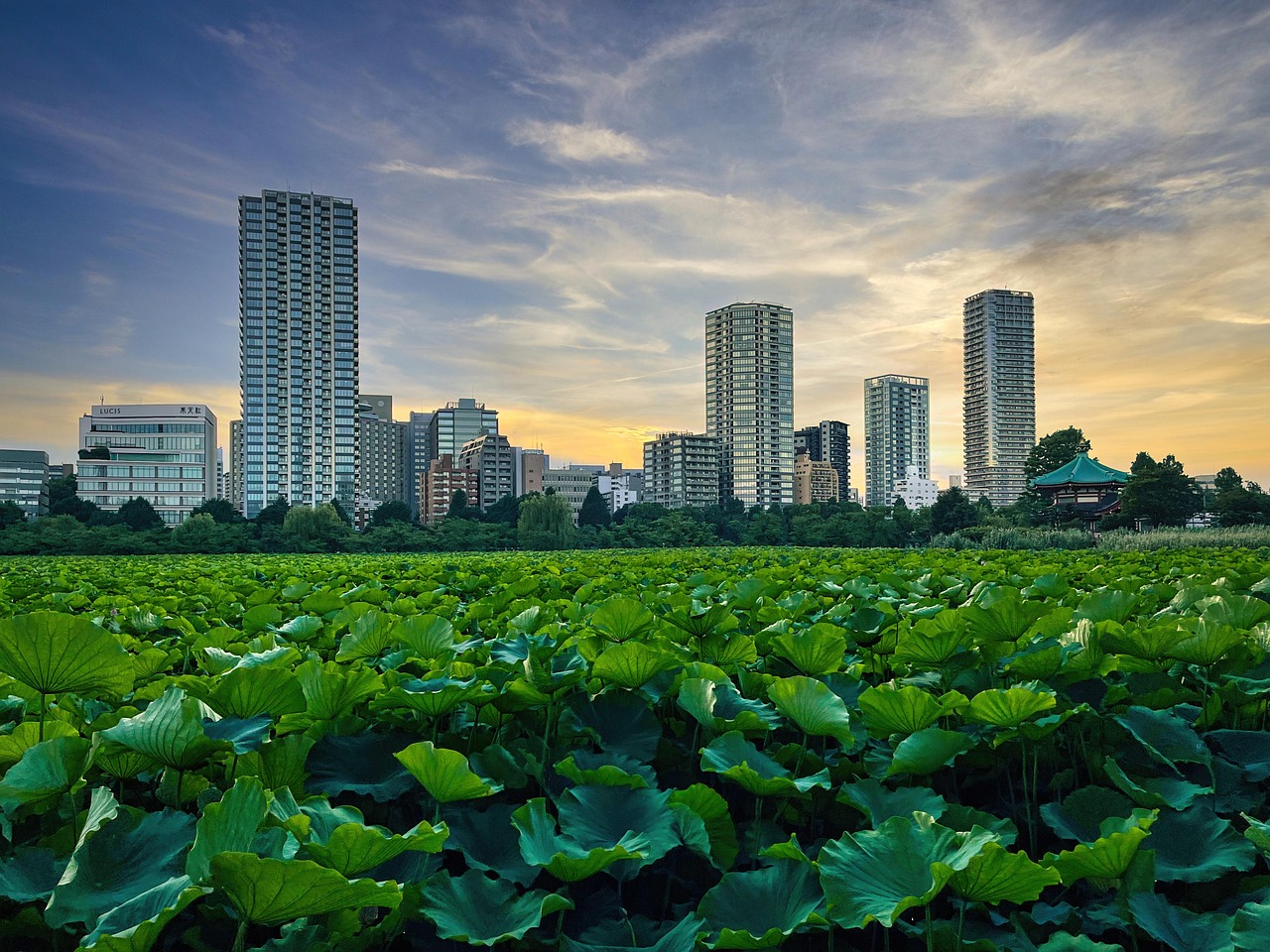
Outside the gates, Ueno Park adds its own scenic language. In spring, sakura turns the avenues into a living ceiling; in autumn, foliage brings depth and colour that feels almost cinematic. Nearby Shinobazu Pond has a wetland calm that contrasts beautifully with the city’s pace, and it’s a natural place to exhale.
If you want a simple, high-impact day you can design around your own interests, try this:
- Morning: arrive early for panda viewing and a big-animal loop.
- Afternoon: picnic near Shinobazu Pond, then wander towards a pagoda for atmosphere.
- Late day: drift into a museum nearby—especially the national museum—when you’re ready for quieter focus.
If you’re collecting inspiration for a wider journey beyond Tokyo, keep your plans open and browse the Trip gallery for crafted routes that combine culture with nature in ways that feel seamless.
And don’t underestimate the camera in your pocket. The park’s seasonal backdrops make even small moments feel cinematic—an animal silhouette, a line of blossoms, a candid laugh on the path.
What stayed with me after Ueno Zoo
When people search Ueno Zoo Tokyo reflection 上野動物園 cultural travel Japan, I understand the impulse. There’s a particular after-feeling to this place: the sensation of being close to wildlife in the middle of Tokyo, and how that contrast quietly changes your perspective. You step back out into the streets and the city feels the same, yet you don’t quite see it the same.
What stays isn’t a checklist of animals. It’s the soft hush near the panda habitat, as if everyone has agreed—without speaking—to practise a little reverence. It’s the sudden laugh in the Children’s Zoo, bright and unforced, and the way it echoes under the trees. It’s the thoughtfulness in the zoological design: housing that shapes calmer viewing, and an atmosphere that rewards patience rather than speed.
I also remember the smaller, stranger corners—where a pygmy form moves with quick intention, where a rhino’s solidity feels almost ancient, and where a Madagascar story (with creatures like a black-and-white ruffed lemur, or even the idea of aye-ayes in nocturnal imagination) reminds you how wide the world is, even within a single city day. None of it asks you to be an expert; it simply invites you to notice.
In the end, Ueno Zoo leaves you reassured that adventure can be gentle. Curiosity can be practised with respect. And in a capital that’s always in motion, there’s something quietly radical about standing still—watching, listening, and letting the day be crafted by small moments of trust and care.
Later, when you think back on Tokyo, you may find your mind returning not to the rush, but to a calm path under trees—and you’ll wonder, almost without trying, what Ueno Park looks like when another season arrives.
F.A.Qs: Ueno Zoo Japan essentials
F.A.Qs: Ueno Zoo Japan essentials for planning your visit
Why is the Ueno Zoo famous?
Ueno Zoo is famous for being Japan’s oldest major zoo (founded in 1882) and for its place in Ueno Park beside Tokyo’s leading museums. It’s also widely known for the Giant Panda Pavilion, which offers a rare chance to see pandas in Japan, and for its breadth—thousands of animals across hundreds of species in a central, cultural setting.
Is Ueno Park zoo worth visiting?
Yes, especially if you enjoy cultural travel with a touch of adventure. The zoo pairs naturally with Ueno Park’s seasonal scenery and nearby museums, so the day feels layered rather than single-purpose. Arrive early on a weekday for a calmer experience, and you’ll have more space to observe animals, enjoy the grounds, and keep the pace comfortable.
Does the Ueno Zoo have pandas?
Yes. Ueno Zoo has a dedicated Giant Panda Pavilion, and seeing the pandas is one of the park’s signature experiences. Because it’s extremely popular, it’s wise to go early and to keep your plan flexible—quiet patience often leads to the best viewing moments, especially when the atmosphere is calm and respectful.
How long does it take to go through the Ueno Zoo?
Most visitors spend around 2 to 4 hours, depending on crowd levels and how long you linger at major exhibits like the panda and big-cat areas. If you add the Children’s Zoo and take your time with the Japanese Animal Zone, a half-day is ideal. Pairing the visit with a picnic or museum stop can easily turn it into a full day in Ueno.