Post Contents
- Time in Hong Kong: best things to do first for a luxury itinerary in Hong Kong
- Victoria Peak by Peak Tram: tickets, timing, and the best view of the city
- Hong Kong harbour nights: cruise options, skyline drinks, and after-dark glamour
- Hong Kong cultural tour: heritage sanctuaries, etiquette, and calm city moments
- Tai O Fishing Village day trip: Lantau Island, Big Buddha, and Po Lin Monastery
- F.A.Qs: Hong Kong luxury travel essentials
- What stays with you after Hong Kong: a luxury reflection on the best things to do
Time in Hong Kong: best things to do first for a luxury itinerary in Hong Kong
Time in Hong Kong: best things to do first
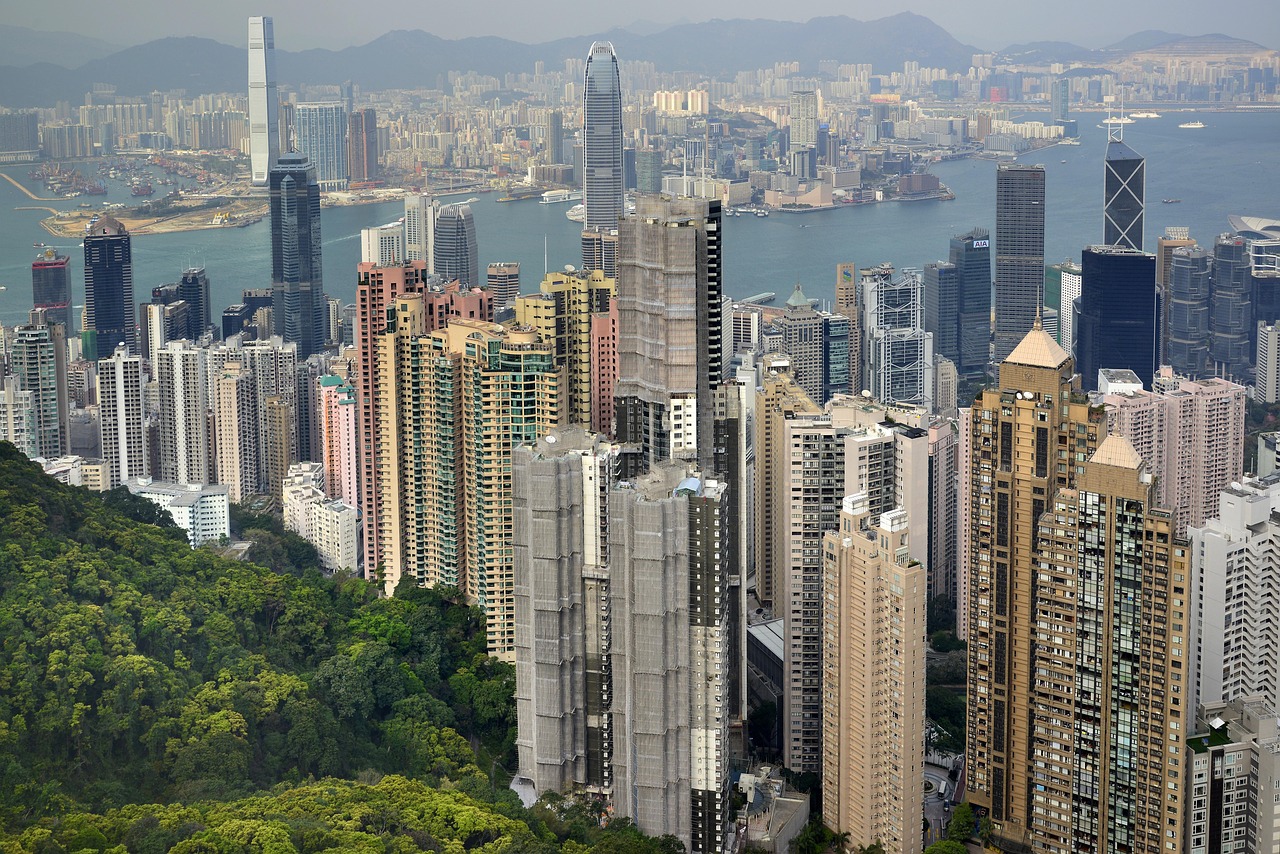
When you’re balancing a time in a Hong Kong luxury itinerary with the experience-led best things you truly care about, the real secret is pace. If you visit Hong Kong for the first time—or you’re returning with a more refined lens—build a trip around a few signature moments rather than racing between stops. This guide to things to do in Hong Kong, China, focuses on effortless transitions, so you can enjoy skyline drama, neighbourhood texture, and quiet pauses without feeling overscheduled.
Days in Hong Kong: an easy plan across Hong Kong Island and Kowloon
If you have days in Hong Kong to play with, design a two- to four-day flow rather than a checklist. A simple structure works beautifully: one day focused on Central Hong Kong and the harbourfront, one evening on the Kowloon waterfront, and one day that steps away from the bustle. This is one of Hong Kong’s gifts—contrast—so you’re not trying to squeeze everything into a single stretch of daylight across Kowloon and Hong Kong Island.
Central is where high design and heritage sit side by side, with a modern skyscraper skyline rising behind older streets. Between appointments, ride the longest outdoor covered escalator through SoHo and feel the city’s vertical imagination. Later, slip east towards Causeway Bay for a polished view of contemporary Hong Kong, where flagship storefronts feel like galleries and service is precise.
Travel tips: public transport, MTR routes, and moving confidently around Hong Kong
Hong Kong’s public transport is wonderfully efficient, and the MTR is your quiet superpower. Use it to move smoothly between spots in Hong Kong—Central, Causeway Bay, and Tsim Sha Tsui—then consider a private car in the evenings for seamless transfers after dinner, shopping fittings, or a harbour-side drink. When you’re in Hong Kong with family or friends, that extra ease keeps the experience feeling calm and intentional.
- Best time to visit: October to December for cooler, drier weather and clearer skyline days.
- Money: carry some Hong Kong dollars for markets and small purchases, though cards are widely accepted.
- Shopping: Visit Central and Causeway Bay on weekdays for more personal attention and better in-store care.
- Extra options: if you want a classic market moment, browse Ladies Market early, when it’s calmer.
For an atmospheric first night, head to Temple Street Night Market—a classic night market where a single neon sign can feel like a film still. Choose street food from curated food stalls, then book a trusted dining room for dim sum (and a second round if you’re tempted). Treat it as one of the most memorable places to eat for luxury travellers: the service can be warm, fast, and quietly impressive, and it’s a delicious first taste of Hong Kong food.
If your schedule has breathing room, ask your hotel concierge for recommendations for the best beaches within reach—simply knowing they exist can be a reassuring reminder that Hong Kong has a gentler side too. For more inspiration beyond the city, browse our Trip gallery and start imagining how Hong Kong fits into a wider China journey as you plan your trip.


Victoria Peak by Peak Tram: tickets, timing, and the best view of the city
Victoria Peak by Peak Tram for the best view of the city
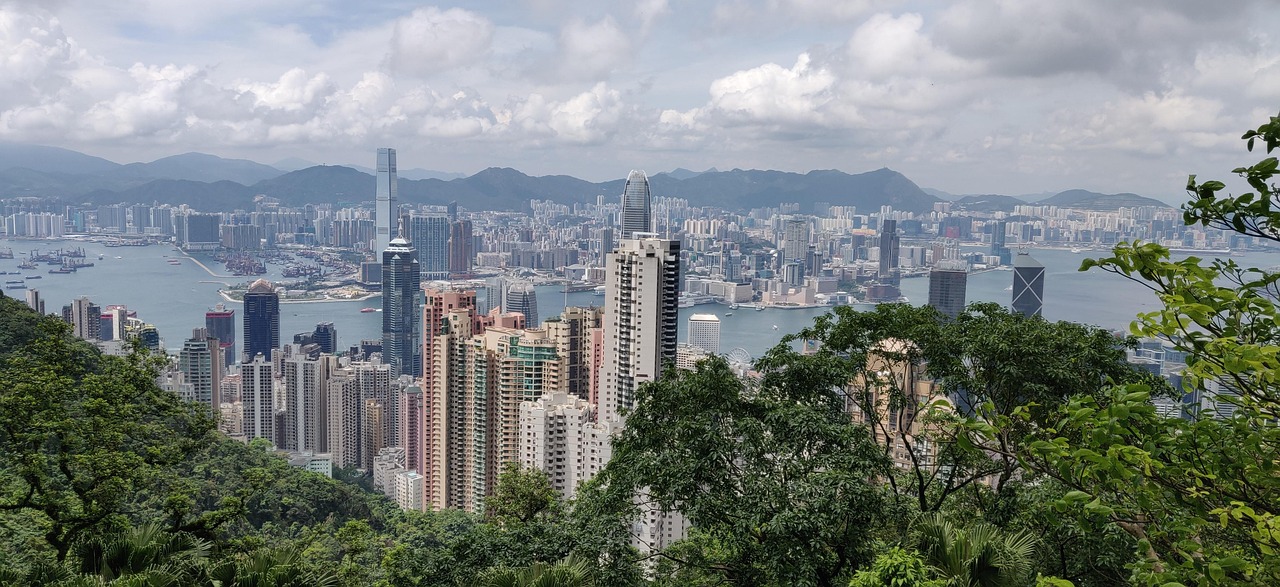
For many luxury travellers, Victoria Peak via the Peak Tram is the moment Hong Kong becomes cinematic. You rise above the streets, and the skyscraper canyons, and suddenly the city’s layout makes sense—water, towers, hills, and light. It’s an essential attraction, but it doesn’t have to feel hectic if you plan it with confidence and timing.
Peak Tram tickets and the tram to Victoria Peak: how to skip queues
Book Peak Tram tickets in advance for a time slot that matches your energy—late afternoon for soft light, or early evening for a glittering transition. If you’re staying on Hong Kong Island, it’s easy to reach the station by taxi or MTR, then take the tram from there. The tram to Victoria Peak is steep and iconic; sitting on the right-hand side on the way up often gives a more dramatic sense of the city tilting away beneath you.
If you’re travelling with family or simply want everything to feel crafted, a private guide can meet you at the base and handle the small frictions—timing, best viewpoints, and quiet alternatives—so the whole experience stays seamless.
Best view at the top: how to capture a view of Hong Kong
At the top, step away from the busiest terrace and take a breath before you lift your phone. For a clear view of Hong Kong, look for a frame that layers the harbour water, mid-level towers, and the distant hills beyond. For a softer view of the city, turn slightly and let the slopes and greenery hold the skyline more gently—an image that feels calmer and more timeless.
As you linger, you’ll uncover a deeper story: how the skyline evolved in response to limited land, global ambition, and a love of reinvention. With the right expert beside you, Victoria Peak becomes more than a photo stop—it becomes an insight into character, and why this might be the best view to begin understanding Hong Kong.
Hong Kong harbour nights: cruise options, skyline drinks, and after-dark glamour
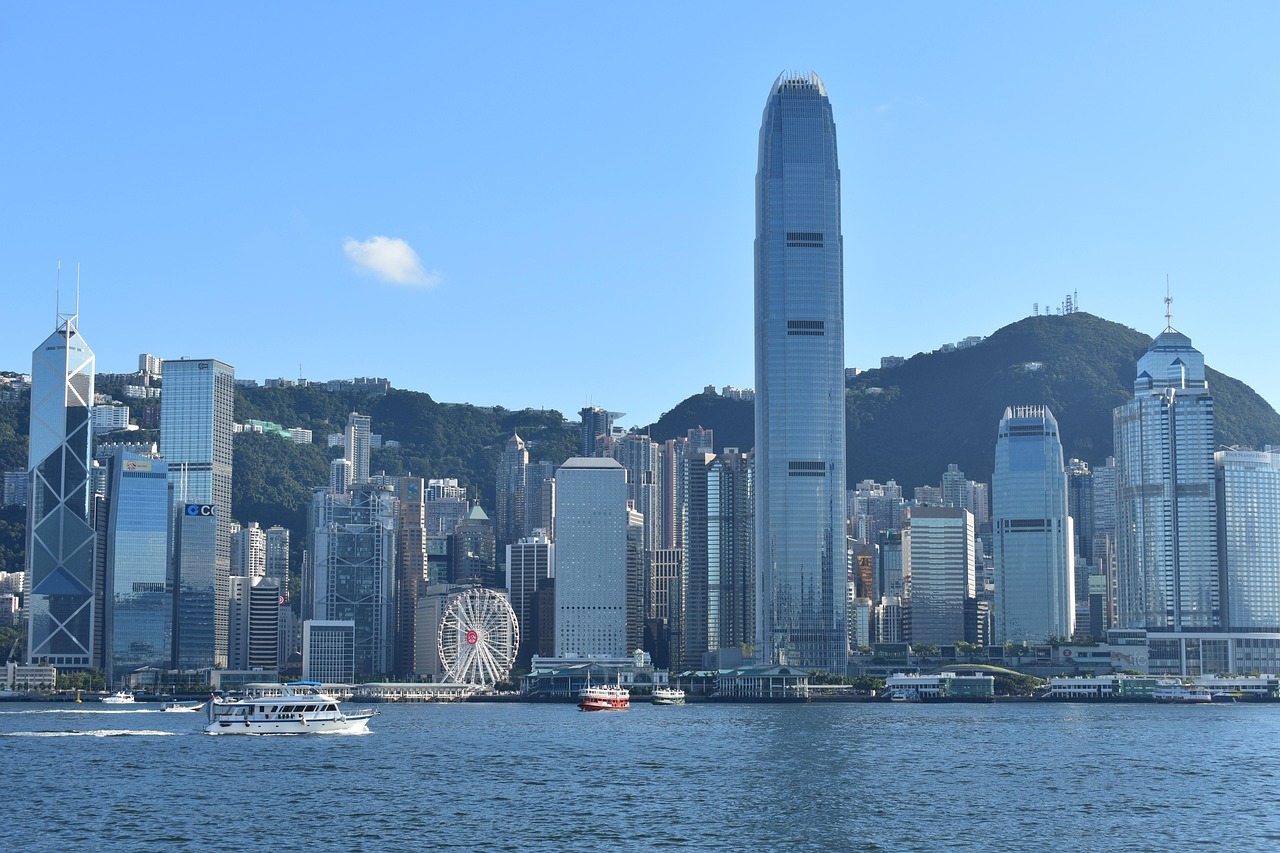
Victoria Harbour after dark from Star Ferry to a private yacht
An evening shaped around a cruise on Victoria Harbour is one of the most elegant things to do in Hong Kong, China, especially if you love atmosphere. Start with a simple cross-harbour ride to see the skyline at water level, then elevate into a private yacht where everything feels personal and calm. The goal is a night that feels curated—never rushed—so you can savour the city’s shimmer from a quieter perspective.
Star Ferry across: the ferry ride between Kowloon and Hong Kong Island
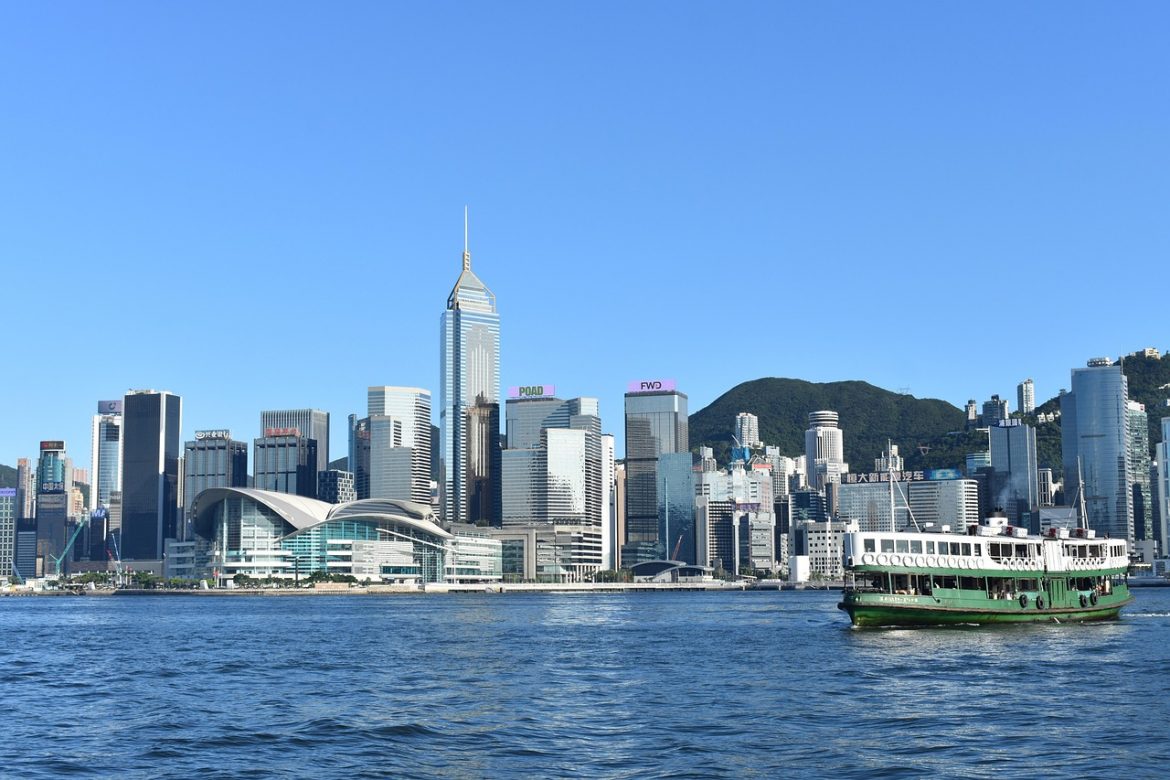
Take the Star Ferry between Kowloon and Hong Kong Island; it’s a short ferry ride that instantly puts you in the story of the city. In minutes, you move from street-level bustle to open water, with the skyline rising like a set design on the Kowloon side of Hong Kong. If you time it well, you’ll catch that soft pre-dinner glow as the city changes mood.
Symphony of Lights: private yacht cruise for an unforgettable night
A luxury traveller once told us their most unforgettable Hong Kong memory was a private sunset yacht cruise: golden light catching glass towers, while a junk boat drifted past in silhouette. As the sky cooled, a Chinese junk boat appeared closer to the promenade, its traditional lines set against modern architecture—an image of dual identity you can’t manufacture.
Plan your evening arc so the Symphony of Lights feels effortless rather than rushed. Choose a departure time that gives you a leisurely drink on board first, then pause on open water for the light show as it begins. Many yachts can include canapés and champagne, plus a discreet crew who understands trust, care, and the art of being present without hovering.
- What to wear: bring a light layer; harbour breezes change quickly after sunset.
- Booking: Reserve private cruises in advance, especially on weekends and in peak season.
- Where to stroll: pair the cruise with the Kowloon waterfront and the Avenue of Stars for a polished finish.
After disembarking, take a slow walk along Victoria Harbour. The skyline feels close enough to touch, and the whole waterfront has a reassuring ease—ideal if you want romance without formality, and a local pulse without pressure.
Hong Kong cultural tour: heritage sanctuaries, etiquette, and calm city moments
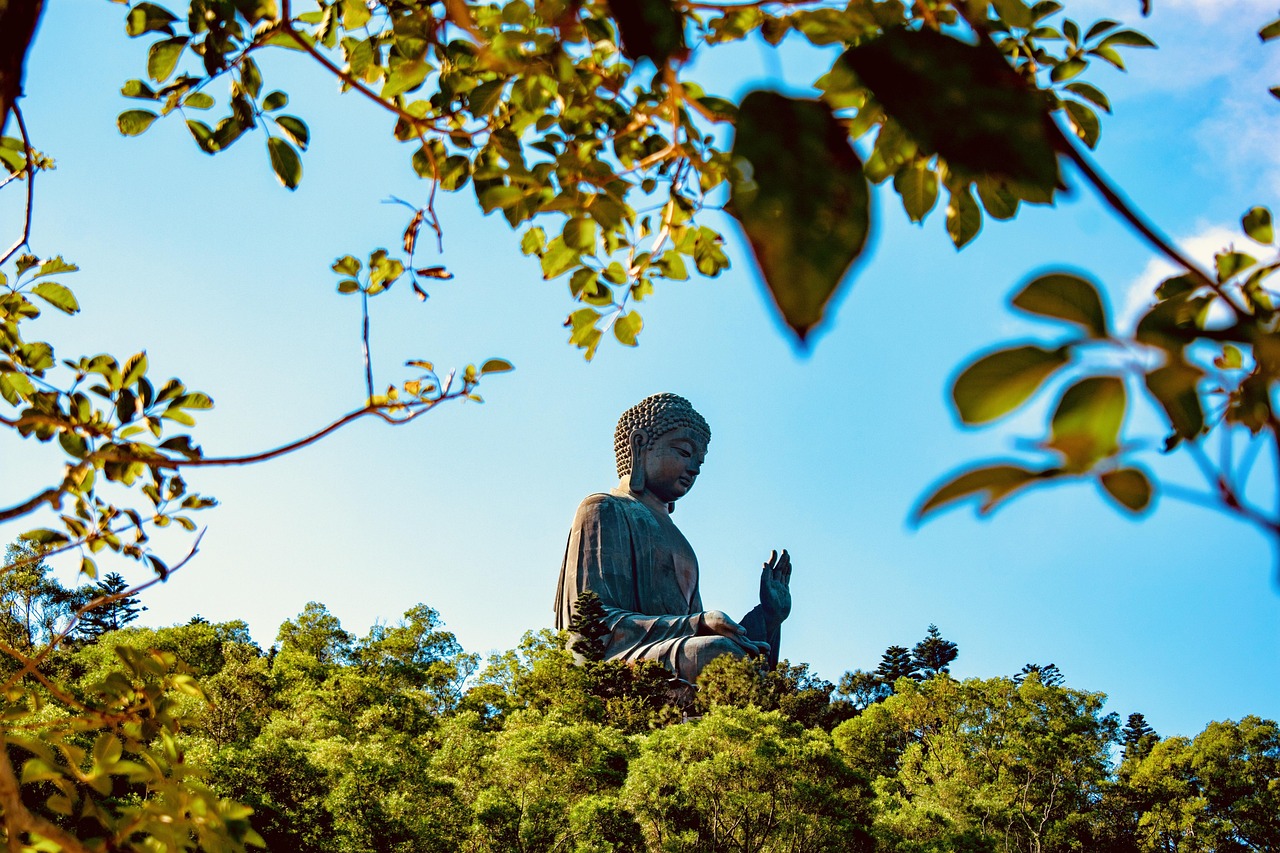
Temples and calm heritage attractions in Hong Kong
Some of the most moving attractions in Hong Kong are the quiet ones, where the city’s energy softens, and you can simply observe. For travellers who like context with comfort, a private cultural route is a gentle way to uncover meaning—without feeling unsure of etiquette or out of place. It’s also a beautiful counterbalance to shopping streets and rooftop bars, especially if you’re choosing what to prioritise on a first-time itinerary.
Man Mo Temple: a guided cultural visit in Central Hong Kong
A private guided visit here can be a beautifully grounding experience. Your guide will share insight into the deities, the symbolism of offerings, and the rhythm of local worship, so you’re not just “seeing” a sacred site—you’re understanding it. Keep your voice soft, move with care, and if you wish to greet, a slight bow is always respectful for a visit in Hong Kong that feels considerate and natural.
If incense is being offered, stand back and let locals move first; it’s a small gesture of trust that’s often met with quiet warmth. This is a simple, human way to connect with history while still keeping the day comfortable.
Wong Tai Sin Temple and a calm reset at Nan Lian Garden & Chi Lin Nunnery
For a different palette, add this site, known for colour, incense spirals, and a lively devotional atmosphere. It can feel energetic rather than hushed, so go earlier in the day if you prefer a calmer experience. Afterwards, reset at Nan Lian Garden, a classical Chinese garden designed for reflection, and continue next door to Chi Lin Nunnery for serene timber architecture and stillness.
In Kowloon, Kowloon Walled City Park offers another layer of heritage—landscape design that gently tells a complex story without overwhelming you. The park is an easy, restorative walk, and a reminder that Hong Kong’s blend of tradition and modern luxury is not a performance; it’s simply how the city lives.
Tai O Fishing Village day trip: Lantau Island, Big Buddha, and Po Lin Monastery
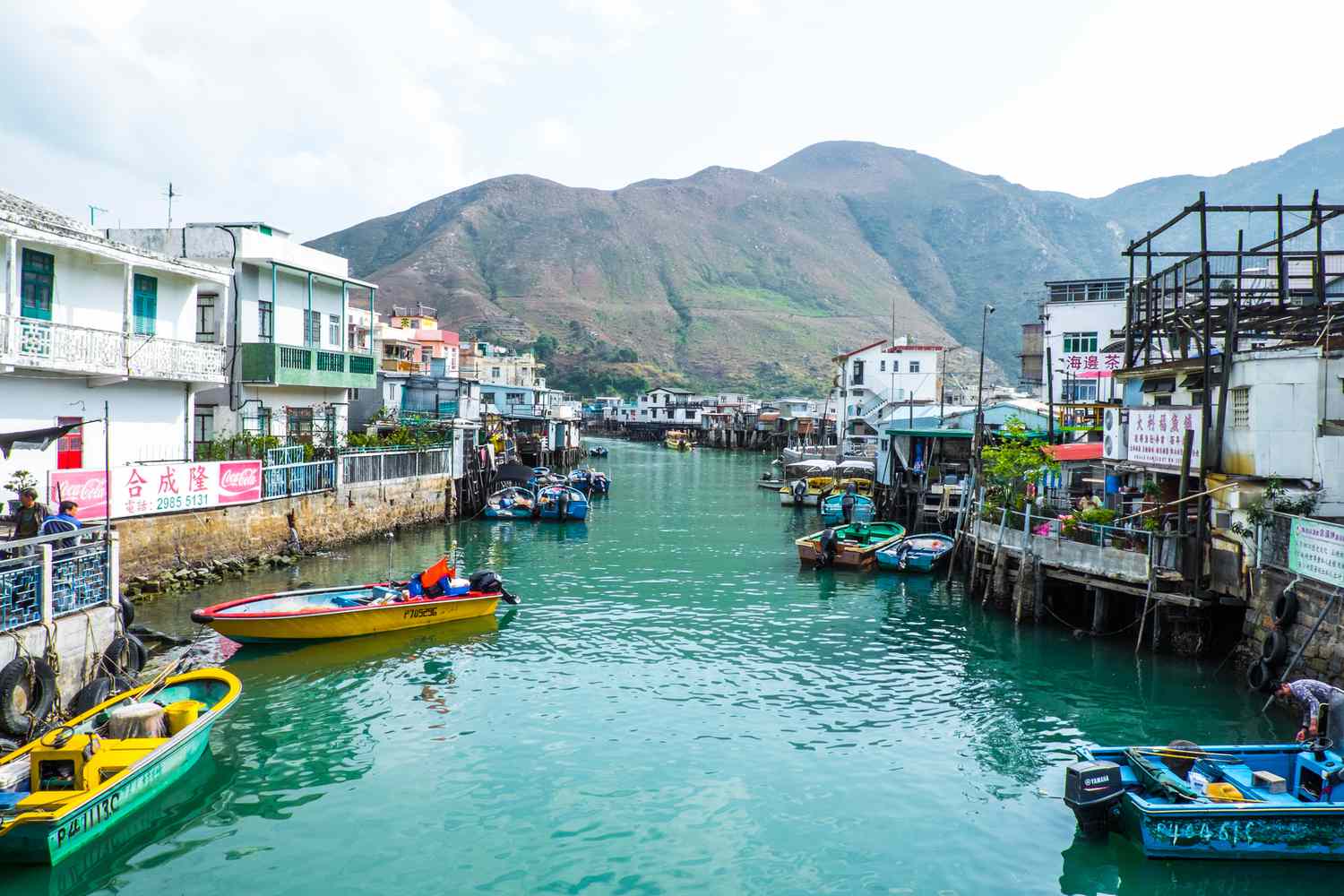
Lantau Island and Tai O Fishing Village as a luxury reset
When Hong Kong feels thrillingly intense, a luxury day trip to Tai O is a true reset. It’s still part of Hong Kong, yet it offers space, sea air, and a slower pace that can restore your sense of balance. Think of it as a crafted counterpoint to Central’s glamour and Kowloon’s after-dark energy, with Lantau providing breathing room.
Tai O Fishing Village: stilt houses, waterways, and local life with care
Tai O Fishing Village is famous for its stilt houses and waterways, but what stays with many travellers is the kindness. One visitor told us they arrived after a packed city week and immediately felt the mood change: locals chatted openly, sharing stories about fishing traditions and daily life, and the whole village felt welcoming rather than staged. It’s one of the most peaceful places in Hong Kong to slow down and simply notice details—wooden walkways, drying seafood, and small boats gliding past.
Bring some cash in Hong Kong dollars for snacks and small crafts, keep bargaining gently, and always ask before photographing people or homes. That little bit of respect builds confidence and helps you connect in a way that feels real.
Big Buddha and Po Lin Monastery via the Ngong Ping 360 cable car
Pair Tai O with the Big Buddha—also known as the Tian Tan Buddha—and Po Lin Monastery. Dress modestly (shoulders covered is a safe choice), wear comfortable shoes for steps, and allow time to pause rather than power through. The stillness here is a different kind of luxury: spacious, unforced, and genuinely restorative.
To make the journey part of the pleasure, ride the Ngong Ping 360 cable car. The cable car offers wide-open views, but visibility depends on the weather—mist can be magical, but if you want crisp panoramas, check the forecast and book a morning slot. Reserving in advance also means less queueing, greater ease, and a smoother return to the city.
- Timing: start early to keep the day unhurried, especially on weekends.
- Weather: summers are hot and humid; winters are mild and comfortable—pack layers accordingly.
- Optional photo stop: the Monster Building (Yick Cheong Building) is striking, but go at a quiet time and be mindful of residents.
Back in Hong Kong, you’ll feel the contrast more sharply—in a good way. The city’s shine lands differently after an island day that’s given you room to breathe.
F.A.Qs: Hong Kong luxury travel essentials
F.A.Qs: Hong Kong luxury travel essentials
Is Hong Kong worth visiting for tourists?
Yes—Hong Kong is exceptionally rewarding if you enjoy contrast: harbour views, high design, heritage, and world-class dining in one compact city. For luxury travellers, it’s easy to create a seamless stay with private guides, refined hotels, and standout experiences such as Victoria Peak and a harbour cruise, while still enjoying genuinely local moments.
What should I not miss in Hong Kong?
Don’t miss Victoria Peak for a skyline panorama, time on the water via the cross-harbour ferry or a private cruise, and at least one cultural stop for depth. Add a high-end Cantonese meal (including dim sum), and a calmer day outside the city centre—Tai O is ideal if you want a softer, local feel.
Which luxury brand is cheaper in Hong Kong?
Prices vary by season, exchange rates, and stock, so there’s no single brand that’s always cheaper. Hong Kong is strong in certain designer items and cosmetics, especially during promotions, but the real luxury advantage is access: flagship boutiques, excellent service, and the ability to easily compare across Central and Causeway Bay.
How do I say “hi” in Hong Kong?
You can say “hi” or “hello” in English, and it’s widely understood. In Cantonese, a common greeting is “néih hóu” (你好). In more traditional settings, such as a temple or meeting someone older, a small, respectful nod or slight bow alongside a greeting is a warm, polite touch.
What stays with you after Hong Kong: a luxury reflection on the best things to do
In the days after a luxury travel reflection, it’s rarely the schedule you remember. It’s the soft hum of the ferry engines, the hush inside a heritage sanctuary, and the way the towers glow as if lit from within. Hong Kong is one of those cities that leaves you with a gentle sense of possibility rather than a single, fixed story.
You might find yourself recalling small, personal moments: a shared laugh on deck as the harbour breeze changed, or the calm confidence of knowing exactly where you were without checking your phone. Perhaps it’s the scent of incense caught in your hair, or the way a doorman in Central offered quiet support when the street felt busy. Even the longest outdoor covered escalator system becomes a memory of movement—Hong Kong lifting you, quite literally, into another perspective.
And then there’s Tai O: the light on the water, the stilt-house stillness, the local stories offered without performance. Those are the moments that build trust in a place and in your own choices as a traveller. Not everything needs to be loud to be luxurious; sometimes luxury is simply being looked after, together, in a city that holds contrast—bright signs and stillness, heritage and high design—without forcing you to choose.
Long after you’ve left, you may catch yourself imagining a return: not to repeat the same journey, but to discover a different angle, a different mood, at exactly the right time.