Post Contents
- Kyoto City Essentials for a First Visit – Kyoto city travel guide, itinerary basics, and best time to visit Kyoto
- Temples and shrines you must see in Kyoto – Kinkaku-ji, Fushimi Inari Shrine, and Kiyomizu-dera
- Arashiyama Bamboo Grove and the art of stillness – bamboo forest walk and Kyoto attractions
- Gion evenings – tea ceremonies, geisha district etiquette, and traditional Kyoto culture
- Kaiseki, Nishiki Market, and a crafted itinerary – a top thing to do in Kyoto with food, flow, and a day trip
- After Kyoto: what stays with you – travel memories, best places to see, and gentle reflections
- F.A.Qs: Kyoto Japan tourist spots
Kyoto City Essentials for a First Visit – Kyoto city travel guide, itinerary basics, and best time to visit Kyoto
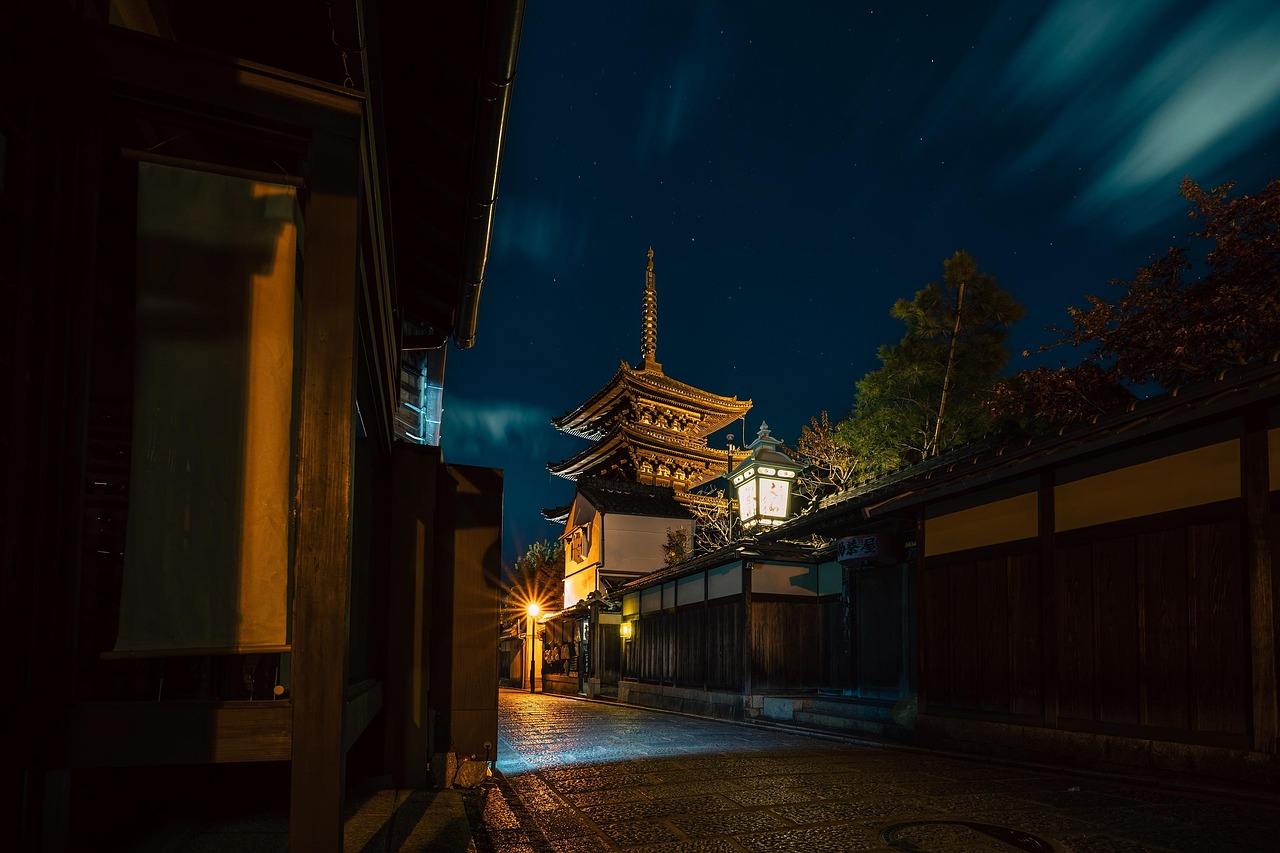
Kyoto city essentials for a first visit: a calm street scene near traditional architecture
This Kyoto travel guide to Kyoto Japan tourist spots starts with one reassuring truth: you don’t have to do everything to understand Kyoto. For a first visit, focus on a few anchor experiences—one temple morning, one shrine walk, one evening in Gion—and let the rest of the city of Kyoto reveal itself between plans. Kyoto and Japan sit together beautifully; pairing Kyoto with Tokyo creates contrast without chaos.
If this is your first time in Japan, many high-end travellers split their japan travel days with intention: 3–5 nights in Tokyo (the capital of Japan) for contemporary culture, then 3–5 nights in Kyoto for gardens, craft, and a traditional Japanese atmosphere. The Tokyo-to-Kyoto transition is smooth on the shinkansen, and it’s often one of the best things you can do for your own energy—your time in Japan feels balanced when Kyoto becomes your exhale. If you’re planning a trip to Japan with limited energy for logistics, ask your hotel for japan travel tips like baggage-forwarding so you arrive lighter and calmer.
Best time to visit Kyoto: time to visit, seasons, and how crowds really feel
The best time to visit Kyoto is typically spring (March to May) for cherry blossoms and autumn (October to November) for colour, crisp air, and luminous evenings. These are also the most popular Kyoto periods, so a headline attraction in Kyoto can feel busy—yet Kyoto still rewards travellers who schedule with care. If you’re choosing the best time to visit Kyoto for photography, aim for weekday mornings when streets and temple paths feel quieter.
In spring, consider that a sudden shower is part of the story; pack a compact umbrella and enjoy the reflective light on stone lanes. In autumn, morning air can be cool, so a light layer helps you linger longer in a temple garden without thinking about the temperature. The most comfortable time to visit is often early in the morning, when you can hear water, gravel, and birds before the city fully wakes.
Kyoto Station confidence: JR Kyoto Station arrival, transfers, and getting around
Arriving via Kyoto Station is straightforward, and JR Kyoto Station is well-signed, with taxis, hotel drivers, and train lines close at hand. For a seamless first arrival after Tokyo, a private transfer is the calmest option—especially if you have luggage or a tight dinner booking—while trains are efficient if you’re travelling light and enjoy the rhythm of public transport. If you’re building an itinerary, note that Kyoto Station is also a useful hub for short regional hops.
Within Kyoto, buses and trains cover most places to visit in Kyoto, but the city’s real luxury is pacing. Consider a sightseeing pass if you’ll be using buses multiple times daily, and keep a taxi app ready for evenings when you’d rather glide back than navigate platforms. Many travellers choose to visit Kyoto with a simple rule: plan one main stop, then leave space for neighbourhood walking and small discoveries.
Where to stay in Kyoto: Gion, Higashiyama, or Arashiyama for slower mornings
Where you stay in Kyoto shapes your days and the kind of temple or shrine visit you can do before breakfast. Gion and Higashiyama feel like traditional Kyoto: lantern-lit lanes, easy access to a temple gate at opening time, and elegant evenings. Arashiyama is softer and greener, ideal if you want to wake near the bamboo forest and the river, with more breathing room between stops.
For luxury, you’ll find design-led hotels with strong concierge support, as well as discreet ryokan where the rituals—tea on arrival, quiet hallways, thoughtful seasonal details—become part of the travel guide experience. Choose based on your itinerary: if you’re planning early starts at major temple sites, stay central; if stillness is the priority, consider Arashiyama and build in gentle transit. If you only stay in Kyoto for a short window, pick one base and avoid hotel-hopping so your mornings remain calm.
Finally, a note on etiquette that gives real confidence: remove shoes in many temple spaces and traditional Japanese interiors, keep voices soft, and treat photo moments as shared space. In Kyoto, manners aren’t rules—they’re a form of care that lets everyone experience the calm together. This small awareness is one of the best places to start when you visit in Kyoto for the first time.
- Planning tip: Spring rain is common—carry rain gear so you can continue your tour of Kyoto without stress.
- Movement tip: Combine trains with short taxi rides to keep your time in kyoto feeling unhurried.
- Comfort tip: Choose footwear you can slip on and off easily for temple visits and shrine courtyards.


Temples and shrines you must see in Kyoto – Kinkaku-ji, Fushimi Inari Shrine, and Kiyomizu-dera
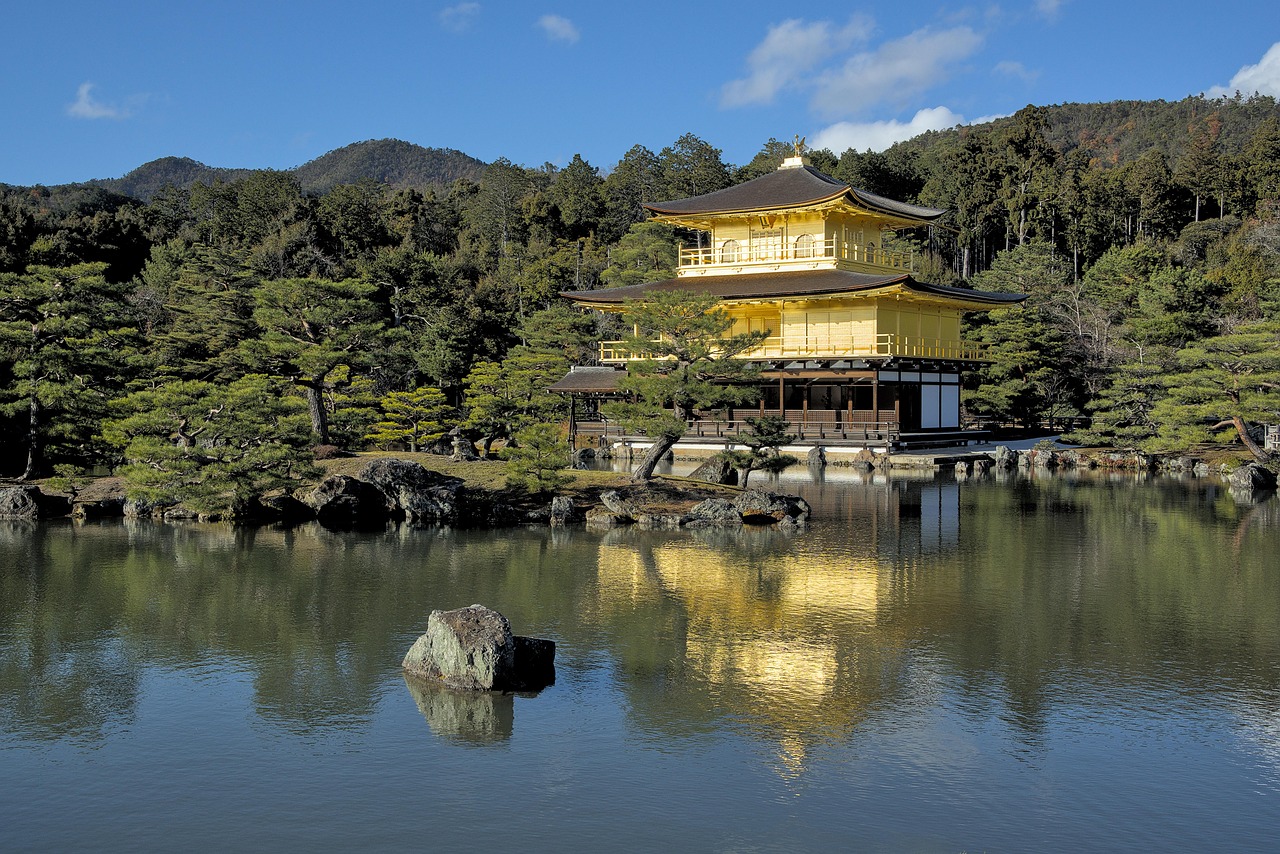
Iconic Kyoto temples and shrine scenery: Kinkaku-ji glowing over its pond
Looking for the best things in Kyoto? Start with the holy trinity of Kyoto icons: one temple that feels like a painting, one mountain shrine path, and one panoramic viewpoint temple. With smart timing and a light itinerary, you can experience Kyoto’s landmark temple and shrine sites without feeling pushed along by the crowd. The secret is pacing: arrive early, move gently, and let each temple moment land before you hurry to the next.
Kinkaku-ji: a Kyoto bucket list temple with golden reflection light
Kinkaku-ji is a Kyoto bucket list vision—gold leaf catching the light, mirrored by the pond, framed by planting that shifts with the seasons. It’s a well-known Kyoto scene, but it still feels intimate if you arrive early in the morning and let the water settle before the pathways fill. One traveller told me it’s one of the best moments of their Kyoto trip: less “sightseeing,” more stepping into a private painting.
That early hour matters: the light is gentler, the paths are calmer, and your pictures of Kyoto gain a quiet clarity. Admission is roughly 400 yen, and it’s worth arriving before the first tour groups so the temple grounds feel spacious. If you’re collecting best things to see in Kyoto, this is the easiest temple win for atmosphere with minimal planning.
Fushimi Inari Taisha: torii gates, forest steps, and Fushimi Inari Shrine paths
Fushimi Inari Taisha—often called the Fushimi Inari shrine—is one of the most iconic shrine experiences in Kyoto, set south of kyoto. The vermilion torii gates form a rhythmic tunnel that winds up the mountain; as you climb, the city noise drops away and the air feels cooler. The lower entrance is the busiest, but the experience changes quickly as you continue upward.
What to expect: the first stretch has the tightest clusters of torii gates and the biggest photo moments. If you continue higher, the path thins and becomes more contemplative; the shrine atmosphere turns inward, and it’s easier to hear footsteps, leaves, and distant birds. Fushimi Inari is free, and one of the best things you can do is walk just 20–30 minutes beyond the main crowd for a calmer shrine rhythm.
Kiyomizu-dera completes this trio of essential temple experiences—perched views, layered rooftops, and an energy that’s unmistakably Kyoto. To keep it comfortable, visit near opening or later in the afternoon; you’ll still enjoy the classic viewpoint, but with fewer shoulder-to-shoulder moments. Inside any temple, follow the gentle rules: step aside before taking photos, keep your voice low, and let others pass without turning the walkway into a studio.
For travellers who value ease, a private guide or driver can create a seamless morning: Kinkaku-ji early, then a calm transfer to another temple, then a short pause for coffee or a garden stroll before crowds peak. If you prefer flexibility, anchor one must-do and leave the rest adjustable—Kyoto rewards those who keep the day light. If you’re tracking temples in Japan in a broader japan trip, Kyoto’s concentration of craftsmanship makes these stops feel especially meaningful.
- Pre-book (for support): a private guide on peak blossom days, and a driver if mobility or time is a priority.
- Flexible (choose on the day): how far to walk at Fushimi Inari, and which small temple gardens you linger in.
- Do not rush: allow a quiet pause after each shrine or temple—Kyoto is complete without hurry.
Arashiyama Bamboo Grove and the art of stillness – bamboo forest walk and Kyoto attractions
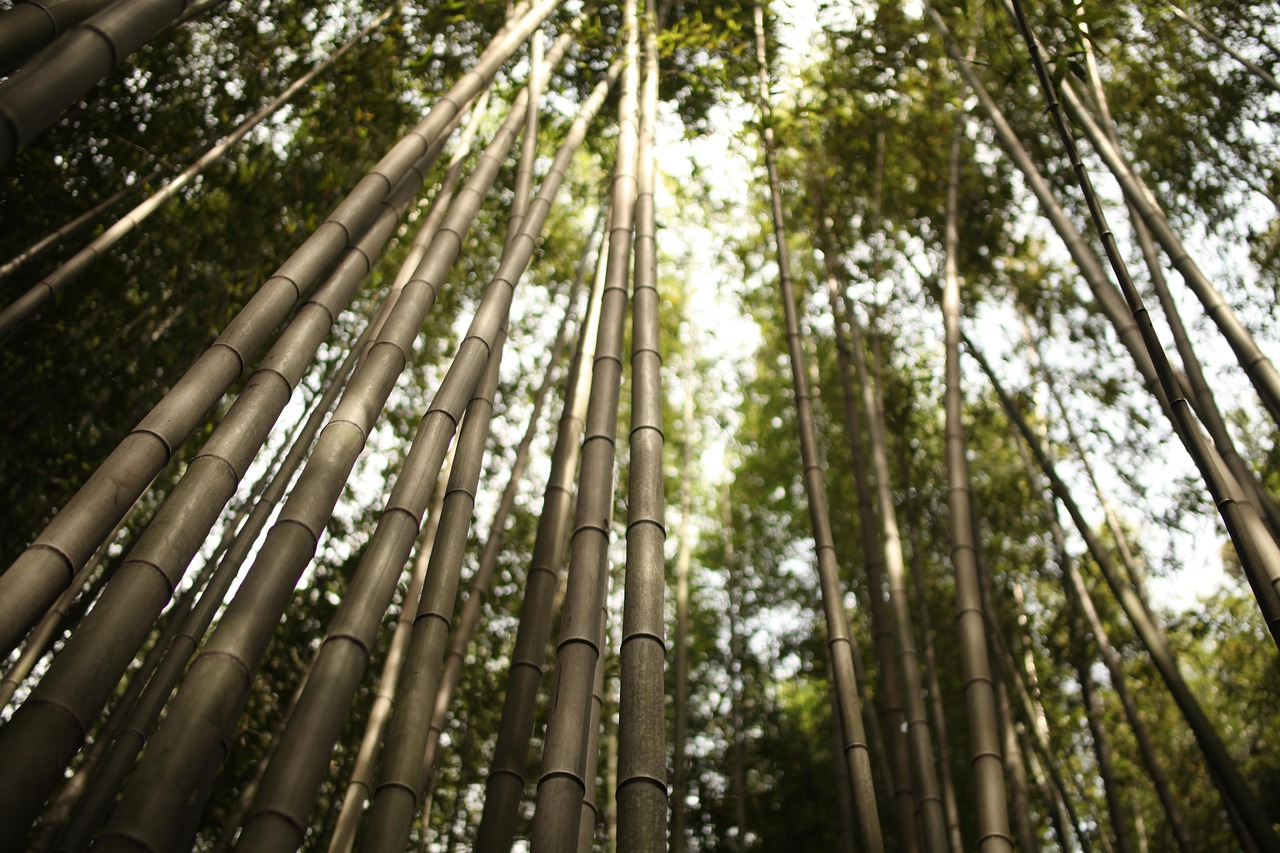
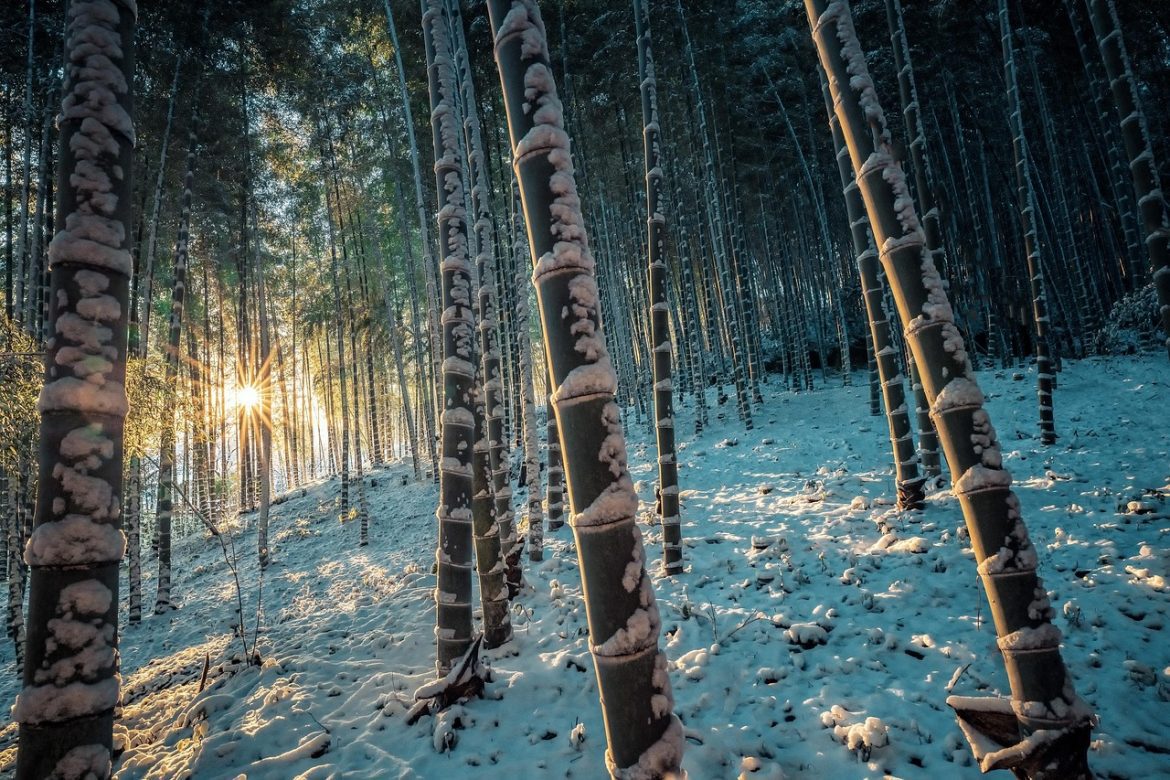
Arashiyama Bamboo Grove in soft light: a bamboo forest walk that resets the senses
The Arashiyama Bamboo Grove is more than a photo stop—it’s a sensory reset and one of the most photographed Kyoto attractions for a reason. Step into arashiyama bamboo and you’ll feel the temperature change: cool shade under tall stalks, then warm sunlight filtering through in bright ribbons. Even though it can feel far from Kyoto’s busiest streets, the grove is easy to reach and simple to pair with a temple garden nearby.
An art enthusiast once described walking the bamboo forest as unexpectedly meditative, noticing how sound changes between the stalks. That insight is worth carrying: slow your stride, soften your gaze, and let the place do what it does best—settle you. If you want unique things in a popular Kyoto itinerary, this is a quiet win that doesn’t require tickets.
How to explore Arashiyama bamboo beyond the headline spots
The main grove can be busy, but Arashiyama is generous if you explore. Take a side lane when you see one; you’ll often find quieter pockets where the bamboo still frames the sky but without the constant flow. Pair the grove with a nearby temple stop for balance—bamboo for awe, a temple courtyard for calm geometry, and a short shrine detour if you want a softer, local feel.
Along the river, you’ll uncover a different Arashiyama mood: open water, wide views, and the simple pleasure of sitting without an agenda. This is where high-end travel becomes personal—your day isn’t just about what you see in Kyoto, but how you feel while seeing it. For many, it becomes one of the best places to slow down after a temple-heavy morning.
Timing, photos, and a gentle half-day design in Arashiyama
For the calmest experience, go early in the morning; for softer light and fewer harsh shadows, late afternoon works beautifully too. If you’re taking photos, step to the side and keep pathways clear—this is a small kindness that helps everyone enjoy the bamboo forest. A short temple pause after the grove also helps you transition from “camera mode” back into presence.
Comfort details matter. Wear shoes you can walk in for a couple of hours, carry water, and keep your half-day intentionally spacious so you can pause when something catches your attention. A gentle plan could be: bamboo grove, a temple visit, then tea by the river—crafted, not crowded, and still very much in keeping with traditional Japanese ease.
If you’d like unique things to see nearby, look for a lesser-known garden lane where locals pass quietly between homes and greenery. It’s not a headline attraction; it’s one of the most unique details that makes Kyoto feel like a place in Japan you’ve actually met, not just visited.
Gion evenings – tea ceremonies, geisha district etiquette, and traditional Kyoto culture
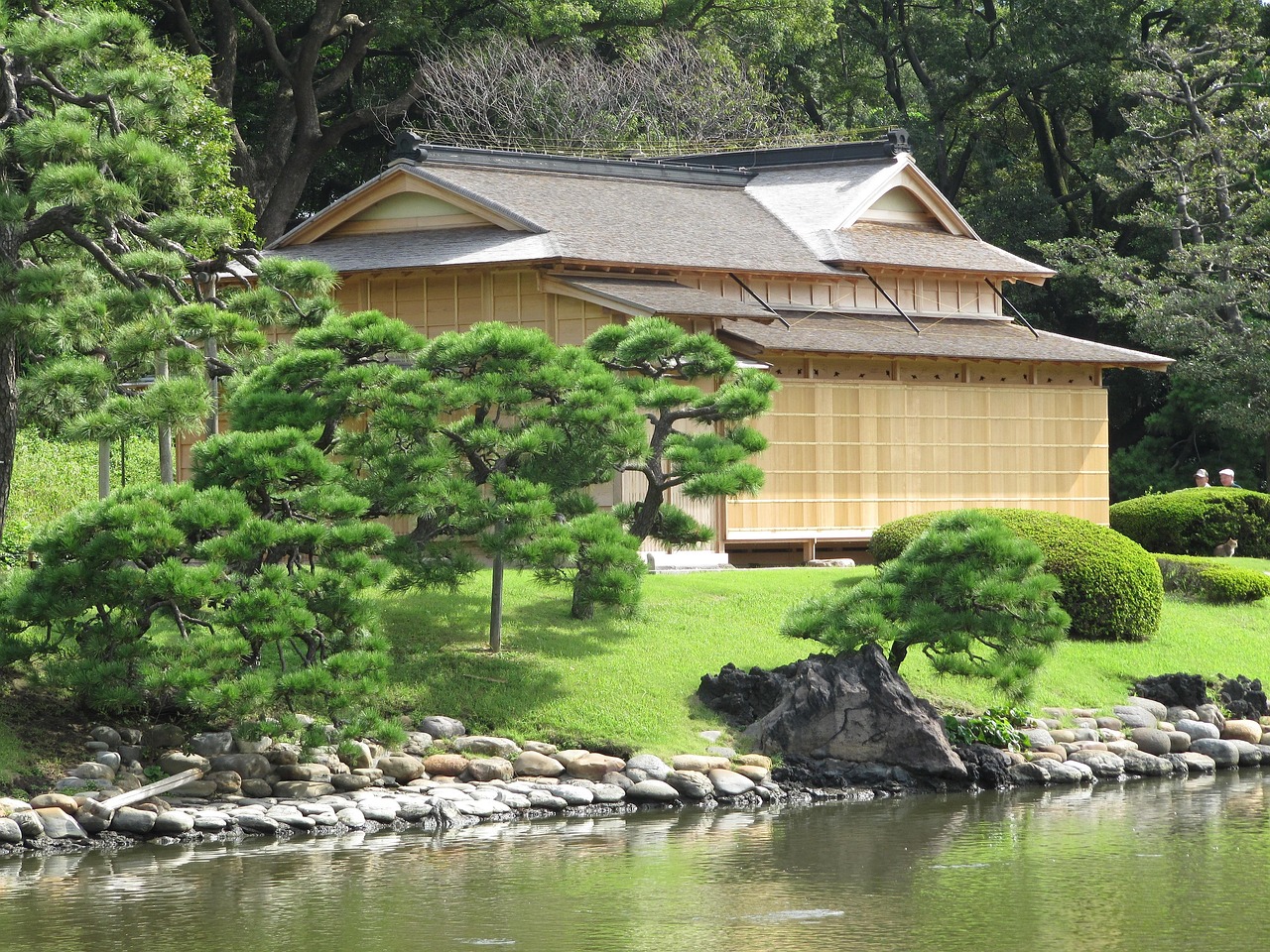
Gion at night: lantern-lit lanes, tea ceremonies, and traditional Kyoto atmosphere
Gion experiences unfold best at night, when the streets glow and the pace slows. Gion is not a museum set; it’s a living neighbourhood where artistry, work, and tradition continue with quiet pride. For many travellers, an evening here becomes one of the best things to do in Kyoto because it adds human texture to temple and shrine days.
Gion: how to explore the geisha district respectfully (without intrusive photos)
When you explore the geisha district, let respect lead. Avoid intrusive photography, don’t block narrow lanes, and never follow or call out to working performers. Kyoto’s warmth is often subtle: you’ll feel it in the way doors close softly, in the gentle distance people give one another, and in the shared trust of keeping the atmosphere intact.
Speak quietly, especially near a temple or shrine entrance, and remember that discretion is part of luxury here. If you want a meaningful encounter, choose settings where conversation is invited rather than taken; a trusted concierge can point you to appropriate venues that value privacy and tradition.
Private tea ceremonies in a historic teahouse: what to expect and what to wear
Private tea ceremonies offer exactly that: a place where your presence is welcomed and guided with care. In a historic teahouse, you’ll learn the shape of the ritual—how the room is prepared, how the bowl is turned, how the sweet balances the matcha. Pricing often ranges from 3,000 to 6,000 yen depending on setting and language support, and it’s a beautiful way to experience traditional Japanese detail without needing deep prior knowledge.
What to wear: smart, comfortable clothing that lets you sit easily. You don’t need to overthink it; the goal is to feel relaxed, so the ceremony can become personal. If you’re staying in Kyoto in a ryokan, your host may help arrange tea with an expert who explains the gestures with insight—Kyoto to learn through ritual, not performance.
A couple once told me about an unforgettable evening in Gion where they met a geisha who graciously explained the history and artistry behind her attire and performance. It wasn’t staged or showy; it was human, precise, and generous—one of those experiences in Kyoto that stays with you because it deepens understanding rather than collecting proof.
For dinner planning, pair tea with an early reservation (to keep the night gentle) or a later seating (to let the lanes settle first). A good concierge or fixer can support the bookings, especially in peak seasons, so you can move through Kyoto with confidence instead of checking your phone every few minutes. For travellers comparing Tokyo and Kyoto evenings, Gion offers a quieter kind of energy—still vibrant, just more restrained.
- Quiet luxury manners: keep voices soft, step aside for locals, and treat Gion as a neighbourhood first.
- Booking care: reserve tea ceremonies and top restaurants well ahead, particularly on weekends and in blossom season.
- Photo etiquette: ask before photographing in private spaces; never obstruct a narrow street for a shot.
Kaiseki, Nishiki Market, and a crafted itinerary – a top thing to do in Kyoto with food, flow, and a day trip
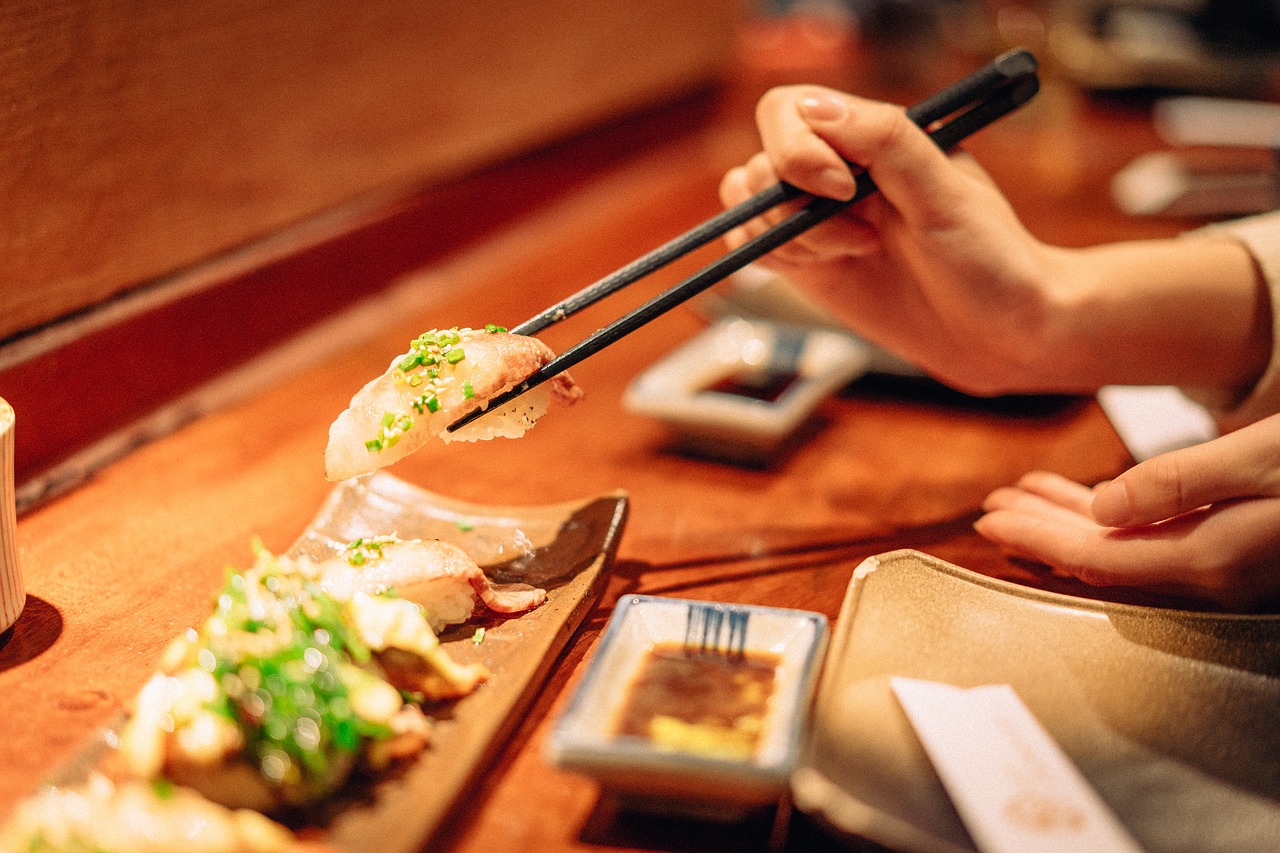
Kaiseki and market tasting in Kyoto: seasonal Japanese cuisine and curated stops
Food-led planning becomes effortless when you treat flavour and flow as part of the design. For many travellers, kaiseki or a guided market tasting is one thing to do in Kyoto that instantly connects you to place, season, and craft. Kyoto dining isn’t only delicious—it’s cultural, seasonal, and deeply rooted in local producers, a form of storytelling you taste course by course.
Kaiseki dining: art, seasonality, and local insight (including Michelin planning)
Kaiseki is often misunderstood as simply “many small plates.” In Kyoto, it’s a crafted sequence: light beginnings, seasonal transitions, textures that build and release, and presentation that honours nature without being fussy. A food lover once described a kaiseki meal as more than dining—a cultural immersion told through delicate flavours and elegant plating. That’s the right frame: you’re not rushing through courses, you’re letting the chef guide you.
If Michelin-starred restaurants are on your list, book well in advance and lean on hotel support. Kyoto reservations can be strict, and your experience is better when you arrive calm, on time, and ready to enjoy rather than negotiate. This kind of planning is one of the best travel guide habits for a smooth trip to Kyoto.
Nishiki Market: a polished high-low contrast to temple and shrine quiet
Nishiki Market gives you a bright, delicious contrast to hushed temple spaces and shrine courtyards. Go early for space and easier navigation, and treat it like a curated tasting rather than a chaotic snack run. With a private guide, you can uncover standout producers—pickles, tofu, crisp tempura bites—without losing your rhythm in the crowd.
For high-end travellers, the trick is knowing when to stop. Take a few intentional tastes, then step away for a sit-down tea or a quiet courtyard, so the market energy doesn’t overwhelm the day. If you’re sensitive to crowds, this is also a simple itinerary win: market early, then temple later.
A luxury-leaning itinerary framework for full days in Kyoto
A strong itinerary balances iconic temple sites with slower interludes—think in pairs: one big stop, one soft pause. This keeps full days feeling expansive rather than packed, and it allows space for the interesting things you can’t schedule: an incense scent near a shrine gate, a garden you wander into by chance, a small shop where someone helps with directions. If you have 3–4 days in kyoto, this approach prevents burnout while still covering best places.
Here’s a framework you can adapt with your hotel team or a private guide (a simple Kyoto itinerary that still feels luxurious):
- Morning: one major temple or shrine (timed early), then a garden stroll or café pause.
- Midday: a curated Nishiki Market visit or a light lunch, then a restful return to your hotel.
- Afternoon: a quieter district walk from Kyoto’s busiest axes—think lanes, canals, and small temple courtyards.
- Evening: Gion wander, tea, or kaiseki depending on your energy.
Philosopher’s Path: cherry blossoms, temple lanes, and dreamscape calm
The Philosopher’s Path during cherry blossom season can feel like stepping into a dreamscape. Petals drift into the canal, locals gather for hanami picnics, and the mood becomes quietly celebratory. To make it gentler, walk early on a weekday or choose a light rain day when the crowds thin and the air feels clean.
To round out your choices without turning Kyoto into a checklist, consider a few curated extras. Kyoto Imperial Palace offers serenity and scale, with a more spacious feeling than some tight temple routes. The Kyoto International Manga Museum adds a modern cultural note that pairs well with traditional Kyoto, especially if you enjoy design and illustration. And if you want a day trip, a gentle day trip to nara is an easy trip from kyoto—Nara sits next to Kyoto and feels like a soft expansion rather than a “must.” You can browse inspiration in our Trip gallery and imagine a rhythm that suits your own style.
However you shape it, the goal is the same: a trip to Kyoto that feels seamless, personal, and full of trust in your own pace. Over time, many travellers come back to Kyoto to deepen the details—fewer icons, more neighbourhoods, and a slower confidence in what they truly enjoy.
After Kyoto: what stays with you – travel memories, best places to see, and gentle reflections
Kyoto travel memories are often made of contrasts you don’t notice until you’re home again. The gold light on water at Kinkaku-ji, the hush that gathers under torii gates, the way a temple garden teaches your eyes to slow—these details settle somewhere deeper than your camera roll. It’s easy to list Kyoto attractions, but harder (and more valuable) to notice what changes in you.
What lingers is rarely the number of shrines or how many temple steps you climbed. It’s the moment you shared stillness together, the local kindness that arrived just when you needed it, the feeling of being gently guided without being hurried. Even the taste of a crafted meal can return unexpectedly, like a remembered scent on a coat sleeve.
Kyoto changes with the seasons, and it changes with you. The Kyoto you meet on a first time in Kyoto visit won’t be the same Kyoto you uncover years later, when you return with a different kind of curiosity. You might even find yourself saying you love Kyoto not because you “did it all,” but because you learned to do less, better.
And perhaps that’s the real gift: long after you’ve left, Kyoto remains an inner landscape—waiting, softly, for the next time you find yourself listening for it. When you plan your next Kyoto travel guide chapter, choose the best places to see based on mood, not popularity, and allow a slow walk from Kyoto into quieter lanes where the city feels most personal.
F.A.Qs: Kyoto Japan tourist spots
What is Kyoto Japan best known for?
Kyoto is best known for its historic temple landscapes, refined shrine sites, and traditional Japanese culture—think tea, gardens, and seasonal cuisine. It’s a place in Japan where heritage feels lived-in rather than preserved behind glass, from quiet temple courtyards to evening streets in Gion. Many travellers also come for cherry blossoms and autumn colour, when Kyoto’s scenery feels especially poetic.
What are the top 5 things to see in Kyoto on a first visit?
Many visitors start with Kinkaku-ji, Fushimi Inari Taisha (for the torii gates), and Kiyomizu-dera for classic views. Add the Arashiyama Bamboo Grove for a sensory walk through bamboo forest light and shade, then finish with an evening in Gion—ideally with tea ceremonies or a respectful stroll. These cover iconic Kyoto Japan tourist spots while still leaving room to slow down.
What is nicer, Osaka or Kyoto for a Japan trip?
Osaka and Kyoto offer different pleasures, and “nicer” depends on your mood. Kyoto feels calmer, with temple and shrine experiences, gardens, and a traditional Kyoto atmosphere; Osaka is livelier and more urban, known for food, nightlife, and energy. Many travellers enjoy both by basing in Kyoto and taking a short train to Osaka when they want a brighter, modern contrast.
What not to miss in Kyoto if you want the best things to see?
Don’t miss an early visit to a major temple like Kinkaku-ji for softer light and fewer crowds, and make time for the Fushimi Inari shrine paths beyond the busiest entrance. In the evening, Gion offers a rare glimpse of living tradition—best enjoyed quietly, without intrusive photography. Finally, plan at least one exceptional meal, such as kaiseki, to experience Kyoto’s seasonality and craft in a deeply local way.