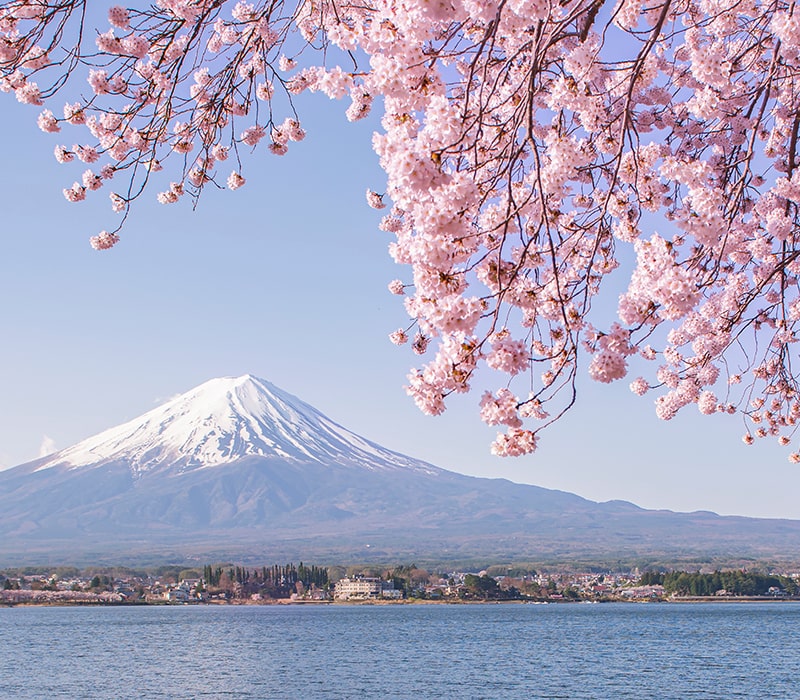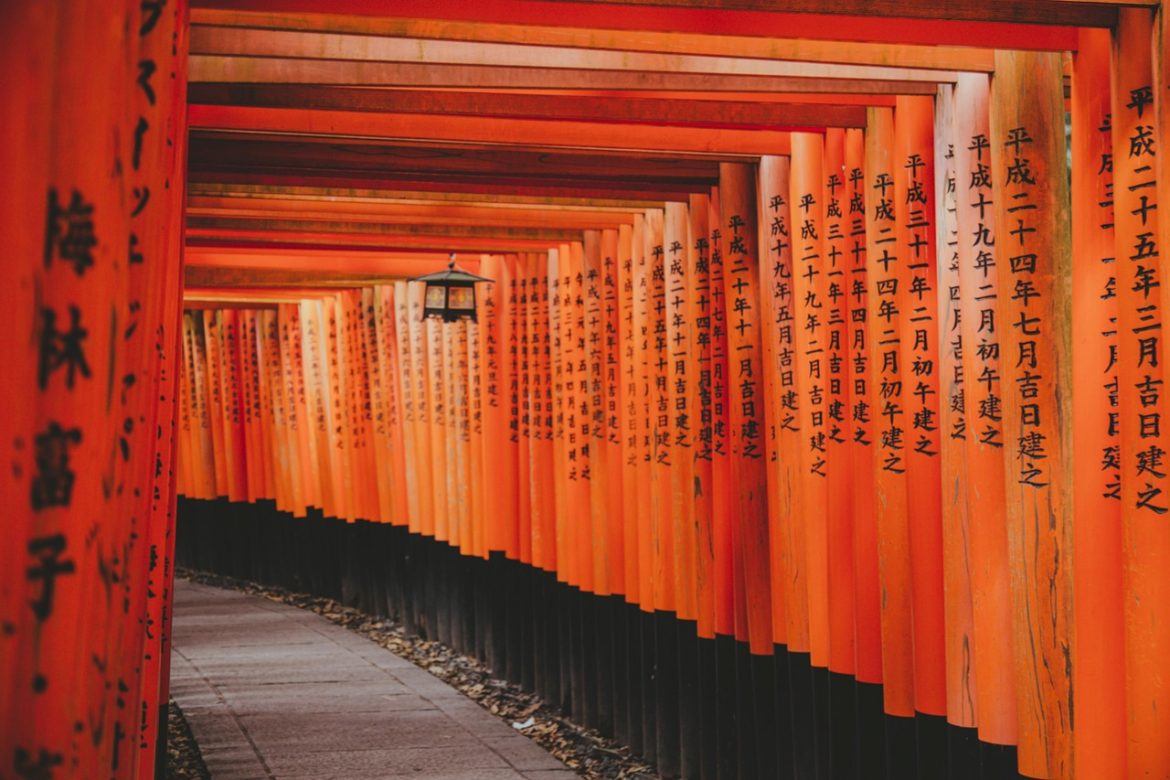
Post Contents
- Places to Go in Kyoto Japan for a First Visit: Kyoto travel planning, Kyoto itinerary ideas, and days in Kyoto made simple
- Best Things to See in Kyoto: iconic temple landmarks, unique temples, and gardens in Kyoto (Kinkaku-ji, Kiyomizu-dera, Imperial Palace)
- Top Things to Do in Kyoto: Fushimi Inari shrine walk, torii gates at dawn, and a thing to do in Kyoto that feels timeless
- Traditional Kyoto in Gion: tea ceremonies, geisha etiquette, and quiet streets near temple lanes
- Stay in Kyoto: luxury ryokan comfort, kaiseki dining, and Nishiki Market tasting routes
- What Kyoto leaves with you after Japan: reflection, places to visit in Kyoto, and returning for more
- F.A.Qs: Kyoto travel guide essentials
Places to Go in Kyoto Japan for a First Visit: Kyoto travel planning, Kyoto itinerary ideas, and days in Kyoto made simple
For places to go in Kyoto Japan on a first visit, a calm Kyoto itinerary is the difference between rushing and truly arriving—especially when you’re deciding how many days in Kyoto to build into your trip to Kyoto. Kyoto is often described as the cultural heart of Japan, while Tokyo remains the capital of Japan; understanding that contrast helps you plan your time in Japan and your overall japan travel rhythm with confidence. Kyoto isn’t trying to impress you loudly—it invites you to slow down, notice craft, and let each temple or shrine moment land properly.
Kyoto Travel for a First Visit Designing a Seamless Start
If this is your first time in Japan, it helps to picture Kyoto as a collection of neighbourhood “worlds” rather than a single checklist of Kyoto attractions. Kyoto city is compact, yet the pace changes street by street—one corner modern, the next a lantern-lit lane leading to a centuries-old temple, a small shrine, or a garden that feels far from Kyoto’s busiest avenues. Designer Journeys’ approach is to create a calm framework first, then layer in signature experiences in Kyoto that feel personal and best visited with the right timing.
Best time to visit Kyoto: time to visit, best time to visit Kyoto, and a calm days in Kyoto framework
The best time to visit Kyoto is often spring (March to May) for blossom walks and crisp mornings, or autumn (October to November) for glowing foliage and softer light. In cherry blossom season, the atmosphere is undeniably romantic—yet it’s also the moment when Kyoto can feel most popular Kyoto for locals and tourist groups alike. If you value serenity, we design earlier starts and thoughtful breaks so your time to visit feels generous, not demanding, and so the best time to visit Kyoto matches your style of travel.
Here’s a simple way to shape your time, whether you have a short stay or you’re leaning into slower luxury and more time in Kyoto:
- 1–2 days: focus on 2–3 signature temple and shrine areas (for example, a Higashiyama temple walk plus a morning in Arashiyama) and keep evenings free for atmosphere.
- 3–4 days: add Fushimi Inari at dawn, Gion tea ceremonies, and a market tasting walk—plus a “quiet hour” daily for a garden, a temple courtyard, and a café.
- 5+ days: design a rhythm with one highlight each day, then explore small streets, artisan studios, a temple that’s a hidden gem, and one of the most unique moments chosen by mood, not hype.
Whichever pace you choose, the most meaningful Kyoto memories usually arrive in the pauses: the hush before a temple opens fully, the sound of water in a stone basin at a shrine, and the way your shoulders drop in a garden.
Arriving via Kyoto Station (JR Kyoto Station) and moving around Kyoto city with ease
Most travellers enter through Kyoto Station (often called JR Kyoto Station)—a modern gateway that makes Kyoto surprisingly accessible for a japan trip. If you’re coming from Tokyo, the shinkansen is the smoothest link on a trip to Japan; from Osaka, which sits next to Kyoto, it’s often a quick local hop. Tokyo can feel far from Kyoto on a map, but the rail connection makes it easy to be back to Kyoto for dinner the same day if you want a split-city plan.
To move around Kyoto, public transport is efficient and—often—more elegant than taxis on narrow historic lanes. Buses connect the temple districts well, while trains are excellent for Arashiyama and Fushimi Inari. Taxis can still be useful for evening returns or when dressed in kimono, but they may crawl in peak traffic and cannot always access tight streets near a shrine approach.
Travel tips that protect your calm (top tip: plan your starts first, not your stops): begin early in the morning at well-known Kyoto icons, pre-book premium experiences (private guiding, tea ceremonies, refined dining), and build in restorative breaks. This is not about doing less—it’s about doing the right thing to do in Kyoto at your own pace, with trust that the city of Kyoto will meet you there.
Finally, a gentle etiquette primer goes a long way. Remove shoes where indicated, keep voices soft in a temple hall, and allow space for prayer at a shrine. That simple care is noticed—and it often returns to you as a warmer welcome, especially in smaller temple spaces.
If you’re collecting inspiration for a broader japan travel guide, you can browse our Trip gallery and imagine how Kyoto can sit beautifully alongside Tokyo, Osaka, and other places in Japan around Kyoto.


Best Things to See in Kyoto: iconic temple landmarks, unique temples, and gardens in Kyoto (Kinkaku-ji, Kiyomizu-dera, Imperial Palace)
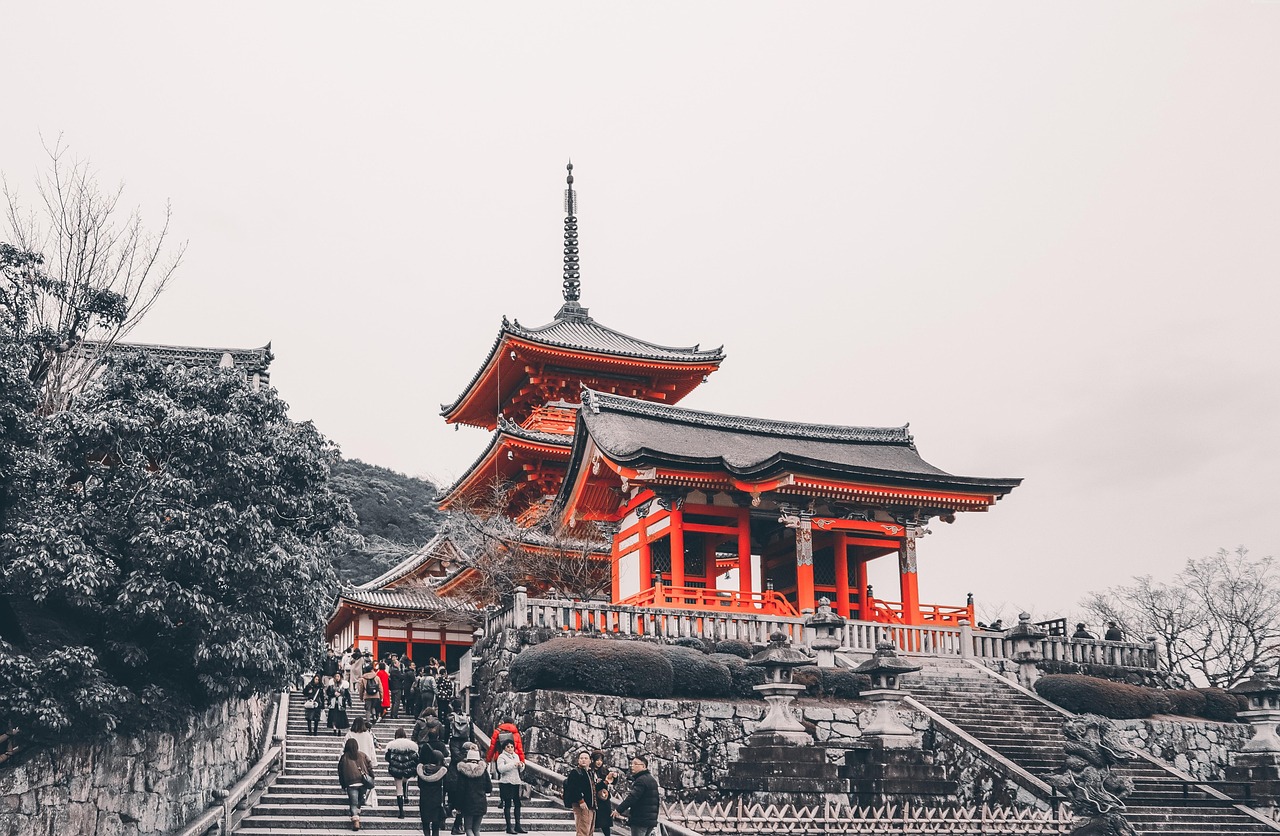
When travellers ask for the best things to see in Kyoto, they usually mean classic temple landmarks that feel instantly recognisable—yet still personal once you’re inside them. This chapter focuses on refined Kyoto temple visits that reward thoughtful timing: calmer light, cleaner photos, and a softer counterpoint when the tourist pace feels intense. We’ll explore Kinkaku-ji, Kiyomizu-dera, the Imperial Palace grounds, and the natural exhale of Arashiyama—some of the most memorable places to see on a first time in Kyoto.
Best Things to See in Kyoto Iconic Temples and Gardens
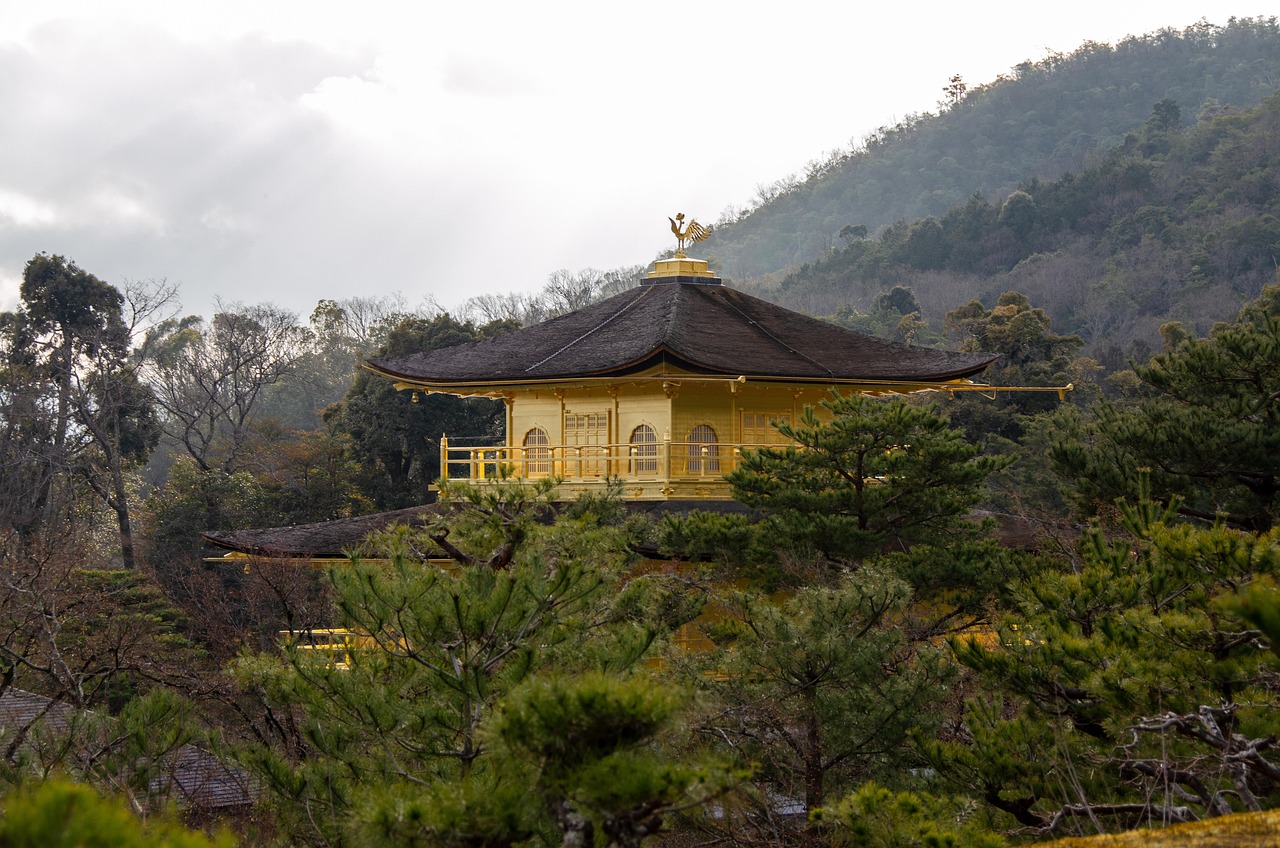
Kinkaku-ji Golden Pavilion: temple timing, the Golden Pavilion garden route, and why it’s best visited at opening
Kinkaku-ji, the Golden Pavilion, is one of those rare icons that still surprises in person. This temple catches light differently minute to minute, and on clear mornings the reflection feels almost painted. For fewer people and cleaner photos, aim for opening time—this is one of those places best visited before the day’s tour groups settle in.
Photographer-friendly doesn’t have to mean frantic. Walk the temple garden path slowly, using the pond viewpoints as natural pauses rather than “stops”. If you’re travelling as a couple or family, take turns stepping into frames so no one feels rushed; the most elegant images come from relaxed faces and natural posture.
Kiyomizu-dera temple terraces and respectful visiting in Kyoto
Kiyomizu-dera sits on the hillside like a stage set for the seasons—especially in spring and autumn. The temple’s wooden terrace is famous, but it’s the surrounding lanes, smaller temple halls, and nearby shrine corners that often hold the quietest charm. Visit in Kyoto with a softer presence here: keep your voice gentle, move mindfully, and allow others space for prayer and reflection.
To claim a personal moment, step away from the busiest viewpoints and listen for the subtle details: the creak of timber beneath foot, the wind moving through leaves, the way incense lingers in cooler air. Kyoto teaches attention without demanding it, and this temple is a beautiful place to practise that.
For a calmer counterpoint, the green expanses near the Kyoto Imperial Palace offer breathing room. The palace area is a quietly rewarding imperial palace stop and a classic attraction in Kyoto for travellers who love space, symmetry, and daily life. If you’re staying centrally, you can even walk from Kyoto Station-area neighbourhoods through everyday streets, watching Kyoto shift from modern storefronts to more traditional façades and small temple gates.
Now, let the day soften into nature. Pair Tenryu-ji temple with the Arashiyama Bamboo Grove—a seamless transition from crafted architecture to living texture. This famous bamboo grove is sometimes described as a bamboo forest, and it’s even more atmospheric when the light is low and the air is cool.
High-end detail: where possible, book a private guide for an early-start morning. The difference is subtle but real: fewer wrong turns, deeper insight into a temple’s symbolism, and a day that feels curated rather than crowded. It’s also one of the most unique things you can do for your own comfort—letting someone else hold the logistics while you stay present—and it can reveal unique things to see beyond the obvious temple names.
Top Things to Do in Kyoto: Fushimi Inari shrine walk, torii gates at dawn, and a thing to do in Kyoto that feels timeless
If you’re looking for a thing to do in Kyoto that feels instantly transcendent, Fushimi Inari delivers it—thousands of torii gates forming luminous corridors through the forest. This is a shrine experience that can be tailored: a short, elegant visit to the lower paths or a full Mount Inari climb paced for comfort. Either way, it’s one of the top things high-end travellers remember long after the flight home, and a standout among Kyoto attractions.
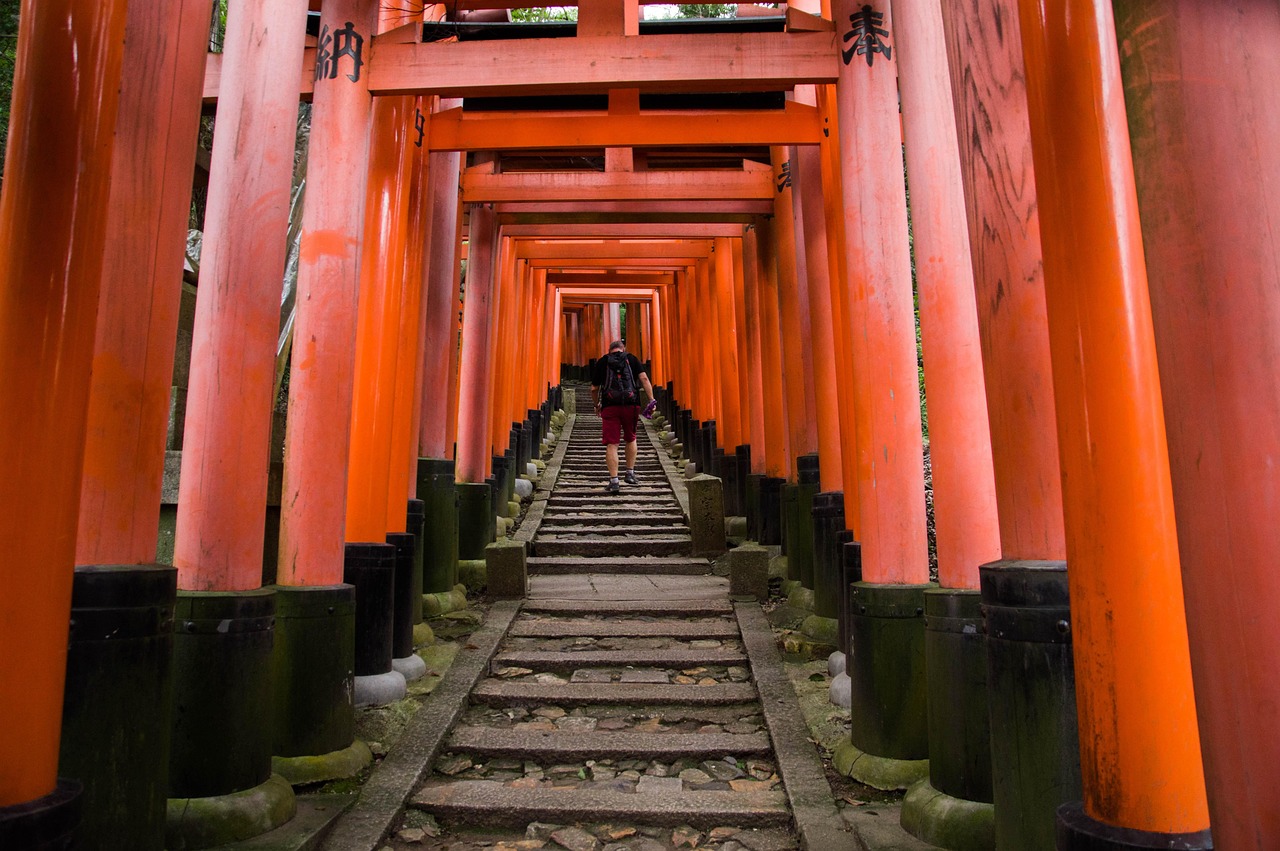
Top Things to Do in Kyoto Fushimi Inari Shrine and Torii Gates
Fushimi Inari route choices south of Kyoto: shrine paths, Arashiyama Bamboo connections, and pacing the climb
Fushimi Inari Taisha sits south of Kyoto and is refreshingly straightforward to reach. From the Kyoto Station area, rail access is quick and reliable, which makes this a perfect early morning or late afternoon plan. Once you arrive, you’ll see the main shrine buildings first—then the torii paths begin climbing behind them.
Route choice is where your day becomes personal. If you want the “signature” feeling without the full hike, walk up to the Yotsutsuji viewpoint and return—still immersive, but kinder on time and legs. If you’re up for the full loop, treat it like a moving meditation: gentle pace, water breaks, and brief pauses at smaller sub-shrine points along the way.
Dawn at the torii gates: early in the morning serenity and how to visit a sacred shrine respectfully
A traveller once told us about arriving at Fushimi Inari at dawn—no dramatic fanfare, just the soft blue of early in the morning and the quiet click of footsteps. They described the unforgettable feeling of walking through seemingly infinite torii gates as Kyoto woke behind them, the shrine path briefly belonging to birdsong and incense rather than crowds. That’s the version of Kyoto many people don’t realise is possible.
Even if you can’t arrive at sunrise, you can still design calm. The key is to move with respectful spacing, never forcing photos, and allowing prayer to happen uninterrupted. This is a sacred shrine first, and a beautiful visual experience second—when you hold that order in mind, the whole visit feels more grounded.
- Go early: arriving early in the morning is the simplest way to reduce crowd density and keep your photos clean.
- Photo etiquette: wait for natural gaps, avoid blocking the path, and keep voices low—especially near shrine altars.
- Comfort pacing: take short pauses at side areas rather than stopping mid-tunnel, which helps everyone flow smoothly.
If you’d like a refined add-on, consider combining your Fushimi Inari shrine visit with nearby sake streets for a tasting led by a knowledgeable local. It’s a lovely contrast: sacred mountain air followed by crafted flavour and warm conversation.
For trust and safety: Fushimi Inari is well-travelled and generally comfortable for solo travellers, couples, and families. Choose well-lit paths if you’re there early or late, keep valuables secure as you would in any tourist area, and plan a simple rest stop—coffee back in Kyoto or breakfast near your hotel—so the morning feels complete rather than abrupt.
Traditional Kyoto in Gion: tea ceremonies, geisha etiquette, and quiet streets near temple lanes
Traditional Kyoto experiences in Gion are often what travellers imagine before they arrive: lantern-lit lanes, soft footsteps on stone, and the sense that the past is still gently alive. Gion can be busy, but with a little timing and care you can discover its quieter side—where the district feels less like a stage and more like a living neighbourhood with a small temple or shrine around the corner.
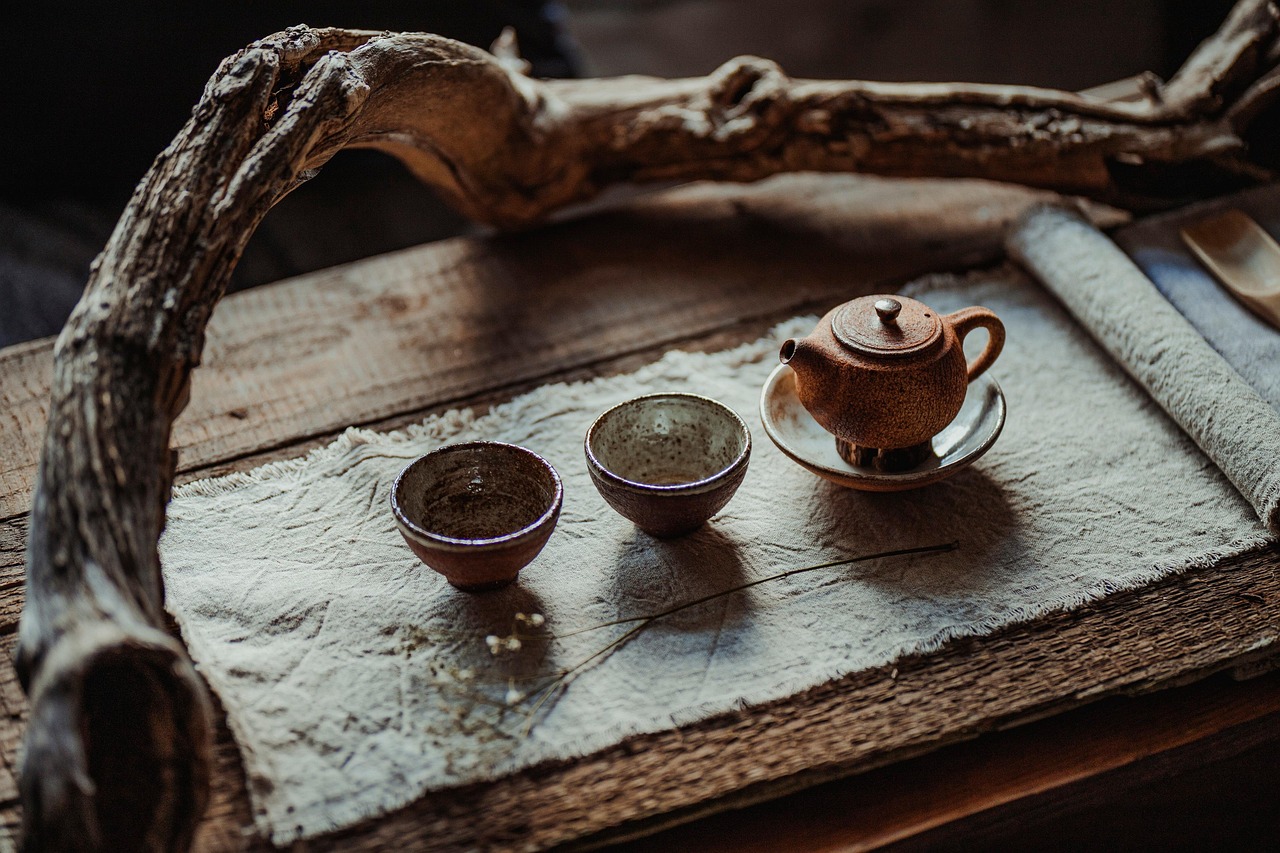
Traditional Kyoto in Gion Tea Ceremonies Geisha and Quiet Streets
Tea ceremonies in Kyoto: a cultural connection, not a performance
Tea ceremonies in Kyoto aren’t about being “taught” so much as being welcomed into a different tempo. One visitor described the magic of witnessing tea ceremonies in Gion: the host’s movements were so precise and calm that the room seemed to settle, as if everyone remembered to breathe at the same time. That feeling—deep cultural connection, without needing to speak much—can become a turning point in your Kyoto trip.
For a high-end traveller, the most satisfying experiences are small and intentional. Choose a setting that prioritises authenticity: limited numbers, clear etiquette guidance, and a host who can offer insight without rushing. You’ll leave with more than knowledge—you’ll leave with a sense of quiet confidence about how to be in Kyoto.
Geisha etiquette in Gion: moving softly through old lanes and respecting living culture
It’s natural to hope for a glimpse of a geisha (or maiko apprentice), but the most respectful approach is also the most elegant: observe from a distance, never chase, and never block the street. Restrict photography around geisha and private ceremonies; in some lanes, filming is prohibited. When in doubt, let the moment pass unrecorded—Kyoto’s beauty doesn’t require proof.
To find atmosphere without the densest crowds, visit early evening on a weekday and step slightly away from the most famous corners. The old lanes reveal themselves in fragments: a wooden lattice, a scent of incense from a small temple nearby, the glow from a noren curtain. This is where Kyoto becomes personal, and where you begin to see a Kyoto to learn beyond the postcard.
A couple once shared how renting kimono for a day transformed their photos and their presence. The key, they said, was choosing quality fabric and thoughtful styling so it felt respectful rather than costume. If you try this, prioritise comfort: a proper fit, secure footwear, and a plan that avoids excessive hills between each temple and shrine. A good dresser will also show you how to sit, walk, and hold your sleeves naturally—small details that create authenticity with care.
For a curated evening, book a refined dinner near Gion—kaiseki or a beautifully crafted counter dining experience—then stroll back beneath Kyoto city lights. Keep the walk unhurried, and let the district quieten around you; that’s often when the most memorable Kyoto moments appear.
Stay in Kyoto: luxury ryokan comfort, kaiseki dining, and Nishiki Market tasting routes
To stay in Kyoto well is to design your base around how you want to feel each morning: close to temple lanes, near evening strolls, or perfectly connected for day trips. For luxury planning—ryokan comfort, kaiseki dining, and Nishiki Market access—we look at neighbourhood energy, transport ease, and the kind of hospitality that makes you feel genuinely supported on a trip to Kyoto.
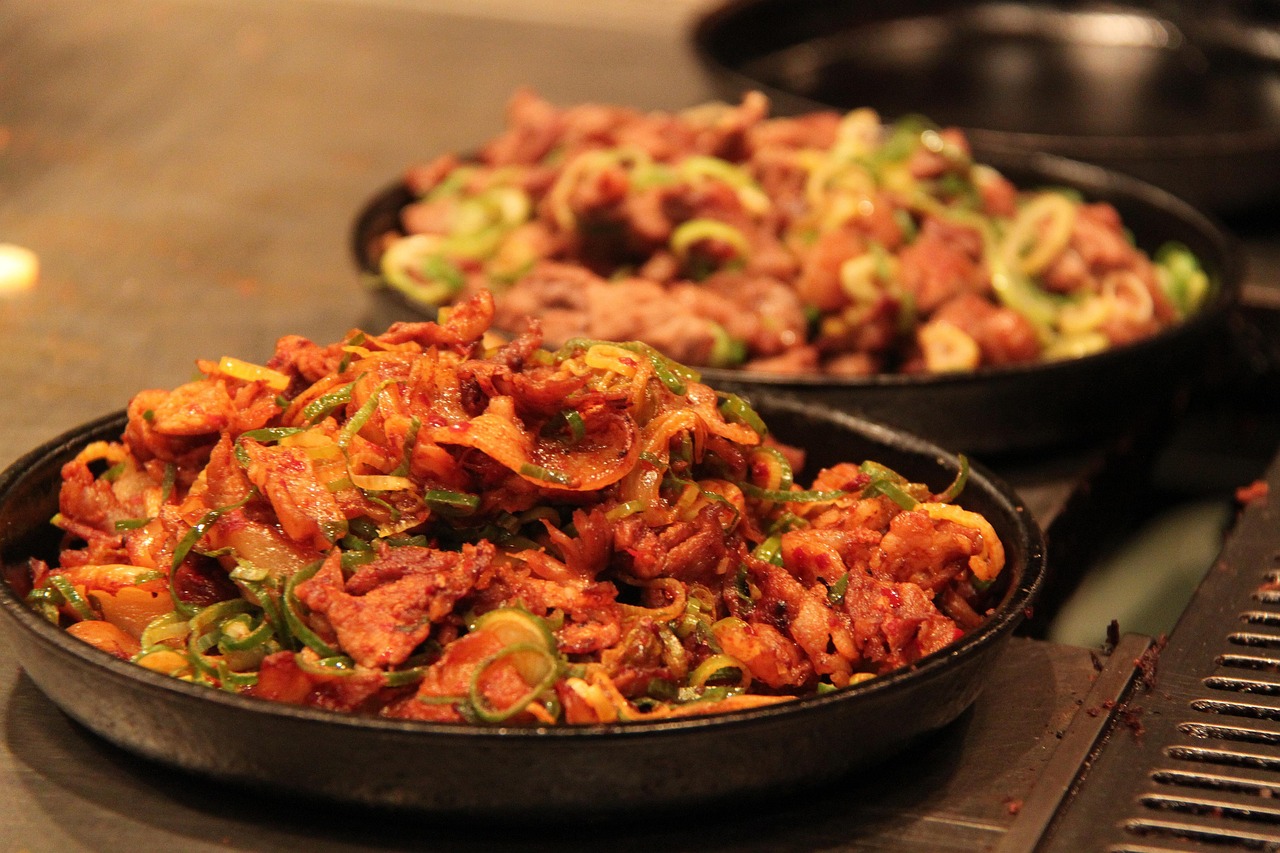
Stay in Kyoto Luxury Ryokan Kaiseki and Nishiki Market
Where to stay in Kyoto for calm access to temple districts, shrines, and trains
For first-time guests, three areas often work beautifully. Higashiyama offers classic Kyoto atmosphere and easy access to a dense temple landscape. The edges of Gion can be wonderfully atmospheric in the evening, particularly if you enjoy strolling after dinner past a small shrine or temple gate. Near Kyoto Station can feel more modern, but it’s exceptionally convenient for connections, especially if you’re combining Kyoto with Osaka or taking a day trip from Kyoto to surrounding regions.
Whichever area you choose, balance is everything. A peaceful room is the foundation of a good Kyoto trip, particularly in peak seasons when the city can feel busy for any tourist. Consider soundproofing, in-room bathing, and concierge strength—small luxuries that protect your energy so every temple morning feels fresh.
Luxury ryokan and kaiseki: a place in Japan where dinner becomes a story
A high-end traveller once recounted staying at a luxury ryokan where the hospitality felt almost intuitive—shoes quietly arranged, tea appearing at exactly the right moment, and the room prepared with such care it felt like someone had read their mind. But the highlight was dinner: kaiseki cuisine presented like art, each dish guided by season and place in Japan. The chef personally explained the courses, turning the meal into a story—and making it the moment they spoke about most, even months later.
If you’re new to kaiseki, think of it as a crafted conversation between local ingredients and refined technique. You don’t need to “know” anything in advance. Simply arrive curious, let the pacing slow you down, and allow each course to be its own small world—one of the best things about Kyoto hospitality.
For daytime indulgence, Nishiki Market is a premium tasting walk rather than a rushed food hall. Arrive mid-morning to avoid the tightest lanes, treat your visit to Nishiki as a slow stroll, and move with the rhythm of the street. Try small bites—yuba, pickles, roasted tea—then step aside to eat without blocking others; this is a lively food street, not a temple corridor.
A respectful approach matters here: some stalls prefer no photography, and queuing politely keeps the market enjoyable for everyone. If you’re looking for variety beyond temples and shrines, the Kyoto International Manga Museum is a calm, rainy-day cultural stop and a thoughtful attraction in Kyoto—surprisingly serene, well curated, and a lovely window into modern creativity.
- Book early: premium ryokan rooms often sell out far in advance during cherry blossom season and autumn colour.
- Dietary support: request allergy or preference notes at booking so the kitchen can design alternatives properly.
- Concierge collaboration: ask your hotel to arrange seamless reservations for tea ceremonies, dining, and transport together.
- Timing: plan one “open” afternoon to wander around Kyoto without appointments—your hidden gem moment often appears then.
What Kyoto leaves with you after Japan: reflection, places to visit in Kyoto, and returning for more
Kyoto travel reflection—especially after exploring places to visit in Kyoto—is less about remembering a list and more about remembering a feeling: the hush of a shrine path, the glow of temple timber at dusk, the way a garden teaches patience without saying a word. Somewhere between the torii tunnels at Fushimi Inari and the warmth of tea ceremonies, Kyoto can shift how you notice the world—quietly, but unmistakably.
After Japan, what tends to stay is not the busiest viewpoint, but the moments that felt almost private. The soft rhythm of walking before the city fully wakes. The careful hands that served you tea, making a small act feel like a ceremony of attention. The way a single temple bell seemed to widen the day, as if time had more space than you thought.
Kyoto also leaves a gentle confidence. Not the confidence of having “done” everything, but the trust of knowing you can travel well by travelling kindly—towards the place, towards local customs, and towards yourself. You may find you come home moving a little more slowly, noticing details you once skipped: how light changes on wood, how quiet supports conversation, how care can be designed into everyday life.
And perhaps that is Kyoto’s most enduring gift. It doesn’t ask you to chase it. It simply meets you where you are, and shows you what becomes possible when you pay attention. On another trip from Kyoto into the countryside—or even after taking a day trip and coming back to Kyoto for one more temple—it will be there again, ready to be discovered differently, at exactly the pace you choose.
F.A.Qs: Kyoto travel guide essentials
F.A.Qs: Kyoto travel guide essentials
What are the top 5 things to see in Kyoto?
Many travellers prioritise Kinkaku-ji (the Golden Pavilion) temple, Fushimi Inari Taisha shrine and its torii gates, Kiyomizu-dera temple, the Arashiyama Bamboo Grove with Tenryu-ji temple, and the Gion district for traditional streets and tea experiences. These cover iconic Kyoto temples, a major shrine, a bamboo grove / bamboo forest atmosphere, and a neighbourhood that shows traditional Kyoto at its best.
What not to miss in Kyoto?
Don’t miss an early in the morning temple or shrine visit for calmer light and fewer crowds—Fushimi Inari at dawn is particularly memorable. Also prioritise one cultural experience, such as tea ceremonies in Gion, and one exceptional meal like kaiseki at a luxury ryokan. Kyoto is at its best when you balance icons with quiet moments and add one hidden gem street in Kyoto city.
What is Kyoto Japan best known for?
Kyoto is best known for its concentration of historic temple and shrine sites, gardens, and traditional craftsmanship—alongside refined food culture such as kaiseki. It’s also celebrated for seasonal beauty, especially cherry blossom season and autumn foliage, and for neighbourhoods like Gion where old Kyoto feels vividly present. For many travellers, Kyoto stands out as a place in Japan where both unique temples and everyday streets feel curated by history.
Is 2 days in Kyoto enough?
Two days can be enough for a beautifully curated first impression if you keep the plan focused. Choose two key areas per day—such as Higashiyama with Kiyomizu-dera temple, and Fushimi Inari shrine plus Arashiyama bamboo—then protect evenings for slower strolls and a standout meal. With more days, Kyoto becomes calmer and more personal, and you can add the Imperial Palace gardens, extra temples in Japan-style settings, and even take a day trip from Kyoto before returning back to Kyoto.