Post Contents
- Why Visit Can Tho Vietnam Gateway to the Mekong Delta Region Travel Guide
- Cai Rang Floating Market Can Tho Vietnam Floating Market Tour at Dawn
- Can Tho Tours Canal Boat Tour Hau River Orchards at Sunset
- Binh Thuy Ancient House Can Tho Vietnam Attractions in Can Tho Culture and History
- Practical Time to Visit Can Tho Best Time to Visit Can Tho Ho Chi Minh City Bus Flight Travel Guide
- What Stayed With Me After Can Tho Vietnam Personal Reflection Mekong Delta
- F.A.Qs: Can Tho Vietnam travel questions
Why Visit Can Tho Vietnam Gateway to the Mekong Delta Region Travel Guide
Why Visit Can Tho Vietnam Gateway to the Mekong Delta
In any well-designed visit Can Tho Vietnam Mekong Delta region travel guide, the first thing to know is simple: Can Tho is the largest city in the delta, and it makes a surprisingly elegant base for adventurous travellers who love rivers and canals. The city of can tho balances a lively riverfront with a calmer countryside feel just minutes away, so you can create days that shift between energy and stillness without logistical strain.
Can Tho sits on the Hau River, a powerful branch of the Mekong River system that acts as a living waterway for trade, family life, and food culture. You’ll see why the delta region runs on boats: produce moves by river, conversations happen midstream, and the flow of the day is often dictated by tide and light rather than a clock.
Orientation to the Hau River and canal network in southern Vietnam’s Mekong
To get your bearings, picture the Hau as the main artery, with smaller routes threading off like lacework into neighbourhoods and farmland. That network is the gateway to the region’s waterways, where the bustle of morning commerce gives way to serene afternoons away from the city. It’s a delta city that rewards those who slow down just a fraction and look closely.
Tourist attractions that anchor your first evening in Can Tho
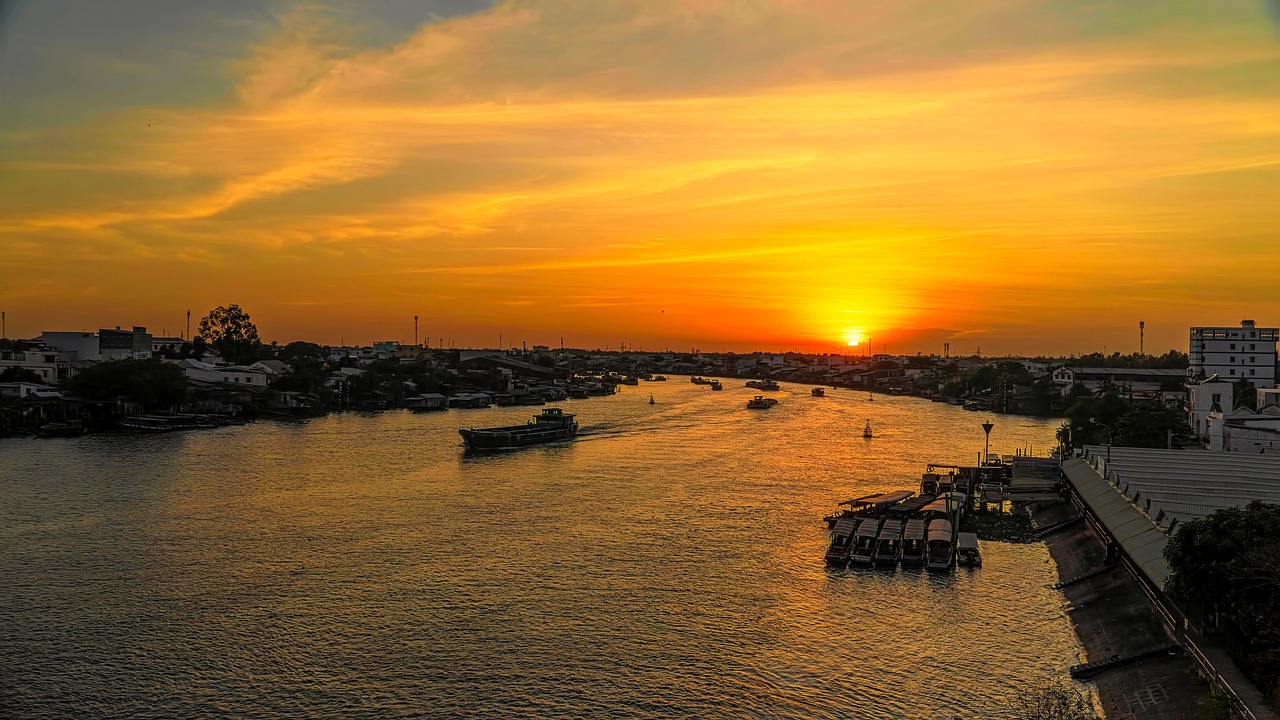
Start gently on the riverfront at Ninh Kieu Wharf, where the bustle is part of the charm rather than something to endure. Nearby, Ong Pagoda adds colour and meaning, and sunset brings the bustle of the city into focus—street food aromas, soft lantern light, and boats returning with the day’s work. For first-timers in Vietnam, Can Tho offers an easy rhythm: the support of a city, with adventure ready the moment you step onto a boat.
Expect a tropical climate, warm days and luminous skies, and the distinct sense that time moves differently here. In the morning the city feels brisk and purposeful; by mid-afternoon, the river seems to exhale, and you’ll understand why so many travellers call this place the heart of the mekong delta.


Cai Rang Floating Market Can Tho Vietnam Floating Market Tour at Dawn
Cai Rang Floating Market at Dawn Famous Floating Markets Up Close
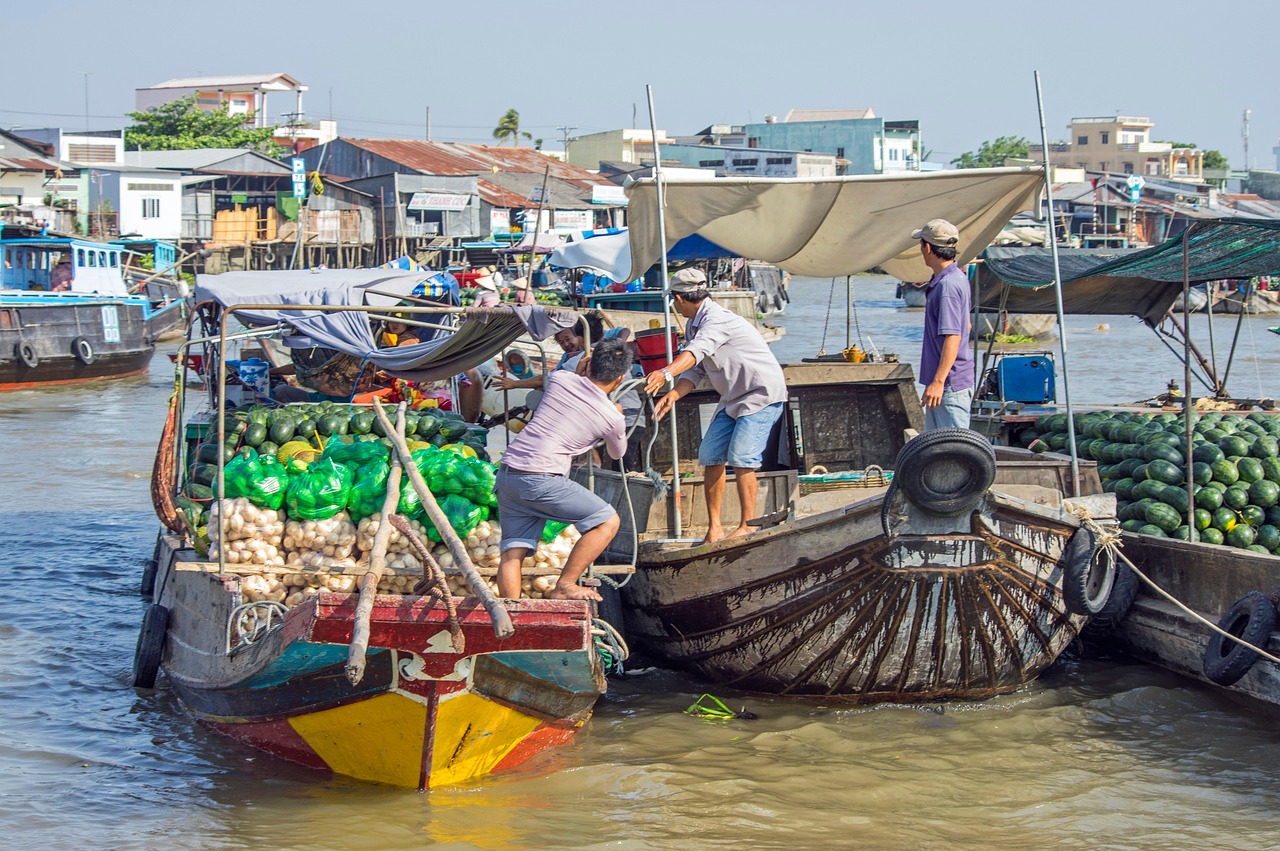
A well-planned Cai Rang floating market Can Tho Vietnam floating market tour begins before the sun is properly up, when the river is at its peak trading tempo. This is one of Vietnam’s famous floating markets for a reason: the scene is iconic floating theatre, yes, but it’s also working life—vendors shifting fruit, noodles, and supplies with calm efficiency.
One traveller told me their most personal memory of Can Tho was waking in the dark and stepping into a small wooden boat ride, then floating into the market as the sky lightened. They drifted among vendors selling tropical fruits and local delicacies, and what stayed with them wasn’t just the colour—it was the warmth of the community. Smiles came easily. A bowl of breakfast was offered without fuss. It felt like being welcomed into a daily ritual, not observing from the outside.
Why early morning is best to visit the floating market
Arrive early and you’ll uncover the river’s most authentic rhythm without feeling intrusive. The market is at its busiest from first light, when boats cluster tightly and conversations bounce across the water. Come later and it thins out, still pleasant, but less vivid.
For high-end travellers, the difference isn’t luxury for its own sake—it’s flow. A private boat lets you design the pace, pause for photos, and glide to quieter corners while still respecting the working space. A shared boat tour can be excellent too, especially if you value meeting others and keeping costs lean.
- Negotiate beforehand: agree the route, duration, and pick-up point so the morning feels seamless.
- Choose a calmer launch: leaving from the riverfront early reduces waiting and keeps the experience smooth.
- Carry small notes: easy payments reduce awkward moments and build trust quickly.
On the water, order hu tieu from a passing kitchen boat, and taste fruit as it’s sliced in front of you—sweet pineapple, fragrant mango, and whatever’s freshest that day. If you’re curious, ask about fish sauce and how it shapes everyday flavour; tiny cues like that offer real insight into Vietnamese life beyond any headline attraction.
For photography, dress modestly, keep your movements steady, and ask before close portraits. The point is to visit the markets with care—balanced curiosity, gentle distance, and a sense that you’re sharing a moment, not turning it into a spectacle. Done thoughtfully, it’s an unforgettable experience that feels both adventurous and grounded.
Can Tho Tours Canal Boat Tour Hau River Orchards at Sunset
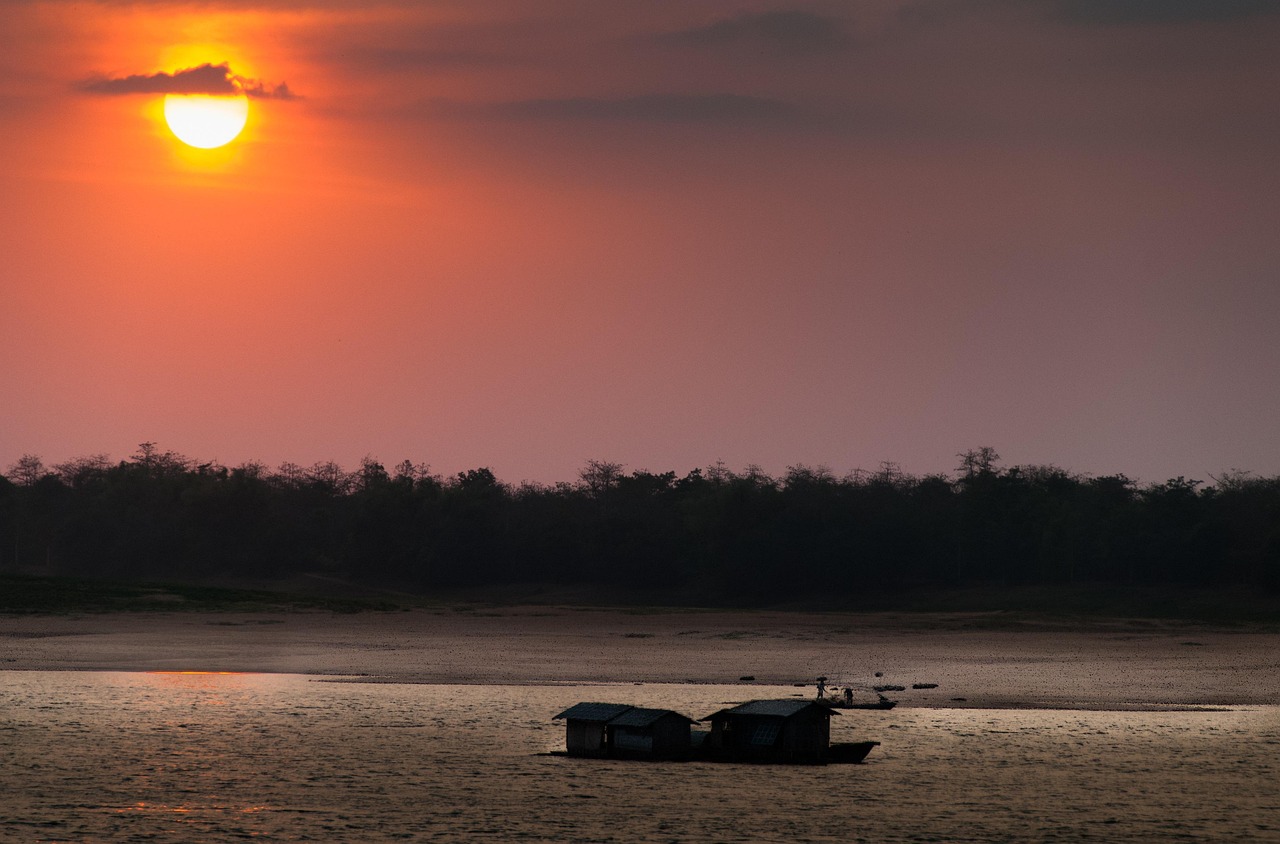
Canals and Orchards Boat Trip on the Hau River at Sunset
For travellers comparing options, Can Tho tours canal boat tour Hau River orchards is the phrase to remember when you want something quieter than the morning market. Give yourself a half-day to full-day water adventure that slips from the Hau into narrow canal lanes, past stilt-house scenes, and into green pockets of farmland where the air feels softer.
This is where Can Tho shines for adventure seekers who prefer texture over speed. You’ll trade the city’s noise for the sound of paddles and birds, and you’ll start to recognise the craft in how people live with water—steps built for tides, gardens designed for flooding seasons, and boats used like bicycles.
From Hau River to canal life and fruit orchards
On a well-paced route, you’ll drift from the hau river into a shaded canal, then stop by a family garden with fruit orchards. If you’re invited to taste something, accept with a smile; it’s one of those small, local exchanges that makes travel feel human.
An adventurer once described an enchanting evening cycling along these lanes, past orchards and stilt houses, when a group of locals waved them over and offered homemade tropical fruit juice. It was simple, generous, and entirely unforced—exactly the sort of connection you can’t schedule, but you can make space for when you design your day with breathing room.
Fireflies, mangroves, and a tranquil signature moment
Save a little energy for a sunset boat trip. As the light drops, the river turns pewter, and then—almost unbelievably—fireflies begin to flicker over mangroves. That quiet shimmer is unforgettable in a different way: tranquil, intimate, and soothing after the daytime hustle and bustle.
If you want a nature detour, consider Bang Lang Stork Sanctuary. Go early or late for the best stork viewing, keep a respectful wildlife distance, and stay quiet so the birds settle. Seeing a stork glide in low over the trees feels like a gentle reminder that the Mekong Delta is as much about ecology as it is commerce.
And if you’re keen to explore Can Tho beyond Cai Rang, add Phong Dien as an alternative floating market feel—smaller, more intimate, and ideal if you want a second morning on the water that feels different without trying too hard.
Binh Thuy Ancient House Can Tho Vietnam Attractions in Can Tho Culture and History
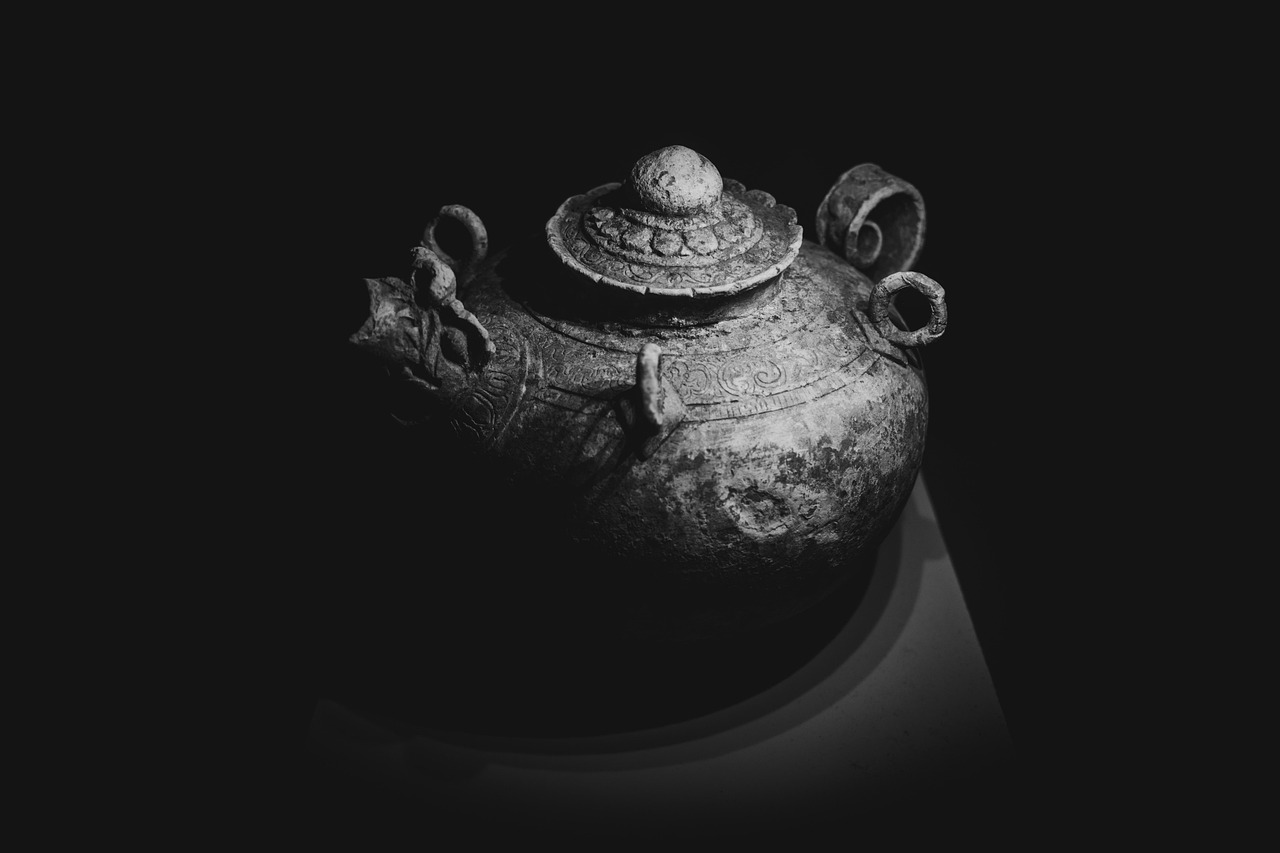
Binh Thuy Ancient House and Can Tho Culture and History
Any thoughtful Binh Thuy Ancient House Can Tho Vietnam attractions in Can Tho day should feel like more than a photo stop—it’s a window into prosperity, taste, and family legacy in southern Vietnam. The Binh Thuy Ancient House was built in 1870, and its beauty comes from balance: Vietnamese proportions and materials alongside french-style flourishes that feel surprisingly harmonious.
Walk slowly and you’ll notice the crafted details: carved timber, patterned floors, curated antiques, and the way rooms are arranged to invite conversation and shade. With the right guide—or a little patient reading of the space—you’ll uncover a gentle history lesson about the Mekong Delta region: trade routes, changing fortunes, and how households adapted to a world shaped by rivers.
Ong Pagoda and how faith meets commerce in a river city
Pair the house with Ong Pagoda, a chinese-style sanctuary where incense curls through carved doorways. Dress modestly, speak softly, and take your cues from worshippers. In Can Tho, spirituality and commerce sit close together; the pagoda’s presence near busy streets is part of what makes the city feel lived-in rather than staged.
Can Tho Museum for Mekong River context and Khmer influences
For deeper context, the tho museum (Can Tho Museum) connects the dots: how the Mekong River shaped settlement, what khmer influences look like in the region, and how waterways have shifted over time. It’s an excellent counterbalance to market mornings—more reflective, more explanatory, and ideal when the midday heat calls for indoor calm.
If you’d like an optional culture stop, ask about rice paper villages and small village workshops nearby. Observe respectfully, buy thoughtfully, and let your spending support makers directly. It’s a small act, but it’s also how travellers show care in a place where craft still matters.
Practical Time to Visit Can Tho Best Time to Visit Can Tho Ho Chi Minh City Bus Flight Travel Guide
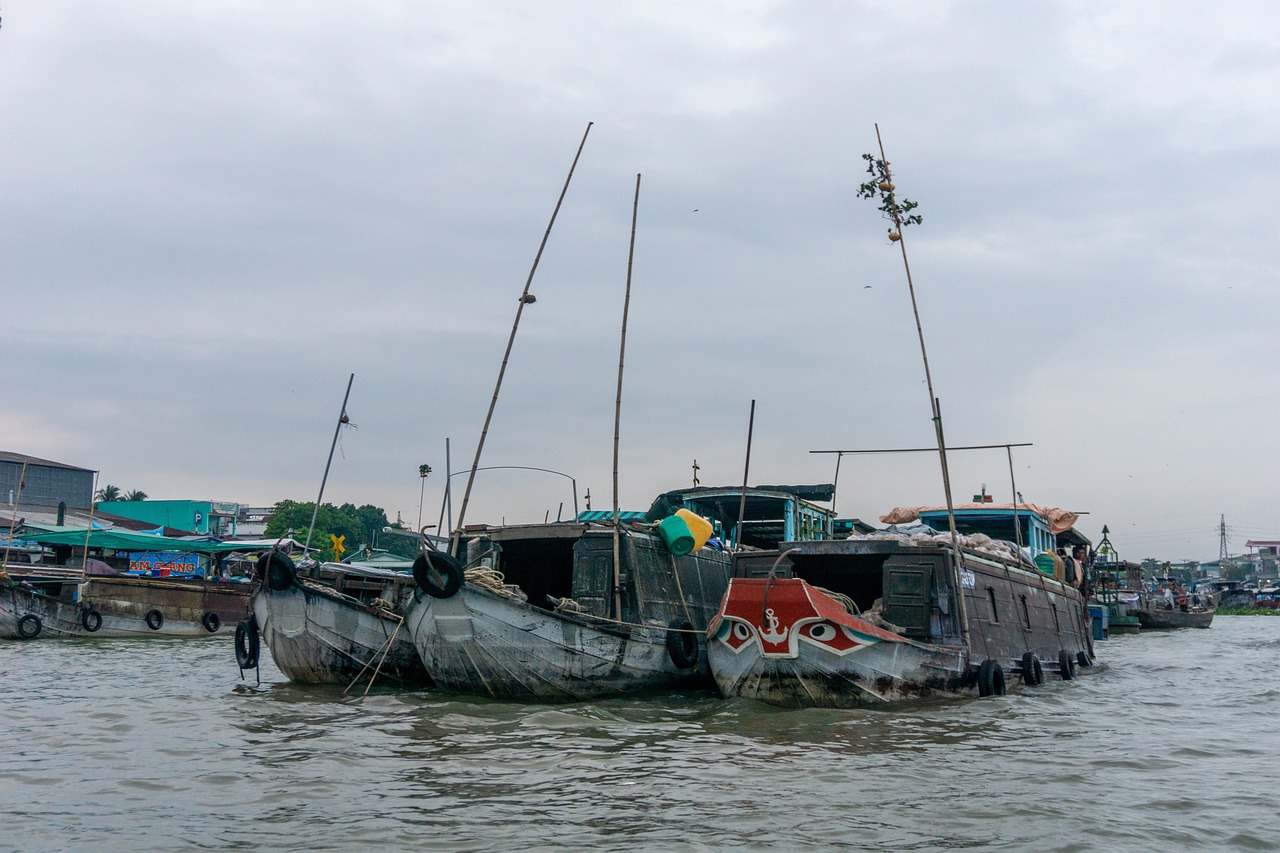
Practical Can Tho Travel Guide Best Time to Visit and Getting Around
If you’re searching time to visit Can Tho best time to visit Can Tho Ho Chi Minh City bus flight, here’s the reassuring answer: the simplest, most comfortable window is the dry season. Plan for december to april for clearer skies and easier mornings on the water, especially if the floating market is a priority.
The wet season is the season from may to november, and it can still be beautiful—dramatic clouds, lush greens, fewer crowds—but you’ll want flexibility for showers and slower boat schedules. Either way, design your day around early starts and relaxed afternoons, and you’ll feel in sync with the delta rather than fighting it.
Getting to Can Tho from Ho Chi Minh City and where to stay in Can Tho
Most travellers arrive from Ho Chi Minh City via a short flight (about 1.5 hours) or a comfortable bus (around 3–4 hours). For a high-end, low-stress experience, choose a hotel near the riverfront so you can step out for evening walks and early departures without a long transfer; it’s the easiest way to stay in Can Tho with confidence.
Once you’re settled, you can browse our Trip gallery to imagine how Can Tho might pair with other parts of Vietnam—beaches, heritage cities, or a deeper dive into the Mekong.
Getting around on water and on dry land
Inside the city, taxis and Grab are reliable, and cycling can be wonderful in cooler hours. For crossings, a ferry ride is often part of the charm, while the Can Tho Bridge gives you a sweeping sense of scale over the river. If you’re planning day trips, routes for connecting can tho and vinh often pass through orchards and small towns, and a driver-guide can keep it seamless.
- Budget: expect roughly 200,000–500,000 VND for boat tours and local meals, depending on privacy and duration.
- Negotiate with care: agree the total price before you board, then relax and enjoy the ride.
- Comfort: stay hydrated, use insect repellent, and carry modest clothing for any pagoda visit.
If you want a deeper sense of local life, consider a homestay outside the centre for one night. The right host offers support without hovering, and the experience can feel more personal than any concierge arrangement. It’s also a gentle way to explore Can Tho and nearby hamlets in a way that builds trust on both sides.
For day trips, many travellers link tho and vinh long for fruit gardens and quiet lanes; some itineraries also pass through areas known locally as Chau Thanh, where rural landscapes stretch wide and slow. And when hunger strikes, try local dishes like bún riêu cua (crab noodle soup) alongside market fruit—simple, fresh, and deeply Vietnamese.
What Stayed With Me After Can Tho Vietnam Personal Reflection Mekong Delta
When you look back on a journey shaped by a Can Tho Vietnam personal reflection Mekong Delta lens, it’s rarely the headline moments that linger most. It’s the hush of the Hau after the day’s noise has ebbed, when the river seems to hold the last light and the air turns cooler against your skin.
I keep thinking about small exchanges: a vendor’s steady work, a shared smile over fruit, the quiet pride in how people navigate water as naturally as streets. Travelling together—even among strangers—can feel unexpectedly easy here, as if the rhythm of the Mekong delta region teaches patience and presence by example.
And then there are the fireflies over mangroves, that soft constellation close to the earth. It’s a reminder that adventure doesn’t always need volume; sometimes it’s the calm moments that feel most expertly composed by nature, offering you space to breathe, to notice, and to feel gently looked after.
Long after you leave Vietnam, Can Tho remains like a half-remembered song—tranquil, bright, and quietly persuasive—inviting you to imagine what other waterways might be waiting beyond the horizon.
F.A.Qs: Can Tho Vietnam travel questions
Is Can Tho, Vietnam worth visiting?
Yes—Can Tho is worth visiting if you want an authentic Mekong Delta base with comfort and character. You can experience the Cai Rang floating market at dawn, take quieter canal trips, and enjoy heritage sites like Binh Thuy while still having city convenience and a relaxed riverfront atmosphere.
How do I get to Can Tho from Ho Chi Minh City?
You can fly from Ho Chi Minh City in about 1.5 hours, or take a bus in roughly 3–4 hours. Flying suits travellers who want a seamless schedule, while the bus is an easy-value option if you’re comfortable with a longer journey and want to see more of southern Vietnam along the way.
Can Tho is famous for?
Can Tho is famous for its floating markets—especially Cai Rang—where trade happens boat-to-boat at sunrise. It’s also known for Mekong waterways, canal life, fruit gardens, and cultural stops such as Ong Pagoda and Binh Thuy Ancient House, which together offer a rich sense of the delta’s history and daily rhythms.
How many days in Can Tho, Vietnam?
Two days is ideal for most travellers: one early morning for the floating market and one slower day for canals, orchards, and cultural attractions. If you have three days, you can add Bang Lang Stork Sanctuary, a second market like Phong Dien, or a relaxed day trip towards Vinh Long without rushing.