Post Contents
- Osaka Castle and the history of Osaka Castle Japan Toyotomi Hideyoshi Tokugawa
- Arriving with Confidence how to get to Osaka Castle Japan Tanimachi 4-chome Station Osakajokoen
- Inside the Osaka Castle museum Japan exhibits history museum feudal era
- Up the Main Tower Osaka Castle observation deck at the top panoramic views Japan
- Nishinomaru Garden cherry blossom Osaka Castle Park Japan nearby attractions accommodation
- What Stays with You After Osaka Castle Osaka Castle Japan reflection travel feelings
- F.A.Qs: Osaka Castle Japan
Osaka Castle and the history of Osaka Castle Japan Toyotomi Hideyoshi Tokugawa
Osaka Castle and the History of Osaka Castle in Context
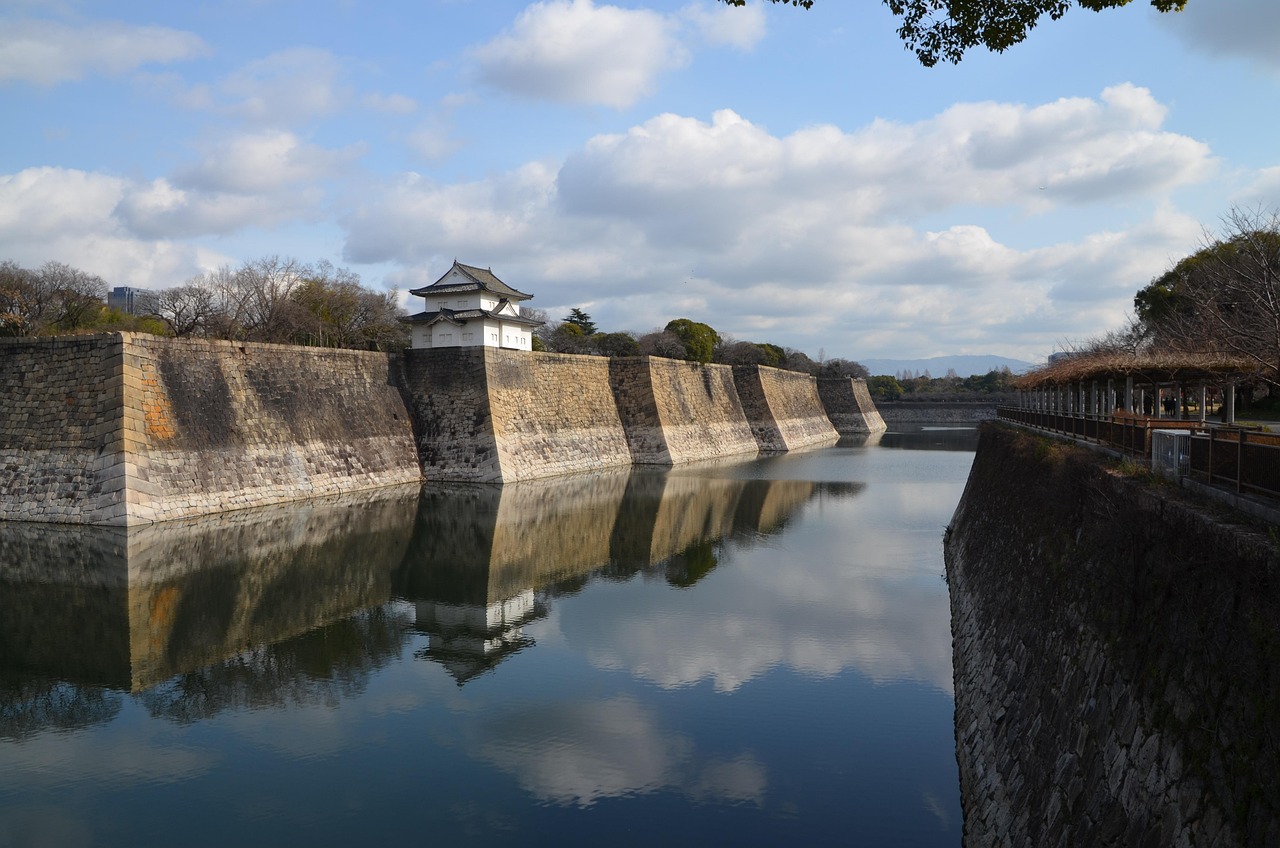
To understand the history of Osaka Castle Japan Toyotomi Hideyoshi Tokugawa is to understand why Osaka Castle is one of the most recognisable landmarks across japan—and why this castle remains a deeply felt attraction for culturally curious adventure seekers. Osaka Castle sits in chuo, central osaka, wrapped by a wide moat and formidable stone walls that make the whole scene feel both protective and alive.
Many travellers describe a quiet awe the first time they stand beneath those massive stone ramparts. There’s a sense of trust in the engineering, and a personal connection to the people who once walked these paths with very different stakes in mind.
Hideyoshi, Toyotomi and the construction of Osaka Castle
The construction of osaka castle began in 1583 under the warlord toyotomi hideyoshi, building on the momentum that followed oda nobunaga and the late 16th century drive towards unification. The site is often linked with ishiyama, and even if you arrive with only a little context, the scale makes it easy to imagine why Hideyoshi chose to create power in stone and gold here.
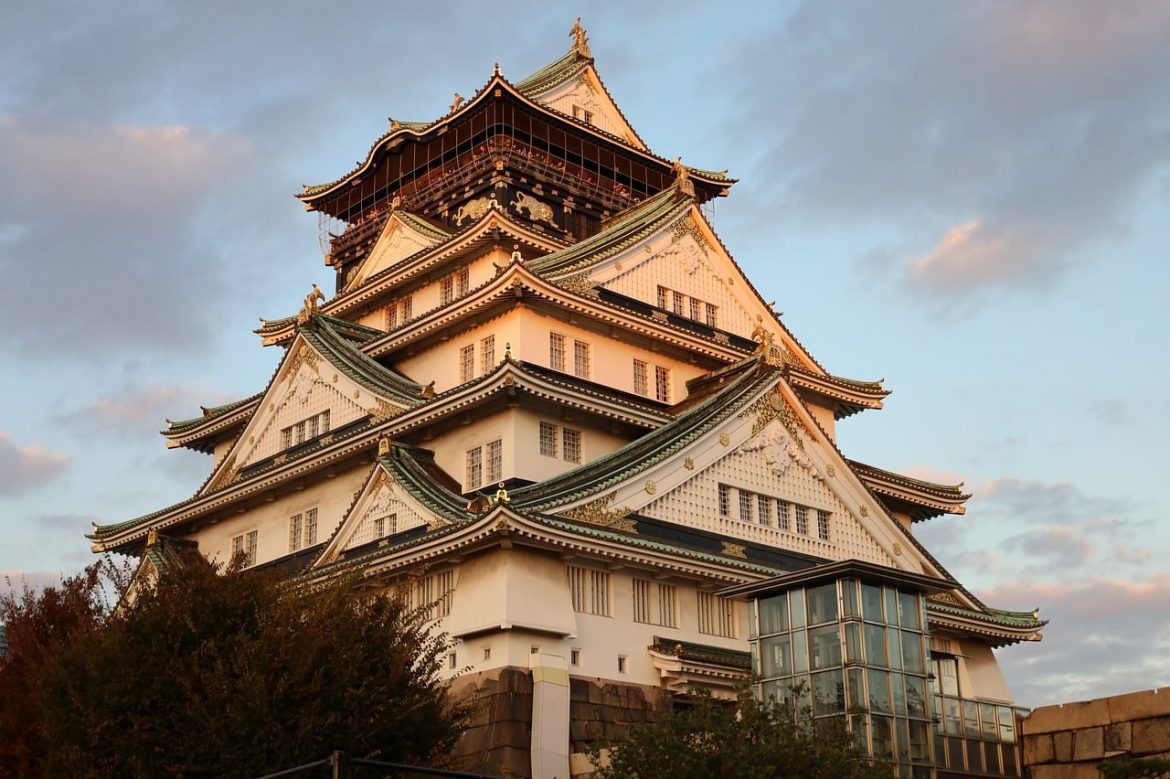
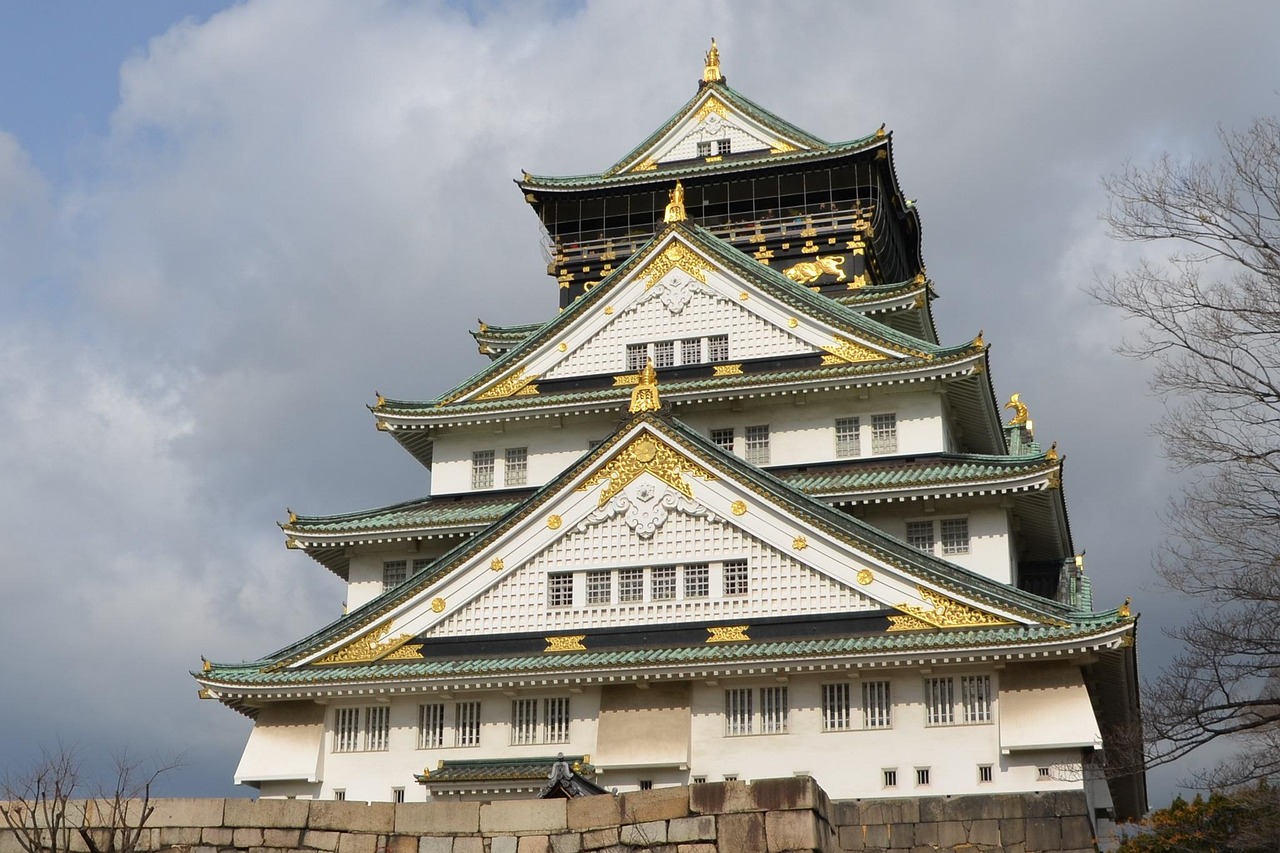
It’s also a place for art and architecture lovers: layered roofs, precise angles, and defensive design that still reads clearly today, even as the city continues to modernize around it.
Tokugawa shogunate power shifts and turbulent rebuilds
Osaka Castle’s history is turbulent, marked by the siege of osaka in 1615 and the rise of the tokugawa shogunate. Later fortification and rebuilding efforts are tied to tokugawa hidetada, and the Edo era continued to shape the castle’s role—stronghold, symbol, and statement all at once.
Centuries later, the narrative kept changing. Records note major loss again in 1665, and the keep was rebuilt much later in 1931; it was also damaged when the tower was struck during air raids. What you explore today is a careful reconstruct effort: the exterior silhouette remains dramatic and familiar, while the interiors reflect a modern reconstruction designed to teach, welcome, and support visitors through the story.


Arriving with Confidence how to get to Osaka Castle Japan Tanimachi 4-chome Station Osakajokoen
Arriving with Confidence Getting to Osaka Castle
If you’re planning how to get to Osaka Castle Japan Tanimachi 4-chome Station Osakajokoen, the good news is that the arrival can feel seamless—even on a busy travel day. For a straightforward approach, use tanimachi yonchome station (Tanimachi 4-chome Station) and enjoy a short walk into the castle grounds; for a different angle on the park, try osakajokoen station via the loop line.
From osaka station, connections are simple: JR and metro links make it easy to design your route without overthinking it. The key is to arrive early morning if you can—light is softer, pathways are calmer, and the first view of the castle across water feels almost cinematic.
Short walk expectations around bridges, moat and green space
Expect plenty of walking across bridges and alongside the moat, especially if you want the scenic loop that reveals the castle from multiple perspectives. The wider osaka castle park area is a generous green space—spanning over a hectare count that surprises most first-timers (it’s often cited around 100+ hectares)—so comfortable shoes are a genuine kindness to yourself.
You’ll also notice osakajo hall nearby, which can be useful as a mental landmark when navigating the paths and gardens.
Practical basics with care, photography and opening times
On the day, check that the castle is open and confirm seasonal hours. Admission is typically around 600 yen for adults, with discounts often available for children and seniors; photography is generally welcome, except in restricted museum areas where signage asks for restraint.
- Arrive early for calmer paths and clearer photos of the stone walls.
- Carry a small bag so you can keep hands free on stairs and bridges.
- Follow local etiquette: speak softly, queue patiently, and dispose of rubbish properly to support the park.
These small actions help everyone move through the space together with confidence.
Inside the Osaka Castle museum Japan exhibits history museum feudal era
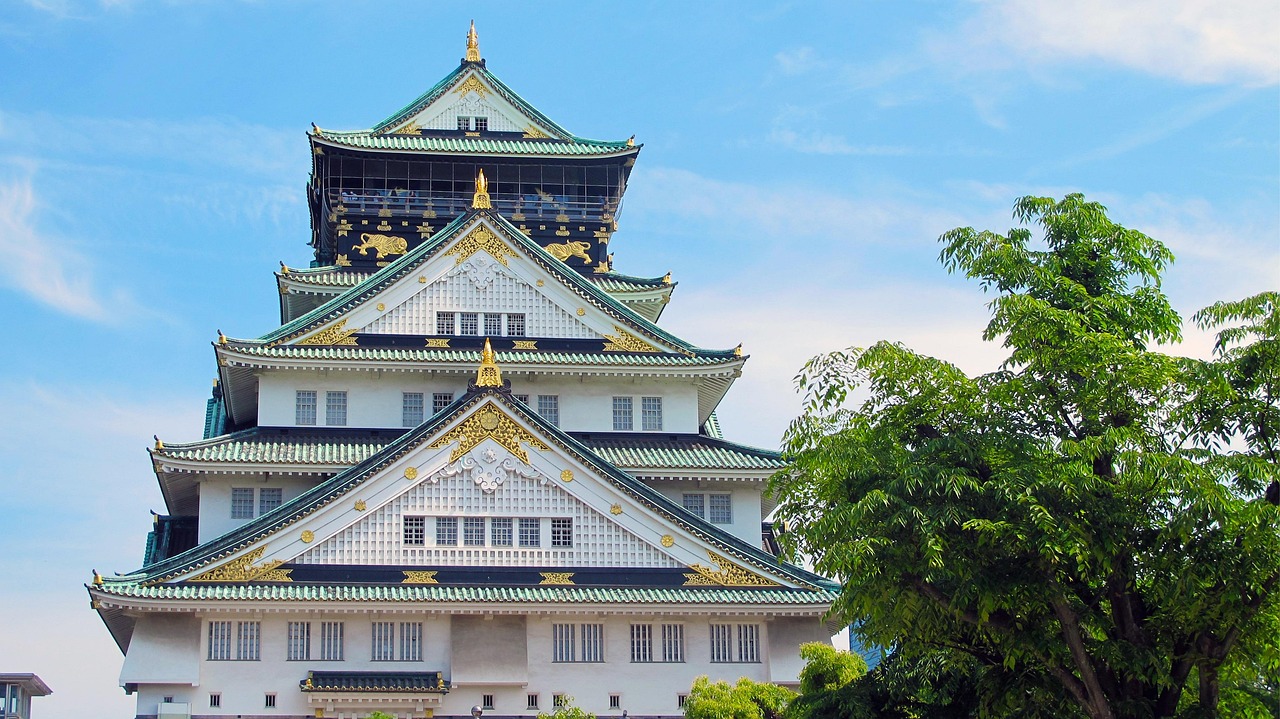
Inside the Castle Museum History Museum Moments That Bring It to Life
The Osaka Castle museum Japan exhibits history museum feudal era experience is where timelines turn into lived stories. This isn’t a dusty display tucked inside an old shell; it’s a carefully curated history museum that helps you uncover how the castle shaped Osaka, and how Osaka shaped the nation in return.
For high-end travellers who value insight, it’s an excellent place to slow down. You’ll find armour, maps, and beautifully presented objects that make the feudal world feel immediate rather than remote, with each exhibit adding texture instead of noise.
Toyotomi Hideyoshi and Tokugawa storylines made clear
The museum threads the Toyotomi rise and Tokugawa consolidation with clarity. You’ll see Toyotomi Hideyoshi positioned not as a myth, but as a strategic leader whose ambitions changed the city’s skyline and identity—then you’ll feel the tension after Hideyoshi’s death as power shifted and the fortress became a focal point again.
It’s also a reassuring visit if you’re travelling with family: one family told me their children stayed absorbed thanks to interactive moments that made the story feel accessible, not intimidating.
Samurai photo experiences and expert ways to deepen your visit
Depending on the season, you may find a samurai armour photo experience that lets you create a respectful connection to the past. Staff guidance matters here—follow rules about handling items, and treat it as a cultural encounter rather than a costume gimmick.
If you want an extra layer of expert context, consider audio guides or guided tours. They’re a simple way to explore beyond surface-level facts, especially when you want the kind of narrative detail that makes the castle’s history stay with you.
Up the Main Tower Osaka Castle observation deck at the top panoramic views Japan
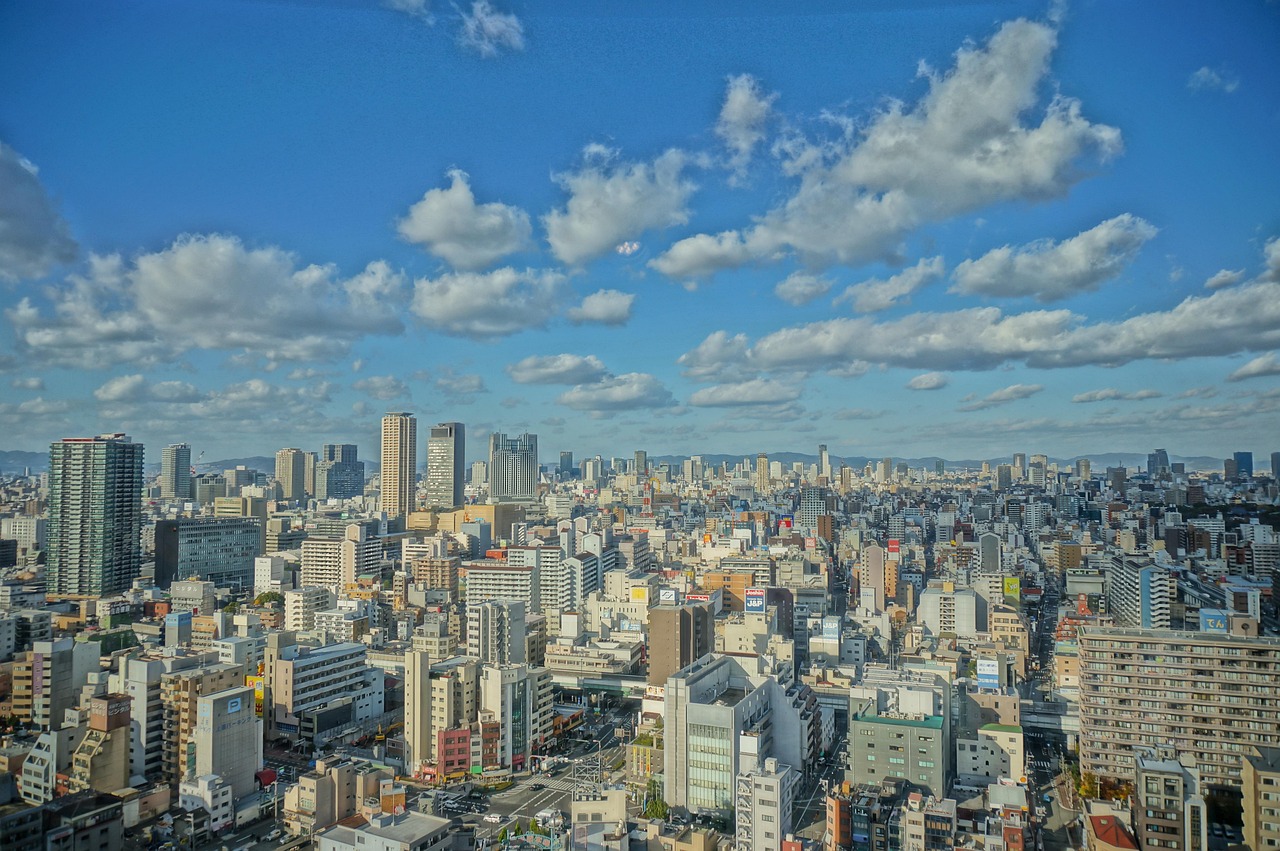
Up the Main Tower Views from the Observation Deck at the Top
For many travellers, the moment that seals the day is the Osaka Castle observation deck at the top panoramic views Japan experience. As you move through the main tower, anticipation builds with every level—until the cityscape opens into a wide Osaka skyline that makes the castle feel like the calm centre of a living, evolving map.
From above, you can trace the geometry: water, paths, gates, and the contrast between the historic castle keep and modern city planning. It’s one of those rare viewpoints that feels both expansive and grounding.
Cityscape details moats roofs and stone walls
Look for the layered roofs below, the tree-lined walkways, and the sheen of the moat catching the light. The stone walls are even more impressive from this height, because you can see how they were designed to guide movement and defend key angles.
If you love structure and craft, consider adding the stone wall museum as a niche stop afterwards; it’s a small detail, but it offers a surprisingly intimate look at construction techniques.
Crafted photo moments and a scenic reset loop
- Best angles: frame the main keep with water in the foreground for depth.
- Be mindful indoors: respect restricted areas and avoid blocking narrow corridors.
- Micro-itinerary: after the tower, take a slow lap of the outer moat for a scenic, quieter reset.
It’s a simple rhythm—up for perspective, then back down for texture—that helps you experience the castle with care rather than rushing through it.
Nishinomaru Garden cherry blossom Osaka Castle Park Japan nearby attractions accommodation
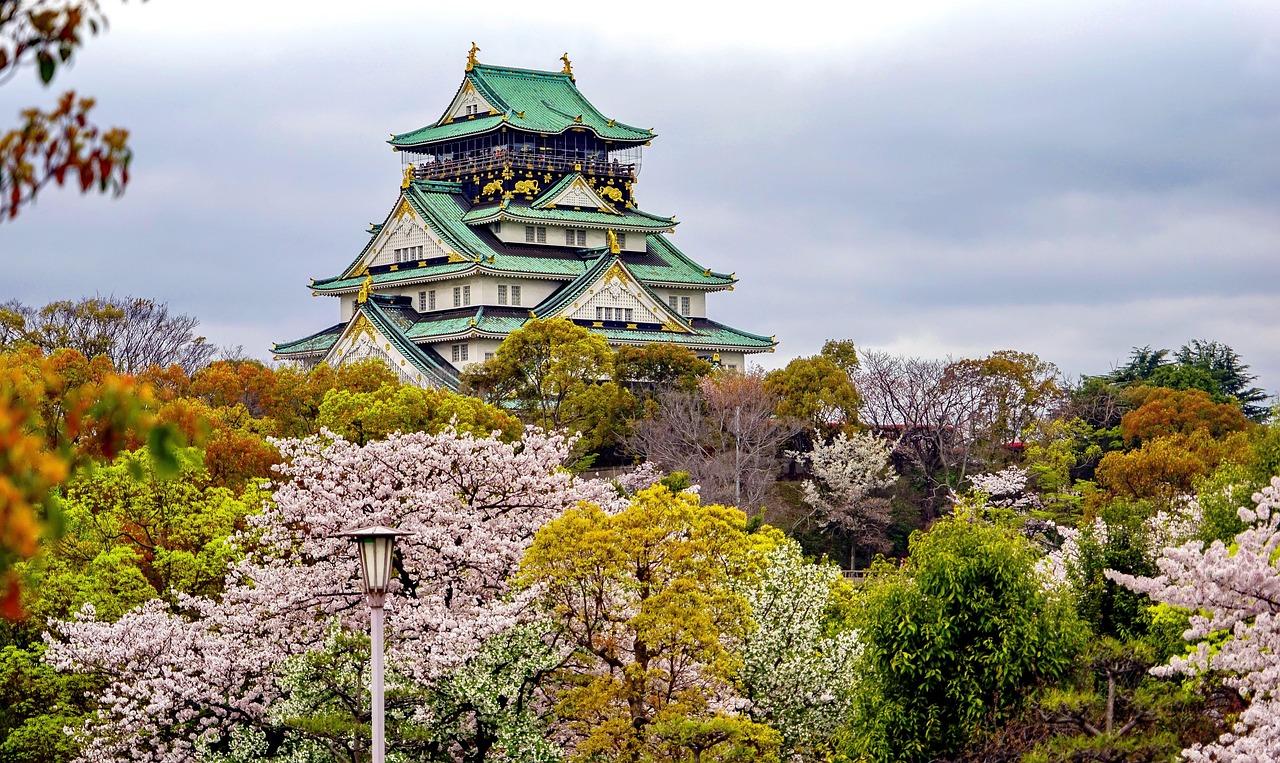
Nishinomaru Garden and Seasonal Culture Near Osaka Castle
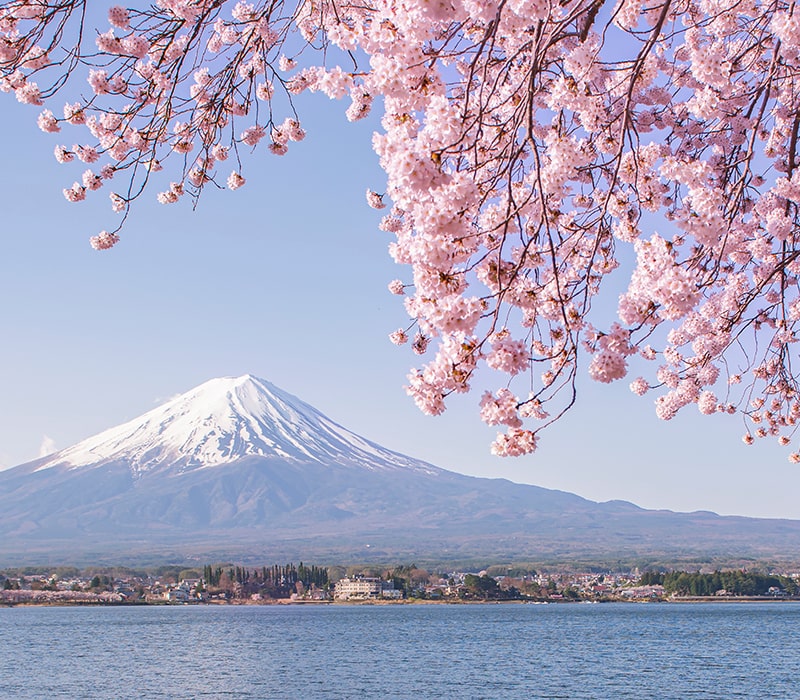
When you’re ready to soften the pace, Nishinomaru Garden cherry blossom Osaka Castle Park Japan nearby attractions accommodation is your cue. Nishinomaru garden is known for plum trees and luminous cherry blossom, with late march to early april being the classic window for cherry blossom viewing; it’s also a place where hanami becomes less a “must-do” and more a quiet ritual of presence.
One visitor once described their picnic beneath the blossoms as a serene escape in the middle of the city, and it’s easy to understand why. Imagine laying out something simple, listening to the hush of footsteps on gravel, and letting the day feel unhurried—even when Osaka is busy beyond the trees.
Seasonal culture tea ceremonies and samurai events
Seasonal events can include tea ceremonies, cultural performances, and occasional samurai-themed experiences on the grounds. If you’re visiting in peak bloom, arrive early morning to avoid crowds and keep the atmosphere gentle; it’s the difference between simply seeing beauty and truly feeling it.
If you want more ideas to explore Japan in a way that feels crafted and reassuring, you can browse our Trip gallery for inspiration.
Accommodation near Osaka castle and nearby attractions by train ride away
For convenience, choose accommodation near osaka castle so your mornings stay effortless; a well-placed hotel osaka base gives you the freedom to begin early and return late without friction. If you prefer nightlife and dining at your doorstep, staying slightly farther out still works—most highlights are only a train ride away.
- Dotonbori for evening energy and the glico sign.
- Shinsaibashi Shopping Arcade for an easy wander and people-watching.
- Umeda Station for views, shopping, and excellent connections.
This is where Osaka feels wonderfully flexible: you can design a day that balances calm gardens with bright streets, without sacrificing comfort.
What Stays with You After Osaka Castle Osaka Castle Japan reflection travel feelings
Long after you’ve left, Osaka Castle Japan reflection travel feelings can arrive quietly—usually in the smallest details. You remember how the castle holds layers of rebuild, loss, and care in one place, and how that sense of reconstruction makes time feel less like a straight line and more like a series of patient returns.
Sometimes it’s the hush beside the moat, sometimes it’s light sliding over stone, sometimes it’s the moment the skyline appears and you feel both small and supported at once. Osaka Castle is one of those rare places where history doesn’t demand expertise; it simply offers itself, and lets your curiosity decide what matters.
You don’t need to know every date to trust what you felt there. If anything lingers, let it be that calm confidence—the sense that you can keep exploring, gently, one neighbourhood or one museum at a time, simply because the story is still unfolding.
F.A.Qs: Osaka Castle Japan
Why is the Osaka Castle so famous?
Osaka Castle is famous for its striking architecture, vast stone walls and moat, and its role as a powerful symbol of unification-era Japan. Closely associated with Toyotomi Hideyoshi, it blends dramatic history with a modern museum experience and an observation deck that frames the city in a single view.
What happened at Osaka Castle?
Osaka Castle was built in 1583 under Toyotomi Hideyoshi, then became a key battleground during the siege of Osaka in 1615. It was later rebuilt and fortified under Tokugawa rule, suffered fires and wartime damage, and was reconstructed with a modern interior that preserves the iconic exterior silhouette.
How much time do I need to visit Osaka Castle?
Most visitors find 2 to 3 hours comfortable for Osaka Castle, including the museum and time on the observation deck. If you add a relaxed walk around the moat and a slow visit to Nishinomaru Garden, 4 hours creates a calmer, more complete experience without feeling rushed.
How many times was the Osaka Castle destroyed?
Osaka Castle has faced repeated destruction through conflict, fire, and wartime bombing, followed by multiple rebuild phases. The current main keep dates to 1931, after earlier losses including the 17th-century destruction and later damage during air raids, making its present form a story of resilience and careful preservation.