Post Contents
- Why Beijing’s Old Summer Palace Still Captivates Adventurers – Yuanmingyuan Park Overview
- History of the Old Summer Palace (Yuanmingyuan) – Qing dynasty origins and the road to 1860
- Imperial Garden Wanderings at Yuanmingyuan – lakes, pavilions, and the tranquility of a Chinese garden
- Western Mansions and the waterworks ruin – European stonework in the Old Summer Palace
- Plan your Yuanmingyuan visit – Beijing subway logistics, Line 4, and tickets
- F.A.Qs: Old Summer Palace, China travel planning
- What Stayed With Me After Yuanmingyuan – Old Summer Palace reflection and the ruins of Yuanmingyuan
Why Beijing’s Old Summer Palace Still Captivates Adventurers – Yuanmingyuan Park Overview
If you’re researching old summer palace china, start with what makes this place different: it’s a summer palace in Beijing that reads more like a living landscape than a single building. Beijing’s Old Summer Palace (Yuanmingyuan) tells its story through a garden of open sky, long paths, and quiet water, so you can wander at your own pace instead of shuffling room to room. It’s ideal for travellers who want an iconic palace day that still feels spacious, thoughtful, and easy to personalise.
Why the Old Summer Palace in Beijing Still Calls to Adventurers
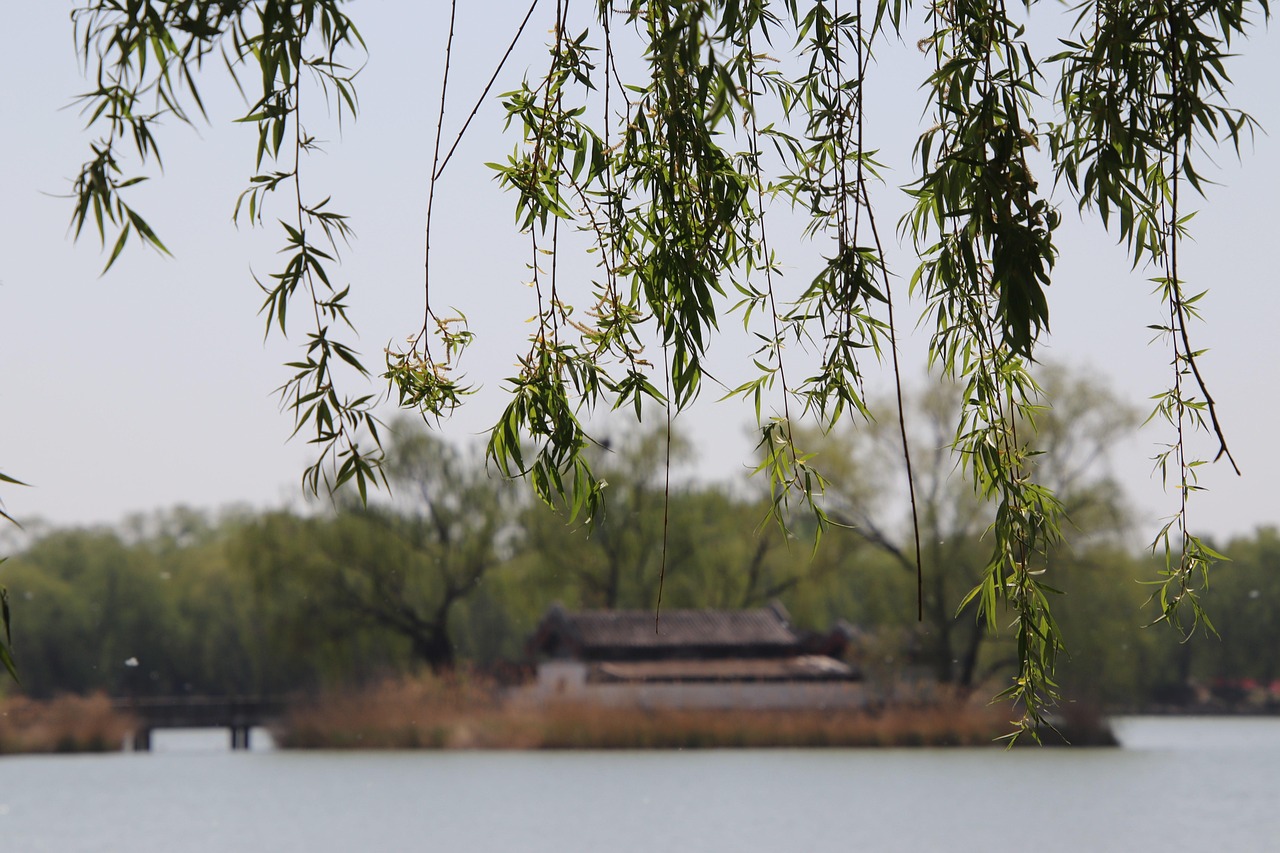
Many visitors begin at the Summer Palace in Beijing (Yiheyuan), where the route can feel more linear and the crowds more concentrated. Here, the rhythm is broader: the palace site stretches across about 350 hectares, so your day becomes an adventure walk—choosing which lake edges to follow, which bridges to cross, and when to pause in willow shade. In the best light—early morning or late afternoon—the summer palace mood turns cinematic even when you’re simply following a curve of water.
Set expectations gently: much of what you see is ruin, not restoration. The most famous fragments are poetic rather than polished, and the atmosphere is part of the value—peaceful, reflective, and quietly powerful. With a little attention, you’ll notice how the garden still feels harmonious, as though the land remembers where the palace once stood.
Main attractions in the summer palace landscape: lakes, halls, pavilions, and stonework
The key sights are spread across water and woodland, so the day is curated by your feet. You’ll move between lake views and a shaded pond edge, pass paths that once served the imperial household, and then arrive—almost suddenly—at stonework from the european-style palaces. Think a pavilion and bridge on one side, a fountain basin and a broken hall façade on the other: one summer palace, many worlds, all within the larger garden setting.


History of the Old Summer Palace (Yuanmingyuan) – Qing dynasty origins and the road to 1860
The history of the old summer palace reads like a dream built in stages—then interrupted. In the Qing dynasty, it began as a private pleasure garden and expanded into an imperial garden realm of art, theatre, scholarship, and crafted scenery where the emperor could step away from ceremony. Under Emperor Qianlong, the palace complex reached a celebrated heyday; travellers later called it a “garden of gardens” for the many distinct landscapes it gathered into a single living work.
History of the Old Summer Palace and the Qing Imperial Dream
To place it on Beijing’s cultural map, imagine a triangle of power and retreat: the Forbidden City as the formal heart, this Old Summer Palace as the expansive counterpoint, and later the present-day summer palace at Yiheyuan—famously associated with Empress Dowager Cixi—as a different era’s statement. Yuanmingyuan sat slightly apart from the city’s bustle, giving the court room to breathe. The palace grounds also included the “three gardens”, including Changchunyuan (the garden of eternal spring), with scenes that ranged from traditional Chinese lake-and-rock compositions to a Tibetan-influenced temple setting.
1860 destruction: Second Opium War, Anglo-French allied forces, and the legacy of loss
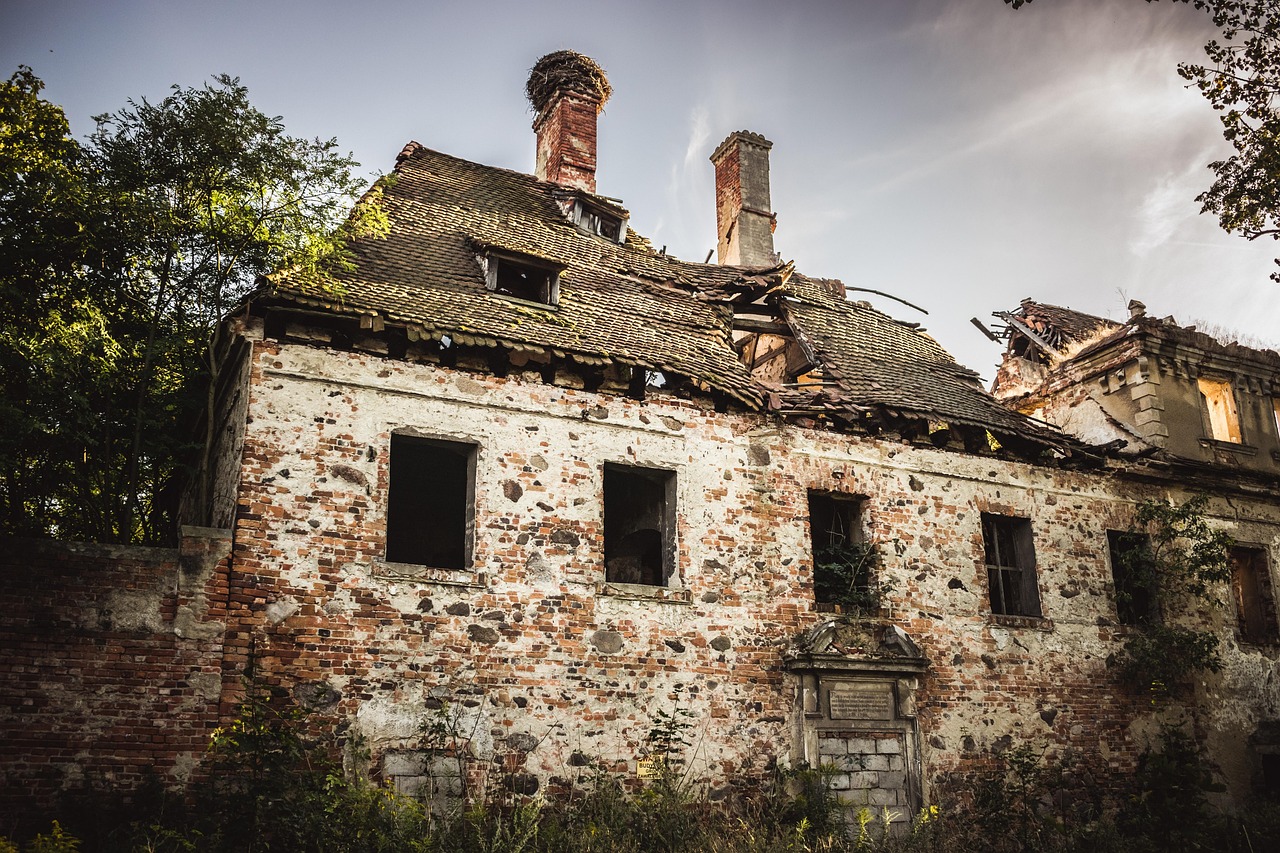
In 1860, during the Second Opium War, the Old Summer Palace was destroyed by Anglo-French allied forces as part of the wider advance. Accounts describe extensive loot and the loss of cultural artefacts, an event that still carries deep historical significance in China and beyond. It’s difficult to stand among palace stone and not feel the weight of that break in time, especially when you realise how much artistry once filled these garden grounds—now remembered through each surviving ruin.
There’s a temptation to turn this place into a lecture, but the site doesn’t demand that of you. It asks for attention—and a willingness to hold two truths together: the beauty of an imperial landscape and the vulnerability of culture. Many travellers say the summer palace changes their perspective, offering a unique perspective on endurance and memory that lingers long after Beijing’s skyline returns.
Imperial Garden Wanderings at Yuanmingyuan – lakes, pavilions, and the tranquility of a Chinese garden
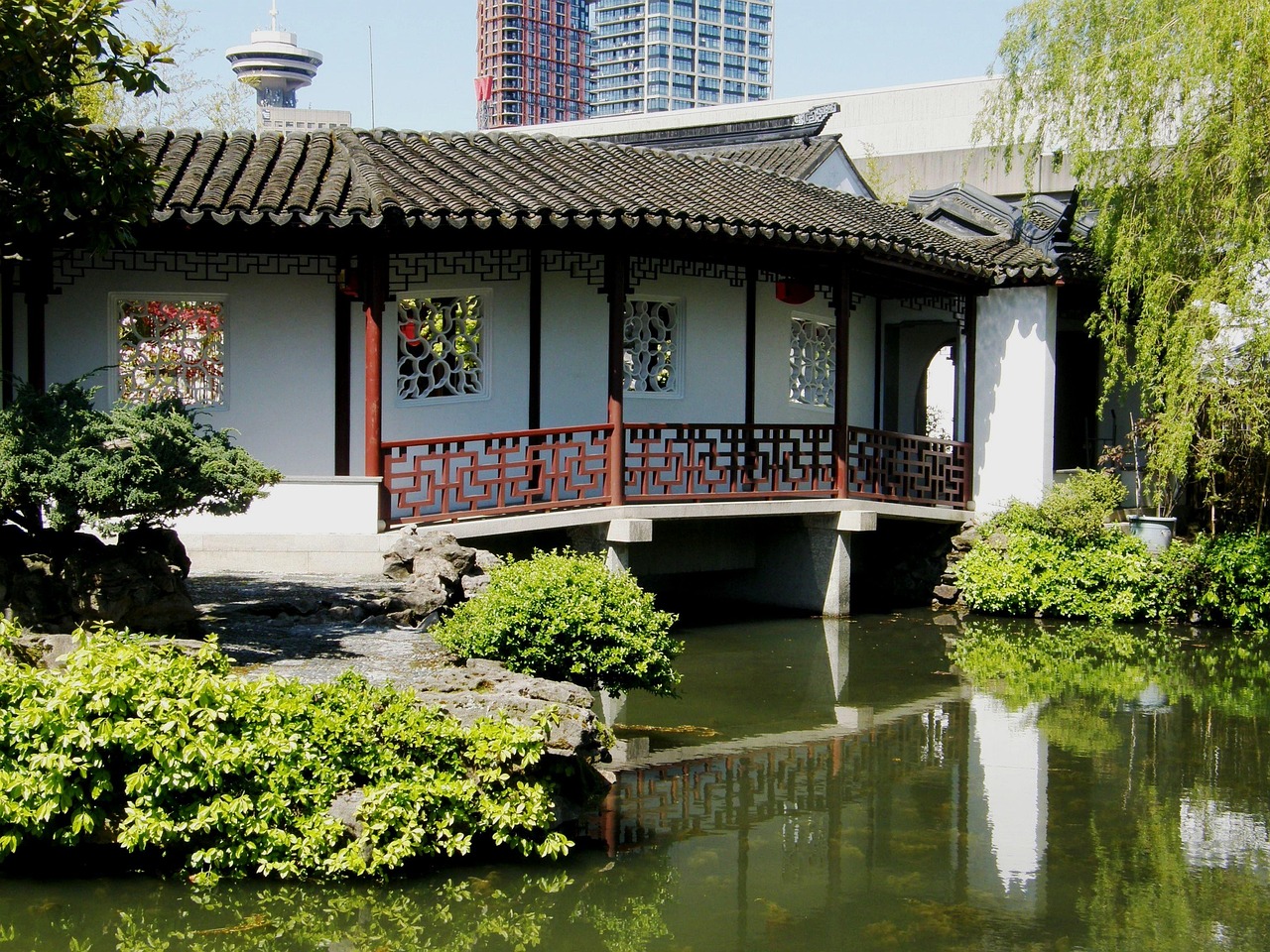
Let your day unfold like a slow scene change. This is where the summer palace feels most restorative: water birds skimming a lake, reeds moving in a light breeze, and long, quiet paths that reward anyone willing to sightsee without rushing. The Old Summer Palace is often described in terms of destruction, but these paths and water views show what survived—the land’s talent for calm and the way a Chinese garden can soften even a hard history, creating a serene rhythm you can actually feel.
Imperial Garden Wanderings in Yuanmingyuan Park
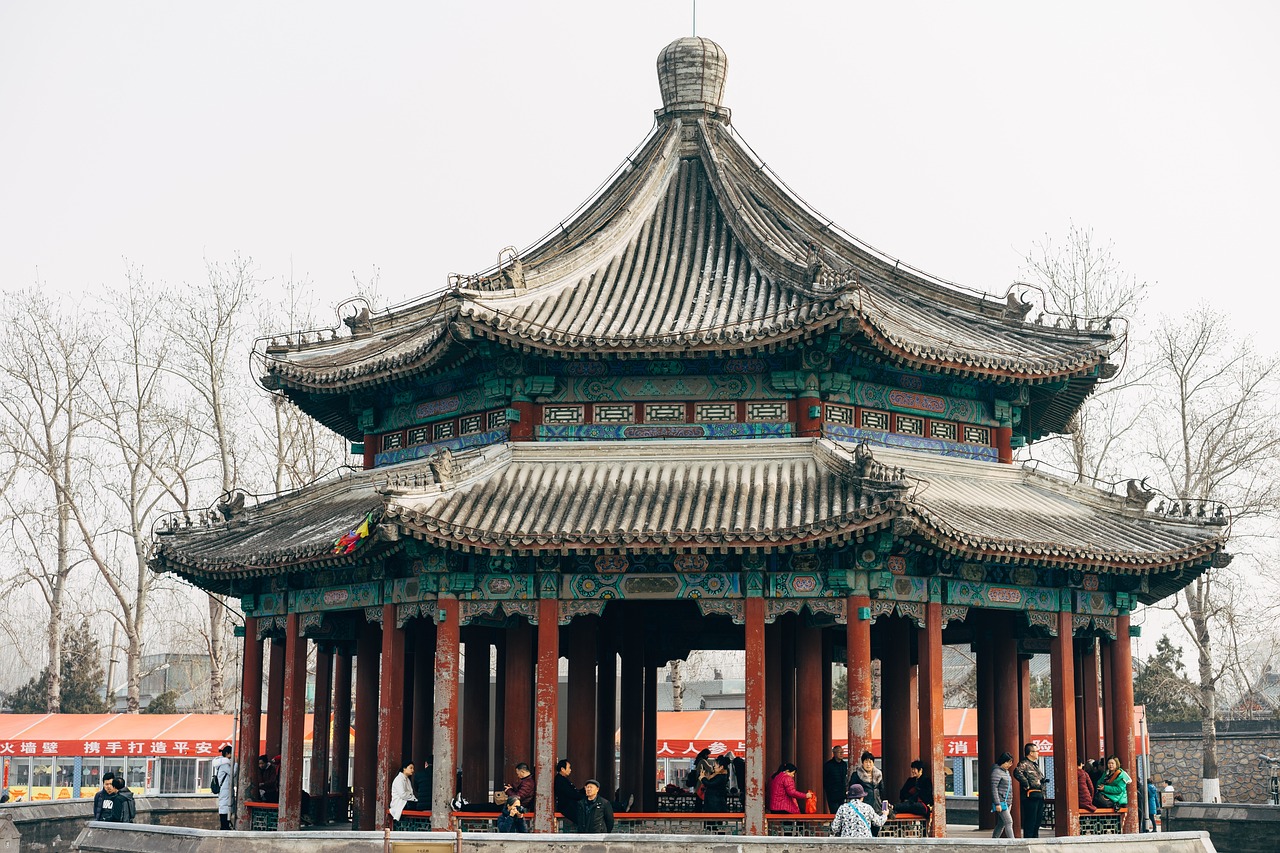
As you explore, notice how the compositions work like Chinese imperial gardens: borrowed views, framed horizons, and a sense that every bend has been crafted. Even where a palace building no longer stands, the garden design still guides your gaze. You might pass a pavilion set for shade and conversation, then emerge onto a wide water view that feels like a quiet theatre.
A quiet pause by lotus waters: tranquil walking and small details that tell the story
One visitor once described a peaceful afternoon picnic near the lotus beds as the moment they finally “understood” Yuanmingyuan. The natural beauty felt generous—soft greens, rippling water, and the occasional stone fragment—yet the historical scars stayed present. That contrast is part of the Old Summer Palace experience: a summer palace that lets you enjoy the garden while quietly asking you to remember, creating a tranquil space for reflection.
To travel well here is to move with care and trust your pace. Wear comfortable shoes because the palace grounds are expansive, and bring water and sun protection in warmer months. The stones and remaining structures are fragile, so support preservation by staying on paths and respecting barriers; the reward is a calmer, more respectful day for everyone.
- What to carry: water, sun cream, a hat, and a light layer for changing weather in Beijing.
- What to wear: comfortable shoes for long distances across the summer palace paths and garden trails.
- How to behave: avoid touching delicate stone, and keep a calm voice near quiet scenic spots and water edges.
Western Mansions and the waterworks ruin – European stonework in the Old Summer Palace
The mood shifts here: the summer palace becomes a dialogue between worlds. This area is often called the western mansions, and it was an ambitious experiment in the early 18th century—a blend of Chinese spatial ideas with European façades. Seeing it in person makes the Old Summer Palace feel less like a single palace and more like a curated collection of art, engineering, and imagination. If you want context, look out for the small on-site exhibition hall that explains layouts, materials, and what once stood here.
Western Mansions and the Grand Waterworks Ruin
The best-known feature is the Grand Waterworks, where water displays once performed courtly grandeur. Today, broken stones and partial hall remains create one of Beijing’s most haunting palace scenes—a ruin that feels both monumental and intimate. If you’ve seen photographs before, expect the real experience to be quieter and more textural: tool marks, weathered edges, and the way light lands on carved surfaces around the grand waterworks.
Camera-and-curiosity loop: reading hall façades, scale, and the labyrinth idea
To explore with intention, imagine a small loop that prioritises craftsmanship over speed. Pause at fragments that hint at archways, then step back to read the proportions of a hall front and the lines that once guided water features. If you have time, look for references to a labyrinth layout that once added playful complexity; even when the structure is gone, the idea changes how you read the space.
- Best photo poses: side angles that reveal the depth, shadow, and palace scale of the stonework layers.
- Details to notice: carved lines, drainage channels, and how the garden geometry frames the sky.
- Quiet respect: don’t climb, don’t sit on fragile pieces, and let others have their moment.
This is where the Old Summer Palace asks for your best travel manners. Treat the remains as an outdoor heritage museum—some visitors even describe parts of the site as an imperial museum in spirit, since the story is preserved in fragments. With expert care from local teams and considerate travellers, this ruin can remain legible for future generations.
Plan your Yuanmingyuan visit – Beijing subway logistics, Line 4, and tickets
If you’re planning to visit the old summer palace, the simplest approach is public transport. The site sits in the northwest of Beijing, close to academic neighbourhoods and leafy avenues, so it’s easy to combine with other cultural stops. For first-timers, the key phrase is this: the old summer palace in Beijing is big enough to feel like a garden day and a palace lesson at the same time—so give yourself time to wander.
Visit the Old Summer Palace with Seamless Local Logistics
Subway access, gates, booking, and opening hours
Take the subway to Yuanmingyuan Station on line 4, then walk a short distance to the entrances. Many travellers use the east gate for convenience, while the south gate of the park can work well depending on your route and where you’re coming from in Beijing. For booking and planning, check the official website for opening hours, ticket rules, and any municipal notices that affect access.
Entry is typically modest—often around 10–20 RMB—with common discounts for students and seniors. Cashless payment is widely accepted in Beijing, but it’s still wise to have a backup option in case a machine or network is temperamental. If you prefer a more designed day, build in a buffer: this summer palace site is large, and small pauses become the real luxury.
When to go for better light and less crowded paths
For a calmer summer palace experience, aim for spring (April–June) or autumn (September–October). Early morning is often less crowded, and the light makes the water and stone feel gently luminous. If you’re balancing several Beijing highlights, consider giving the Old Summer Palace a half-day with a quiet start, then using the afternoon for a different texture of the city.
- Time guide: from central Beijing, allow around 40 minutes each way, depending on traffic and transfers.
- Neighbourhood pairing: it’s near the Peking University and Tsinghua University campuses, ideal for a café stop.
- Nearby culture: add a visit to a local temple for contrast, then return to the garden paths.
It also helps to orient yourself: the Old Summer Palace lies east of the present-day Summer Palace at Yiheyuan, so you can pair both if you enjoy comparing eras. If you’d like to create a broader cultural itinerary with comfort built in, our Trip gallery can offer inspiration while keeping your travel style front and centre.
F.A.Qs: Old Summer Palace, China travel planning
What happened to the Summer Palace in China?
The Old Summer Palace in Beijing, also known as Yuanmingyuan, was largely destroyed in 1860 and survives today as a protected ruin within a park-like garden. The present-day Summer Palace at Yiheyuan is a separate palace site that remains largely intact and restored.
Why did the British destroy the Old Summer Palace?
The Old Summer Palace was destroyed in 1860 during the Second Opium War by Anglo-French allied forces. The event involved retaliation and resulted in widespread looting and the loss of cultural artefacts, making it a defining historical wound and a symbol of cultural resilience.
How long should you spend at the Old Summer Palace?
Most travellers spend 2–4 hours exploring the summer palace grounds, depending on walking pace and whether they linger by the lakes and garden paths. Because the palace site is vast, a half-day allows a more relaxed visit, especially if you include the Western mansions area.
What is the history of the Old Summer Palace?
The history of the Old Summer Palace begins in the Qing era as a private pleasure garden that expanded into an imperial garden complex known for artistic and architectural ambition, including Chinese and Western-influenced designs. It was destroyed in 1860, and today the remaining palace stones help tell a broader story of memory and endurance.
What Stayed With Me After Yuanmingyuan – Old Summer Palace reflection and the ruins of Yuanmingyuan
The first thing that returns to me is not a single building, but an atmosphere. In this summer palace, absence can feel oddly full—like the garden is holding its breath, then exhaling as you walk on. The Old Summer Palace doesn’t perform; it waits, and in that waiting, there’s room for your own thoughts to settle.
I remember the way calm water sat beside shattered stone, and how the contrast never felt forced. A palace ruin can teach a kind of quiet honesty: that beauty isn’t only in the original structures, and that loss doesn’t erase meaning. More than 150 years after the destruction, the site still invites care—care in how we look, how we speak, how we move across the ground.
There’s also a gentle confidence that grows here. You start by coming for history, for the famous hall fragments and waterworks, but you leave trusting your own curiosity—your ability to notice texture, light, and the human scale inside a grand story. And as Beijing returns—traffic, towers, the city’s bright momentum—the memory of the summer palace lingers like a soft thread.
Perhaps that’s the lasting gift of Yuanmingyuan: it doesn’t ask you to rush, or to decide what it means. It simply offers a landscape where imagination and reality can sit together, and where a traveller can listen for what still speaks through stone and water.