Post Contents
- Tokyo for First Timers: Tokyo Travel Guide, Don’t Miss in Tokyo List & Get Around Tokyo Itinerary
- Where to Stay in Tokyo: Best Places for Design, Transit Ease, and a Stay in Tokyo for First
- Meiji Shrine in Tokyo: A Quiet Shrine Experience and Things to Do in Tokyo
- Omotesando to Shibuya Crossing: Best Places to Visit in Tokyo for Shopping, Design, and Night Views
- Asakusa and Senso-ji Temple: Classic Places in Tokyo with Hamarikyu Gardens Tea Ceremony
- Tokyo Skytree at Sunset: Skyline Views, Booking Tips, and Tokyo Tower as a Second Attraction
- Tsukiji Market Sushi Workshop: Booking Tips and Things to Do in Tokyo (Trip to Tokyo)
- Around Tokyo: Day Trip to Fuji, Tokyo DisneySea, Akihabara, and What to See in Tokyo for Contrast
- What Stayed With Us After Tokyo and Personal Insight After a Visit to Tokyo Japan
- F.A.Qs: Tokyo travel guide quick answers
Tokyo for First Timers: Tokyo Travel Guide, Don’t Miss in Tokyo List & Get Around Tokyo Itinerary
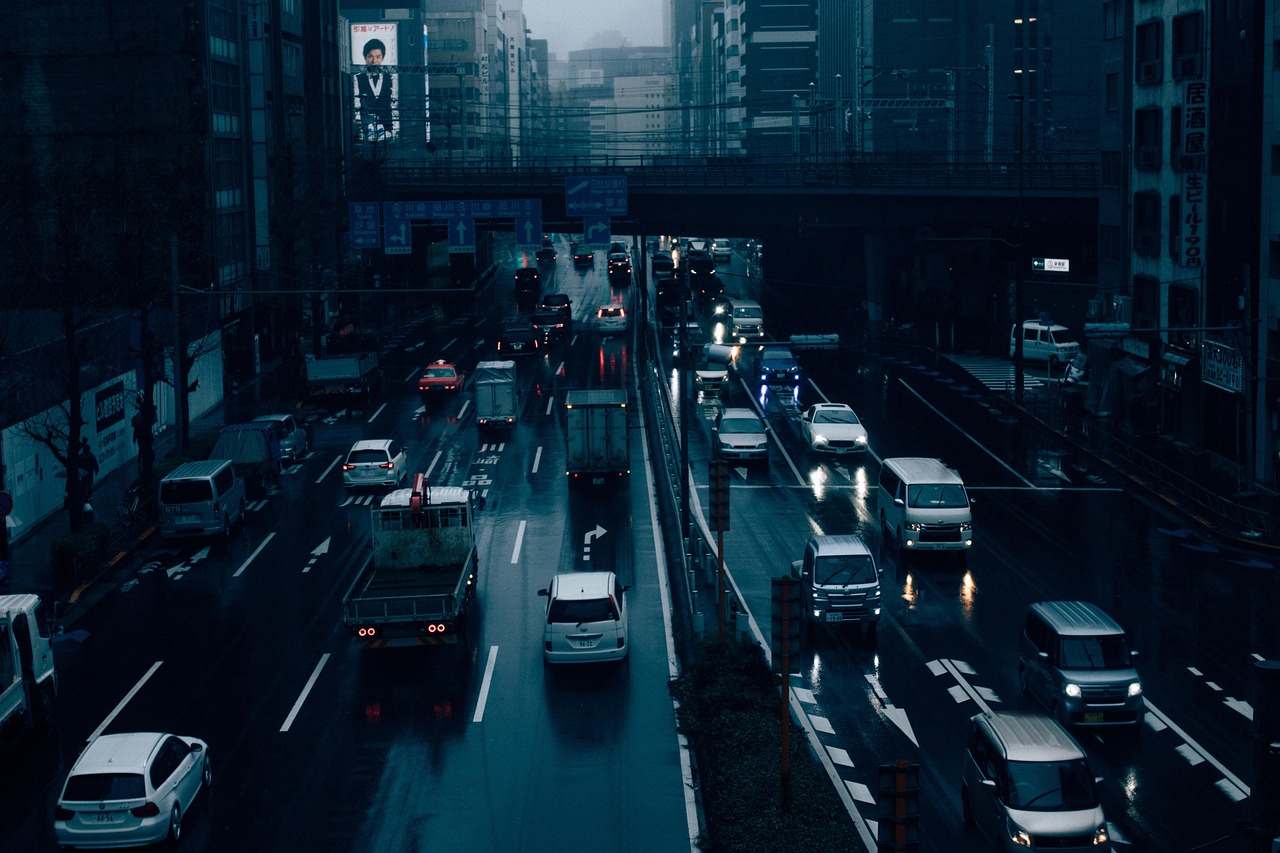
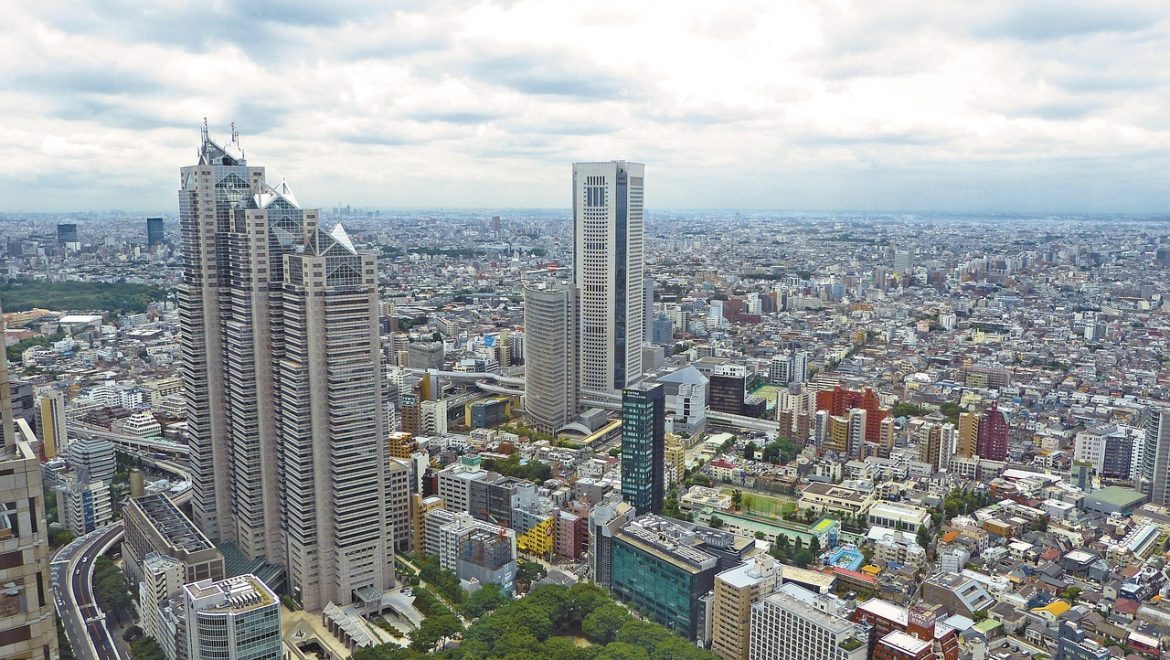
Tokyo for first timers travel guide with a don’t miss in Tokyo list and neighbourhood-based itinerary
If you’re planning my first trip, a Tokyo for first timers plan works best when it’s built around neighbourhood flow—so you don’t spend your days in Tokyo criss-crossing the city by accident. Think of your itinerary as three anchors: Shinjuku for connectivity and evenings, Asakusa for temple history, and Shibuya for modern energy.
For a first-time visit, a 3–5 day framework feels generous without becoming rushed. You’ll cover the must-see places, but you’ll also have space for one of the most unique moments—something small, local, and quietly unforgettable. This guide also highlights a few places to visit in Tokyo Japan that balance culture, design, and ease.
Tokyo itinerary ideas for 3 to 5 days in Tokyo
Here’s a crafted rhythm that keeps each day coherent, with built-in breathers and realistic transit time.
- Day 1 Shinjuku Arrive, settle, and take a gentle evening wander for iconic night views and an easy first dinner near your hotel.
- Day 2 Meiji and Omotesando Shrine calm in the morning at Meiji, then architecture, design stores, and galleries in the afternoon.
- Day 3 Asakusa and gardens A temple morning in Asakusa, then a traditional Japanese tea moment in greenery.
- Day 4 Skytree or Tokyo Tower Make a timed-entry booking for a sunset viewpoint and design dinner around it.
- Day 5 Tsukiji A sushi workshop day that feels intimate, well-paced, and expertly guided.
This kind of Tokyo list is reassuring because it’s flexible: you can swap days depending on weather, jet lag, or reservations, without losing the overall flow.
For most travellers, the easiest way to travel is by train—specifically the JR Yamanote Line (a loop that connects major districts) and the Tokyo Metro for fine-grained neighbourhood access. A prepaid Suica makes the whole system seamless; Suica or Pasmo both work for taps at gates, transfers, and even some convenience stores.
On arrival, treat Tokyo Station as your calm starting point rather than a challenge. From there you can connect to central lines, or transfer to reach Shinjuku Station if you’re staying on the west side. If Shinjuku feels intense at first, give yourself support: follow the colour-coded signs, move slowly, and don’t hesitate to ask staff—this is a place where help is often offered in motion.
High-end practical polish: secure timed-entry booking for major attraction slots, and let your concierge help with dining and hard-to-get experiences. Credit cards are widely accepted, but keep some cash for small gardens, temple offerings, and quieter local counters; stay aware of pickpocketing in crowded areas even though Tokyo is very safe. For more inspiration and Japan content to design the right pacing, you can browse our Trip gallery.
Above all, your Tokyo guide doesn’t need to feel like a checklist. The best things often arrive when you leave a little space—time to uncover a street, a scent of incense, or a view you didn’t plan. Consider this section your Japan travel tips foundation before you lock in reservations.


Where to Stay in Tokyo: Best Places for Design, Transit Ease, and a Stay in Tokyo for First
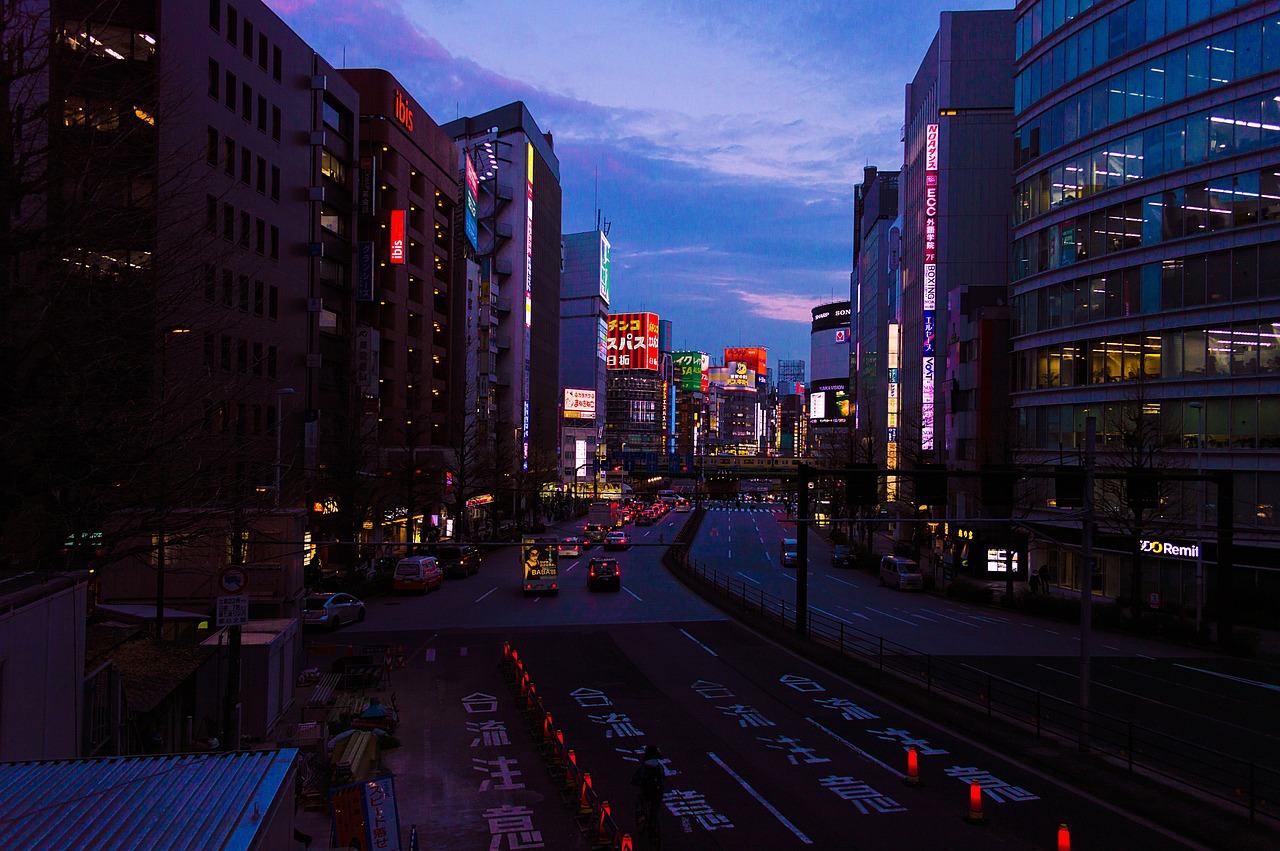
Where to stay in Tokyo: best places for design-focused travellers and easy evenings
If you’re deciding where to stay in Tokyo, prioritise elegance and ease—because the city is more enjoyable when your base feels effortless. A smart booking choice reduces transfers, smooths late nights, and makes early starts feel calm. For many travellers, the decision comes down to the rhythm you want each evening and how close you’d like to be to key train lines.
Shinjuku suits travellers who value connectivity and a polished return after long exploring days. Shibuya is energetic, fashion-forward, and lively late. Ginza and Marunouchi offer refined convenience near Tokyo Station—perfect if you prefer clean lines, gallery-like shopping streets, and quick transfers to multiple parts of Tokyo.
Hotel in Tokyo shortlist for high-end travellers
When comparing the best hotels, look beyond star ratings and focus on the details that create trust: calm check-in, thoughtful housekeeping, soundproofing, and a concierge who can handle restaurant booking with confidence. Room views matter here—those illuminated layers become part of your evening ritual and can change the way you feel about the city after dark.
A design-forward reference point in Shinjuku is Park Hyatt Tokyo, remembered for its quiet sophistication and skyline presence. Even if you choose another luxury address, use it as a benchmark for service culture, spa quality, and lounge access that turns logistics into something crafted.
Shinjuku resets: Shinjuku Gyoen and a short walk into greenery
After the city’s pace, Shinjuku Gyoen is a gentle reset—especially in spring and autumn, when light and colour soften the day. It’s an ideal between-adventures pause: a short walk from nearby stations, then back to your hotel in Tokyo for a change before dinner. It’s also quietly worth a visit even if your schedule is full, because it restores your energy for the night.
Mini-planner: for a first trip to Japan, aim for late March to May or September to November. Design your days so transit stays simple—one or two neighbourhoods per day—so time in Tokyo feels expansive rather than compressed, and your Japan trip stays enjoyable from morning to late evening.
Meiji Shrine in Tokyo: A Quiet Shrine Experience and Things to Do in Tokyo
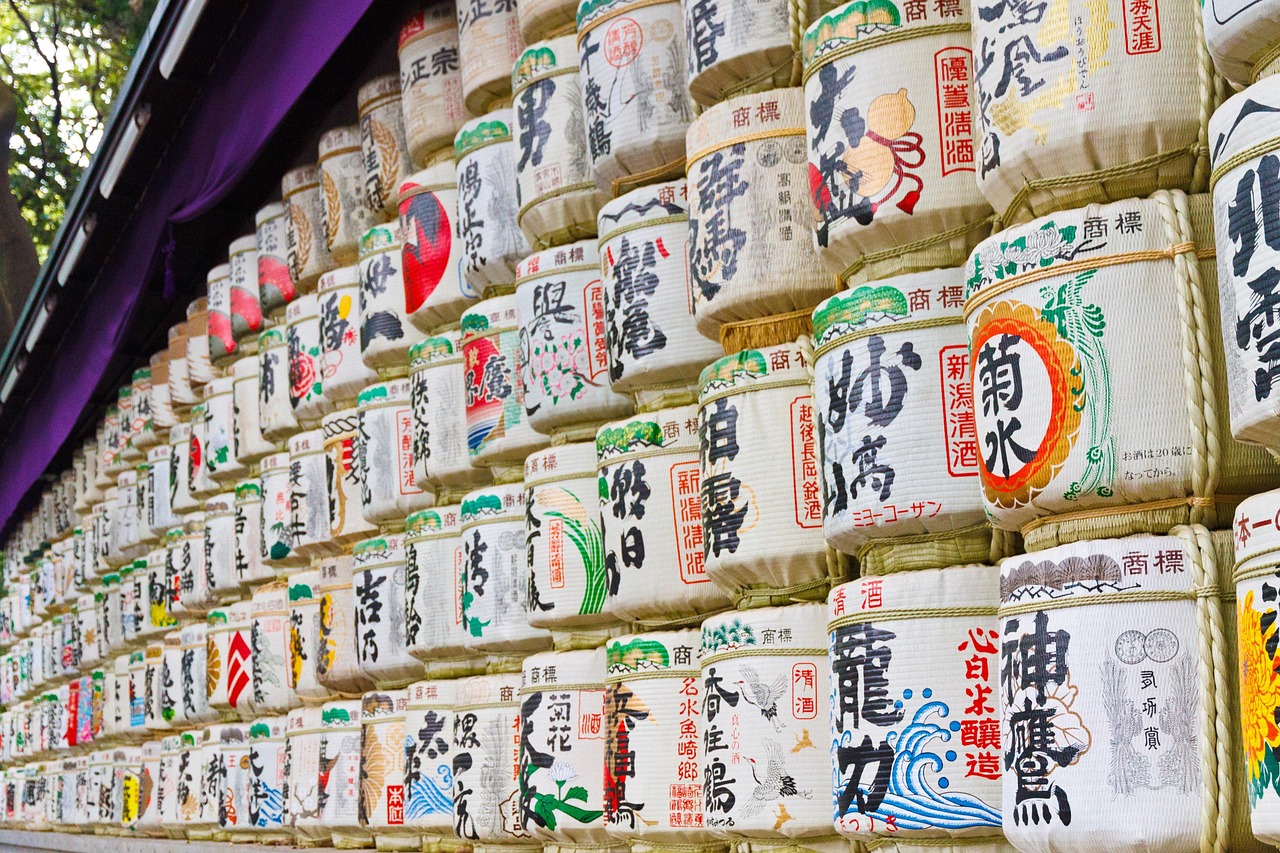
Meiji Shrine in Tokyo: a forested shrine escape that belongs on any itinerary
For many travellers, Meiji is the moment the city exhales. Meiji Shrine is a Shinto oasis, wrapped in a forested approach that gently shifts your senses from bright streets to birdsong and gravel underfoot—and it’s it’s one of the best resets you can add to a busy itinerary.
Arriving is simple via Harajuku or Meiji-jingumae stations, but the experience feels anything but ordinary. Pause at the torii gate, bow once with care, and step through as if you’re entering a different tempo—one of the most grounding things to do in Tokyo between shopping and nightlife.
Meiji Shrine etiquette and what to notice at the shrine
Keep etiquette light and respectful: bow at torii gates, follow the flow, and remove shoes when required in specific spaces. You don’t need to over-explain the sacred to appreciate it; watching small rituals—hands rinsed, quiet offerings—can offer insight without words. If you want a calmer shrine visit, arrive early and choose side paths when available.
- Choose a quieter entry path if you’d like fewer crowds and more birdsong.
- Keep voices low and phones discreet near prayer areas.
- Let children observe freely—curiosity often becomes a gentle form of respect.
A family once told us that visiting during cherry blossom season created an unexpected pocket of togetherness. They’d been moving quickly through Tokyo, but under pale pink blooms at Meiji, they slowed—sharing reflection away from crowds, feeling supported by the calm itself.
Harajuku to Meiji route and a Takeshita Street detour
We love a curated Harajuku-to-Meiji contrast: begin with the shrine’s hush, then re-enter the city on your terms. If you’re curious, pop into Takeshita Street briefly—best approached with confidence, a clear “exit plan”, and a quick return to greenery when the sensory overload peaks.
This is one of those unique things that makes Tokyo feel personal: you can hold both worlds in a single morning, and choose which one you want more of.
Omotesando to Shibuya Crossing: Best Places to Visit in Tokyo for Shopping, Design, and Night Views
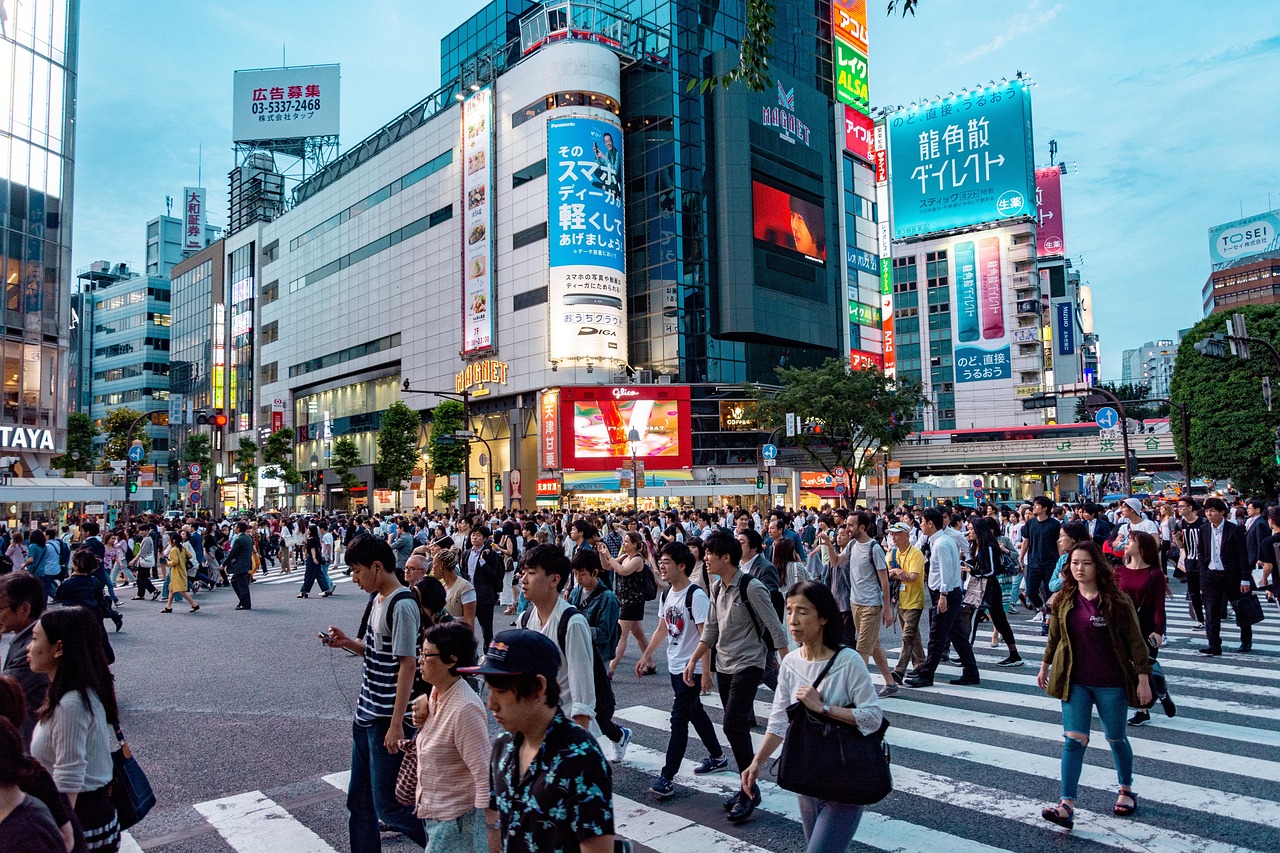
Omotesando and Shibuya Crossing: design-forward shopping and an iconic Tokyo night scene
For travellers drawn to style, Omotesando and Shibuya Crossing are an ideal pairing: a slow, design-led afternoon followed by a cinematic city moment. Omotesando is one of the best places to linger for architecture, fashion, and gallery-hopping—especially if you step beyond the main avenue and explore smaller side streets. If your goal is to collect a few standout places to visit in Tokyo, this area delivers variety without long transit time.
Imagine creating a ‘slow luxury’ rhythm: coffee first, then a considered browse, then an early apéritif before the city turns neon. Tokyo rewards this kind of pacing; it’s how the day stays seamless and the evening feels intentional.
Omotesando design and local galleries beyond the main avenue
An art enthusiast once shared how they uncovered a hidden gallery tucked behind an understated doorway—showcasing emerging Japanese designers. What began as shopping became a personal, curated set of experiences in Tokyo: a quiet conversation with a gallerist, a sense of discovery, and a piece bought not for a logo but for the story.
To create your own version, ask your hotel concierge for a small gallery recommendation, or look for pop-ups around Omotesando and neighbouring streets. The goal isn’t more bags—it’s more insight, and it’s one of the best places to visit if you love design.
Shibuya Crossing after dark and the best vantage points
Later, head to Shibuya Crossing, timed for after dinner or just before—when the lights feel theatrical but the night is still young. For the best view, choose an elevated vantage point in a nearby building rather than pushing into the densest crowd; it keeps the attraction exciting without feeling chaotic. This is iconic Tokyo at full volume, best enjoyed from a calm perspective.
Navigation note: near Shibuya Station, decide your exit before you go in. Pick a meeting point, screenshot your map, and plan a graceful return to your hotel—confidence here makes the evening feel designed, not improvised.
Asakusa and Senso-ji Temple: Classic Places in Tokyo with Hamarikyu Gardens Tea Ceremony
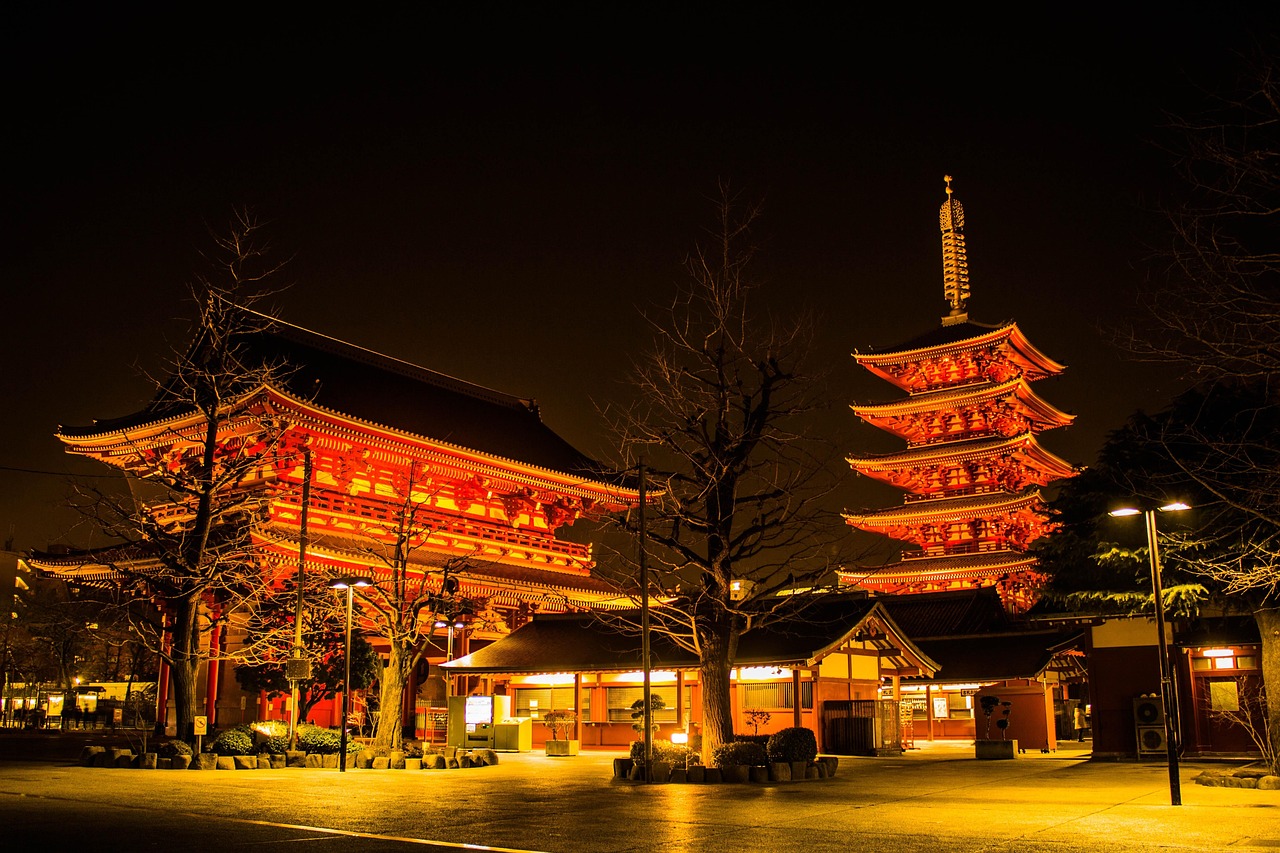
Asakusa and Senso-ji: a temple morning, then gardens and tea for a softer pace
Asakusa and Senso-ji are a beautiful way to meet the city’s cultural roots with warmth and clarity. Asakusa is often a first stop for visitors, and Senso-ji is Tokyo’s oldest temple—an approach lined with lanterns, incense, and the feeling of stepping into a living story.
Arrive early for the calmest experience, especially in peak seasons. Inside temple spaces, move respectfully, keep your phone away during prayer moments, and let the atmosphere do the talking; this is one of those places in Tokyo where small gestures matter.
Asakusa culture tourist information in two minutes
If you’re looking for asakusa culture tourist information without a lecture, keep it simple: the approach is a ceremonial corridor, the main hall invites quiet attention, and the surrounding streets blend devotion and daily life. It’s not about doing everything “perfectly”; it’s about showing care and giving others space.
- Best time Early morning for softer light and fewer tour groups.
- Photographs Step aside and keep pathways clear, especially near the temple entrance.
- Respect Treat incense smoke and offerings as meaningful, not performative.
Hamarikyu Gardens and a traditional Japanese tea ceremony
For a crafted contrast, plan a traditional Japanese tea ceremony in Hamarikyu Gardens. Booking is usually straightforward, but in busy periods it’s wise to reserve ahead or ask your hotel for support; the experience is quiet, intentional, and beautifully paced.
In Asakusa, sample street treats with restraint—choose one or two bites, then leave room for a later omakase dinner. A photographer-friendly route is simple: start at the temple gates, drift through the approach, then take a slow exit towards the river, keeping the day seamless rather than over-scheduled.
Tokyo Skytree at Sunset: Skyline Views, Booking Tips, and Tokyo Tower as a Second Attraction
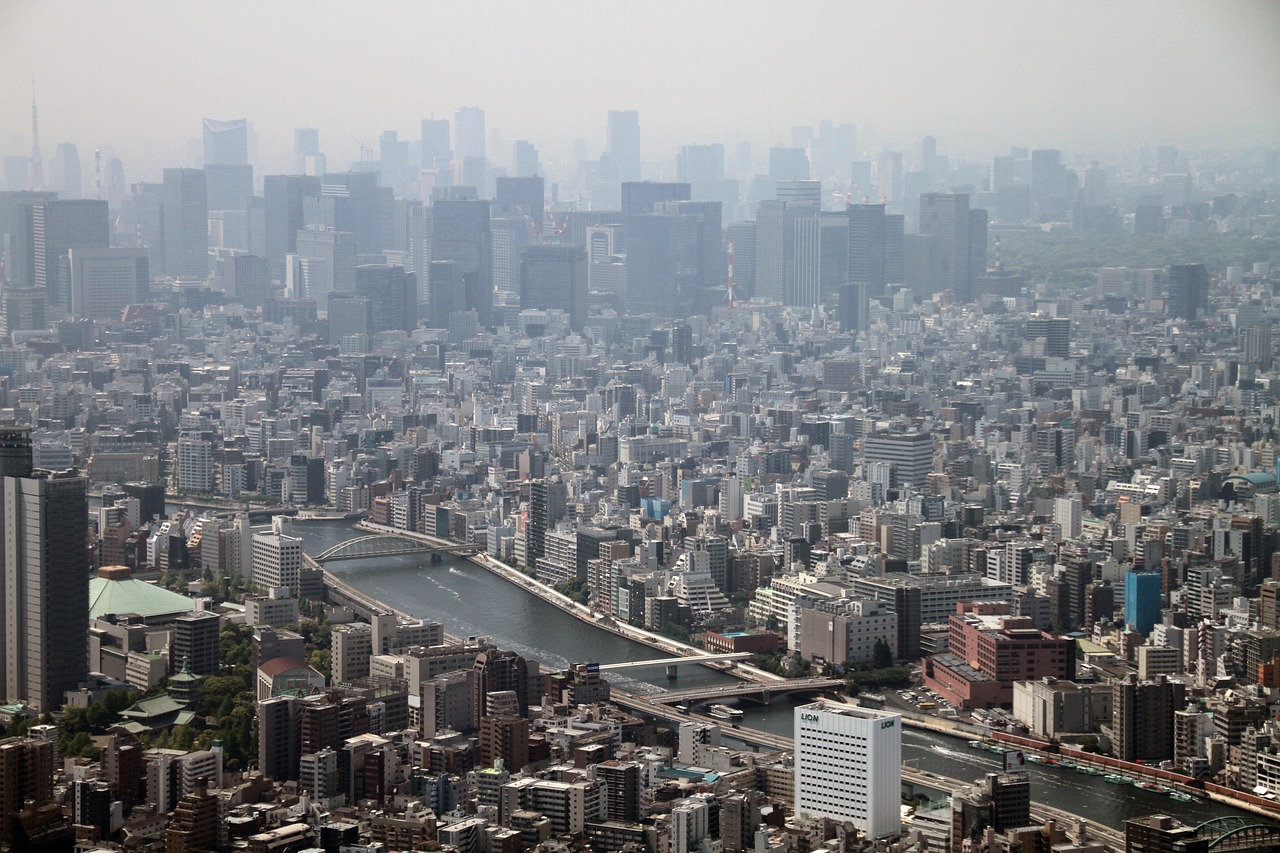
Tokyo Skytree at sunset: plan your booking for skyline views, then compare it with Tokyo Tower
Tokyo Skytree at sunset is the skyline chapter you’ll remember long after you visit Tokyo. It’s the tallest tower in Japan, and when you plan the timing well, it becomes more than an observation deck—it becomes a shared perspective on the city, with views of the Tokyo skyline stretching in every direction.
Choose ticket tiers based on how you want to linger: standard entry is often enough, while higher tiers can reduce queues and make timing more reliable. In autumn, the air is clearer and the city’s layers can look almost etched from above.
Tokyo Skytree booking tips for sunset timing
For sunset, booking is everything. Aim to arrive 45–60 minutes before the sun drops so you can settle, take photos without rushing, and watch Tokyo change colour; these are our tips on the best timing for a smoother experience.
- Queue control Reserve timed entry in advance, particularly on weekends.
- Accessibility Lifts are excellent; allow extra time for security and evening crowds.
- Dinner planning Book dinner with a comfortable buffer so you’re never watching the clock.
A couple once told us their sunset at Tokyo Skytree transformed their sense of scale. They arrived expecting a highlight photo moment, but as dusk softened into night, the atmosphere turned romantic—less about images, more about the quiet awe of seeing how the city holds both energy and tenderness at once.
Tokyo Tower as a second skyline mood
For contrast, Tokyo Tower offers a different framing—warmer, more nostalgic, and wonderfully photogenic. Rather than treating both as a checklist, choose the mood that suits your itinerary: Skytree for sweeping modernity, Tokyo Tower for a classic glow and a slightly different kind of skyline attraction.
However you do it, let the lights be personal. Pause, breathe, and allow the moment to feel real—not performative.
Tsukiji Market Sushi Workshop: Booking Tips and Things to Do in Tokyo (Trip to Tokyo)
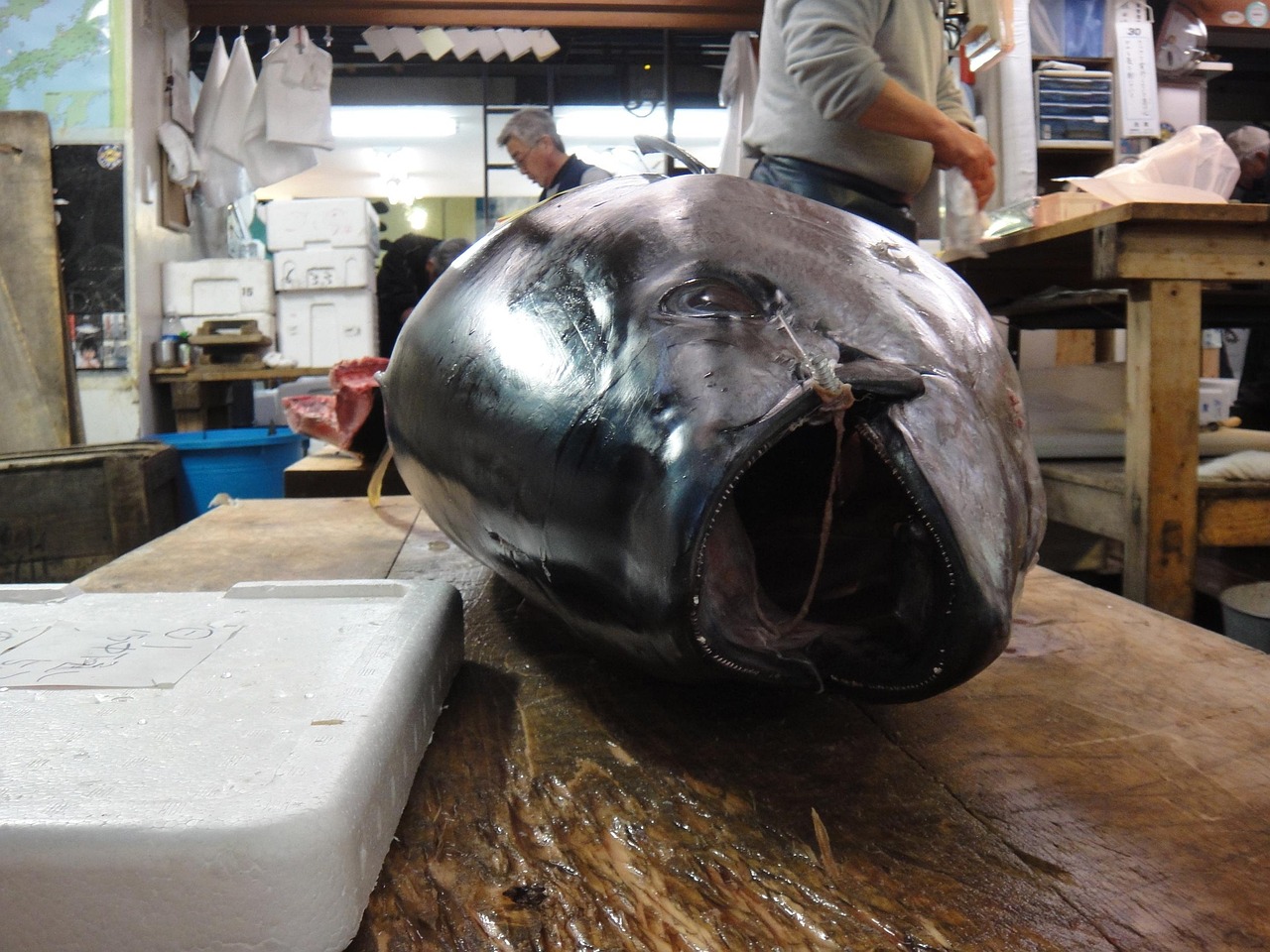
Tsukiji Market: book a sushi workshop for one of the most memorable food experiences
Tsukiji Market is where culinary culture becomes tactile. A premium, small-group—or private—sushi-making workshop with a master chef turns a meal into one of the most memorable things to do in Tokyo, guided by expert hands and a calm, precise teaching style. It’s also one of the easiest food experiences to tailor, whether you want technique, tasting, or both.
In peak seasons, booking early is essential, particularly for intimate classes with clear English instruction and strong sourcing. If you’re browsing platforms like get your guide, read cancellation terms closely and prioritise providers that state group size, ingredients, and chef credentials.
What master chef guidance looks like at Tsukiji
Done well, the workshop is less about showing off and more about craft: knife handling, rice temperature, seasoning balance, and respect for ingredients. A solo traveller once described how their morning in Tsukiji created a deeper connection to Japanese culinary culture—learning, tasting, and speaking with locals in a way that felt both personal and deeply grounding.
Wear comfortable shoes and choose sleeves that won’t dip into water or rice; you’re working, not just watching. Communicate dietary preferences in advance, and confirm whether substitutions are possible without compromising the lesson.
Best food pacing from market breakfast to evening omakase
To keep the day indulgent but not heavy, design your food arc with intention. A light market breakfast, then the sushi workshop, then a refined evening omakase makes the flavours feel layered rather than overwhelming—and it pairs well with a slower afternoon elsewhere in Tokyo.
- Morning Arrive early for the freshest market energy and easier navigation.
- Midday Let the class be the centrepiece; don’t over-snack beforehand.
- Later Consider a quiet dessert stop or tea to reset before dinner.
Optional add-ons: browse a knife shop with guidance, pick up small pantry items as souvenirs, or linger with a final cup of tea—small choices that make a Tokyo trip feel crafted.
Around Tokyo: Day Trip to Fuji, Tokyo DisneySea, Akihabara, and What to See in Tokyo for Contrast
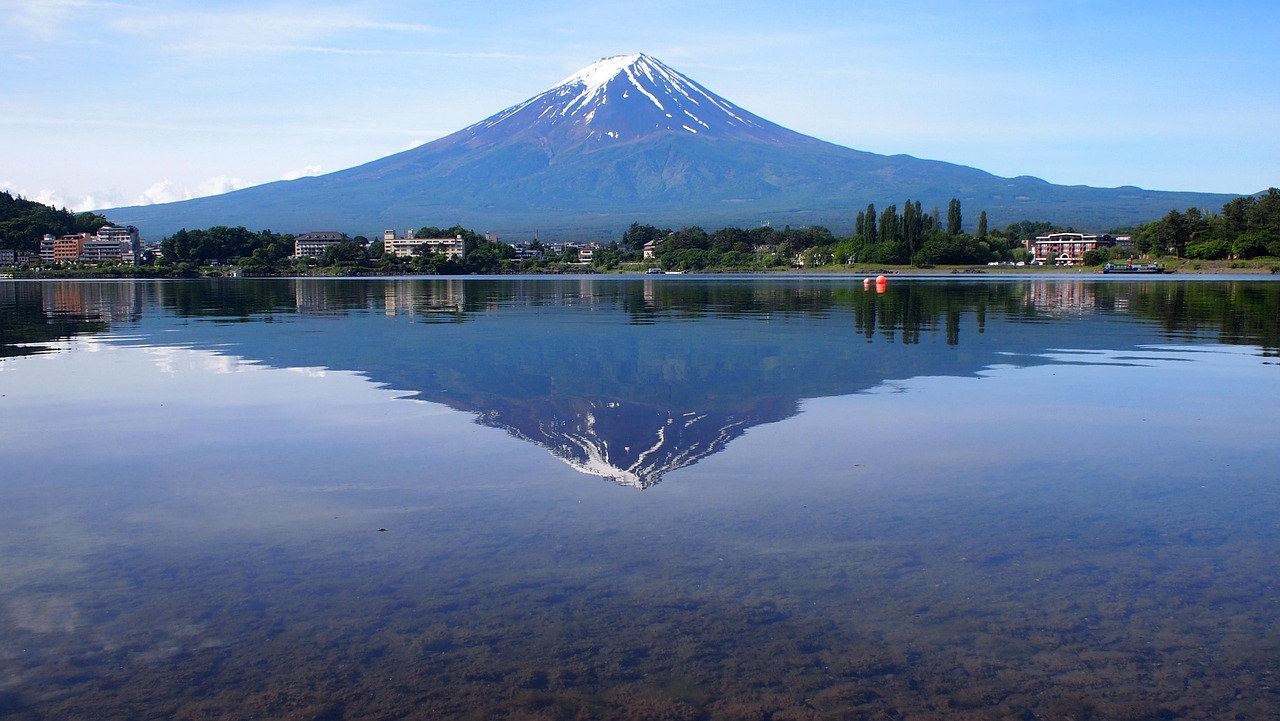
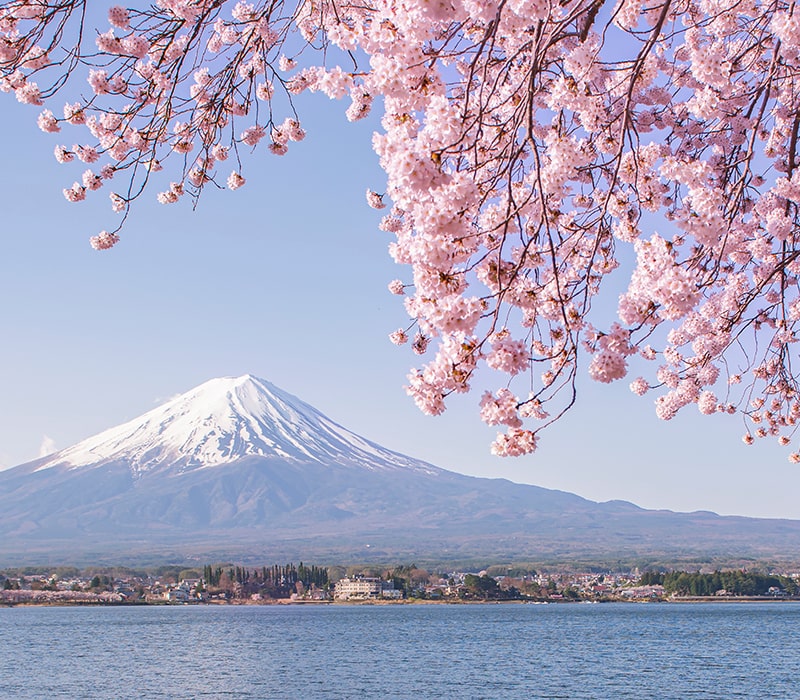
Around Tokyo day trips: Fuji for nature, DisneySea for design-led fun, and Akihabara for neon culture
Around Tokyo options are where you can tailor the city to your mood—nature, design-led fun, or pure urban contrast. If you’re in Tokyo for weeks in Tokyo, you can do them all; if not, choose one that matches your energy and the weather. This section is also a quick guide to what to see in Tokyo when you want a change of pace.
For a Japan itinerary with breathing room, we suggest one day trip at most in a short stay. That keeps your core neighbourhoods intact while still letting you explore beyond the obvious.
Fuji day trip planning with weather confidence
For Fuji, clarity is everything. Choose a day with the best forecast, and keep your timing seamless with reserved seats where possible; an early start helps you enjoy the views before haze builds, especially if you’re travelling from central Tokyo.
- Weather risk If cloud cover looks stubborn, stay flexible and swap to a city day.
- Comfort Dress in layers; lakeside air can feel cooler than central Tokyo.
- Time Build in a calm return so your evening in Shinjuku doesn’t feel rushed.
Tokyo DisneySea and Akihabara as intentional contrasts
For families, Tokyo DisneySea is one of the best things in theme-park design—immersive, beautifully detailed, and surprisingly elegant when you approach it with a plan. Make your booking for entry and any premium access early, arrive before opening, and schedule a mid-afternoon pause so everyone stays happy.
For a different kind of energy, Akihabara is a vivid cultural slice—collectibles, tech, arcades, and neon. Treat it as an intentional choice rather than a default detour, and it becomes a fascinating counterpoint to shrine and temple quiet.
Tokyo offers endless possibilities, but the best choices are the ones you make with confidence, care, and time to breathe—so every day feels like it was designed for you, whether you stay central or explore further around Tokyo.
What Stayed With Us After Tokyo and Personal Insight After a Visit to Tokyo Japan
Tokyo leaves personal insight after a visit to Tokyo Japan in ways that are almost too small to name at first. It’s the hush beneath trees at a shrine, the weight of a tea bowl warming your hands, the quiet order of a train arriving exactly when it should—and the soft relief of knowing you can trust the city to carry you, even when you don’t speak much Japanese.
What lingers isn’t only the scale of Tokyo, but its gentleness inside the scale. The way a temple corridor asks you to slow, how a shopkeeper wraps a purchase like it matters, or how a stranger points you towards the right platform without making you feel rushed.
At night, we still picture the city as a constellation—windows lit, streets threaded with motion—yet never quite loud in the way you expect. Tokyo is a city that rewards return visits: you don’t leave having “completed” it; you leave with the sense that you were briefly part of its rhythm, and that you can return together with the same quiet confidence to uncover something you didn’t even know to look for.
F.A.Qs: Tokyo travel guide quick answers
What is the most visited place in Tokyo?
Senso-ji in Asakusa is widely considered one of the most visited places in Tokyo, thanks to its historic temple grounds and lively approach streets. It’s easy to reach by train, works well as a first stop, and feels meaningful even on a short visit when you arrive early for a calmer atmosphere.
What are the top 10 things to see in Tokyo?
A refined top 10 often includes Meiji Shrine, Senso-ji in Asakusa, Omotesando, Shibuya Crossing, Tokyo Skytree, Tokyo Tower, Tsukiji food experiences, Shinjuku views, Shinjuku Gyoen, and a garden tea ceremony such as Hamarikyu. These are excellent things to see in Tokyo, and the best order depends on your hotel in Tokyo location, transfer times, and booking slots—use them as places to see, not pressure.
Is $1000 enough for 1 week in Japan?
$1000 can work for a budget-style week in Japan if you choose business hotels, eat simply, and limit paid attractions and long-distance trains. For high-end travellers, it’s unlikely to cover premium stays, private experiences, and omakase dining—so plan a higher daily budget, especially in Tokyo.
What part of Tokyo is best to visit?
The best part of Tokyo depends on your style: Shinjuku for transport and skyline energy, Shibuya for modern buzz and shopping near Shibuya Station, Asakusa for temple history, and Ginza or Marunouchi for polished ease near Tokyo Station. Many first-time visitors enjoy combining Shinjuku with a cultural day in Asakusa before branching out to other places in Tokyo with confidence.