The Izu Peninsula travel guide you actually want is one that makes Shizuoka feel close to Tokyo yet wonderfully wild. In Japan, the Izu Peninsula rewards cultural enthusiasts and adventure seekers alike with dramatic Jogasaki cliffs, restorative onsen evenings, and beach days that feel beautifully unhurried. Imagine crossing a windswept suspension bridge above the Pacific, then slipping into a hot bath as the mountains soften into dusk.
In this guide, you’ll discover when to go, how to create a seamless route from Tokyo, what to pack for rugged coastlines, and where to trust local operators for snorkelling and diving—so your trip feels crafted, confident, and deeply personal.
Post Contents
- Why the Izu Peninsula travel guide to Shizuoka’s rugged coastline resort playground
- Jogasaki Coast hike Izu Peninsula Kadowaki Suspension Bridge cliff views Japan
- Atami onsen Shuzenji onsen ryokan hot spring bath Izu Peninsula Japan
- Shimoda beaches Izu Peninsula snorkeling diving Shirahama Beach Irozaki Japan
- Dogashima sea cave boat tour western coast Izu Peninsula Toi Japan
- What stayed with me after Izu onsen and coastline reflection in Japan
- F.A.Qs: Izu Peninsula Japan travel guide
Why the Izu Peninsula travel guide to Shizuoka’s rugged coastline resort playground
Why the Izu Peninsula is Shizuoka’s rugged coastline playground
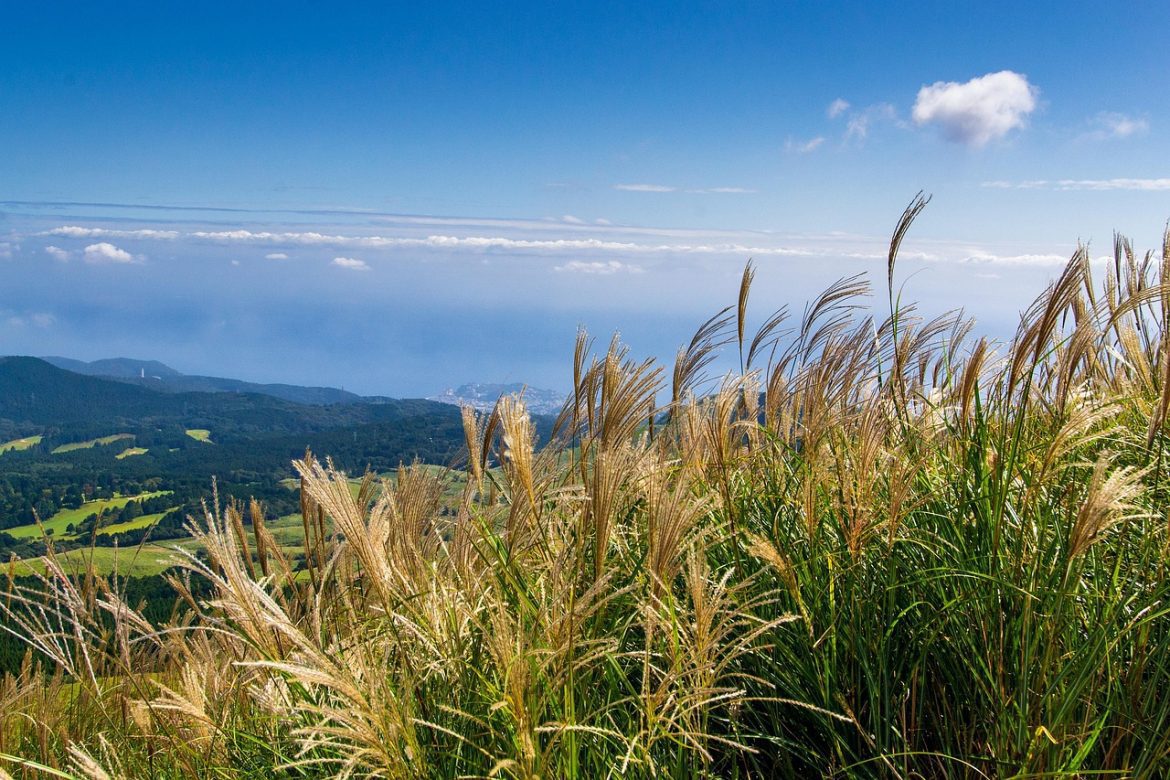
This Izu Peninsula travel guide Shizuoka rugged coastline resort overview is your calm starting point for a place that feels both polished and untamed. Sitting southwest of Tokyo, the Izu Peninsula blends beach towns, volcanic ridgelines, and cliff edges that keep even seasoned travellers alert—in the best way. It’s one of those rare corners of Shizuoka Prefecture where you can go from city-to-sea with minimal friction, yet still feel like you’ve uncovered a wilder Japan.
What makes Japan’s Izu Peninsula special for adventure seekers is how quickly the scenery changes. One moment you’re tracing a coastline road with ocean spray on the wind; the next you’re climbing into mountainous forests where the air cools and the pace slows. There’s a reassuring sense of support here too: clear stations, well-kept trails, and local inns that specialise in quiet care.
Plan your trip from Tokyo with a seamless first route
For first-timers, a popular day trip can work if you focus on one area—Atami or Jogasaki—then return to Tokyo feeling refreshed. But if you want the Izu Peninsula to feel crafted rather than rushed, design 2–4 nights: one base in Atami, one in Shuzenji, and time down in Shimoda. That rhythm gives you space to explore without constantly repacking.
The simplest train from Tokyo begins at Tokyo Station: take the JR Tokaido Shinkansen from Tokyo to Atami Station, then continue by local train or bus. Another smooth option is via Mishima, which can be handy if you’re combining the peninsula with Hakone or a Mount Fuji view. If you’re weighing a Japan Rail Pass, check whether your travel days and the Shinkansen legs justify it; the peninsula itself is often more about local lines, buses, and the occasional taxi.
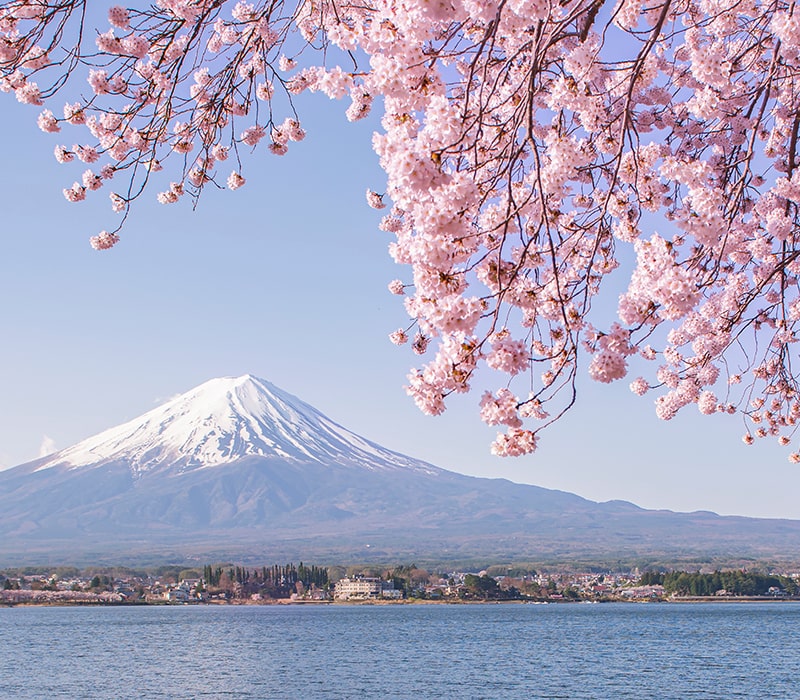
If you’re dreaming of Fuji, keep your camera ready on clear days—there are moments when Mount Fuji appears like a quiet guardian in the distance. That single silhouette can add a surprising layer of insight to your Japan trip, especially when paired with the sea.
Seasonal choices from cherry blossom to waterfall walks
Spring (March–May) and autumn (September–November) are the most comfortable seasons to visit the Izu Peninsula for hiking, temple strolls, and long coastal viewpoints. Spring brings cherry blossom, and the Kawazu area is famous for early blooms that arrive ahead of much of Japan. Nature lovers can pair Kawazu with nearby waterfalls for an easy, photogenic half-day that feels like an uncover moment rather than a checklist.
Summer is best for beach swimming and snorkelling, while winter is quietly brilliant for onsen—steam rising into crisp air is its own kind of luxury.
What to pack for rugged coastlines and onsen evenings
The terrain can be more rugged than it looks on a map: cliffside paths, sun-reflective rocks, and steep lanes as you move inland. With a few expert choices, you’ll feel steady and confident.
- Sturdy shoes for coastal trails and uneven volcanic steps
- Sun protection (hat, SPF, sunglasses) for exposed sections along the coast of Izu
- Light layers for sea breezes and cooler mountain towns
- Cash for small shops, buses, and traditional inns
- A small towel and a respectful mindset for onsen etiquette
And a small teaser, so you can imagine what’s ahead: Jogasaki, Atami, Shuzenji, Ito, Omuro (an extinct volcano with a bowl-shaped rim), and the tip of the Izu Peninsula viewpoints that make you stop mid-sentence.
If you’d like inspiration for a larger trip to Japan, browse our Trip gallery and picture how Izu fits into a more expansive, beautifully designed itinerary.


Jogasaki Coast hike Izu Peninsula Kadowaki Suspension Bridge cliff views Japan
Jogasaki Coast trail adventure with the Kadowaki Suspension Bridge
This Jogasaki Coast hike Izu Peninsula Kadowaki Suspension Bridge cliff views Japan chapter is where the peninsula’s coastline shows its true character. Jogasaki is defined by jagged cliffs and volcanic rock formations, carved and shattered into black textures that look almost sculpted. Come early for softer light and easier parking, or arrive late afternoon when the path feels quieter and the ocean turns satin.
The trail is well-marked, but it still asks you to stay present—watch your footing, especially after rain, and keep an eye on edges when the wind picks up. The reward is a sequence of spectacular views that feel earned rather than handed to you.
Jogasaki hiking trail timing and the lighthouse viewpoint
Most travellers choose a section of the Jogasaki hiking trail rather than attempting everything. If you’re short on time, create a flexible half-day plan: pick one direction, enjoy the viewpoints, then loop back by train or taxi. Look out for the lighthouse, a classic pause point that adds perspective—sea below, pine above, and the sense that the Izu Peninsula is both playground and pilgrimage.
For photographers, the golden rule is simple: support the site by staying on-path. The rock edges can be tempting, but the most dramatic frames often come from safe angles with leading lines and sea spray.
The Kadowaki Suspension Bridge moment
The emotional peak is the Kadowaki Suspension Bridge. You’ll hear it before you reach it: the hush of wind, the percussion of waves, the occasional creak underfoot. Step onto the suspension bridge with a slow pace, let your hands rest on the rail, and keep your centre of gravity steady on the rugged approach sections.
One traveller told me they expected a quick photo stop, but the bridge changed the tempo of their day. Halfway across, the ocean opened up like a deep blue exhale—and they realised they were smiling for no reason other than feeling alive.
Later, that same hiker followed the scent of grilling fish to a small local coastal eatery. The lunch was simple: fresh seafood, rice, miso, and a view of boats working the shallows. But the insight stayed—sometimes the most lasting luxury is time to sit, salt on your skin, and trust that you’ve designed the day well.
If you want extra outdoor variety near Ito, consider Izu Granpal Park for playful evening illuminations or the Izu Cactus Park for unusual flora—an easy add-on that keeps the day active without feeling overfull.
- Trail practicalities: toilets appear near key access points; carry water regardless.
- Distance options: choose short sections for a relaxed stroll, longer ones for an adventure stretch.
- Convenience: small shops can be limited—pack snacks if you’re walking far.
Atami onsen Shuzenji onsen ryokan hot spring bath Izu Peninsula Japan
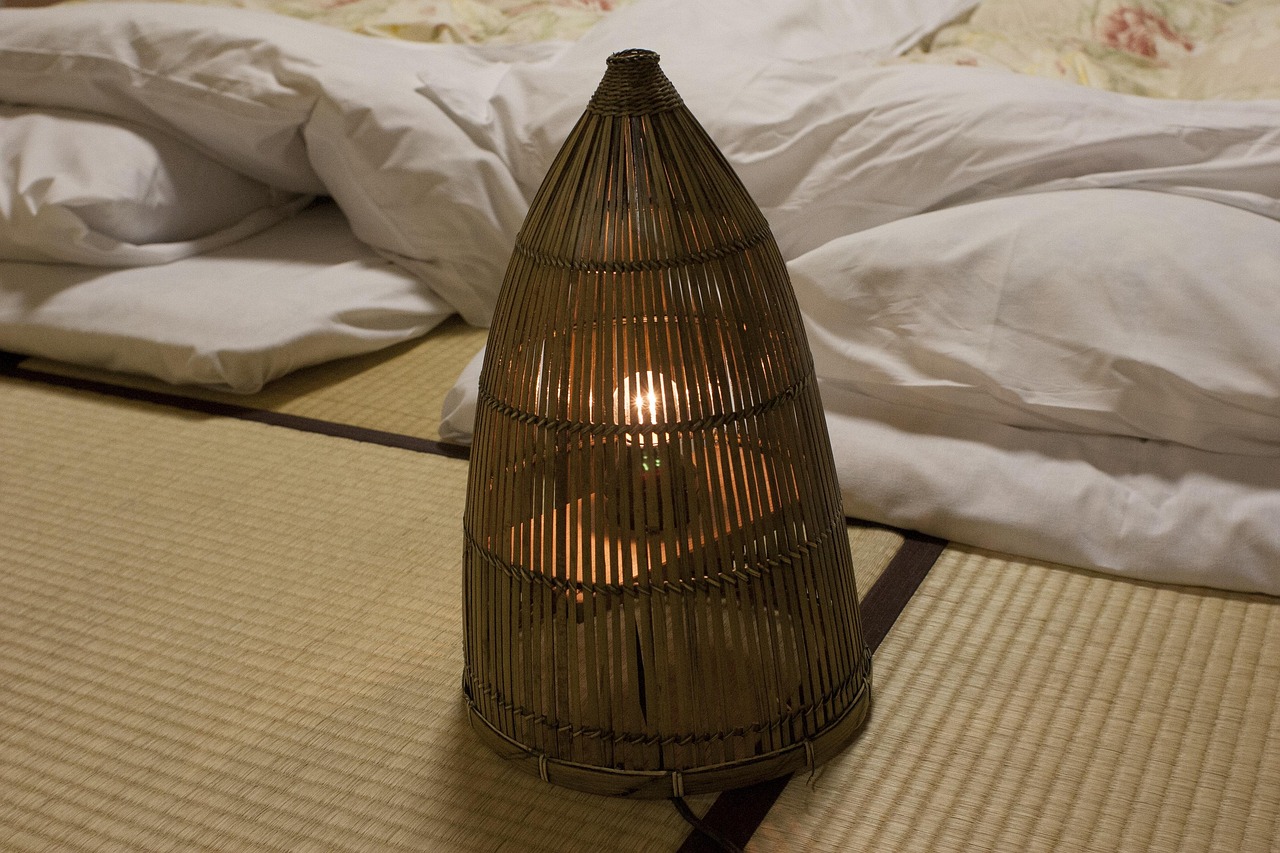
Onsen recovery in Atami and Shuzenji for body and spirit
This Atami onsen Shuzenji onsen ryokan hot spring bath Izu Peninsula Japan section is your reset button after coastal effort. On the Izu Peninsula, onsen isn’t an add-on—it’s the counterbalance that makes the adventure sustainable. After a long day of cliffs and sea air, the first soak feels like the body remembering how to unclench.
If you’re new to a hot spring bath, the basics are reassuring: wash thoroughly before entering, keep towels out of the water, and speak softly. A well-run public bath will guide you with clear signs; your calm attention is the real etiquette.
Atami as an easy onsen resort base from Atami Station
Atami is often the smoothest first base because it’s straightforward from Atami Station and gives you resort comfort without feeling sterile. Arrive in the afternoon, check in, then take an evening stroll—sea breeze, lit shopfronts, and the gentle sense that you’re safely away from Tokyo’s pace. For onsen newcomers, that first soak in Atami builds trust: you learn the rhythm, then everything else feels easier.
Choose a property that makes the experience seamless—clear check-in, helpful staff, and an onsen you can enjoy without overthinking. This is where confidence quietly starts.
Shuzenji onsen and a crafted ryokan stay
Shuzenji onsen feels more secluded, more serene, as if the mountains are holding the town in a protective bowl. To experience it fully, book a ryokan with tatami rooms, yukatas, and dinner and breakfast included. If you can, choose kaiseki: a paced, seasonal meal that mirrors the landscape—small plates, careful temperature, and a sense of craft.
One adventurer described slipping into an outdoor bath in Shuzenji as the sun sank behind the ridgeline. Steam rose into cool air, and the mountains turned the colour of tea. Their words were simple: “I didn’t realise I was tired until the water told me.”
For the cultural enthusiast, Shuzenji Temple and the surrounding narrow streets add gentle depth. I still remember weaving through lantern-lit lanes, then pausing by the bamboo forest as locals shared stories—about festivals, about summer nights, about how the town looks when maple leaves fall. That kind of local warmth can’t be scheduled, but you can make space for it by walking slowly and greeting with respect.
Logistically, a little planning makes everything feel cared for: book ryokans early in peak spring and autumn, carry cash for small inns, and keep your voice low in shared areas. Shoes off indoors, a small bow, and an open mind—those quiet choices help you explore together with the place, rather than simply passing through it.
Shimoda beaches Izu Peninsula snorkeling diving Shirahama Beach Irozaki Japan
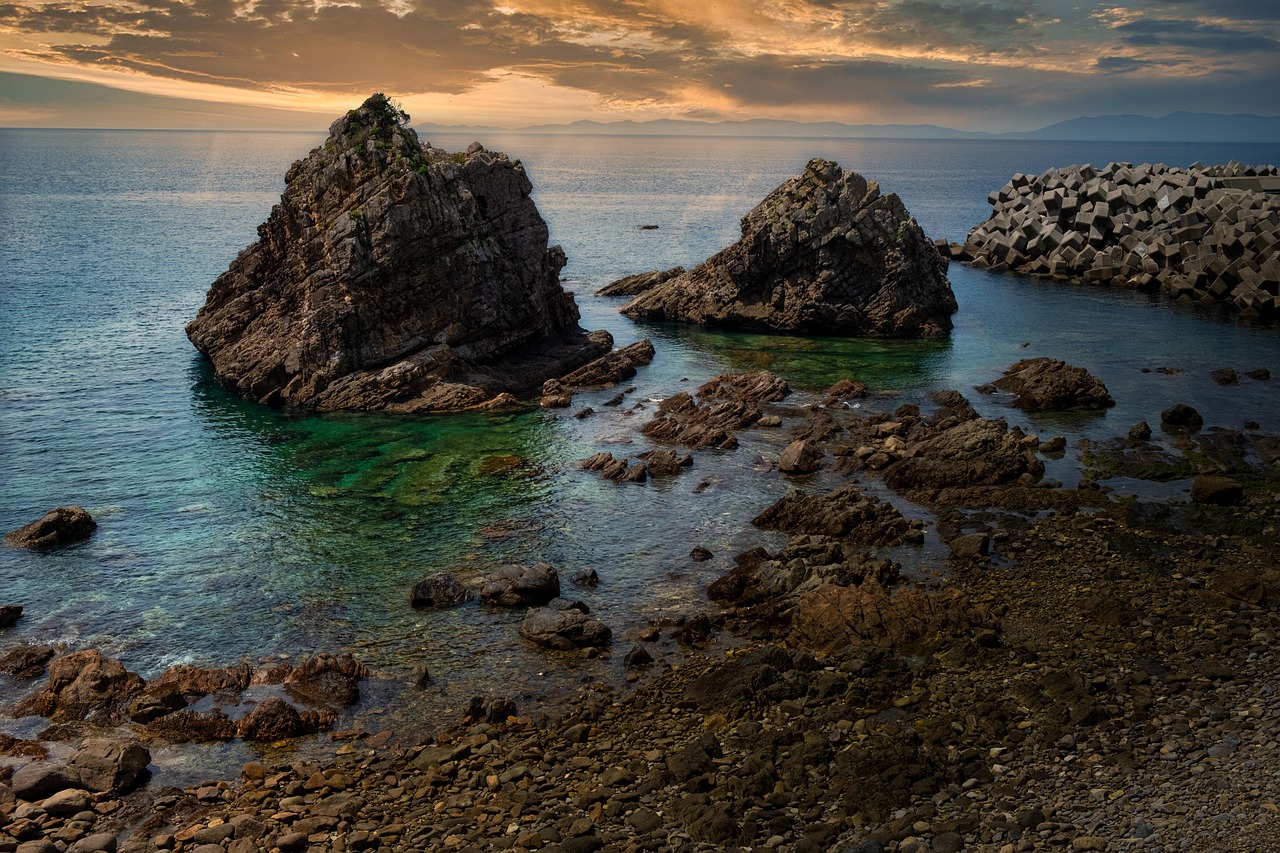
Beaches and diving from Shimoda to the southern tip of the Izu
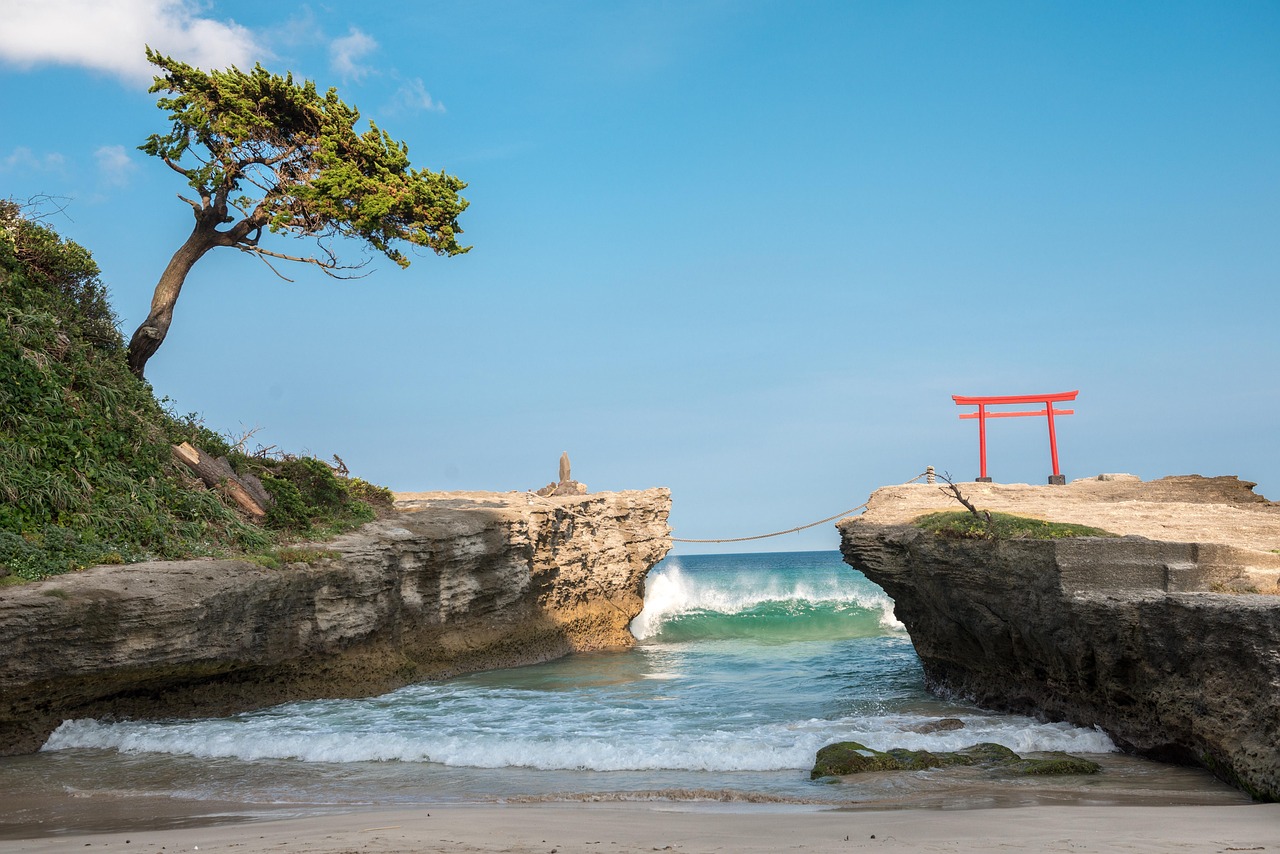
This Shimoda beaches Izu Peninsula snorkeling diving Shirahama Beach Irozaki Japan chapter is where the Izu Peninsula turns playful. Shimoda is a port town with an easy-going energy, and it makes a smart base if you want beach time without giving up cultural texture. For swimming, summer is the safest window—warmer water, calmer conditions, and more services open along the shore.
Start with Shirahama Beach, a headline sweep of pale sand and bright water that feels almost tropical by Japan standards. Come early for a quieter scene, then stay into afternoon when the light starts to glow.
Kirio Beach snorkelling and diving you can trust
For underwater adventure, the Kirio Beach area offers a lesser-known side of Izu’s. Local shops arrange gear rentals, and good operators will brief you on visibility, currents, and entry points before you even touch the water. If the sea is choppy, trust the experts and switch to a sheltered spot—your safety is part of the luxury.
A diver once told me that the moment they submerged, the peninsula changed shape. In clear water, colourful fish moved like confetti across the rocks, and the sound of the world disappeared. They surfaced grinning, surprised not just by what they saw, but by how intimate the experience felt—quiet, private, almost secret.
Perry Road and an easy cultural afternoon in Shimoda
Between ocean sessions, take a gentle history walk along Perry Road. The reference to Matthew Perry is light-touch here—less about grand narratives, more about how a small canal-side street can hold centuries of encounter. Stop for tea, browse small shops, and let the afternoon feel unforced.
If you have the energy, push farther to Irozaki at the southern tip of the Izu. The drive is scenic, and the cliff viewpoints are the kind that make conversation trail off. Check low tide times if you plan any coastal exploring near rocks or sea edges, and keep an eye on weather—this is where the ocean feels powerful and close.
By now, you’ll likely feel the peninsula’s rhythm: effort, water, rest, repeat. It’s a satisfying pattern for adventure seekers who still want care built into the day.
Dogashima sea cave boat tour western coast Izu Peninsula Toi Japan
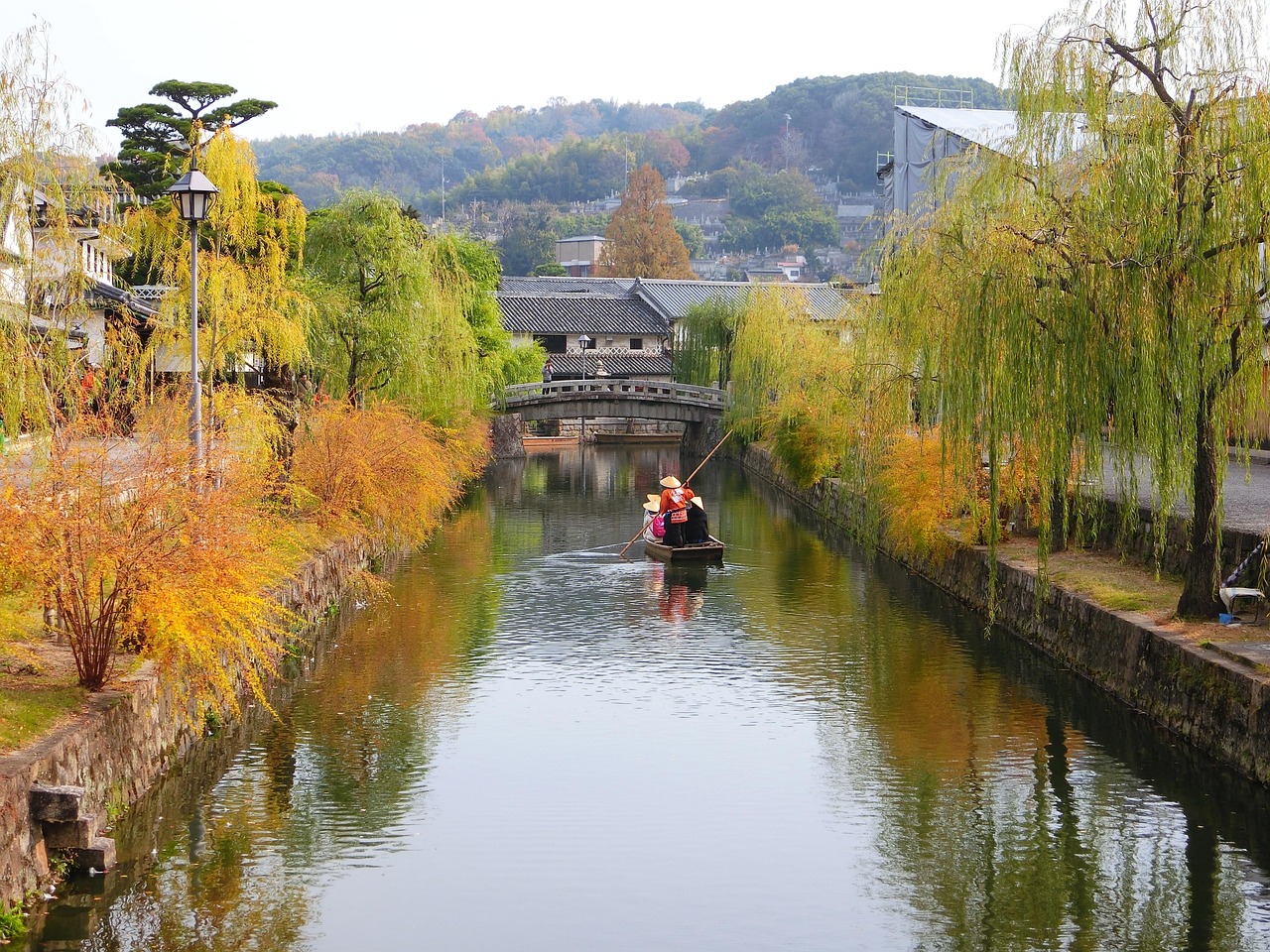
Western coast road trip to Dogashima sea caves and sunset rocks
This Dogashima sea cave boat tour western coast Izu Peninsula Toi Japan section reveals a different mood on the Izu Peninsula—fewer crowds, bigger horizons, and light that feels cinematic. The western coast can be slower to reach, but that’s precisely why it’s so rewarding. You’ll notice the silence first, then the scale.
If your trip has room for one “designed” road day, this is it: coastlines that keep unfolding, viewpoints that invite lingering, and sunset sequences that feel naturally curated.
Dogashima sea cave interiors at golden hour
Dogashima is the headline, and a boat tour is the most memorable way to experience it. As you slip into a sea cave, the air cools and the water darkens, then the light changes again as you emerge—like stepping between rooms in a gallery. The surrounding rocky island shapes feel ancient, and the shifting colour makes every photo different.
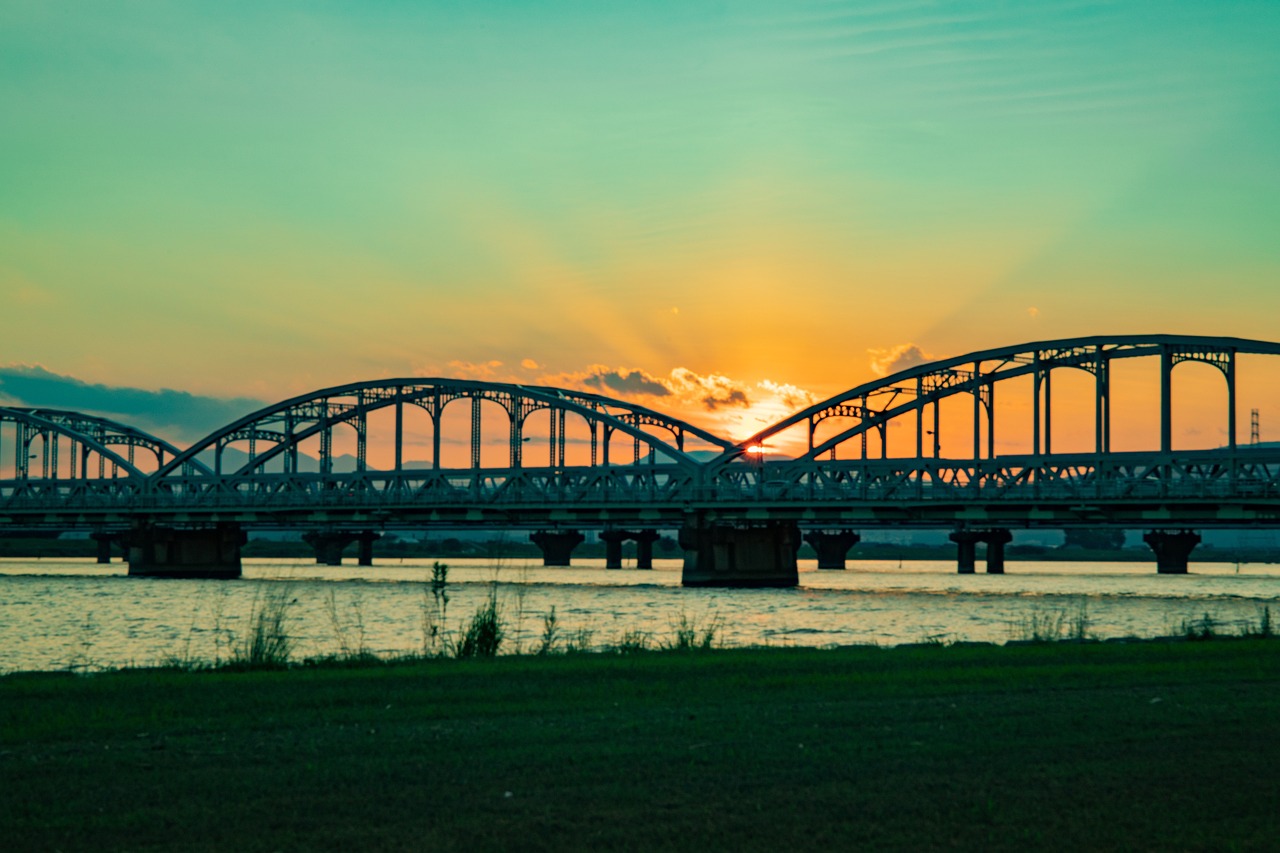
Try to time your day so you’re near the water late afternoon. Golden hour here isn’t just pretty—it reveals textures in stone and sea that you miss in harsher light.
Koganezaki, Toi and the easiest sunset sequence
For a simple plan, pair Dogashima with Koganezaki for viewpoints, then continue towards Toi for a final stretch along the shore. The key is not to cram: leave generous gaps for roadside stops, spontaneous lookouts, and the inevitable “just one more minute” when the sky starts to turn.
Logistics matter more on the western side. Buses exist, but schedules can limit your freedom, so car hire can be the most seamless choice if you’re confident driving on narrow roads. Rental bikes work best in flatter, town-based areas; longer stretches here are easier to navigate with a flexible schedule and a full fuel tank. Keep cash for small parking areas, and allow time so you never have to rush a viewpoint.
If you want a nature-and-culture detour inland, route through Amagi and stop at Joren-no-taki waterfall. The waterfall drop is crisp and cooling, and nearby wasabi fields add a local detail you can taste later at dinner. It’s a small, sensory insight that deepens the day—green terraces, running water, and the quiet pride of growers.
What stayed with me after Izu onsen and coastline reflection in Japan
This Izu Peninsula Japan personal reflection onsen coastline isn’t about what I did, but what I carried home. I still remember the salt air clinging to my sleeves after the cliffs, and the way the sea seemed to breathe louder than my thoughts. In the evenings, the bath was not simply warm—it was a hush, as if the day’s edges softened in the water.
On the Izu Peninsula, time feels altered by volcanic landforms and sudden open views. The landscape has a way of slowing you down without asking permission, and somehow you don’t resist. You begin to trust small rhythms: shoes neatly left at a doorway, a quiet greeting, a pause to let someone pass on a narrow lane.
What surprised me most was how confidence grew through modest choices. Asking for help when a sign felt ambiguous, taking a bus even when a taxi would be easier, letting a meal last longer than planned—each moment felt like care in motion. The place and the traveller design the experience together, and the result feels personal, not performed.
Even now, I can picture a corner of bamboo moving in evening wind, and hear the ocean’s steady insistence somewhere beyond the hills. It makes me wonder what the peninsula would feel like in another season—same coastline, different light, and a quieter version of myself arriving again.
F.A.Qs: Izu Peninsula Japan travel guide
F.A.Qs about the Izu Peninsula Japan travel guide
Is the Izu Peninsula worth visiting?
Yes—especially if you want Japan beyond the big cities without sacrificing comfort. The Izu Peninsula balances rugged coastal hikes like Jogasaki with restorative onsen in Atami and Shuzenji, plus beaches around Shimoda. It’s easy to reach from Tokyo, yet it still feels like an escape. For adventure seekers, the variety (cliffs, water, mountains) makes the journey feel rich without being exhausting.
What is the Izu Peninsula famous for?
The Izu Peninsula is famous for onsen culture, dramatic coastlines shaped by volcanic history, and scenic beach towns. Highlights include the Jogasaki Coast and its iconic bridge viewpoint, traditional ryokan stays, and ocean activities such as snorkelling and diving in the south. It’s also known for seasonal colour—spring cherry blossom in areas like Kawazu and vivid autumn foliage inland.
Is Izu a good day trip from Tokyo?
Izu can work as a day trip if you focus on one area, such as Atami for an easy first onsen experience or Jogasaki for a half-day coastal hike. The travel time from Tokyo is manageable, but the peninsula rewards slower travel. If you want to add Shuzenji, Shimoda beaches, or the western coast, staying 2–4 nights creates a more seamless pace and deeper local insight.
How do I get from Tokyo to the Izu Peninsula?
The simplest route is by train: take the JR Tokaido Shinkansen from Tokyo Station to Atami Station, then continue by local train or bus depending on your base. Another common gateway is via Mishima, which can be useful if you’re connecting from other parts of Japan. Once on the peninsula, buses, local trains, and occasional taxis cover most routes; car hire adds flexibility for the west coast.